Armada
United States
American ski brand | Founded in 2002 as one of freeskiing’s first athlete-founded companies | Known for: ARV, ARW, Declivity, Whitewalker, Zero Collection, Tanner Hall, JP Auclair, Phil Casabon and Sammy Carlson | Focus: freestyle creativity, freeride progression, athlete-led design and modern skis built for park laps, powder days, side hits, touring missions and video-part culture.
2002 roots: the AR5 rewrites freeski from the inside
Armada belongs to the rare group of ski brands that changed not only what people bought, but what they imagined skiing could look like. Founded in 2002, the brand grew out of a moment when freeskiing was pulling away from traditional alpine identity and building its own language through park, street, powder, film parts and athlete-led creativity. Instead of treating freestyle as a side category, Armada put it at the center. The original founding circle connected JP Auclair, Tanner Hall, JF Cusson, Julien Regnier, Boyd Easley, Eric Iberg, Chris O’Connell and Hans Smith around a simple but disruptive idea: skiers themselves should help define the equipment and culture of modern skiing.
That origin still matters because Armada arrived when twin tips, rail tricks, pipe skiing and ski movies were giving young skiers a different kind of identity. The early ARV and AR5 models were not just products; they were declarations that park and freeride athletes deserved skis designed for the way they actually moved. Over time, the company expanded into freeride, touring, all-mountain, outerwear, boots, poles and accessories, but its center of gravity stayed close to rider input. Even after Amer Sports acquired Armada in 2017, the brand kept presenting itself as athlete-focused, design-obsessed and driven by originality rather than race-room conservatism.
ARV, ARW, Declivity, Locator—the quiver after the revolution
Armada’s ski catalog is best understood as a map of modern freeski needs. The ARV and ARW families carry the strongest all-mountain freestyle DNA, with twin-tip shapes, playful flex patterns and widths that move from park-friendly daily drivers to powder-capable freestyle platforms. The ARV 94, for example, sits in the center of that identity: wide enough for mixed resort snow, still narrow enough to carve and lap the park, and built with a poplar core, ash binding insert, 2.5 Impact Edge, S7 base and w3Dgewall construction. The ARW line mirrors that all-mountain twin logic for skiers who want the same blend of freestyle and resort versatility.
Declivity and Reliance move Armada into directional all-mountain territory. These skis are less about switch takeoffs and more about high-speed stability, edge hold and mixed-condition confidence. The Declivity 92 Ti uses full-length titanal construction, EST All Mountain Rocker, a poplar core, AR100 sidewall, Comp Series Base and Articulated Titanal Banding, giving the brand a platform for skiers who want Armada’s personality with a calmer, more frontside-capable chassis. Locator targets touring, while signature and Zero Collection skis push the experimental side: Whitewalker, ARV 116 JJ UL, Stranger, Kimbo and other models show how athlete concepts can become shapes for deep snow, street-inspired creativity or freeride missions.
Smear, press, carve, charge: where Armada skis feel at home
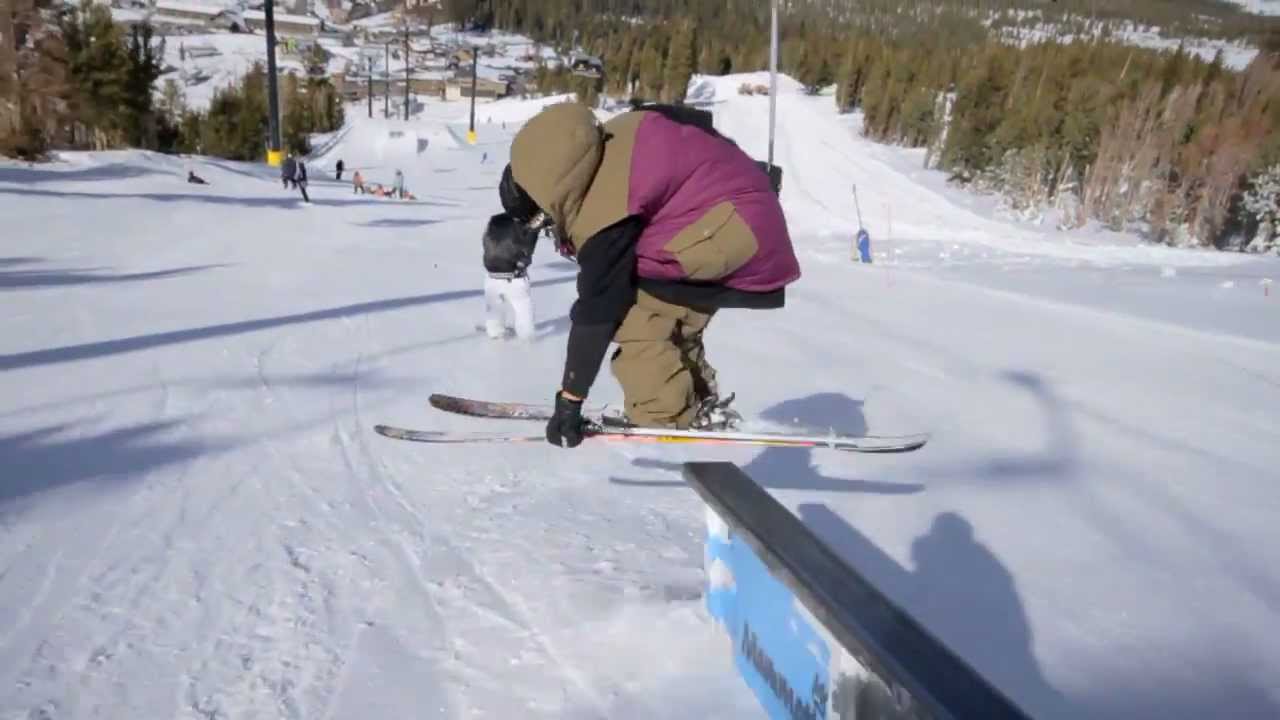
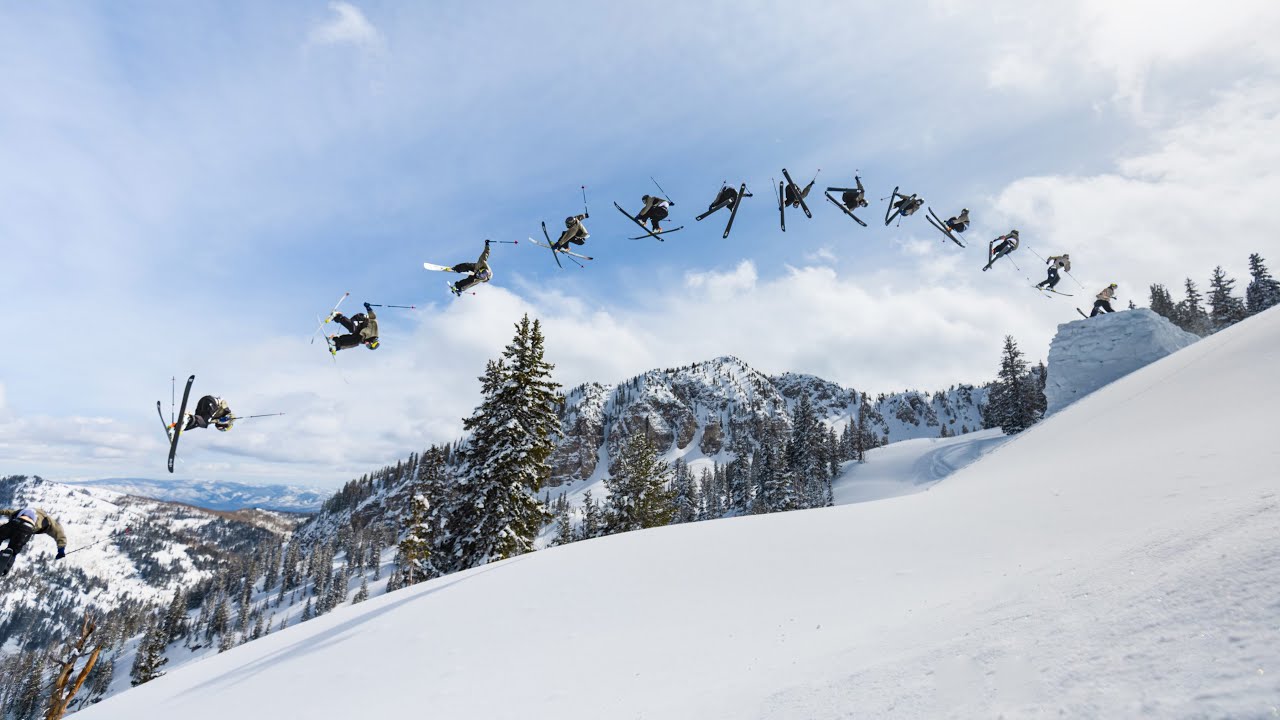
The Armada feel is not one thing, because the brand covers several kinds of skiing, but a consistent thread runs through the catalog: release, creativity and terrain interpretation matter. In the ARV and ARW families, the ski is designed to feel loose enough to slash, press, butter and pivot, yet supportive enough to handle everyday resort abuse. Tip and tail rocker paired with camber underfoot gives these skis the vocabulary of freestyle without abandoning edge hold. That makes them natural choices for skiers who treat the whole mountain like an expanded terrain park: side hits, rollers, tree gaps, wind lips, soft groomers and occasional rail laps.
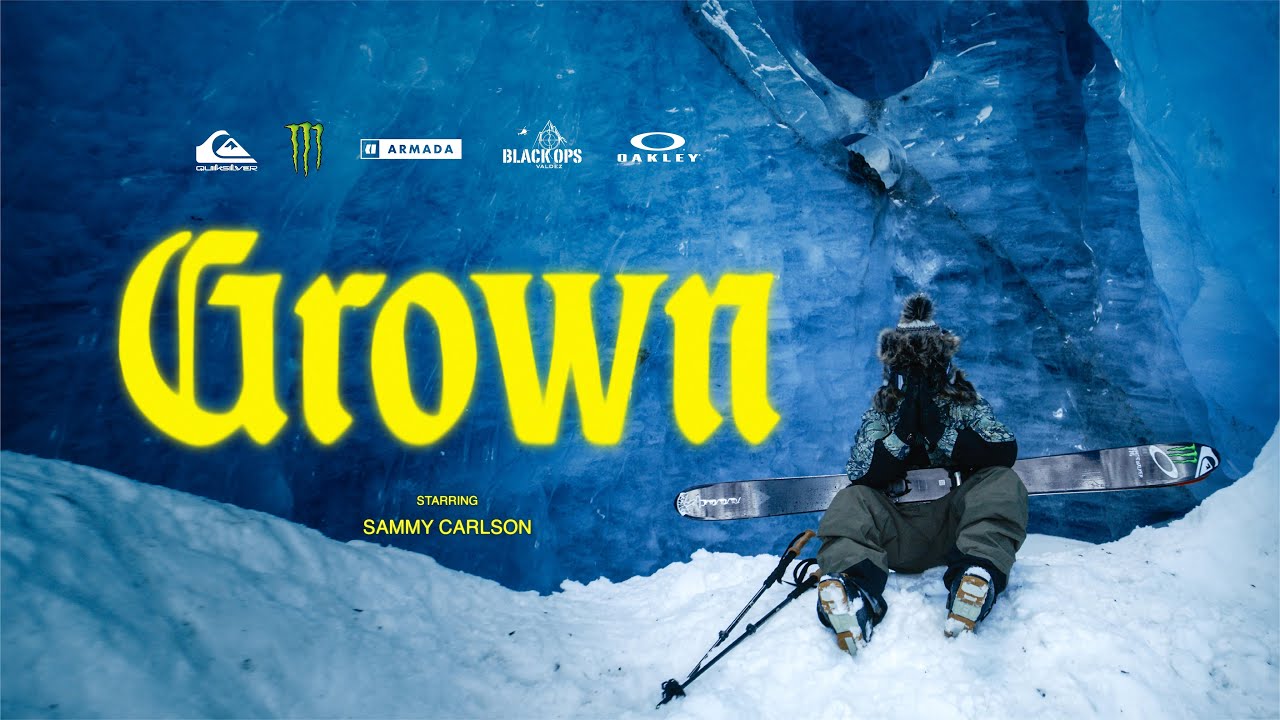
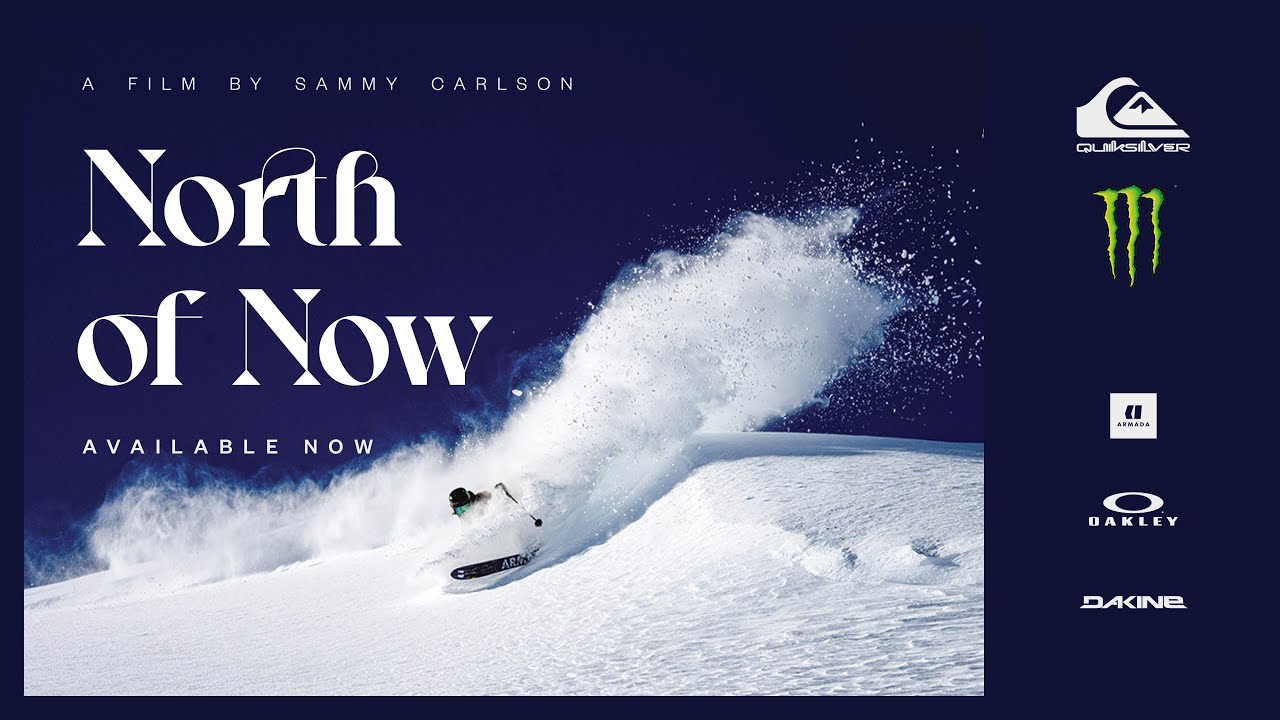
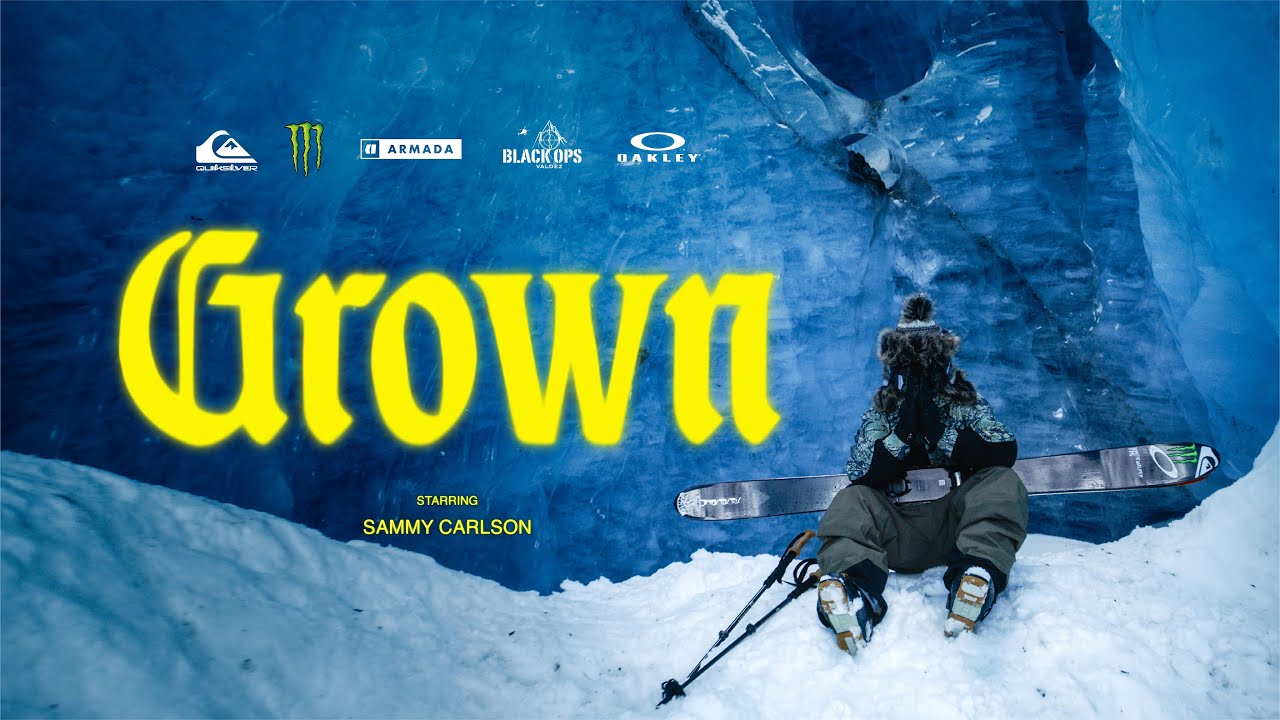
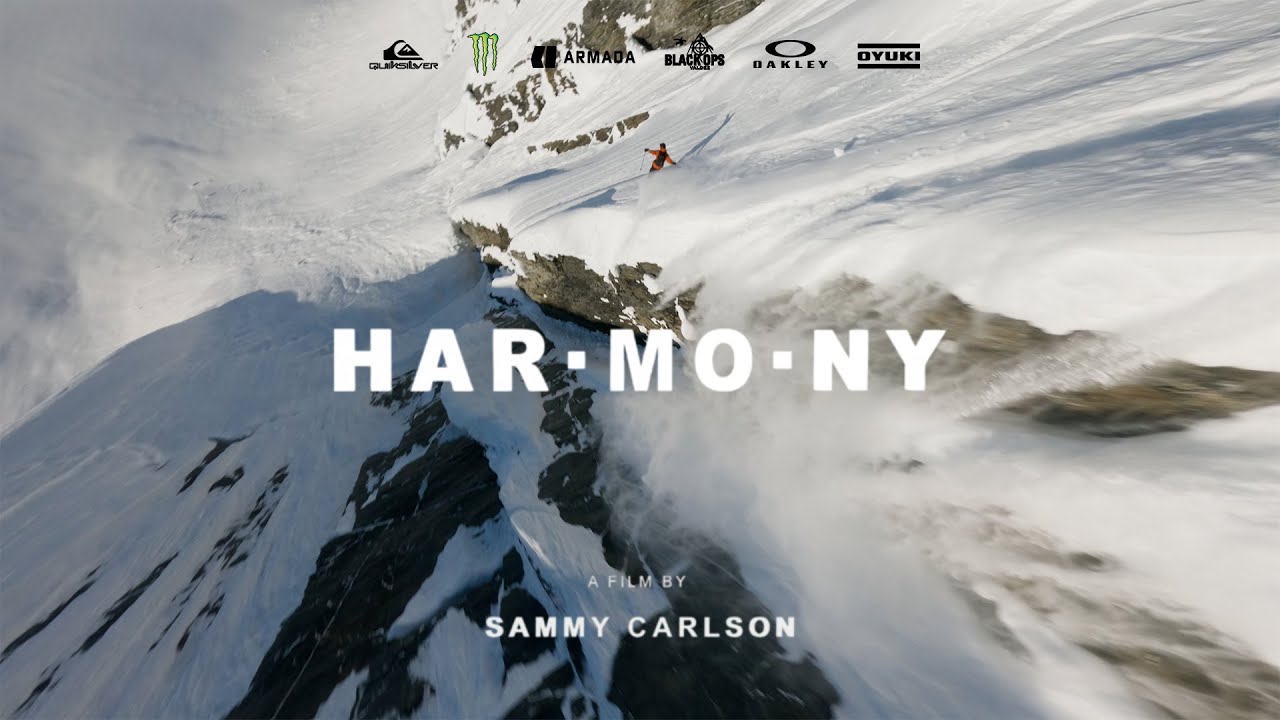
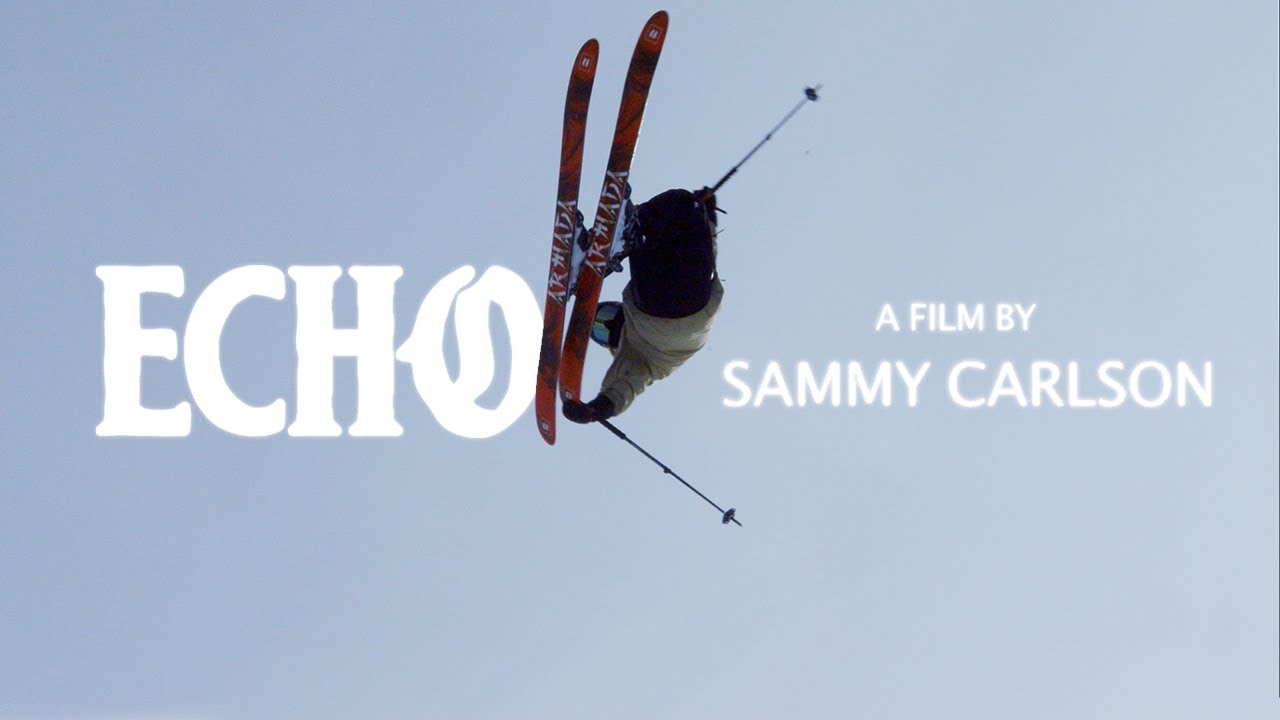
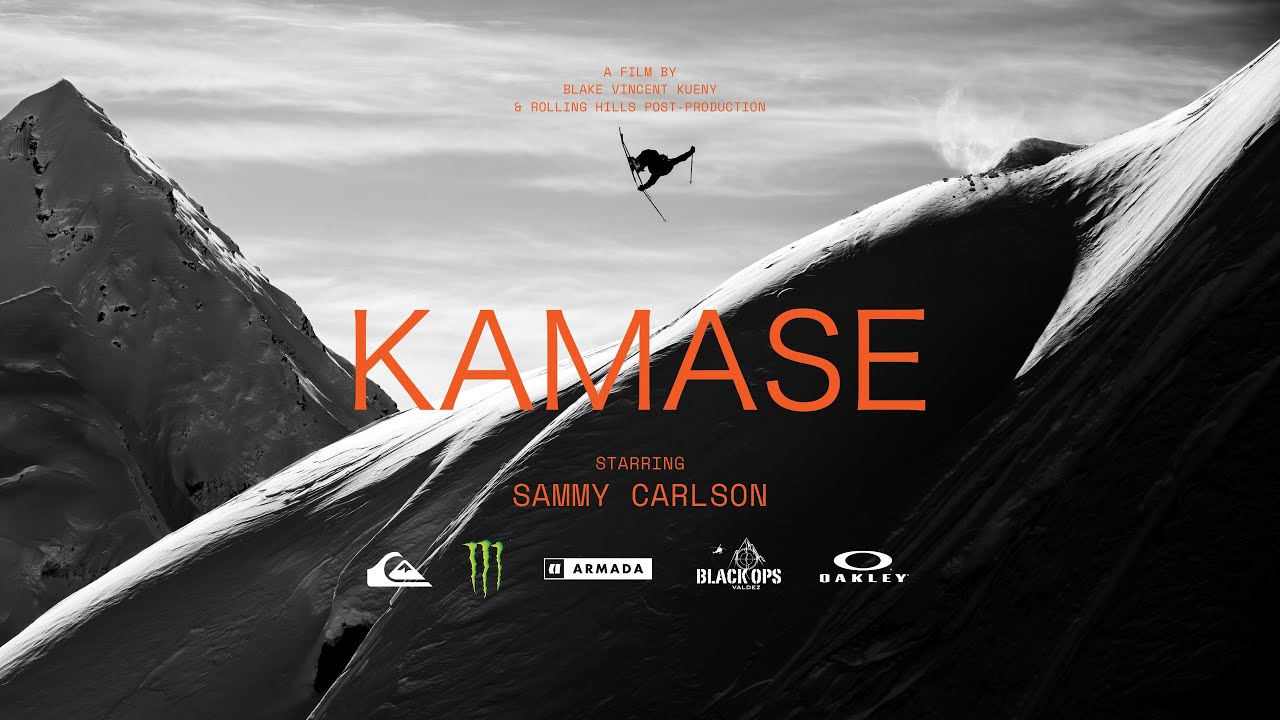
Declivity and Reliance speak to a different skier. They keep Armada inside the all-mountain conversation, but with more emphasis on directional confidence. A Declivity skier might still appreciate a playful brand identity, but the priority is grip, damping and turn power on harder snow or tracked-out faces. Whitewalker and similar freeride shapes move again toward powder and film-segment skiing. The Whitewalker 116, associated with Sammy Carlson, is a powder-focused twin tip that Armada positions across all-mountain, freeride, freestyle and touring use. That combination captures the brand’s broader philosophy: a ski can be light enough to move with, loose enough to play with and strong enough to send when the terrain opens up.
Tanner Hall, BDog, Sammy Carlson and the team-first laboratory
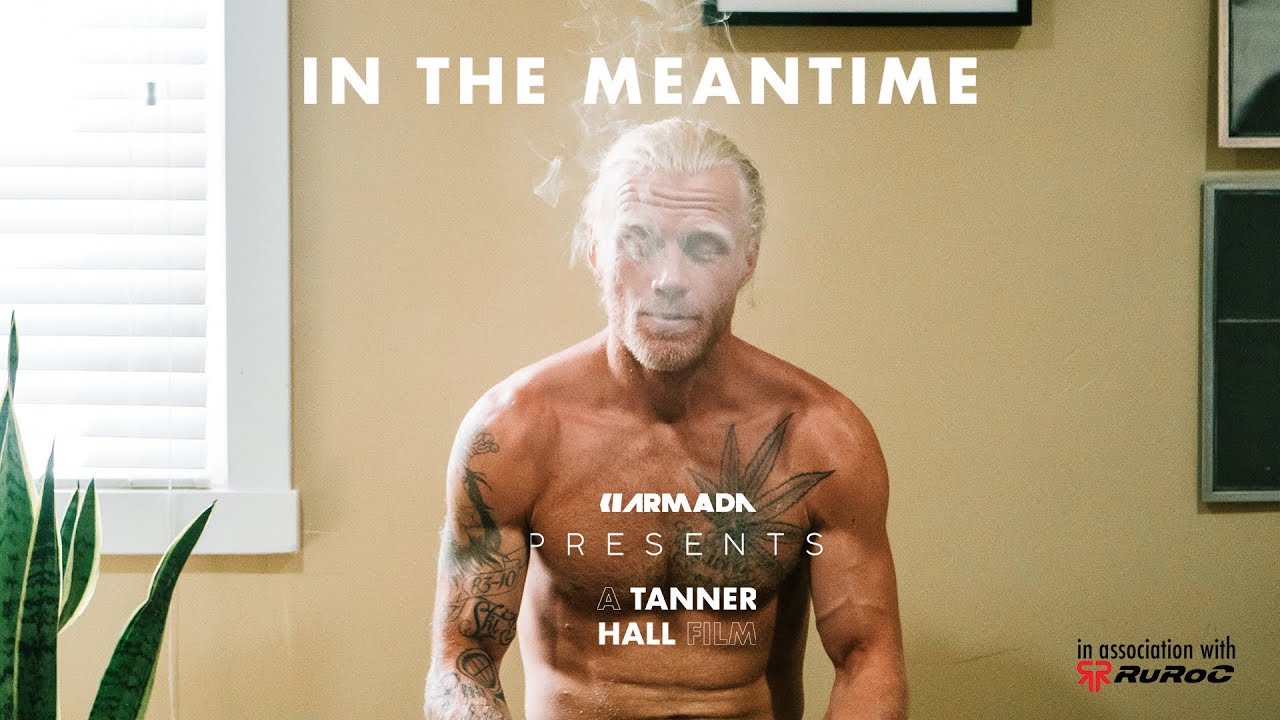
Armada’s team is not decoration; it is central to why the brand has credibility. Tanner Hall gives Armada a direct line to the first major wave of modern freeski superstardom. His career spans X Games medals, ski movie parts, urban features, backcountry lines and Freeride World Tour appearances, and he remains one of the clearest links between Armada’s founding era and its current identity. For a brand built on athlete ownership and creative control, Tanner’s presence is more than nostalgia. It keeps Armada connected to the skiers who proved that style, music, footage and personality could matter as much as contest rankings.
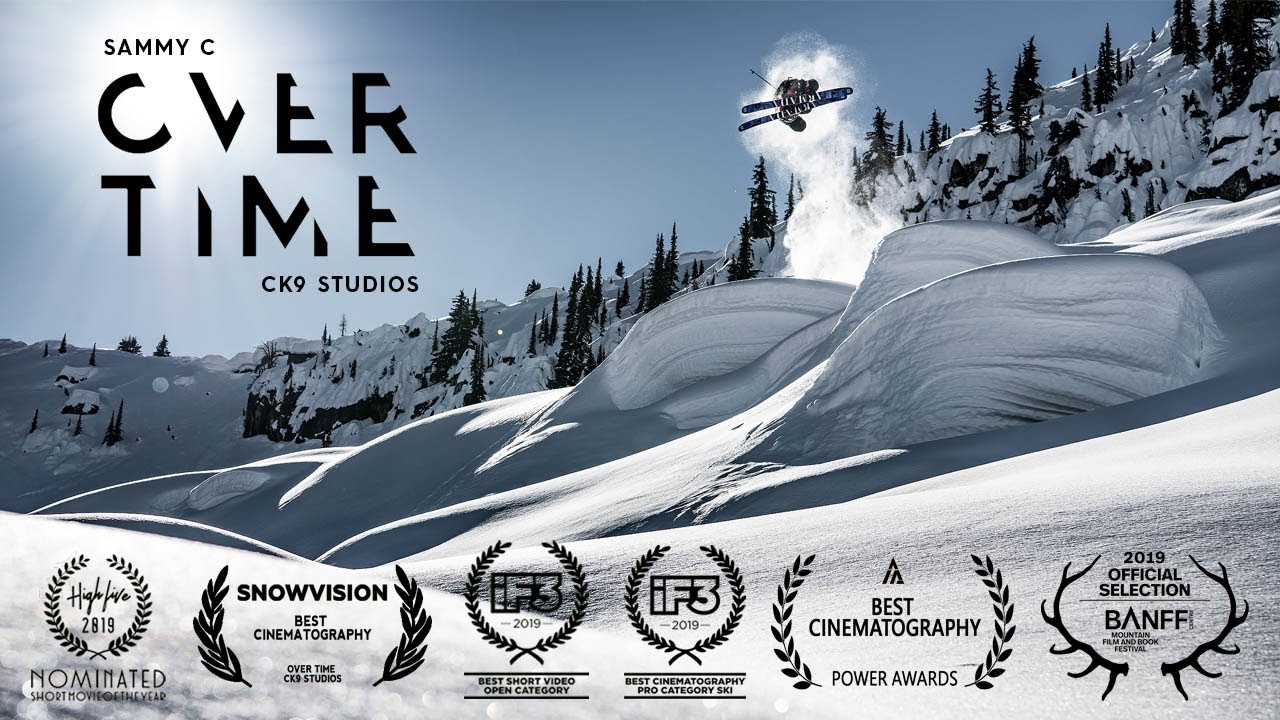
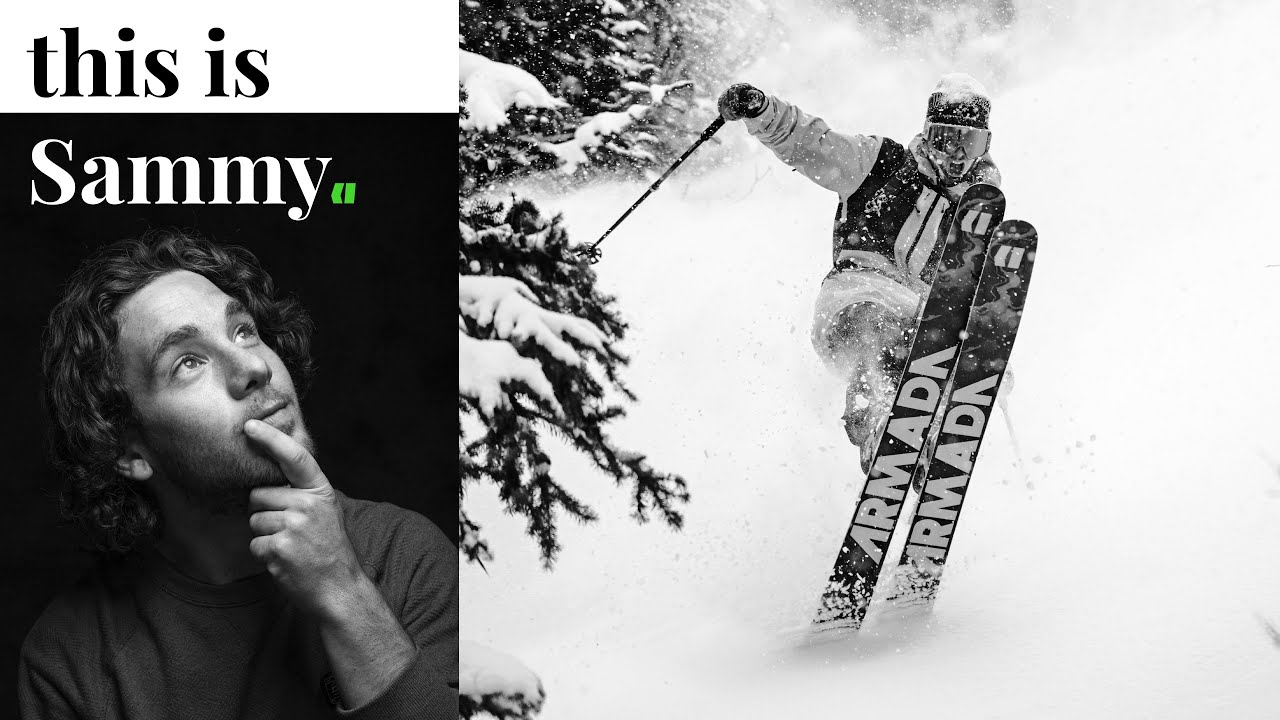
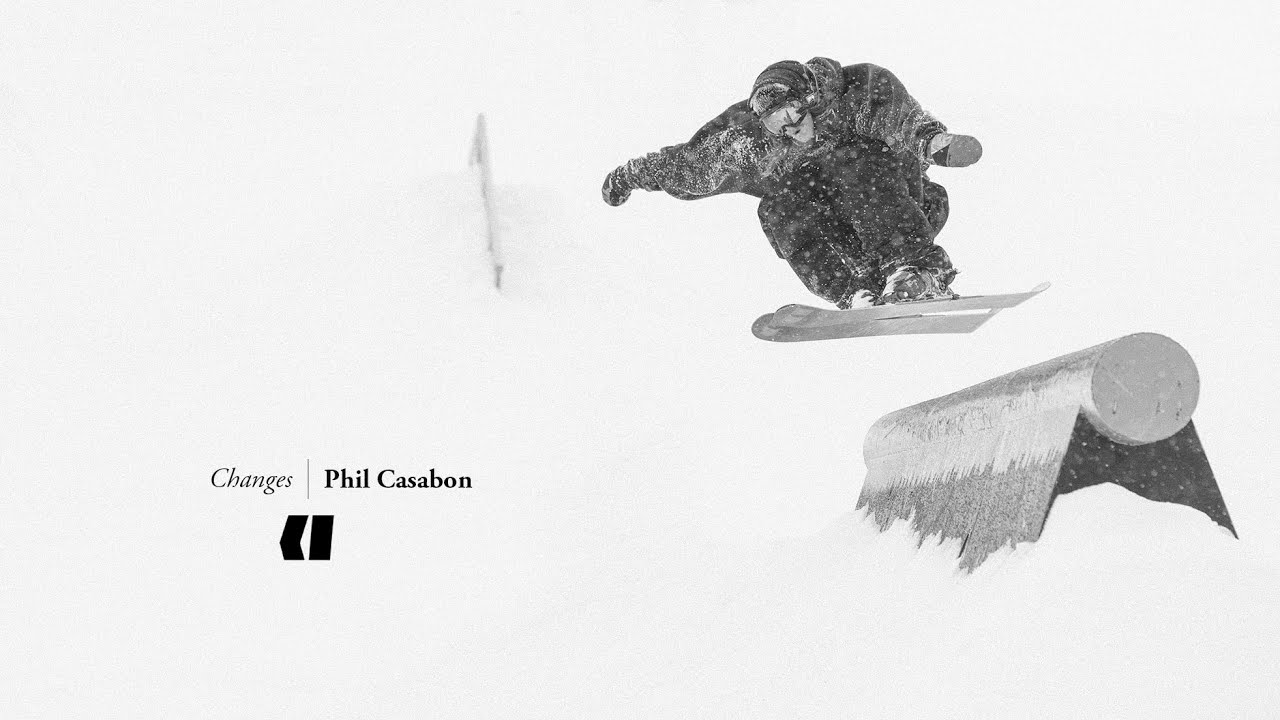
Phil Casabon, also known as BDog, represents another side of Armada’s influence. His skiing is centered on style, originality, park and street imagination, and a distinct way of seeing features that other skiers might ignore. Armada’s own athlete profile credits him with redefining style in the park, creating unique films and contributing to ski design through models such as the BDOG and the BDog Edgeless from the Zero Collection. Sammy Carlson brings a different kind of power: a skier who moved from park and contest success into some of the most recognizable backcountry-freestyle segments of his generation. Together with athletes such as Henrik Harlaut, Kim Boberg and others, Armada’s roster functions as a live design lab where product, culture and footage feed one another.
From Costa Mesa outsider thinking to Park City and Innsbruck
Armada’s geography tells part of the story. The company began with an outsider mindset influenced by creative worlds beyond skiing, then moved its headquarters to Park City Mountain territory in Utah in 2015. That shift brought the brand closer to one of North America’s strongest ski hubs, with access to parks, powder, storm cycles and the Wasatch culture that supports both everyday testing and high-level athlete projects. The brand also has a European presence connected to Innsbruck, which makes sense for a company with major relevance across Alpine park, freeride and all-mountain scenes.
Those locations help explain why Armada is not only a park brand, even if park and street remain part of its soul. Utah gives the company fast access to resort laps, sidecountry terrain and powder windows. The Alps add hard-snow variability, big terrain, park infrastructure and a dense network of skiers who use one ski for many kinds of days. Armada’s athlete network stretches far beyond those hubs, from Quebec street and park culture through Sweden, British Columbia, Montana and Japan-facing powder projects. The result is a product line that feels shaped by travel, clips and conditions rather than by a single mountain discipline.
w3Dgewall, titanal, Caruba and the build details behind the feel
Armada’s construction language mixes freestyle durability with all-mountain and freeride refinement. On ARV models, the brand emphasizes features such as Poplar Core, Ash Binding Insert, 2.5 Impact Edge, S7 Base and w3Dgewall. The w3Dgewall concept uses a three-dimensional sidewall construction designed to strengthen the bond between sidewall and core while placing material where it is most useful. For a skier landing switch, sliding boxes, hitting side hits or skiing chopped snow, those details matter because they support the “playful but not fragile” identity that Armada has to protect.
Directional skis use a different tool kit. Declivity 92 Ti, for instance, leans on titanal, Articulated Titanal Banding, AR100 sidewall and a Comp Series Base to create more edge power and high-speed composure. Whitewalker 116 shifts again with Caruba Core, Smear Tech, lightweight edges, carbon stringers, pin tip and tail and carbon reinforcement. That kind of variety shows how Armada separates use cases instead of forcing every model into one personality. The brand also publishes warranty terms for manufacturing or material defects, with a two-year period for most products and longer coverage for certain softgoods depending on market terms. For skiers, the practical point is simple: pick the construction around the terrain, not just the graphic.
Choosing Armada by terrain: park laps, mixed resorts or storm days
Start with how much of your skiing is freestyle. If rails, jumps, switch skiing, butters and creative resort lines are central to your day, the ARV or ARW range is the obvious starting point. Narrower models fit park and hardpack better, while mid-width versions such as the 94 or 100 sit in the useful middle zone for skiers who want one pair for groomers, side hits, trees and casual park laps. Wider ARV options move toward soft snow and playful freeride, especially for riders who still want a twin-tip shape and the ability to slash, land switch or treat powder as a freestyle surface.
If speed, edge grip and directional confidence matter more, Declivity and Reliance are better matches. They suit skiers who like Armada’s creative identity but spend more time carving, skiing chopped resort snow or pushing longer turns. Locator is the better starting point for touring-focused skiers who care about uphill efficiency. Whitewalker belongs to powder-first skiers who want deep-snow freestyle energy rather than a traditional charger alone. The Zero Collection is for skiers drawn to Armada’s experimental edge: shapes and constructions tied closely to athlete imagination, not just standard category logic.
Why Armada still matters to riders raised on edits and side hits
Armada still matters because it helped make creative skiing feel legitimate. Before brands like Armada fully embraced athlete-led freeski identity, much of the ski industry still treated racing heritage as the default source of credibility. Armada helped flip that script. It showed that park kids, street skiers, film athletes and backcountry-freestyle riders could shape equipment, graphics, marketing and culture from the inside. That influence is visible every time a skier chooses a line for style rather than efficiency, sees a cat track as a feature or buys a ski because a video part made the shape make sense.
The brand’s current strength is that it has grown without completely sanding off its original personality. Armada now makes skis for park, powder, touring, frontside all-mountain and freeride, but the through-line is still creativity. The catalog can serve a teenager learning nose butters, a resort skier who wants a playful daily driver, a directional skier looking at Declivity, or a backcountry-freestyle fan following Sammy Carlson footage. That range is why Armada deserves a 5/5 importance rating: it is not only a ski manufacturer, but a defining freeski brand whose athlete-founded identity continues to influence how modern skiers ride, film, choose gear and imagine the mountain.