Bittersweet ski resort
Michigan
United States
Southwest Michigan ski hill in Otsego | Known for: 350 feet of vertical, 20 runs, high-speed chairs, night laps, terrain parks, NASTAR racing, and Midwest park repetition | Season: winter operations when snowmaking and temperatures allow | Best for: local park riders, after-work skiers, families, and crews building small-hill technique
River Road Laps Between Kalamazoo And Grand Rapids
Bittersweet Resort sits at 600 River Road in Otsego, about 30 minutes north of Kalamazoo, 40 minutes south of Grand Rapids, and 6 miles west of US 131. That location defines the hill as much as its terrain. Bittersweet is not a destination built around alpine scale. It is a southwest Michigan repetition hill where access, lights, grooming, and quick lift cycles matter more than vertical drama.
The resort describes itself as a family-owned ski and snowboarding facility established in 1982, with 350 vertical feet, 20 runs, 6 chairlifts, 2 high-speed lifts, 3 wonder carpets, and 2 rope tows. For freeskiers, the numbers point toward one clear use case: frequent laps. A skier can work edge control, switch landings, rail timing, and small-feature confidence without the travel cost of a mountain trip.
Snow Flyer Sweet Express And Short Hill Efficiency
Bittersweet’s lift layout is built for circulation. Snow Flyer and Sweet Express give the hill its high-speed chair identity, while triple chairs, beginner lifts, carpets, and rope tows keep separate ability levels moving. The compact footprint means a rider can change zones quickly, returning to the lodge, park, beginner slope, or main chair without losing much time in traverses.
Trail names such as Sumac, Snowberry, Chickory, Hawthorne, Juniper, Oak, Trillium, Sequoia, Wild Rose, and Apple Blossom show the hill’s structure clearly on the snow report and trail map. None of these runs are long by western standards, but that is not the point. The value is controlled repetition on groomed surfaces, especially for skiers learning how speed, turn shape, and takeoff timing change under Midwest snow conditions.
Machine Grooming And The Midwest Freeze Thaw Lesson
Southwest Michigan skiing depends on snowmaking, grooming, and temperature timing. Bittersweet’s official snow report lists an average snowfall figure of 92.5 inches, but the hill’s reliable winter function comes from operating around cold windows, resurfacing, and nightly work. That makes the snow surface a useful training tool because it changes quickly. A soft afternoon can become firm after sunset, while a cold groomer morning can reward sharp edges and centered stance.
The strongest sessions usually come during midwinter cold snaps, when groomers hold shape and park lips stay more predictable. After thaws, the best strategy is to check operations before driving, then build the session around the freshest surface. Bittersweet’s long operating hours make that possible. In-season lift ticket hours are listed as 10am to 10pm Monday through Friday, 9am to 10pm Saturday, and 9am to 9pm Sunday, with weather changes always possible.
Poison Ivy Thistle And Buttercup Park Progression
The freestyle identity is small-hill, practical, and weather-dependent. Bittersweet’s snow report tracks Poison Ivy Terrain Park, Thistle Terrain Park, and Buttercup Beginner Park, which gives park riders a clear signal before they arrive. The build can change through the season, but the structure is useful: a beginner zone for first features, plus larger park spaces for riders who want rails, boxes, jumps, and repeatable takeoff rhythm.
This is where Bittersweet fits freeskiing best. A compact Midwest park teaches habits that scale well: call the drop, commit to the in-run, stay centered through the feature, and clear the landing quickly. There is no hiding behind speed or massive terrain. If a press is late, if a swap is rushed, or if the landing stance is weak, the mistake shows immediately. That feedback is why small parks can produce strong style skiers.
Sumac Gates And Weekend NASTAR Pressure
Bittersweet’s race program gives the hill another progression layer. The resort lists NASTAR races as open to everyone, held Saturday and Sunday from 11am to 2pm on Sumac when weather allows. That matters for freeskiers even if they never plan to race seriously. Timed gates teach pressure control, edge precision, and body position under a clock, all of which transfer back into park speed and clean takeoffs.
The Bell’s Adult Race League adds a Tuesday evening format for skiers and snowboarders aged 21 and up, while the junior program gives younger skiers a structured path into local racing. Bittersweet therefore has more than casual laps. It offers a simple training loop: groomer work, park repetition, race timing, and night skiing in one hill. For a developing Midwest skier, that mix is more valuable than the vertical number alone.
Hornbeck Bergeron And The Small Hill Style Thread
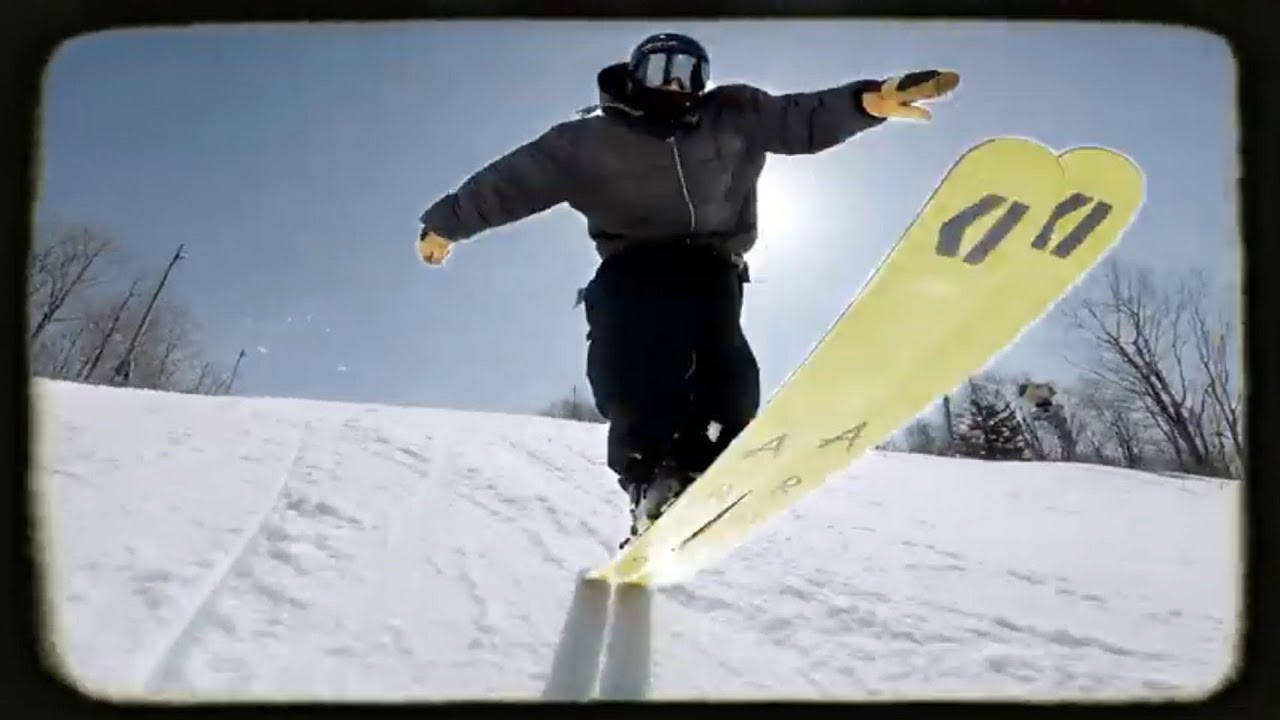
Bittersweet has a visible link to modern park culture through skipowd.tv’s archive. The 2021 video “SUPERVIEW” connects the hill with Philip Casabon’s B-Dog orbit and riders including Emile Bergeron, Liam Downey, and Mike Hornbeck. That connection is important because it shows how a modest Michigan hill can still matter inside a style-driven freeski language.
Hornbeck’s Michigan background makes the link especially natural. His skiing has long shown how small parks, night sessions, and limited vertical can produce precise rail technique, butters, surface tricks, and creative line choice. Armada also fits that story through its association with Hornbeck and the B-Dog style universe. Bittersweet is not a stadium venue, but it has the type of controlled terrain where subtle skiing can become the whole point.
Otsego Logistics And Night Session Flow
Bittersweet is easiest to use as a same-day or weekend hill. The resort’s position between Kalamazoo and Grand Rapids makes it practical for school-night laps, after-work sessions, and quick family trips. Chicago and Detroit are both listed around 2.5 hours away, which puts Bittersweet inside a broader Midwest drive market without turning it into a full destination resort.
On-mountain flow should stay simple. Start with groomers to read speed and edge grip, then move into the parks once the surface feels predictable. If the park build is limited, use the main runs for carving drills, switch skiing, and side-hit timing. During crowded night sessions, avoid stopping below knuckles, keep merges clean, and watch beginner traffic near carpets and rope-tow zones.
Why Bittersweet Works For Midwest Freeskiers
Bittersweet’s value is not based on size. It works because it gives local skiers enough structure to practice often: lights, parks, race gates, rentals, lessons, grooming, and short lift cycles. That combination makes it a “train here, travel there” hill. A skier can build mechanics in Otsego, then bring cleaner timing to larger parks in northern Michigan, the East, Colorado, or the Alps.
The best Bittersweet days are objective-driven. Come for rail reps when Poison Ivy or Thistle is built. Come for edge work when groomers are freshly resurfaced. Come for NASTAR when Sumac is running gates. Come at night when a short session is better than waiting for a big trip that is still weeks away. The hill’s strongest fact is simple: it turns available winter hours into usable ski practice.