Oakley
United States
American snow optics and protection brand | Founded 1975 in California from performance driven moto roots | Known for: Prizm Snow lenses, Flight Deck, Line Miner, Flow Scape, MOD helmets and signature athlete goggles | Focus: helping skiers and riders read terrain, manage changing light and pair goggles with helmets across park, freeride, race and backcountry environments.
1975 California roots from moto grips to mountain optics
Oakley is not a ski manufacturer in the classic sense. Its place in skiing comes through vision, protection and the visual identity of snow sports. Founded in California in 1975, the brand grew out of a performance mindset that first served moto athletes before moving into goggles, sunglasses, helmets, apparel and accessories. That origin still matters because Oakley approaches snow gear less like fashion and more like equipment: field of view, lens contrast, impact protection, helmet fit and cold weather comfort sit at the center of the brand story.
For freeskiing, Oakley became one of the defining names in goggles because it connected optical technology with a strong athlete presence. The logo moved from race starts to terrain parks, from X Games broadcasts to backcountry film segments, and from resort laps to signature goggles designed with riders who shape the sport. The brand now sits inside the EssilorLuxottica portfolio, but its snow identity remains tied to a very specific promise: help riders see more clearly when light, speed and terrain are changing fast.
Prizm Snow and the goggle systems behind the O
Oakley snow products are built around goggles first. The official snow range includes Flow Scape, Flight Deck Pro, Line Miner Pro, Flight Path, Flight Deck, Fall Line, Flight Tracker and related models, each designed around a different balance of field of view, lens shape, frame profile and helmet integration. Flight Deck leans toward a wide, rimless, fighter pilot inspired view. Line Miner uses a cylindrical style and sits close to the face to increase downward and side vision. Flow Scape pushes the premium side of the range with a wide visual window and a more technical fit concept.
The central lens story is Prizm Snow. Rather than treating a lens as a simple tint, Oakley positions Prizm Snow as a contrast tool for reading snow texture. That matters in skiing because the surface can shift from chalk to crust, powder to tracked snow, or bright sun to flat light within a single lap. The practical idea is simple: the better a skier can read shadows, bumps, landings and wind affected texture, the more confidently they can choose speed and line.
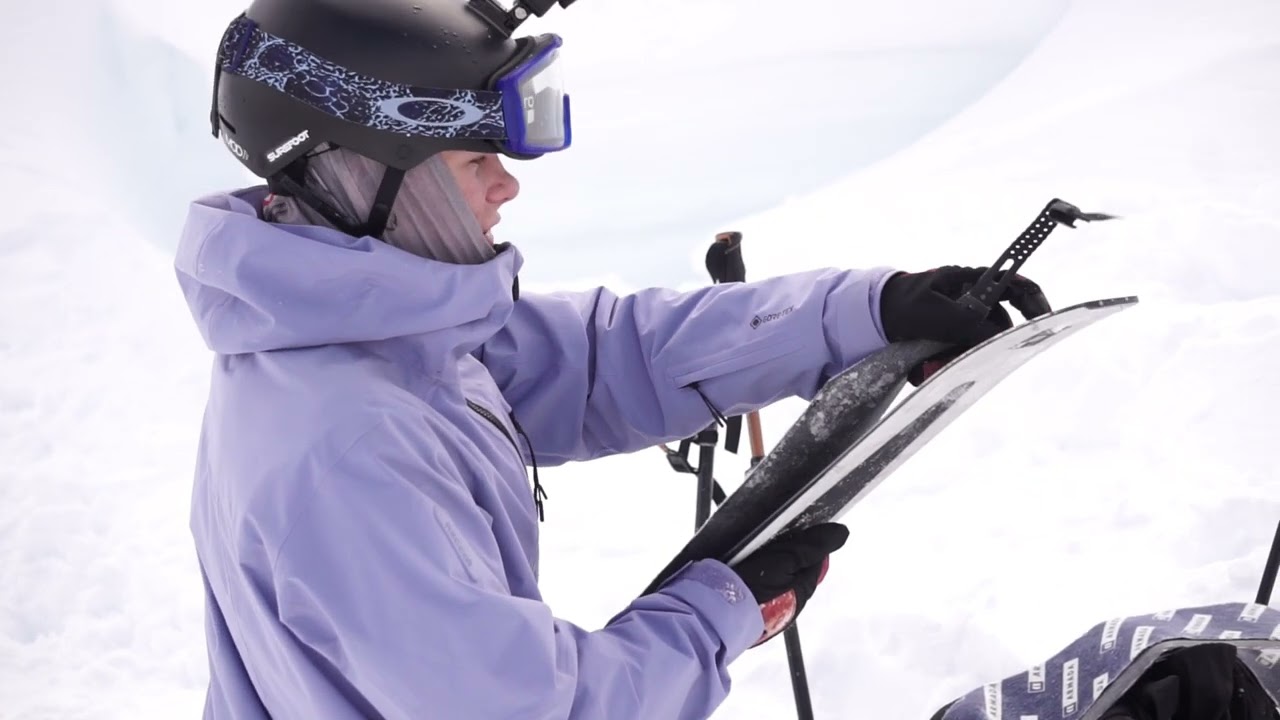
Oakley also builds its goggles around practical details that matter on snow: flexible O Matter frames, triple layer face foam, moisture wicking fleece lining, Plutonite lens material, dual lens construction, anti fog coatings and lens change systems such as Ridgelock or Switchlock depending on the model. These features are not just spec sheet language. They shape how a goggle seals against a helmet, how quickly a rider can adapt to weather and how long vision stays clear during warm storm days or high output backcountry transitions.
From park takeoffs to storm laps where clear vision matters
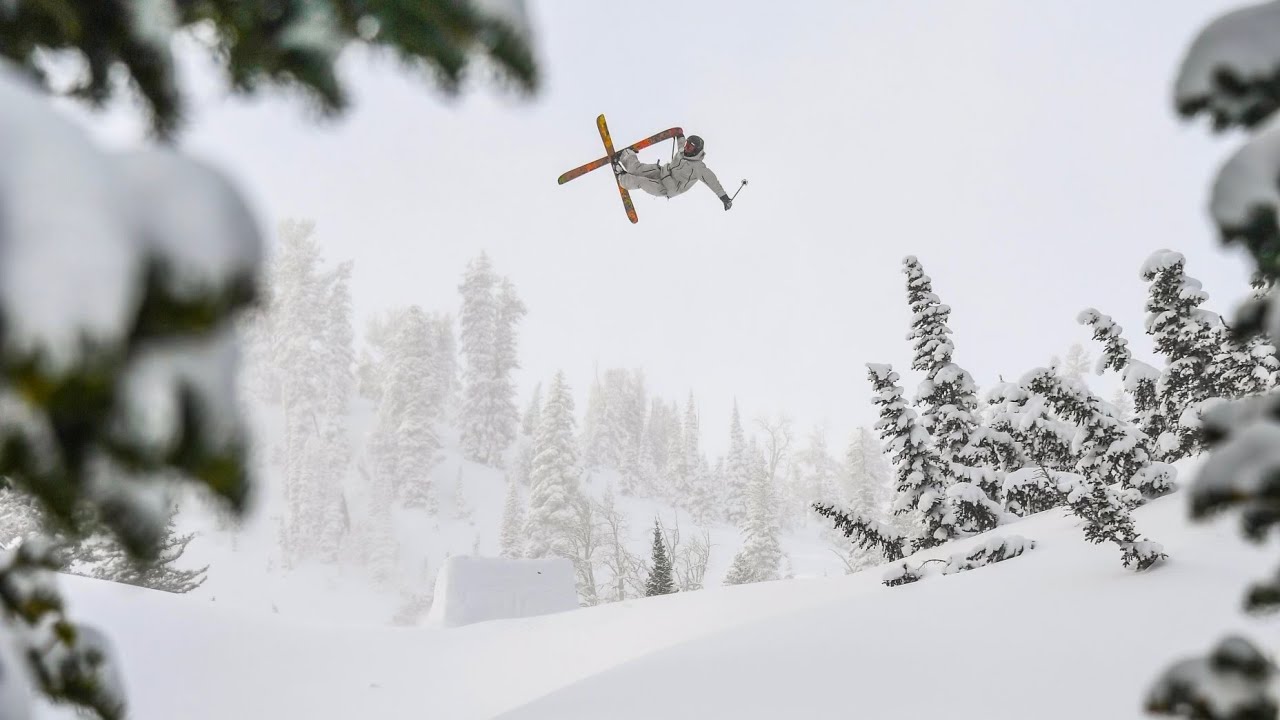
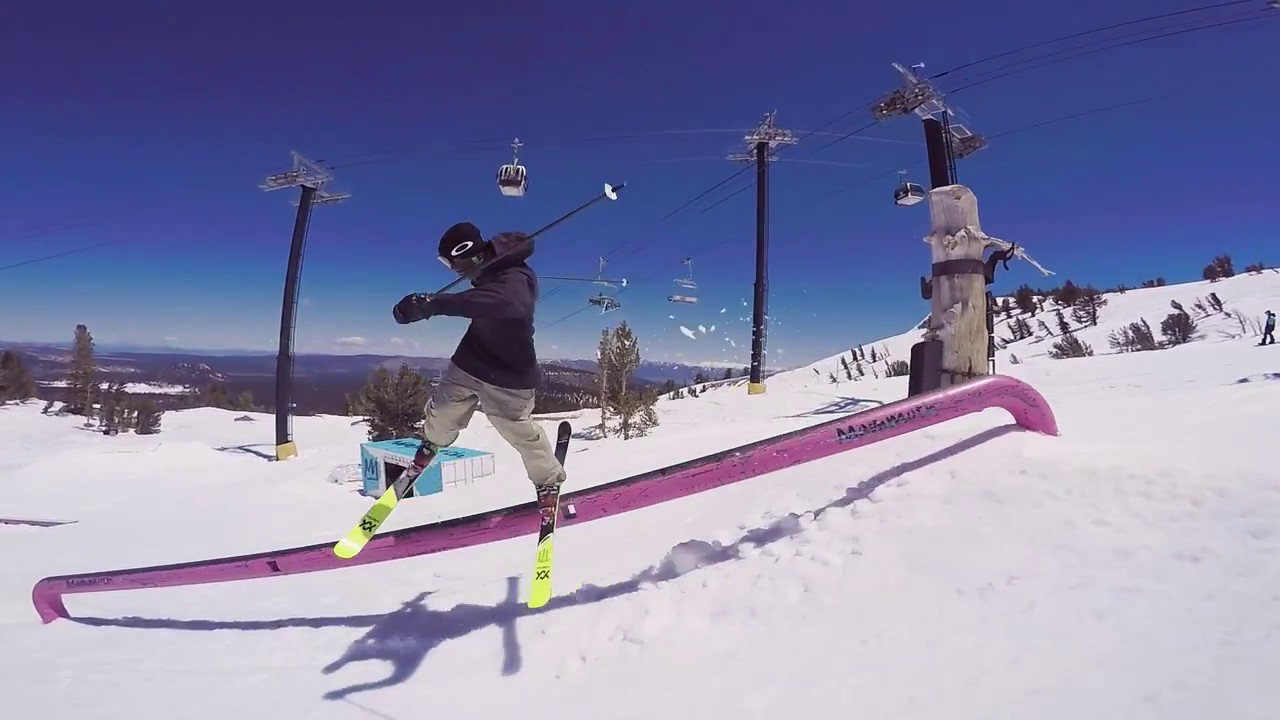
Oakley makes sense across several styles of skiing because snow vision problems are universal. A park skier needs to track takeoff speed, landing angle and rail edges. A freeride skier needs to read texture at speed before committing to a face. A backcountry skier needs anti fog performance during climbs, transitions and cold descents. An alpine racer needs a stable goggle and helmet system that stays clean under pressure. Oakley’s snow lineup works because it gives different shapes for those different priorities without moving away from the same optical base.
Flight Deck and Flight Deck Pro suit skiers who prioritize a large visual window and a clean, modern frame. Line Miner and Line Miner Pro suit riders who like the flatter cylindrical look, close to face fit and strong peripheral feel. Fall Line and Flight Tracker sit in the all mountain lane, balancing style, coverage and daily resort usability. Flow Scape is the premium choice for riders who want the broadest feeling view and a more advanced fit package. The common thread is visibility under changing light.
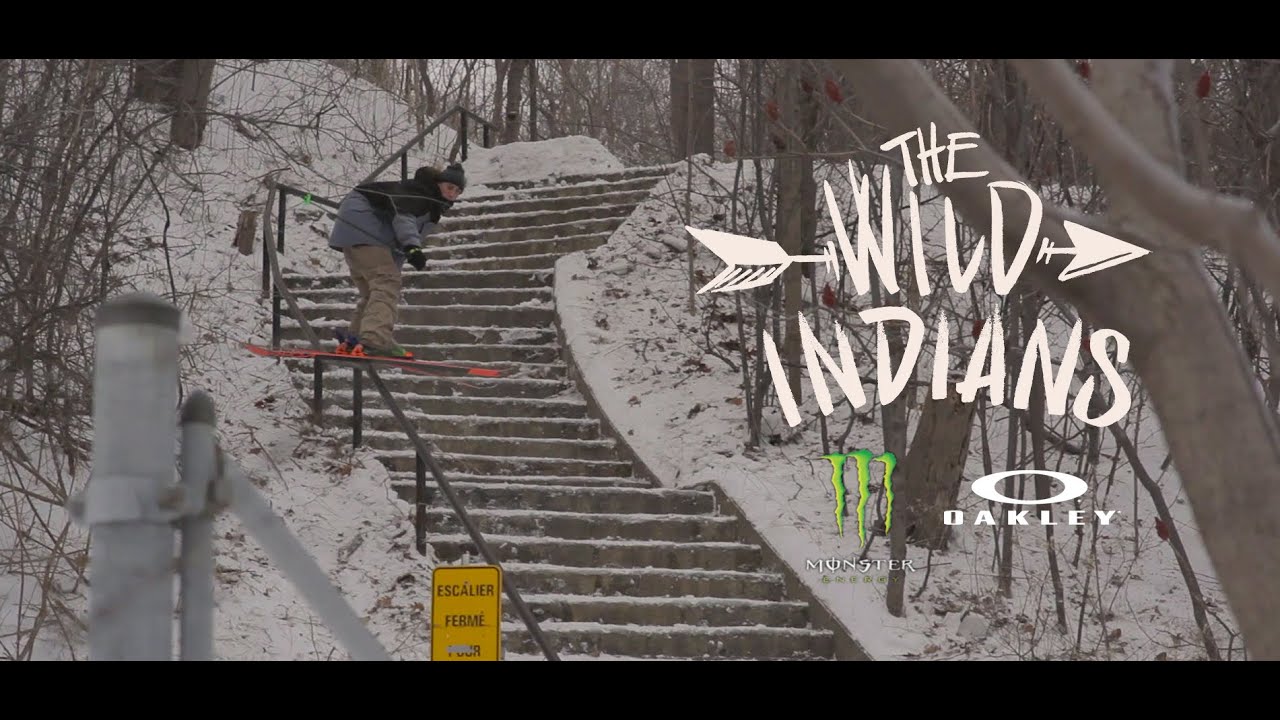
For skipowd.tv, that makes Oakley relevant across many video categories. The same brand can appear in park edits, race training, street clips and Alaska spine segments because the underlying need is the same: a rider has to see clearly before they can ski creatively, safely or aggressively.
Shiffrin Harlaut Carlson and the athlete shaped snow line
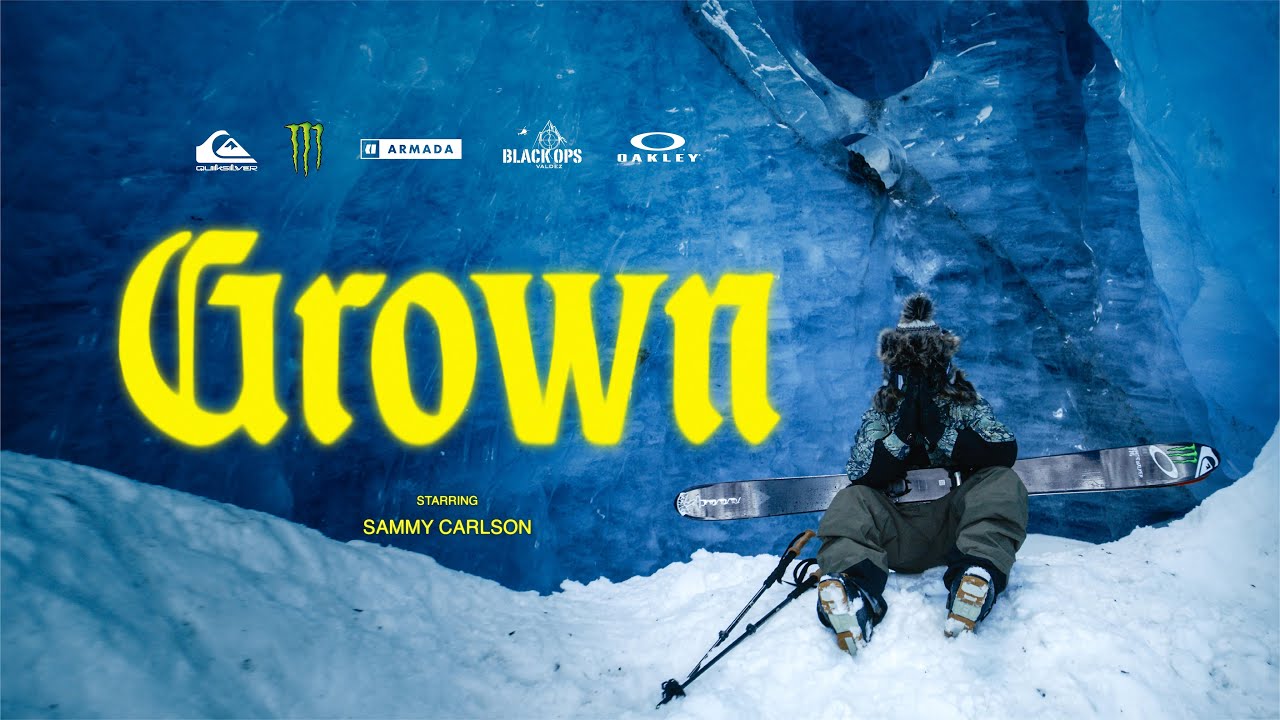
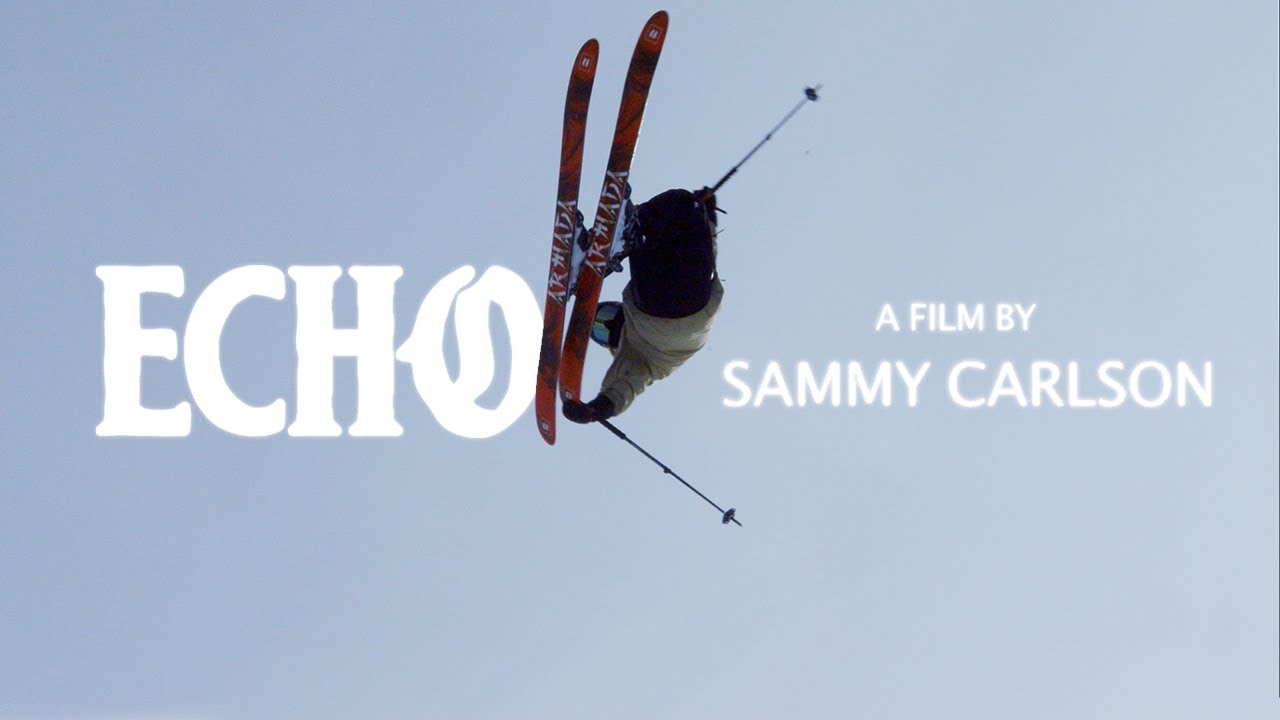
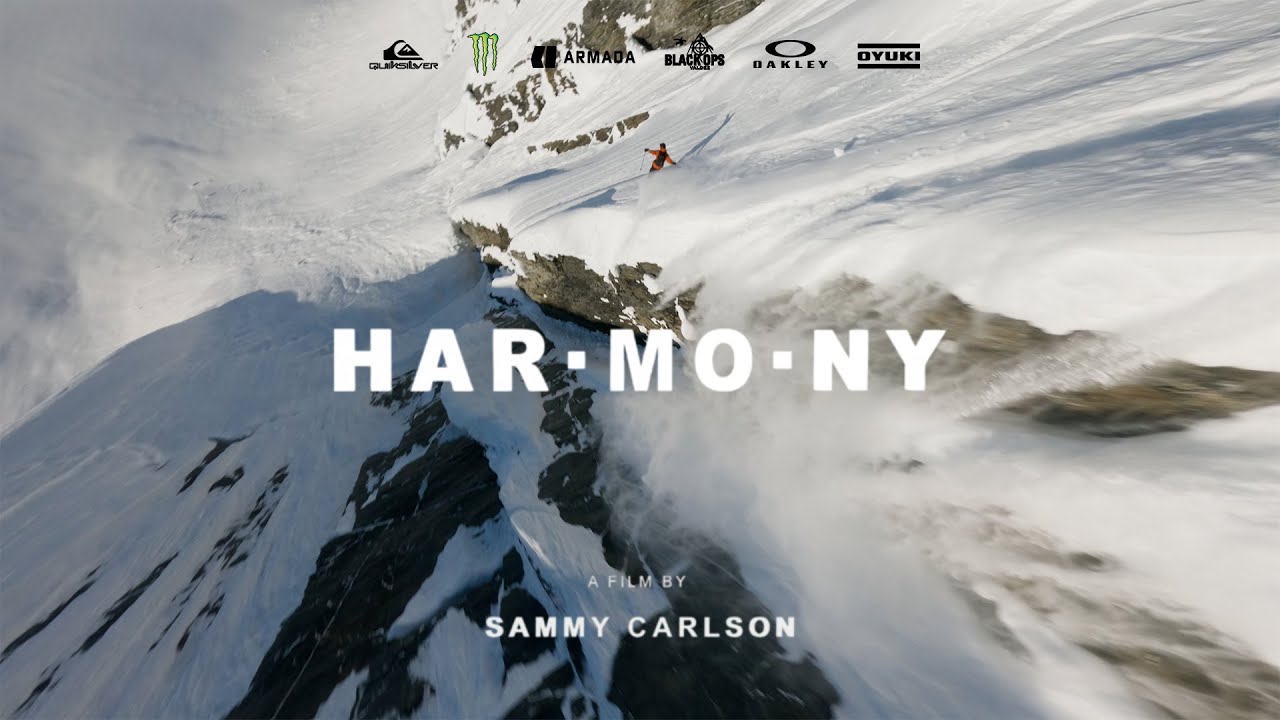
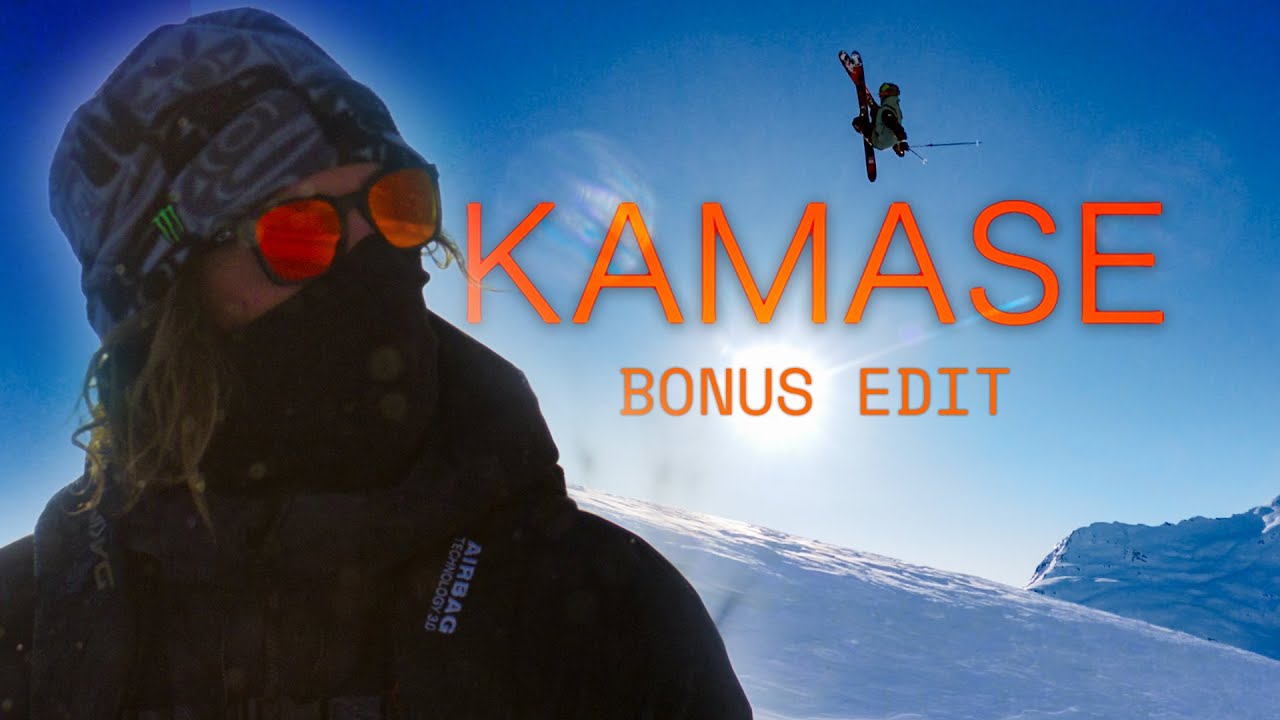
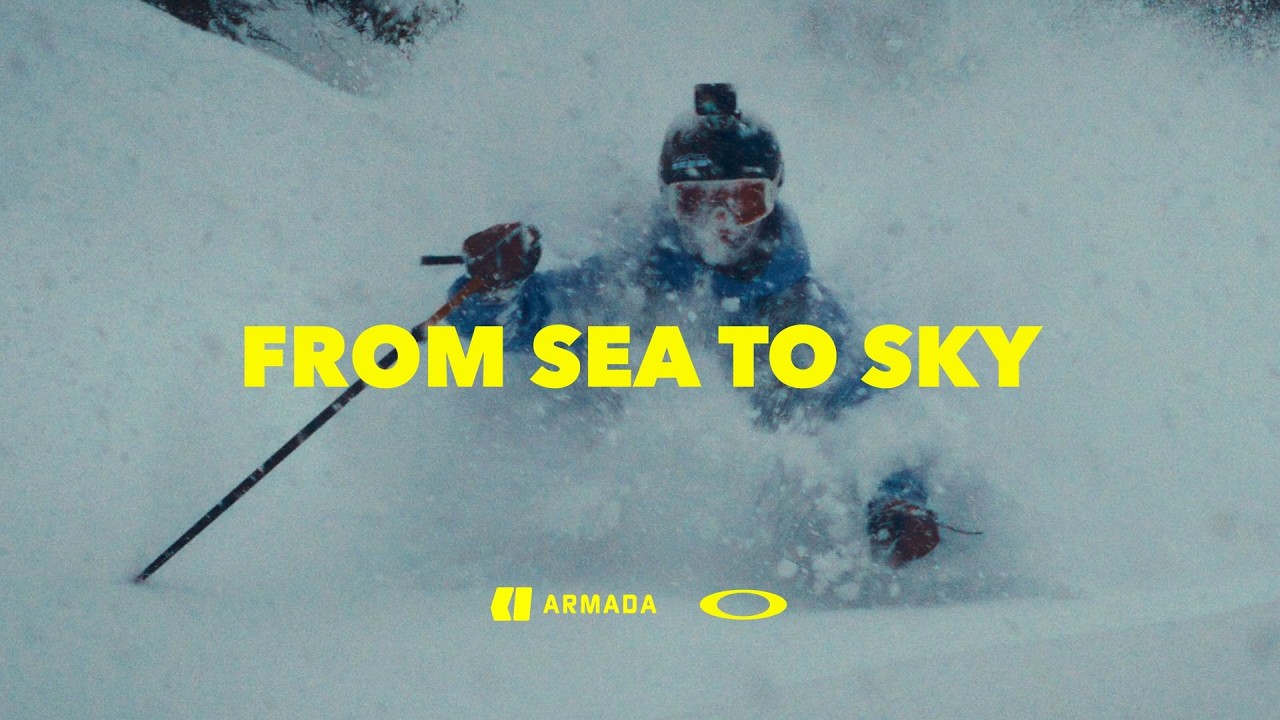
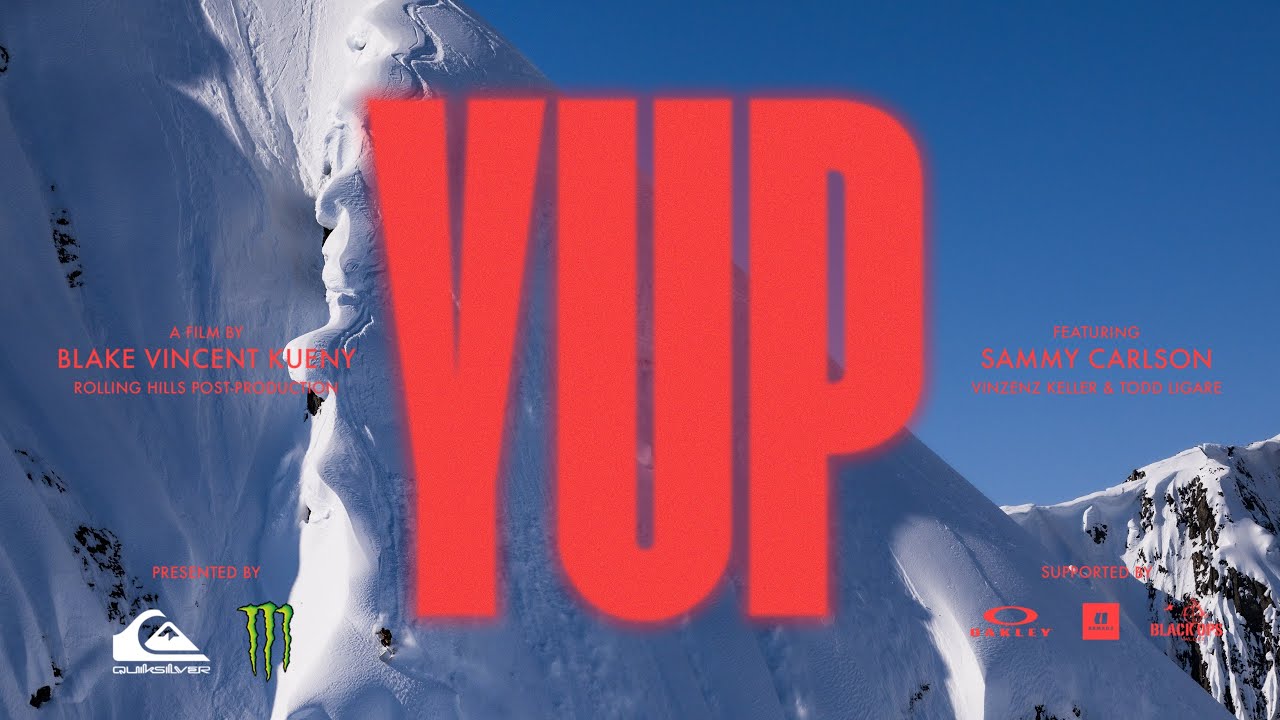
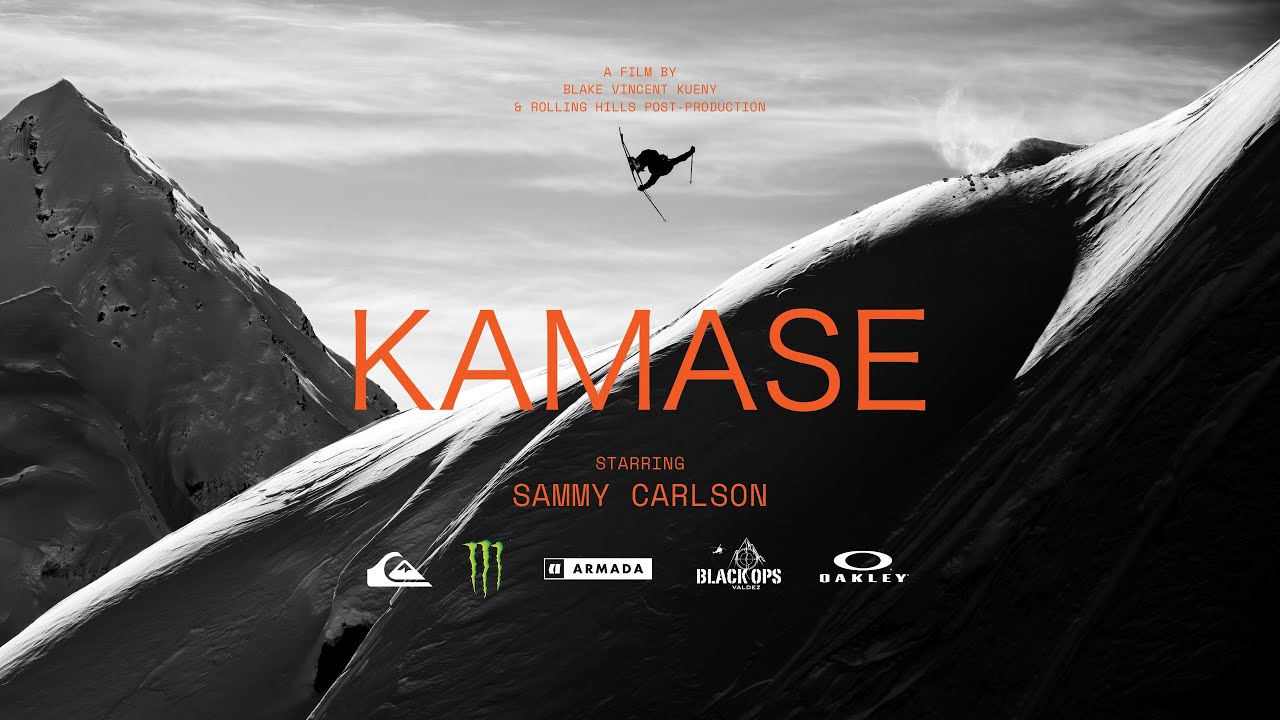
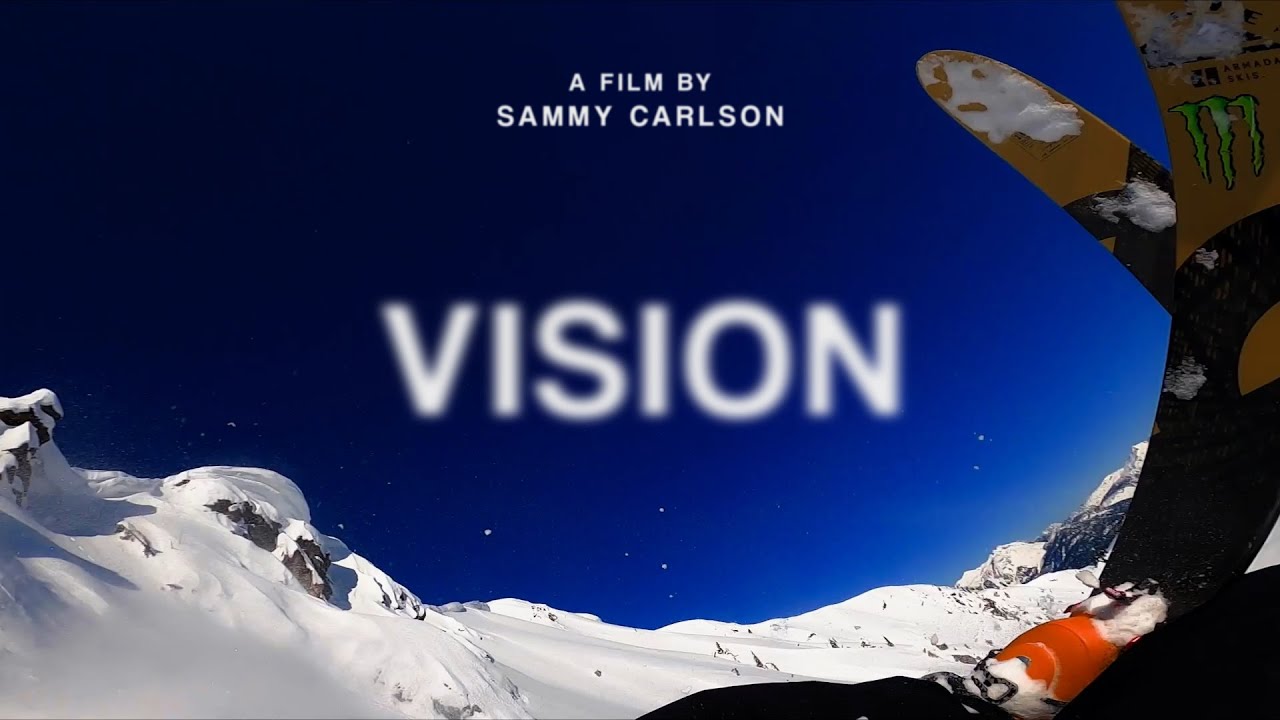
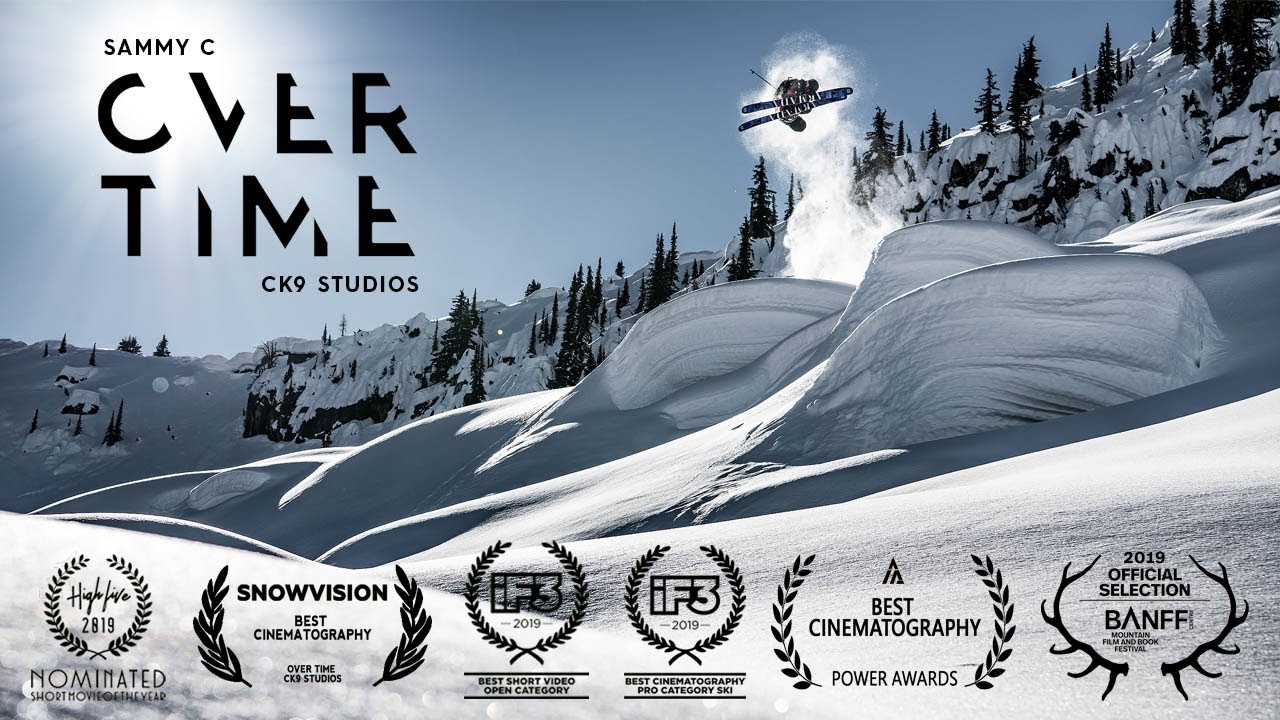
Oakley’s snow credibility is strongly athlete driven. Its official signature series connects product design with skiers and snowboarders who represent very different parts of the mountain. Mikaela Shiffrin brings the race and alpine performance side. Henrik Harlaut brings freeski style, park history and a visual language that comes from street culture as much as competition. Sammy Carlson connects Oakley to backcountry freestyle and film driven freeride. These names matter because they prove that Oakley is not locked into one narrow discipline.
The brand also works with snowboard figures such as Stale Sandbech, Sage Kotsenburg, Mark McMorris, Su Yiming and Rene Rinnekangas, which gives the snow line a broader boardsports identity. For ski culture, the key point is that Oakley remains visible around the athletes who define both technical performance and image. A Shiffrin goggle speaks to precision and pressure. A Harlaut colorway speaks to style and individuality. A Carlson signature speaks to the kind of backcountry creativity that turns a film segment into a reference point.
This athlete connection also helps Oakley avoid becoming just another eyewear label. The products are repeatedly placed in contexts where vision, protection and confidence are tested: icy race starts, contest jumps, urban rails, deep snow landings and long film days where weather shifts constantly.
California design with Aspen Alaska and British Columbia context
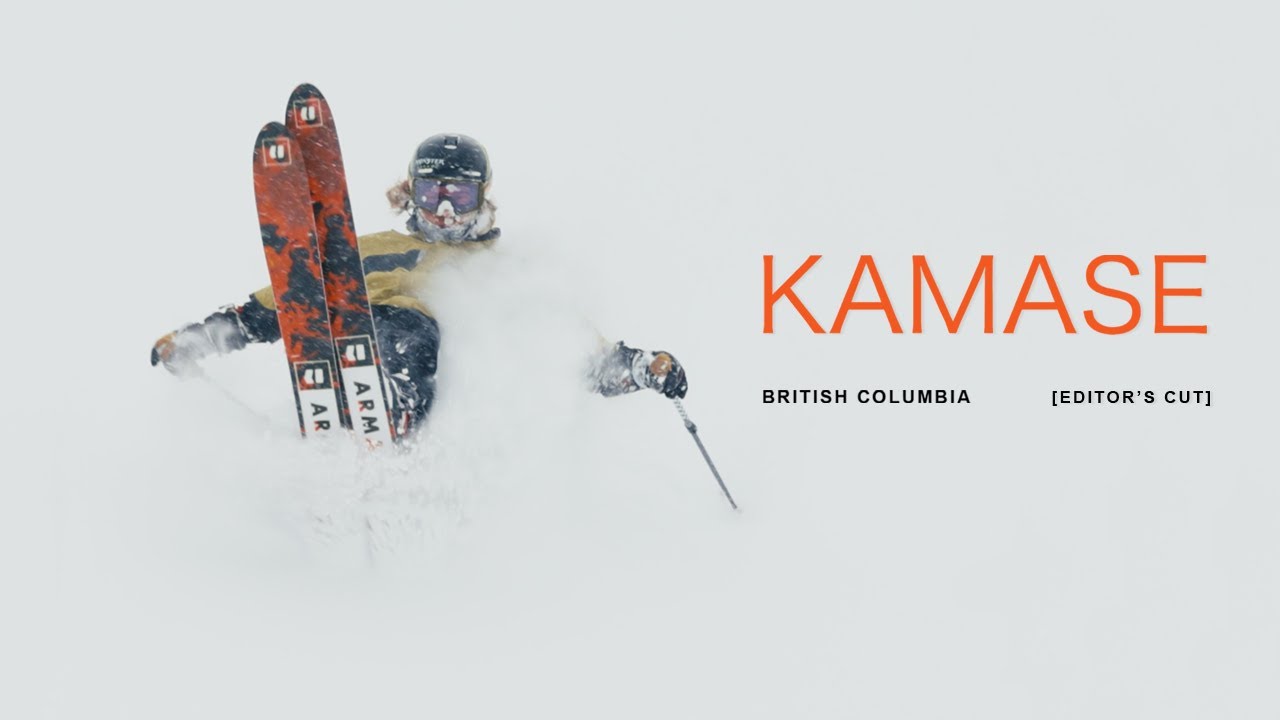
Oakley’s corporate heritage is Californian, but its snow identity is international. The brand belongs in the visual geography of modern skiing because it appears wherever visibility and protection are central to performance. Aspen represents the broadcast and contest side, especially through X Games culture and high profile winter events. Alaska represents the big mountain film side, where riders need stable optics to read massive, exposed terrain. British Columbia represents the storm cycle and backcountry production side, where changing light, wet snow and forested terrain put goggles through long days.
This geography is why Oakley feels natural on skipowd.tv. The brand does not belong to one resort or one type of rider. It crosses from competition venues to film locations, from race helmets to powder edits, and from resort laps to remote travel. In a video archive, Oakley functions as a recognizable sponsor tag that often signals high level skiing, strong production value or athlete led projects.
The brand’s snow footprint also reflects how modern skiers actually consume the sport. They watch World Cup racing, X Games clips, street edits, backcountry films and gear breakdowns in the same feed. Oakley’s product range and athlete roster are broad enough to appear across all of those worlds without feeling out of place.
Plutonite O Matter and the protection stack behind the O
Oakley’s snow construction language is built around optical clarity, cold weather flexibility and helmet integration. Goggles often combine Plutonite lens material, O Matter frame construction, triple layer foam and anti fog dual lenses. The point is not only to create a sharp image, but to maintain a usable system when temperatures drop, moisture builds, and a helmet presses the goggle into place for hours.
On the helmet side, Oakley’s MOD family extends the same integration logic. MOD1, MOD3, MOD5 and MOD7 variants address different rider preferences, from low profile skate inspired shapes to more technical helmets with advanced fit and protection systems. Higher end models can include Mips, BOA fit adjustment, Fidlock magnetic buckles, Skull Matrix integration and ventilation concepts designed to work with goggles. In practice, that means Oakley wants the goggle and helmet to behave as one system rather than two separate accessories fighting for space on the rider’s face.
Durability also shows up in the brand’s design choices. A goggle that seals poorly, fogs often or clashes with a helmet loses value quickly. A helmet that creates a goggle gap or pressure point can ruin a day even if it looks good. Oakley’s strongest snow products are the ones that solve those small, repeated problems: fast lens swaps, stable straps, comfortable foam, clear peripheral vision and a fit that stays predictable through changing conditions.
Choosing Flight Deck Line Miner Flow Scape and MOD helmets
Choosing within Oakley starts with the kind of view you want. If maximum field of vision is the priority, Flight Deck or Flight Deck Pro are the natural starting points. If you prefer a cylindrical style with a close to face fit and strong park identity, Line Miner or Line Miner Pro make more sense. If you want a premium wide view and a modern technical package, Flow Scape sits near the top of the snow range. If you are building a daily resort setup, Fall Line and Flight Tracker are easier all mountain choices that still keep the Oakley lens language.
The second decision is light. Bright sun, mixed cloud, snowfall and flat light all ask different things from a lens. A strong Oakley setup usually means thinking in conditions rather than color preference. A skier who rides sunny resorts may choose a darker Prizm Snow option. A skier who films in storms or rides trees may want a lens that keeps contrast alive in softer light. Riders who travel should consider owning more than one lens or choosing a frame with a lens change system they can actually use quickly in the field.
The third decision is helmet pairing. Oakley helmets are especially logical for riders already using Oakley goggles because the shapes are designed to reduce gaps and pressure points. Park skiers may prefer a lower profile MOD shape. All mountain and freeride skiers may prioritize Mips, BOA adjustment and ventilation. Race influenced skiers may look at models connected to Mikaela Shiffrin signature equipment. The best choice is the one that fits evenly, seals cleanly with the goggle and remains comfortable after several hours of skiing.
Why snow riders still recognize the Oakley O
Oakley remains important because it occupies a rare place in ski culture: technical enough for racers, visible enough for film crews, stylish enough for park riders and established enough to feel familiar across generations. The brand’s strongest claim is not that every rider needs the same goggle. It is that vision is one of the foundations of good skiing, and Oakley has spent decades making that idea part of the sport’s visual language.
For riders, the appeal is direct. Better contrast makes terrain easier to read. A wide field of view makes speed feel more manageable. A clean helmet interface reduces distractions. A signature strap can connect a rider to the athletes and segments that made them want to ski in the first place. That blend of function and culture is why Oakley still carries weight in snow sports.
On skipowd.tv, Oakley works as more than a sponsor label. It is a marker of how modern skiing looks: mirrored lenses at the top of a line, a bold strap in a park edit, a race helmet in the start gate, goggles packed with spare lenses before a storm day. Whether the context is Shiffrin chasing hundredths, Harlaut shaping style, or Carlson taking freestyle into bigger terrain, Oakley remains one of the brands that helps define what the skier sees and what the audience remembers.