California
Rocky Mountains - CA
United States
American West Coast ski region across the Sierra Nevada and Southern California mountains | Known for: Mammoth Unbound, Palisades Tahoe steeps, Big Bear park culture, Sierra storms, Tahoe trees, spring skiing, road trip logistics and Tanner Hall archive clips | Season: November to June at Mammoth in typical years, shorter at lower resorts | Best for: park riders, pipe athletes, freeriders, street crews, spring filmers and skiers chasing terrain variety across one state
Sierra Granite And A State Sized Ski Map
California’s ski identity starts in the Sierra Nevada, where Pacific storms hit high granite terrain and build a snowpack that can change from deep powder to wind buff to spring corn within the same week. Ski California represents 36 ski areas across California and Nevada, and that regional frame matters. This is not a single mountain story. California includes Lake Tahoe steeps, Mammoth’s long season, Southern California park laps, Central Sierra locals’ hills, Mount Shasta volcano skiing and smaller resorts that turn road trips into real ski culture.
The strongest freeski zones sit in three corridors. Tahoe carries Palisades, Alpine, Kirkwood, Northstar, Sugar Bowl, Sierra at Tahoe and Heavenly. The Eastern Sierra carries Mammoth, June and backcountry access from the US 395 corridor. Southern California carries Big Bear, Snow Summit, Snow Valley and Mountain High, where night skiing and park repetition have shaped generations of riders. That spread gives California a rare range: Olympic history, deep storms, spring training, street inspired park culture and backcountry seriousness all inside one state.
Mammoth Volcano And The Unbound Progression Engine
Mammoth Mountain is California’s clearest freeski powerhouse. The resort rises to 11053 feet above Mammoth Lakes, with 3500 skiable acres, 3100 feet of vertical, 25 lifts and a season that typically runs from November into June. That altitude and calendar give Mammoth its special role. When other North American parks are closing, Mammoth can still be shaping jumps, pipe walls and spring slush lines under hard Sierra light.
The Unbound Terrain Parks define the resort’s freestyle reputation. Mammoth’s official park program lists 10 parks, 2 halfpipes, more than 100 jibs and up to 40 jumps on any given day across more than 100 acres. Main Park, Forest Trail, South Park and the smaller playground zones create a real ladder from first boxes to pro level jump lines. For skiers, the value is repetition. A rider can watch speed from the lift, inspect the same feature for several laps, then build a full line without waiting for a contest week.
Palisades Tahoe And The KT 22 Steep Vocabulary
Palisades Tahoe gives California its most visible inbounds big mountain language. The resort describes 6000 skiable acres across two mountains, Palisades and Alpine, with an average annual snowfall of 400 inches. Its history reaches back to the 1960 Winter Olympic Games at Squaw Valley, now Olympic Valley, but its modern freeski identity is built just as much on KT 22, Granite Chief, Headwall, Silverado, Alpine Bowl and the Base to Base Gondola connection.
The terrain is technical and public. KT 22 puts steep chutes, airs, moguls and tight entrances directly under the lift. That visibility has shaped the local style. Skiers learn to turn with confidence because other riders can see every hesitation. Alpine adds a different rhythm, with bowls, traverses, wind loaded pockets and spring zones that reward patience. Palisades is not a terrain park resort first. It is a steep skiing and all mountain proving ground where line choice, control and speed discipline matter more than trick volume.
Tahoe Storm Trees From Northstar To Kirkwood
Lake Tahoe gives California multiple storm answers. Northstar offers protected tree skiing and a smoother resort flow when wind shuts down exposed peaks. Kirkwood sits farther south with a stronger reputation for cornices, gullies, steeper faces and storm totals. Sugar Bowl brings historic Donner Summit snow and fast access from Interstate 80. Heavenly adds the lake view and a cross border Nevada California identity, while Sierra at Tahoe and Boreal support different kinds of park and local progression.
That variety is why Tahoe works as a freeski road trip. A storm that closes upper lifts at one resort may leave trees useful somewhere else. A bluebird day after a reset may make Palisades the call. A colder powder pocket may favor Kirkwood. A rail focused crew may choose Boreal or Northstar instead of chasing exposed alpine terrain. Tahoe’s best skiers read the lake basin as a system, not a single resort map.
Big Bear Rails And Southern California Repetition
Big Bear Mountain Resort gives Southern California its main freestyle spine, combining Snow Valley, Snow Summit and Bear Mountain. The resort frames itself as Southern California’s year round mountain destination, and its winter importance comes from access as much as snow. Los Angeles, Orange County and Inland Empire skiers can reach park laps without committing to a full Sierra road trip. That proximity creates repetition, and repetition creates style.
Bear Mountain has long carried the strongest park image in the Big Bear system. Rail density, sunny laps, fast chair returns and a culture shaped by snowboarding and freeskiing make it one of the most important low elevation park zones in the western United States. Snow Summit adds broader resort laps and night skiing energy, while Snow Valley extends the network toward the San Bernardino Mountains. The terrain is not Mammoth scale, but the park culture is real. Southern California riders often learn speed control, rails, presses and camera timing here before taking those movements to Mammoth or Tahoe.
June Mountain And The Eastern Sierra Quiet Side
June Mountain sits north of Mammoth above June Lake, and it gives California a quieter Eastern Sierra counterpoint. The resort’s official stats list 1500 acres, a 10090 foot summit, 2590 feet of vertical, 41 trails and 250 inches of average annual snowfall. Those numbers make June much more than a family add on. It is a real mountain with space, views and enough terrain to support relaxed powder laps or progression days.
For freeskiers, June’s value is lower pressure. Mammoth carries Unbound, contests, heavy spring traffic and athlete density. June offers slower chair flow, family terrain, approachable park features and storms that can stay less tracked when the right day lines up. The verified skipowd.tv page connects June with “Phil Casabon Hip Shoot: The Lost Tapes,” which fits the mountain’s role. It is not a global contest stage. It is a place where the right feature, skier and Sierra surface can create a memorable clip.
Mount Shasta Bear Valley And The Smaller Resort Layer
California’s freeski map becomes more interesting when the smaller hills are included. Bear Valley sits in the Central Sierra with a local atmosphere and enough terrain to support a real weekend trip away from Tahoe crowds. Dodge Ridge, China Peak, Mountain High, Mount Baldy, Soda Springs and Donner Ski Ranch all serve specific communities and travel patterns. Mount Shasta Ski Park adds a northern volcano identity under one of the state’s most recognizable peaks.
These resorts matter because California skiing is not only destination tourism. It is school day night laps, storm chases from the Bay Area, Los Angeles park missions, Central Valley families driving to their closest snow, and local riders making small features look better than the statistics suggest. A state profile should not flatten that culture into Mammoth and Tahoe alone. The depth comes from the full ladder: local hill, park lap, powder day, road trip, spring session, backcountry objective.
Tanner Hall Armada And The California Archive Thread
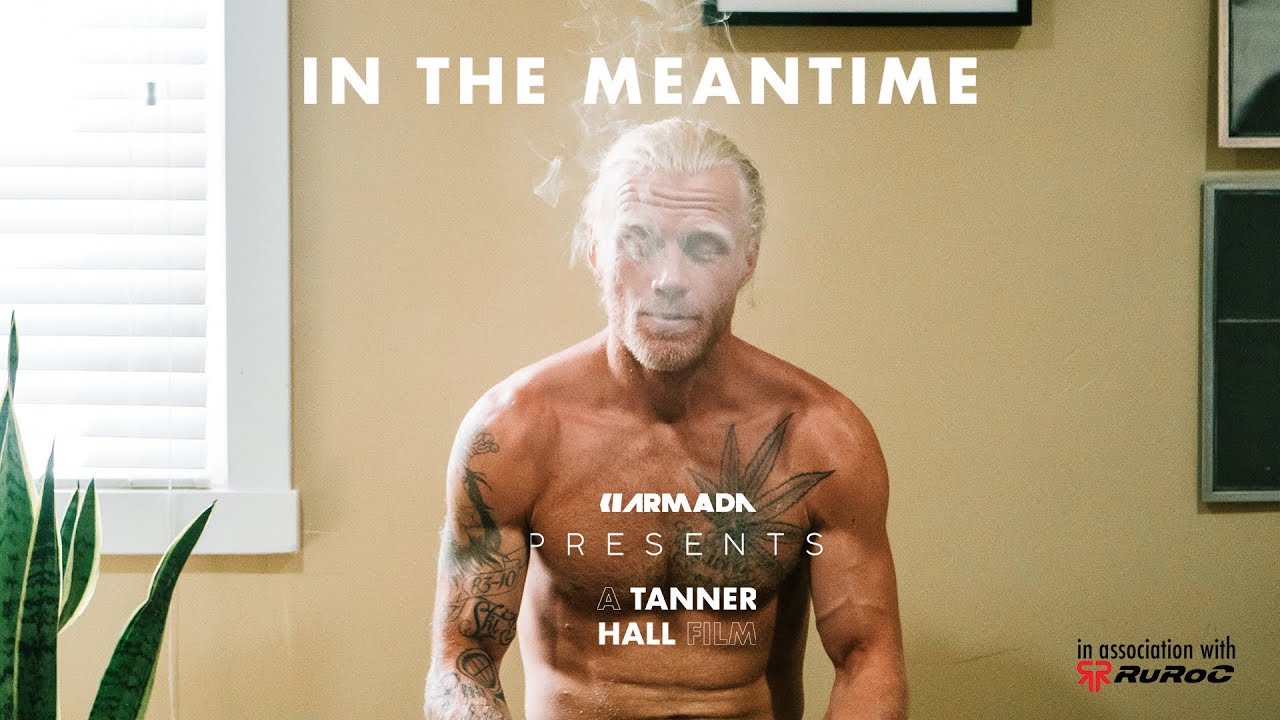
The current skipowd.tv California page already gives the region a strong video identity through Tanner Hall. “Triumph” and “In the Meantime” place California inside Hall’s wider backcountry, park and street film language, with Armada attached to the internal archive. That connection is useful because Hall’s career spans several freeski eras: X Games dominance, backcountry recovery, street edits, Armada culture and older skier longevity.
Level 1 also belongs in the wider California conversation through Mammoth linked park footage and SuperUnknown style progression. Mammoth, Tahoe and Big Bear have all served as stages where film crews can mix polish and personality. California’s light helps. Blue Sierra skies, deep spring shadows, volcanic ridges, Tahoe granite and Southern California park lines all read cleanly on camera. That visual clarity is one reason the state keeps returning in ski edits.
Road Closures Chain Controls And Sierra Discipline
California ski travel is defined by roads. Interstate 80, US 50, Highway 88, US 395, State Route 89, State Route 18 and State Route 330 can all become part of the trip depending on the corridor. Caltrans QuickMap is essential during storms, and Caltrans chain control rules should be checked before any mountain drive. A good forecast can still become a bad ski day if the crew ignores road timing.
Storms also create mountain risk. The Sierra Avalanche Center publishes daily information for the greater Tahoe region, while the Eastern Sierra Avalanche Center covers Mammoth and surrounding backcountry zones. Skiers leaving controlled terrain need beacon, shovel, probe, trained partners and conservative terrain choices. Inbounds closures deserve the same respect. Sierra storms can load terrain fast, and patrol openings are part of the skiing rather than an inconvenience.
January Storms March Builds And June Laps
California’s best season depends on the objective. January and February are the strongest months for midwinter powder, especially in Tahoe and Mammoth. Storm snow can be dense, powerful and excellent for landings, but wind can shut upper terrain and roads can slow the whole plan. March often becomes the most versatile month. The snowpack is deeper, light improves, parks mature and spring surfaces start to appear on solar aspects.
April and May belong to Mammoth, Palisades in strong seasons and selected high elevation zones. This is when California’s long season becomes a freeski advantage. Park riders can build trick lists after other resorts close. Film crews can shoot slush, pipe, natural transitions and late season alpine laps. In strong years, Mammoth may keep spinning into June, turning the state into a bridge between winter competition, spring training and summer snow culture.
The California Reason For Freeskiers
California deserves a 5/5 regional profile because it contains nearly every modern freeski pathway. Mammoth gives the state a world class park and pipe engine. Palisades gives steep inbounds terrain and Olympic history. Tahoe gives storm trees, sidecountry, road trip density and backcountry access. Big Bear gives rail culture and Southern California repetition. June gives a quieter progression zone. Smaller resorts keep local skiing alive across the state.
For skipowd.tv, California should be framed as a complete West Coast ski ecosystem, not as a loose list of resorts. Its strongest quality is range: park, pipe, powder, spring skiing, street influenced rails, backcountry safety culture, road trip logistics and film history all sit inside the same state. The best California ski story starts with a storm, moves through road decisions, finds the right mountain for the weather, and ends with footage that could only come from Sierra light.