Michigan
Michigan
United States
Midwest ski region shaped by the Great Lakes | Known for: Upper Peninsula lake-effect powder, Mount Bohemia glades, Boyne Mountain parks, night-ski repetition, Copper Peak ski flying and Michigan street-ski roots | Season: December to March for most hills, with stronger Upper Peninsula winters in cold years | Best for: park riders, night-lap crews, Midwest street skiers, powder chasers and skiers building technical control on compact terrain
Lake Superior Snow And The Midwest Repetition Machine
Michigan’s ski map is split by water, distance and snow behavior. The Lower Peninsula runs on dense access: night skiing, snowmaking, short drive times and small hills that turn repetition into skill. The Upper Peninsula changes the tone, especially near Lake Superior, where lake-effect bands can stack snow over Marquette, Big Snow Country and the Keweenaw Peninsula. The state tourism office describes Michigan as home to more than 40 ski areas, giving it one of the largest ski-area counts in the United States.
For freeskiers, the region is not about huge vertical. It is about usable time. A skier can hit rails after school at a local hill, lap park jumps under lights near Grand Rapids or Detroit, then drive north when a Lake Superior storm hits. That rhythm creates a specific Michigan language: short pitches, quick chair rides, rope-tow energy, hardpack control, compact parks, and occasional deep-snow weekends that feel far bigger than the elevation suggests.
Mount Bohemia And The Keweenaw Powder Exception
Mount Bohemia is the state’s most unusual freeride name. Located near Lac La Belle in the Keweenaw Peninsula, it publishes 273 inches of average annual snowfall, 900 feet of vertical, 625 acres, 111 runs and two chairlifts. Visit Keweenaw describes the terrain as ungroomed, natural-snow skiing powered by Lake Superior. That separates Bohemia from almost every other Midwest hill. It is advanced-focused, tree-heavy, steep by regional standards and shaped around snow rather than grooming.
The appeal is terrain texture. Bohemia has glades, open runs, cliffs, chutes, natural drops and powder pockets that make it feel closer to a backcountry training ground than a conventional Midwestern resort. It still demands realistic expectations. The vertical is not western scale, and the snow can shift with wind, thaw and lake-effect placement. Yet when the Keweenaw turns on, Bohemia gives Michigan a real powder identity, especially for skiers who normally build technique on rails and hardpack.
Boyne Country Parks And Northern Lower Flow
Boyne Mountain anchors the Northern Lower Peninsula resort scene with 415 skiable acres, 500 feet of vertical, 140 inches of average snowfall, 90 percent snowmaking coverage, 10 chairlifts and five terrain parks. Those numbers make it one of Michigan’s most complete resort-style training grounds. It is not a destination for huge alpine exposure, but it gives park skiers the most valuable Midwestern resource: predictable laps.
The Boyne zone also works because it sits near other northern Michigan hills. The Highlands, Nubs Nob and local Harbor Springs terrain create a compact winter circuit. Nubs Nob is documented with 53 slopes across three peaks, roughly 250 acres and nine chairlifts, while Crystal Mountain adds 59 downhill runs, three terrain parks and 375 feet of vertical closer to Thompsonville. A skier can build a long weekend around parks, groomers, rail laps and cold northern snow without depending on one mountain to do everything.
Bittersweet Cannonsburg And The Night Lap Factory
Michigan’s park culture is strongest when the lights come on. Bittersweet ski resort is already verified inside the skipowd.tv location network, and it represents the compact-hill logic that builds strong rail skiers. Short runs are not a weakness when the goal is repetition. They let skiers test a trick, return quickly, adjust speed and try again before the movement disappears.
Cannonsburg adds the Grand Rapids-side version of that rhythm. The state tourism page lists Cannonsburg with two terrain parks and a popular racing program, while Mt. Brighton gives the Detroit side an accessible hill for learners and midweek laps. These hills do not need massive acreage to matter. Their value is frequency. Michigan riders can ski after work, after class or between winter storms, turning small terrain into technical vocabulary. That is how a flat rail, a box, a side hit or a modest jump becomes part of a larger street-ski toolkit.
Copper Peak And Iron Mountain Gravity Culture
Copper Peak gives Michigan a venue identity beyond alpine skiing. The skipowd.tv page documents it as a ski-flying site above Ironwood in the Upper Peninsula, with videos tied to ski jumping, big air and Sammy Carlson. It is not a downhill ski area, but it belongs in a Michigan freeski profile because it adds scale, history and gravity-sport spectacle to the western U.P. map.
Iron Mountain adds another jumping reference through the Pine Mountain Ski Jump, where the Kiwanis Ski Club hosts major ski-jumping events and where the resort page describes a 140-meter United States record. That does not make Michigan a freeski contest capital, but it gives the state a distinctive winter-sport culture. A skier visiting the U.P. can combine resort laps, lake-effect powder, ski-flying history and small-town winter events in one trip, which is rare for the Midwest.
Hornbeck Street Logic From Small Hills
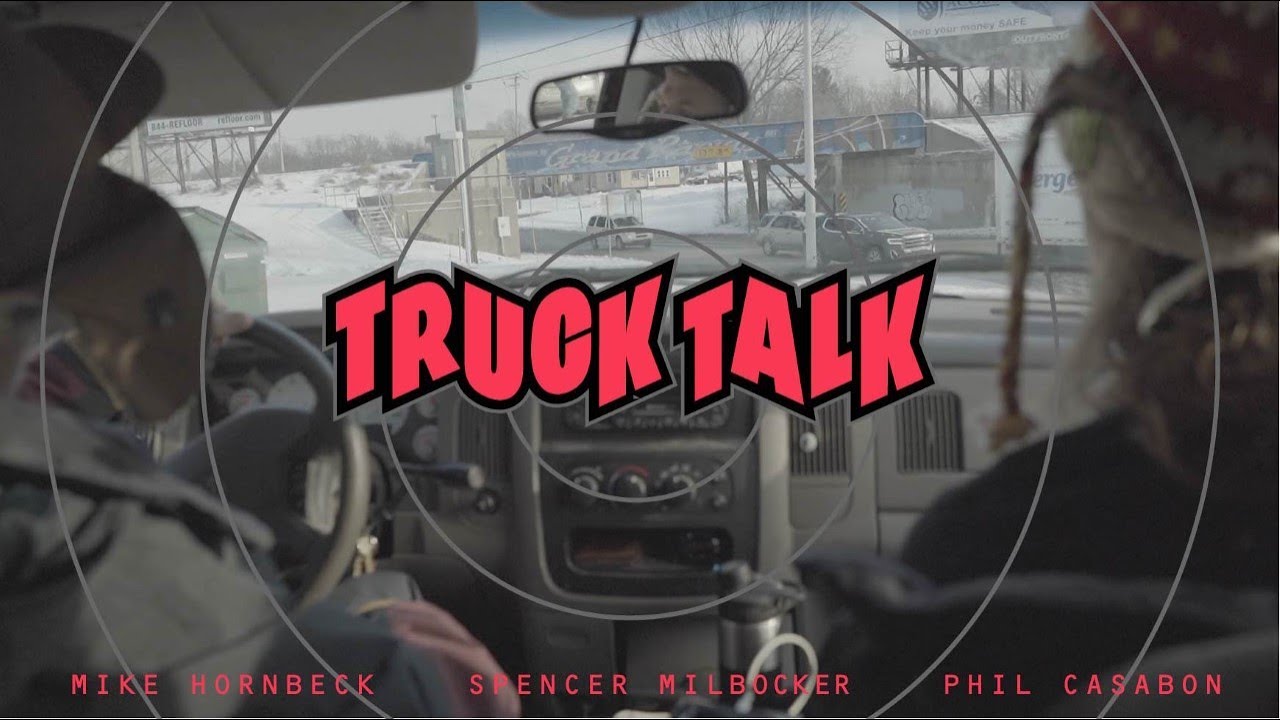
Mike Hornbeck is the clearest Michigan athlete connection on skipowd.tv. His profile frames him as an American freeski icon from Michigan whose street-first approach, presses and butters helped define modern park and urban skiing. That geography matters. Michigan’s short runs, night skiing and rope-tow style terrain create riders who learn precision before amplitude. Hornbeck’s skiing made that limitation look like a strength.
The current Michigan location page also connects the state with Philip Casabon - B-Dog through “Phil Casabon and Mike Hornbeck’s,” a video categorized as street and park. Armada, K2 and Monster Energy are attached to that same internal video listing. The Michigan link is not about home-mountain status for every skier in the clip. It is about style context: Midwest hills, Quebec street influence and creative park skiing all speak the same low-speed, high-control language.
Lake Effect Roads And Park Etiquette
Michigan ski planning depends on roads as much as snow reports. Lake-effect bands can make one area soft while another stays firm, and they can turn a normal U.P. drive into a slow, whiteout-heavy transfer. The smartest trip plan starts with region choice. Downstate hills are best for repetition and night sessions. Northern Lower Michigan is best for resort weekends and park variety. The Upper Peninsula is the call when snow bands organize over Lake Superior.
Inside parks, the code is simple: inspect features first, call drops, keep speed predictable, clear landings fast and do not stand on knuckles. At Bohemia or other ungroomed U.P. terrain, the mindset shifts toward glade safety. Ski with a visible partner, respect closures, avoid charging blind into tight trees and understand that natural snow does not remove consequence. Michigan is friendly, but the best local skiers are careful because they know how quickly the surface changes.
The Michigan Reason For Freeskiers
Michigan matters because it turns modest terrain into repeatable progression. A skier can learn rails at Bittersweet, sharpen night-lap timing near Grand Rapids or Detroit, build resort confidence at Boyne or Crystal, chase powder at Mount Bohemia, then connect the state’s video identity through Mike Hornbeck and the broader Midwest street-ski lineage. The region is not trying to compete with Colorado, Utah or British Columbia on vertical. Its value is different.
For skipowd.tv, Michigan deserves a 3/5 regional profile because it has a real ski ecosystem, a verified internal video page, distinctive Upper Peninsula powder, strong park repetition and one of the clearest Midwest style stories in freeskiing. The strongest editorial angle is simple: Michigan is where compact hills, Lake Superior storms, night skiing and street-influenced creativity turn limited vertical into a serious training culture.