Japan
Japan
Japan
Asian freeski region split between Hokkaidō powder and Honshū alpine terrain | Known for: Niseko snow, Hakuba Olympic legacy, Nozawa Onsen village culture, Hakuba47 park, night skiing, gate-accessed sidecountry | Season: December to April with January and February as the deepest powder window | Best for: powder skiers, park riders, freeride crews, and film trips built around snow quality
Niseko Annupuri And The Sea Of Japan Snow Engine
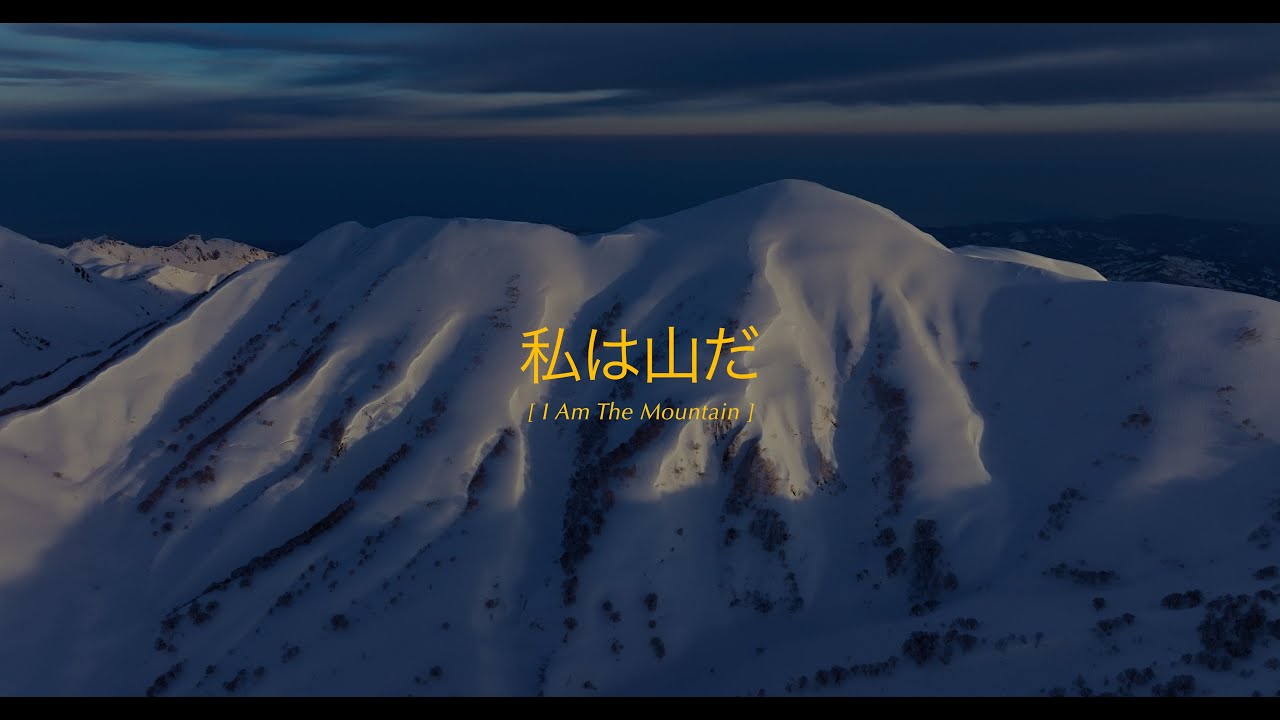
Niseko Annupuri rises to 1,308 meters on Japan’s northern island, with four linked resort areas spread around one mountain: Grand Hirafu, Hanazono, Niseko Village, and Annupuri. Niseko United sits roughly 100 kilometers south of Sapporo, inside the Niseko-Shakotan-Otaru Kaigan Quasi-National Park, and its official explanation of the snow is simple enough for skiers to feel in one turn: seasonal winds cross the Sea of Japan, collect moisture, then unload it as cold powder on the volcanic group.
That mechanism is the foundation of Japan’s freeski reputation. The country is not a single-resort destination; it is a winter map built around repeated storm cycles, tree skiing, compact lift systems, and mountain towns where hot springs sit close to powder terrain. Japan Travel frames the main ski geography around Hokkaidō and Honshū, with Niseko, Hakuba, the Japan Alps, and hot-spring villages as the best-known entry points. For freeskiers, that means one trip can move from low-angle birch pillows to steeper alpine faces without changing countries.
Hokkaidō Trees Honshū Relief And The January Powder Clock
Hokkaidō skis with a rhythm built for repetition. Niseko, Rusutsu, Kiroro, Furano, Tomamu, Sapporo Kokusai, and Asahidake all sit within the wider powder conversation, but they do not ride the same. Niseko and Rusutsu are famous for storm-day trees and soft landings. Furano and inland zones can feel colder and drier between systems. Asahidake changes the tone again, with ropeway access toward volcanic alpine terrain in Daisetsuzan National Park when weather, visibility, and stability line up.
Honshū gives Japan more vertical relief and stronger alpine identity. Hakuba Valley sits in the Northern Alps of Nagano, where 10 ski areas stretch along the valley, including Happo-One, Hakuba47, Goryu, Iwatake, Tsugaike, Norikura, Cortina, and smaller connected bases. Japan Travel lists Hakuba with 10 resorts, 92 lifts, 137 runs, more than 30 kilometers along the valley, and over 11 meters of annual snowfall. Those numbers matter because Hakuba is not only a powder name; it is a terrain network with bowls, steep gullies, tree zones, groomers, and event-facing faces.
The strongest snow window is usually January through February. Japan Travel describes the national ski season as generally December to April, with January and February bringing the most consistent snowfall. March shifts the equation. The storms can still land hard, but clearer weather, stronger light, and more mature park builds make filming easier. April is more selective: shaded upper-mountain faces can hold winter snow, while lower slopes move toward corn, wet snow, and spring park laps.
Hakuba47 Lanes Niseko Nights And The Park Translation
Japan’s freeski identity is powder-first, but its park scene is more functional than the clichés suggest. Hakuba47 is the cleanest example on Honshū. The official Hakuba47 terrain park page describes 47 PARKS as a large-scale park with a maintained halfpipe, jib rails, boxes, berms, and a series of 10 kickers ranging from small sizes to 20 meters. That range gives visiting riders a practical progression ladder rather than a single pro-only jump line.
Niseko adds park riding to an unusual daily rhythm. Powder can be the morning plan, sidecountry gates can shape the afternoon, and night skiing can extend the session after dinner. Hanazono and Grand Hirafu have made night laps part of the resort’s international image, but the deeper value is repetition. When the snow keeps falling, the same soft surface that builds tree skiing also cushions small-to-medium freestyle attempts, side hits, and natural transitions.
Sapporo Kokusai gives the city-facing version of that rhythm. The official Sapporo travel guide describes a resort less than an hour from the city center, with seven course types, a 3.6-kilometer forest trail, slopes up to 30 degrees, and a season that can run from mid-November to early May. For skiers using Sapporo as a base, that creates a different Japan trip: ramen and city lodging at night, powder laps and short park sessions by day.
Nagano 1998 And The Hakuba Freeride Line
Nagano’s Olympic history still gives Honshū a different weight from Hokkaidō. Japan Travel notes that Hakuba hosted ski jump, downhill, and slalom events during the 1998 Winter Olympics, while Nagano’s wider ski network remains one of the country’s mountain heartlands. For freeskiers, that legacy matters less as nostalgia than as infrastructure: roads, lifts, lodging, buses, patrol systems, and international familiarity all improved around a region that had to host the world.
Hakuba also carries Japan’s modern freeride identity. The Freeride World Tour lists the 2026 Toyo Tires Hakuba Qualifier on the lifts of Hakuba Happo-One Ski Resort, keeping the valley connected to judged big-mountain skiing. That is a different signal from a resort brochure. It means the terrain has enough pitch, line choice, and rider interest to support a real freeride pathway.
Yu Sasaki gives that pathway a human shape. His profile sits between Japan, Hakuba, Revelstoke, Freeride World Tour starts, KAMASE film work, and Japanese freeride culture. He is useful for a Japan location page because he links local snow knowledge with the wider big-mountain circuit. Hakuba is not only a place where foreign skiers arrive for powder; it has produced riders who can read home terrain and translate it onto international faces.
Nozawa Onsen Myoko And The Village Snow Layer
Japan’s resort map would be weaker if it stopped at Niseko and Hakuba. Nozawa Onsen brings a village-centered model, where skiing, public baths, food, and narrow streets are not accessories to the mountain but part of the day’s structure. Japan Travel describes Nozawa as a famous hot-spring enclave with up to 10 meters of seasonal snow, 19 lifts, new gondolas, and 50 kilometers of courses. For freeskiers, the upper mountain can deliver powder and tree-adjacent terrain, while the lower village gives the trip its cultural memory.
Myoko shifts the tone toward heavier snowfall and a more local feel. The Japan National Tourism Organization page for Seki Onsen describes Myoko as a heavy-snow area with nine ski resorts, while Seki Onsen itself has only four courses and two lifts over 310 meters of vertical. That contrast is the point. Some Japanese ski zones are not huge by international acreage standards, but they can punch above their lift count when the Sea of Japan storm track fills trees, gullies, and old volcanic terrain.
Niigata, Gunma, and Tohoku add further layers. Yuzawa is reachable by train from Tokyo. Kagura can hold snow into spring. Arai, Madarao, and Shiga Kogen sit in the conversation for riders who want fewer global-resort signals and more storm-chasing texture. The best Japan trips often work by combining one famous anchor with two smaller zones, then letting weather decide which one deserves the next morning.
Films Riders And The Japan Powder Image
Japan’s modern freeski image has been built as much by films as by resort statistics. The visual grammar is instantly recognizable: birch trunks, whiteout sound, pillow drops, onsens, vending-machine lights, snowbanks beside narrow roads, and night clips under floodlights. Micah Evangelista appears naturally in that context through K2’s Japan-linked powder storytelling, where the terrain is less about exposed alpine danger and more about speed control, soft landings, and playful storm skiing.
Max Palm represents another angle. His Japan-facing video work sits beside freeride and creative skiing rather than classic resort promotion. That matters for skipowd.tv because Japan is not only a destination for powder tourists; it is a setting for athletes who want atmosphere, texture, and a different rhythm from European alpine faces or North American backcountry zones.
Brands fit the same pattern when the connection is visible in actual ski media. K2 has Japan-linked freeride footage on skipowd.tv, while Armada belongs to the broader powder and backcountry freestyle language that Japan rewards. The terrain is rarely about one giant cliff. It is about linking speed through trees, reading small pillows, using natural transitions, and making deep snow look light instead of slow.
Shinkansen Airports And The Two Island Itinerary
Japan is unusually efficient for a long-haul ski destination because the transport network matches the ski geography. Hokkaidō usually starts at New Chitose Airport, then spreads toward Niseko, Rusutsu, Kiroro, Furano, or Sapporo-area resorts by coach, rental car, or transfer service. Honshū usually starts from Tokyo, with the Hokuriku Shinkansen reaching Nagano and Iiyama for Hakuba, Nozawa Onsen, Shiga Kogen, and nearby valleys.
Japan Travel describes Nagano as easy to reach from major urban centers, with the Hokuriku Shinkansen running from Tokyo Station to Nagano Station and stopping at Iiyama. That rail access changes how freeskiers can plan. A crew can land in Tokyo, reach Nagano without losing a full day, and then choose between Hakuba’s larger alpine terrain, Nozawa’s village snow, or Shiga Kogen’s high-elevation network.
On snow, the correct itinerary depends on the mission. Niseko and Rusutsu suit powder volume, night skiing, and sidecountry systems. Hakuba suits steeper faces, alpine openings, and freeride development. Nozawa suits riders who want traditional village culture attached to strong snow. Myoko and Madarao suit storm chasers who prefer less polished resort energy. Sapporo works for skiers who want urban flexibility and day-trip options rather than a single mountain village.
Gate Rules Onsens And Deep Forest Discipline
Japan rewards respect for systems. The best-known example is Niseko’s gate framework. Niseko Rules were created to reduce accidents in backcountry areas, and the core instruction is direct: use official gates, do not duck boundary ropes, and do not enter backcountry areas when gates are closed. That framework is one reason the resort can offer freeride access without turning every powder day into uncontrolled chaos.
The same mindset applies outside Niseko. Off-piste policies vary by resort, and Japan is not a place to assume that a rope, sign, or closed gate is decorative. Deep forests create tree-well risk. Storms can erase tracks and reference points quickly. Wind can load bowls above treeline in Hakuba and create slabs that feel very different from soft tree snow below. Beacon, shovel, probe, partner rescue skills, and local guidance matter when a plan moves beyond controlled slopes.
Etiquette is part of the ski experience. Queue cleanly, avoid cutting lift lines, clear park landings fast, follow posted photography and drone rules, and learn basic onsen behavior before walking into a public bath. Rinse before soaking. Keep towels out of the water. Respect quiet spaces. These details may feel secondary, but they shape how well visiting skiers fit into mountain towns that are not only winter playgrounds.
The Japan Formula For Modern Freeski Progression
Japan’s value for freeskiers comes from repetition without sameness. In one week, a skier can learn tree speed in Hokkaidō, ride night laps in Niseko, film a storm segment at Rusutsu, chase a clear day in Hakuba, and recover in an onsen village. The terrain does not rely on extreme exposure to be useful. It gives skiers snow volume, soft landings, compact resort flow, and enough variation to build confidence fast.
The country also teaches patience. Peak powder months can bring whiteout days, closed gates, buried roads, and slow travel. A strong plan does not fight that rhythm. It uses storm skiing when visibility is low, park or night laps when features are running, train transfers when a region warms up, and guide days when sidecountry becomes the goal. Japan is at its best when the itinerary has structure but not rigidity.
That is why the destination keeps returning in ski films, athlete projects, and winter travel plans. Japan gives freeskiing a rare combination: powder frequency, cultural depth, safety frameworks, efficient access, and terrain that lets style show without demanding Alaska-scale consequence. In a good January cycle, the whole trip can be measured in resets: morning trees, afternoon gates, evening lights, and another layer of Sea of Japan snow waiting before breakfast.