Inspired Media Concepts
StudioUnited States
American ski film production studio and media imprint | Founded 2010 in Park City by Tanner Hall and Eric Iberg | Known for: Like a Lion, Inspired TV, Road to Zion, Let It Flow and BE Inspired | Focus: rider led freeski films where style, music, positivity and street influenced creativity became as important as technical tricks.
Park City in 2010 and the birth of a skier run media imprint
Inspired Media Concepts was created in 2010 by professional skier Tanner Hall and filmmaker Eric Iberg out of Park City, Utah. It was not a ski brand, a gear company or a conventional production house built around clients first. It was a skier run film imprint designed to give Hall, Iberg and their circle a foundation for annual ski projects, web programming, tours and athlete driven storytelling.
The timing was important. Freeskiing was moving away from one single movie model and into a more fragmented digital era. Riders wanted control over how their style was shown. Fans were discovering clips online instead of waiting only for DVD premieres. Inspired Media Concepts stepped into that moment with a clear idea: skiing could be presented through personality, music, culture and positivity, not only through trick difficulty or contest results.
That philosophy gave the studio its identity. Inspired was a movement as much as a production label. It connected skiing with reggae, hip hop, travel, street culture and friendship, while still giving space to some of the most technical and creative skiers of the period.
Like a Lion Inspired TV and the first foundation films
The first major marker in the Inspired story was Like a Lion, the 2010 documentary about Tanner Hall directed by Eric Iberg. The film gave the studio immediate weight because it did not treat Hall only as a highlight reel athlete. It looked at injury, fame, comeback, confidence and contradiction inside one of the most influential freeski careers of the time.
After Like a Lion, Inspired TV expanded the project into recurring web programming. That shift mattered because it let skiers and action sports athletes tell stories in a more immediate format. The official Inspired history describes Inspired TV as a scheduled internet channel that began with ski shows and later expanded into surfing, kayaking and BMX. For freeskiing, that helped normalize the idea that a production label could be a channel, a community and a traveling platform rather than only a yearly film release.
Inspired Demo Tour added a grassroots layer. The tour brought professional skiers around the country to share their individual passion for skiing while documenting travel and creating exposure for new locations. That format fit the brand perfectly: part movie tour, part rider gathering, part youth inspiration project.
Road to Zion Let It Flow and the B and E creative explosion
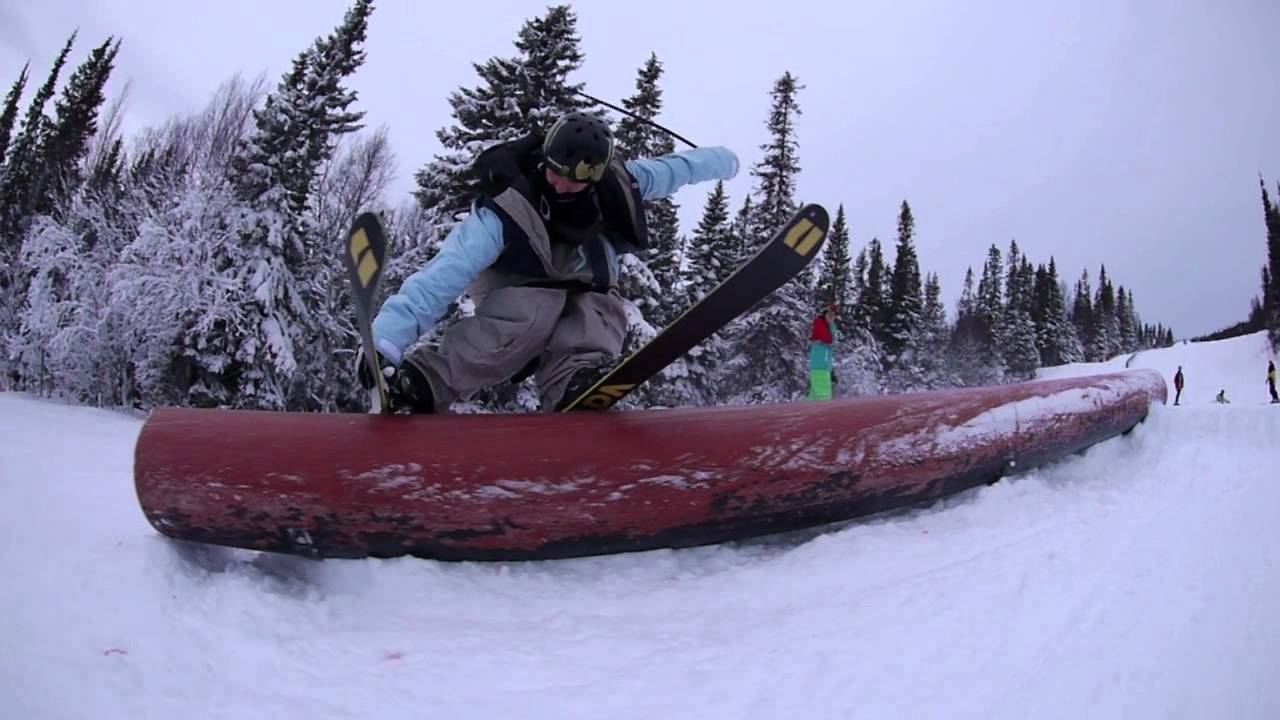
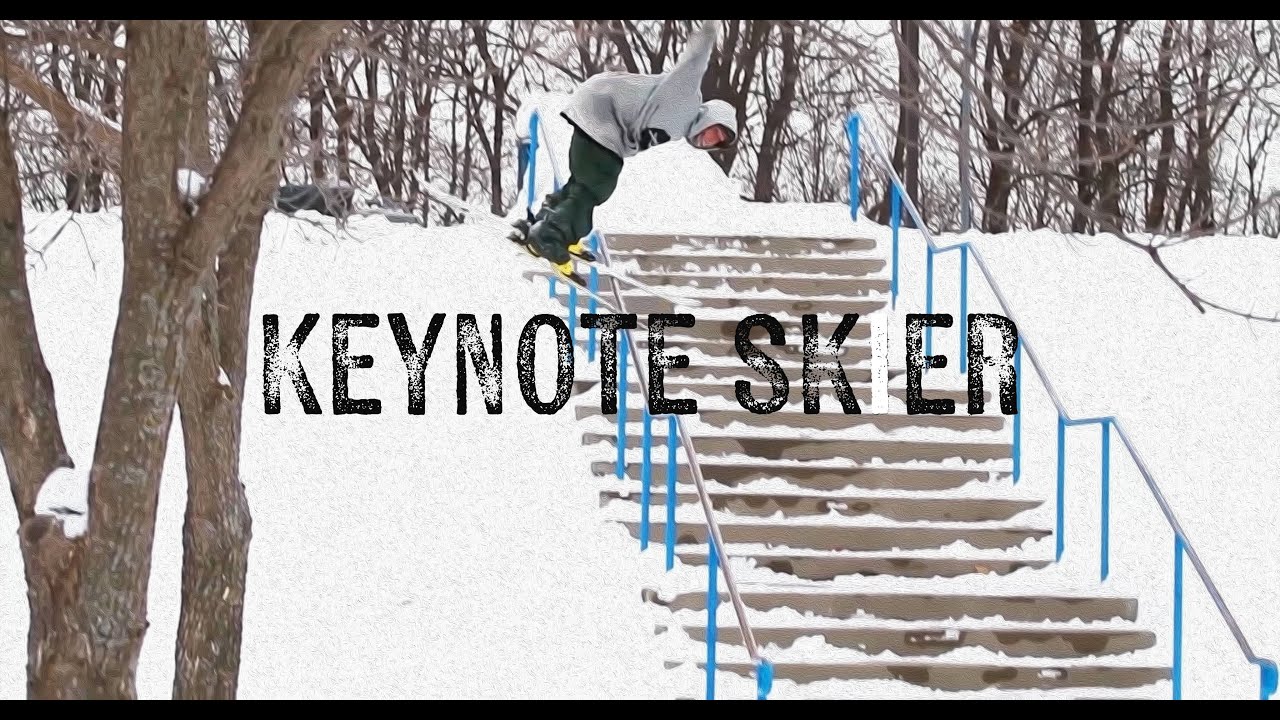
The most culturally lasting Inspired Media Concepts work came through its connection with Henrik Harlaut and Phil Casabon. Under the B and E energy, Inspired helped frame a style of skiing where creativity, flow and self expression mattered more than standard contest logic. This was skiing built around nosebutters, pretzels, unusual grabs, rail rhythm, switch landings, street spots, music direction and an almost skate like attention to line design.
Road to Zion followed Henrik Harlaut through a season that mixed park, urban, backcountry, X Games, the Olympics and travel through Europe and North America. It helped show Harlaut not just as a contest skier, but as a full creative figure whose skiing, clothing, music and attitude all belonged to the same language.
Let It Flow pushed the idea even further with Phil Casabon, Henrik Harlaut, Paul Bergeron and Brady Perron. The film was directed and edited by the skiers themselves and carried an original soundtrack. That rider controlled structure was central to Inspired. The skiing did not feel like athletes performing inside someone else’s template. It felt like the riders had built the world around their own rhythm.
BE Inspired and the two year climax of street influenced freeskiing
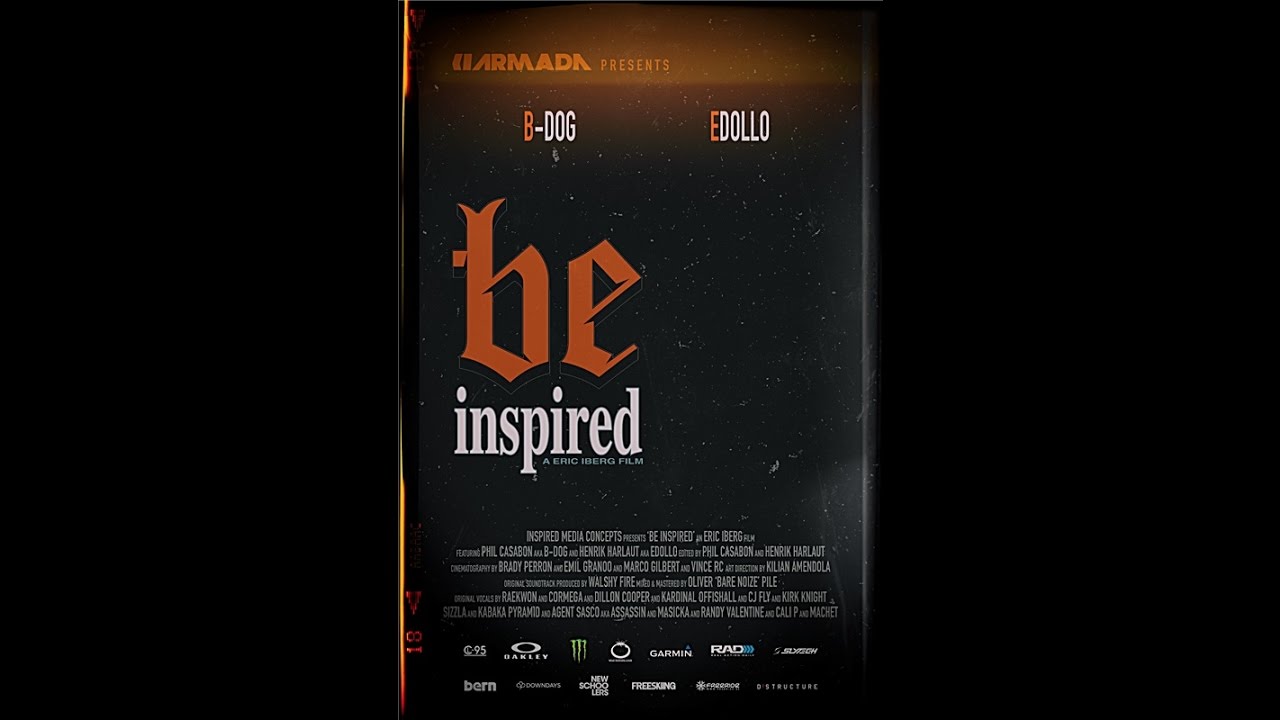
BE Inspired became the studio’s defining late era project. Produced by Inspired Media Concepts and directed by Eric Iberg, Henrik Harlaut and Phil Casabon, the film followed Harlaut and Casabon through two years of freestyle skiing with an original soundtrack produced by Walshy Fire. It blended hip hop, reggae, street skiing, park skiing, creative transitions and a strong sense of friendship.
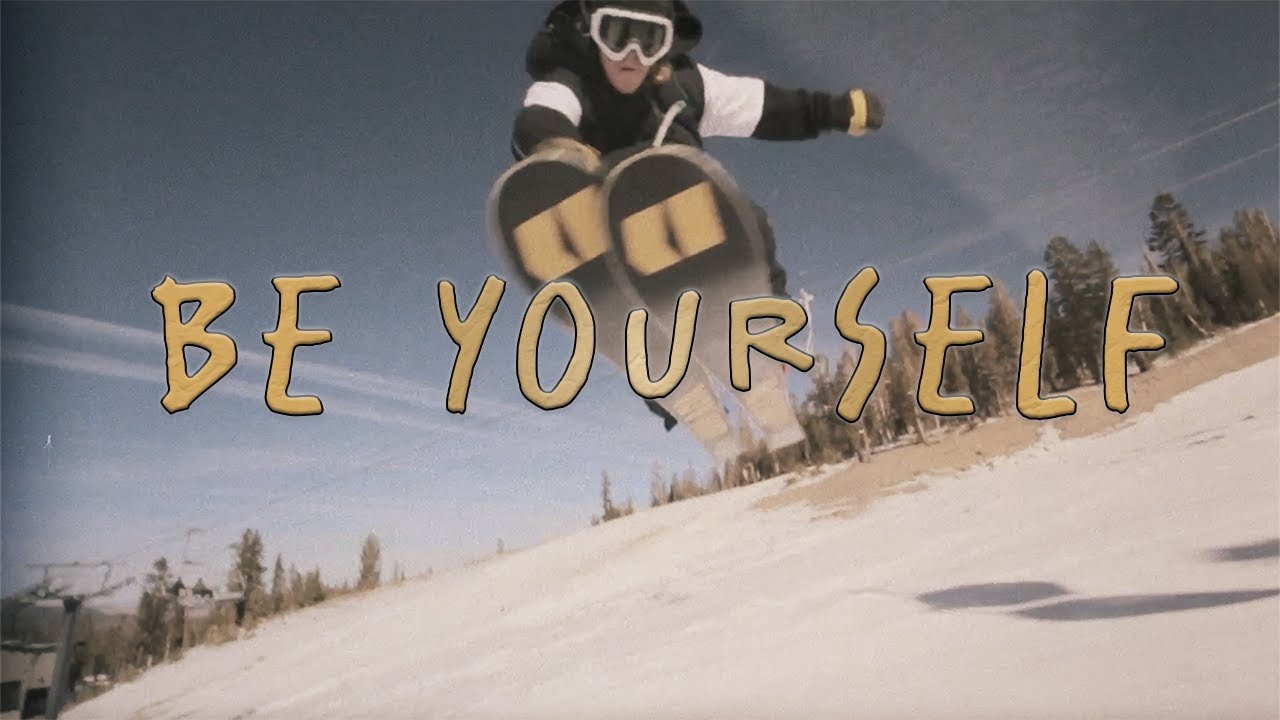
The importance of BE Inspired is not only that it had major athletes. Its importance is that it captured a complete freeski worldview. Henrik and Phil were not presented as interchangeable trick machines. They were shown as artists with personal movement, music taste, clothing style, nicknames, crew energy and a deep sense of play. The film helped preserve the idea that progression could mean style, not just more rotation.
On skipowd.tv, BE Inspired remains one of the key references attached to Inspired Media Concepts. It works as both a film and a historical document of a period when skiing was becoming more self authored, more musical and more open to influences outside traditional mountain culture.
Tanner Hall Eric Iberg Henrik Harlaut and Phil Casabon as the core language
The Inspired story is built around a small group of highly recognizable voices. Tanner Hall brought legitimacy, history and charisma. By 2010, he had already shaped freeskiing through contests, films, injuries, comebacks and a public personality that made him impossible to separate from the sport’s growth.
Eric Iberg brought the film language. His earlier work had already helped shape how freeskiing could be shot and edited, and Inspired gave him a platform to merge skiing with music, identity and a more intimate view of athletes. The partnership between Hall and Iberg made sense because both understood that skiing needed more than clean tricks and scenic backdrops. It needed characters.
Henrik Harlaut and Phil Casabon gave Inspired its most enduring style legacy. Harlaut’s loose creativity and Casabon’s patient, technical rail language became a visual grammar that younger skiers studied frame by frame. Their work under the Inspired umbrella helped prove that a skier could become influential through originality, rhythm and personal expression as much as podium count.
Park City Quebec Jamaica and the Inspired map
Inspired Media Concepts began in Park City, but its cultural map was never limited to Utah. Park City gave the imprint a freeski base, with terrain parks, contests, industry proximity and the home energy around Tanner Hall. Quebec entered through Phil Casabon, Paul Bergeron and the street influenced B and E universe, bringing rail creativity, urban spots and a different rhythm to the films.
Jamaica also became part of the Inspired story through Inspired Music Concepts, Cali P, Phantom and the brand’s wider connection to reggae and positivity. That connection was not a random soundtrack choice. It helped distinguish Inspired from ski media that treated music as background. In Inspired projects, music often felt like part of the mission.
The films then traveled through Europe, North America and beyond: Finland, Austria, Italy, Colorado, Sweden, urban environments, resort parks and backcountry zones. This geography gave Inspired a broad but personal feel. The point was not to check off famous destinations. The point was to follow riders, sounds and sessions wherever the creative energy was strongest.
Music tours web shows and the studio model behind the movement
Inspired Media Concepts was constructed around more than cameras. Its real structure combined film production, web channels, music, athlete promotion, tours and live community events. That made it different from a studio that only delivered a finished movie. Inspired operated like a small cultural engine inside freeskiing.
The production model allowed annual films and web shows to feed into tours and public appearances. Inspired Demo Tour created direct contact with young skiers. Inspired TV gave the brand a recurring digital presence. Inspired Music Concepts connected skiing to original music and artists. This multi format structure made the brand feel larger than its filmography alone.
That approach also fits the era. Ski media in the early 2010s was learning how to survive after the DVD age. Inspired did not fully solve that industry shift, but it showed one direction forward: put athletes, music, community and digital distribution into the same ecosystem.
Why Inspired still matters after the original brand ended
Inspired Media Concepts officially belongs to a specific era, and that era ended after BE Inspired in 2016. That short lifespan is the reason the studio is best rated 4 out of 5 rather than placed beside multi decade production institutions. It did not build a catalogue on the scale of Matchstick Productions, Teton Gravity Research or Poor Boyz Productions.
But impact is not measured only by longevity. Inspired helped shape how a generation thought about style, soundtracks, rider authorship and positive ski culture. It gave Henrik Harlaut and Phil Casabon a platform that made their creative language more visible. It helped Tanner Hall and Eric Iberg move ski storytelling toward personality and independence. It showed that a film imprint could feel like a movement.
On skipowd.tv, Inspired Media Concepts belongs as a major ski film studio and cultural imprint from a crucial freeski decade. Its best work still matters because it reminds skiers that progression is not only technical. It is also musical, personal, playful and deeply connected to the people who choose to keep skiing inspired.