K2
United States
American ski and snowboard manufacturer | Founded 1962 in Washington State as a fiberglass ski pioneer | Known for: Mindbender freeride skis, Reckoner playful all mountain shapes, Omen park skis, Wayback touring skis, Disruption piste tools and K2 Factory Team culture | Focus: building skis, boots and snow equipment that connect Pacific Northwest design roots with freeride, freestyle, touring, piste and athlete driven progression worldwide.
1962 Washington State roots and the fiberglass leap
K2 Skis is one of the foundational American ski brands. Founded in 1962 in Washington State, the company became closely associated with the transition from traditional ski construction toward fiberglass reinforced designs, helping move the sport into a more modern materials era. That early identity still matters because K2 has always carried a mix of engineering, experimentation and mountain culture rather than presenting itself as a purely European race house.
The brand’s name is tied to the Kirschner family and to the Pacific Northwest, where wet storms, variable snow, volcanic terrain and strong outdoor culture shaped a different kind of ski personality. K2 did not grow only through race gates. It grew through accessible performance, bold graphics, mountain town credibility and a willingness to follow skiing as it changed. That meant alpine skis first, then snowboards from 1987, then women specific product engineering from 1999, and later a deep investment in freeride, freestyle, touring and boot systems.
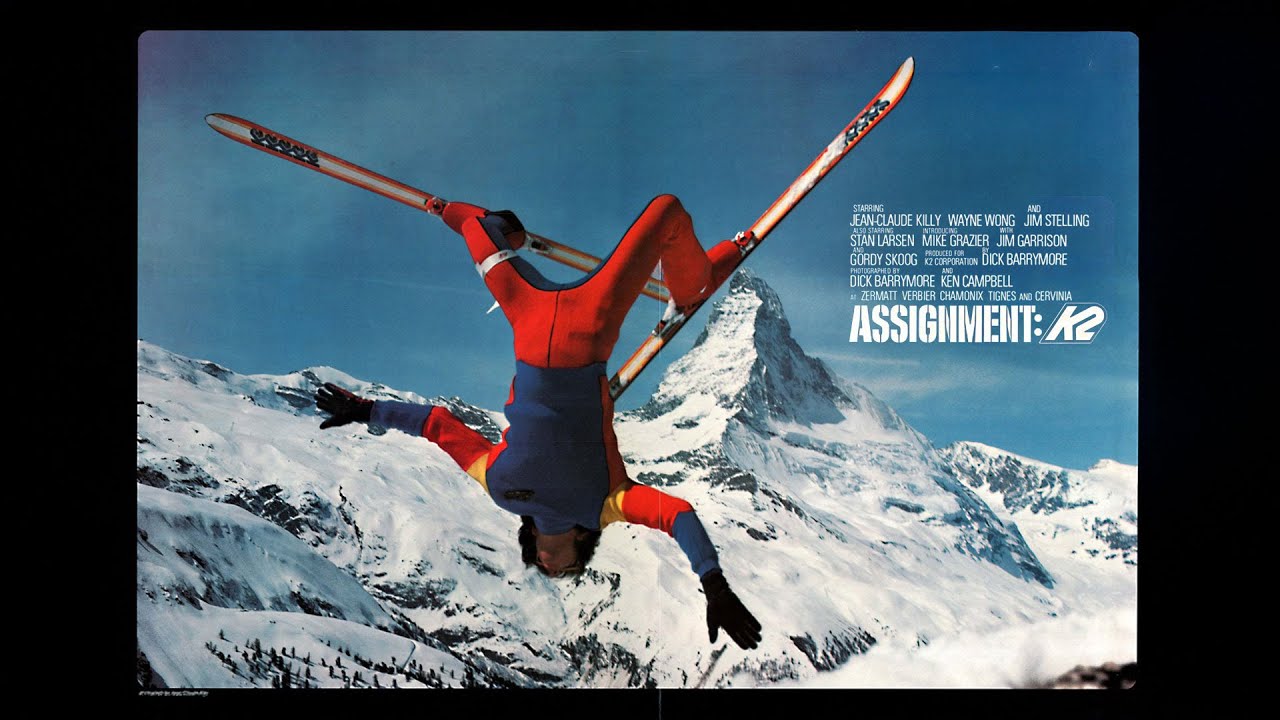
Today K2 sits inside a larger snow equipment ecosystem, but the ski identity remains clear. It is a manufacturer with real history, broad product coverage and a recognizable team culture. For skipowd.tv, K2 is especially relevant because it appears across many video categories: park edits, big mountain films, backcountry segments, piste product content, touring missions and archive material from older ski cinema.
Mindbender Reckoner Omen Wayback and the modern K2 wall
K2’s current ski range is built around distinct families rather than one all purpose line. Mindbender is the freeride and all mountain core, designed for skiers who want control, stability and confidence across mixed snow. The Mindbender Ti models use Titanal Y Beam construction for a more planted ride, while the Mindbender C models use Spectral Braid to tune torsion and flex in a lighter, more maneuverable package.
Reckoner handles the playful side of all mountain freeride. These skis are shaped for butters, smears, side hits, powder jumps and skiers who want a surfier feel rather than locked in directional charging. Reckoner models such as the Reckoner 92, 102, 110, 124 and Reckoner KF give K2 a strong presence among riders who move between resort, park, soft snow and natural features.
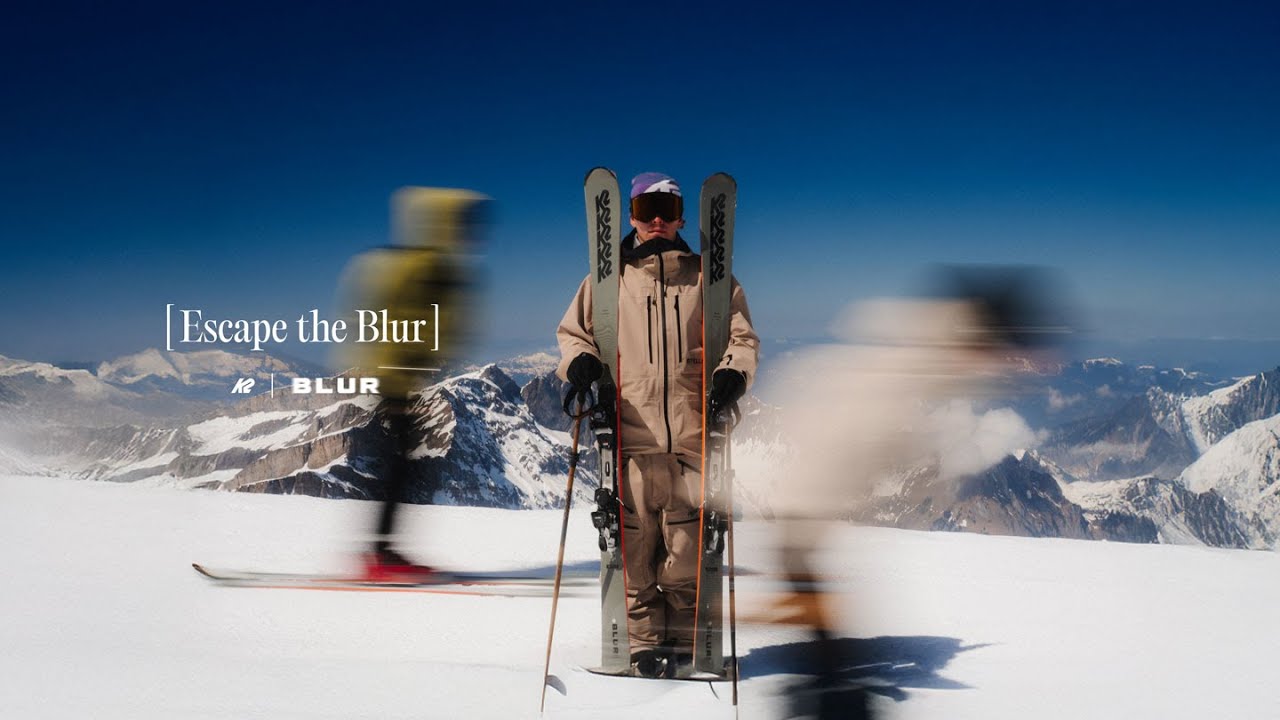
Omen is the park and freestyle line. It serves the skier who thinks in rails, takeoffs, switch landings, rope tow laps and late season features. The Omen Team sits as the competition grade or team inspired model, while Omen 90, Omen 85 and Omen Jr create a clear freestyle ladder. Wayback covers touring, with models such as Wayback 84, 89, 92, 98 and 106 designed for lighter uphill movement without abandoning downhill confidence. Blur and Disruption round out the piste and carving side, while K2 boots, skins, poles, helmets, bags and apparel extend the brand beyond skis alone.
Spectral Braid calm or Reckoner looseness underfoot
K2 skis feel different depending on the family. Mindbender Ti models are built for skiers who want edge hold, damping and stability when terrain gets fast or broken. Titanal Y Beam places metal in a tuned shape through the ski, supporting turn initiation and edge power without making the tail impossible to release. That gives the Ti line a useful balance: strong enough for speed, but not purely locked into race ski behavior.
Mindbender C models move in a lighter, livelier direction. Spectral Braid changes fiber orientation along the length of the ski, allowing K2 to tune torsional stiffness by zone. In plain ski terms, that means the ski can grip and hold where it needs to while staying more maneuverable than a full metal charger. For skiers who like trees, soft snow, bumps and variable terrain, that can make the C construction feel easier to move around.
Reckoner skis are a different language. They are looser, more playful and more freestyle influenced. They suit skiers who want to butter, slash, pivot, pop and treat the whole mountain like a terrain park. Omen skis push even more directly into freestyle, with durability and pop aimed at rails, jumps and park laps. Wayback skis prioritize uphill efficiency and touring weight, while Blur and Disruption speak to skiers who care about carving precision and hard snow response. K2’s strength is that these families do not all chase the same feel.
Factory Team energy from park skiers to Alaska faces
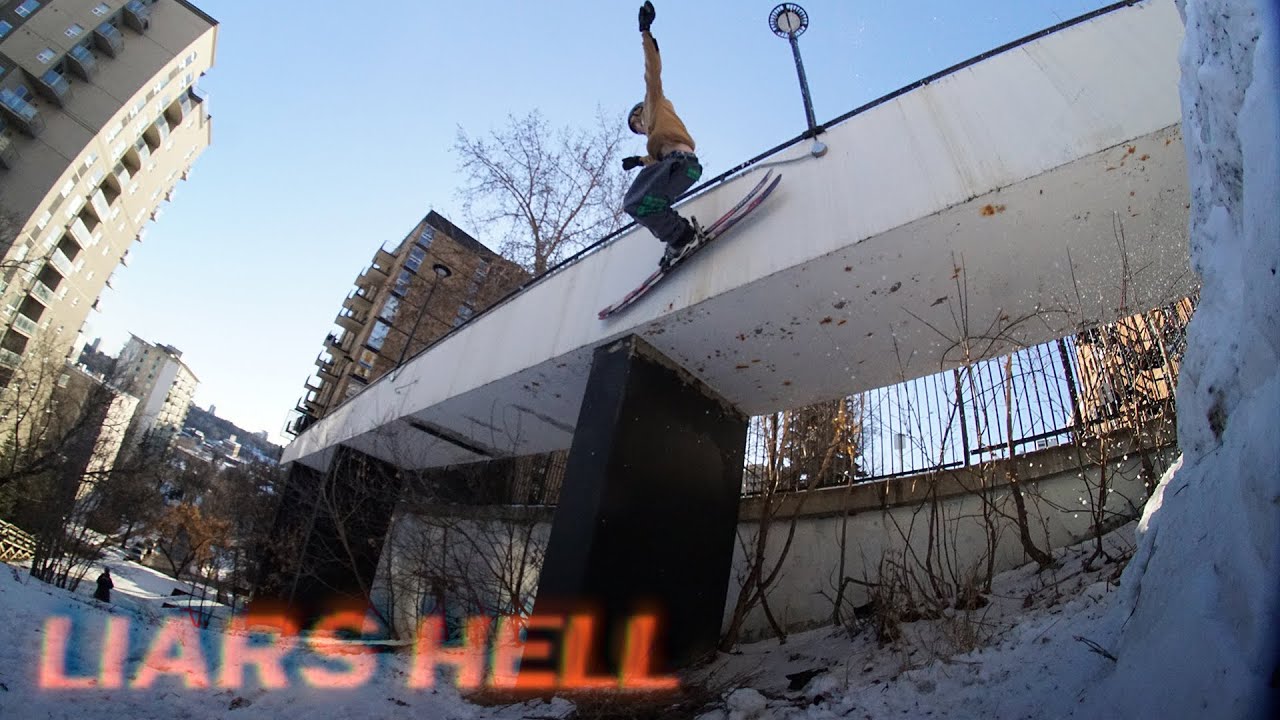
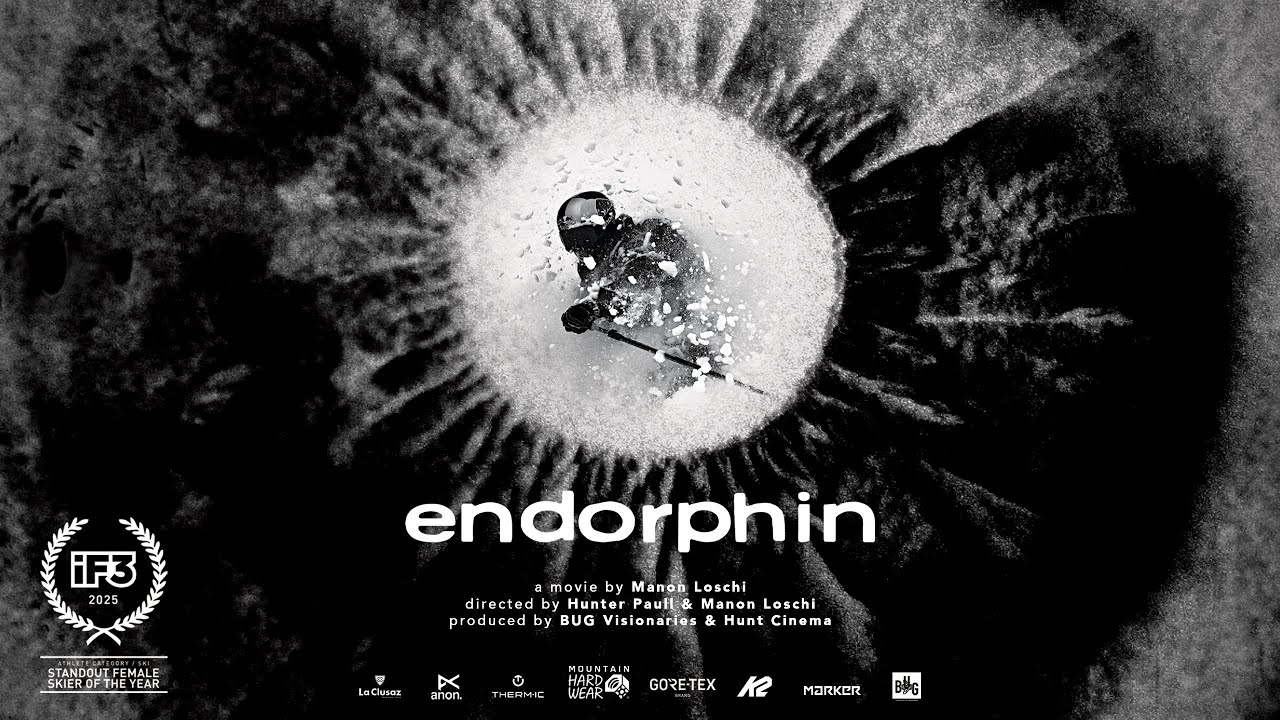
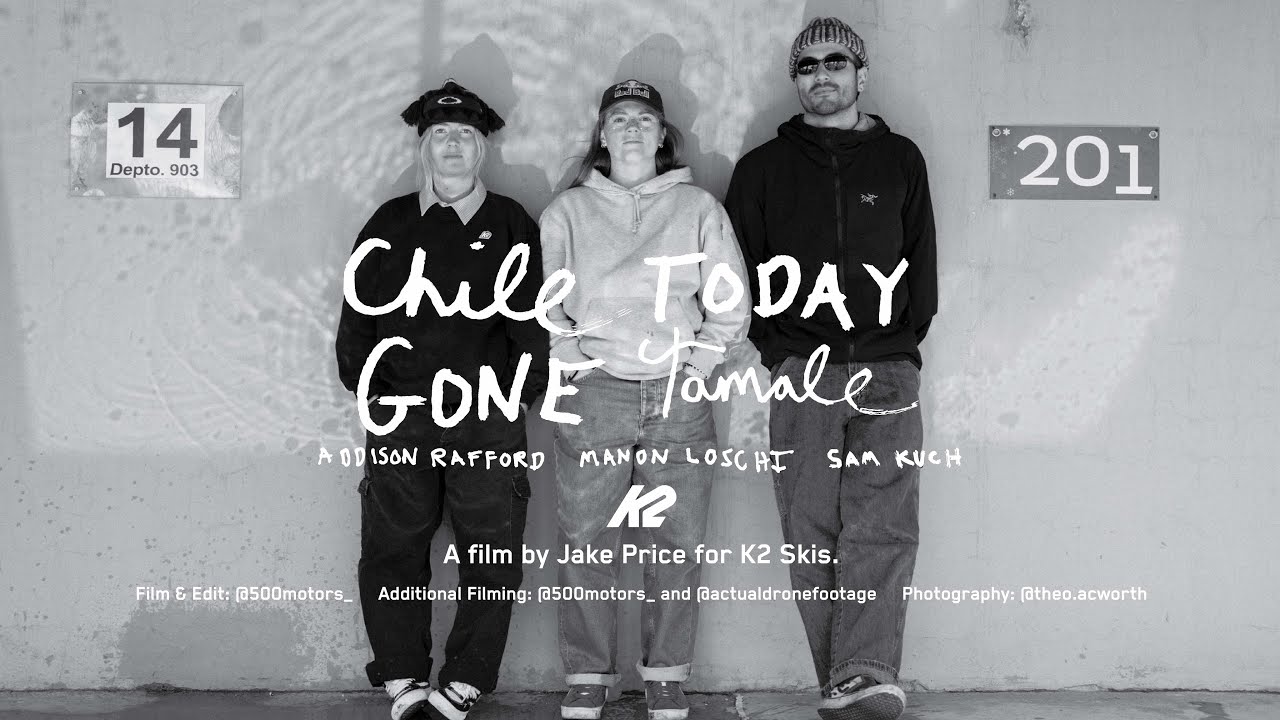
K2’s team presence is one of the reasons the brand remains culturally important. The K2 Factory Team has long been associated with freeskiing, and the brand has supported riders across park, pipe, street, freeride and backcountry. Names connected to K2’s modern ski identity include Colby Stevenson, Karl Fostvedt, Maggie Voisin, Sam Kuch and Manon Loschi, a roster that shows how widely the brand stretches across skiing.
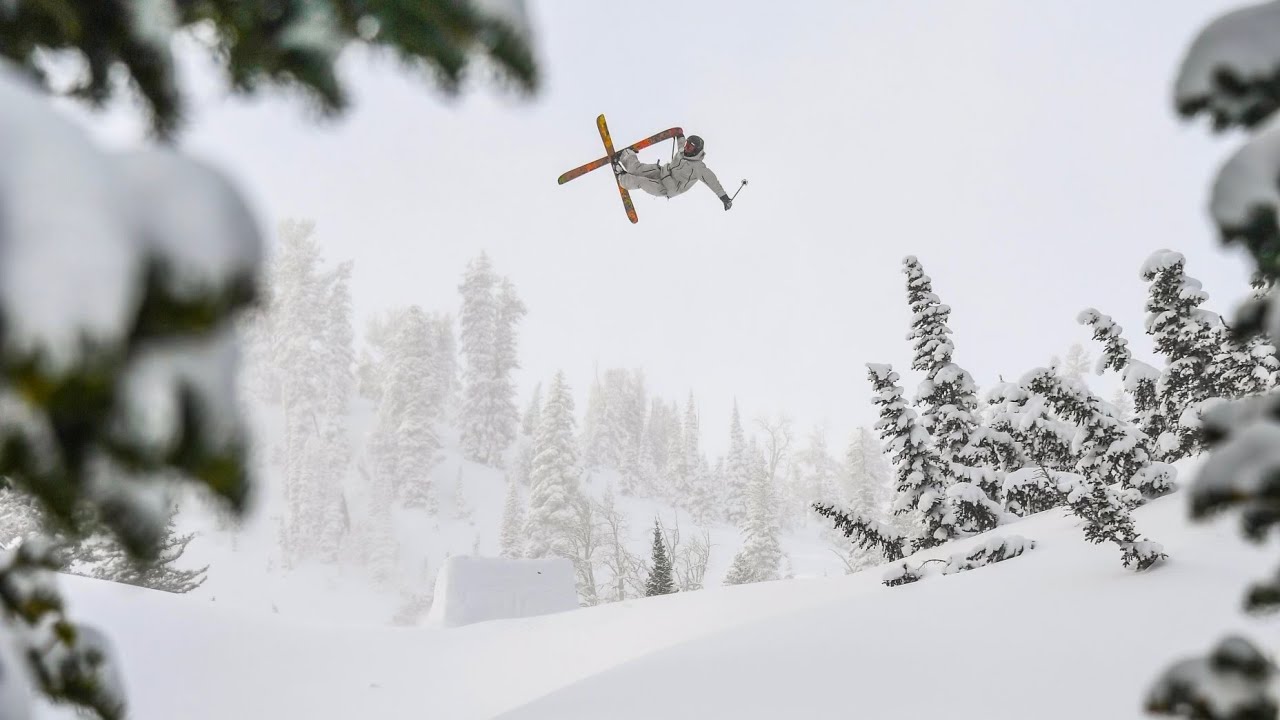
Colby Stevenson represents the high level freestyle side, with Olympic and X Games level slopestyle and big air creativity that translates well into backcountry jumps and Natural Selection style terrain. Karl Fostvedt represents a different form of influence: Idaho roots, urban skiing, backcountry freestyle and a long record of film driven progression. Sam Kuch brings expressive freeride, fast natural lines and a style that sits between freeride charging and freestyle imagination.
Manon Loschi and Maggie Voisin add another layer to the K2 story. Loschi’s rise through freeride and Natural Selection style competition gives K2 a strong women’s big mountain voice. Voisin brings slopestyle, X Games and Olympic credibility into a more versatile mountain context. K2 matters because it does not depend on one athlete lane. It supports riders who ski rails, park jumps, powder landings, big mountain faces and technical freestyle features.
Pacific Northwest design with Baker Alaska and BC influence
K2’s geography starts in Washington State, and that matters. The Pacific Northwest produces a specific kind of skiing: deep storms, heavy snow, maritime conditions, tree zones, volcanoes, spring corn, rain crusts and terrain that rewards equipment with both looseness and backbone. A brand shaped by that environment naturally develops a broader feel than one built only around icy groomers or race courses.
Mt Baker and the wider Northwest are important cultural references for K2 because they represent storm skiing, creative terrain and the kind of snow where skis need to float, smear and stay stable in chopped powder. British Columbia extends that same logic into a bigger freeride and film map, with pillows, sled access, alpine faces and storm cycles where K2 athletes have repeatedly found visual identity. Alaska adds the high consequence big mountain side, where stability, platform and confidence matter at speed.
K2’s global reach now extends far beyond the Northwest, but the brand still feels connected to that region’s practical mountain personality. It builds skis for skiers who might carve groomers in the morning, hit windbuff at noon, slash trees in the afternoon and hike a sidecountry lap before close. That mixed condition DNA is one reason K2 skis have stayed relevant across freeride and all mountain categories.
Titanal Y Beam Carbon Boost and the build language behind K2
K2’s construction story is built around tuned reinforcement rather than one universal material claim. Titanal Y Beam is the clearest example in the Mindbender Ti line. Metal adds damping and edge power, but the Y shaped layout lets K2 place strength where it affects turn initiation, underfoot support and tail release. That is why Mindbender Ti skis can feel strong without always feeling like locked in race boards.
Spectral Braid is the lighter, more adaptable side of K2 engineering. By varying fiber angles along the ski, K2 can tune flex and torsional behavior in different zones. Carbon Boost Braid appears in playful and freestyle oriented skis, adding longitudinal energy and pop without turning the ski into a harsh plank. In piste oriented models, Dark Matter Damping targets chatter near the edges, helping the ski stay calmer on firm snow.
Durability and responsibility are part of the modern construction conversation as well. K2 publishes sustainability commitments around materials selection, waste reduction, packaging, carbon reduction and manufacturing energy. The brand also states targets for carbon emissions reduction and packaging improvements, while noting factory level initiatives such as solar panels, lighting reduction and recycling of manufacturing materials. For a large ski manufacturer, the meaningful test is not a single eco phrase. It is whether product life, repairability, packaging, energy use and material choices keep improving over time.
Choosing Mindbender Reckoner Omen Wayback or Disruption
Choosing within K2 starts with terrain and skiing style. Mindbender Ti is the natural choice for stronger skiers who want all mountain stability, edge hold and confidence in chopped snow. Mindbender C works better for skiers who want freeride versatility with less weight and a more maneuverable feel. Width then becomes the next decision: narrower options suit mixed resort and firmer days, while wider models make more sense for soft snow, powder and open terrain.
Reckoner is the choice for skiers who want the mountain to feel playful. If side hits, butters, slash turns and freestyle movement matter more than maximum edge discipline, Reckoner fits the brief. Reckoner 92 and 102 sit closer to daily resort freestyle and all mountain play, while Reckoner 110 and 124 move toward softer snow and powder creativity. The Reckoner KF adds a strong athlete driven identity for riders who connect with Karl Fostvedt’s style.
Omen belongs under park skiers, rail riders and freestyle focused athletes. Choose Omen if the day revolves around jumps, boxes, rope tows, switch skiing and repeated landings. Wayback is for touring, where weight, uphill efficiency and downhill trust have to coexist. Disruption and Blur serve skiers who spend more time carving, working on technique and enjoying hard snow energy. K2 is strongest when the skier chooses the correct family instead of expecting one model to solve every day.
Why K2 still belongs on skier shortlists
K2 matters because it has survived multiple eras of skiing without losing its ability to adapt. The brand has been part of fiberglass innovation, alpine skiing, snowboarding, women specific product engineering, park skiing, freeride, touring and modern boot development. Few ski manufacturers cover that much ground while still carrying a recognizable personality.
The appeal is breadth with attitude. A skier can choose K2 for a precise carving ski, a playful freestyle twin, a damp freeride charger, a touring ski, a BOA equipped boot or a full park setup. The brand’s strongest products feel connected to real use cases rather than vague categories. Mindbender gives power and versatility. Reckoner gives looseness and pop. Omen gives park durability and takeoff confidence. Wayback gives touring efficiency. Disruption and Blur give hard snow focus.
On skipowd.tv, K2 belongs as a 5 out of 5 ski brand because it is both historic and current. It has a deep archive, a modern athlete roster, a broad equipment ecosystem and enough cultural range to appear in street edits, backcountry shorts, Natural Selection clips, product films and older ski cinema. K2 is not just a logo on skis. It is one of the brands that helped define how American ski culture moved from traditional alpine equipment into freeride, freestyle and the mixed terrain world modern skiers recognize today.