Eric Iberg
Edina / Excelsior, Minnesota, USA | Active: 2001-present | Focus: freeski films, athlete-led media, Armada, Inspired, ski history | Current: Old Head New Head host and Freeskiing Museum contributor
Mount Hood Through A 2002 Viewfinder
Mount Hood’s white glare filled the frame in 2002 as Eric Iberg filmed Stereotype, camera fixed on skiers trying to make twin-tip skiing look less like a novelty and more like a culture. The snow was only part of the image. The rest was posture, clothing, soundtrack, rail speed, hand position, and the confidence of athletes who did not want skiing to sound or look like the generation before them. Iberg’s influence came from that position behind the lens. He was not the medal-winning rider in the shot. He was the person choosing which shots became memory.
Edina Baseball, Utah Mountains, And A Broken Plan
Iberg grew up in Minnesota, with skiing in his life before the ski industry had a place for him. Lake Minnetonka Magazine describes his move to the University of Utah, where he went to play baseball and chose a school near mountains so he could ski when he had time. An arm injury ended the baseball plan about a month into college. That detour mattered. Salt Lake City put him close to a freestyle scene changing quickly around twin tips, parks, pipe contests, and young athletes who needed films to explain what contests could not yet package.
Royalty And The Seven-Skier Statement
Royalty, released in 2001, became Iberg’s first major film statement. Freeskier’s historical timeline quotes the box language around his 16mm debut and frames it as a turning point for park, jib, and rider style. Freeskiing Museum lists the cast as Phil Bélanger, Phil Larose, Phil Dion, Evan Dybvig, Mickael Deschenaux, Eric Pollard, and Candide Thovex. That group selection explains Iberg’s instinct early. He did not build the movie around a large roster of interchangeable tricks. He narrowed the lens to skiers who already had different ways of standing, grabbing, landing, and moving through halfpipes, rails, and jumps.
Stereotype And The Shape Of A New Image
In 2002, Iberg directed Stereotype with Poor Boyz Productions. Downdays later described the film as a project that honed in on the styles of freeskiing’s top talent and aimed to remake skiing’s image. NewSchoolers’ Inspired archive uses the same idea in the original film description: preconceived ideas of skiing would be broken, and the movie would move outside routine. That language sounds dramatic, but the moment demanded it. Freeskiing was still arguing for its own visual identity. Iberg’s editing, soundtrack choices, and athlete focus helped separate new-school skiing from both mogul tradition and generic extreme-sports montage.
WSKI 106 With Tanner Hall
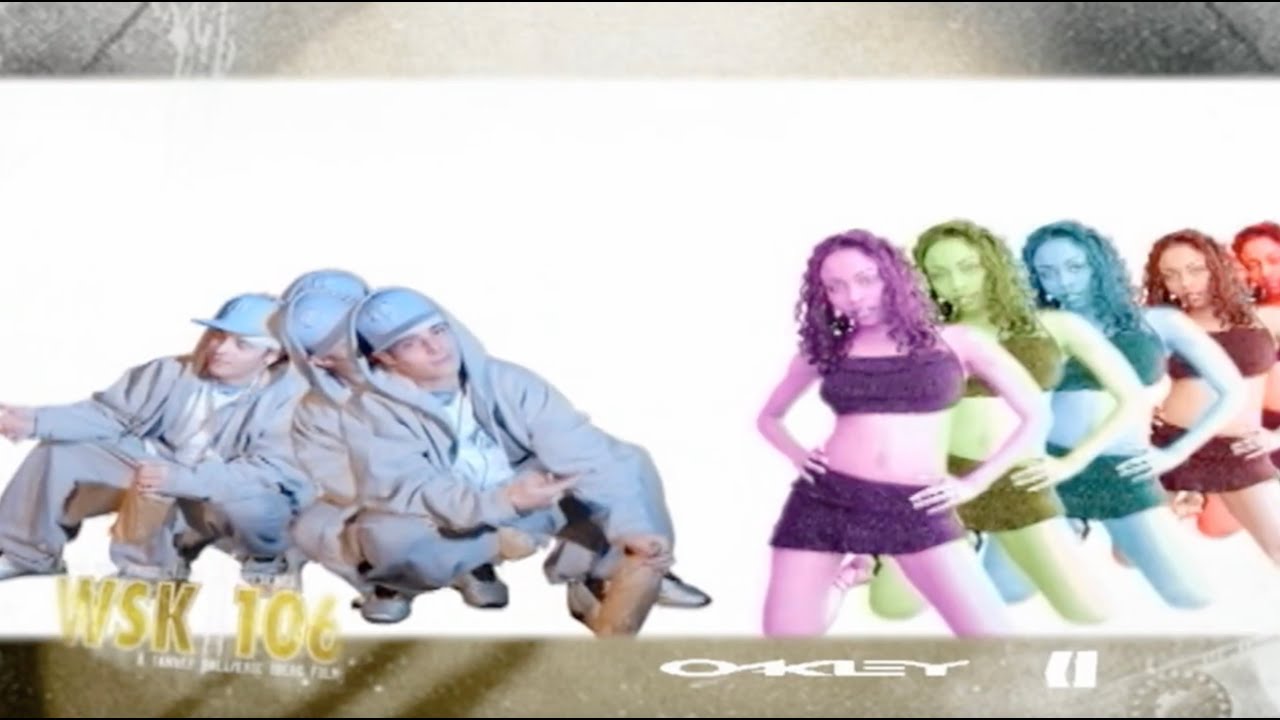
WSKI 106, released in 2004, tied Iberg directly to Tanner Hall’s rising cultural power. NewSchoolers lists the film as an Eric Iberg film and describes Hall and Iberg teaming up with nine athletes to expose the essence of freestyle skiing. The cast and tone placed skiing inside a tighter athlete-led world: less corporate narrator, more crew energy, more music, more personality. Hall’s contest record was already loud, but Iberg gave that era a way to feel continuous between park laps, travel, friendships, and style codes. The film belongs to the period when a skier’s part could shape reputation as much as a podium.
Armada And The Bonneville Salt Flats Summer
Iberg’s influence was not limited to film credits. Lake Minnetonka Magazine identifies him as a cofounder of Armada Skis and includes a 2003 Bonneville Salt Flats image with the original Armada team. That detail is important because Armada was not only a ski company. It was a statement that skiers could build their own brand language around athletes, products, art, and film. The same era connected names such as Tanner Hall, JP Auclair, Henrik Windstedt, Phil Larose, and others to a different model of ski identity. Iberg’s media sense helped make that model feel coherent.
Idea And The Powder Detour
Idea, released in 2007 with Nimbus Independent, changed the pace. Skipass described the film as evidence of skiing changing radically through Pep Fujas, Andy Mahre, and Eric Pollard. Downdays later placed Idea as the first solo project from those backcountry skiers and a marker for a new powder era. The film mattered because it resisted the louder formula around rails, big jumps, and constant shock value. Its softer rhythm, wider skis, Pacific Northwest snow, and skier-driven pacing showed that style was not only a park concept. Iberg’s direction helped translate Pollard’s visual imagination and Nimbus’s quieter approach into a film people still cite as a turning point.
Like A Lion And The Tanner Hall Archive
Iberg’s connection to Hall continued with Like A Lion, a documentary about Tanner Hall’s career, injuries, conflict, and return. The project is listed in ski-film archives as a Tanner Hall documentary from the early 2010s, and it fits Iberg’s larger pattern: he returned to athletes whose lives could not be explained through a trick list. Hall was not only a contest skier. He was a disruptive personality, a music-driven skier, a brand founder, and a rider whose injuries became part of the public narrative. Iberg’s role was to keep the human story close to the skiing rather than treating it as a sponsor biography.
The Education Of Style In Quebec, Sweden, And Salt Lake
The Education of Style, released in 2012, narrowed the cast to Tanner Hall, Phil Casabon, and Henrik Harlaut. Freeskiing Museum lists Iberg as director, Inspired Media Concepts as producer, Shane Nelson as editor, and Gary “Riga” Burke / Hemp Higher Productions on the soundtrack. ESPN reported that the film was shot in places including Quebec, Salt Lake City, Sweden, France, Whistler, Mammoth, and other locations. The project came at a moment when spins and risk were accelerating, and it argued for a different measure: style, creative control, grabs, nose butters, rail language, and the right to make skiing personal.
BE Inspired And The B-Dog / E-Dollo Chapter
BE Inspired in 2016 pushed that idea even further. NewSchoolers lists the film as produced by Inspired Media Concepts and directed by Eric Iberg, Henrik Harlaut, and Phil Casabon, with skiing by Casabon and Harlaut. Downdays described it as the climax of Iberg’s fifteen years in ski-film work, narrowing his focus from seven riders in Royalty to two skiers in BE Inspired. The review also explains why the project mattered: no helicopters, no private mega-jump narrative, and a heavy focus on street, park, backcountry, hip-hop, reggae, original music, and tricks that often resisted standard naming.
Inspired Was Always More Than A Logo
Inspired grew into more than a production label. NewSchoolers’ 2012 interview with Iberg explains that Inspired connected media and music, with Cali P and Phantom involved in the wider identity. Reggaeville’s interview with Cali P also links Tanner Hall, Eric Iberg, Inspired Media, skiing, and reggae / dancehall culture. That crossover mattered because Iberg treated soundtrack as part of ski identity, not background noise. His films helped introduce a generation of skiers to a different sound palette: hip-hop, reggae, dancehall, and artist-specific tracks that made edits feel less like generic action sports and more like a chosen cultural space.
Old Head New Head And The Museum Turn
Iberg’s current role has shifted toward memory, context, and preservation. Freeskiing Museum lists Old Head New Head as a podcast hosted by Eric Iberg and Ethan Shafer from 2024 to present, with episodes featuring Alex Hall, Tanner Hall, Jake Mageau, Jonny Moseley, Édouard Therriault, Dave Crichton, Ferdinand Dahl, Chris Benchetler, Joona Kangas, Phil Casabon, Owen Dahlberg, Joss Christensen, Colby Stevenson, and Phil Bélanger. Two Planker Network’s 2025 episode notes also describe Iberg and Shafer announcing the launch of the Freeskiing Museum. The move fits him: after shaping how skiers were seen, he is helping organize how freeskiing remembers itself.
The Credits Still Shape The Sport
Eric Iberg earns a 4/5 rating because his impact is cultural rather than competitive. There is no Olympic or X Games athlete résumé to score, and he should not be written as a contest skier. His importance comes from Royalty, Stereotype, WSKI 106, Idea, The Education of Style, BE Inspired, Armada, Inspired, and his current archive work. Those credits helped define how freestyle skiing looked, sounded, dressed, edited, and explained itself. The current marker is concrete: Old Head New Head, Freeskiing Museum work, and a continued role as one of freeskiing’s memory keepers.