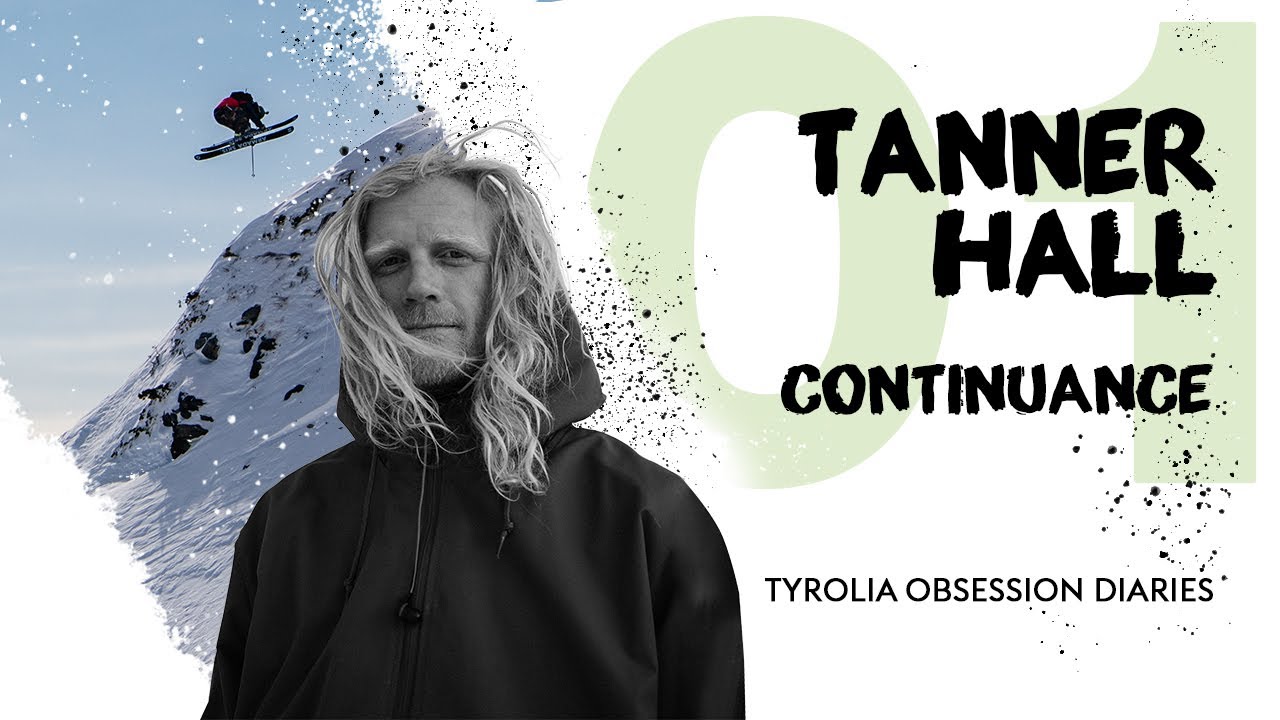
Tanner Hall
Kalispell, Montana, USA | Active: FIS record listed as not active | Discipline: freeski slopestyle, superpipe, big air, freeride, backcountry filming | Verified: 11 X Games medals, 7 X Games golds, Armada co-founder, FWT Hakuba podium | Current: Armada athlete, ARNADA / Natural Selection-era film presence
Chad’s Gap In The Wasatch Silence
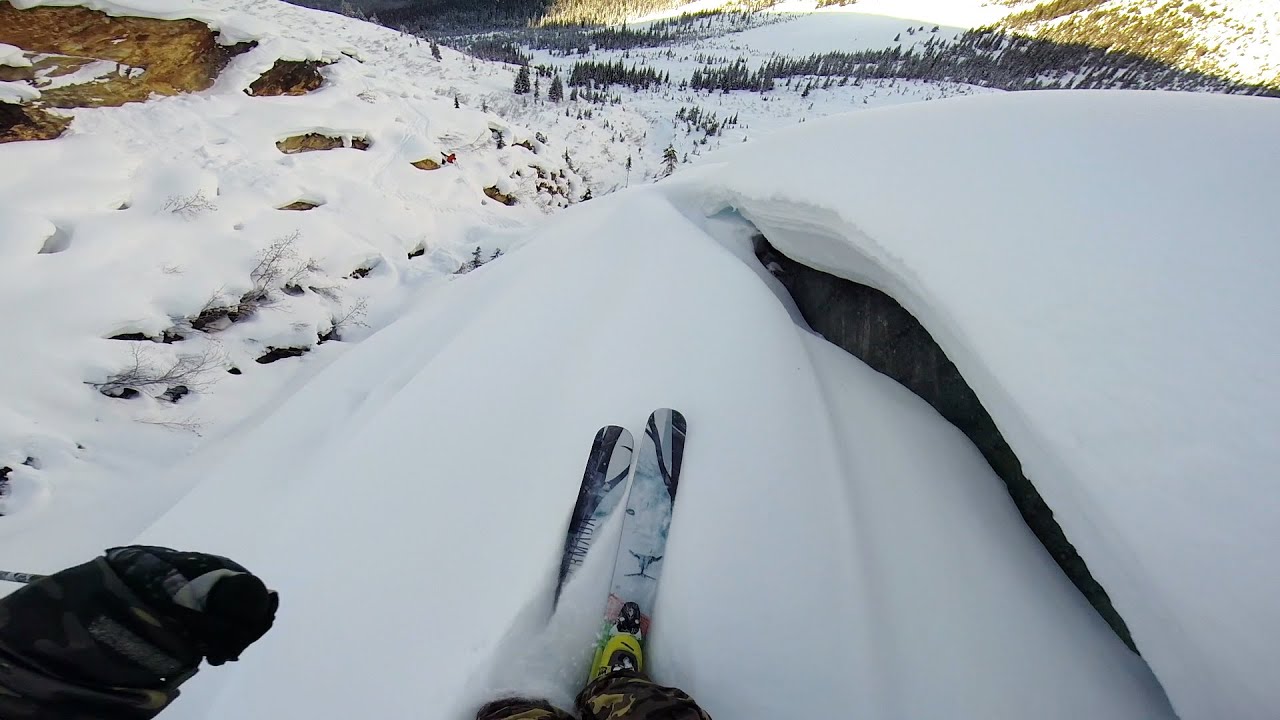
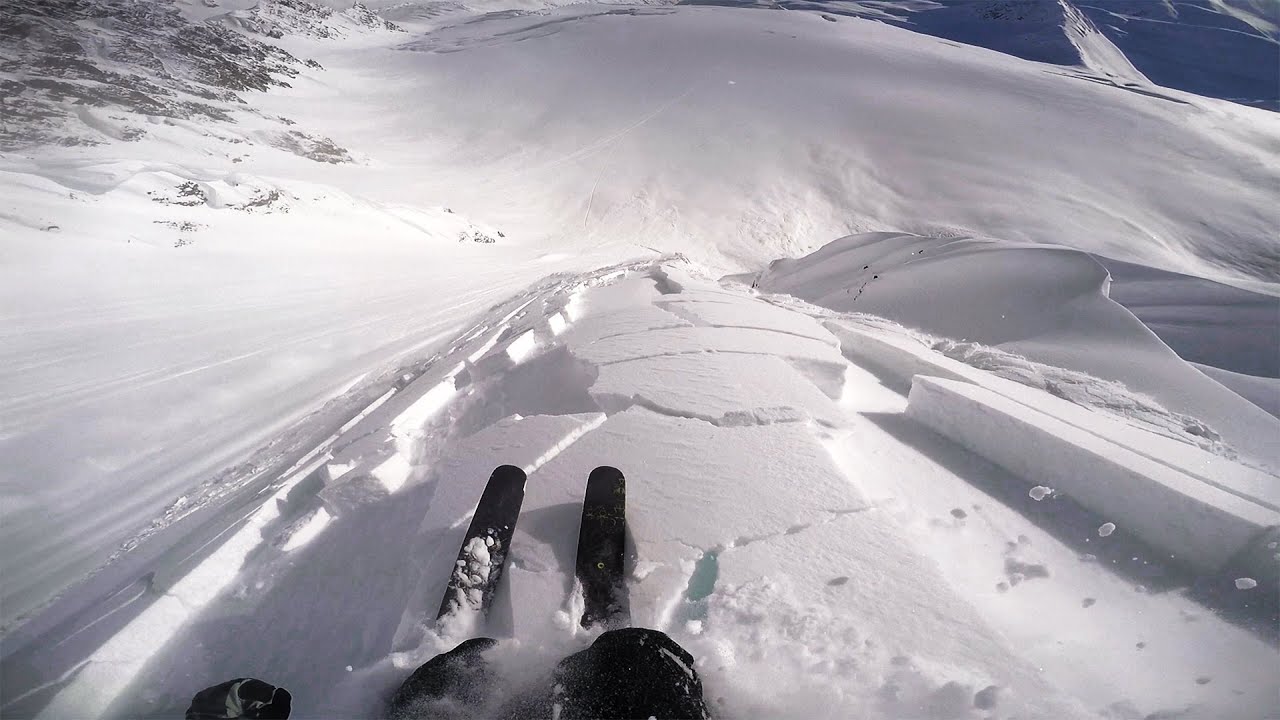
The Utah backcountry was cold and wind-scoured, the Chad’s Gap in-run etched into a white shoulder above the landing. Tanner Hall came in switch, committed to the cork 900, then dropped short into the knuckle with both skis still moving.
The crash in March 2005 became one of freeskiing’s most replayed moments, partly because of the violence and partly because of the voice afterward. Hall had already won X Games golds in Big Air and Slopestyle, yet that fall turned him into something larger than a podium skier. It made his body, anger, humor, fear, and recovery part of the sport’s shared archive. The phrase from the landing traveled through ski shops, edits, message boards, and lift lines. It was painful, crude, and real enough to outlive the trick.
Seven Golds Before The Sport Had A Manual
Hall’s competitive record belongs to the early era when freeskiing was still writing its own rules. ESPN described him as a seven-time X Games gold medalist, the only skier to three-peat in both SuperPipe and Slopestyle, and a winner in Big Air as well. Armada lists the wider total at 11 X Games medals.
The spread is the point. Big Air rewarded a single hit, takeoff nerve, and grab clarity. Slopestyle demanded rails, jumps, course speed, and line structure. SuperPipe demanded amplitude, wall timing, and repeated technical hits above icy transitions. Hall won across all three. That range made him different from skiers who specialized early. Before Olympic slopestyle, before ski halfpipe had a stable television identity, Hall was already showing that a freeskier could carry one personality through several contest formats.
Kalispell Snow Before Park City Pressure
Hall was born on October 26, 1983, in Kalispell, Montana. His early skiing came through Big Mountain, now Whitefish Mountain Resort, where cold northern snow, tree-lined terrain, and local freestyle programs shaped the first layer. He skied moguls and aerials before freeskiing became the lane that absorbed everything else.
The move to Park City changed the scale. The Utah scene gave him Winter Sports School structure, park access, other driven young skiers, and a larger contest map. Park City in that period was not only a resort; it was a lab for rails, early twin-tip culture, pipe progression, and the attitude that skiing could borrow from skateboarding, hip-hop, reggae, snowboarding, and street life without asking permission.
That mix followed Hall everywhere. Montana gave him toughness and powder instinct. Park City gave him repetition and competition pressure. The combination produced a skier who could win X Games under lights, then disappear into Retallack pillows or the Wasatch backcountry without looking like he had changed sports.
Mount Snow, Aspen, And The Pipe Three-Peat
The first X Games gold arrived in Big Air at Mount Snow in 2001, when Hall was still a teenager. Aspen followed with Slopestyle gold in 2002, then more Slopestyle wins in 2003 and 2004. The early run made him one of the central faces of the new-school movement before the sport had Olympic validation.
The SuperPipe years added another layer. Hall won X Games SuperPipe gold in 2006, 2007, and 2008, completing a second three-peat. His pipe skiing relied on height, clean 900s, corked spins, switch hits, alley-oop direction, grabs held above the lip, and a willingness to ski the walls with more swagger than polish.
That period also created a rivalry atmosphere with Simon Dumont, Jon Olsson, Xavier Bertoni, Candide Thovex, CR Johnson, and other riders who kept pushing different versions of progression. Hall’s place was never just about scores. He looked like the skier trying to bend the event around his rhythm.
The Ankles, The Knees, And The Lion Years
The Chad’s Gap crash broke both ankles and forced a long rebuild. Then, in 2009, another major injury arrived at Stevens Pass in Washington, where Hall overshot a jump and suffered severe knee damage. Those two injuries split his career into distinct chapters: the young contest king, the damaged icon, and the older skier trying to rebuild a body that had already given the sport too much.
Like a Lion, released in 2010, became the emotional record of that period. The documentary placed Hall’s skiing beside injuries, music, friendship, family, pressure, and the loss of CR Johnson. It also made clear how much of Hall’s career was carried by personality. The ski world had seen plenty of crash-and-comeback stories. Hall’s was messier, louder, and more human because he never tried to sound detached from it.
Retallack Pillows After The Stadium Lights
Retallack became one of the places where Hall’s post-contest skiing found a new body. The Selkirk terrain near Nelson, British Columbia, offers deep storm cycles, stacked pillows, trees, cat-access laps, and landings that reward timing more than spin count. Retallack: The Movie, released through Inspired Media, followed Hall into that environment after the knee recovery.
Freeskier’s preview described huge backcountry jumps, pillow lines, deep powder, tree skiing, and a comeback segment built around that terrain. The film mattered because it did not ask Hall to become a clean big-mountain traditionalist. It let him stay Tanner: nose heavy, aggressive, switch comfortable, sometimes reckless, still using park instincts inside snow that moved under him.
That Retallack chapter also connected to ownership and culture. Hall has long been tied to the lodge and its mythology, alongside skiers such as Seth Morrison. For a skier who could have remained frozen in old X Games clips, Retallack offered a living zone.
Ring The Alarm From Haines To Detroit
Ring The Alarm, released in 2016 by Inspired Media Concepts, showed how wide Hall’s creative map had become. Forecast Ski listed the filming locations as Haines, Alaska; Lake Tahoe, California; Mount Hood, Oregon; Detroit, Michigan; Park City, Utah; Nelson and Squamish, British Columbia. Tanner Hall and Shane Nelson directed it, with Inspired Media producing.
That geography says more than a normal film credit list. Haines brings steep faces, heli timing, slough, and exposure. Detroit brings street skiing, rails, broken urban texture, tight approaches, and landings that punish small mistakes. Mount Hood returns to park rhythm. Nelson and Squamish bring British Columbia snow and pillows. Park City brings the origin of the contest identity.
Hall’s filmography has always been dense: Poor Boyz segments, Inspired projects, Like a Lion, Retallack, Here After, Triumph, Tanner Hall Forever, Real Ski, and later Armada films. The common thread is not location. It is refusal to let one category hold him.
From Founding ARNADA
Hall’s relationship with Armada is one of the longest athlete-brand stories in freeskiing. He helped define the company’s early identity alongside names such as JP Auclair, with Armada becoming more than a ski supplier. It was a response to a new generation that wanted graphics, team films, pro models, and a culture built by skiers rather than inherited from racing.
Armada’s current athlete profile still frames Hall as “Ski Boss” and credits him with 11 X Games medals, including golds in SuperPipe, Slopestyle, and Big Air. That continuity matters. Many athletes from the early 2000s moved into quiet ambassador roles. Hall stayed visible through product, film, backcountry, freeride contests, and team identity.
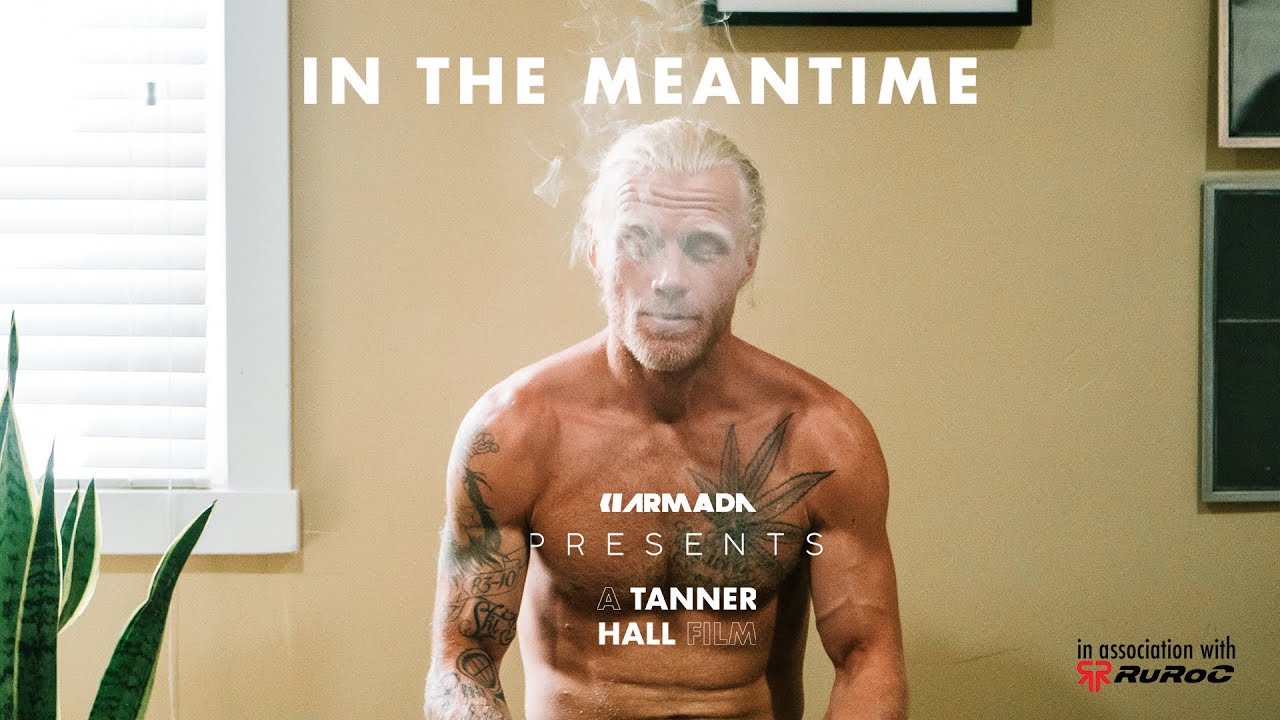
ARNADA, Armada’s team movie and live-scored film project shown around X Games Aspen 2026, placed Hall beside Phil Casabon, Sammy Carlson, Daniel Bacher, Kim Boberg, Olivia Asselin, and other team riders. In that context, Hall functions as history and active force at once: founding-era gravity inside a roster still producing new footage.
Hakuba When The Freeride World Tour Listened
Hall’s Freeride World Tour chapter began late, but it was not decorative. At Hakuba, Japan, in 2019, he finished second behind Markus Eder and ahead of Tom Peiffer, Yu Sasaki, and Craig Murray. The official FWT result gave him 81.00 on a face where January snow, Japanese terrain, and freeride judging replaced the X Games score logic he had known for decades.
The Hakuba result mattered because it tested a public question. Could a skier built through pipe, slopestyle, Big Air, and film stand inside a freeride judging system against riders raised on line choice and exposure? Hall’s podium said yes, at least on the right day. It also carried a symbolic weight. Markus Eder represented the modern all-terrain super-skier. Hall represented freeskiing’s older wild branch. The podium put those worlds in the same frame.
He continued with FWT starts in 2019 and 2020, and later received event wildcard attention for Kicking Horse. The results were uneven, but the attempt itself became part of the legacy.
Real Ski At Thirty-Seven
X Games Real Ski 2021 brought Hall back into a format that fit his strange longevity. With filmer and editor Leland McNamara, he produced a street-video part for the all-video contest and earned bronze. SnowBrains noted that he had won his first X Games medal twenty years earlier and had taken another at thirty-seven.
The format gave Hall a different kind of credibility. Real Ski is not about polished superpipe amplitude or a controlled slopestyle course. It is rails, redirects, gaps, sketchy run-ins, urban snow, filmer timing, and a two-minute argument. Hall’s segment included enough impact to prove that the old aggression had not disappeared.
That bronze did not need to match his seven golds in historical weight. It mattered because it showed a skier from the first X Games freeski boom still taking physical risks in a new-school street format built for younger legs.
How Ski Boss Changed The Next Generation
Hall’s technical influence is not one trick. It is a total stance toward skiing. Switch rodeos, corked spins, high pipe airs, grabs with visible body language, nose pressure, pillow slashes, switch takeoffs, backcountry booters, and rail impact all passed through his career. He made skiing look less sanitized.
Henrik Harlaut inherited part of the style-first argument. Sammy Carlson followed the park-to-backcountry path in his own way. Phil Casabon and the B&E generation pushed jib culture deeper. Colby Stevenson and Finn Bilous now move between contest, film, and natural terrain with a freedom that older skiers helped create. Hall is one of the reasons that range feels legitimate.
The influence is also cultural. The Rasta colors, music, edits, nicknames, blunt interviews, recovery stories, sponsor ruptures, and raw footage all shaped how skiers could present themselves. Hall made imperfection part of the iconography. He did not need to look clean to be central.
Skis, Boots, And The Gear That Followed The Chapters
Hall’s equipment story mirrors the sport’s evolution. Early Armada park skis had to survive rails, pipe landings, and Big Air jumps at a time when twin-tip design was still being pushed hard by the athletes using it. His signature presence helped make pro-model skis feel like cultural objects, not just products.
As the career moved into Retallack, FWT, and backcountry filming, the tool changed. Wider skis, stronger boots, touring and cat-ski logistics, powder landings, and big-mountain stability became more relevant than superpipe edge snap alone. Armada’s current materials around Hall and team projects keep him inside that gear conversation rather than only in archive photos.
The shift matters for skipowd.tv because Hall’s footage cannot be reduced to one setup. A 2004 Slopestyle clip, a 2008 SuperPipe run, a Retallack pillow line, a Hakuba freeride face, and ARNADA footage all require different skis, different snow reads, and different risk management.
The Current Legend Still Has Edges
FIS lists Hall as not active, so he should not be framed as a current World Cup athlete. That status does not close the page. Armada promoted him around Natural Selection Ski 2026, X Games Aspen highlighted ARNADA, and recent coverage still places him among skiers who matter in modern film and natural-terrain culture.
For skipowd.tv, the watch path is precise: Mount Snow 2001 for the Big Air arrival, Aspen 2002-2004 for Slopestyle dominance, Aspen 2006-2008 for the SuperPipe three-peat, Chad’s Gap for the crash that became folklore, Like a Lion for the human record, Retallack for the powder turn, Ring The Alarm for the wide-location film chapter, Hakuba 2019 for the freeride test, Real Ski 2021 for the street return, and ARNADA for the current Armada thread. Tanner Hall’s legacy is still moving because the footage never became polite.