Todd Ligare
Park City / Salt Lake City, Utah, USA | Active: 2000s-present | Known for: TGR films, Big Air Ligare, Alaska spine lines, Prototype, Alta/Snowbird freeride | Current: Armada, SCOTT and TGR-linked big-mountain skier
Valdez When The Drone Fell Into The Line
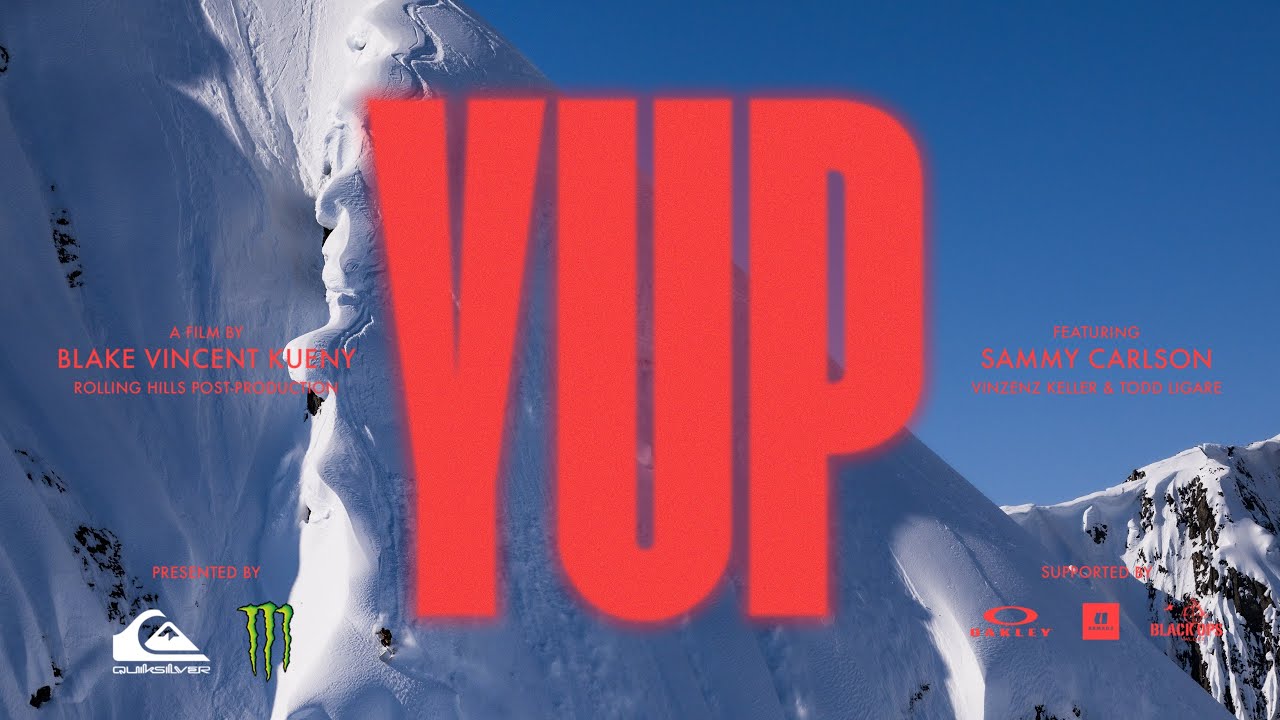
The Alaska face opened below Todd Ligare like a white wall with no obvious pause button. Valdez light, cold smoke, steep ribs of snow, and an FPV drone chasing close enough to make the viewer feel pulled into the fall line. Prototype worked because Ligare did not ski the mountains like a skier trying to impress the camera. He let speed, turn shape and terrain do the talking. The film arrived late in a long career, but it felt like a clear summary: big-mountain skiing, a short weather window, Sammy Carlson nearby, and Ligare still chasing the kind of line that made Alaska the driving force in his skiing.
Park City Racing Before The Bigger Mountains
Ligare’s foundation was ski racing, not freeride film. SCOTT’s athlete profile says his parents moved to Park City for the skiing lifestyle, and that he entered race programs early before continuing through college. FREESKIER’s 2011 interview adds that racing paid for school and gave him a full-ride path before he reached the end of that competitive chapter. The racing background matters because Ligare’s freeride skiing still shows it. His best lines are not loose survival descents. They are built from edge pressure, speed discipline, turn timing and a comfort with moving fast on steep snow without wasting motion.
Salt Lake 2002 And The End Of The Race Lane
TGR notes that Ligare foreran the slalom and giant slalom courses at the 2002 Salt Lake City Olympics, a detail that places him inside elite alpine racing before his film career began. That experience gave him exposure to the highest-pressure version of ski racing, but it did not become his final direction. As his college racing career closed, he shifted toward bigger lines and larger terrain. That decision shaped everything after. Instead of gates, he started measuring success by snow stability, line choice, filming windows, heli drops, rope-ready partners, deep storm cycles and whether a mountain face still had an untouched way through it.
Snowbird Storms And The First TGR Years
Before the Alaska legend hardened around his name, Ligare was a Utah skier trying to turn freeride into a profession. FREESKIER called him a Snowbird local in 2011 and described him as one of Teton Gravity Research’s newer storm chasers at the time. That phrase fits his early film identity. Alta and Snowbird, later listed by SCOTT as his home mountains, are built for a skier who wants steep entries, deep days, traverses, airs, chalk, trees, wind buff and technical exits in the same storm cycle. Ligare’s skiing grew from that Wasatch mix before TGR trips sent him into larger film terrain.
One For The Road And The Big-Air Name
By the early 2010s, Ligare had begun to stand out in TGR’s big-mountain roster. Freeride.se described his One For The Road segment as a breakthrough moment, with Alaska and British Columbia already part of his film map. The nickname “Big Air Ligare,” later listed by SCOTT and echoed by Armada, came from that era. It was not a park-skier kind of big air. It meant natural takeoffs, high-speed entries, cliff exposure, deep landings and enough control to turn a huge mountain feature into something fluid rather than reckless.
Way Of Life And The TGR Travel Map
TGR’s Way of Life gave Ligare a wider platform in 2013. The film’s athlete list included Sage Cattabriga-Alosa, Tim Durtschi, Sammy Carlson, Dash Longe, Dana Flahr, Griffin Post, Angel Collinson, Ian McIntosh and Ligare, with locations stretching from Jackson Hole to the Neacola Range, Austria, British Columbia, Montana and Mammoth. That context matters because Ligare was not being presented as a one-zone skier. He belonged in a crew chasing powder, first-descents, backcountry jumps, alpine faces and film segments across several mountain cultures. His skiing had to travel without losing its identity.
Jackson Hole During The Buried February
In 2019, TGR caught Ligare in Jackson during an unusually deep February. He described arriving with plans to ski bigger classic lines around the resort, then shifting into storm skiing because visibility and stability kept closing the door on larger objectives. That adjustment says a lot about his mountain sense. Big-mountain skiing is not only confidence. It is knowing when a line is not ready. TGR’s article includes a story where Ligare pulled up above an exposed mandatory air because the landing texture did not feel right, then waited until Griffin Post could help with a rope. The decision to stop became as important as the turns he did make.
The Super Crew In The Tetons
That Jackson period also placed Ligare inside one of TGR’s strongest modern group settings. He described skiing around Colter Hinchliffe, Tim Durtschi, Griffin Post, Kai Jones, Sam Smoothy and others while TGR athletes cycled through town. For Ligare, the group dynamic mattered because every skier brought a different way of reading the same storm. Durtschi could see playful features. Post could bring mountaineering judgment. Kai Jones brought young speed and fearlessness. Ligare’s role was different: a veteran big-mountain skier with enough racing history to ski fast, but enough experience to know when exposure had stopped being worth it.
Prototype And The FPV Alaska Experiment
Prototype, released in 2024 with Armada and shared by TGR, brought Ligare back to Alaska in a format that felt new even for a veteran. The film followed him to Valdez during a short window when weather, stability and snow aligned. Kadison Pelletier and Brody Jones handled cinematography, Jodie Stackhouse edited, and Sammy Carlson was part of the trip. The FPV drone changed the viewing experience. Instead of watching Ligare from a distant heli angle, the camera chased him through spines and cold smoke. The result made his skiing feel less like a highlight reel and more like a moving line study.
How Ligare Builds A Big-Mountain Turn
Ligare’s style is built around the turn before the air. He can send large cliffs, but the most recognizable part of his skiing is how he sets speed before the feature arrives. His racing background shows in the way he uses pressure through the outside ski, keeps the upper body quiet, reads snow texture early and carries momentum through steep exits. On Alaska spines, that means not over-turning. On Jackson storm days, it means staying loose enough for deep snow but strong enough for hidden density changes. On cliffs, it means landing ready for the next turn rather than celebrating the air too early.
Armada, SCOTT And The Practical Gear Picture
The sponsor picture around Ligare matches his terrain. SCOTT lists him on its freeride team, with Patrol backpacks, Shield goggles, Couloir helmet and mountain-safety gear among his products. Armada’s Prototype page connects him to freeride and touring-oriented equipment, including Declivity and Locator skis, while also emphasizing his pure turn and high-speed approach in steep terrain. That gear context is not decorative. Ligare’s skiing depends on travel, safety systems, visibility, durable outerwear, skis that can handle variable snow, and packs that make sense in Alaska or the Wasatch. A big-mountain film day is only glamorous after every practical detail works.
The Hypocrite And The Outdoor-Life Question
Ligare also appears in The Hypocrite, a 2024 TGR film centered on Amie Engerbretson and the contradictions of outdoor recreation, climate advocacy and fossil-fuel dependence. His presence in that project fits the later stage of his career. Big-mountain film skiing depends on travel, snow, fuel, equipment and weather systems that are changing fast. The film does not turn Ligare into a climate-policy figure, but it places him inside a conversation that many veteran mountain athletes now face directly: how to keep living through wild places while understanding the cost of reaching them.
The Ligare Line Still Points North
Todd Ligare’s profile is not built on medals, podiums or a single competition result. It is built on racing discipline, Utah roots, TGR film segments, Jackson storm cycles, Alaska objectives, Prototype, and a long record of skiing fast in terrain where the wrong decision matters. His importance comes from longevity and clarity. He made the transition from college racer to big-mountain film skier without losing the precision of the first life. The current archive still points to the same place: Alta, Snowbird, Jackson, Valdez, Alaska spines, and the pure turn made at high speed before the mountain closes around it.