Mt. Hood
Rocky Mountains - OR
United States
Oregon Cascade freeski region around an 11240 foot volcano | Known for: Timberline summer skiing, Palmer Snowfield lanes, Mt. Hood Meadows bowls, Skibowl night laps, Windells camp culture | Season: mid-November to late May at Timberline with summer snowfield sessions | Best for: park riders, summer campers, Portland day-trippers, and skiers chasing spring progression
Palmer Snowfield Above Government Camp
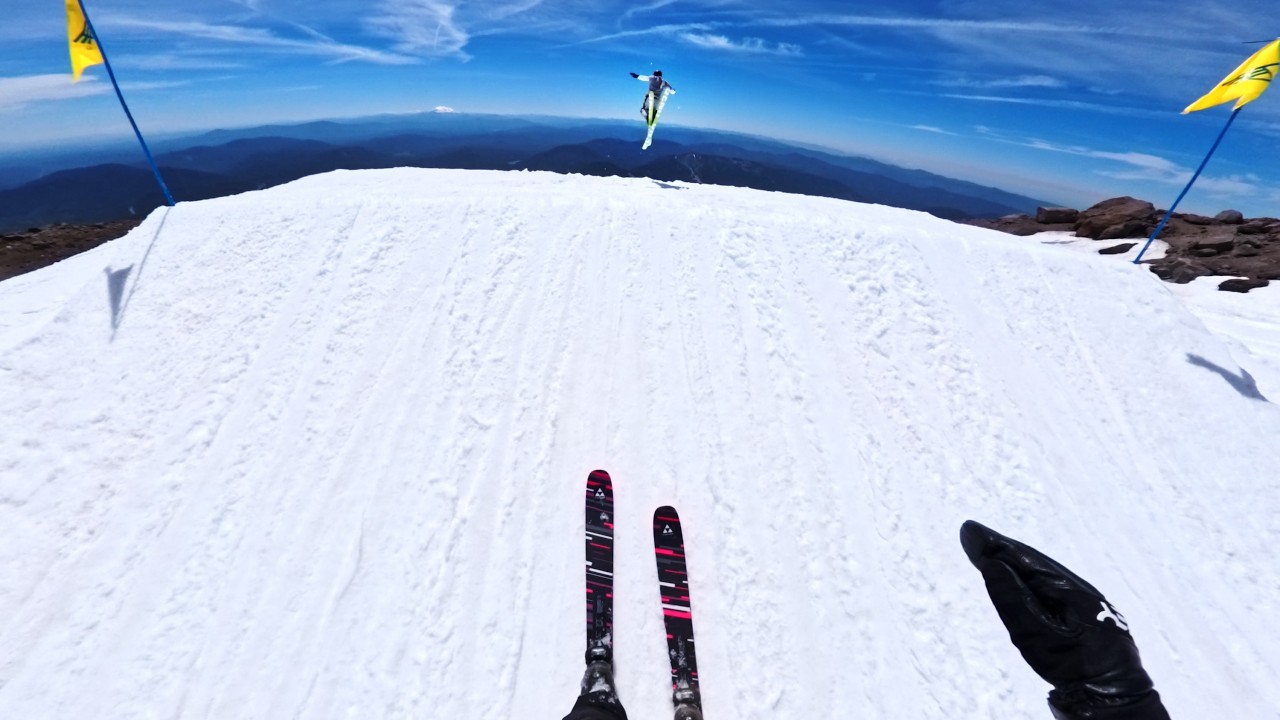
Mount Hood rises to 11240 feet in northern Oregon, about 50 miles east of Portland, with Timberline Lodge sitting high on the south side at 6000 feet. That geography is the reason the mountain matters to freeskiing: the ski season does not end when most North American parks shut down. Above the lodge, the Magic Mile and Palmer zones hold the summer-snow identity that has pulled skiers to Oregon for decades.
Mt. Hood is a region rather than one resort. Timberline Lodge supplies the long vertical, the Palmer Snowfield, and the camp ecosystem. Mt. Hood Meadows adds the biggest resort footprint on the volcano, with bowls, gates, parks, and more storm-day variety. Mt. Hood Skibowl gives Government Camp a night-skiing edge, steep forested terrain, and a different rhythm from the higher alpine shoulder.
Timberline Vertical And The Summer Snow Equation
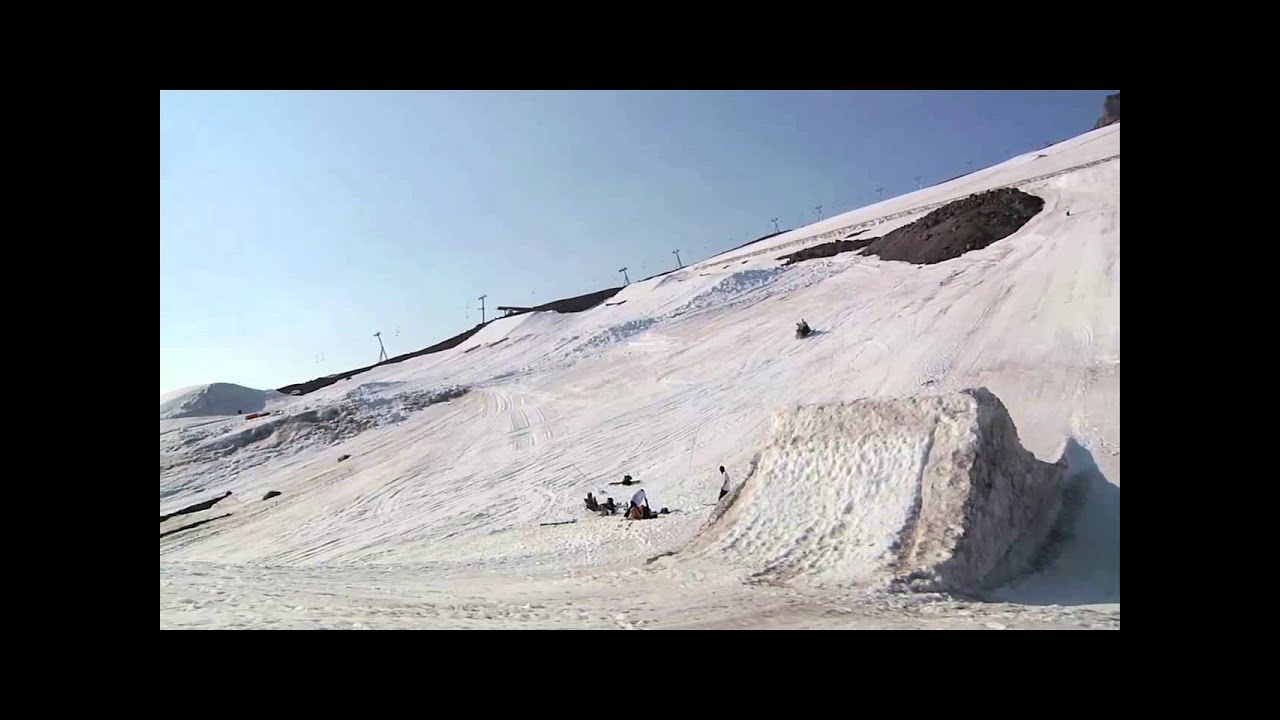
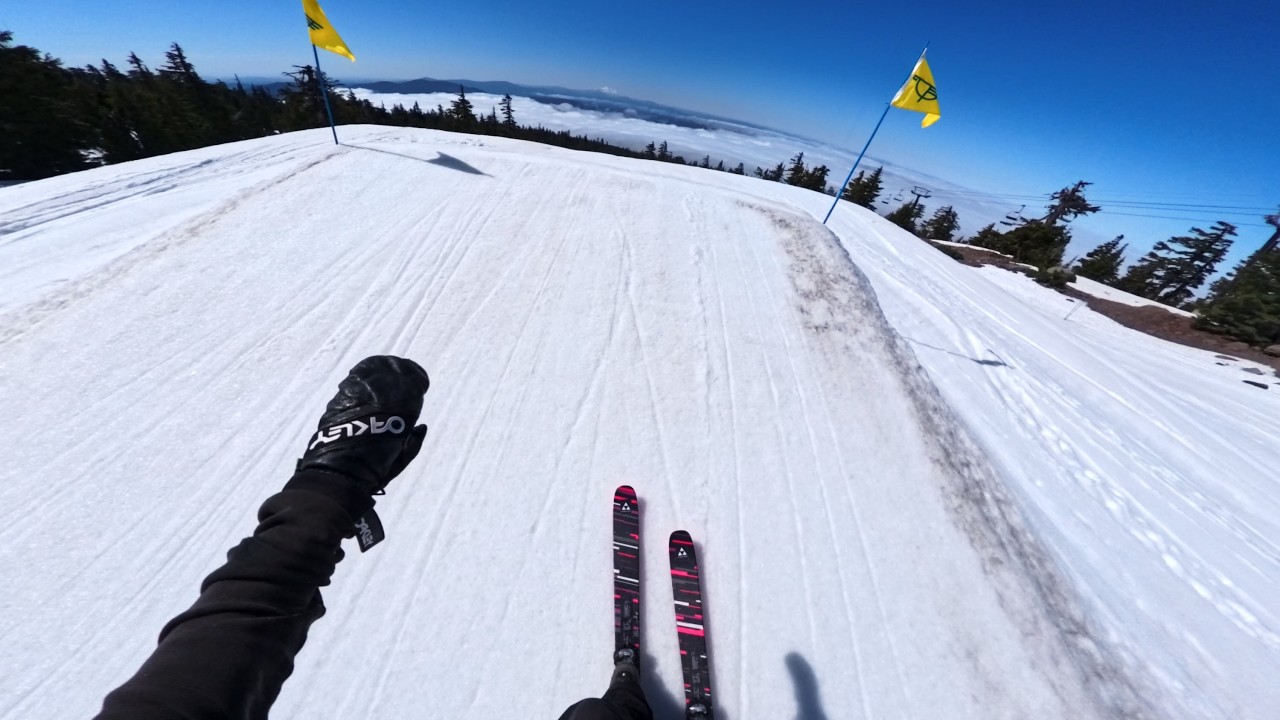
Timberline’s numbers explain its role quickly. The ski area lists 4540 feet of vertical from the top of Palmer to Summit Pass, 1685 skiable acres, and a highest operating point at 8540 feet. The winter season typically runs from mid-November through late May, but the larger identity comes from the late-spring and summer window when Palmer becomes a training surface for park riders, race teams, and camp skiers.
The snow quality changes by month. Winter storms arrive with Pacific moisture, which can mean heavy snowfall, wind, rime, and quick visibility changes. Spring turns the upper mountain into a corn and slush timing game. By summer, the useful surface is about early starts, salt, grooming, lane shape, and protecting speed before the snow softens too far. The best skiers on Palmer do not only know tricks; they know how snow temperature changes a takeoff.
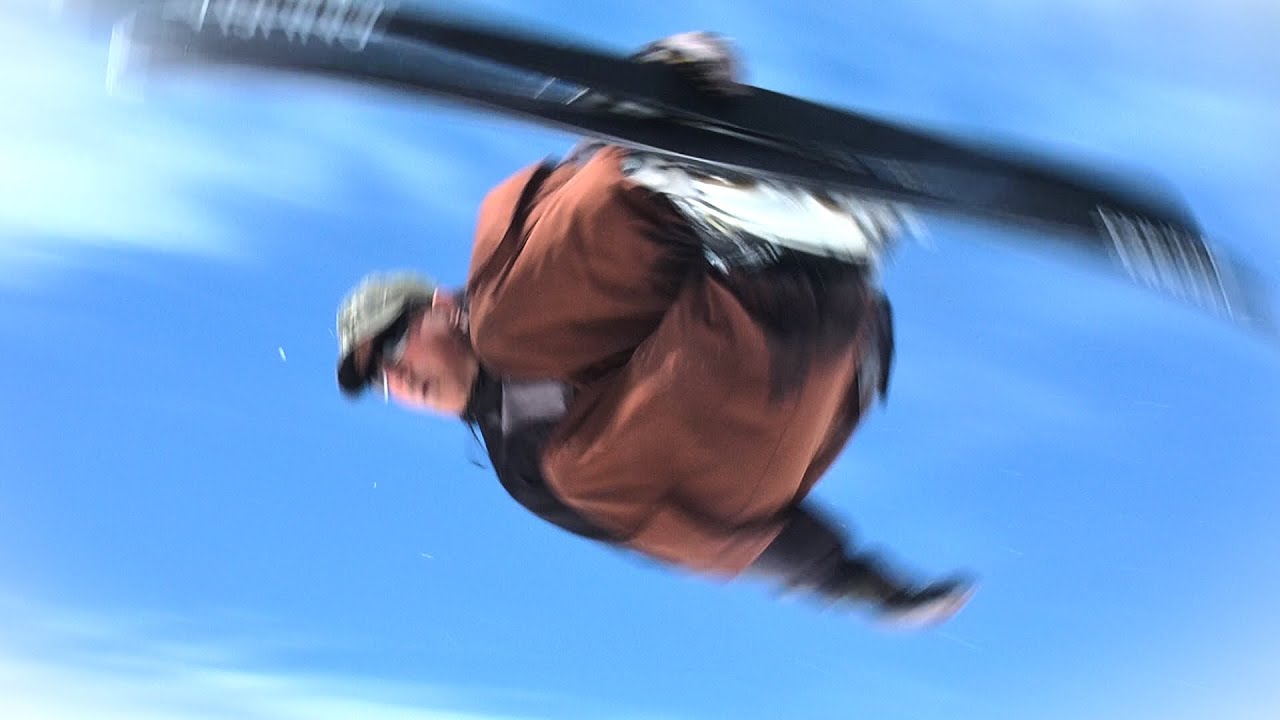
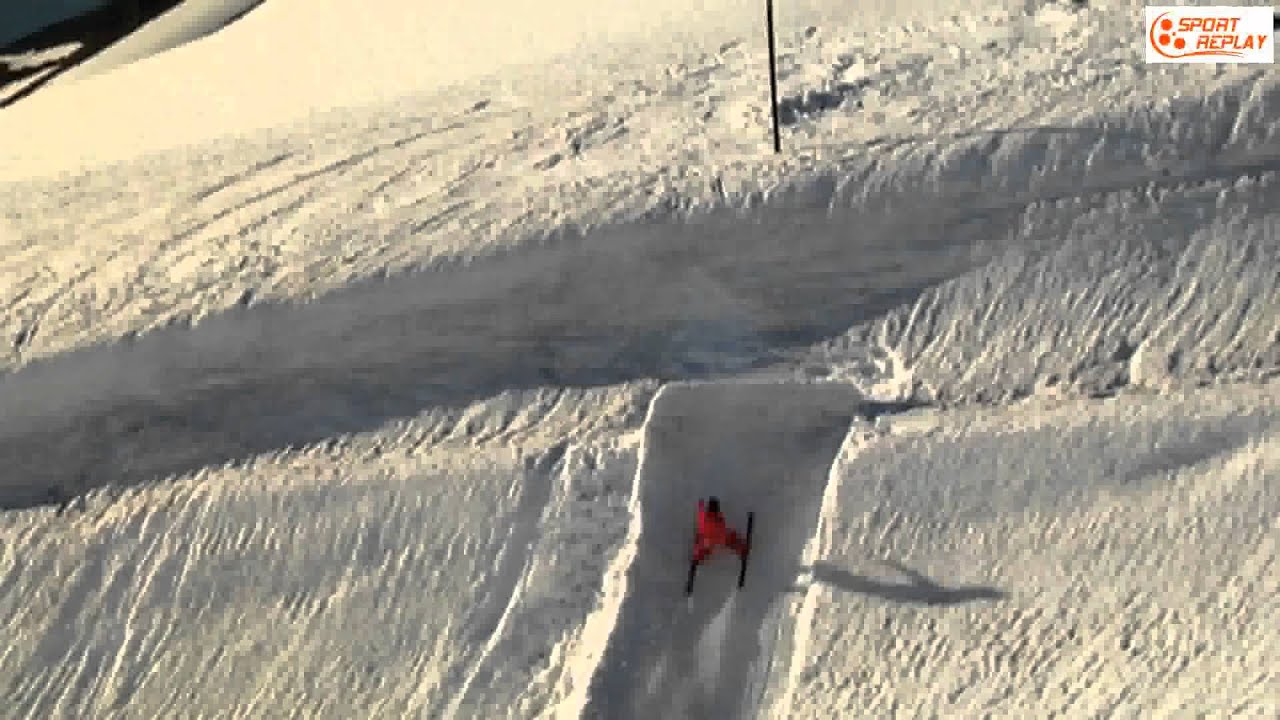
For freeskiers, that creates a rare progression environment. A rider can lap rails, jumps, boxes, and natural volcano-roll transitions when most competitors are on trampolines or airbags elsewhere. The terrain is not massive in summer, but repetition has its own value. Warm snow makes mistakes slower, the camp scene gives immediate peer pressure, and the calendar lets skiers build new tricks months before the winter contest season returns.
Meadows Bowls And The East Side Storm Option
Mt. Hood Meadows sits on the southeast side of the volcano, about 67 miles east of Portland, and brings the most complete winter resort feel on the mountain. Meadows has published figures of 2150 acres, 11 lifts, and 85 named runs, which makes it the logical choice when the goal is not only summer park repetition. On storm days, the resort can move skiers through groomers, trees, bowls, and gated terrain without the same narrow focus as Palmer.
The terrain language changes across the hill. Heather Canyon and Private Reserve give advanced skiers a more consequential feel when open, while the main lift network supports faster resort laps and park-focused days. The Cascade Express zone carries the upper-mountain feeling that visiting skiers expect from a volcano. Lower sectors and tree lines become more important when wind or whiteout conditions close the alpine.
Meadows also gives Mt. Hood a broader winter identity than the summer-camp image suggests. A rider can spend January chasing soft storm laps, March filming side hits under longer light, and April working park progression before the Timberline spring window takes over. That handoff between Meadows winter terrain and Timberline late-season terrain is the mountain’s strongest freeski pattern.
Skibowl Night Runs Below The Volcano
Skibowl sits lower near Government Camp, but the numbers still matter: 960 acres of terrain, 69 total runs, 36 night-lit runs, 1500 feet of vertical drop, and 300 inches of average annual snowfall. The ski area calls itself America’s largest night ski area, which gives Mt. Hood a schedule advantage few mountain regions can copy. Riders can work during the day in Portland, drive east, and still get real laps after dark.
The terrain is compact, wooded, and more technical than the acreage might suggest. Upper Bowl and Multorpor zones give skiers quick fall-line choices, while the night setup changes how features feel. Light, shadow, firming snow, and shorter sightlines make timing more precise. That is useful for park and street-minded skiers because it sharpens edge control and landing awareness without requiring a giant resort footprint.
Skibowl also anchors Government Camp as more than a pass-through village. When Timberline is high and alpine, Skibowl feels local and immediate. When Meadows requires a longer east-side drive, Skibowl keeps the session close to the lodging strip, restaurants, and highway. For a freeski trip, that means the mountain can offer morning Palmer, afternoon Meadows, or evening Skibowl depending on weather and energy.
Windells High Cascade And The Camp Built Park Scene
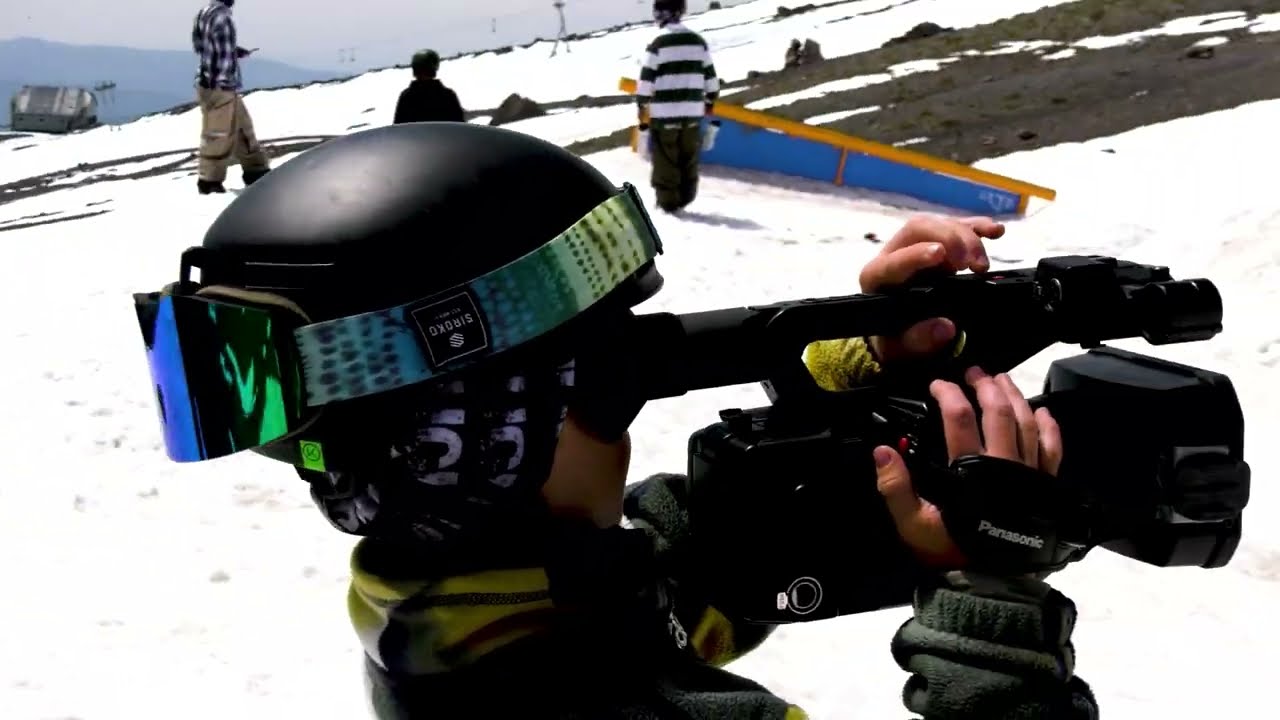
Mt. Hood’s global park reputation is inseparable from summer camp culture. Windells describes itself as an all-inclusive summer ski camp on Mt. Hood, while High Cascade does the same for snowboarding. Their value is not only coaching. It is the ecosystem around coaching: lane reservations, park maintenance, skate facilities, video review, visiting pros, sponsor sessions, and a social calendar built around progression.
That camp system shaped how freeskiers think about off-season training. Instead of waiting for December, a rider can arrive in June with a trick list, test it on a controlled build, then leave with footage and confidence. The surface is not forgiving all day, and summer snow can punish poor speed judgment, but the repetition is unmatched. The same rail can be hit dozens of times in one morning, with the camera angle, in-run, and takeoff staying mostly stable.
Mt. Hood also works because the camp scene is not isolated from wider ski culture. Pat Goodnough represents the type of skier whose street and park habits translate naturally to Timberline-style summer features. The mountain rewards riders who can make small terrain look intentional: a rail line, a slushy quarterpipe, a transfer, a butter pad, or a simple jump made useful by clean mechanics.
Videos Pros And The Summer Park Archive
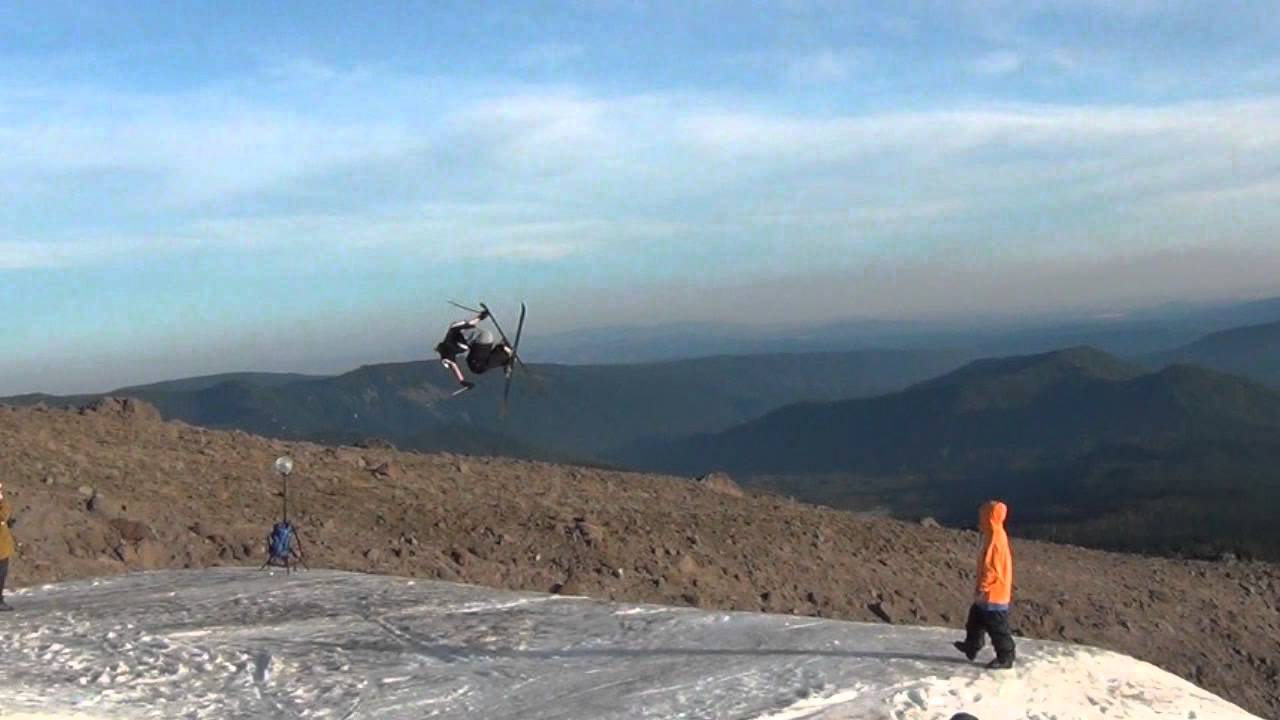
Mt. Hood has appeared in ski media because summer footage carries a recognizable look. The frame is usually bright, the snow is sun-warmed, the volcanic rock sits close to the lane, and the tricks feel more experimental than midwinter contest runs. That visual identity makes the mountain useful for edits that want progression rather than powder drama.
Sammy Carlson is one of the strongest Oregon-linked names for this page because Mt. Hood appears in his archive as a jump-training and creative park setting. The connection is not only local geography; it is style. Carlson’s career moved through park, backcountry freestyle, and film projects, and Mt. Hood’s summer setup fits the bridge between controlled takeoffs and natural-feature thinking.
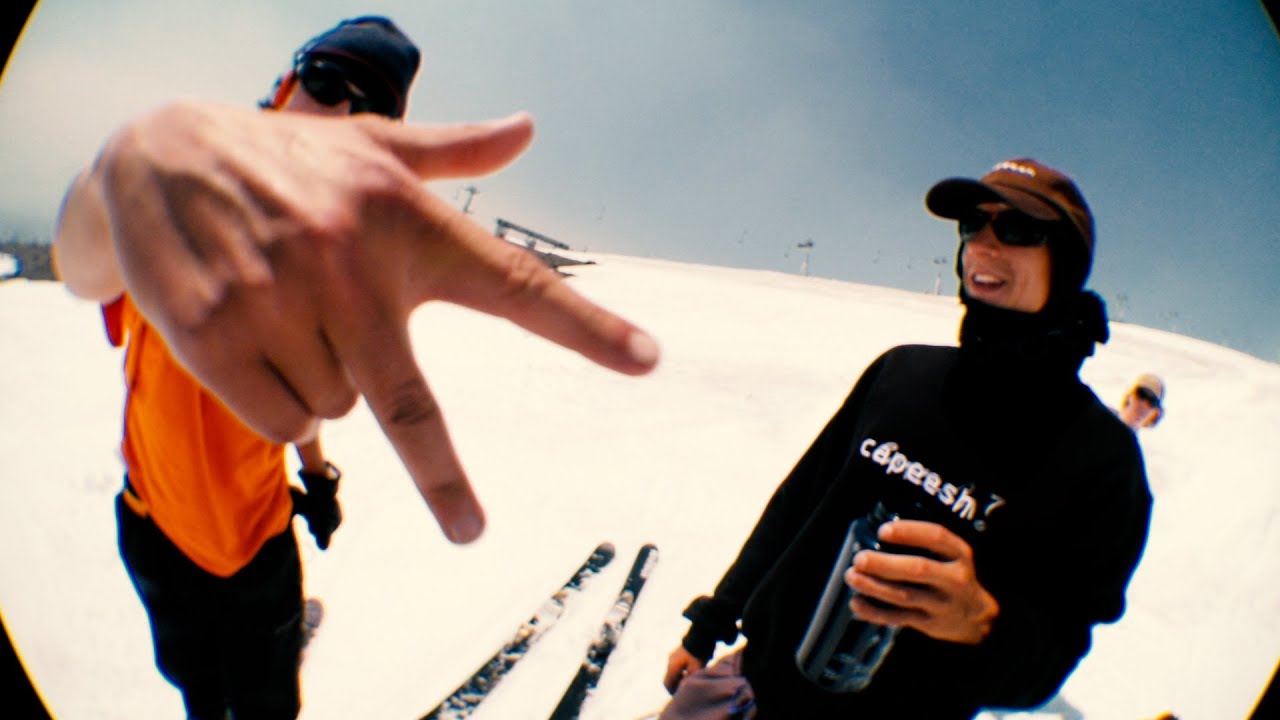
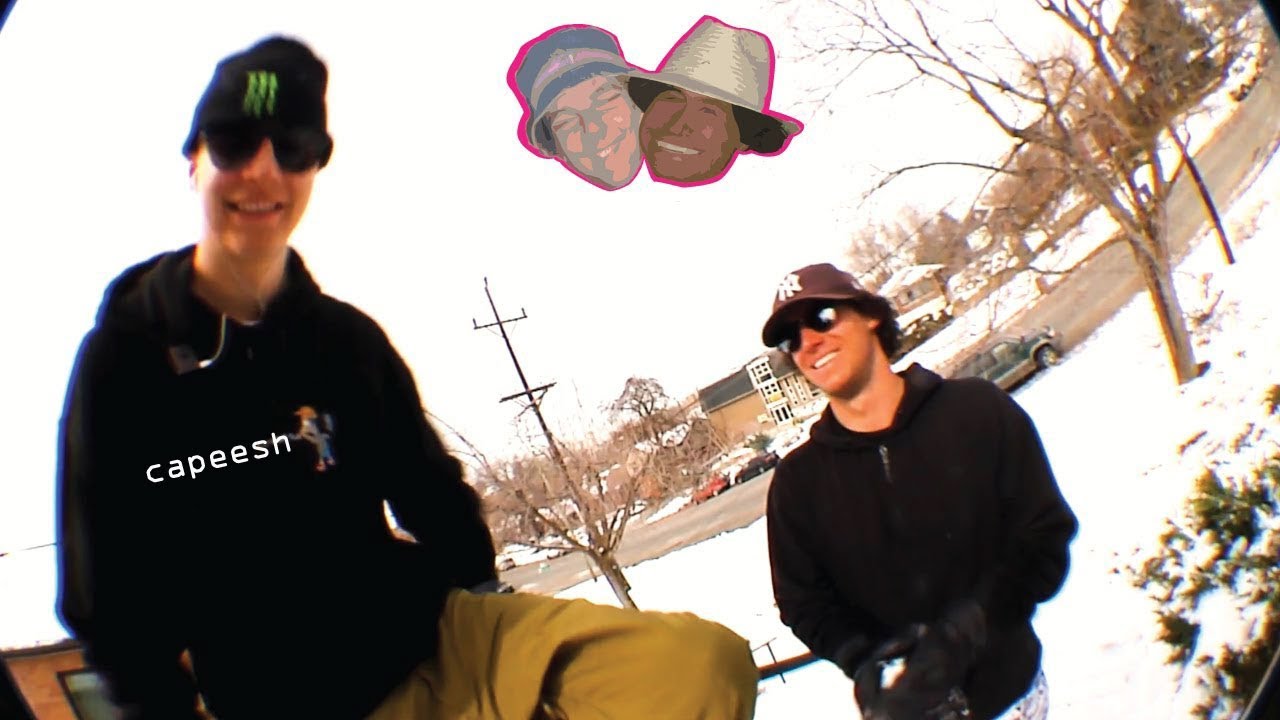
Olivia Asselin appears on skipowd.tv in a Mt. Hood park context through Capeesh-linked footage, which shows the mountain’s newer role in international crew culture. Monster Energy also connects to Mt. Hood through short park media with Carlson and Philip Casabon. Those clips matter because the mountain is not only a training site for anonymous drills; it is a repeat filming canvas for skiers with different styles, sponsors, and audiences.
Portland Access Weather Windows And Road Discipline
Access is one of Mt. Hood’s advantages. Portland gives the region a major airport, a large skier base, and enough lodging options to make the mountain useful for both short trips and longer camp stays. U.S. 26 climbs toward Government Camp, while Oregon 35 connects the east side toward Meadows and Hood River. In normal conditions, that proximity makes Mt. Hood one of the easiest serious ski zones to reach from a major Pacific Northwest city.
The same access can create friction. Weekend traffic, chain requirements, parking limits, and storm driving can change the day before the first lap. Timberline’s high shoulder can be windy and exposed. Meadows can hold better storm variety but requires reading east-side road conditions. Skibowl is convenient from Government Camp but more sensitive to lower-elevation snow quality. A strong plan checks resort operations, road cameras, temperature, wind, and freezing level before choosing the zone.
For park riders, the daily rhythm is seasonal. Winter trips should prioritize open terrain and fresh snow. Spring trips should start early and expect soft landings later. Summer camp days usually reward morning focus, hydration, sunscreen, and realistic trick selection before the surface becomes slow. The best Mt. Hood sessions often end before the energy runs out, because the next morning is the real training block.
Cascade Avalanche Rules And Volcano Etiquette
Mt. Hood is not a harmless summer park mountain. The U.S. Forest Service warns that avalanches are common in the Cascade Mountains and advises backcountry travelers to check the Mt. Hood avalanche forecast, carry rescue gear, and know how to use it. That warning belongs in any serious freeski profile because lift-served access, spring confidence, and social media clips can make the mountain look simpler than it is.
Outside resort boundaries, the hazards change fast. Wind loading, rain-on-snow events, wet-loose slides, cornice failure, whiteouts, crevasse exposure, and falling ice all belong to the Mt. Hood reality. Ski mountaineering lines above Timberline require a different skill set from park laps on Palmer. A rider who is comfortable on rails is not automatically prepared for the upper mountain, where timing, navigation, and self-arrest skills can matter.
Etiquette is straightforward. Respect closed lanes, do not cut into race or camp zones, stay clear of grooming machines and winch-cat operations, and give park crews room to maintain features. At Meadows and Skibowl, follow rope lines and avalanche-control closures. In Government Camp, keep parking, noise, and late-night behavior under control. Mt. Hood works because resort staff, camp crews, coaches, locals, and visiting skiers share a narrow alpine system.
The Summer Park Logic Behind Mt Hoods Influence
Mt. Hood’s importance comes from timing. It gives freeskiing a place to stay active when the winter contest circuit is quiet, when athletes are rebuilding tricks, and when younger skiers need repetition before the next season. Other mountains may have bigger powder, steeper faces, or larger parks in midwinter, but very few can keep a ski culture moving through June and July with the same consistency.
The destination is strongest for skiers with a clear objective. Choose Timberline for vertical, Palmer, and late-season training. Choose Meadows for winter storms, bowls, and a fuller resort day. Choose Skibowl for night laps, wooded terrain, and Government Camp convenience. Choose the camp ecosystem for progression, coaching, media, and the social pressure that pushes tricks forward.
That makes Mt. Hood a different kind of freeski region. It is not defined by one championship venue or one extreme face. It is defined by repetition, calendar position, and a volcano that keeps snow under skis after most park riders have packed their gear away. For modern freeskiing, that summer window is the fact that keeps Mt. Hood relevant year after year.