Peak Performance
Sweden
Swedish ski and outdoor apparel brand | Founded 1986 in Åre by passionate skiers around the need for functional, clean-looking skiwear | Known for: Vertical GORE-TEX Pro, HIPE, Helium down, Rider Essentials midlayers, Magic baselayers, Scandinavian minimalism and Freeride World Tour athletes | Focus: technical outerwear and layering systems for freeride, resort skiing, backcountry days and mountain life.
1986 Åre origins and the skiwear they actually wanted to wear
Peak Performance is not a ski manufacturer, boot brand, binding company or film studio. It is a Swedish ski and outdoor apparel brand born directly from mountain life. The company began in Åre in 1986, when skiers asked why no one was making ski clothing that combined real function with simple, attractive design. That question became the brand’s foundation: technical enough for hard weather, clean enough to wear beyond the lift line.
Åre matters because Peak Performance did not grow from a fashion office far from snow. The brand’s home village is one of Sweden’s most important ski destinations, known for tree skiing, lift-accessed off-piste, harsh Nordic weather and a culture where clothing has to work through wind, cold, wet snow and long days outside. Peak Performance still presents Åre as its spiritual home, with a Mountain House used for skiing, product testing and staying close to the brand’s origin.
The brand later developed into a broader outdoor and lifestyle company, with headquarters in Stockholm and international distribution, but skiing remains the core of its identity. Its purpose statement, “bring the freeride spirit to the world,” is not vague lifestyle language in this context. Peak Performance has built much of its modern technical credibility around freeride apparel, athletes and the Freeride World Tour ecosystem.
Vertical GORE-TEX Pro and the modern freeride uniform
The Vertical GORE-TEX Pro line is Peak Performance’s clearest ski product signature. The brand describes it as its most advanced freeride shell, developed with professional skiers and built for extreme mountain conditions. The jacket and bib pants use GORE-TEX Pro materials, stretch panels, fully sealed construction, RECCO reflectors, ski-specific pocketing, helmet-compatible hoods, snow gaiters, snow skirts and freeride-ready patterning.
That product family gives Peak Performance a serious position in ski outerwear. It is not only making resort jackets with mountain graphics. Vertical GORE-TEX Pro is built for skiers who need weather protection, breathability, mobility and durability while skiing fast, hiking, touring, waiting on ridges or competing on exposed faces. The line has been tested and promoted through athletes such as Hedvig Wessel, Kristofer Turdell and Justine Dufour-Lapointe, which helps connect the product directly to high-level freeride use.
Outside the Vertical Pro category, Peak Performance builds a complete ski wardrobe. HIPE shell and insulated products cover more accessible resort and all-mountain use. Helium down pieces handle lightweight insulation. Rider Essentials midlayers, Treeline fleece, Magic wool-blend baselayers, balaclavas, ski socks and mittens turn the outer shell into a full layering system. This matters because winter comfort is not one jacket. It is a sequence of layers that can adapt as temperature, effort and weather change.
Clean Scandinavian design with real storm function
Peak Performance’s strongest aesthetic is restraint. The brand is known for clean Scandinavian lines, simple color stories, quiet branding and technical cuts that avoid looking overloaded. That does not mean the garments are casual only. The best Peak Performance ski pieces are built around functional details: articulated sleeves and legs, dropped hems, reinforced cuffs, vents, powder protection, transceiver-compatible pockets and adjustment systems that can be used with gloves.
This design language makes the brand especially useful for skiers who want gear that moves between resort, travel and town. A Peak Performance shell can look sharp in an Alpine village or Scandinavian city, but still carry the features needed for a storm day. That dual identity is one reason the brand has stayed relevant for decades. It does not force skiers to choose between technical mountain wear and clean everyday style.
The ride feel of the apparel is best described as calm and capable. It suits skiers who do not want loud graphics or oversized freeride drama, but still need serious weather protection. Peak Performance is strongest for resort freeride, all-mountain skiing, sidecountry laps, winter travel and backcountry days where clean patterning and dependable membranes matter more than visual noise.
Hedvig Wessel Kristofer Turdell and the FWT freeride identity
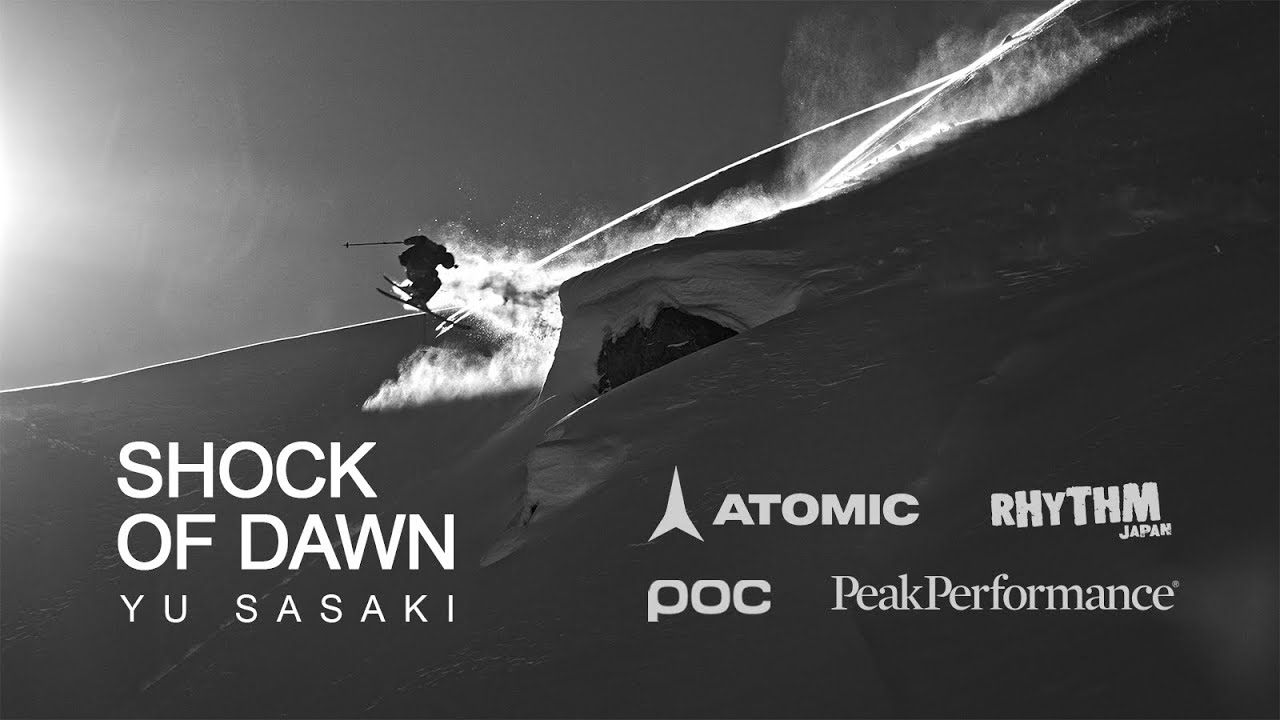
Peak Performance’s athlete credibility is heavily tied to freeride. The official team includes major names such as Hedvig Wessel, Kristofer Turdell, Justine Dufour-Lapointe, Valentin Rainer, Elisabeth Gerritzen, Max Palm, Yu Sasaki, Alex Hackel, Carl Regnér Eriksson, Tiemo Rolshoven, Weitien Ho and others. That roster gives the brand direct relevance in steep skiing, freeride competition, film projects and modern backcountry media.
Hedvig Wessel is one of the strongest references. A former Olympic mogul skier turned freerider, she became Freeride World Tour Champion in 2024 and is closely tied to the Vertical GORE-TEX Pro development story. Kristofer Turdell adds a Swedish freeride backbone, with Freeride World Tour champion titles in 2018 and 2021. Justine Dufour-Lapointe brings Olympic mogul history and Freeride World Tour success into the same apparel system.
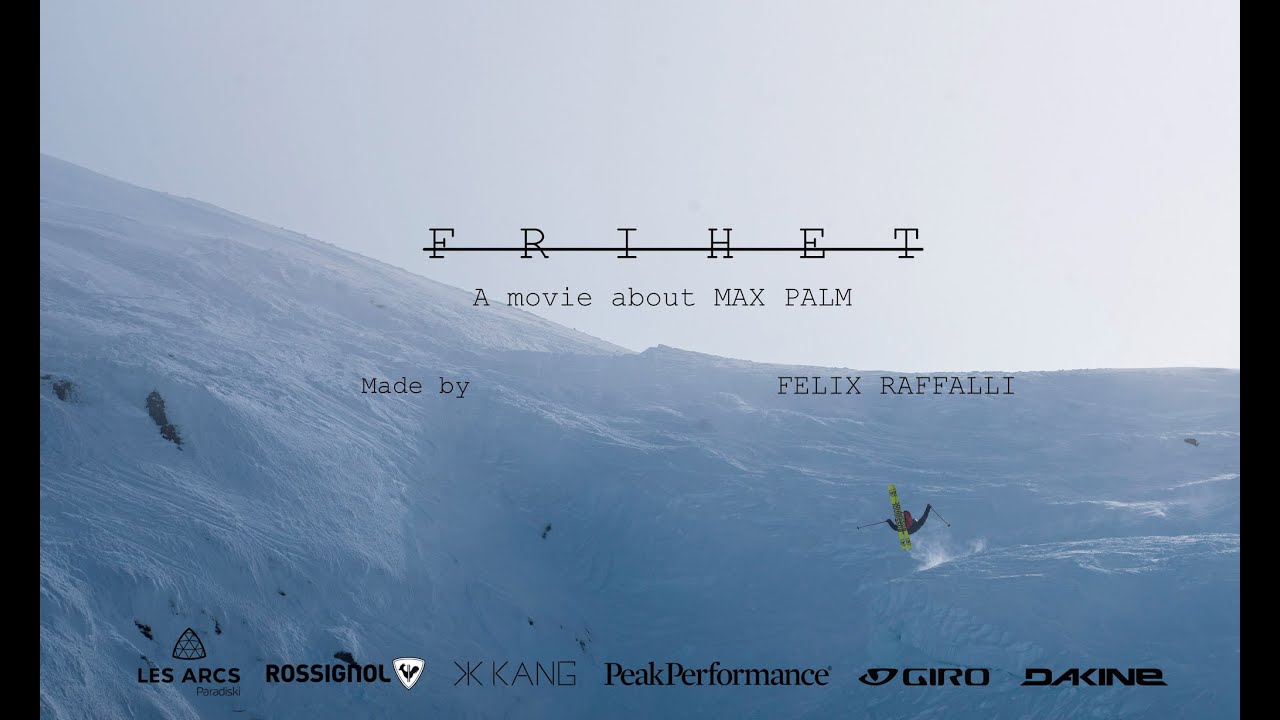
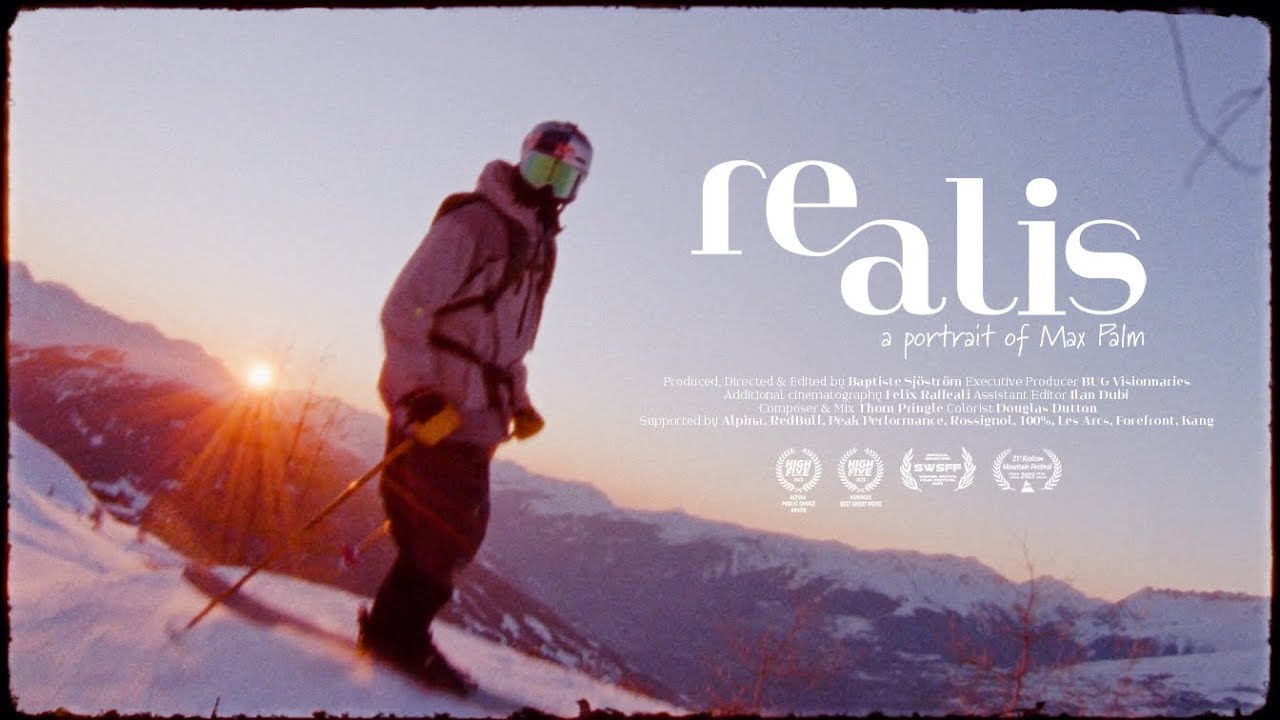
Max Palm gives Peak Performance a younger big-mountain and film-facing identity, blending Swedish roots, Chamonix upbringing and freeride creativity. Alex Hackel adds park, street and creator energy. This breadth matters because Peak Performance is not only dressing one type of skier. It is building apparel for athletes who move between competition faces, Alaska lines, spring touring, film projects, resort laps and creative ski media.
Åre Stockholm and the Scandinavian mountain lens
Peak Performance’s geography is one of its strongest differentiators. Åre gives the brand a true ski-town origin, while Stockholm gives it a design and business headquarters. That combination explains the product personality: mountain-tested, but visually polished. It is a Swedish answer to ski outerwear, balancing harsh weather function with a cleaner urban design sensibility.
Åre itself is a useful test environment. The weather can be cold, windy, wet and variable. Skiers move between pistes, trees, off-piste zones and village life. Clothing has to handle lift days, bootpacks, changing snow and everyday wear. Peak Performance’s repair workshop in Åre also reinforces the brand’s long-term relationship with its products, especially GORE-TEX garments that need care, maintenance and repair rather than quick replacement.
The brand’s ski map now extends far beyond Sweden. Peak Performance appears naturally in Norway, the Alps, Japan, Canada, Alaska and Freeride World Tour venues. That global freeride map is important because the clothing has to work across climates: dry cold, wet storms, high-alpine wind, spring touring and resort slush. The Scandinavian origin gives the brand identity, but freeride travel gives it range.
GORE-TEX Pro HIPE RECCO and the responsibility layer
Peak Performance’s construction story centers on waterproof breathable fabrics, durability and layering. Vertical GORE-TEX Pro uses GORE-TEX Pro fabrics for high-end storm protection, with stretch panels and fully seam-sealed construction. HIPE is the brand’s own waterproof breathable fabric platform, used across more accessible ski and outdoor pieces. RECCO reflectors appear in key snow garments as an added searchability layer for professional rescue systems, while the brand correctly notes that RECCO does not replace a personal avalanche transceiver.
The details matter because ski outerwear fails in practical places. Hoods have to fit helmets. Zippers have to work with gloves. Pockets must avoid pack straps and sometimes fit avalanche gear or radios. Cuffs need to survive ski edges. Bibs need enough articulation to climb, sit and ski. Peak Performance’s strongest pieces show attention to these problems instead of relying only on fabric names.
Peak Performance also has a visible repair culture through the Åre repair workshop, which has repaired the brand’s products since the 1990s. That is important for sustainability because technical apparel should be maintained, washed correctly, reproofed and repaired when possible. A durable shell that stays in use through many winters is more meaningful than a garment replaced every season.
Choosing Vertical Pro HIPE Helium or resort layers
Choosing Peak Performance starts with the type of skiing. If the priority is serious freeride, storm protection, backcountry lines or high-output mountain use, Vertical GORE-TEX Pro is the top category. It is the best fit for skiers who need maximum weather resistance, strong breathability, helmet compatibility, bib integration and a shell that can handle exposed terrain.
If the day is mostly resort skiing, all-mountain laps or normal winter travel, HIPE shell or insulated products can make more sense. They usually sit at a more accessible level than the Vertical Pro range while still giving waterproof breathable protection. For cold lift days, insulated jackets and pants are often easier to live with than minimalist shells. For skiers who run hot, shells plus midlayers give better temperature control.
Helium down pieces, Rider Essentials midlayers, Treeline fleece and Magic wool-blend baselayers should be chosen as part of a system. A freerider may use a light baselayer, active midlayer and shell. A cold resort skier may prefer warmer insulation. A spring skier may need venting and lighter layers. Peak Performance works best when the skier builds from skin outward instead of buying one expensive jacket and expecting it to solve every weather problem.
Why Peak Performance matters in ski apparel
Peak Performance matters because it has stayed true to a specific ski apparel idea: clean design, technical function and freeride identity rooted in a real mountain town. It is not as globally dominant in outdoor culture as The North Face, and it is not a hardgoods manufacturer like Atomic, Rossignol or K2. That is why a 4 out of 5 importance rating fits better than 5.
Within ski outerwear, however, the brand is highly credible. Its Åre origins, Scandinavian design language, Vertical GORE-TEX Pro line, Freeride World Tour athlete roster, repair culture and layering system give it real depth. Peak Performance is especially strong for skiers who want serious gear without loud visual excess.
On skipowd.tv, Peak Performance belongs as a major Swedish ski apparel sponsor. Its value comes from the intersection of freeride function and understated style: shells that can face storms, layers that work through changing output, and a brand story that began with skiers simply wanting clothing they actually wanted to wear.