Whistler-Blackcomb
Rocky Mountains
Canada
Canadian Coast Mountains resort in British Columbia | Known for: 8171 acres, PEAK 2 PEAK access, Blackcomb Glacier, Spanky’s Ladder, 2010 Olympic alpine legacy, terrain parks, WSSF spring culture and Sea to Sky logistics | Season: November to May depending on snow and operations | Best for: freeriders, park skiers, powder crews, filmers, spring riders and athletes needing terrain scale with major resort infrastructure
Two Mountains Above The Sea To Sky
Whistler Blackcomb rises above the Sea to Sky corridor in British Columbia, with Whistler Village at about 675 meters and the highest lift accessed point on Blackcomb at 2284 meters. The official mountain information lists 8171 acres of skiable terrain, 36 lifts, more than 200 marked trails, 432 inches of average annual snowfall and three terrain parks. Those numbers make the resort the largest single ski area in North America, but scale alone is not the full story. The reason Whistler Blackcomb works for freeskiing is how quickly a skier can move from park to glacier, from trees to bowls, and from storm skiing to spring film laps.
The two mountain layout is the engine. Whistler carries Peak Chair, Harmony, Symphony, Creekside, Peak to Creek and long rolling terrain that works for mixed crews. Blackcomb adds 7th Heaven, Glacier, Spanky’s Ladder, Blackcomb Glacier, Jersey Cream, Crystal and many of the most important park zones. The PEAK 2 PEAK Gondola links the two mountains over 4.4 kilometers in about 11 minutes, which means a day can be managed by weather, light and snow surface rather than by one fixed base area.
Peak Chair Bowls And Blackcomb Glacier Scale
Whistler’s high alpine terrain gives the resort its classic big resort identity. Peak Chair opens into broad bowls, ridges, gullies, cornices, side hits and the long Peak to Creek descent when coverage allows. Harmony and Symphony add large amphitheaters where powder, chalk and spring softening can all appear in one day. These zones are not backcountry, but they still demand attention. Weather moves fast, visibility can collapse, and a line that looks easy from the chair can hide cliffs, bumps or traverse exits that punish poor route choice.
Blackcomb gives a different texture. 7th Heaven is a powder and spring-skiing reference, while Glacier Express and Spanky’s Ladder open access toward bowls such as Ruby and Diamond. Blackcomb Glacier gives skiers the feeling of a bigger mountain than the trail map suggests, especially when the snow is soft and the light is clean. The terrain rewards skiers who can move between modes: fast groomer to traverse, short hike to bowl, bowl to glacier road, then back into trees or park laps before the surface changes.
Coast Mountains Snow And The Maritime Equation
Whistler Blackcomb’s snowpack is shaped by the Coast Mountains. Storms arriving from the Pacific can bring large totals, dense snow, wind, rain line shifts and fast changes between powder, chop and supportable chalk. That maritime character is central to the skiing. The snow can be heavy compared with interior British Columbia or the Rockies, but it also builds strong landings, fills terrain quickly and allows natural features to become skiable sooner after storms.
January and February are the best months for cold surfaces, deep storm cycles and powder consistency. March often brings the most useful mix for filming: deeper base, longer light, better alpine openings and softer landings when the sun appears. April can still deliver storm days, but it also brings spring slush, park sessions and festival energy. The best Whistler trip is not planned around one exact snow type. It is planned around adaptation: trees in storms, alpine when the ceiling lifts, park when surfaces stabilize, and glacier laps when the high mountain opens cleanly.
Blackcomb Parks And The XL Progression Line
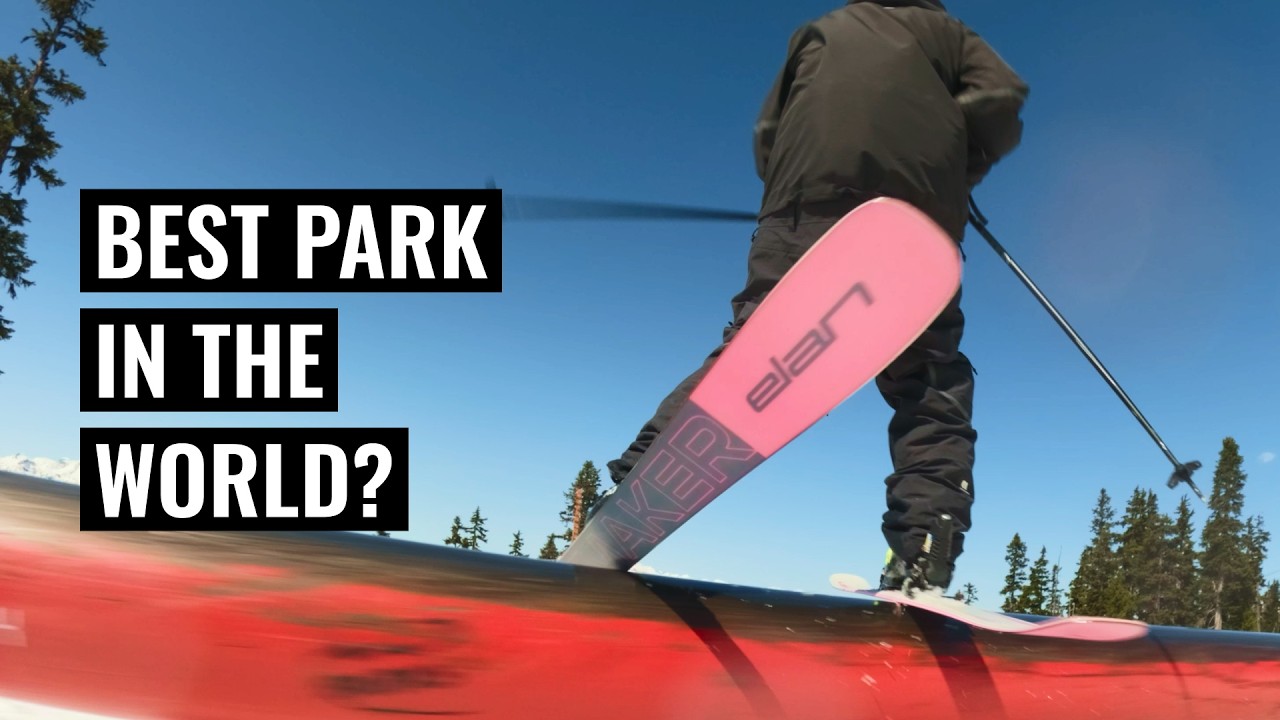
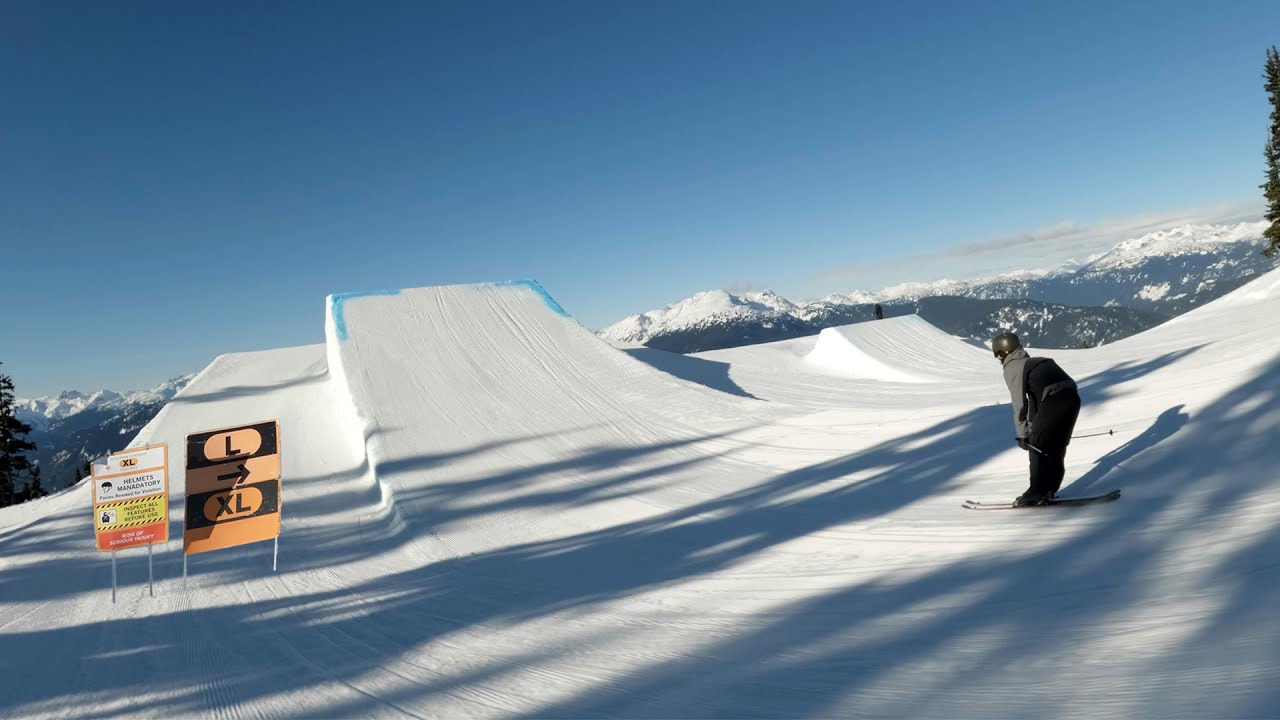
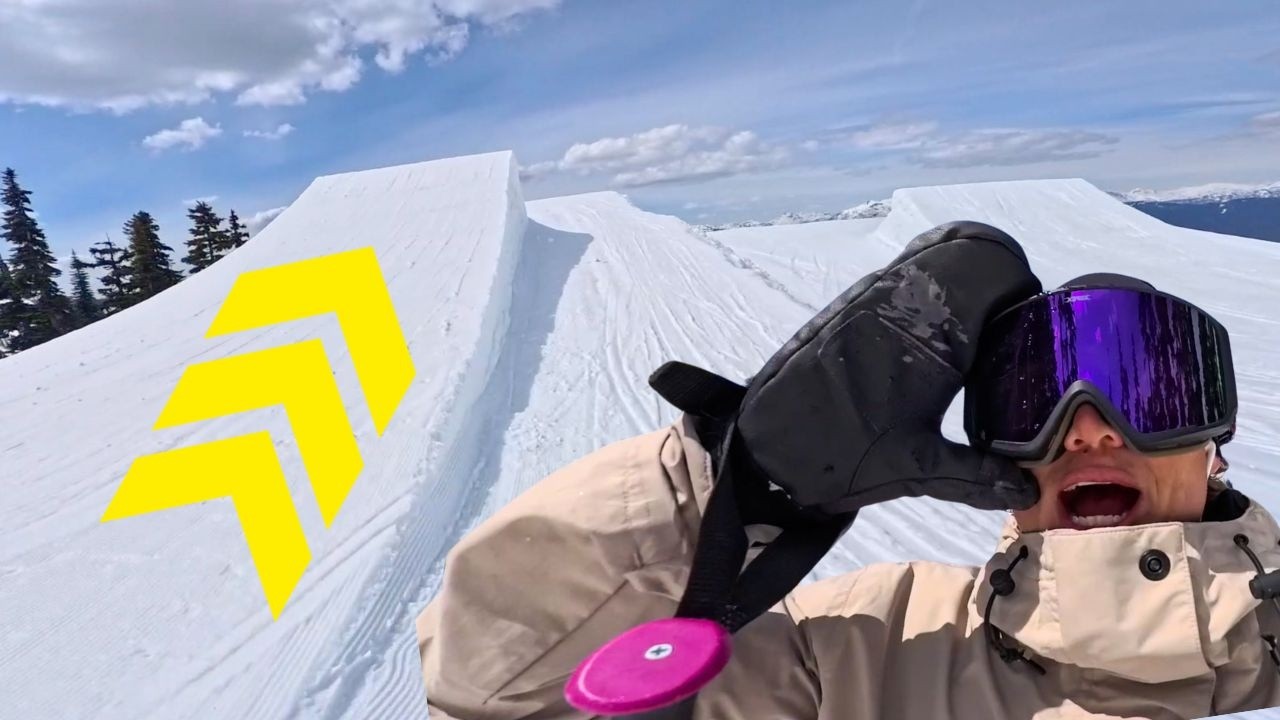
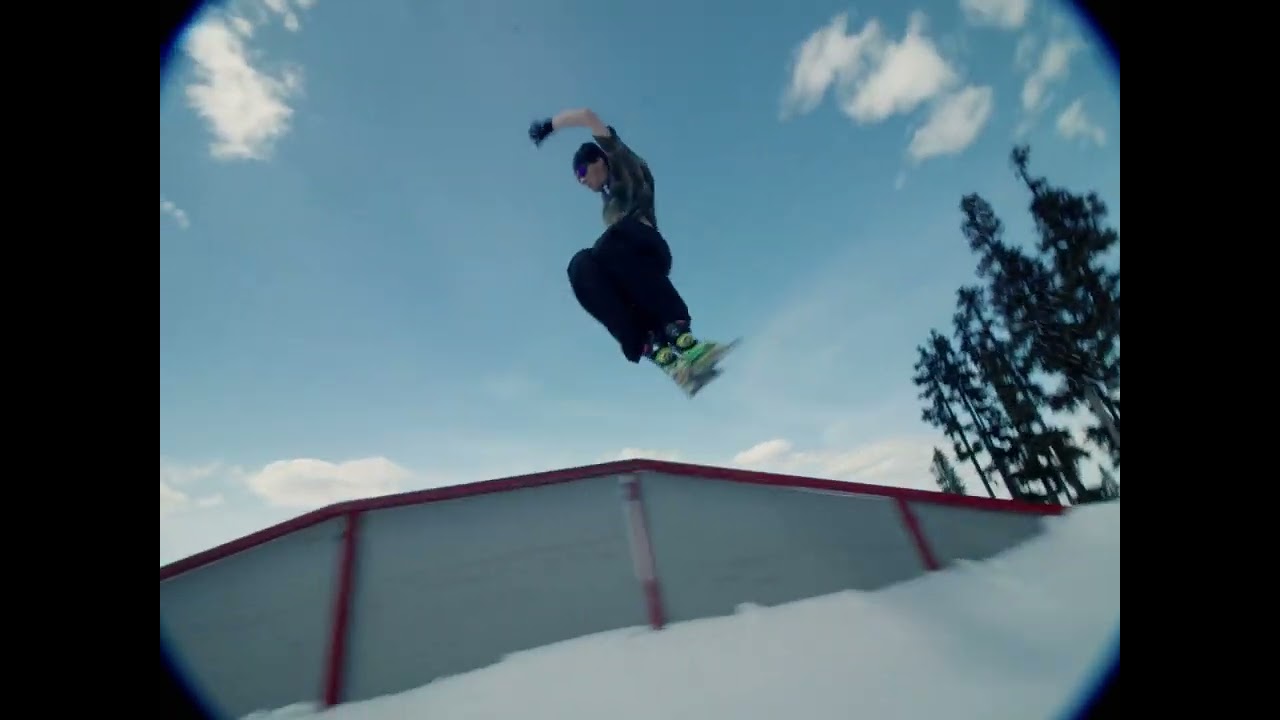
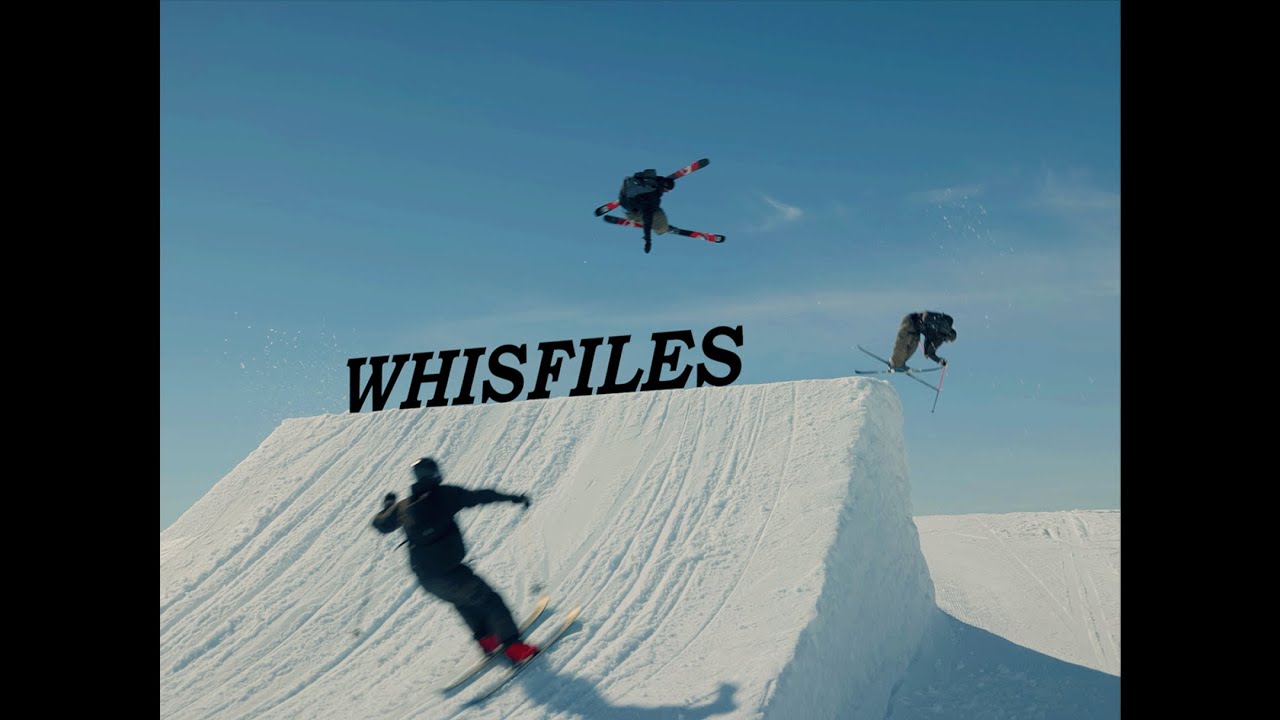
Whistler Blackcomb’s park identity is strongest on Blackcomb. The official terrain park program describes zones that range from smaller features to the highest-level park, with massive jumps, spines, rails and jibs designed for expert riders. That pathway matters because the resort can serve a full freestyle ladder. A skier can start on smaller rails and jumps, build timing in intermediate lines, then move toward XL features only when speed, surface and confidence are ready.
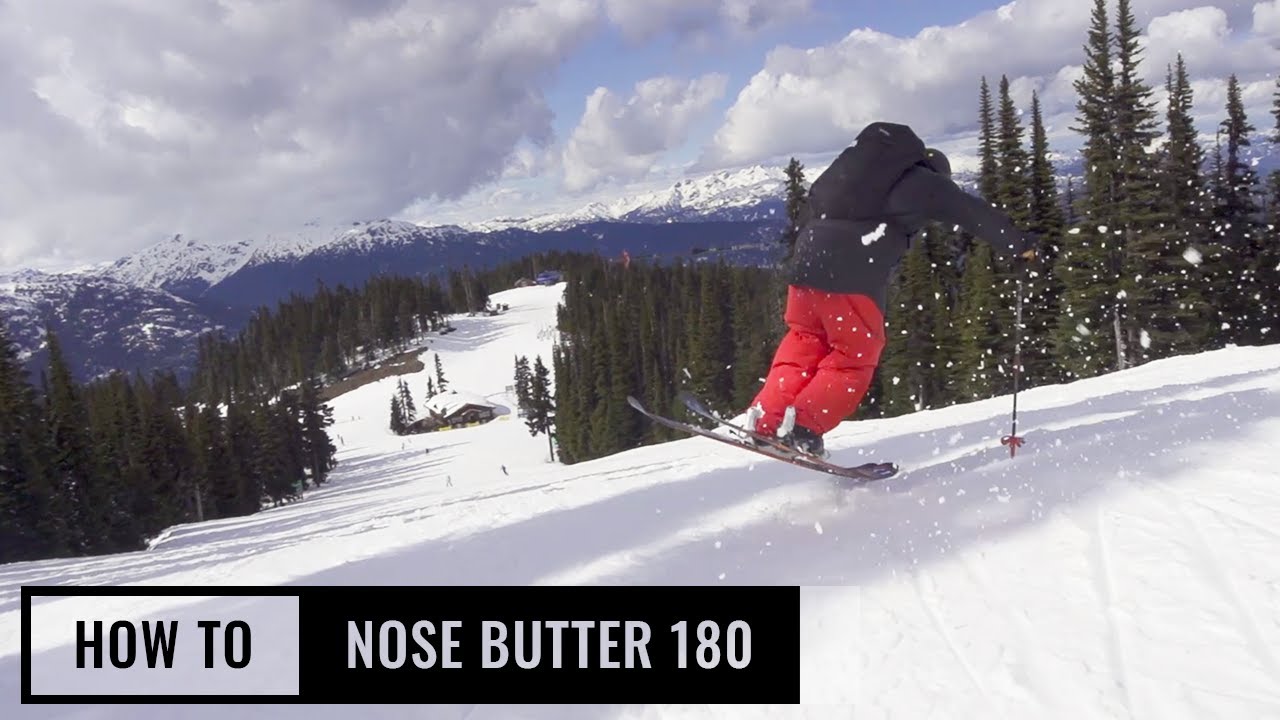
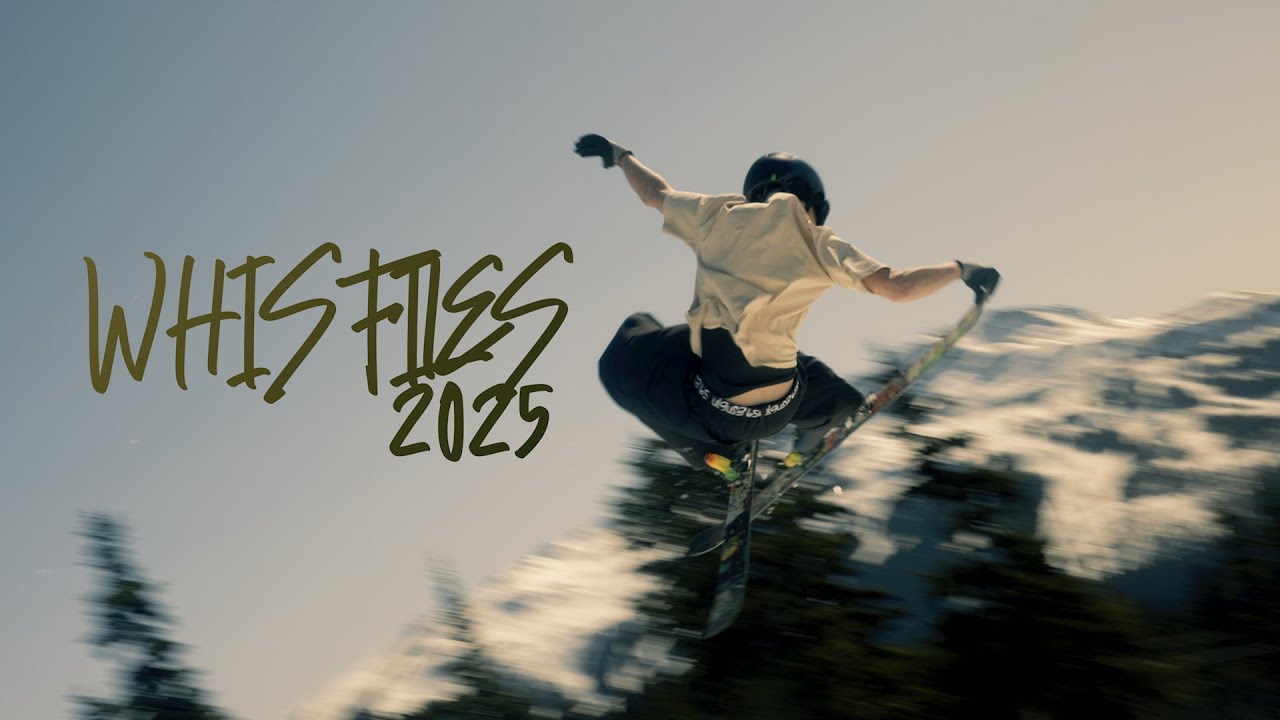
Ski Addiction has used Whistler Blackcomb repeatedly for park tours, tutorials and feature breakdowns, which fits the mountain perfectly. The park is large enough to teach line selection, not only isolated tricks. A rider learns how to carry speed through several features, how to land with direction, how to manage spring slush and how to adjust when the in-run changes after traffic. That is why the Whistler park system has become a training reference for Canadian riders and visiting athletes.
Creekside 2010 And The Olympic Layer
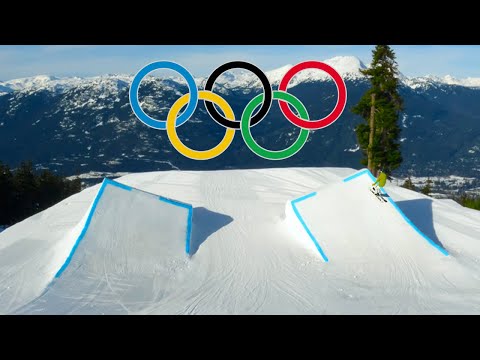
Whistler Creekside gives the resort its Olympic anchor. Whistler Blackcomb’s own history notes that the resort hosted alpine skiing during the Vancouver 2010 Olympic and Paralympic Games, with Creekside central to that legacy. The Dave Murray Downhill sits in that memory: a racing venue built for speed, pressure and international broadcast attention. For freeskiers, the Olympic alpine story does not define the whole mountain, but it explains the infrastructure standard. The resort knows how to build, maintain and move people through high-pressure winter events.
That event capacity supports the broader freestyle ecosystem. High-capacity lifts, village logistics, race preparation knowledge, media infrastructure and spring event culture all help Whistler remain relevant long after a single contest week. The Olympic layer also gives the resort an identity beyond powder tourism. It is a working winter-sport hub where racing, park, freeride, backcountry access, festivals and commercial tourism all share the same mountain space.
WSSF And The Spring Culture Machine
World Ski and Snowboard Festival gives Whistler one of the strongest spring identities in skiing. The 2026 edition runs from April 6 to 12 and marks the festival’s 30th anniversary, with snow sports, music, art, film and mountain culture spread across the village and mountain. This matters for freeskiing because spring is when Whistler’s different identities become visible at once. Park riders, film crews, photographers, tourists, locals and event athletes all overlap in the same week.
The festival works because the resort still has meaningful snow when the village is already in spring mode. A day can start with alpine laps, move into park features, continue through photo sessions and finish with film premieres or music events. That rhythm has shaped Whistler’s media identity for decades. The mountain is not only where skiing happens. It is where skiing is shown, judged, filmed, edited, watched and talked about before the next season’s stories begin.
Whistler Park Riders And The Squamish Training Link
Aidan Mulvihill is one of the clearest modern skipowd.tv athlete links for Whistler Blackcomb. His page connects him to Whistler park skiing, Freestyle Canada development, Nor-Am results and Ski Addiction videos touring Whistler’s XL park. That kind of profile is exactly what Whistler produces: a skier who can use resort repetition, spring parks, trampoline training and Canadian contest circuits as one continuous progression system.
Airhouse in Squamish adds the off-snow piece. The Whistler corridor is not only lifts and snow. It includes dryland facilities, coaches, filmers, athletes, photographers and a Sea to Sky lifestyle where a young skier can bounce between trampoline work, park laps and spring edits. Mark Draper gives the archive another park and coaching thread through Whistler terrain park content, while the wider page also includes many POV freeride clips from locals and visiting riders.
From Whistler To Revelstoke And The BC Film Map
Whistler Blackcomb sits inside a larger British Columbia ski culture. The resort is the flagship because it has scale, access and visibility, but the province’s freeski identity also runs through places like Revelstoke BC, Interior powder zones, Coast Mountains backcountry lines and spring park destinations. Whistler’s role is to connect those worlds. It can function as a training base, a filming base, a storm target, a festival hub and a gateway to bigger backcountry objectives.
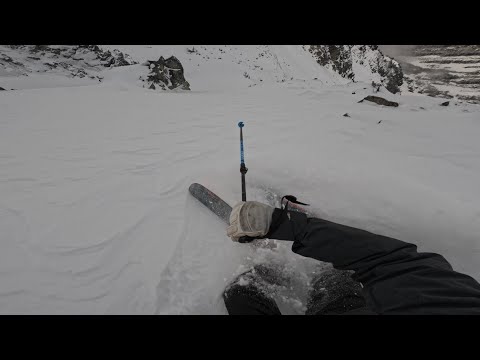
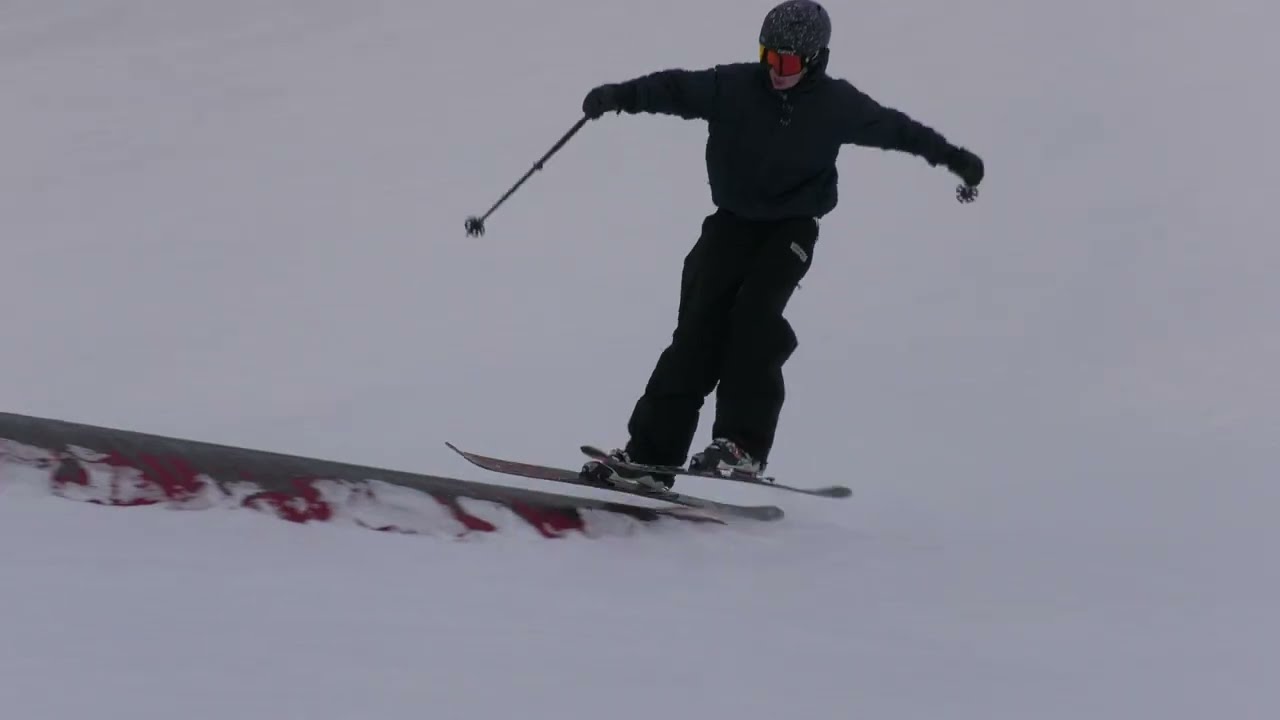
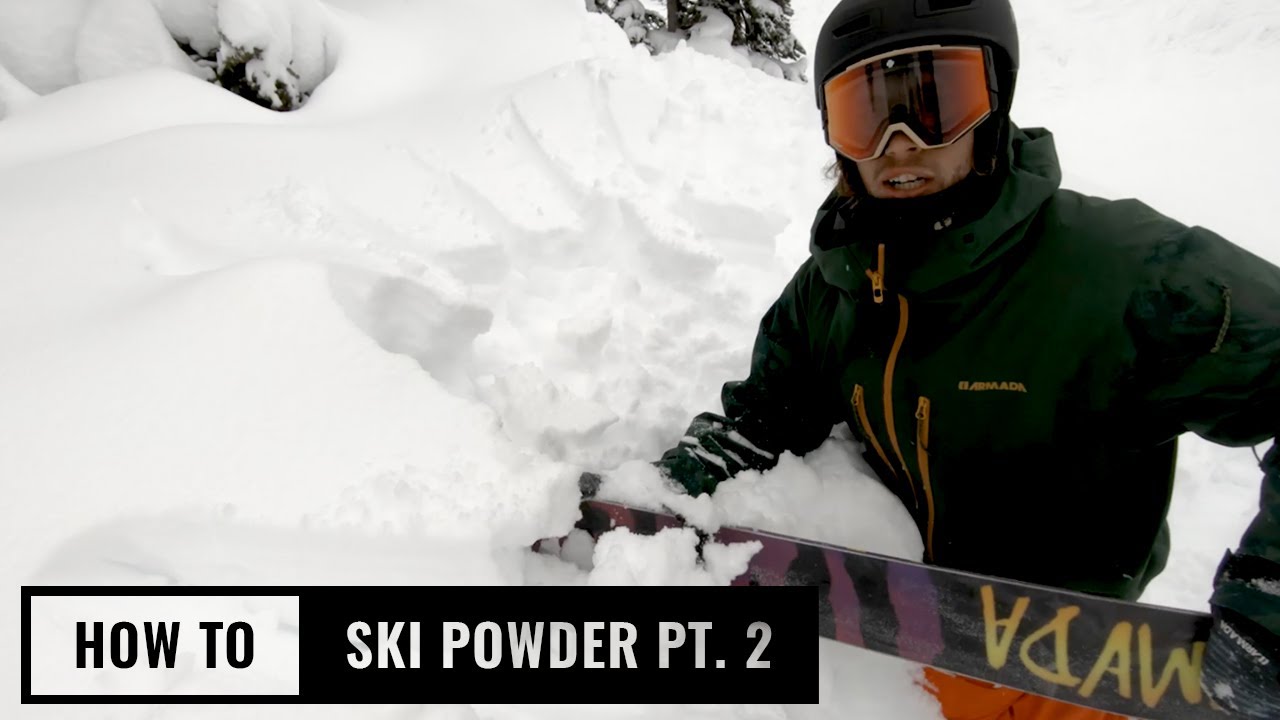
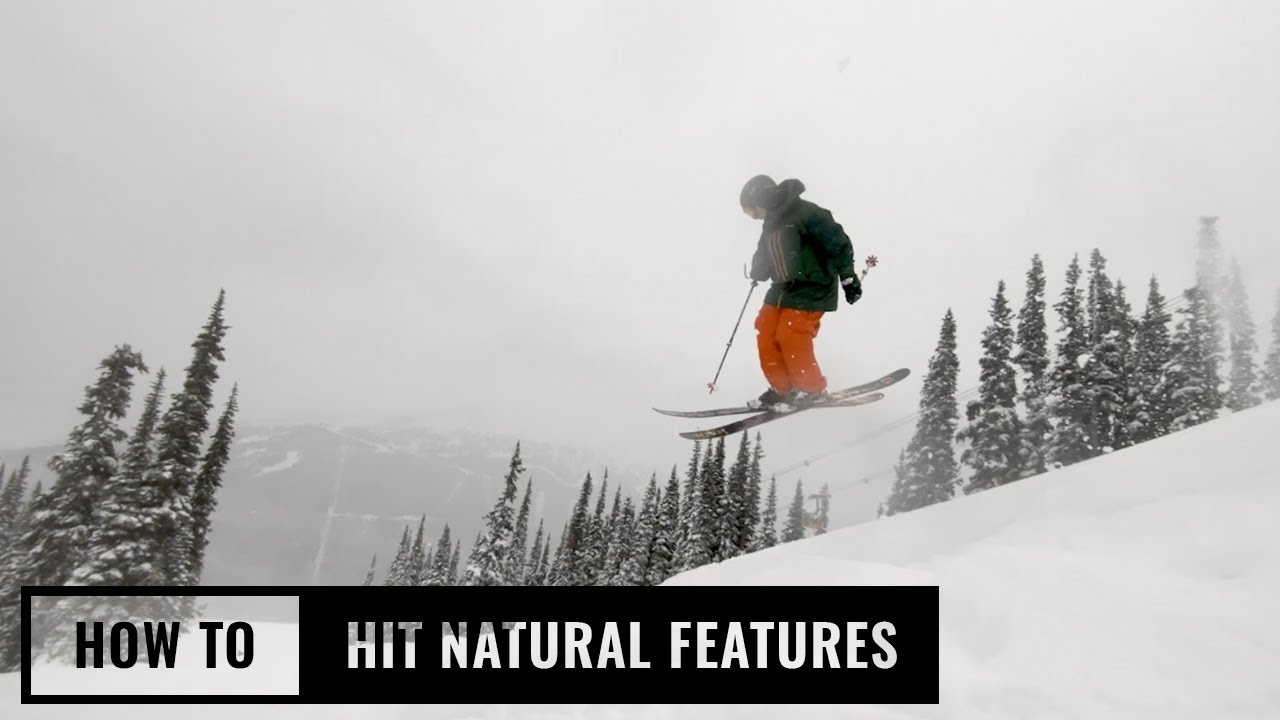
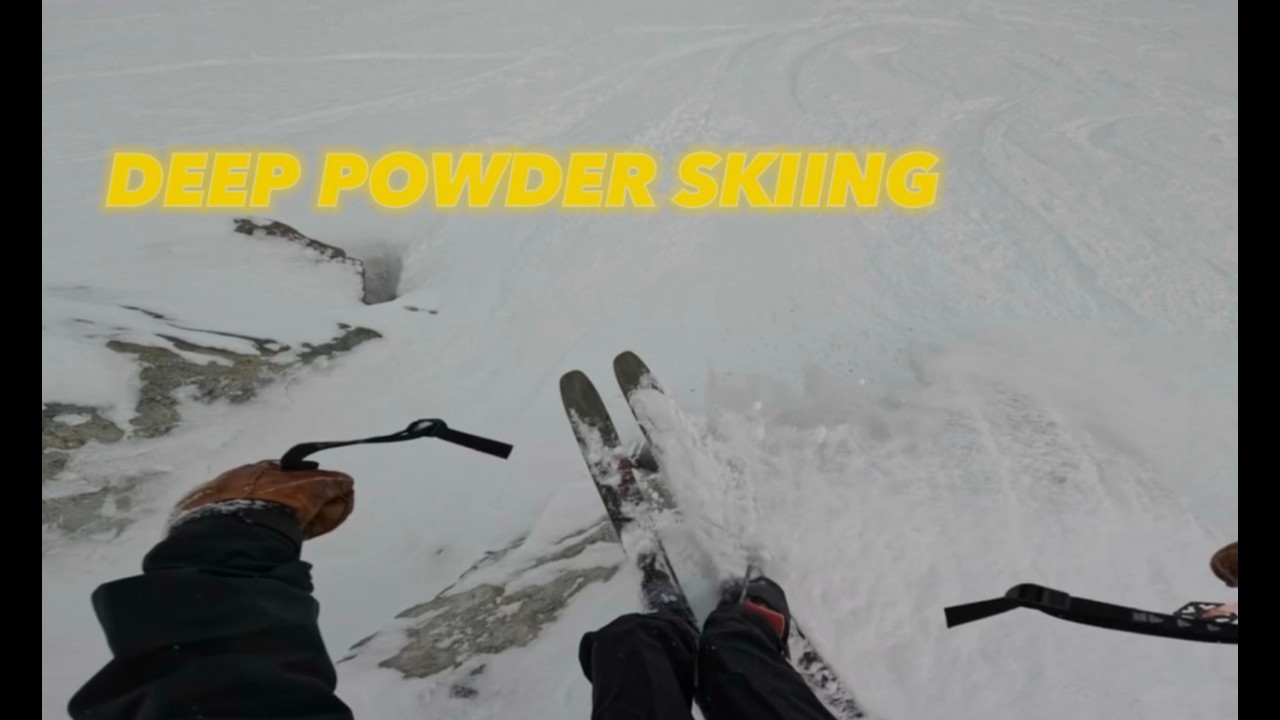
The verified skipowd.tv Whistler Blackcomb page already shows that range with 96 videos. The archive includes powder POVs, Blackcomb tree laps, terrain park tours, XL park sessions, natural feature tutorials, backcountry and freeride clips, big air footage and spring park edits. That volume changes the importance of the page. Whistler Blackcomb is not a location with one isolated video. It is a major internal hub that can support athletes, sponsors, categories and neighboring location pages across the site.
Village Access And Sea To Sky Logistics
Access is one of Whistler’s major advantages. The resort sits about two hours north of Vancouver in normal conditions, using Highway 99 through Squamish and the Sea to Sky corridor. Vancouver International Airport gives the resort a major global gateway, while shuttles, buses, private transfers and rental cars make arrival straightforward compared with more remote North American ski towns. Once in Whistler, the village layout keeps lodging, lifts, food, rental shops and nightlife close together.
Base choice changes the day. Whistler Village gives the most direct two-mountain access and the busiest atmosphere. Creekside works well for Whistler Mountain laps, Olympic history and a quieter start when the Creekside Gondola is operating smoothly. Blackcomb Base is practical for park and Glacier side days. A good crew does not need to move lodging every time conditions shift; the lift network and PEAK 2 PEAK do most of that work if the group understands the map.
Backcountry Gates And Sea To Sky Discipline
Whistler Blackcomb is a gateway to serious backcountry, especially through Garibaldi Provincial Park, the Spearhead area and surrounding Coast Mountains terrain. The official backcountry page states clearly that the resort provides access to unmarked and unpatrolled backcountry terrain, with avalanche and glacier hazards requiring training, gear and preparation. That warning should be treated literally. A lift can make access fast, but it does not make the terrain controlled.
Avalanche Canada publishes the Sea to Sky forecast, and that bulletin belongs in the morning routine for anyone leaving the boundary. Beacon, shovel, probe, partners, navigation, glacier awareness and turnaround discipline are required beyond the resort. Inside the boundary, closures and staged openings also matter. Ropes, signs and patrol holds respond to real hazards: cliffs, cornices, avalanche control, grooming equipment, visibility and changing snow.
Park Etiquette On A High Traffic Mountain
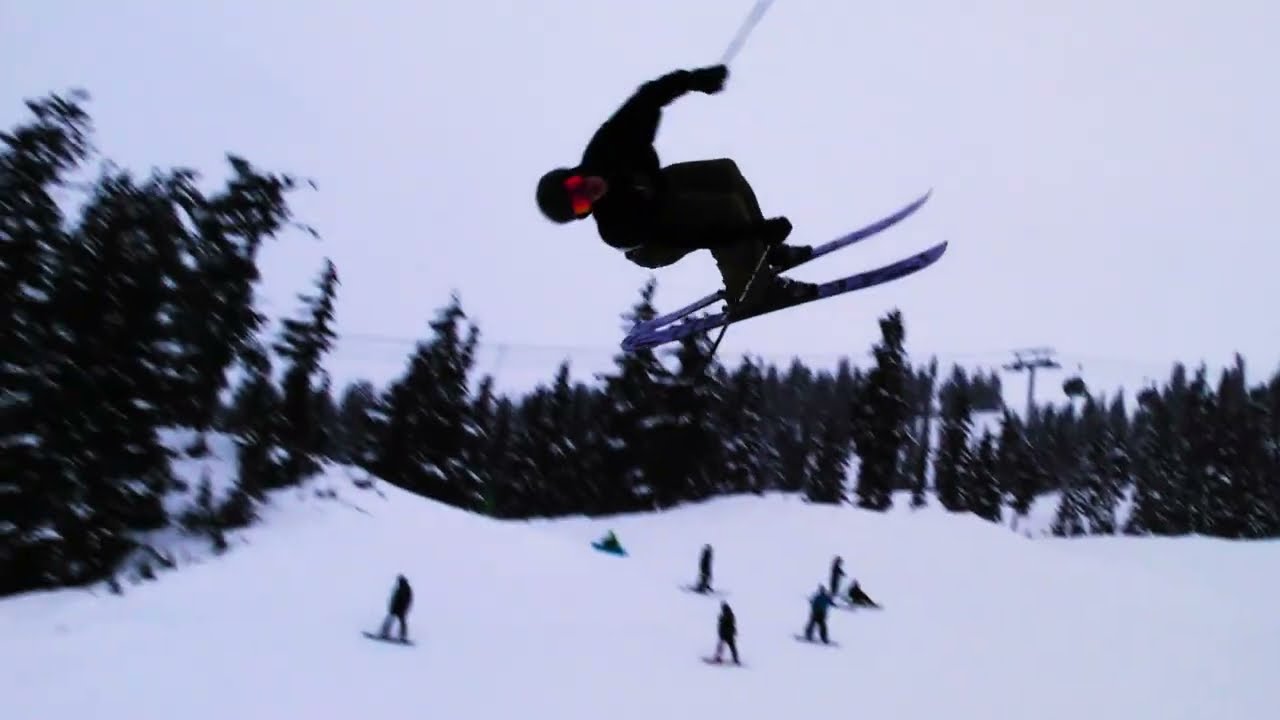
The park system is busy because it is useful. That means etiquette has to be part of the article, not an afterthought. Inspect features before hitting them, call drops, stay out of landings, never stand on knuckles, give shapers room, and do not let filming crews block the next rider’s line. In a long park, a bad stop affects more than one feature because the next skier may already be committed to the sequence.
Whistler’s mixed traffic also matters outside the park. Beginners, locals, ski school groups, tourists, racers, freestyle teams and freeriders all share the same lift network. Slow zones, traverses, cat tracks and merge points need patience. The resort is large, but the choke points can feel small on storm days or spring weekends. The best skiers here move cleanly, communicate clearly and avoid turning personal footage into a hazard for everyone else.
The Whistler Blackcomb Reason For Freeskiers
Whistler Blackcomb matters because it combines almost every modern freeski use case in one resort. It has North American scale, maritime storm skiing, Blackcomb park infrastructure, Olympic history, WSSF spring culture, glacier terrain, strong access from Vancouver, a dense internal video archive and a Sea to Sky training ecosystem around athletes, coaches and filmers. Few single resorts can support that many categories without feeling forced.
For skipowd.tv, Whistler Blackcomb should be framed as a flagship resort page. The strongest editorial angle is not just size. It is connection: Whistler links park progression, powder POVs, big mountain lines, spring festivals, Canadian athlete development, Ski Addiction tutorials, Sea to Sky backcountry discipline and British Columbia film culture into one location. A skier can arrive for park laps, stay for alpine storm days, film in spring and still leave with a better understanding of why the Coast Mountains sit so high in modern freeskiing.