Quinn Wolferman
Missoula, Montana / Park City, Utah, USA | Active: 2014-present public ski record | Focus: knuckle huck, slopestyle, backcountry freestyle, ski films | Current: Armada and Monster Energy-supported skier
Aspen Knuckle Snow Under The Lights
The Aspen knuckle sat blue under X Games lights, its rounded takeoff shaped for skiers willing to use the feature before the jump even began. Quinn Wolferman came in with the relaxed speed of a rider who did not need the biggest spin to own the moment. Knuckle Huck rewards a strange skill set: edge pressure, timing, corked body position, grab discipline, and the ability to make a trick look invented on the way in. Wolferman won gold in Ski Knuckle Huck at X Games Aspen 2022, two years after taking bronze in the same event. That result fixed his contest identity around creativity rather than standard slopestyle scoring.
Missoula And The Snowbowl Problem
Wolferman came out of Missoula, Montana, and has described his first ski world as Snowbowl, a small two-lift mountain without a proper park. That detail matters because his skiing did not grow from perfect training infrastructure. He learned through internet edits, older riders, trampoline repetition, and contests that gave him access to actual park features. If he wanted jumps and rails, he had to travel, enter events, and use practice time like a private training session. That background helps explain the texture of his skiing now: loose, adaptive, less polished than academy-style slopestyle, and always ready to turn an imperfect feature into something useful.
FIS Starts Before The Creative Lane Took Over
FIS lists Quinn Wolferman as a United States freestyle skier from Missoula Freestyle Ski Team, FIS Code 2530830, born in 1997, with competition status marked not active. His official result sheet includes slopestyle starts rather than a long World Cup podium career. That record should be read as the base, not the main story. Wolferman’s strongest public identity moved away from federation scoring and into X Games, film projects, Armada team edits, backcountry jumps, knuckle tricks, and social-video style culture. The contest system gave him a framework. The creative side gave him a language.
X Games Before The Gold
The X Games record shows a gradual build. In 2020, Wolferman earned bronze in Ski Knuckle Huck, joining the first serious wave of skiers who treated the event as more than a side show. In 2021, he appeared in Big Air, Slopestyle, and Knuckle Huck at Aspen, but the results stayed outside the podium. In 2022, the Knuckle Huck gold arrived. X Games later listed more appearances, including eighth in 2023 and fourth in 2024. The medal record gives him enough weight for a 4/5 importance rating, but the event choice is equally important. Wolferman’s best contest home is not the cleanest slopestyle lane. It is the knuckle, where style can beat volume.
SLVSH, X Games, And The Armada Conversation
Newschoolers’ long interview around Armada, Montana, competitions, SLVSH, X Games and Deviate placed Wolferman in a hybrid role. He was not only a rider chasing medals. He was a skier talking through the differences between competitions, film, online formats, sponsor life, and the Montana-to-Park City route. That kind of public profile suits him because his skiing sits between categories. He has the air awareness to compete, the park control to survive SLVSH-style trick pressure, and enough backcountry imagination to produce solo film work that does not feel like leftover contest footage.
Shadows Fade And The Solo Statement
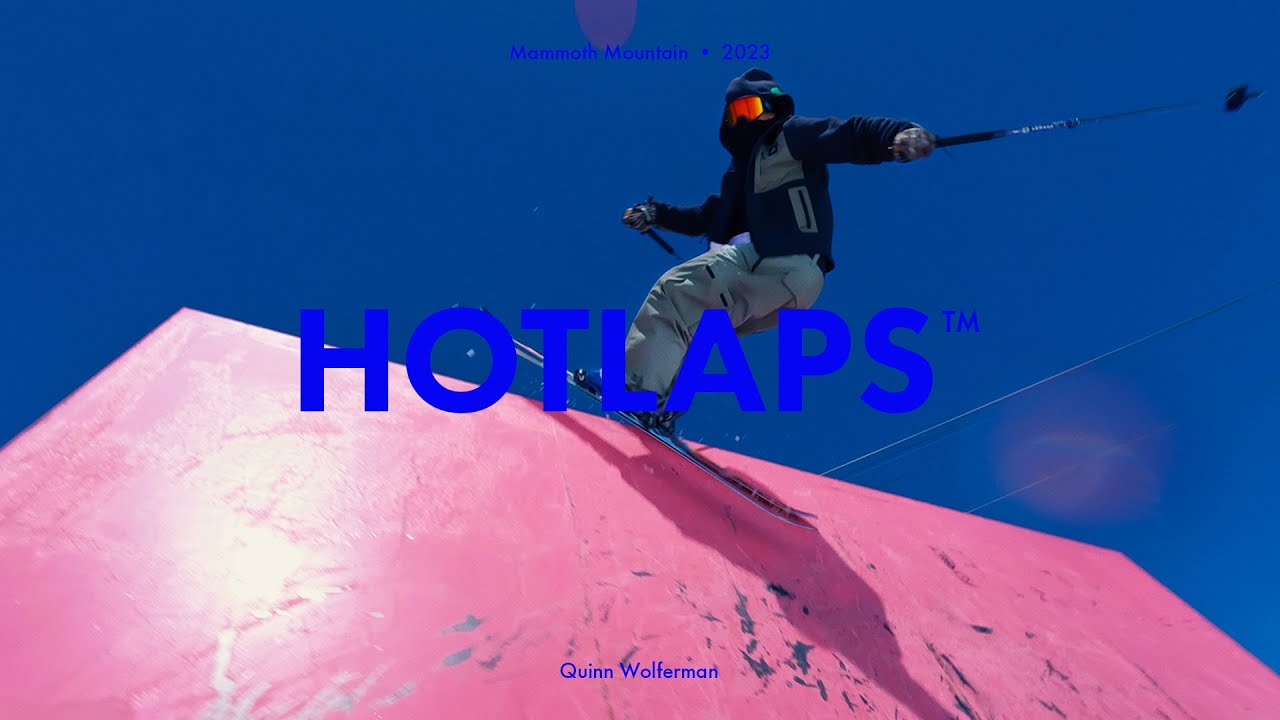
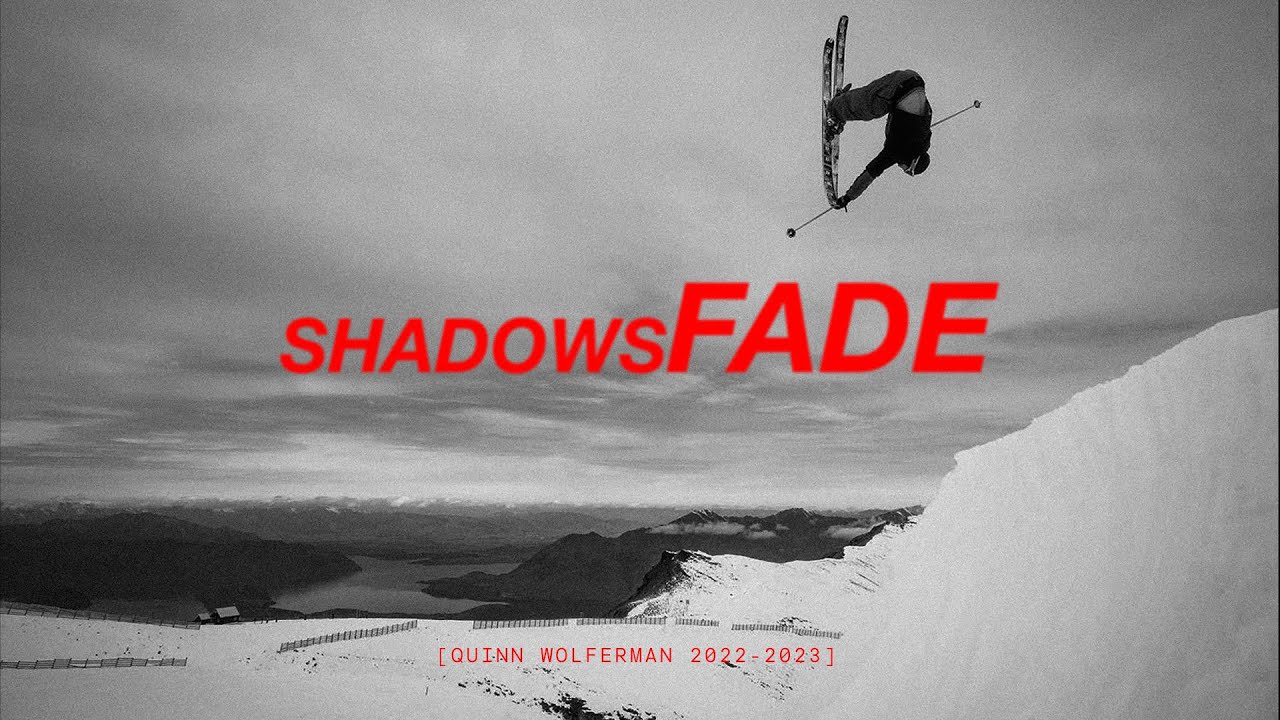
Shadows Fade, his 2022-23 recap project, became one of the clearest examples of Wolferman’s current skiing. Freeskier described the edit through mind-bending backcountry features and clean park laps, while Armada framed it as a short project built around his own skiing. The film matters because it does not depend on one event result. It shows a skier moving between natural takeoffs, powder landings, park jumps, and playful features with the same body language. A cork 3 mute, a tail-heavy slash, a slow rotation, or a large backcountry hit all seem to come from the same instinct: keep the trick readable, then let the terrain finish the sentence.
Montana In The Deviate Frame
Deviate Films gave Wolferman another strong creative setting. Freeskier has pointed to his Montana segment in Chameleon as one of the projects that helped define his reputation beyond medals. Downdays listed Chameleon as a Deviate film featuring Torin Yater-Wallace, Quinn Wolferman, Kim Boberg, Cody LaPlante, Cody Wilderay and friends, with footage from Minnesota, Montana, British Columbia and Sweden. That geography fits Wolferman’s image. Montana is not a neutral backdrop in his skiing. It gives cold snow, odd natural features, tree-lined landings, and the kind of terrain where a rider must create a park feel without a park crew shaping every takeoff.
Armada, ORNADA, And The Team Movie Thread
Armada lists Wolferman as a USA athlete, with Montana as summer home and Park City, Utah, as winter home. That support has become central to his public profile. In 2025, Freeskier’s first look at ORNADA placed him among Armada’s current and rising stars beside Rell Harwood, Toby Rafford, Keagan Supple and Dani Bacher, while the full roster also included Tanner Hall, Phil Casabon, Sammy Carlson, Henrik Harlaut, Kim Boberg, Mike Hornbeck, Todd Ligare and others. For Wolferman, that context matters because Armada’s team identity is built on style history. Being inside that roster places him in a direct line from older freestyle icons to newer film-minded riders.
Corbet’s And The Mountain-Feature Test
Jackson Hole listed Wolferman in the 2026 Kings & Queens of Corbet’s field, noting his Missoula roots, smooth style, technical skiing, and creative approach to the mountain. The event fits his strengths because Corbet’s is not a standard contest course. It is a natural feature with exposure, impact, line choice, and trick possibility all compressed into one entrance. In 2026, Jackson Hole listed him fifth in ski. The placement is less important than the format. Corbet’s tests whether a skier’s knuckle and backcountry skills can translate onto a feature where the takeoff is real mountain terrain and the landing has no clean park geometry.
Monster, Favorite Tricks, And The Public Setup
Monster Energy lists Wolferman as a United States skier, born October 6, 1997, and says he joined the brand in 2019. The same profile names X Games as his favorite event, Aspen Snowmass as his favorite place to compete or practice, and a cork 3 mute as a favorite trick that changes with the day. Those details line up with what appears on screen. The cork 3 mute is not a maximum-score trick in modern big air terms, but it fits Wolferman’s visual identity. He values position, grab, timing, and shape, not only rotation count. That is why Knuckle Huck, backcountry side hits, and Armada film work all make sense in the same profile.
How Wolferman Makes Features Look Softer
Wolferman’s skiing is built around calm takeoffs and elastic landings. He uses corked rotations, mute grabs, knuckle entries, butters, backcountry jumps, switch movement, side-hit takeoffs, tree-line airs, and slashes with a body position that rarely looks tense. Many skiers attack a feature with obvious force. Wolferman often looks like he is giving the feature time to shape the trick. That quality is why he works in both X Games Knuckle Huck and film projects. The trick does not need to be the largest in the session if the movement makes the terrain feel better than it looked before he arrived.
The Rating Belongs To Medals And Film
Wolferman earns a 4/5 importance rating because he has multiple X Games Knuckle Huck medals, including gold, plus a sustained film and brand presence with Armada, Monster, Deviate, Shadows Fade, ORNADA, and Kings & Queens of Corbet’s. A 5/5 would overstate the record because he does not have an Olympic medal, a larger set of X Games medals across several disciplines, or a long cross-generational legacy on the level of the sport’s defining icons. His value is more specific and current: Quinn Wolferman is one of the clearest American examples of a skier whose contest relevance comes from creativity, and whose film relevance comes from making natural features look like they were built for him.