Tyrolia
Albania
Austrian ski binding specialist | Roots dating to 1847 with ski binding production from 1928 and Tyrolia branded bindings from 1949 | Known for: Attack freeride bindings, Protector Full Heel Release technology, Freeflex race platforms, PowerRail systems and Ambition touring frames | Focus: reliable retention, predictable release and direct ski control for racers, freeriders, park skiers, carvers and everyday resort riders.
1847 Austrian metalwork roots and the binding path from 1928
Tyrolia is one of skiing's most important binding names because its history reaches far beyond one product cycle. The company traces its roots to Austrian metalwork in the nineteenth century, produced its first ski bindings in 1928, and introduced bindings under the Tyrolia name in 1949. That long timeline matters because ski bindings are not trend products. They are safety critical hardware, and trust is built through decades of repeated release behavior, service knowledge and real mountain use.
Tyrolia is not a ski manufacturer. Its role is narrower and more technical: it builds the connection between skier and ski. A binding has to hold the boot when a skier drives an edge, lands a jump, hits chopped snow or loads the ski at speed. It also has to release when forces move beyond the safe range for the skier and boot system. That balance between retention and release is the center of Tyrolia's identity.
Based in the Austrian binding tradition and now associated with the HEAD group ecosystem, Tyrolia has become a full line specialist rather than a niche label. Its products cover racing, piste, all mountain, freeride, freestyle, junior, demo rental and touring use. That breadth makes the brand highly relevant for skipowd.tv because Tyrolia appears in many kinds of ski videos: street edits, park clips, freeride segments, race training, resort laps and technical product content.
Attack Protector Freeflex and the modern Tyrolia map
Tyrolia's current identity is organized around use cases. Attack is the freeride and freestyle family, built for skiers who want a solid alpine binding for park, powder, side hits, all mountain skiing and daily resort abuse. The Attack line is recognizable through its FR PRO3 toe, wide mounting stance, easy step in behavior and compatibility options for modern boot soles. It is the Tyrolia platform most visible in freeski edits because it fits twin tips, wider skis and aggressive resort riding.
Protector is the safety forward family. Its defining feature is Full Heel Release technology, designed to add intelligent heel release in forward and backward twisting fall situations. For skiers concerned about knee loading and ACL type mechanisms, Protector gives Tyrolia a distinct position in the resort binding market. The line includes PowerRail based models and newer freeride influenced versions, making the safety concept available to more than one kind of skier.
Freeflex represents Tyrolia's race and carving heritage. These bindings are designed to allow the ski to flex more naturally underfoot while maintaining precise power transfer, especially on hard snow and race plates. PowerRail and SLR systems serve adjustable, family, demo and piste use, where fast boot length adjustment and repeatable setup are important. Ambition frame bindings cover the touring crossover lane for skiers who want uphill capability while keeping a more familiar alpine binding feel on the descent.
Retention release and why a Tyrolia binding has a feel
A good binding is often invisible until something goes wrong. Tyrolia's strongest products work because they manage three things at once: holding power, elastic travel and release consistency. Holding power matters when the skier is pressuring the ski. Elastic travel matters when the ski is hit by vibration, chop, jumps, landings or sudden impacts. Release consistency matters when the forces of a fall need to move the boot out of the system.
Attack bindings are built around that everyday confidence. They suit skiers who want a binding that does not feel nervous when the ski is pushed hard. Park skiers need retention for switch landings, rail impacts and repeated jump laps. Freeride skiers need the binding to stay calm in tracked powder and variable snow. All mountain skiers need step in reliability and a predictable feel in mixed conditions.
Protector changes the conversation by putting more attention on fall mechanics. Traditional alpine bindings generally release laterally at the toe and vertically at the heel. Protector adds a heel release concept aimed at reducing load in twisting fall situations. That does not make skiing risk free, and no binding can promise injury prevention in every crash, but it gives Tyrolia a clear safety story for resort skiers who want more release pathways without moving into niche experimental hardware.
From World Cup precision to Phil Casabon street clips
Tyrolia's credibility comes from two very different sides of skiing. The first is racing, where binding behavior is measured in edge hold, power transfer and the ability to let a ski arc cleanly at high speed. Freeflex platforms and race oriented systems connect the brand to a performance world where small differences in flex, height, ramp and release behavior can matter. This is the technical, precise, hard snow side of Tyrolia.
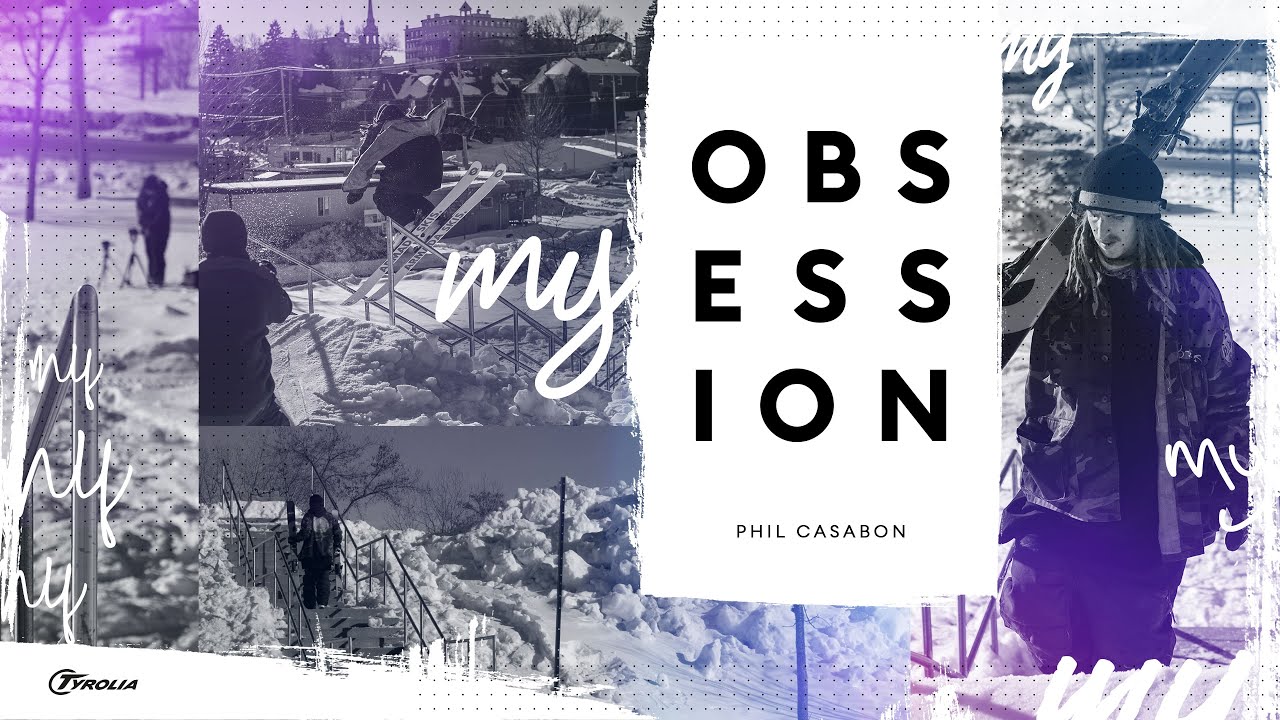
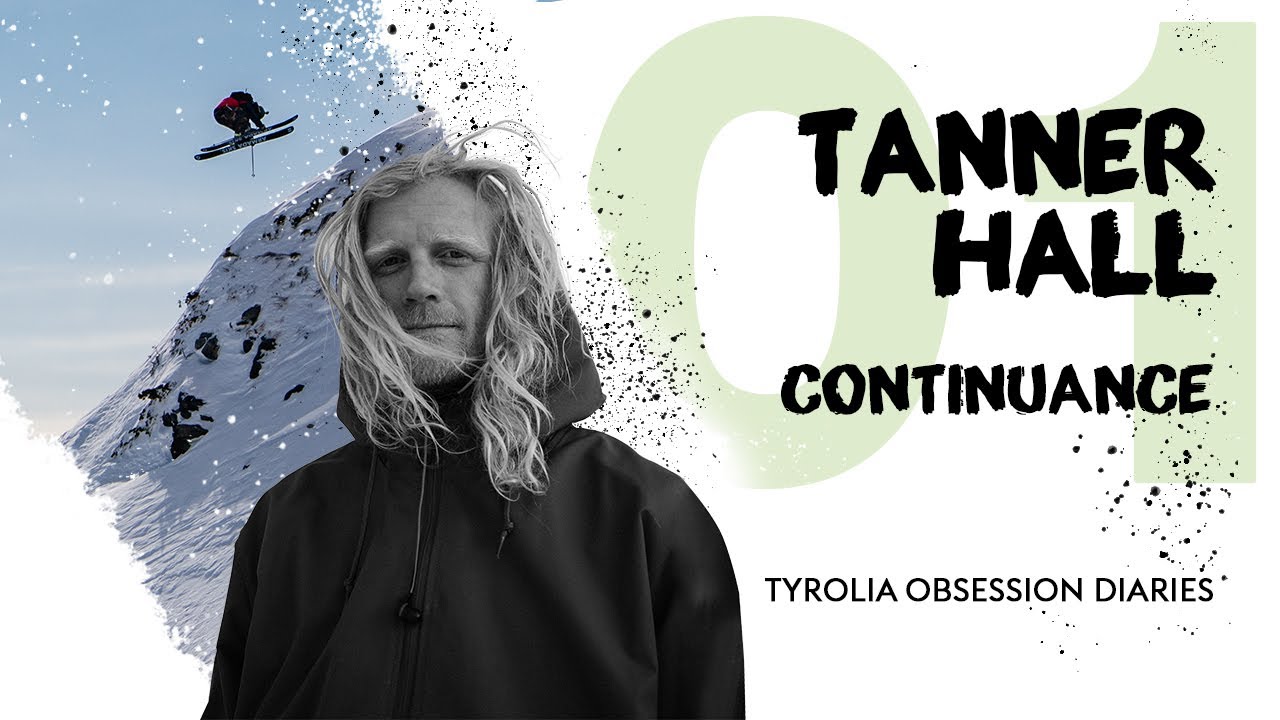
The second side is freeskiing. On skipowd.tv, Tyrolia is linked with videos featuring riders such as Philip Casabon and Tanner Hall, as well as street and park projects where bindings must survive repeated landings, rails, urban impacts and long film days. That freeski visibility matters because bindings are rarely the headline sponsor in a ski edit. When a rider keeps using the same platform through street sessions and park clips, it becomes a quieter but meaningful signal of trust.
Tyrolia's strength is that it can live in both worlds without contradiction. A race technician, a park skier, a carving focused resort skier and a sidecountry rider do not need the same binding. They need a brand with separate tools for separate jobs. Tyrolia's catalog gives those categories real structure rather than forcing every skier into the same chassis.
Schwechat engineering and the Austrian test culture
Tyrolia's geographic identity is Austrian, and that context matters. Austria is one of the deepest ski cultures in the world, with race clubs, glacier training, alpine resorts, technical shops and a large population of skiers who understand equipment detail. A binding brand shaped in that environment has to satisfy both everyday resort users and highly technical skiers who notice setup issues quickly.
The company's modern industrial story is tied to Schwechat near Vienna, with production and development connected to a broader European ski manufacturing network. That combination of industrial scale and alpine testing culture helps explain Tyrolia's place in the market. Bindings require precision manufacturing, consistent tolerances, serviceable parts and compatibility with constantly evolving boot sole standards. The geography is less romantic than a powder town, but it is exactly the kind of engineering environment that bindings need.
For video culture, Tyrolia's footprint extends far beyond Austria. Attack bindings show up in North American park and street edits. Protector targets everyday resort skiers across international markets. Freeflex lives in race lanes and carving setups. Ambition fits spring touring and sidecountry days. The brand's map follows the full ski equipment market rather than one mountain or one discipline.
Full Heel Release PowerRail and the mechanics underneath
Tyrolia's construction story is about controlled movement. The visible plastic and metal housings matter, but the real engineering is inside the toe, heel, rail and release interfaces. Attack uses a freeride oriented toe and a strong heel platform to support wide skis and mixed terrain. Protector adds Full Heel Release technology to create a more complex heel release system. Freeflex allows the ski to flex more naturally, reducing the binding's interference with the ski's arc.
GripWalk compatibility is also central to modern Tyrolia bindings. Many current ski boots use walk soles rather than old alpine only soles, so bindings must be clearly matched to the correct standards. A binding that works perfectly with one boot can be unsafe or inconsistent with another if the sole standard, toe height or anti friction interface is wrong. Tyrolia's modern product language repeatedly addresses alpine and GripWalk compatibility because this is now one of the most important topics in ski setup.
Durability is measured in seasons of use. A binding has to keep stepping in cleanly, maintain forward pressure, keep release values consistent and resist the abuse of snow, ice, boot punches, transport, parking lots and repeated impacts. Tyrolia's value comes from building serviceable, widely understood hardware that ski shops can mount, adjust and support. In bindings, longevity and proper setup are as important as any single marketing technology.
Choosing Attack Protector Freeflex Ambition or PowerRail
Choosing Tyrolia starts with terrain. If the skier spends most days in the resort, mixes groomers with trees, side hits, park laps and chopped snow, Attack is the central all mountain and freeride choice. It is the best fit for skiers who want a strong daily binding on flat mounted skis, especially wider or freestyle oriented models. Brake width should sit close to the ski waist without being excessively wide.
If knee safety engineering is a major priority, Protector is the logical Tyrolia family to study. It is best suited to resort skiers who value the additional heel release pathway and are willing to accept the platform characteristics of that system. Protector PR works well for piste and all mountain setups with rail adjustability, while newer Protector Attack style models make the concept more interesting for freeride leaning skiers.
Freeflex belongs to race, carving and high precision hard snow setups. It is not the first choice for a playful twin tip or powder ski. It is for skiers who want clean edge pressure, plate integration and a more precise relationship between boot, binding and ski flex. Ambition makes sense for skiers who want a frame touring binding with familiar alpine style downhill behavior. PowerRail and SLR systems are practical for shops, families, demos and skiers who need easy adjustment across boot sizes.
Why Tyrolia still earns trust under the boot
Tyrolia matters because bindings are one of the few ski products where quiet reliability is the highest compliment. A skier may talk about ski graphics, boot flex or jacket color, but the binding's job is to disappear until it needs to act. Tyrolia has earned its place by making that invisible connection feel repeatable across race, freeride, piste, park and touring contexts.
The brand's importance is also historical. From early Austrian binding production to modern Protector technology, Tyrolia has been part of the long ski industry effort to make the boot ski interface stronger, safer and more adaptable. That evolution includes diagonal release ideas, race platforms, rental systems, GripWalk compatibility, freeride bindings and touring crossover options. Few binding names cover that much territory with the same level of recognition.
On skipowd.tv, Tyrolia belongs as a 5 out of 5 binding brand because it connects equipment engineering with actual ski culture. It is visible in street projects, park clips, race systems and resort setups, but its real value is simpler: keeping the skier connected to the ski when the line demands commitment, and letting go when the fall demands release.