Sammy Carlson
Revelstoke, British Columbia | Active: FIS record listed as not active | Discipline: backcountry freestyle, freeride, slopestyle, big air | Verified: 8 X Games medals, 2011 X Games Slopestyle gold, 3 Real Ski Backcountry golds, TGR and Quiksilver film projects | Current: Armada and Quiksilver film athlete
Valdez When The Slough Started Moving
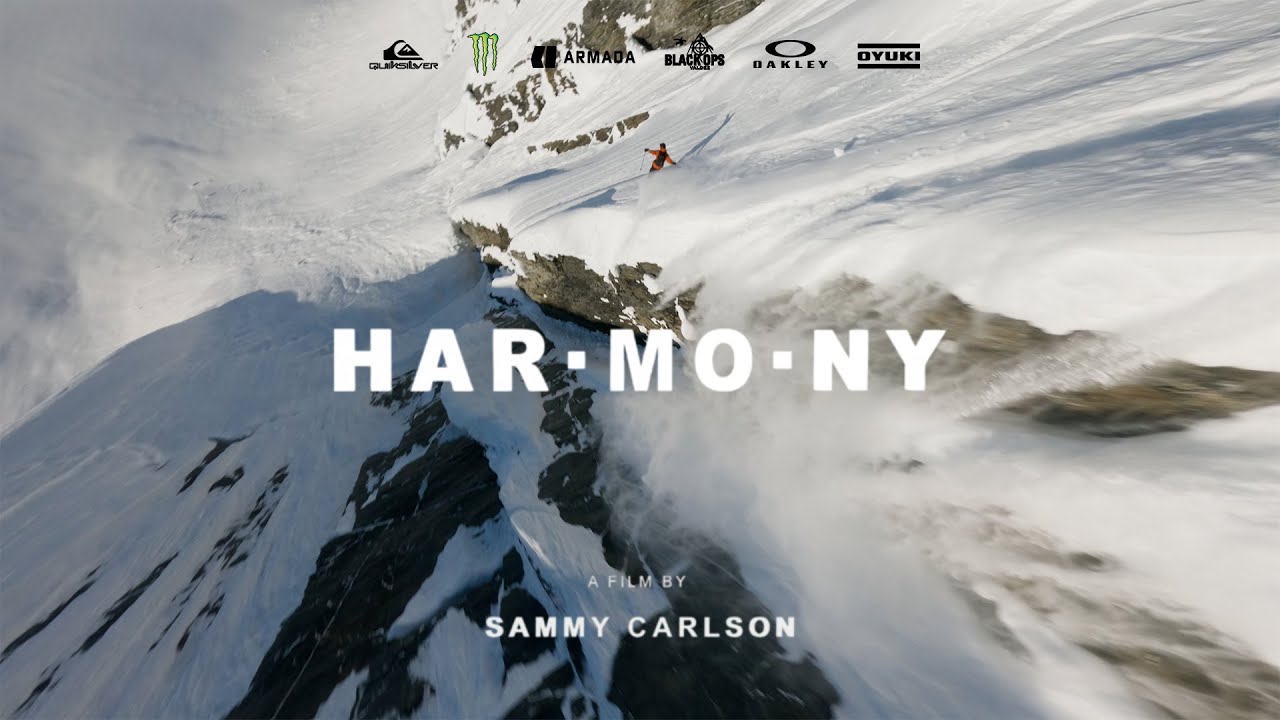
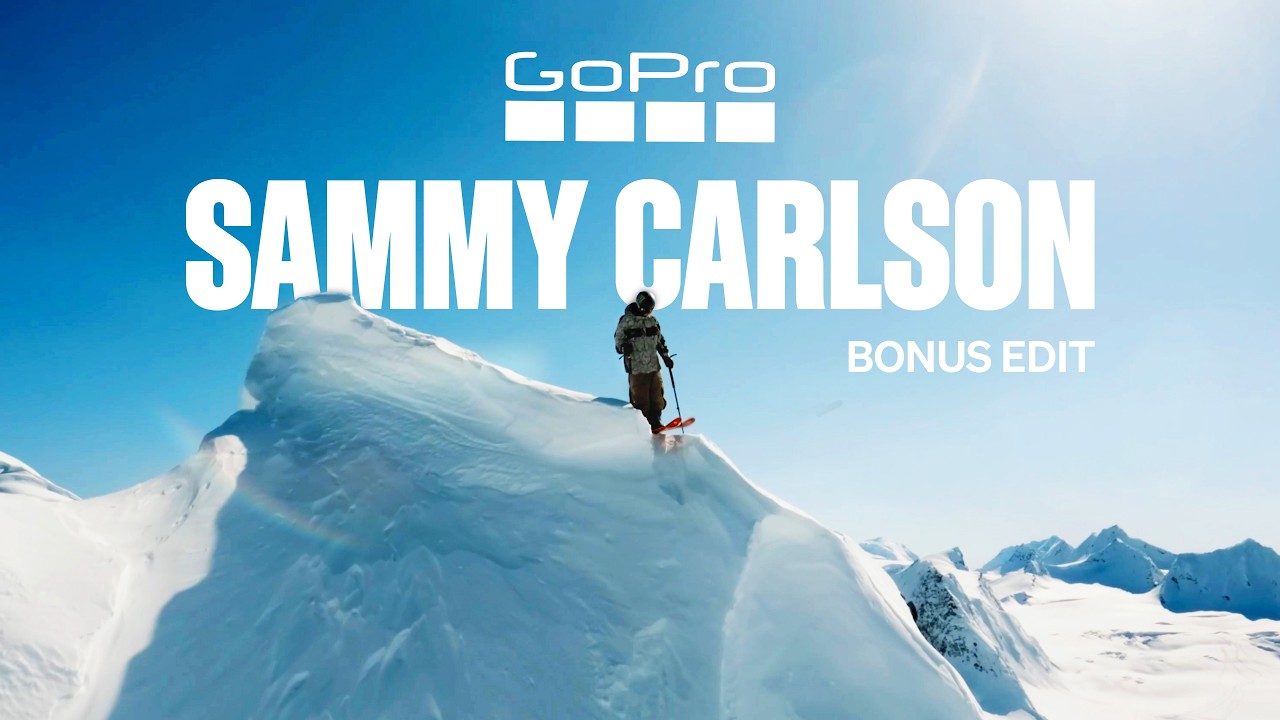
The face above Valdez was steep enough to make the snow move before Sammy Carlson reached the apron. Light broke across the Chugach peaks, the upper panel held cold powder, and each turn pulled a white river behind his skis.
Harmony, released in January 2026, showed Carlson deep in the terrain that now defines him. The film was shot exclusively around Valdez, Alaska, during a three-week strike mission with Black Ops Heli. The pitch, snowpack, heli timing, guides, drone angles, and slough management mattered as much as any trick. Carlson was not treating Alaska like a giant terrain park. He was skiing big faces with a freestyle memory still wired into every transition, pillow, spine, and airborne exit.
From Mount Hood Repetition To Aspen Gold
Carlson was born in Oregon and grew up near Mount Hood, a summer freestyle laboratory where snowfields, public parks, and private jumps helped shape a full generation of American freeskiers. Quiksilver describes him as an Oregon native who entered skiing through a different kind of park eye, with Mount Hood terrain behind much of the early style.
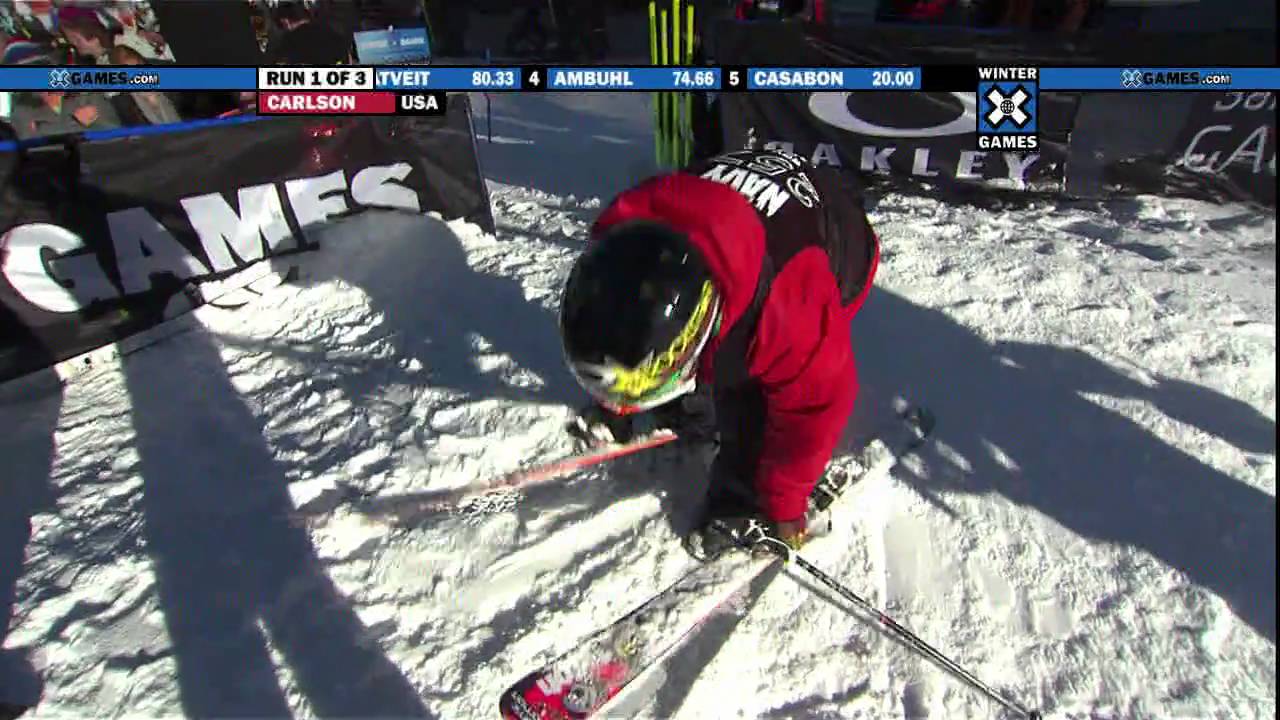
The contest breakthrough became official at Winter X Games 15 in Aspen/Snowmass on January 29, 2011. Carlson won men’s ski slopestyle with 93.33, ahead of Russ Henshaw, Andreas Håtveit, Bobby Brown, Henrik Harlaut, Elias Ambühl, Phil Casabon, and Gus Kenworthy. That field now reads like a compressed history of early Olympic-era freeskiing.
The same season, he took silver at the 2011 FIS World Championships in Park City behind Alex Schlopy. For a short window, Carlson looked like a central slopestyle name just as the discipline moved toward Olympic inclusion.
The Switch Triple Rodeo Before The Backcountry Pull
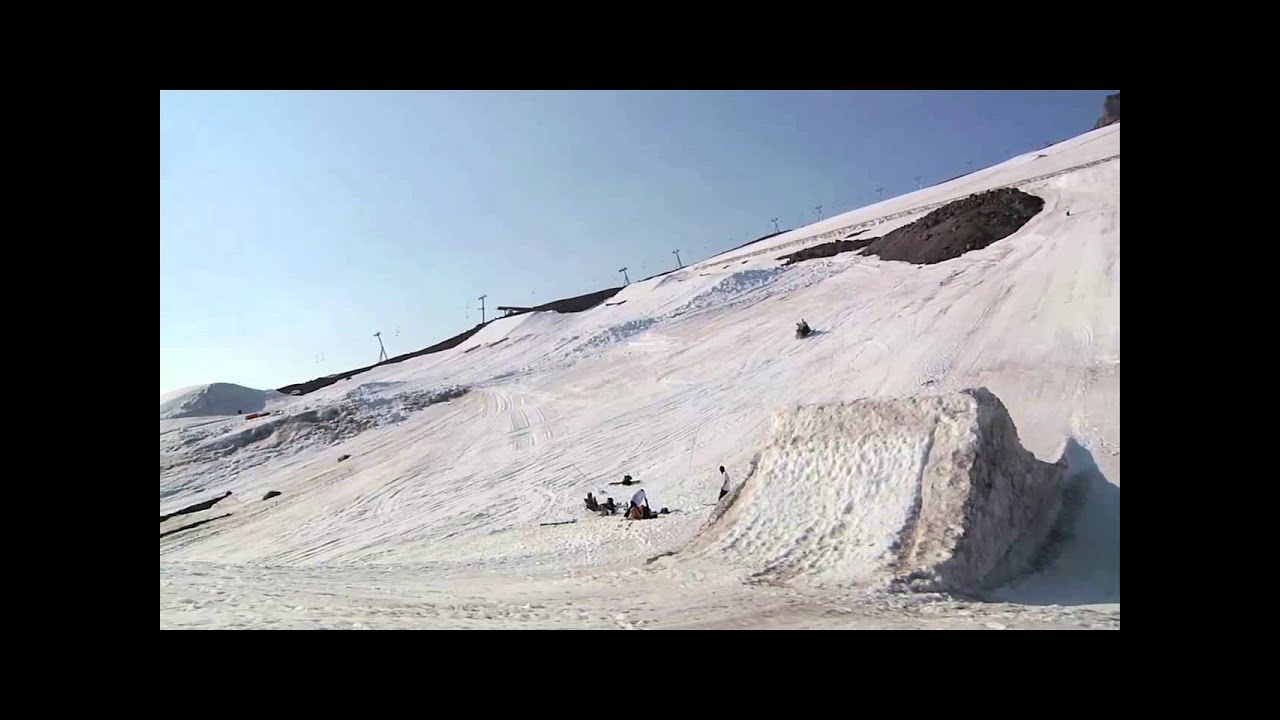
Carlson’s technical marker arrived in July 2010 at Mount Hood, where he landed the first switch triple rodeo 1260. The trick belonged to a moment when freeskiing was trying to understand how far inversion and spin could move before style collapsed under arithmetic.
A switch triple rodeo 1260 asks for backward takeoff, off-axis triple rotation, enough edge release to avoid drifting off the jump, and enough air sense to find the landing late. The trick later earned Powder Video Awards attention and placed Carlson inside the progression conversation beside Bobby Brown, Henrik Harlaut, Tom Wallisch, and the other skiers redefining what park skiing could look like.
That early trick still matters because it explains the later backcountry version. Carlson did not abandon technical freestyle when he left regular contests. He carried the axis control, switch awareness, and landing discipline into pillows, windlips, and Alaskan faces.
Real Ski Backcountry Turned The Score Into Footage
When freeskiing entered the Olympics in 2014, Carlson did not follow the expected slopestyle route. Quiksilver’s profile states that he was not interested; the backcountry was calling. That decision separates his career from many peers who moved deeper into federation calendars.
X Games still remained part of the story through Real Ski Backcountry. Carlson won the video contest in 2013, 2014, and 2015, completing a three-peat and adding the fan favorite award in 2015. Freeskier described the format as an invite-only film shootout, which fits his strengths better than a start gate.
Real Ski rewarded pillow combinations, blind landings, creative takeoffs, camera timing, and the ability to turn a short segment into a complete argument. Carlson’s results there were not a retreat from competition. They were a change in judging language: from rails and jumps to terrain choice, snow texture, trick selection, and edit rhythm.
The Sammy C Project Took The Park Skier North
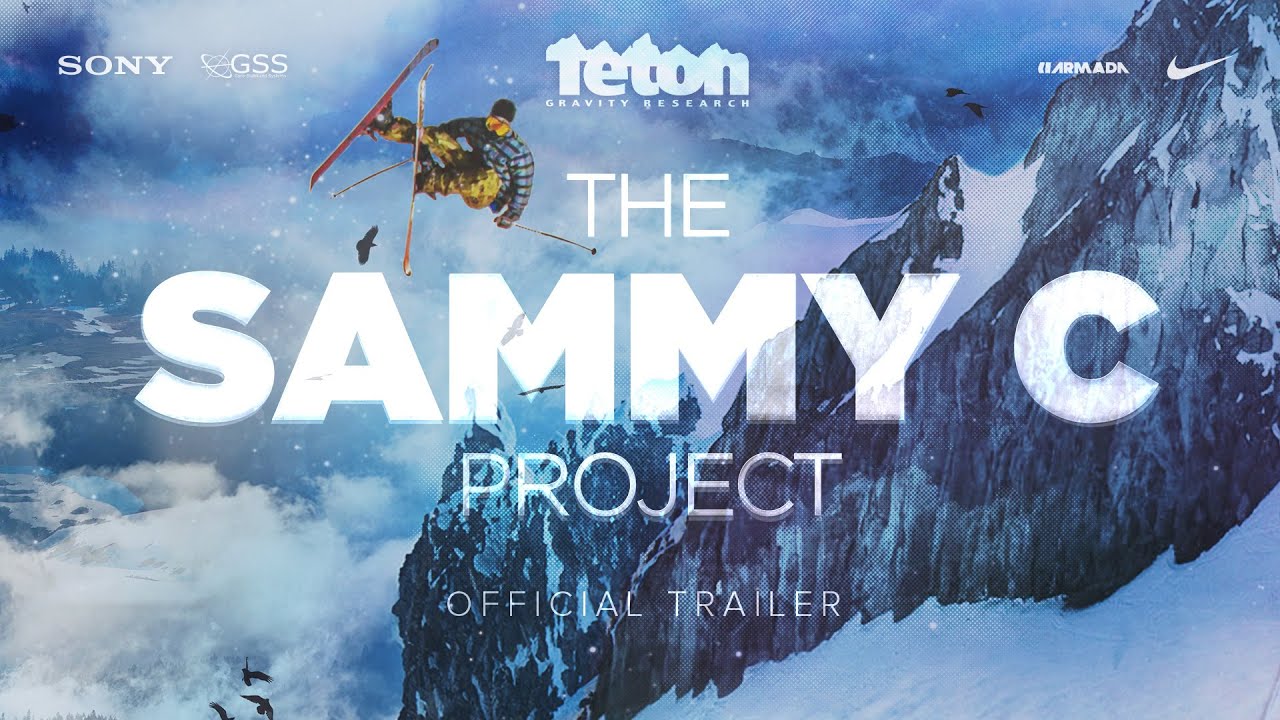
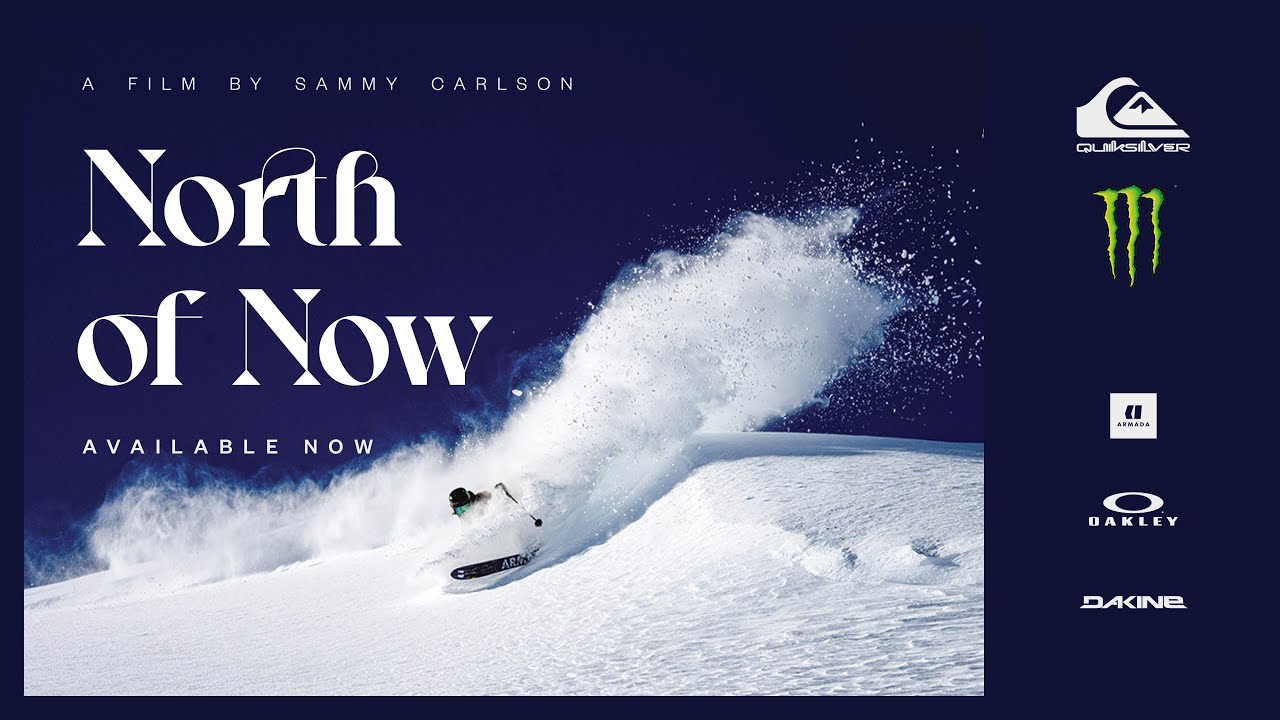
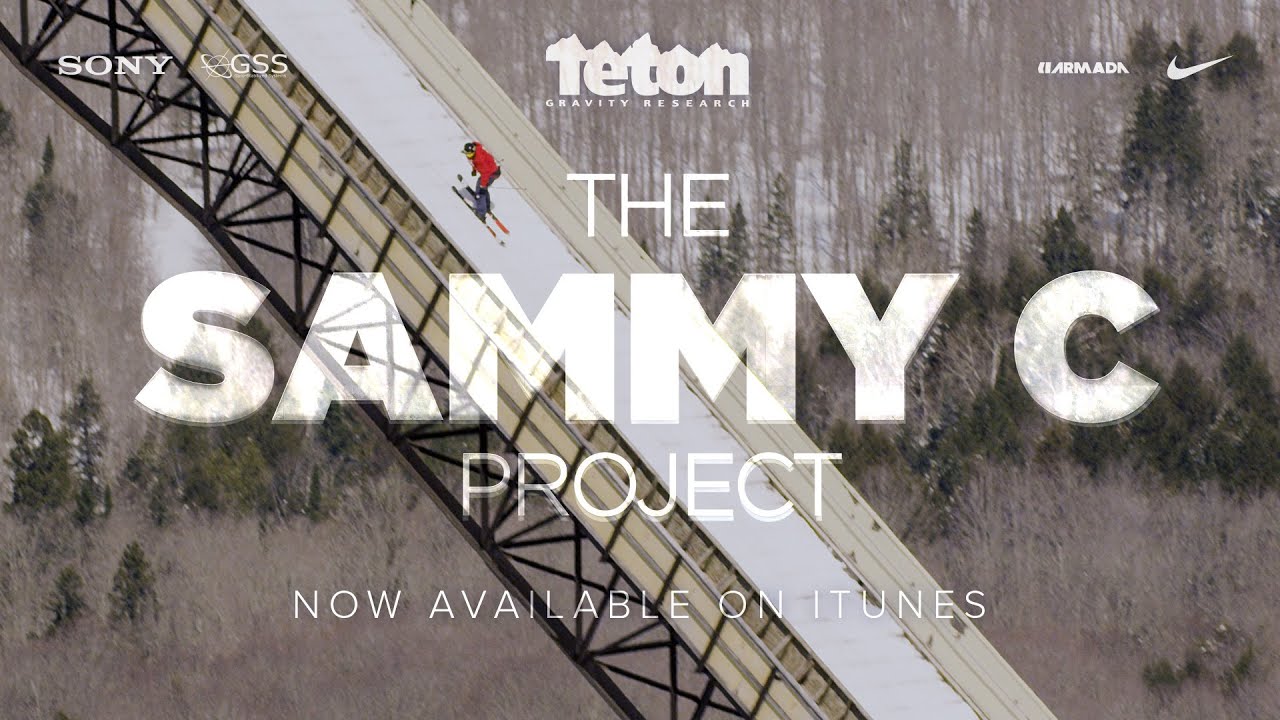
The Sammy C Project became the film that formalized the move. Teton Gravity Research introduced it in 2015 as a feature-length project built around Carlson after roughly a year and a half of filming. The locations were not random: Revelstoke Mountain Resort, Alaska, British Columbia, Mount Hood, and Utah’s Olympic Park.
Those places made the story work. Mount Hood carried the origin. Utah’s Olympic Park linked the contest athlete to training infrastructure. Revelstoke and British Columbia gave him pillows, deep snow, tree lines, and steep backcountry structure. Alaska gave scale, exposure, and consequence.
The film also arrived after Carlson tore his MCL in December 2014. TGR noted that he returned after a month off skis and finished the season strong. That injury context matters because The Sammy C Project was not only a highlight reel. It was a declaration that his main arena had changed.
How Carlson Reads Pillows, Spines, And Windlips
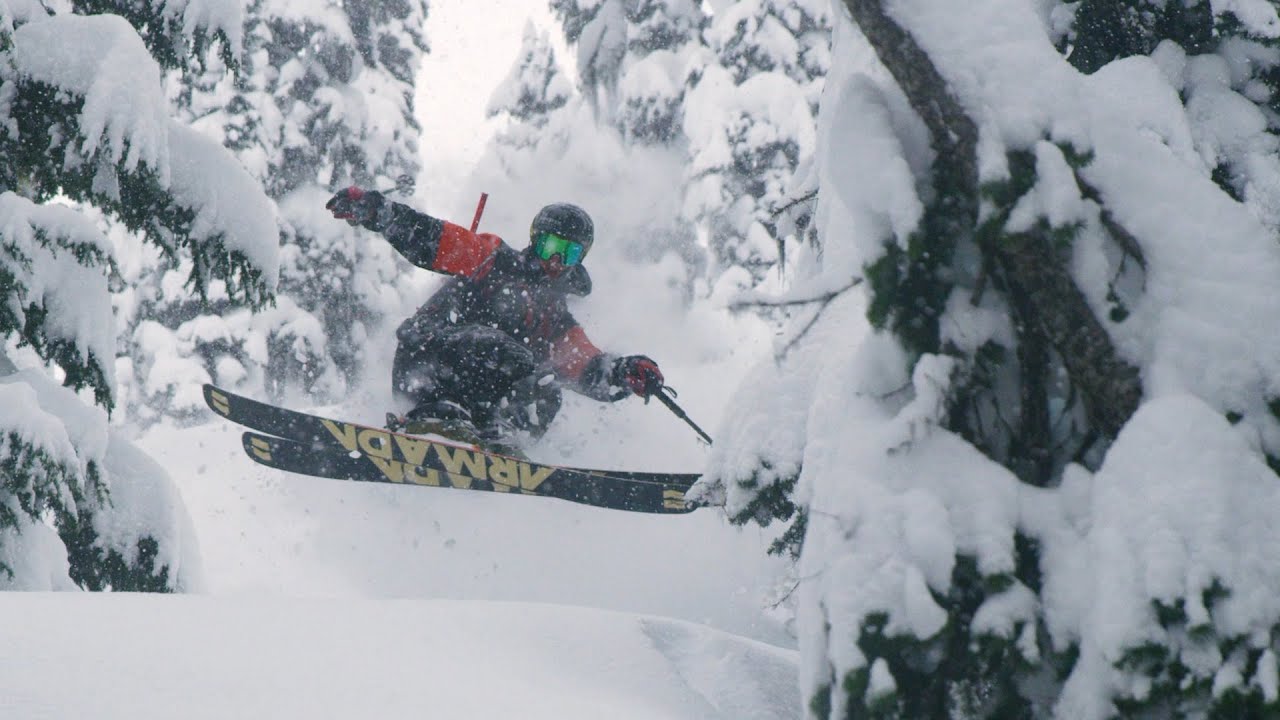
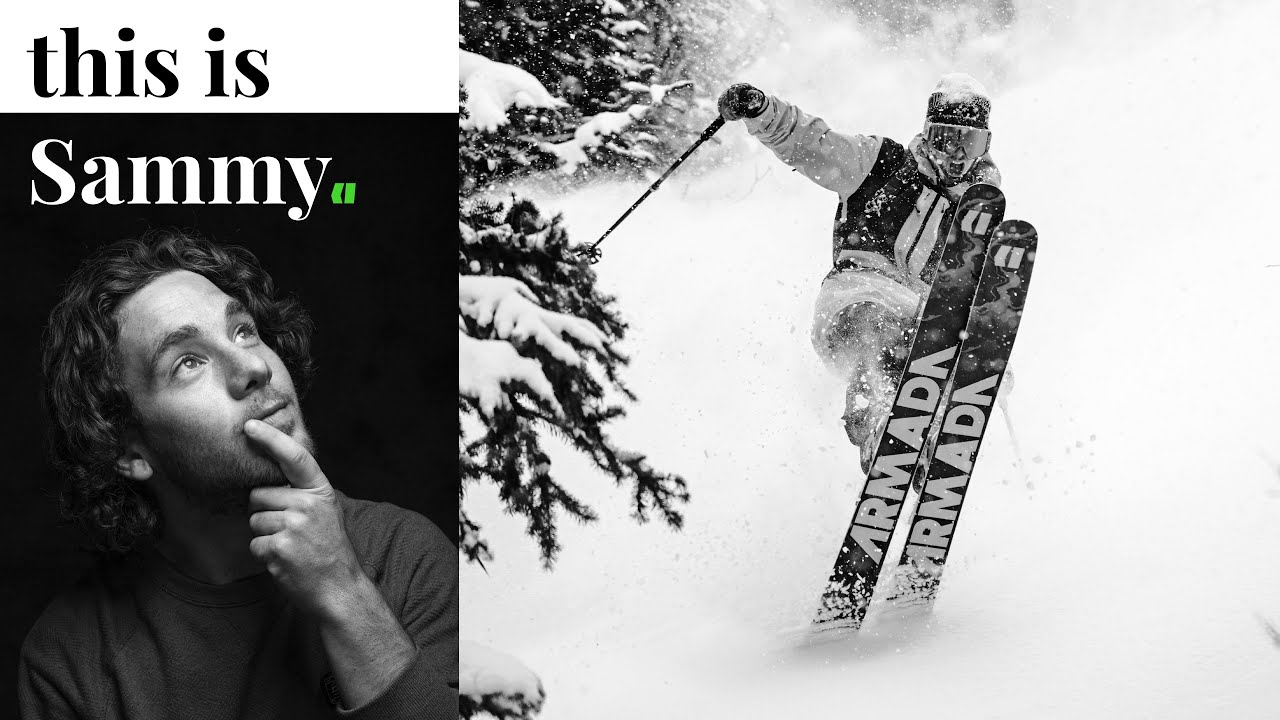
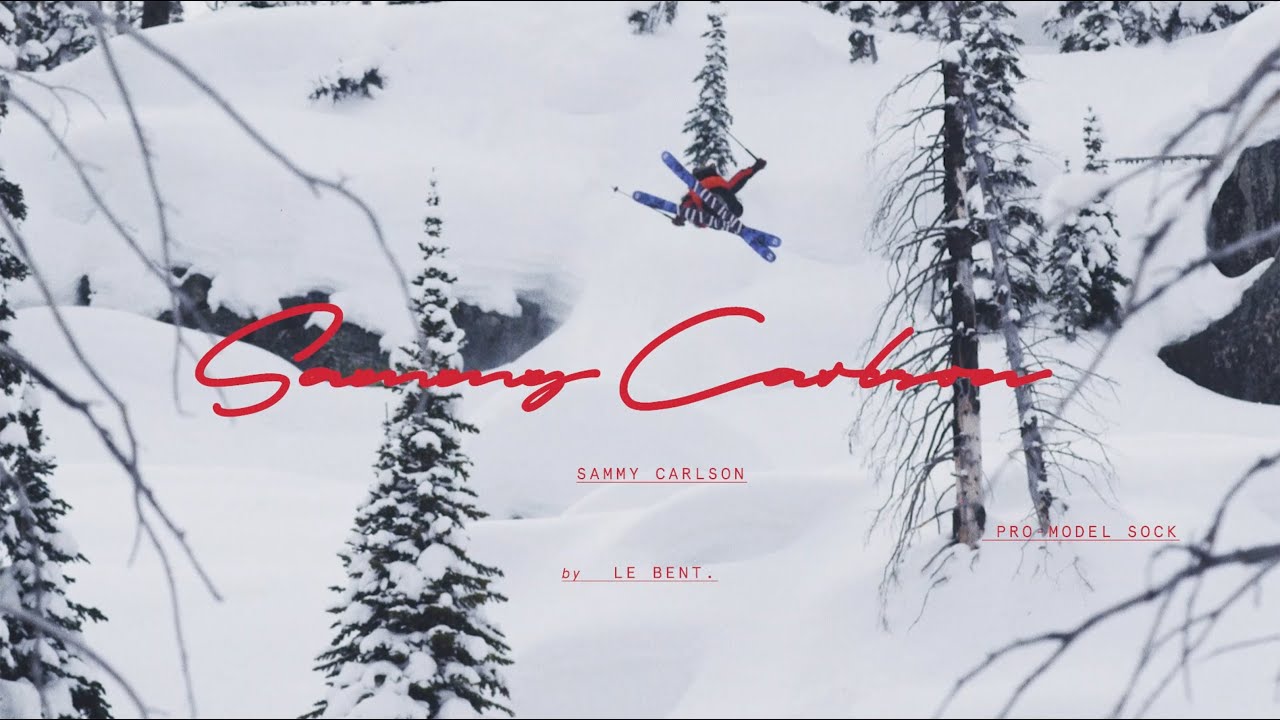
Carlson’s skiing is easy to mislabel as “park style in powder.” The better reading is terrain conversation. He uses switch takeoffs, corked rotations, pillow transfers, double drops, slash turns, late spins, nose pressure, tail pressure, mute grabs, safety grabs, and surf-like direction changes without forcing every feature into a contest template.
Compared with Sean Pettit, Carlson looks more trick-driven. Compared with Sage Cattabriga-Alosa, he carries more park spin memory. Compared with Markus Eder, he is less race-line and more feature-focused. Compared with Colby Stevenson, he lives farther from competitive slopestyle now, but the shared language is clear: use freestyle technique to make natural terrain do more.
The surf influence appears in how he releases turns. Quiksilver’s profile connects his style to surfing, and the comparison fits. Carlson often lets the face draw the line, then adds rotation only when the mountain offers enough pop and landing shape.
Revelstoke, British Columbia, Alaska, And Japan
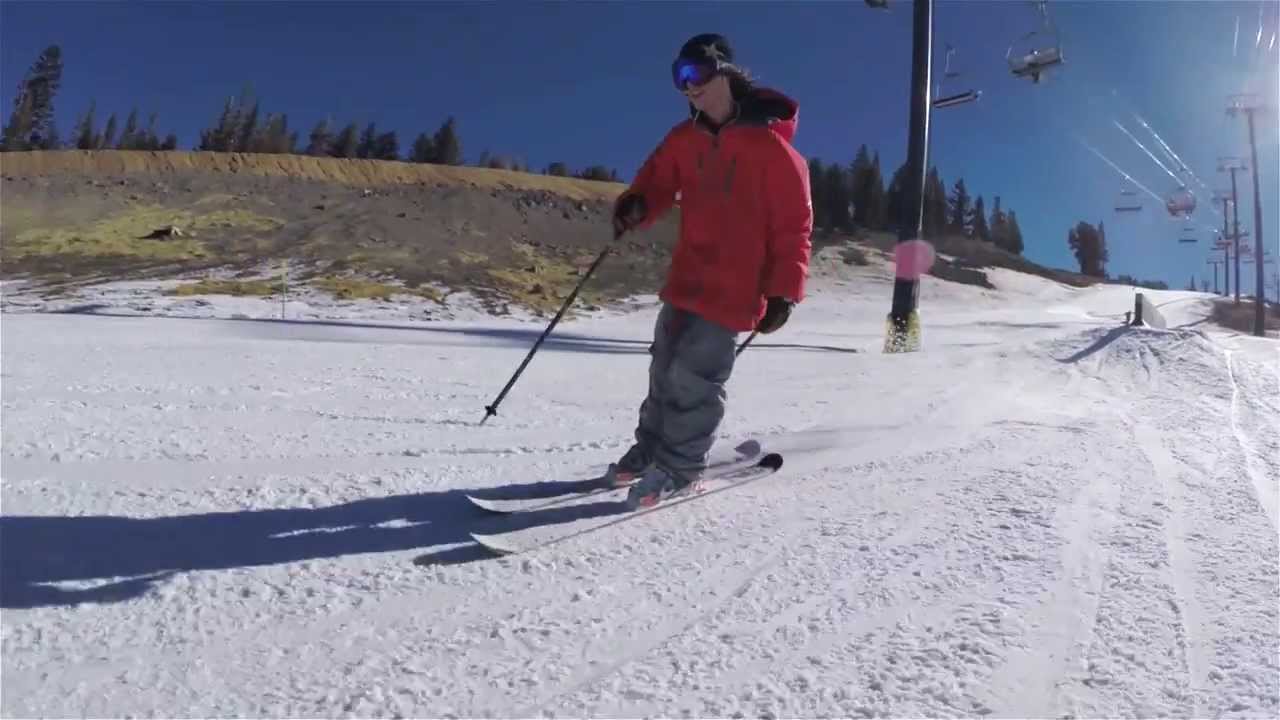
Armada lists Carlson as based out of Revelstoke, British Columbia, and that location explains much of his modern skiing. Revelstoke gives deep interior snow, tree pillows, steep resort exits, sled-access terrain, and enough storm volume to build a backcountry season without leaving home every week.
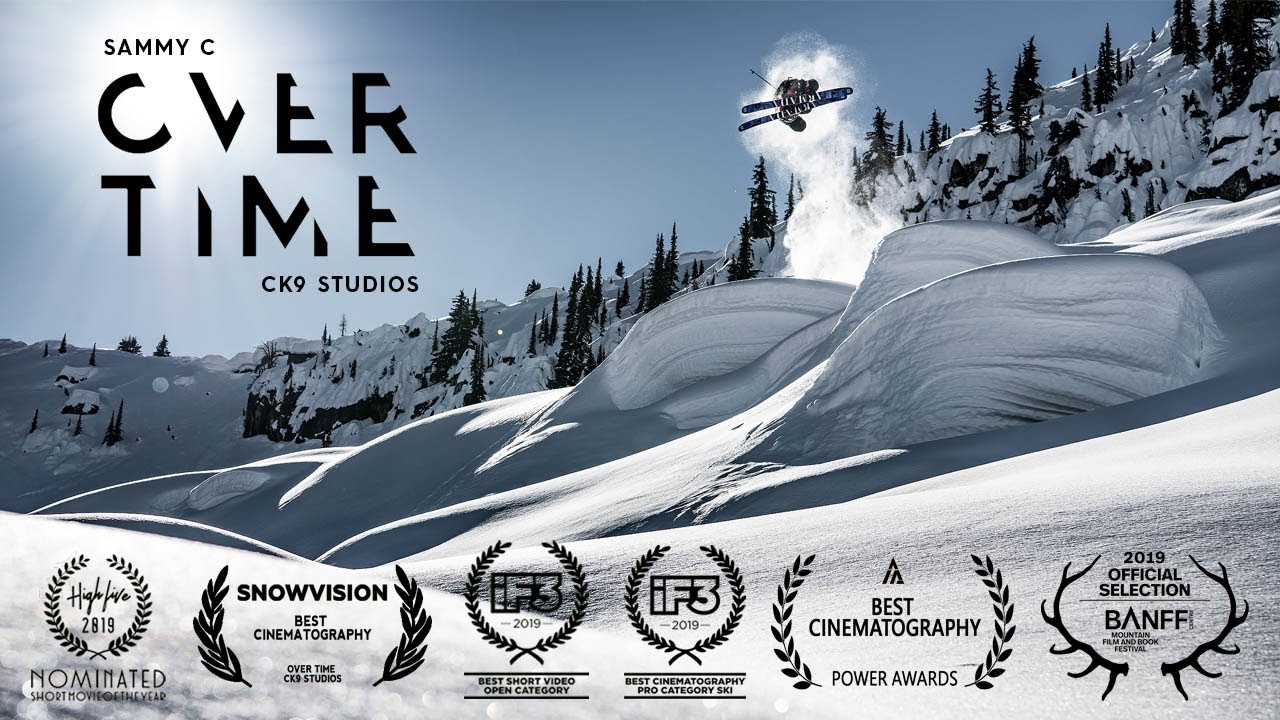
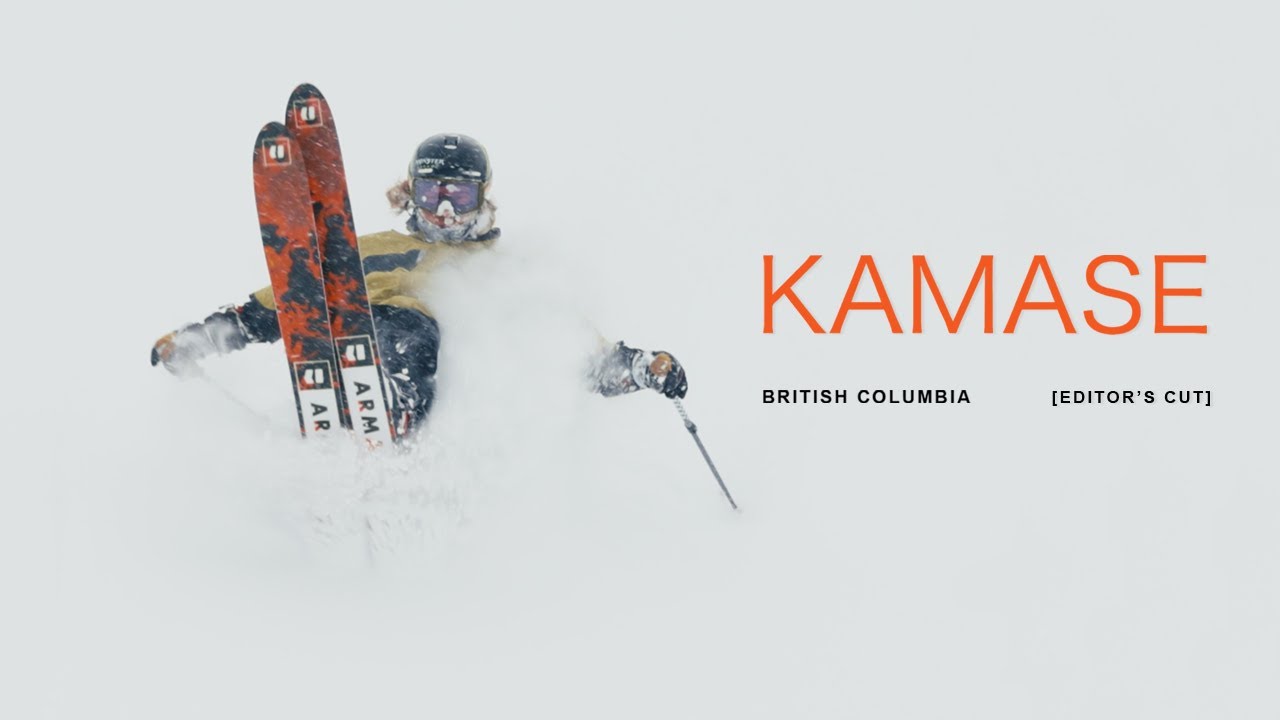
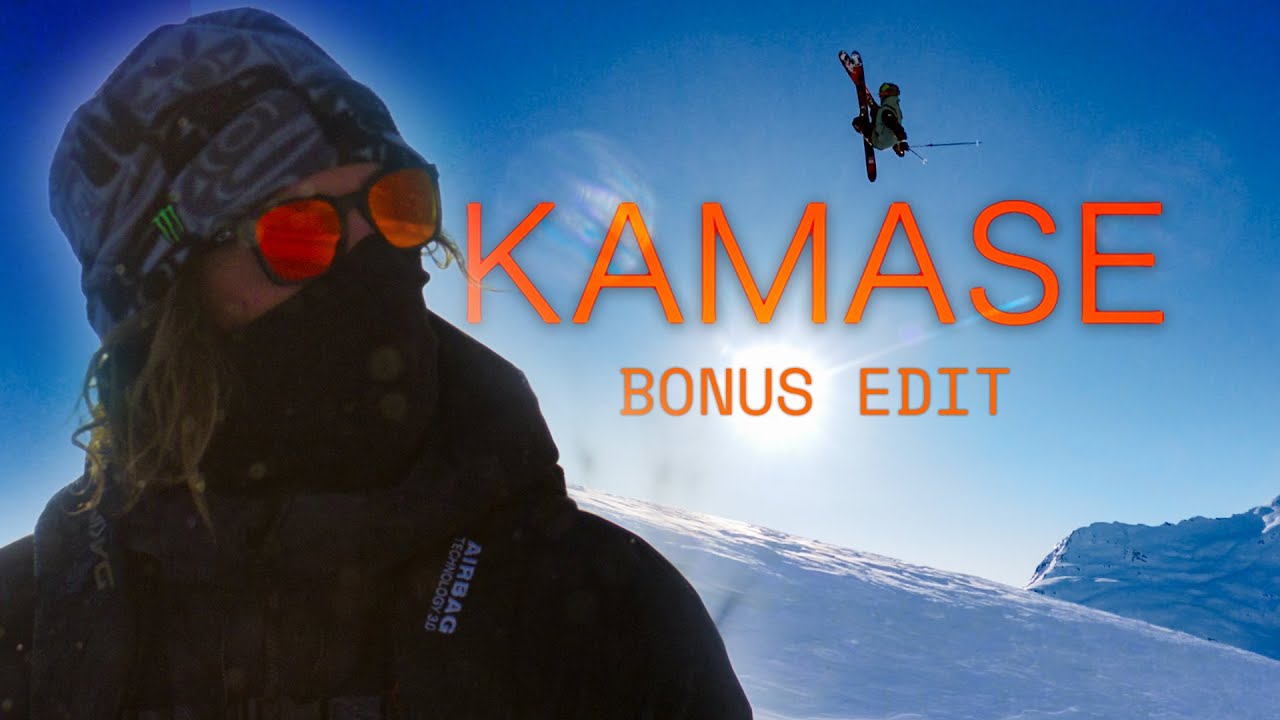
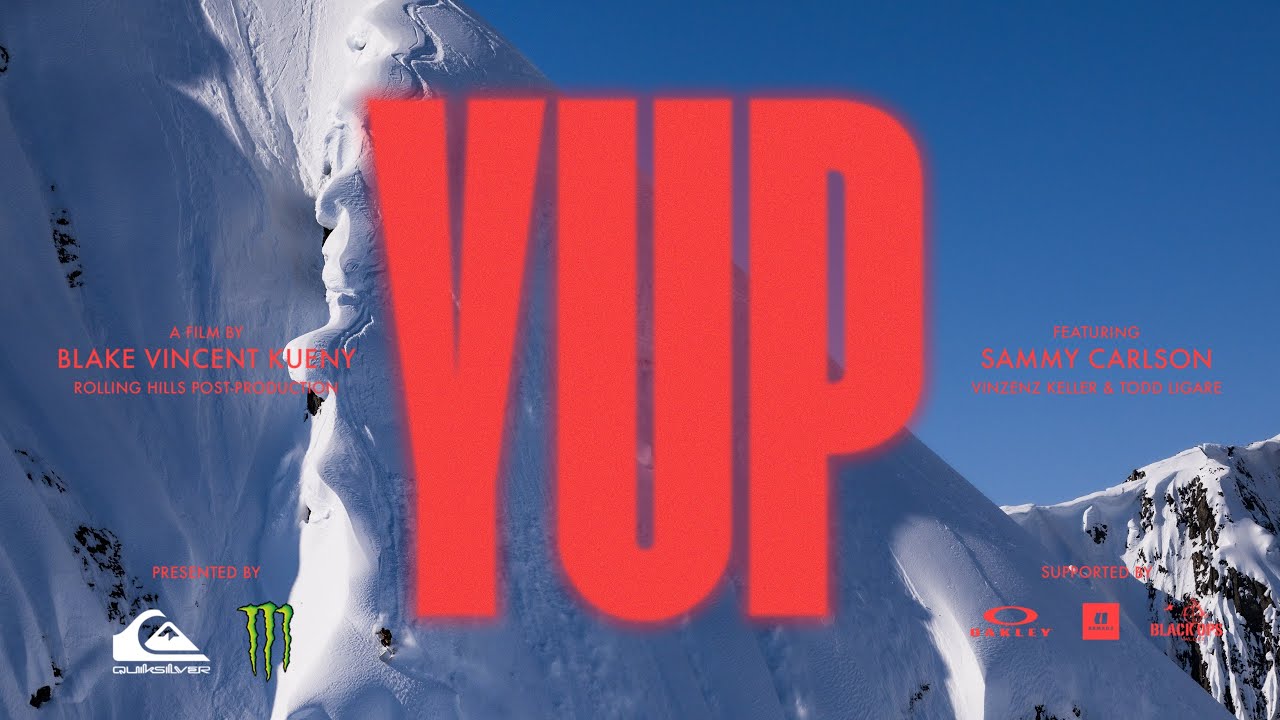
British Columbia appears repeatedly across his filmography. YUP was shot in the backwoods of British Columbia and Alaska, with Vinzenz Keller and Todd Ligare in the crew. KAMASE expanded the map to remote mountains in Japan, British Columbia, and Alaska, with Vinzenz Keller, Todd Ligare, Yu Sasaki, and Yoshiya “Bull” Urata joining the winter.
Each region changes the skiing. Japan offers deep, soft snow and tree rhythm. British Columbia offers pillows, glades, wind lips, and storm resets. Alaska offers faces where slough, spine position, and exposure decide whether a freestyle idea belongs on the slope at all.
KuenyPearson, TGR, And The Small-Crew Rule
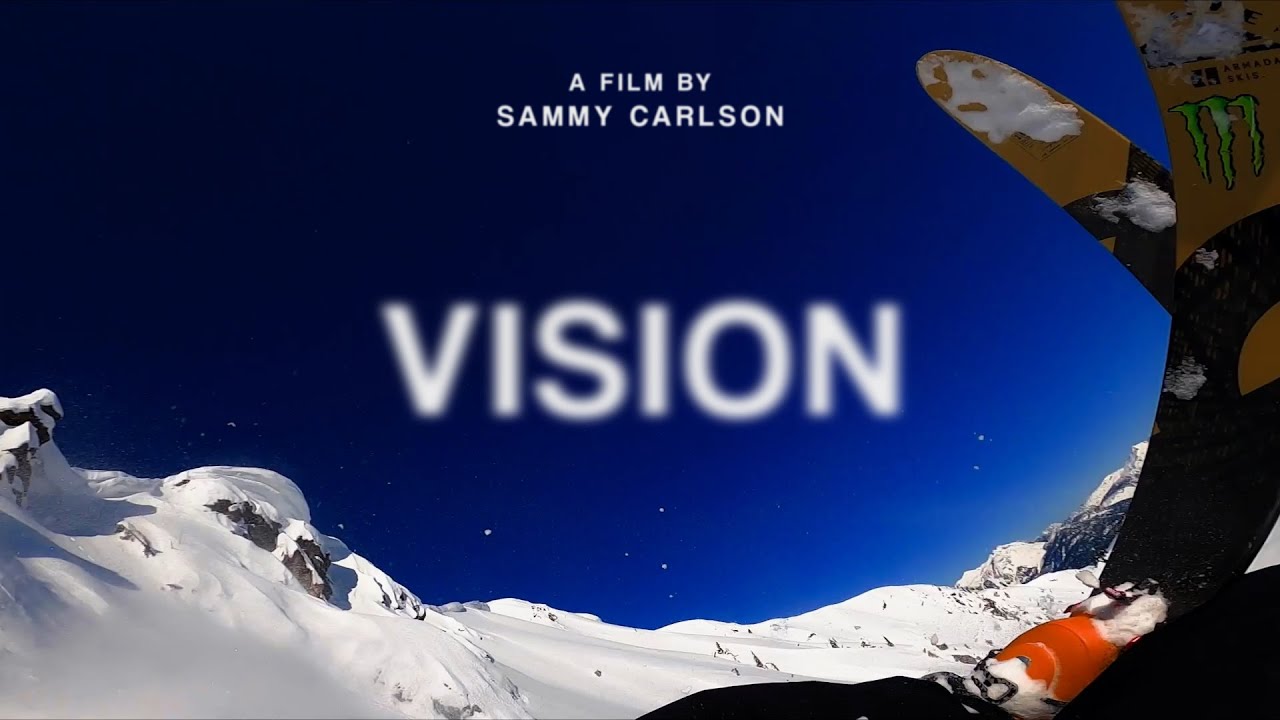
Carlson’s film career has moved through large and small production systems. TGR gave The Sammy C Project the machinery of a feature-length film, including high-end aerial equipment and a full tour launch. That project belonged to the era when a single athlete film could still carry a season’s identity.
The Quiksilver period feels more compact. KAMASE was produced with KuenyPearson, and the press material framed it as the third consecutive year of that partnership. The crew list around Carlson was smaller, the locations were remote, and the films were built around concentrated strikes rather than massive production scale.
Harmony pushed that smaller model further in Valdez. Downdays described a skeleton film crew, heli pilot, drone operator, and guides working toward the same goal. That matters in dangerous terrain. Big-mountain filming is not only about camera quality. It depends on trust, weather reads, guide decisions, and leaving the face before conditions change.
Armada Whitewalkers And Quiksilver Shells
Armada’s athlete page frames Carlson as a skier who moved from park and contest success into bigger peaks, with a powerful, surf-inspired backcountry style. The same profile lists Whitewalker 116 and Whitewalker 121 skis around his current gear picture, which fits the way he skis now.
A 116 or 121 mm ski underfoot gives float, stability, and landing platform in deep snow, while still needing enough response for takeoffs, slashes, and direction changes. Carlson’s current terrain demands a different tool from the park skis of his early X Games period.
Quiksilver’s KAMASE release also tied apparel to region. It referenced a signature Quiksilver jacket in Japan, the High Altitude Gore-Tex Technical Jacket in British Columbia, and the Highline Pro Sammy Carlson 3L Gore-Tex Shell Jacket in Alaska. For Carlson, outerwear is not just branding. It is part of surviving long waits, storm days, heli drops, and exposed faces.
YUP, KAMASE, GROWN, And Harmony
YUP, released in 2022, was presented by Quiksilver and Monster Energy as a thirteen-minute film from the backwoods of British Columbia and Alaska. The edit placed Carlson with Vinzenz Keller and Todd Ligare, using drones, deep snow, and large natural features to push his post-contest direction.
KAMASE followed in 2023 with a wider map: Japan, British Columbia, and Alaska. Quiksilver described the film around “new pillows, bigger lines, deeper pow,” with the crew moving through remote terrain and Carlson testing technical apparel in different mountain conditions.
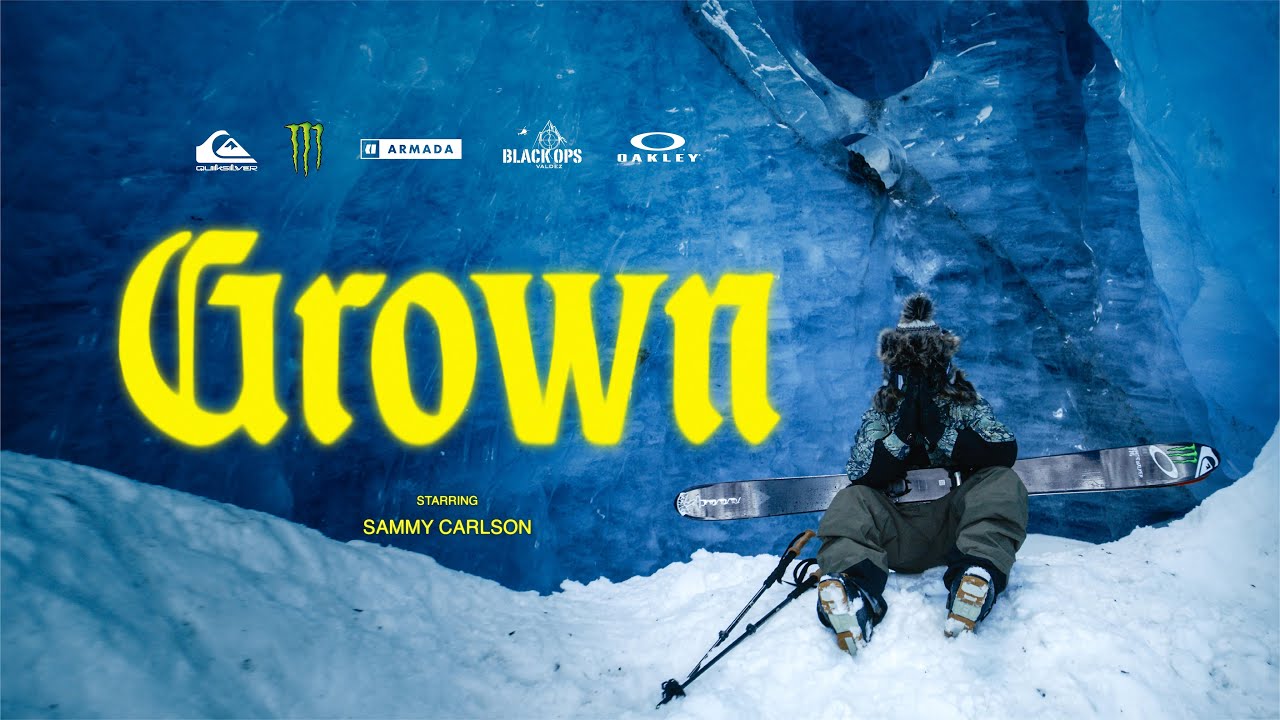
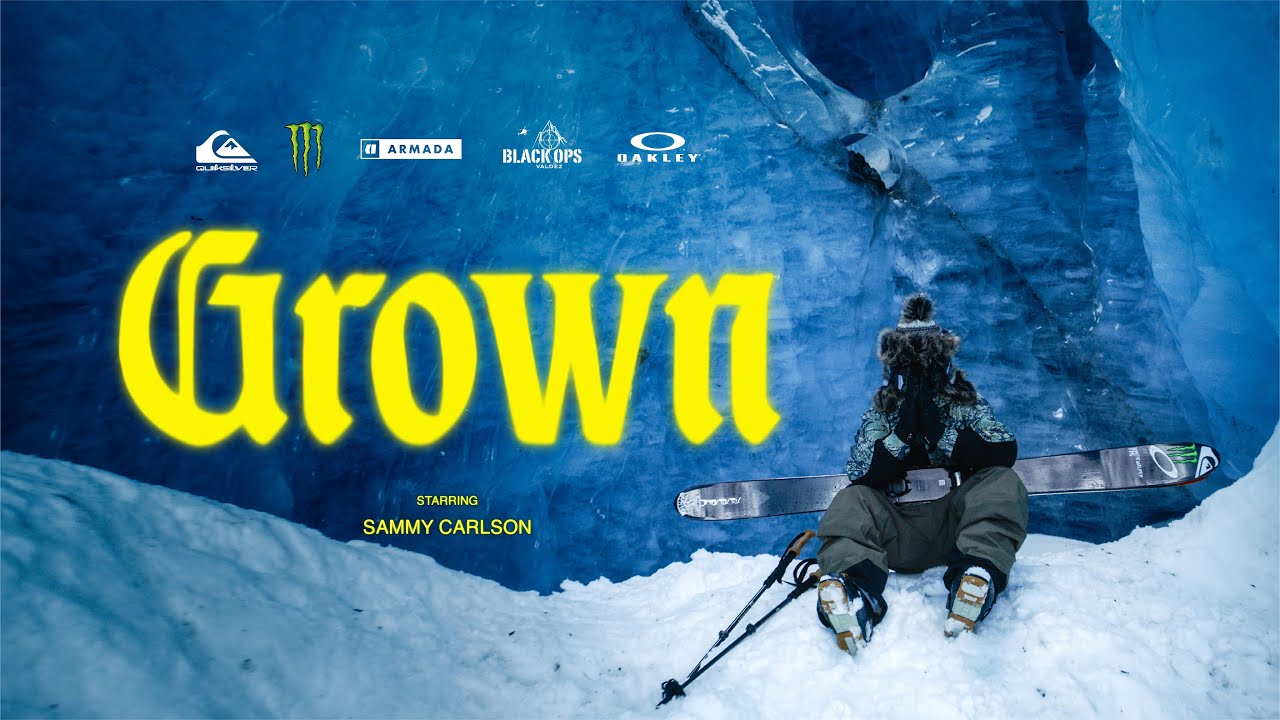
GROWN arrived in 2024 as the next Quiksilver project after YUP and KAMASE, keeping the solo-film rhythm alive. Harmony then landed in 2026, exclusively filmed in Valdez. Together, those films form a modern sequence: BC pillows, Japan snow, Alaska faces, deeper terrain, smaller crews, and a skier moving farther from the contest scaffolding every year.
Ornada And The Armada Family Thread
Carlson’s influence also sits inside Armada’s team identity. X Games Aspen 2026 listed Ornada, a live-scored Armada film presented by Monster, featuring seven X Games gold medalists including Phil Casabon, Tanner Hall, and Sammy Carlson. That grouping is not cosmetic. It places Carlson beside skiers who built different branches of freeski culture.
Tanner Hall represents legacy, competition, and raw style. Phil Casabon represents street, jib language, and creative rail movement. Carlson represents the park skier who carried technical tricks into backcountry faces and stayed there. Armada’s roster has long depended on those contrasts, and Carlson’s role is one of translation: park precision into powder, X Games credibility into film, and freestyle tricks into real terrain.
The current footage should be read through that family thread. Carlson is not isolated as a lone Alaska skier. He is part of a brand culture that values segments, pro models, visual identity, and long athlete arcs.
The Riders Who Inherited The Carlson Map
Carlson helped make a specific career path legitimate. A skier could win X Games slopestyle, leave the Olympic lane, dominate a video-based X Games format, move to Revelstoke, and become more important in film than in rankings. That path now feels familiar, but it was not obvious when slopestyle was entering the Games.
The influence runs through modern backcountry freestyle. Colby Stevenson’s PROOF and PHANTOM, Finn Bilous moving from park toward freeride, Kai Jones naming Carlson as an influence, and younger riders treating pillows as trick features all sit in a world Carlson helped normalize.
His contribution is not only one trick or one film. It is the insistence that freestyle skiing can grow larger by leaving the course, not smaller. The backcountry did not erase the park skier. It gave him more room.
The Footage Path Now
For skipowd.tv, Sammy Carlson should be watched in layers. Start with Winter X Games 2011 for the slopestyle gold, then add the Mount Hood switch triple rodeo 1260 for the technical leap. Move to Real Ski Backcountry 2013, 2014, and 2015 for the video-contest takeover.
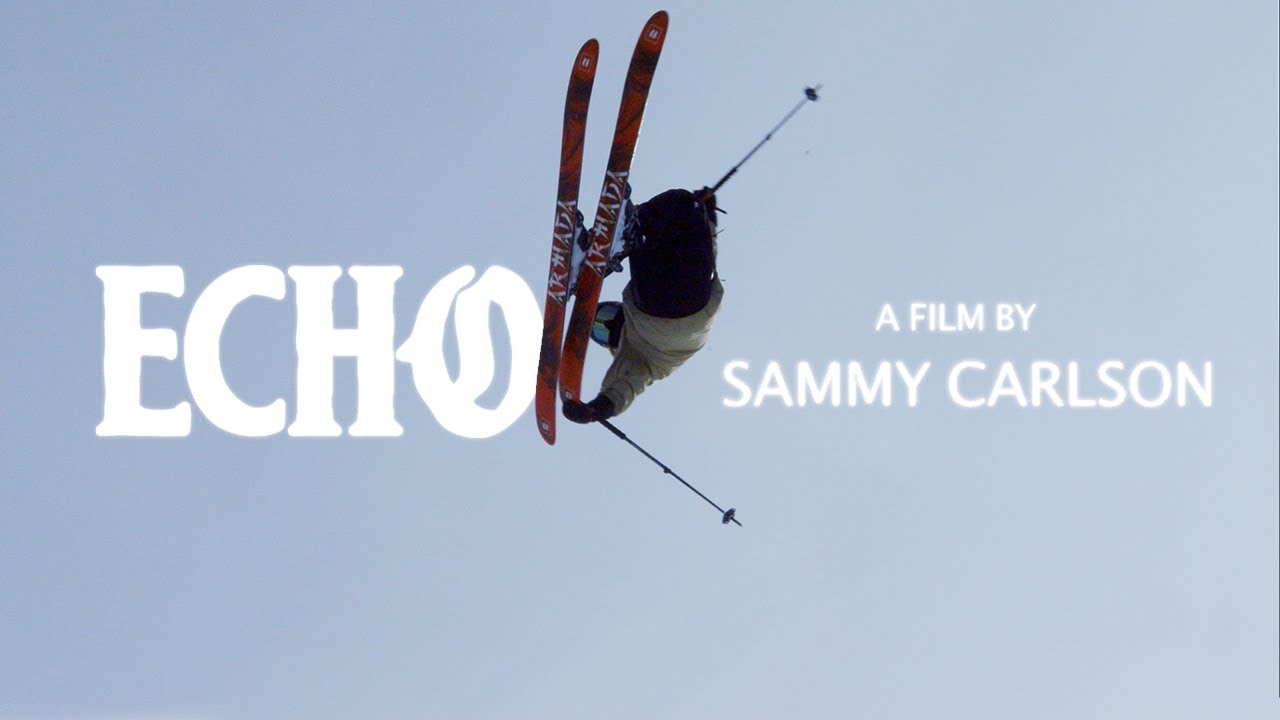
The film path then becomes the main route: The Sammy C Project for the TGR transition, YUP for British Columbia and Alaska, KAMASE for Japan, BC, and Alaska, GROWN for the Quiksilver continuation, Harmony for Valdez, and Ornada for the current Armada team context. Carlson’s FIS record is not active, but his skiing is not archival. The live chapter is film, snowpack, small crews, and faces steep enough to move beneath him.