Colorado
Rocky Mountains - CO
United States
Rocky Mountain ski region in the western United States | Known for: Aspen X Games, Copper Mountain halfpipe, Breckenridge parks, Vail Back Bowls, Telluride steeps, I 70 access, CAIC avalanche forecasting and high altitude winter snow | Season: November to May depending on resort and snowpack | Best for: park riders, pipe athletes, freeriders, film crews, backcountry skiers and destination travelers chasing volume across one state
Continental Snow At 12000 Feet
Colorado’s freeski identity starts with altitude. Breckenridge reaches 12998 feet, Copper Mountain tops out above 12300 feet, Vail rises to 11570 feet, and Telluride’s hike-to terrain reaches the Palmyra Peak zone above 13000 feet. Those numbers explain the feel of the snow. The state usually skis with a continental winter character: colder surfaces, lighter storms than coastal ranges, chalk that can hold after wind, and high alpine bowls that reward timing once patrol work finishes.
The region is not one resort story. It is a network of high-elevation valleys and corridors: Summit County for park volume and I 70 logistics, Aspen for event culture and four-mountain variety, Vail for huge bowl skiing, Steamboat for trees, Winter Park for bumps and terrain parks, Telluride and Crested Butte for steeper southern-mountain character, and Silverton for a more controlled backcountry-style experience. Colorado matters because a skier can build a full season of progression without leaving the state.
Aspen Buttermilk And The X Games Stage
Aspen gives Colorado its most visible global freeski stage. The valley runs on four mountains: Aspen Mountain, Aspen Highlands, Buttermilk and Snowmass. Buttermilk carries the park-and-pipe spotlight because X Games has made it one of the sport’s defining winter venues. The official X Games Aspen 2026 page frames the event as a 25th consecutive year milestone at Aspen Snowmass, with Buttermilk Mountain again positioned as the competition base.
That continuity matters. Aspen is not only a scenic town with a famous name. It is where SuperPipe, Slopestyle, Big Air and Knuckle Huck have shaped public memory of modern freeskiing. Snowmass adds acreage and park volume, Aspen Highlands adds Highland Bowl and hike-to steep skiing, and Ajax drops directly into town with no beginner terrain. For a skier, Aspen works because it compresses elite competition, serious freeride, polished logistics and long-standing ski culture into one valley.
Copper Main Vein And The Early Season Pipe
Copper Mountain is Colorado’s athlete-training center. Its layout naturally separates ability levels across the mountain, with easier terrain toward the west, central intermediate zones and more advanced terrain toward the east and backside. That structure makes it unusually efficient for mixed crews. Park skiers can stay focused, freeriders can move toward bowls and steeps, and beginners are less likely to end up in the wrong traffic stream.
The strongest freeski reason is Woodward Copper. The Woodward ecosystem connects indoor training, on-snow parks and a competition-grade halfpipe. The Copper Mountain profile on skipowd.tv already frames the resort as an athlete’s mountain, and that label fits. U.S. Ski and Snowboard events, Grand Prix windows, World Cup pipe weeks and development circuits have made Copper a recurring stop for athletes who need repetition before the season moves elsewhere. For a Colorado regional page, Copper is essential because it explains how the state turns altitude and infrastructure into progression.
Breckenridge Peaks And The Tenmile Park Tradition
Breckenridge sits in the Tenmile Range with five connected peaks, 2908 skiable acres, 187 trails and the Imperial SuperChair reaching 12840 feet. The mountain’s freestyle reputation comes from long-running terrain parks, superpipe history and years of high-level events that shaped modern slopestyle course expectations. Breck remains one of the most useful places in Colorado for skiers who want park mileage without giving up high alpine terrain.
The terrain works in layers. Lower and mid-mountain zones give groomers, trees and park laps when visibility is flat. Peaks 6, 7 and 8 open the alpine side when wind, patrol work and light allow. That balance is why Breckenridge has stayed relevant through multiple eras of freeskiing. A rider can lap rails and jumps in the morning, hike or traverse toward upper bowls after lunch, then finish with town access and Summit County bus flow. It is not the steepest place in Colorado, but it is one of the most complete for repeatable progression.
Vail Back Bowls And Blue Sky Basin
Vail brings scale. The resort lists 5317 acres, 32 lifts, 278 trails, a highest elevation of 11570 feet and an average snowfall of 354 inches. Its signature terrain is the Back Bowls, where Sun Up, Sun Down, Tea Cup, China, Siberia, Inner Mongolia and Outer Mongolia spread across wide open faces, gullies and islands of trees. Blue Sky Basin adds a more remote-feeling pod with glades, rollers and natural features that ski well after storms.
For freeskiers, Vail’s value is not a single contest venue. It is the size of the canvas. Mixed crews can film high-speed powder turns, tree sections, long groomer transitions, small natural airs and spring corn laps without repeating the same visual zone all day. The challenge is movement. Vail rewards skiers who study the map, leave early, track wind direction and avoid getting trapped far from the correct exit late in the day. Its scale gives freedom, but it also punishes lazy planning.
Steamboat Trees And The Northern Colorado Texture
Steamboat adds a different Colorado sound. Instead of Summit County’s high-alpine park-and-pipe identity, Steamboat is known for trees, cold snow, rolling terrain and a town culture tied to ranching, winter sport and long resort history. The skiing is more about rhythm than exposure: aspen glades, powder pockets, storm visibility and softer terrain shapes that let riders build speed without always needing a cliff or a major ridge.
That makes Steamboat useful inside a Colorado itinerary. When high alpine zones around I 70 are wind affected, Steamboat can preserve sheltered surfaces in trees. When a crew wants a less park-dominant trip, it gives a freeride and resort-powder alternative. It also broadens the state’s video language. Colorado is not only pipes, X Games lights and Back Bowls. It is also tree skiing, storm-day patience and lower-angle creativity when soft snow makes small features feel playful.
Telluride Crested Butte And The Southern Steep Line
The southern and southwestern Colorado mountains bring a sharper edge. Telluride’s Palmyra Peak zone, Black Iron Bowl and Gold Hill terrain give the state some of its strongest in-bounds steep-skiing character. Crested Butte adds technical terrain, tight lines, rocky entrances, steep bowls and a long reputation for expert skiing. These mountains do not run like park-first progression hubs. They reward strong legs, edge control and patience with snow coverage.
Storm timing is different in this part of Colorado. San Juan and southern-track systems can turn Telluride or Silverton into the correct call while central mountains miss the deepest reset. Crested Butte can be thin early, then become highly technical when coverage fills in. The skier who treats Colorado as one weather pattern will miss the point. The state’s range is large enough that a storm can make one region excellent while another stays dry, windy or firm.
Silverton And The Controlled Backcountry Mindset
Silverton Mountain deserves mention because it changes the definition of a Colorado ski day. The operation is built around steep, ungroomed, backcountry-style terrain with a single chairlift and guided or limited unguided access depending on the season. Silverton’s own materials describe lift-accessed backcountry-type terrain without groomed runs. That makes it a very different experience from Vail, Breck or Aspen.
For freeskiers, Silverton is a reminder that Colorado has real consequence behind the resort image. The terrain demands avalanche awareness, partner discipline, strong legs and acceptance that conditions decide the day. It can be a powerful filming location, but it should not be treated like an ordinary powder resort. The best Silverton lines come from patience, guide communication and conservative decisions, not from forcing a shot because the camera is ready.
Denver Level 1 And The Film Culture Layer
Colorado’s freeski culture is also urban and production-based. Level 1 was conceived in Denver in 1999 by Josh Berman and became one of the most important studios in freestyle skiing, with SuperUnknown and annual films helping define park, street and backcountry progression for a generation. That matters for a location page because Colorado is not only where skiing happens. It is where ski media, riders, brands and film communities have organized themselves.
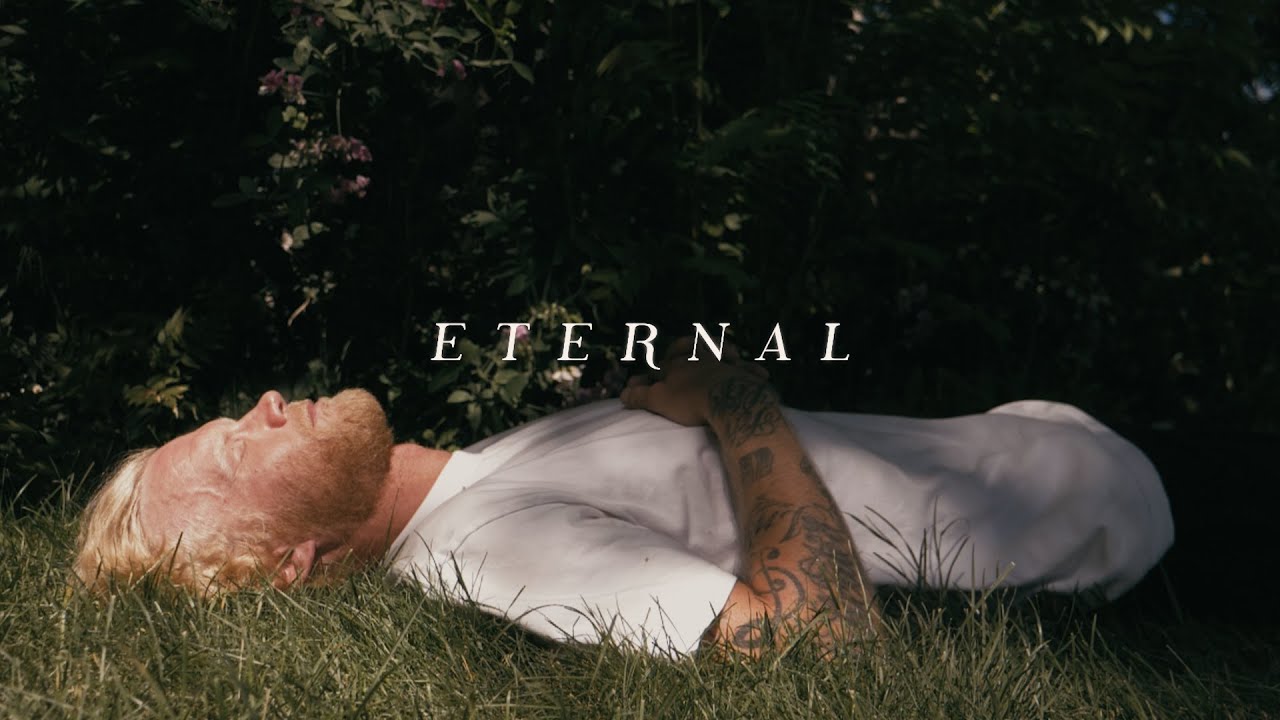
Tanner Hall also appears directly in the existing skipowd.tv Colorado archive through “Eternal - A Tanner Hall Short Film 2020,” linked with backcountry and street categories. His presence gives the state a useful editorial bridge: contest-era freestyle, Armada film culture, street influence and backcountry skiing all touch Colorado in different ways. The region is strong because it can hold those categories together without needing one discipline to dominate the page.
CAIC Forecasts And Colorado Snowpack Discipline
Colorado’s backcountry reputation comes with one of the most important avalanche-education systems in North America. The Colorado Avalanche Information Center publishes forecasts for mountain zones across the state and gives skiers a daily framework for decision-making. That framework is essential because Colorado’s continental snowpack can develop persistent weak layers, especially after cold dry periods followed by loading.
Any skier leaving controlled terrain should carry beacon, shovel, probe, rescue knowledge and a partner group that can make conservative decisions. Inside resorts, closures still matter. Rope lines, staged openings and patrol control work are part of the skiing, not interruptions to it. In parks, etiquette is equally important: call drops, clear landings, keep filming crews out of blind zones and respect rebuilds. Colorado’s terrain is busy because it is good. The culture only works when strong skiers behave predictably.
I 70 Logistics And The Reality Of Storm Travel
Access is one of Colorado’s biggest strengths and biggest frustrations. Denver International Airport feeds the I 70 corridor, where Loveland, Arapahoe Basin, Keystone, Breckenridge, Copper, Vail and Beaver Creek line up in a dense travel chain. That makes short trips efficient, but it also creates storm traffic, traction-law pressure, pass closures and weekend bottlenecks. A perfect forecast can become a poor day if the road plan is careless.
The smartest strategy is to choose a base by purpose. Summit County works for park-first trips between Copper and Breckenridge. Aspen works as a self-contained four-mountain valley. Vail works for terrain scale and Epic Pass mileage. Steamboat works for trees and a northern Colorado rhythm. Telluride works for a more remote steep-skiing trip. Colorado is not hard to reach, but it is easy to underestimate once weather starts moving over the passes.
January Chalk March Parks And May High Alpine
The main Colorado powder window runs from January through February, when cold storms and high elevation preserve snow quality. March is often the all-around month: deeper base, longer light, more complete park builds and frequent resets. April shifts toward spring skiing, corn timing, closing-week events and upper-mountain chalk after cold nights. In strong years, Arapahoe Basin and other high-elevation areas can extend the season into May or beyond.
Park-focused riders often like late February through March because features are mature and daylight is friendlier for filming. Freeriders should watch storm tracks and CAIC forecasts rather than trusting a fixed calendar. A good Colorado plan keeps at least one flexible day. It might become a Copper pipe session, a Breck alpine opening, a Vail Back Bowls storm chase, an Aspen X Games watch day or a no-go backcountry day because the snowpack is speaking clearly.
The Colorado Reason For Freeskiers
Colorado deserves a 5/5 regional profile because it contains nearly every modern freeski pathway. Aspen gives the sport a global event stage. Copper and Woodward give athletes a training machine. Breckenridge gives park history and high-alpine access. Vail gives scale. Steamboat gives trees. Telluride and Crested Butte give steep terrain. Silverton gives a controlled backcountry-style challenge. Denver and Level 1 give the region a production and film spine.
For skipowd.tv, Colorado should be framed as a complete Rocky Mountain ecosystem, not a list of famous resorts. Its strongest quality is range: park, pipe, backcountry, street, freeride, racing heritage, avalanche education, film culture and high-altitude snow all sit inside one state. The result is a place where a skier can train, film, compete, travel, learn mountain discipline and build a full season of footage without changing regions.