Riksgränsen
Scandinavia
Sweden
Arctic Sweden ski resort on the Norwegian border | Known for: midnight sun skiing, Nordalsfjäll freeride faces, Scandinavian Big Mountain Championships, natural snow and late spring sessions | Season: February to Midsummer depending on snow | Best for: freeriders, spring film crews, off-piste skiers and late-season Arctic missions
Border Snow Above The Arctic Circle
Riksgränsen sits in far northern Sweden, close to the Norwegian border and more than 200 kilometers north of the Arctic Circle. The village grew from the Iron Ore Railway, which began transporting ore in 1902 and was officially opened in 1903, before Friluftsfrämjandet established the Lapplandia tourist station in 1928. That rail origin still shapes the resort today: skiers can step off the train in a compact border settlement and walk toward open fell terrain instead of navigating a large Alpine town.
The mountain has a scale that reads larger than its lift map. Visit Narvik lists 31 runs and six lifts, while the official history notes that Riksgränsen now operates six lifts after the first lift opened in 1952 and the upper section followed in 1968. The freeski value comes from the exposed terrain around the pistes: wind-loaded bowls, natural gullies, cliff bands, open faces and hike-accessed lines above a village built around snow, weather and late daylight.
Nordalsfjäll And The 300 Meter Competition Face
Nordalsfjäll is the name that gives Riksgränsen its competition edge. The resort’s official SBMC page describes the competition arena as the northern part of Nordalsmountain, reached by a roughly 20-minute hike from the ski area summit. Four possible runs can be used depending on snow and weather, with terrain ranging from manageable freeride pitches to very steep descents. The vertical drop is about 300 meters, and the Freeride World Tour event page lists the venue with a maximum angle of 50 degrees.
That setup explains why Riksgränsen has a freeride reputation that outgrows its marked vertical. The lift system gets riders into position, but the most memorable skiing often starts after a traverse, a short bootpack or a wait for patrol and visibility. Uffes vägg and Rimfors appear in the resort’s own terrain language, and the broader off-piste network rewards skiers who understand aspect, wind loading and speed control. The terrain is not huge by Chamonix or Verbier standards, but it is direct, exposed and unusually efficient when light and snow align.
February Storms To Midsummer Slush
Riksgränsen runs on an inverted calendar compared with most European resorts. As daylight returns to the high north, the main season traditionally starts in February, then stretches through spring into early summer. The official 2026 program keeps the resort open on selected weekends from May 29 to June 21, with lower and upper chairlift operations listed for late spring and Midsummer skiing subject to snow and weather. That gives the place a rare identity: winter does not end with March contests, it gradually turns into bright-night freeride.
The snowpack is shaped by Arctic exposure and weather arriving from the Norwegian side. Visit Narvik describes the off-piste terrain as gullies, cliff bands, bowls and wide-open lines, with February to April bringing deep winter conditions and May to June shifting toward sunny laps, soft snow and midnight sun sessions. For freeskiers, the sweet spot is often April into early May: enough cold for speed and edge hold, enough light for long days, and enough spring texture for landings to soften without turning the hill into a full slush field.
Natural Features Instead Of A Park Identity
Riksgränsen is not a permanent terrain-park resort in the same way as Kläppen Snowpark. Its freestyle value comes from terrain rather than a dense grid of rails and machine-built jumps. Wind lips, rollovers, side hits, cornice entries and natural transitions define the daily creative menu. The mountain suits riders who can read speed from snow texture, not only from a shaped in-run.
That does not make the place less relevant to freestyle. Spring light, soft landings and open runouts create strong filming conditions, especially around late-season sessions when the sun sits low for hours. The resort’s own rental and guiding pages even frame avalanche equipment and summit courses as part of the mountain experience, which says a lot about the local use case. This is a freeride-first zone where a skier might film a natural takeoff in the evening, scout a Nordalsfjäll line the next day, then wait for a midnight-sun opening to shoot again.
Scandinavian Big Mountain Championships Since 1992
The Scandinavian Big Mountain Championships gives Riksgränsen its strongest event identity. The official competition site describes the SBMC as arranged annually since 1992, while the Freeride World Tour page calls the 2026 edition the 35th edition of the world’s oldest still-running freeride competition. The Riksgränsen event page also notes that the competition has carried Freeride World Qualifier status since 2020. Its 2026 dates are May 3 to 7, placing it at the end of the European freeride season rather than in the middle of winter.
The event format is part of the appeal. Qualifying runs open the week, then selected athletes move into final runs depending on weather and snow. Judges score line selection, control, air, technique and aggression, and the competition includes alpine ski, snowboard and telemark classes when entries allow. This open structure matters culturally: Riksgränsen does not feel like a closed stadium contest. It is a border-village gathering where local riders, Scandinavian freeriders, traveling pros and late-season crews share the same lifts, faces and night light.
Rail Access From Kiruna And Narvik
Access is one of the reasons Riksgränsen works as a compact freeski mission. The official travel page lists the Stockholm to Riksgränsen train journey at about 18 hours, with the station only a few hundred meters from Hotel Riksgränsen. The same page gives Kiruna to Riksgränsen by train at about 1 hour 30 minutes and Riksgränsen to Narvik at about 1 hour, while the Freeride World Tour event page places Kiruna roughly 130 kilometers away and Narvik about 45 kilometers away.
That geography gives skiers two natural approaches. From Sweden, Kiruna is the main air gateway, followed by train, bus or transfer toward the E10 corridor. From Norway, Evenes and Narvik connect the resort to fjord-side travel and the Arctic Train route. Once in the village, the rhythm is simple: check mountain status, follow wind and visibility, then choose whether the day belongs to groomed warm-ups, lower off-piste pockets, Nordalsfjäll scouting or a guided objective. The compact layout makes short weather windows valuable because less time is lost moving between base, lifts and lodging.
Swedish Freeski Memory In The Far North
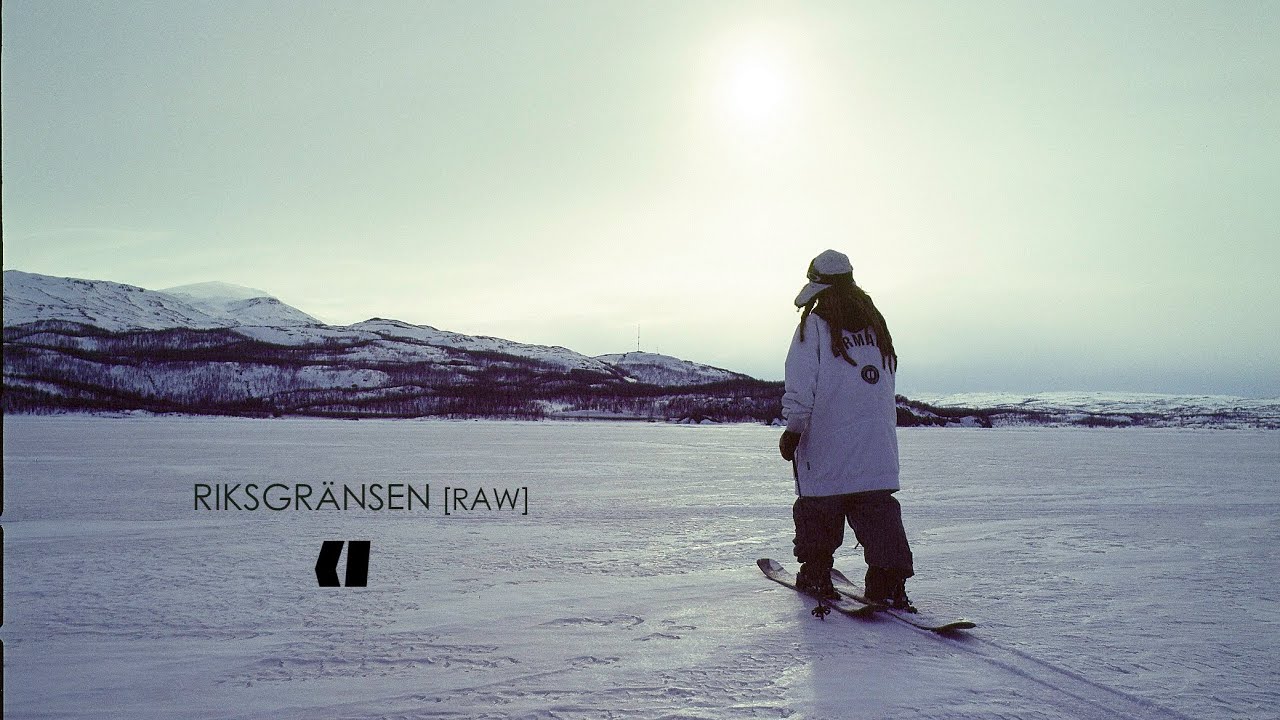
Riksgränsen also belongs to a Swedish freeski map that extends beyond competition. Skipowd’s video archive already connects the location with riders such as Henrik Harlaut, Jacob Wester, Kim Boberg and Philip Casabon - B-Dog through Riksgränsen-focused clips and crew projects. That matters because the resort is not only a race venue. It is also a visual setting: treeless Arctic slopes, spring snow, long shadows and a border-town atmosphere that makes even simple turns feel spatially different.
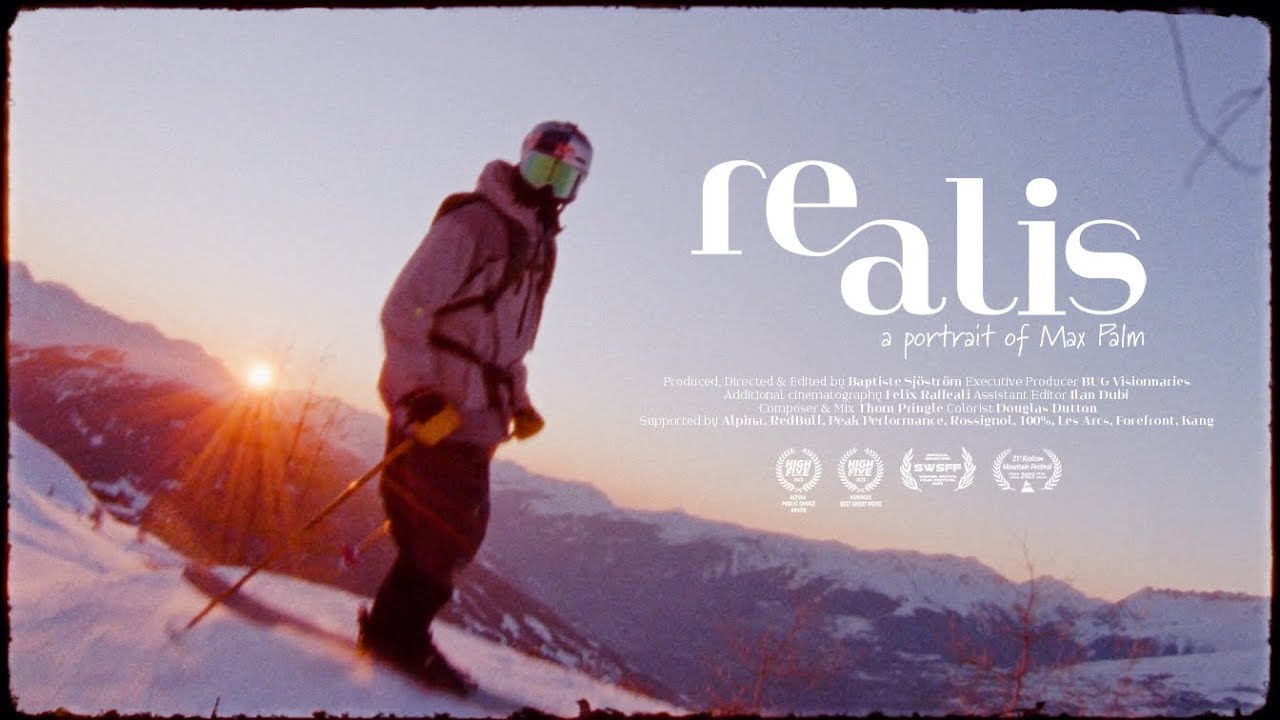
The freeride side of that archive points toward Max Palm, whose Swedish freeride identity fits naturally with Riksgränsen’s spring terrain. The freestyle side points toward brands such as Armada, whose video culture has repeatedly used remote, texture-heavy locations to separate style from standard park laps. Riksgränsen can support both languages because the mountain is not overbuilt. It leaves room for a skier’s line choice, speed check, takeoff choice and landing management to become the content.
Safety Culture On A Weather Driven Mountain
Riksgränsen’s off-piste access should be treated with the same seriousness as any lift-assisted freeride terrain. The official mountain-status page tracks weather, snow depth, fresh snow, off-piste information, pistes, lifts and avalanche information, while the slopes page separates marked terrain from off-piste areas. Winds can move snow quickly over the exposed ridges, and late spring does not remove avalanche risk; it changes the timing toward wet snow, corn cycles and surface instability when temperatures rise.
Standard freeride equipment belongs in the kit beyond groomed corridors: transceiver, shovel, probe, helmet and a partner who knows rescue procedure. The SBMC rules make that culture explicit by requiring avalanche and protective equipment during course check and competition. For visiting skiers, the practical etiquette is clear. Respect closures, do not rush onto freshly wind-loaded convexities, call drops where groups are stacked, and clear landings fast during spring sessions. The mountain is compact enough that poor decisions become visible quickly.
The Late Season Pull For Freeskiers
Riksgränsen belongs in a late-season freeski plan because it offers a combination that is hard to copy: rail access, Arctic light, natural snow, real off-piste terrain and a freeride competition lineage that dates back to 1992. It is not a polished mega-resort, and that is part of the point. The ski area stays close to the weather, the village stays close to the railway, and the best days depend on reading the mountain rather than following a fixed itinerary.
For powder skiers, the target window is late March through April. For freeride culture, SBMC week in early May brings the strongest energy. For filming and memory, the Midsummer window is the signature: chairs spinning under a sun that barely drops, soft snow on the upper mountain, and a border village still holding winter after most European resorts have packed their lifts away.