Henrik Harlaut
Åre / Andorra | Active: FIS status active | Discipline: freeski big air, slopestyle, knuckle huck, street filming | Verified: 2022 Olympic big air bronze, 14 X Games medals, 8 X Games golds, 2019 Worlds big air silver | Current: Armada, Monster Energy, Harlaut Apparel, 2026 Olympic team return affected by injury
Aspen When The Nose Butter Went Vertical
Buttermilk was black around the edges, the Big Air jump cut white under the floodlights. Henrik Harlaut pressed his ski tips into the takeoff, paused on the nose, then released into a triple cork 1620 that looked late until it landed clean.
X Games Aspen 2013 turned that trick into freeski language. Harlaut won Big Air gold with the first nose butter triple cork 1620 in competition, a move that began before the jump and forced judges to read balance, timing, axis, grab, and landing as one object. The night did not only add another spin to big air. It changed where difficulty could begin. The lip itself became part of the trick, and a skier with dreadlocks, baggy outerwear, Armada skis, and Wu-Tang energy became the face of style inside an event that was drifting toward rotation mathematics.
The Fourteen-Medal X Games Spine
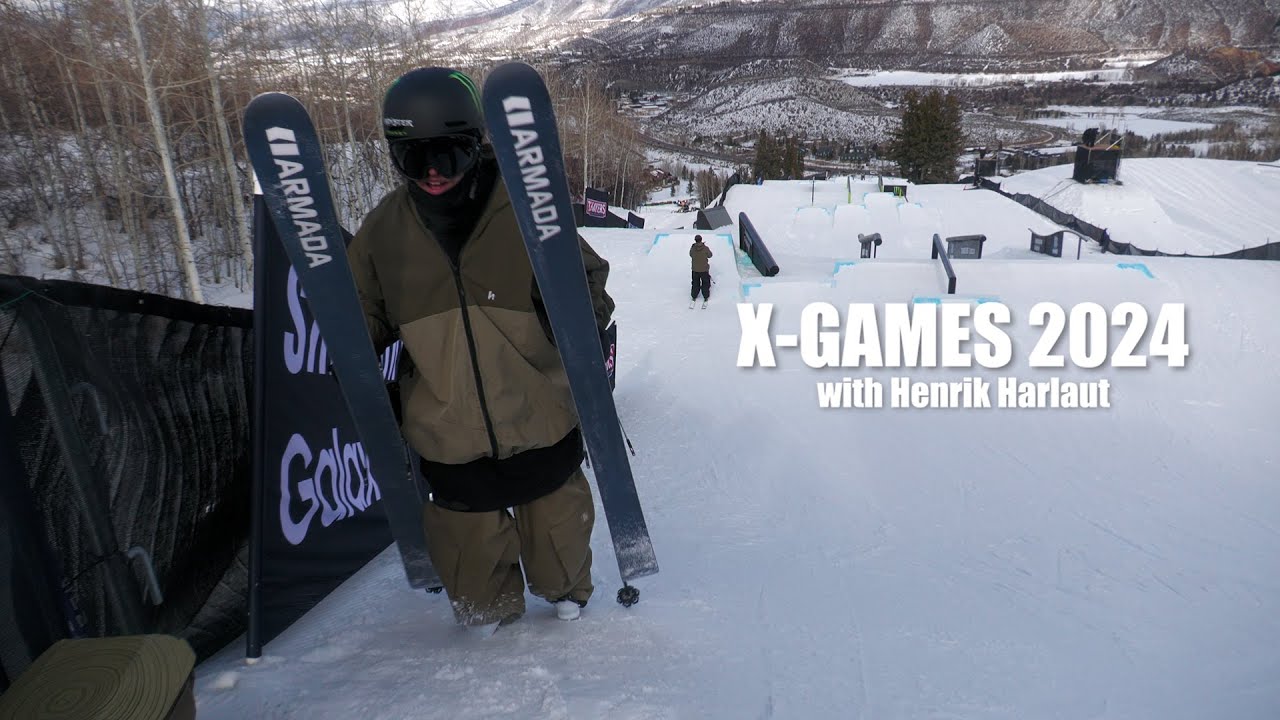
X Games lists Harlaut with 14 total Ski medals and eight golds, the most ski podiums in X Games history and the most ski gold medals. The record cuts across Big Air, Slopestyle, Knuckle Huck, and Real Ski, which is why his X Games résumé reads less like a single-event archive and more like a map of freeski progression.
The Big Air titles built the early mythology. Aspen 2013, Aspen 2014, Oslo 2016, Aspen 2018, Aspen 2020, and other podiums placed him at the center of a period when triple corks, butter takeoffs, and style arguments were colliding. In 2018, he also won Slopestyle at Aspen, proving that his contest value was not limited to one-jump chaos.
Knuckle Huck later gave him another stage. The format rewarded low trajectory, butter pressure, grabs, shifty body positions, and creative rollover use. Harlaut’s 2021 Knuckle Huck gold and 2024 silver showed why he lasted longer than the first wave of triple-cork specialists. His skiing was never based only on the biggest spin of the year.
From Stockholm To Åre Before E-Dollo Had A Name
Harlaut was born on August 14, 1991, in the Stockholm area and later became tied to Åre, Sweden, through club and ski identity. FIS lists him under Åre SLK, Sweden, FIS Code 2530165, with active status. The record gives the formal version of a skier whose public identity has always been less formal than the start sheet.
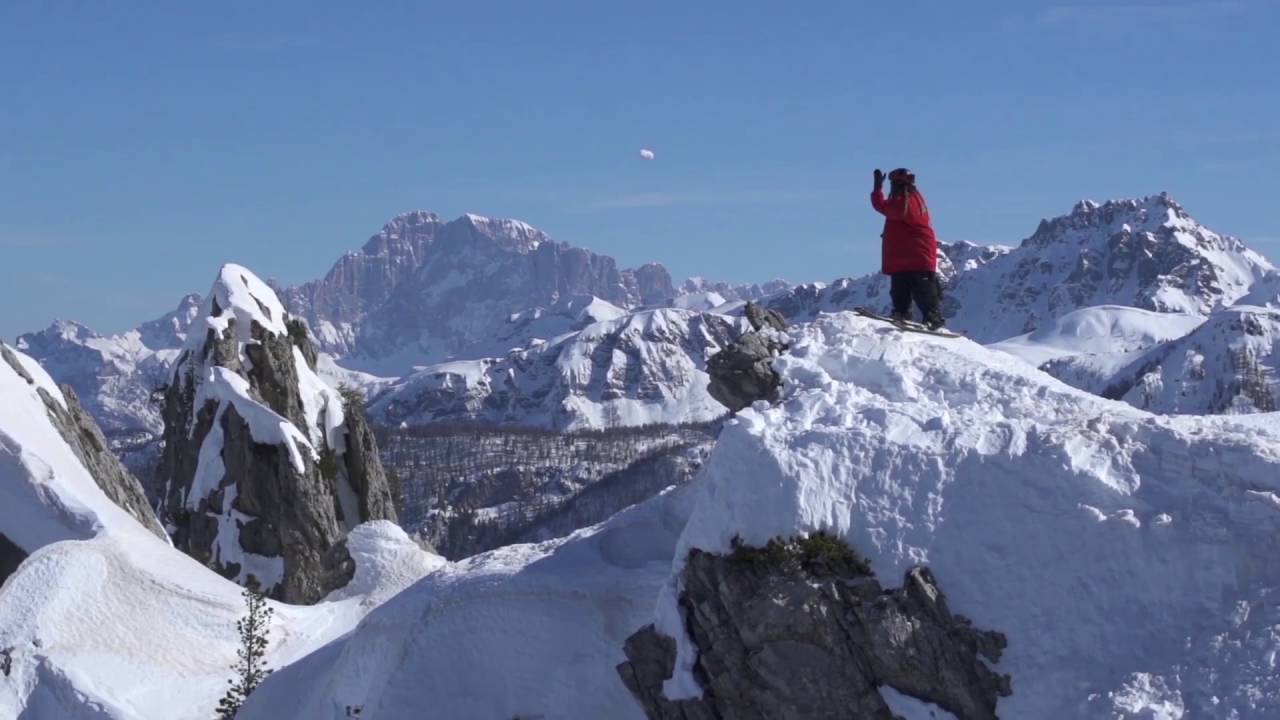
The move toward Åre mattered. The resort gave Swedish freeskiing a mountain base with park infrastructure, winter culture, and a northern European scene that could connect to Norway, Finland, France, Switzerland, and North America. Harlaut’s skiing did not come from one isolated contest system. It grew through travel, crews, music, film, and the Swedish park world that later produced riders such as Jesper Tjäder and Oliwer Magnusson.
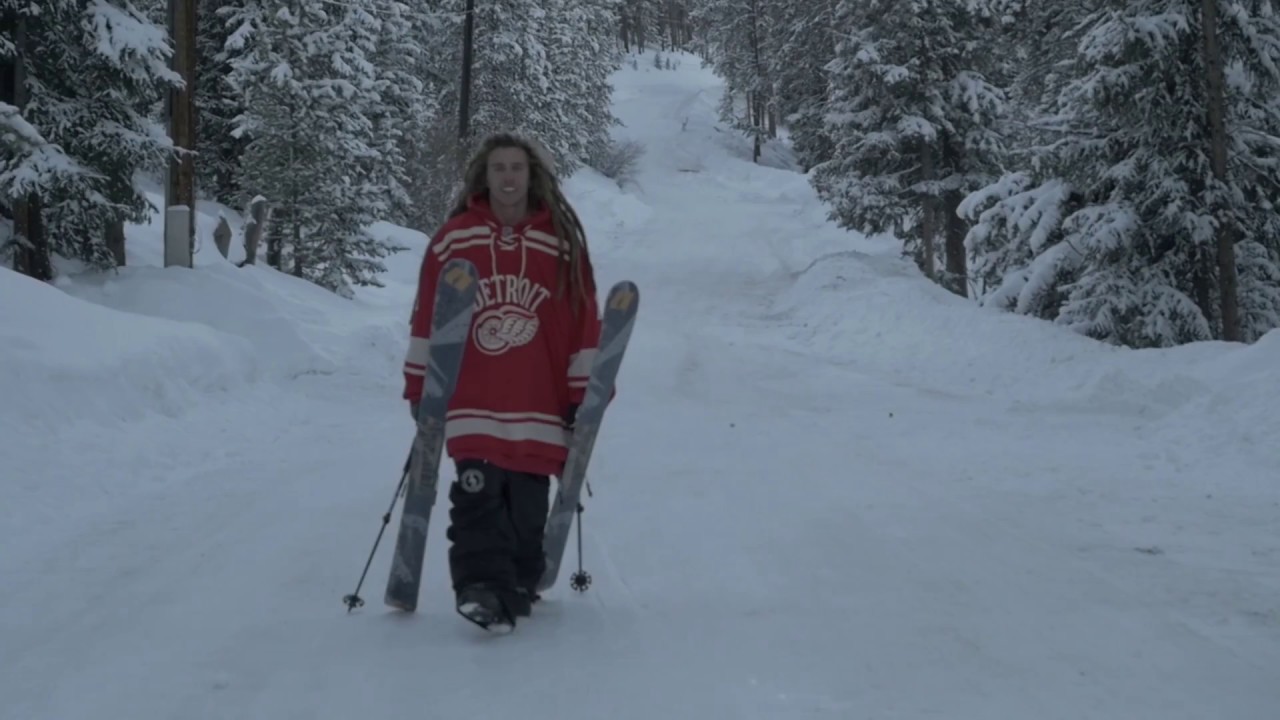
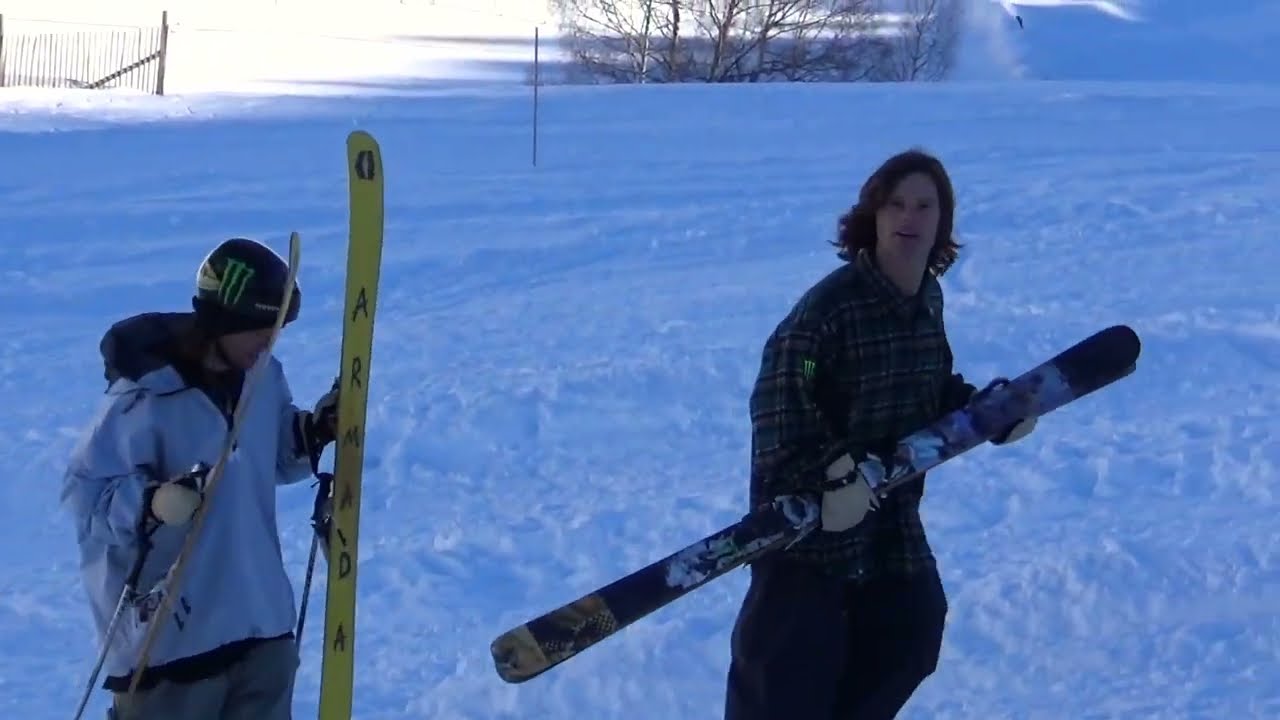
His nickname, E-Dollo, became part of the brand before athlete branding became standardized. It was less a marketing handle than a character: loose pants, long hair, rap references, Armada graphics, butter tricks, and a constant refusal to ski like a federation manual.
The Nose Butter Triple Cork That Changed Big Air
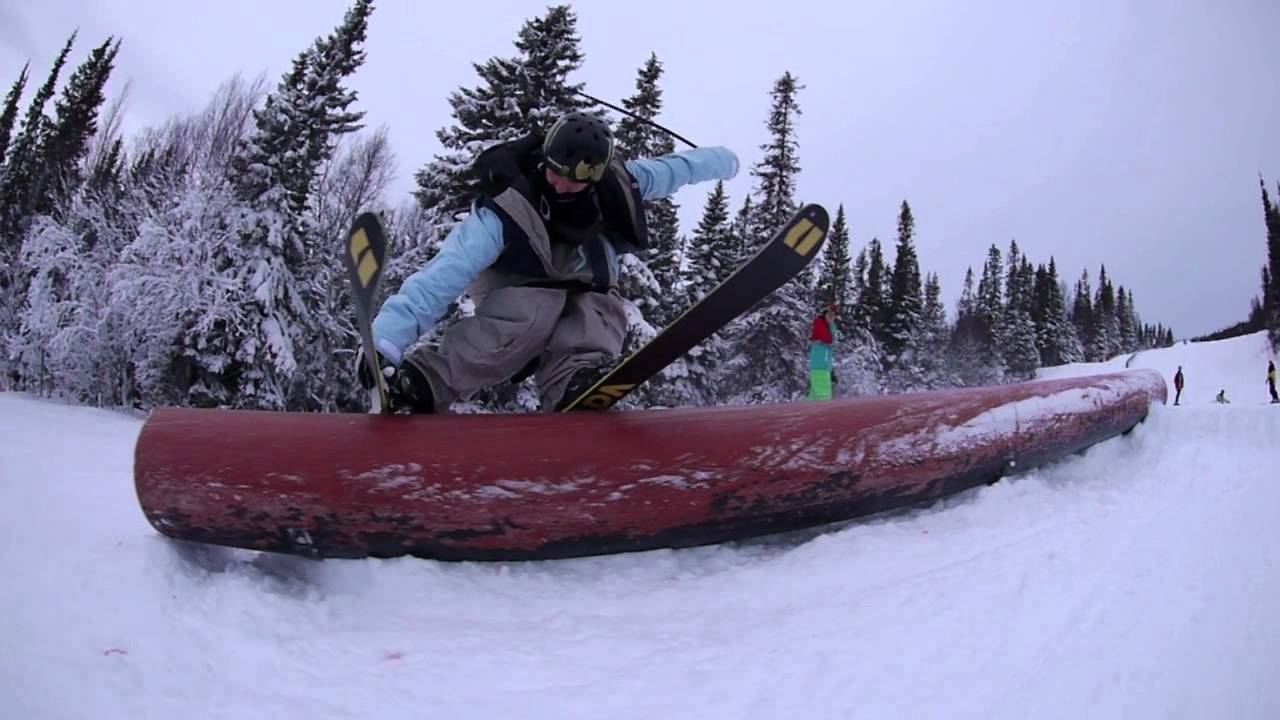
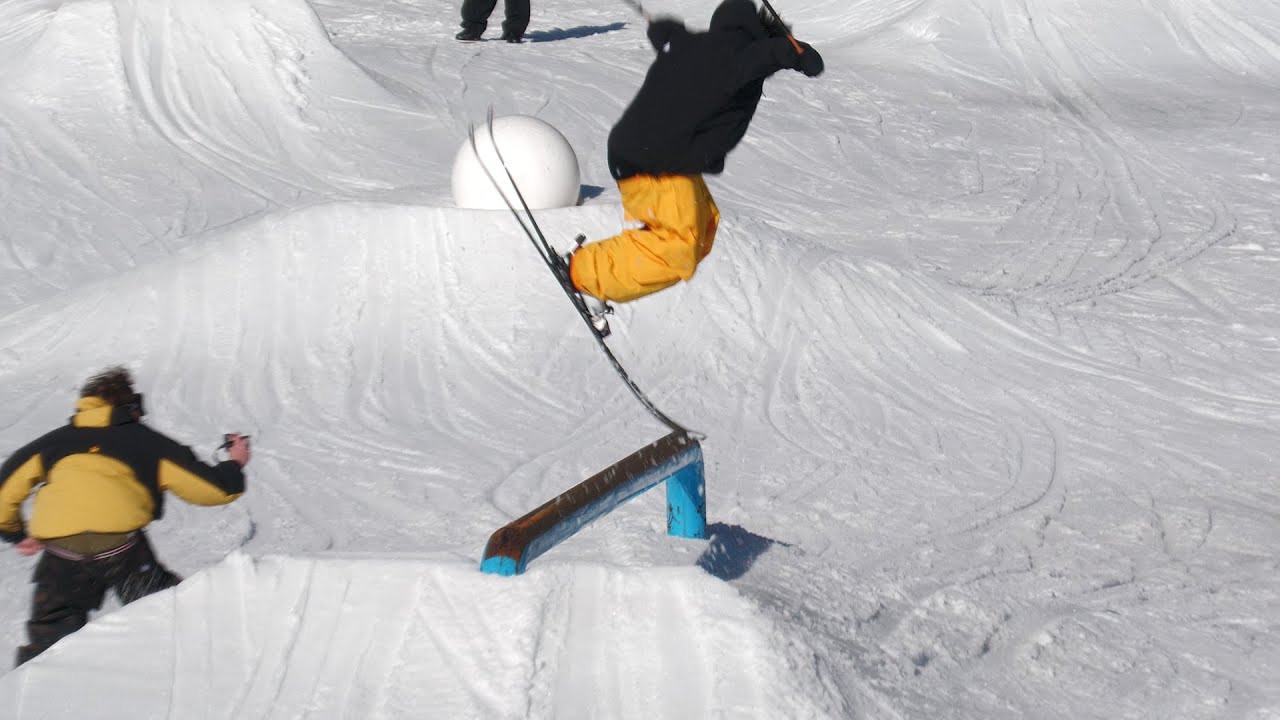
The nose butter triple cork 1620 became Harlaut’s technical signature because it broke the expected shape of Big Air. A standard big-air trick usually begins with a clean takeoff, then the skier creates difficulty through rotation, inversion, grab, and landing. Harlaut added a press before the takeoff, loading the ski tips and delaying the release.
That changed the whole risk profile. The skier had to balance on the noses, keep enough speed, avoid slipping at the lip, then still generate the vertical pop required for triple-cork rotation. The technical vocabulary was dense: nose butter, triple cork, 1620, safety grab, switch and forward control, late-axis awareness, and a landing that could not be saved by brute force.
Other skiers pushed spin ceilings in different ways. Bobby Brown helped define the switch double misty and early triple-cork era. Henrik Harlaut made the setup itself part of the style. Alex Hall later expanded that idea with pullbacks, rail transfers, and butter mechanics inside Olympic slopestyle. Harlaut’s line runs through all of it.
Sochi Pants, Wu-Tang, And The Olympic Camera
Sochi 2014 brought Harlaut to a public audience beyond ski media. Men’s ski slopestyle made its Olympic debut at Rosa Khutor, and Harlaut finished sixth. The competition belonged to the American sweep of Joss Christensen, Gus Kenworthy, and Nick Goepper, but Harlaut created one of the defining cultural images of the event.
After one run, with baggy pants nearly becoming the story and cameras locked on him, he threw the Wu-Tang hand sign and shouted the line that tied him forever to hip-hop inside Olympic skiing. It could have looked like a joke to viewers outside freeskiing. Inside the sport, it made sense. Harlaut had always skied with music culture, clothing, and personal rhythm visibly attached.
The moment mattered because Olympic freestyle skiing was trying to become clean, legible, and television-ready. Harlaut arrived as the opposite force. He was still elite, still in the final, still landing difficult tricks, but he reminded the broadcast that freeskiing had grown from edits, crews, soundtracks, and self-made style before it became an Olympic property.
Park City Silver Before Beijing Bronze
The 2019 World Championships in Utah gave Harlaut one of his most important federation medals. He took silver in men’s freeski big air at Park City, behind Fabian Bösch and ahead of Alex Hall. The result placed him on an official FIS championship podium outside the X Games ecosystem.
That distinction matters for his legacy. Critics could once frame Harlaut as a contest personality built for invitational formats. Park City made that argument weaker. Big air under FIS rules still demanded trick variety, clean execution, and judging discipline. Harlaut’s style held inside that structure without losing its identity.
Three years later, Big Air Shougang gave the Olympic version. The Beijing 2022 venue stood in a former industrial zone, with cooling towers behind the ramp and a cold, exposed landing. Birk Ruud won gold, Colby Stevenson took silver, and Harlaut earned bronze for Sweden. It was his first Olympic medal, arriving after years of X Games dominance and two earlier Olympic appearances.
Beijing Steel And The Late-Career Medal
Harlaut’s Beijing bronze landed differently from a young breakthrough medal. By 2022, he was already a legend inside freeskiing. He had nothing left to prove to X Games audiences, Armada fans, B&E viewers, or the skiers who studied his nose butters. The Olympic medal simply placed official hardware beside the cultural record.
The final also showed how long his trick language had survived. Big air had moved past the early triple era into higher spin counts, cleaner left-right requirements, and more standardized judging. Harlaut was still relevant because his tricks had shape. A blunt grab, nose butter, Japan tweak, safety held long enough to read, or off-axis switch hit could separate him from riders chasing only a number.
Sweden’s 2022 freestyle story also included Jesper Tjäder’s slopestyle bronze and Oliwer Magnusson’s fourth place in big air. Harlaut’s medal sat inside a national generation rather than alone. He helped make Swedish freeskiing recognizable, then shared the Olympic stage with riders who had come up in the world his career helped open.
B&E With Phil Casabon
Harlaut’s film influence cannot be measured by contest medals. The B&E Show, built with Phil Casabon, gave freeskiing one of its most influential web-video identities. Freeskier’s 2011 Blackout: The Movie page lists Harlaut and Casabon beside JF Houle, Paul Bergeron, Liam Downey, Taylor Seaton, Charlie Owens, Brady Perron, Fred Juneau, Ben Caron, Clayton Vila, Vincent Gagnier, and Charles Gagnier.
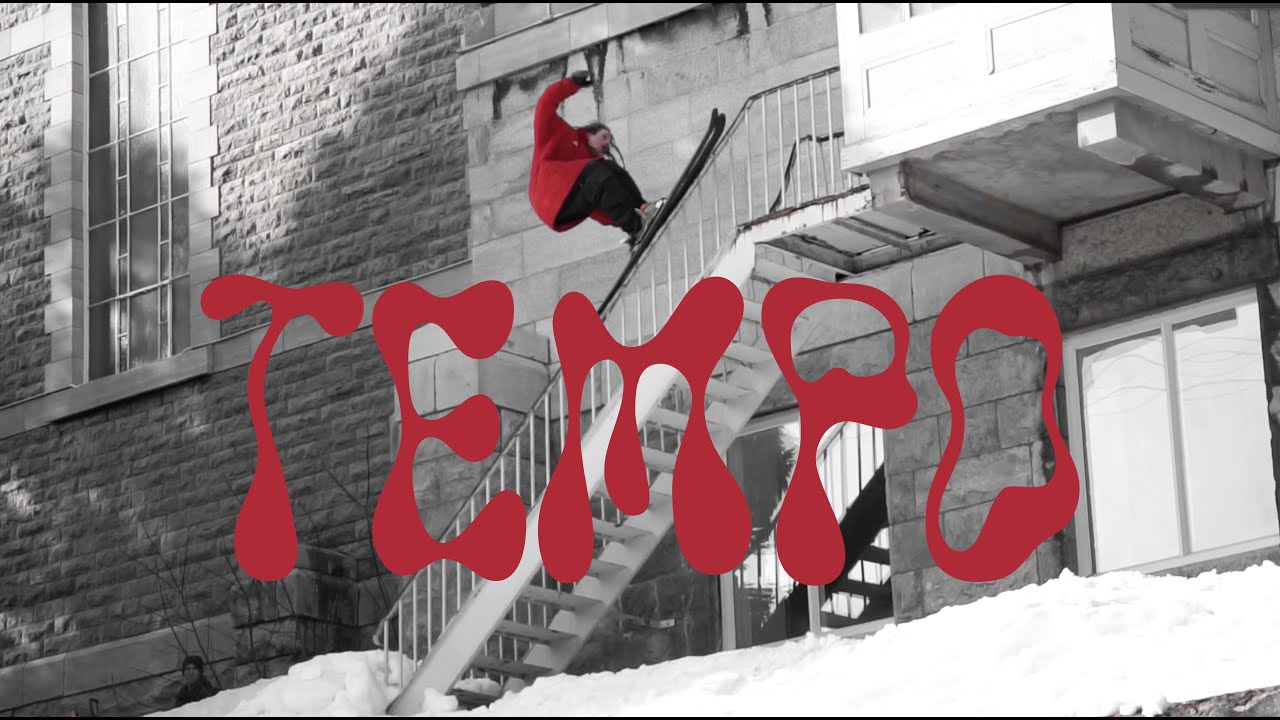
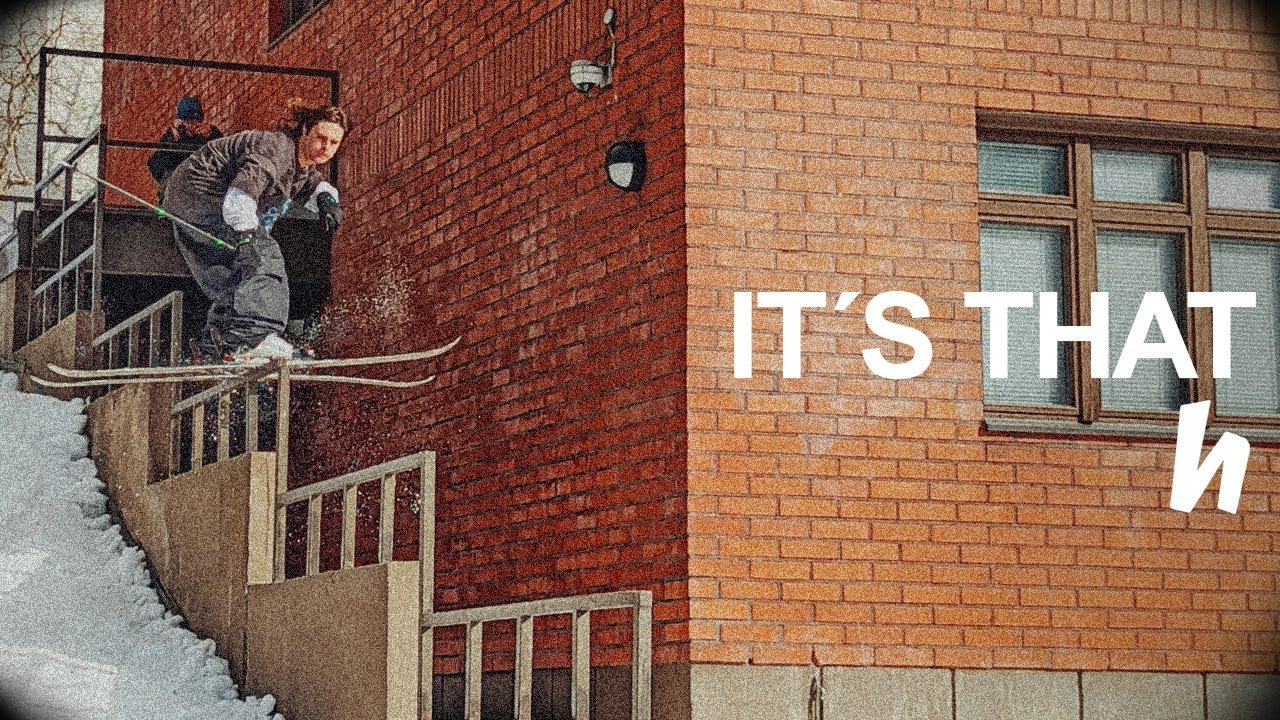
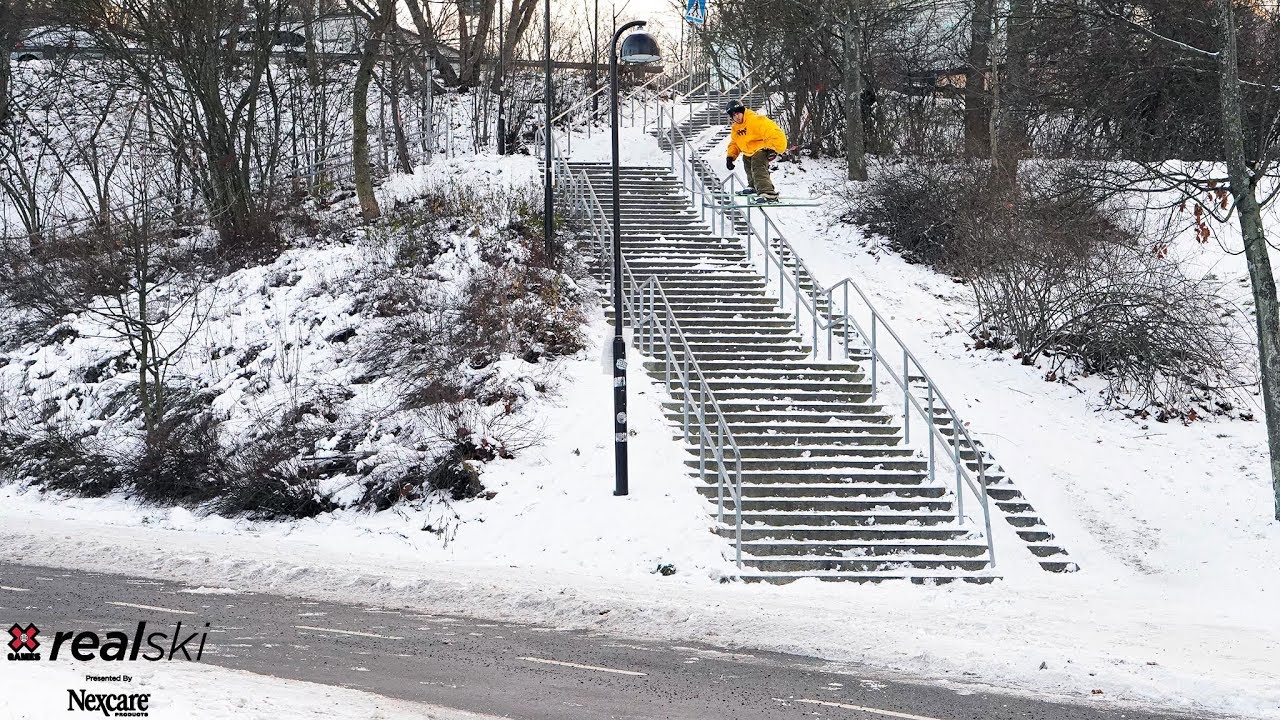
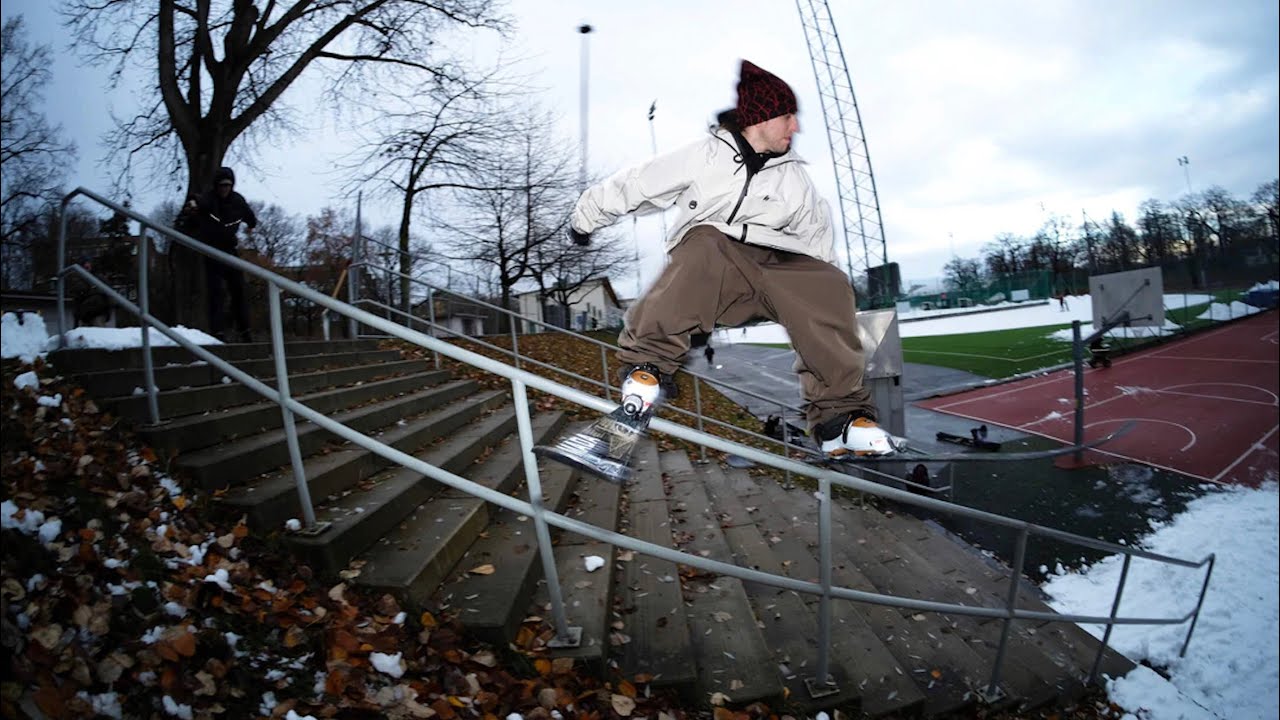
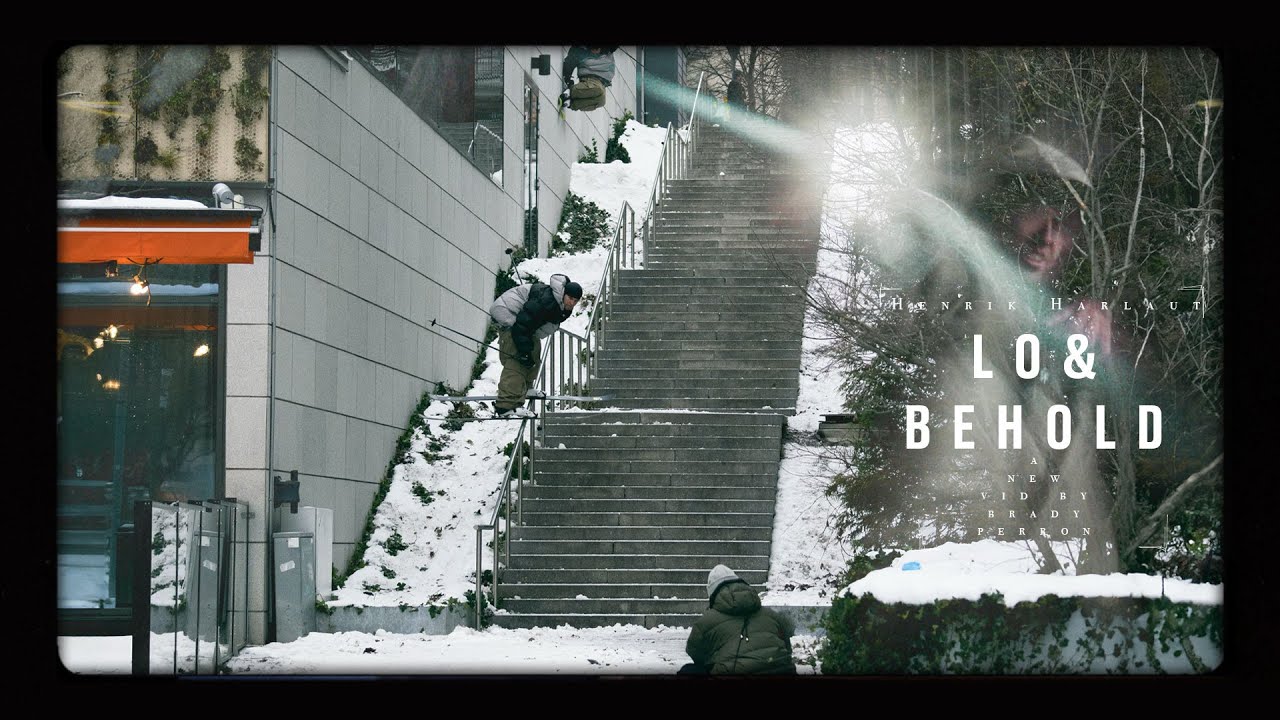
The format was loose, musical, and crew-driven. It was not a standard sponsor movie designed around one hero part. It felt closer to friends building a language: urban rails, park lines, nose presses, pretzels, unusual grabs, crash humor, and edits cut to rhythm rather than contest hierarchy.
B&E mattered because it connected Harlaut to Casabon’s street precision and Inspired Media’s creative freedom. Together, they pushed freeskiing away from purely spin-based progression and toward trick selection, flow, body position, and personality. A line could matter because of how it felt, not only because of what the score sheet would have awarded.
From Slamina To BE Inspired
Powder described Harlaut’s career as stretching from competition to films such as Slamina and BE Inspired, from backcountry booters to urban wall rides. That range is why he belongs in a legend template rather than a pure contest template.
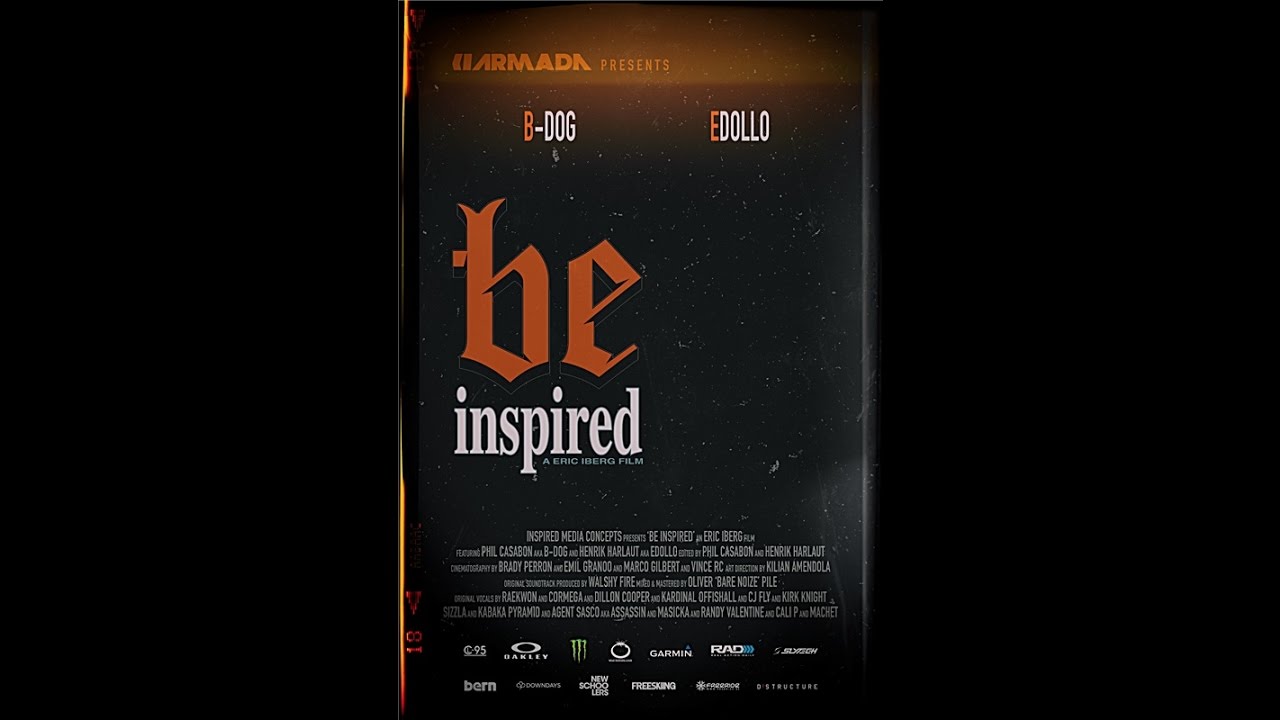
Slamina gave a heavier street-and-style reference point, while BE Inspired connected Harlaut and Casabon to a broader creative push. The projects helped hold space for skiing that was technical without becoming sterile. Harlaut could land on X Games podiums and still produce footage that felt closer to skateboarding or rap-video culture than to national-team promotional material.
His movie history also includes appearances across Level 1 Productions, 4bi9 Media, Stept, Poor Boyz, Matchstick Productions, Field Productions, and Rage Films, according to Powder’s athlete archive. The exact segments vary by year, but the pattern is clear: Harlaut treated filming as a core part of professional skiing, not as a side project between contests.
Armada Edollo And The Ski Built For Presses
Armada lists Harlaut as a Sweden athlete, winter and summer home in Andorra, and fourteen years with the brand. The same profile names the Edollo 91 and Whitewalker 116 among his gear. The Edollo has become one of the clearest athlete-product links in modern freestyle skiing.
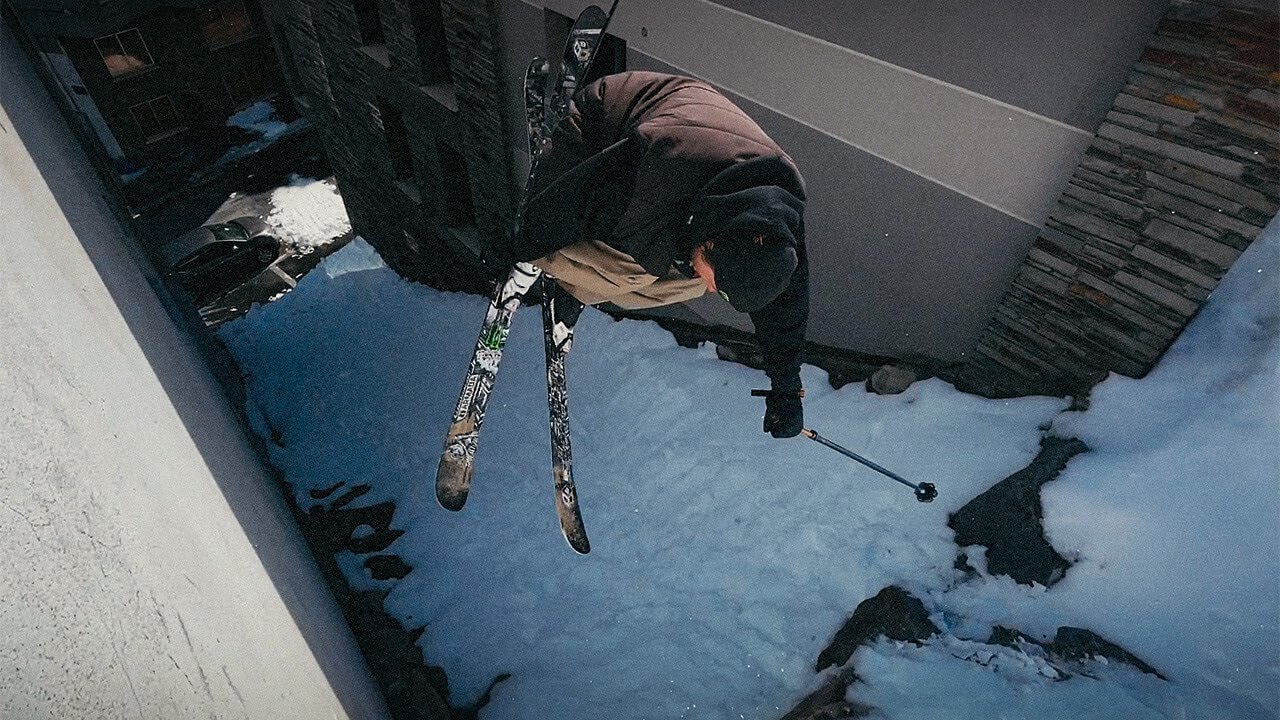
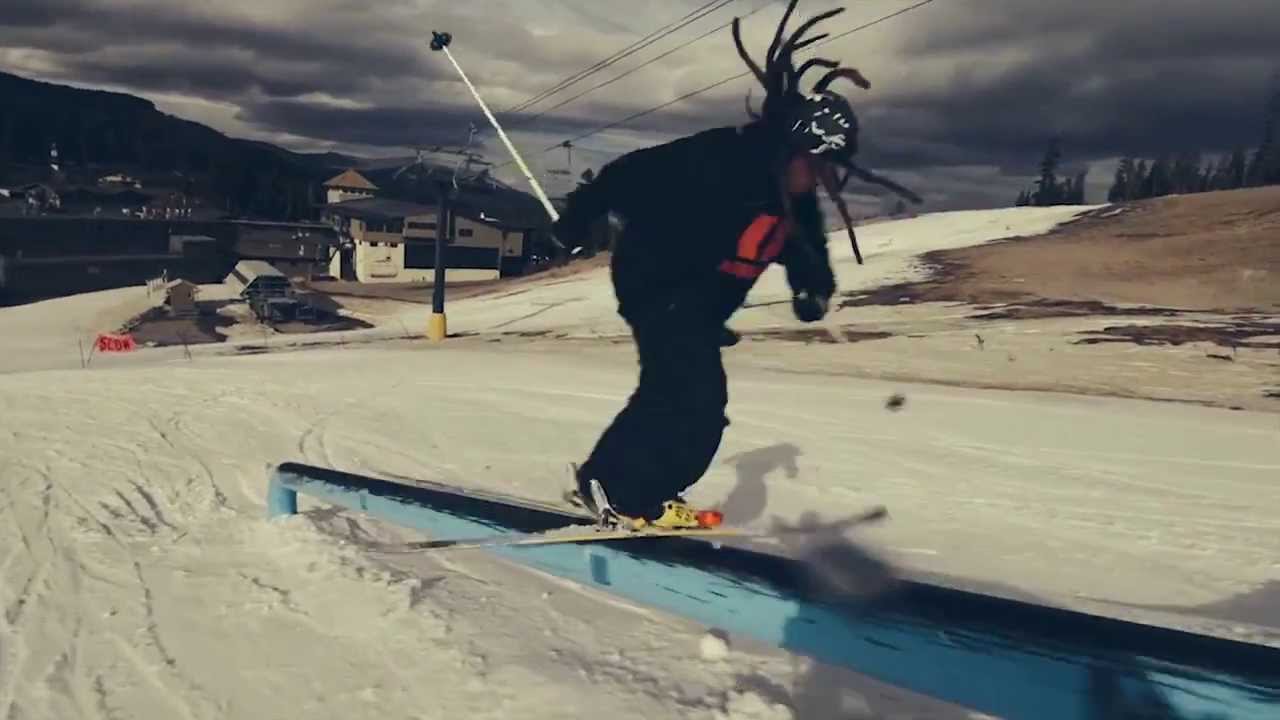
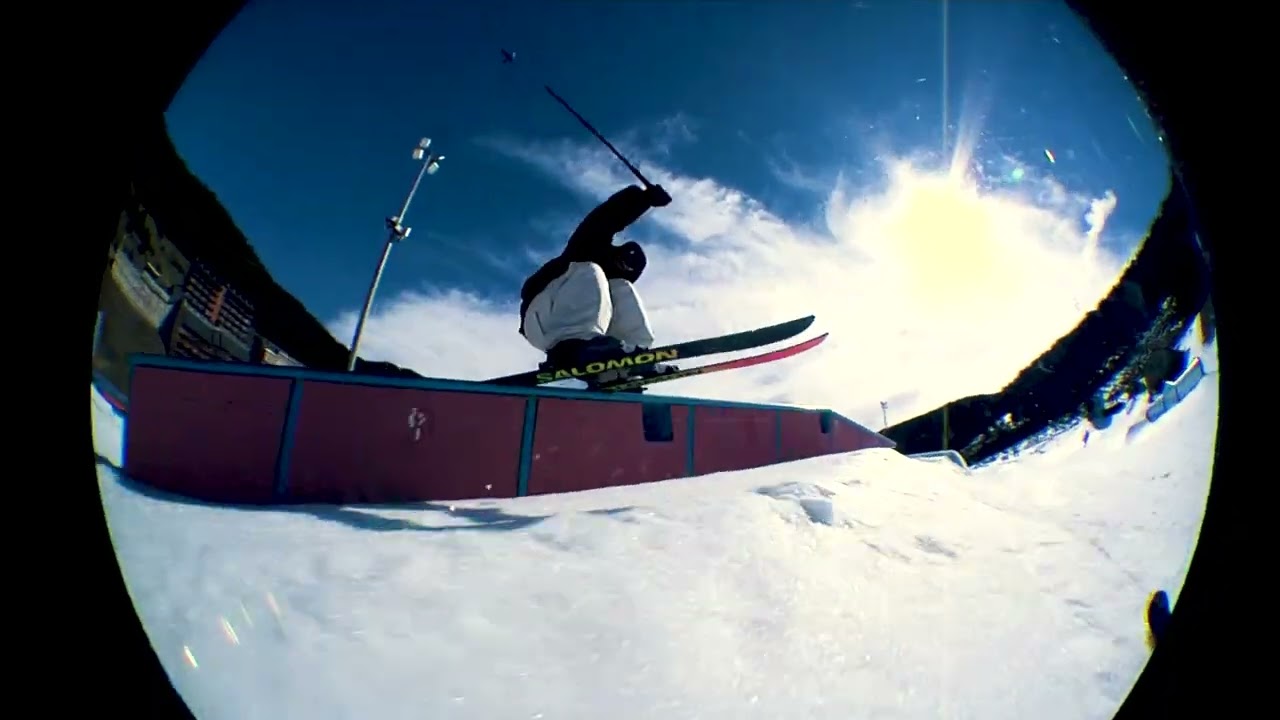
The ski makes sense because Harlaut’s tricks ask for a specific tool. Nose butters, tail presses, switch takeoffs, rail impacts, pretzel exits, knuckle moves, and big-air landings need durability and flex in different directions. A ski too stiff kills the press. A ski too soft disappears under heavy landings. The Edollo line has long been marketed around that balance.
Armada’s profile also notes Harlaut’s own video projects and clothing line. That matters because the partnership is not only equipment supply. It is a visual identity: ski graphics, oversized clothing, park edits, Andorra sessions, and a long athlete-brand relationship that turned a pro model into part of freeski culture.
Harlaut Apparel And The Baggy Continuum
Harlaut Apparel Co. extends the same idea off snow. Powder describes the brand as selling streetwear-inspired pieces, including caps, windbreakers, baggy jeans, hoodies, and ski pants. That is not a random merchandise lane. Clothing has always been part of how Harlaut communicates skiing.
The baggy look became famous because of Sochi, but it was already present in the edits. Freeskiing has always borrowed from skateboarding, hip-hop, snowboarding, and streetwear. Harlaut made those borrowings visible at the highest competitive level, then kept them visible through apparel.
The cultural impact is easy to underestimate. Young skiers did not copy only his nose butter triple cork. They copied stance, rhythm, ski choice, outerwear proportions, and the idea that an elite skier could look like himself rather than like a winter-sport federation poster.
How E-Dollo Changed The Generation After Him
Harlaut’s influence appears in the way modern skiers treat style as difficulty. A tail butter into rotation, a nose press through a knuckle, a blunt grab held across the apex, or a rail transfer with body language can now win events. That was not always guaranteed during the spin-to-win years.
Alex Hall’s pullback at Beijing, Colby Stevenson’s knuckle huck range, Jesper Tjäder’s creative rail builds, Quinn Wolferman’s technical style, and Daniel Bacher’s tail-butter big-air entries all exist in a sport where Harlaut helped make pre-takeoff creativity valuable. He did not create every move, but he changed what elite audiences were trained to notice.
The influence also lives in crew culture. B&E showed that a skier could build a world with collaborators instead of waiting for a film company to assign one. Harlaut’s career gave permission for pro skiers to be athletes, editors, designers, clothing heads, music fans, and event personalities at the same time.
Laax, Livigno, And The Comeback Season
The current record keeps Harlaut from being only a retired legend. FIS lists him as active, and NBC Olympics reported that he returned to the World Cup circuit in the 2025-26 season after more than three years without World Cup starts following Beijing. The same report noted that Sweden named him to its Olympic team for a fourth time.
Laax 2026 showed the comeback in practical terms. Official FIS slopestyle qualification results placed him twelfth in his heat, outside the final, but back on a World Cup start sheet at age thirty-four. The result was not historic by itself. The return mattered because it proved he was still willing to step into modern slopestyle against riders who grew up studying clips from his prime.
Livigno changed the Olympic ending. Aftonbladet reported that Harlaut sustained a concussion during Olympic training and missed the slopestyle competition. A later report stated that he was on site at the 2026 Olympics but did not start because of injury problems. That is the factual current status: active in FIS records, selected for Sweden, but the 2026 Olympic participation was cut down by health.
The Legacy Still Has Snow On It
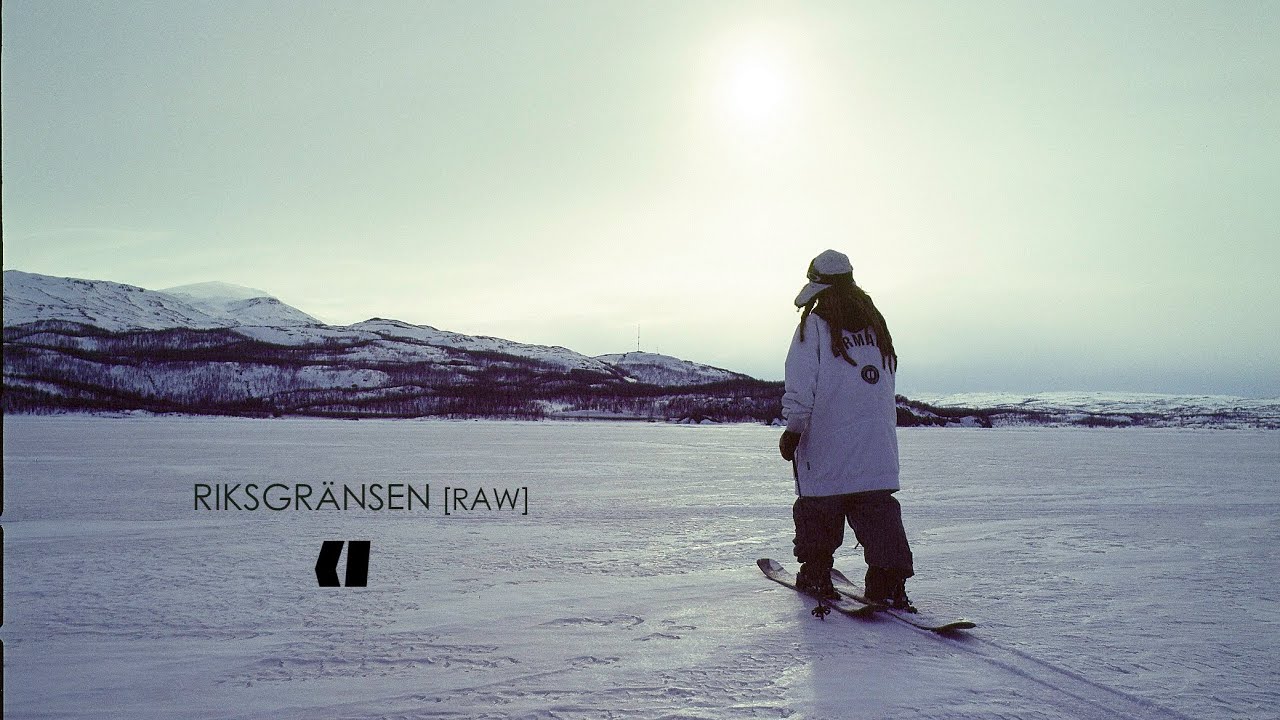
For skipowd.tv, Henrik Harlaut should be watched in layers. Start with X Games Aspen 2013 for the nose butter triple cork 1620. Move to Sochi 2014 for the Wu-Tang Olympic collision. Add B&E and Blackout for the Phil Casabon creative period, then Beijing 2022 for the official Olympic medal.
The last layer is the current one: Armada Edollo clips, Knuckle Huck appearances, Harlaut Apparel, Andorra sessions, and the 2025-26 comeback attempt. Harlaut’s place in freeskiing is not only that he won more X Games ski medals than anyone before him. It is that he made style measurable without letting it become clean.