Montana
Rocky Mountains - MO
United States
Rocky Mountain ski region in the northern United States | Known for: Big Sky’s Lone Peak terrain, Bridger Bowl’s Ridge culture, Whitefish tree skiing, Bozeman access, cold smoke snow, Tanner Hall roots and low density mountain travel | Season: December to April depending on resort and snowpack | Best for: freeriders, powder skiers, film crews, advanced resort riders and skiers seeking space beyond the usual Colorado Utah California circuit
Lone Peak And The Big Terrain Promise
Montana’s ski identity starts with scale and distance. The state sits deep in the northern Rocky Mountains, with ski areas spread between the Greater Yellowstone region, the Gallatin and Bridger ranges, the Flathead country near Glacier National Park, the Bitterroot corridor and smaller community hills that serve local winter towns. Visit Montana frames the state around long groomers, powder days, basecamp travel and more acres per skier than anywhere else in the United States. That low density is not a minor detail. It is the reason Montana feels different from the more crowded resort corridors farther south.
The strongest freeski name is Big Sky, where Lone Peak rises to 11166 feet and the resort publishes 5850 skiable acres, 400 inches of annual snowfall and 40 chairlifts and surface lifts. Those numbers give Montana a true destination anchor. The wider region adds Bridger Bowl, Whitefish Mountain Resort, Montana Snowbowl, Red Lodge Mountain, Discovery, Lost Trail and smaller hills that keep the ski culture grounded. Montana is not one mega resort. It is a state where large terrain and old local habits still coexist.
Big Sky Tram Lines And The Lone Peak System
Big Sky gives Montana its most direct big mountain language. The resort’s Lone Peak Tram climbs into exposed alpine terrain where advanced and expert skiers look toward the Big Couloir, North Summit Snowfield, Dictator Chutes, Headwaters, A Z Chutes and wind shaped faces around the peak. The official lift information lists the new tram with two cabins carrying up to 75 passengers and a ride time just under 4 minutes. That speed changes the mountain’s flow, but it does not make the terrain casual.
The strongest days at Big Sky come from reading the mountain in layers. Andesite and lower pods can be useful in storms. Powder Seeker, Challenger and Headwaters start to matter when light improves. Lone Peak becomes the target when wind, patrol work and visibility line up. The resort also gives freeskiers a park and progression layer, but its main value is the rare ability to build serious inbounds big mountain mileage without leaving the boundary. Montana’s regional profile needs Big Sky because it supplies the scale that smaller local hills cannot.
Bridger Ridge And Bozeman Cold Smoke
Bridger Bowl gives Montana its strongest local freeride culture. The ski area sits north of Bozeman and publishes 2000 acres of terrain, 2700 feet of vertical rise, a top elevation of 8800 feet, 300 inches of seasonal snowfall and 75 trails plus many unmarked runs. The numbers matter, but the Ridge is the real identity. Bridger’s upper terrain has a different feel from a polished destination resort. It is community driven, patrolled, weather exposed and full of lines that reward strong legs and mountain judgment.
Bozeman shapes that culture. Montana State University, local guides, ski shop crews and long time residents all feed the mountain’s rhythm. The “cold smoke” phrase belongs here because the snow can fall light, dry and fast when storms hit correctly. Bridger is not about luxury infrastructure or huge base village energy. It is about getting up the hill, reading wind, choosing a line, and understanding that a short bootpack can separate casual skiers from people who came to ski the real mountain.
Whitefish Trees Below Glacier Country
Whitefish Mountain Resort adds the northern Montana tree skiing layer. The official mountain stats list about 3000 acres, 110 named trails, four terrain parks, a skier boardercross course, bowls, glades, nearly 300 inches of average annual snow, a 6817 foot summit and 2353 feet of vertical drop. Those figures place Whitefish well above the size of a simple local hill, but its character remains tied to Big Mountain, Flathead Valley and Glacier National Park country.
The terrain is useful for skiers who like weather. Whitefish is known for fog, snow ghosts, tree definition and storm riding where visibility can be better inside the forest than on open ridges. The mountain does not need the same high alpine drama as Big Sky to matter. Its value is texture: glades, bowls, fall line groomers, terrain parks and the ability to ski a northern mountain with less pressure than the biggest destination zones. For a Montana trip, Whitefish gives the region a second center of gravity far from Bozeman.
Snowbowl Red Lodge Discovery And The Local Hill Network
Montana’s depth comes from the places that rarely dominate global ski marketing. Montana Snowbowl above Missoula is known for steep tree skiing, long runs and a rougher local feel. Red Lodge Mountain brings south central Montana into the picture, with Beartooth Highway country and a town that still feels western before it feels resort polished. Discovery, near Philipsburg, adds a three face layout with groomers, steeper back side skiing and a quieter local atmosphere.
Lost Trail on the Montana Idaho border, Great Divide near Helena, Showdown in the Little Belt Mountains and Blacktail above Flathead Lake all contribute to the same pattern. These hills are not substitutes for Big Sky, and they should not be described as hidden versions of major resorts. Their value is simpler: snow access, local repetition, terrain familiarity and a culture where skiers know the chair operators, the weather and the exact aspect that holds snow after a wind event. Montana’s ski culture would be much thinner without them.
Natural Freestyle More Than Park Branding
Montana is not primarily a terrain park region in the Colorado or California sense. Big Sky has park progression, Whitefish lists four terrain parks, and Bridger Bowl publishes three terrain parks, but the state’s strongest freestyle potential is natural. Wind lips, cornice edges, tree gaps, cat tracks, gullies, side hits and soft landings give skiers opportunities to bring park instincts into freeride terrain.
That is where Montana can be powerful for film crews. The snow is often dry enough for clean landings, the terrain is less saturated by cameras than the most famous Western locations, and the visual mood is different: timbered ridges, empty bowls, cold light, long drives and towns that feel separated by real distance. A skier looking for perfectly shaped slopestyle repetition should go elsewhere. A skier looking for natural features, powder speed and fewer background distractions can find a lot here.
Tanner Hall From Kalispell To The Wider Ski World
Tanner Hall gives Montana its most important freeski athlete connection. His verified skipowd.tv profile identifies Kalispell, Montana as his origin and connects his early skiing to Big Mountain, now Whitefish Mountain Resort, before his move into the Park City contest world. That origin matters because Hall’s career later stretched across X Games pipe and slopestyle, street skiing, Armada culture, backcountry filming and Freeride World Tour appearances.
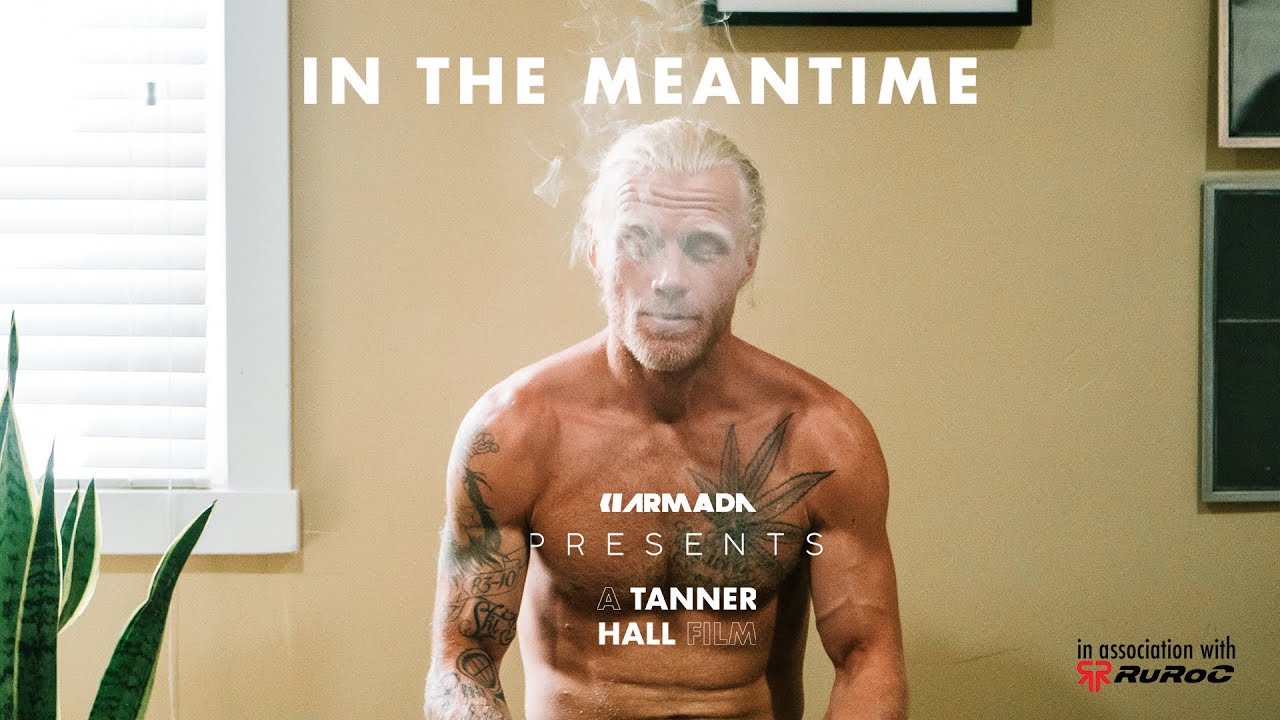
The current Montana page on skipowd.tv carries “In the Meantime,” a Tanner Hall film with backcountry, street and park tags. Armada is attached to that archive thread, which gives the state a clear bridge into modern freeski history. Montana did not build Hall alone. Park City, Aspen, British Columbia, Alaska, Japan and California all shaped parts of his story. But Montana gives the first layer: northern snow, small town distance, toughness and a mountain culture that fits his later move into wilder terrain.
Bozeman Flights And Long Drives Between Snow Zones
Montana travel is easier than its frontier image suggests, but it still requires planning. Big Sky is tied to Bozeman Yellowstone International Airport, with the resort highlighting nonstop winter access and arrivals that can support same day skiing. Bridger Bowl is even closer to Bozeman. Whitefish works through Glacier Park International Airport near Kalispell. Missoula serves Snowbowl and western Montana trips, while Billings can make sense for Red Lodge.
The challenge is distance between zones. A skier can combine Big Sky and Bridger in one Bozeman based trip. Whitefish is a separate northern mission. Red Lodge, Discovery and Lost Trail require different road logic. Winter driving is part of the experience, especially when storms, wind, wildlife, mountain passes and long empty stretches affect timing. Montana rewards skiers who choose one region well rather than trying to collect every ski area in a single rushed loop.
Gallatin Forecasts And Ridge Terrain Discipline
Montana’s low density does not remove risk. The Gallatin National Forest Avalanche Center publishes avalanche information for zones that influence Big Sky, Bridger Bowl and surrounding backcountry terrain. That resource should be part of any freeride plan beyond controlled terrain. Cold snow, wind slabs, persistent weak layers, cornices and tree well hazards can all shape the day.
Inside resorts, rope lines and access rules matter. At Big Sky, the Big Couloir and other steep zones are controlled terrain but still require respect for patrol procedures, spacing and partner awareness. At Bridger, Ridge culture depends on competence and self management. At Whitefish, tree skiing can be disorienting in fog or deep snow. Beacon, shovel, probe and rescue knowledge belong with any skier leaving managed boundaries. Montana gives space, but space does not make consequences smaller.
January Cold Smoke And March Road Trip Windows
The strongest Montana powder window usually runs from January into February, when cold temperatures can preserve dry snow and north facing terrain stays consistent between storms. Big Sky and Bridger are strong targets during this period, especially when storms favor southwest Montana. Whitefish can be excellent when northern flow lines up with the Flathead country and the tree skiing stays soft.
March often gives the best road trip balance. Coverage is deeper, daylight is longer, and the odds improve for mixing freeride days with park laps, filming and travel between regions. Spring also brings more variable surfaces, especially on solar aspects and lower elevation terrain. April can work at selected areas, but the character shifts toward chalk, corn, wet snow timing and end of season local energy. Montana is not a guaranteed powder machine every week. It is a region where patient skiers can find excellent windows when they respect geography.
The Montana Reason For Freeskiers
Montana matters because it offers a different version of the North American Rockies. Colorado has density and event history. Utah has airport to powder efficiency. California has park, spring and Sierra light. Montana has space, cold snow, local mountain culture, real inbounds consequence and a video identity connected to Tanner Hall’s roots. It feels less optimized, and that is part of the attraction.
For skipowd.tv, Montana deserves a 4/5 regional profile because it has one of the strongest combinations of terrain scale, freeride credibility, athlete history and underused video potential in the United States. The key is not to oversell it as a polished global freeski capital. The right editorial angle is more precise: Montana is where Big Sky scale, Bridger Ridge culture, Whitefish trees, local hills and cold northern snow create a region for skiers who value room, consequence and authenticity over constant spectacle.