GoPro
United States
American action camera and snow filming brand | Founded 2002 by Nick Woodman | Known for: HERO cameras, MAX 360 capture, HyperSmooth stabilization, Quik editing, helmet mounts, chest mounts and ski pole POV systems | Focus: helping skiers, riders, athletes and film crews capture immersive first person skiing from resort laps to Freeride World Tour faces and backcountry film segments.
2002 surf frustration that became the default ski POV
GoPro is not a ski manufacturer, crew or traditional film studio. It is an action camera brand that changed how skiing is recorded, shared and remembered. Founded in 2002 by Nick Woodman after searching for a better way to film himself and friends surfing, GoPro grew from a simple capture problem into one of the most recognizable visual tools in action sports. For skiing, that shift was enormous. Suddenly, a skier did not need a helicopter, a long lens or a full production crew to show the feeling of speed from inside the run.
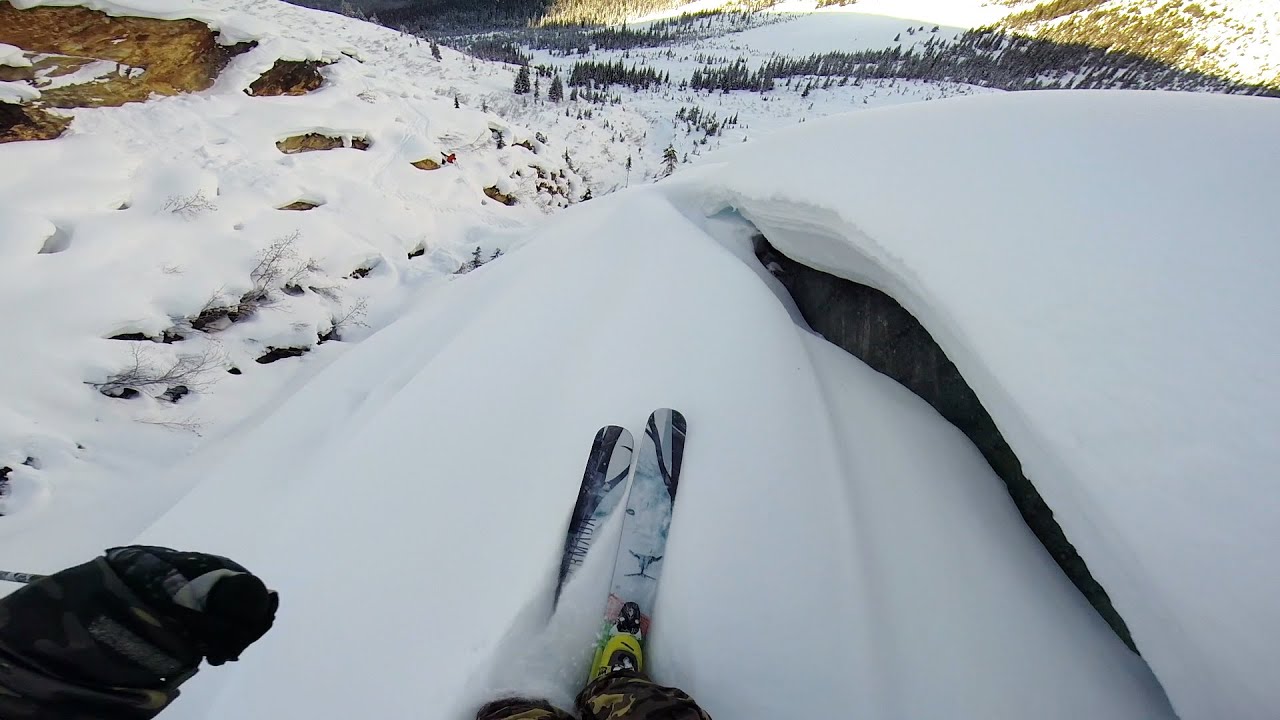
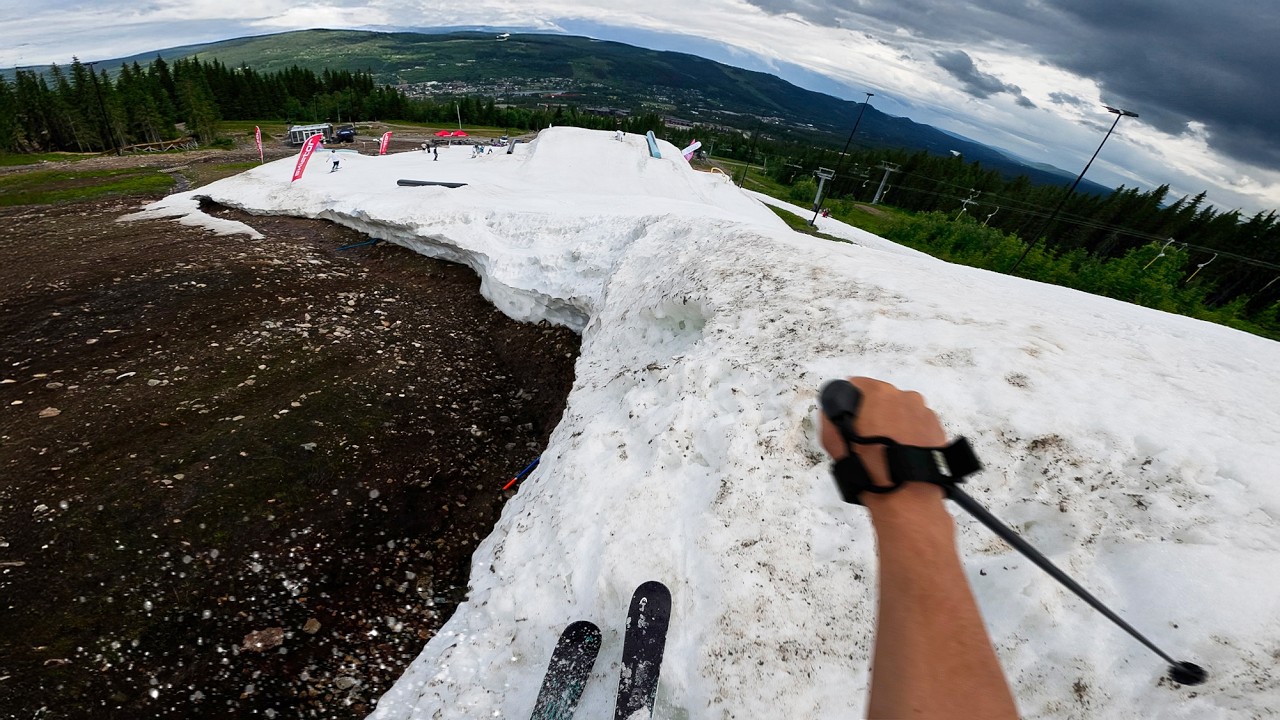
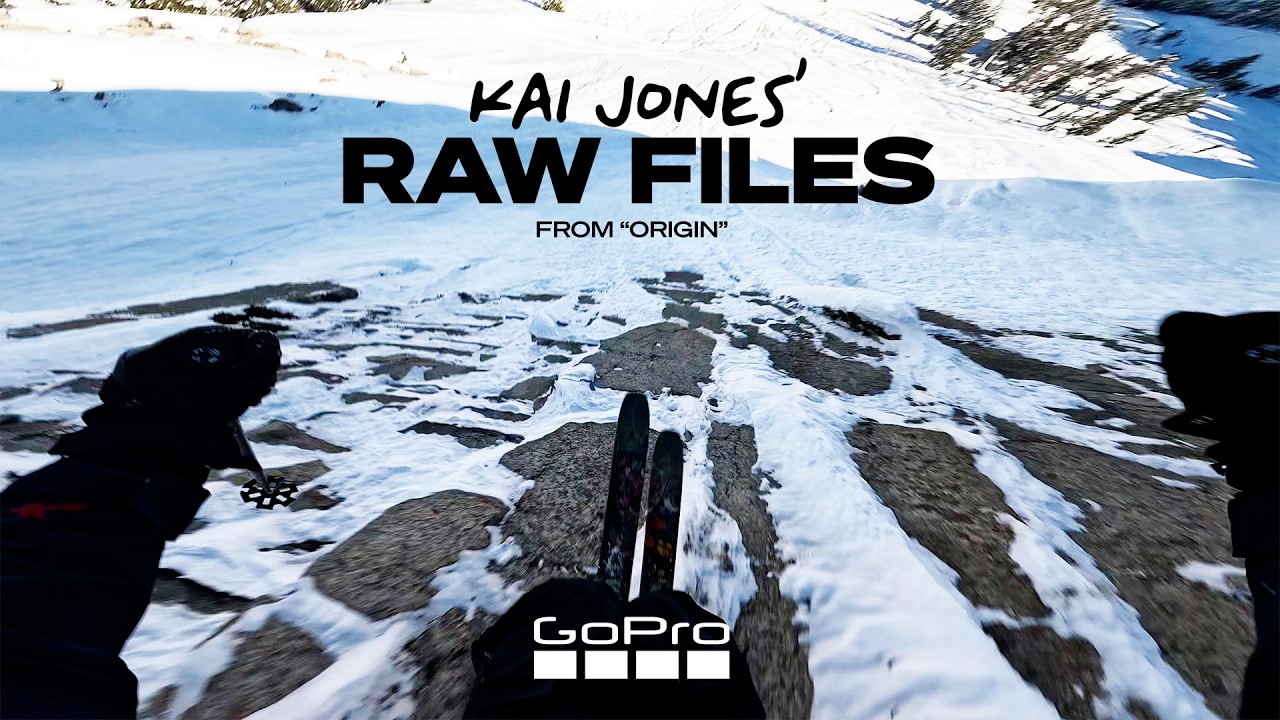
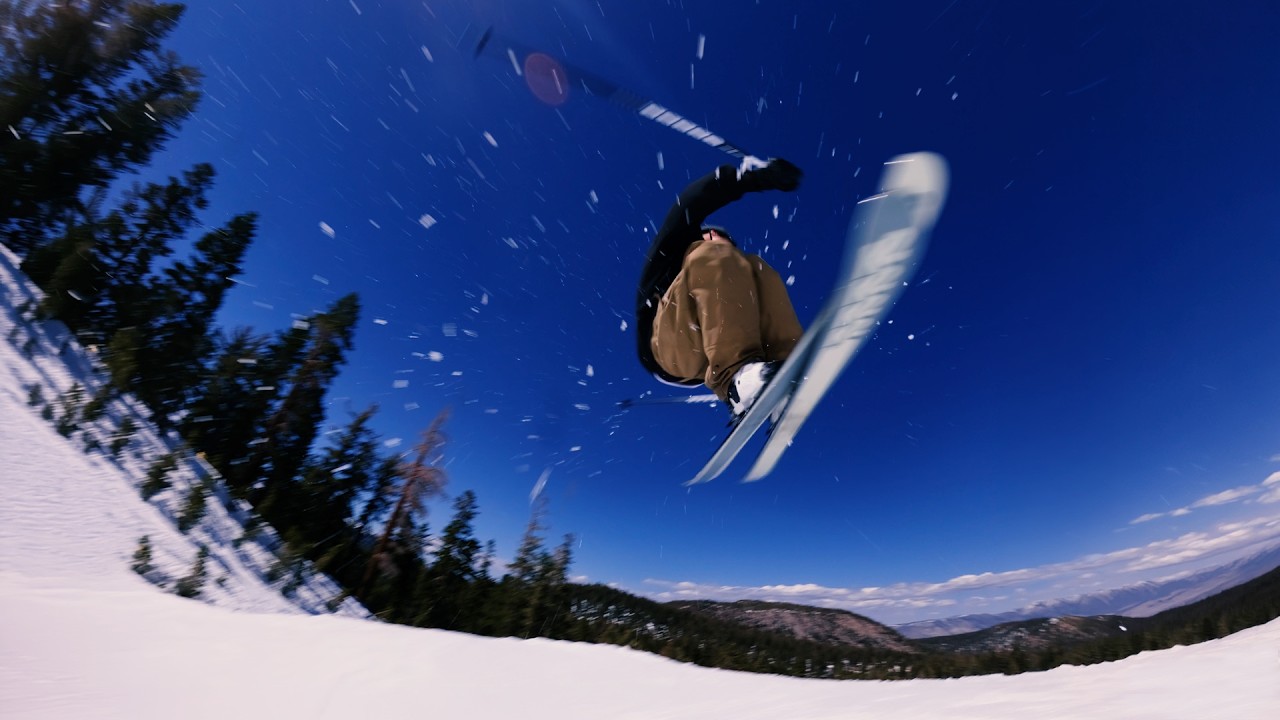
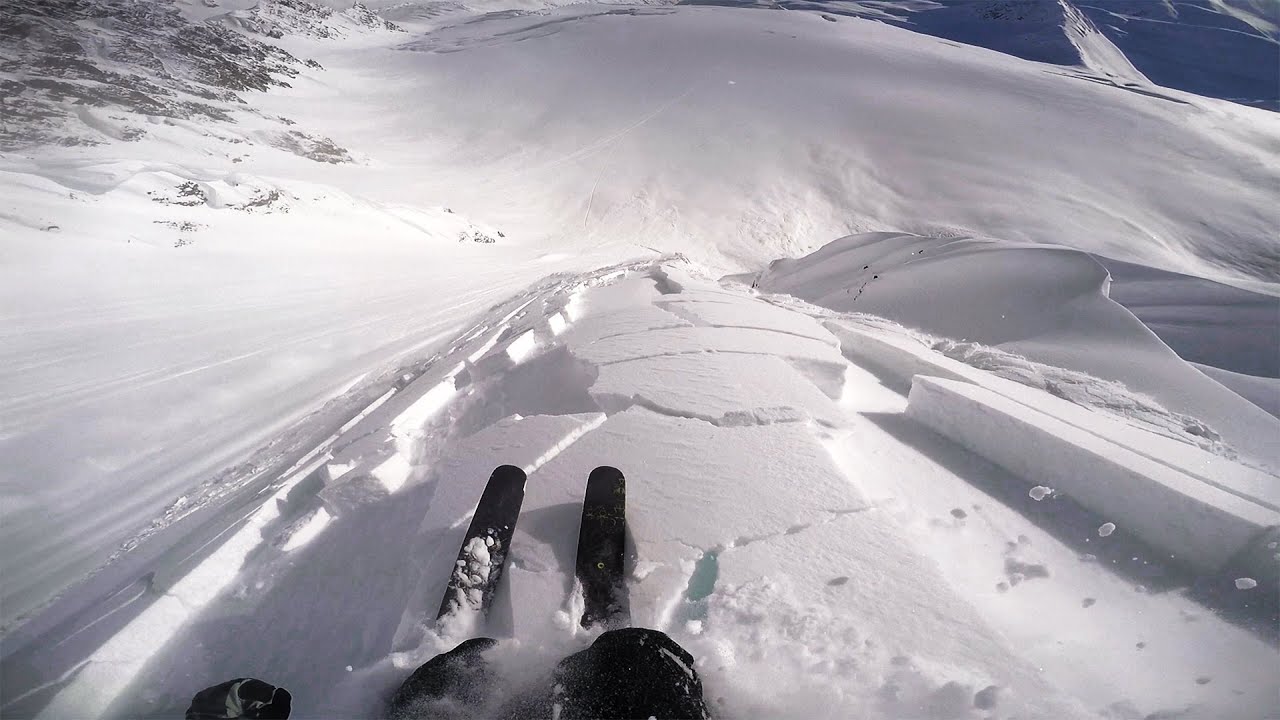
The brand’s ski importance comes from perspective. Before helmet cameras became normal, much of ski media was filmed from the outside looking in. GoPro helped make the athlete’s view part of the story: skis entering the frame, hands adjusting poles, snow hitting the lens, the takeoff rushing closer, the landing disappearing under the tips. That first person language is now so common in freeskiing that it can feel invisible, but it changed how audiences understand steepness, speed, exposure and flow.
GoPro also blurred the line between professional media and everyday ski days. A park skier could film a hot lap with friends. A freerider could capture a spine line from the helmet. A coach could review technique. A weekend skier could turn one powder morning into a polished clip. That democratic role is why GoPro belongs as a major snow sponsor on skipowd.tv.
HERO13 MAX2 Quik and the modern GoPro snow kit
GoPro’s current snow relevance is built around cameras, lenses, mounts, software and cloud workflow rather than one isolated device. HERO13 Black sits at the center of the single lens POV system, with 5.3K and 4K capture, HyperSmooth stabilization, improved power options and compatibility with HB Series Lens Mods. For skiing, the HERO13 Black Ultra Wide Edition is especially relevant because it creates a taller and wider field of view that keeps skis, hands, terrain and horizon in the frame.
MAX2 gives GoPro a different role in snow filming. A 360 camera can capture everything around the skier and let the editor choose the angle later. That matters for unpredictable action: a friend following too close, a skier dropping beside the camera, a tree run where the best view changes every second, or a backcountry line where repeating the shot is not realistic. The invisible pole look also gives ski clips a floating third person style without needing another filmer.
The Quik app completes the ecosystem. Skiers can transfer clips, reframe 360 footage, build edits and manage media without turning every session into a desktop editing project. GoPro Subscription and cloud backup make sense for heavy winter users because footage can accumulate quickly across storm days, park laps and travel weeks. In a snow context, the product is not only the camera. It is the whole path from capture to shareable clip.
How HyperSmooth changed the feel of ski footage
The key GoPro performance story for skiing is stabilization. Skiing is violent for a small camera: vibration from chopped snow, pole plants, helmet movement, landings, drops, compression, wind and crashes all hit the image. HyperSmooth helped make rough movement watchable without removing the feeling of speed. That is why GoPro footage works so well for POV runs. The clip still feels physical, but it does not become unusable shaking.
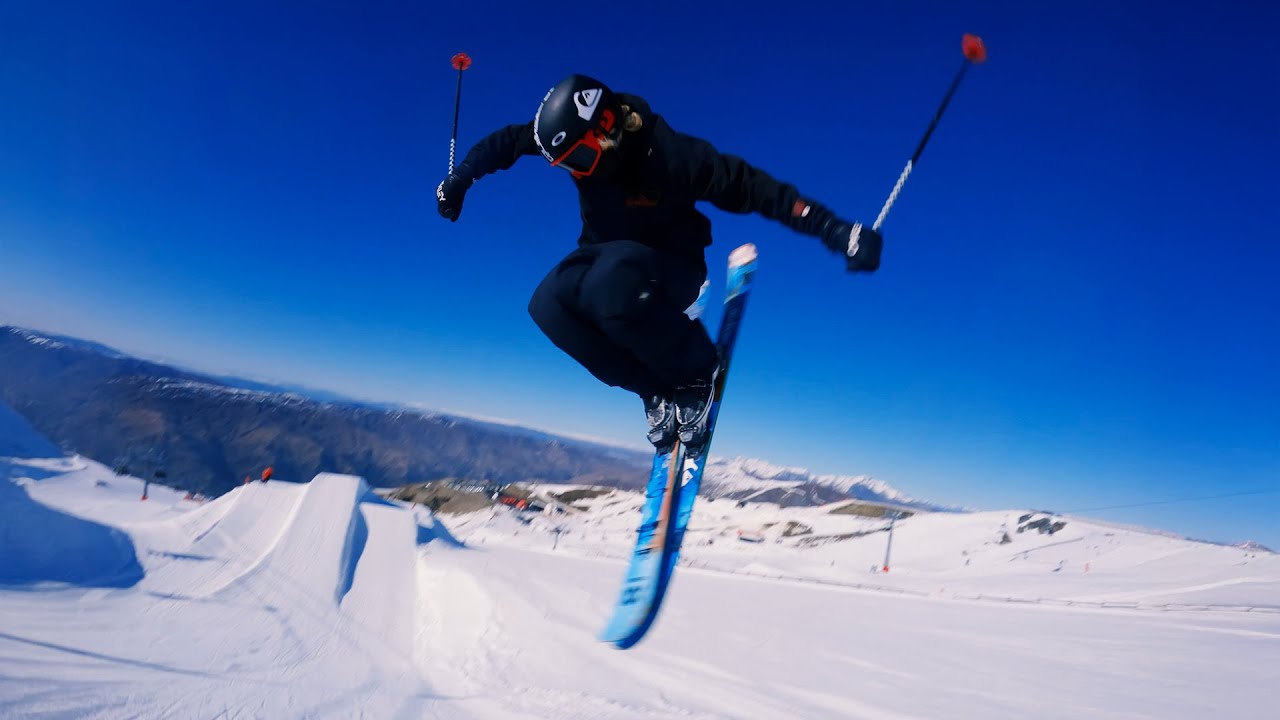
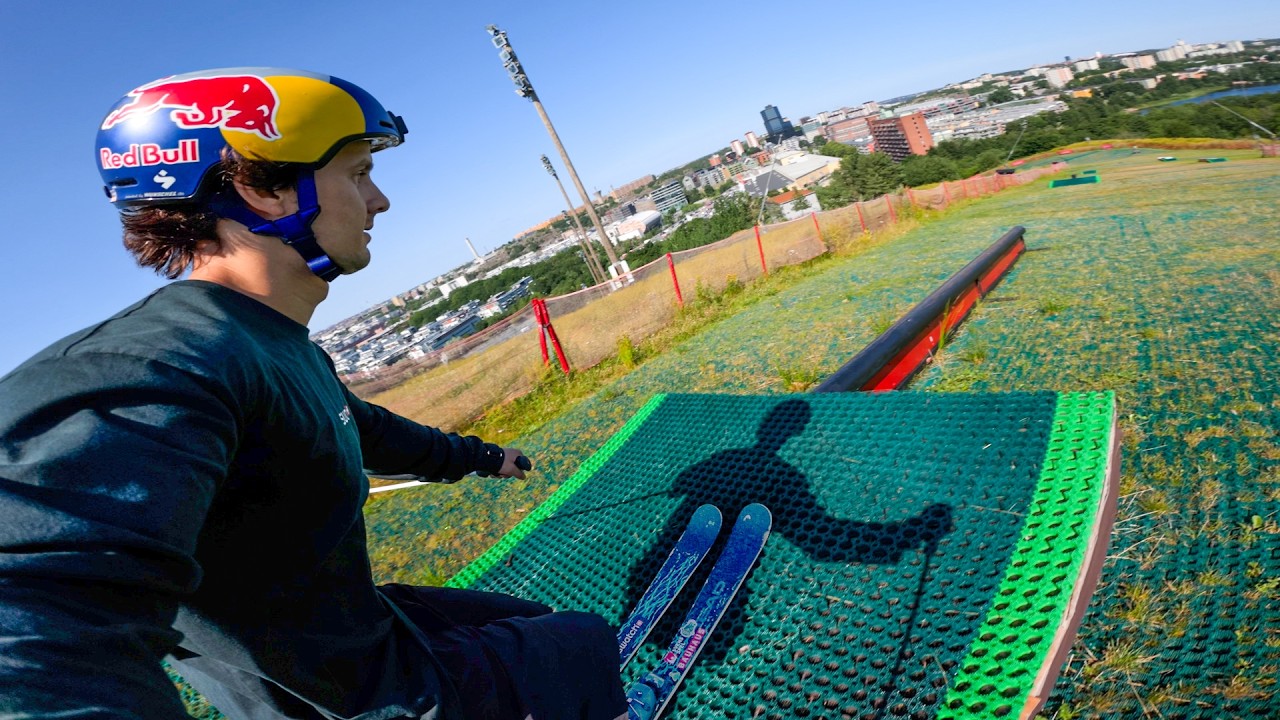
Different snow disciplines ask different things from the camera. In park skiing, a helmet mount or pole mount can show timing, approach speed and landing direction. In freeride, a chest mount can keep skis visible and reduce head movement while the skier scans terrain. In big mountain competition, helmet POV helps viewers understand what a rider sees before committing to a face. In backcountry filming, GoPro can capture the athlete’s perspective even when the main film camera is far away on a ridge or drone angle.
The HB Series Lens Mods add more creative control to that performance base. Ultra Wide is the most direct snow tool for immersive POV. Anamorphic can give a ski story a wider cinematic look. ND filters can help motion feel smoother in bright alpine light. Macro is less essential for action, but useful for gear, texture, snow crystals and detail shots in a film project. GoPro’s strength is that the same camera can move from raw athlete POV to polished story support.
From X Games course previews to Freeride World Tour faces
GoPro’s snow credibility is strongly tied to athletes, competitions and media partnerships. The brand has worked with X Games to deliver course previews, POV angles and event perspectives that bring audiences closer to elite ski and snowboard competition. That role matters because action sports are often difficult to understand from a fixed broadcast camera. A rail line, halfpipe wall, knuckle huck takeoff or big air landing feels different when seen from the athlete’s helmet.
In freeride, GoPro’s partnership with the Freeride World Tour gives the brand one of its most important modern platforms. FWT athletes wear helmet mounted cameras to capture steep, exposed, high consequence terrain from inside the run. In 2026, GoPro and the Freeride World Tour also launched the Off the Record mini series, using HERO13 Black Ultra Wide Edition and MAX2 cameras to show both competition action and behind the scenes athlete moments. That moves GoPro beyond highlight capture and into storytelling.
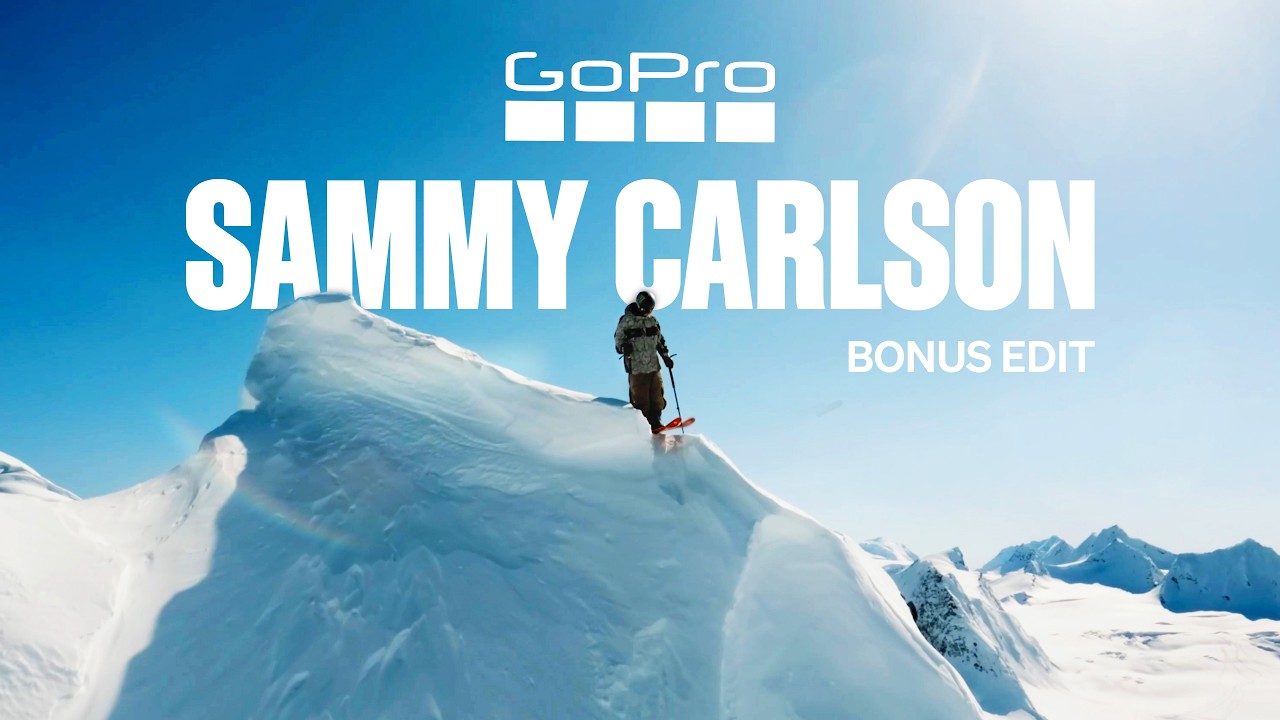
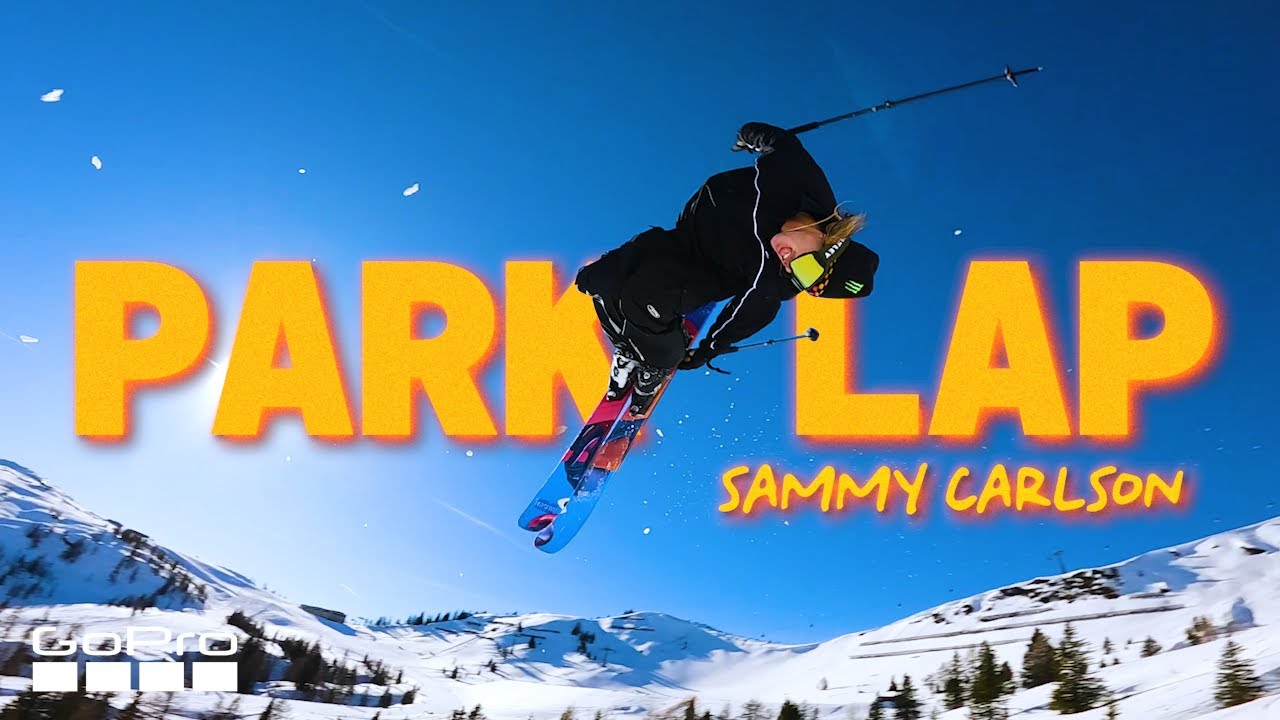
The athlete roster also supports the brand’s ski relevance. GoPro’s ski team announcements have included Sammy Carlson, Eric Hjorleifson, Arianna Tricomi, Parkin Costain and Dennis Ranalter, covering freestyle, freeride, backcountry, technical steep skiing and creative all mountain style. The brand has also worked in film contexts with Teton Gravity Research, including Beyond the Fantasy, where GoPro athlete POV helped support a major ski and snowboard production.
San Mateo headquarters with a global mountain footprint
GoPro is headquartered in California, but its snow identity is global. The brand appears wherever skiers film themselves: terrain parks in Europe, storm days in British Columbia, freeride faces in the Alps, powder travel in Japan, spring sessions in the Rockies and competition venues like Aspen or Verbier. Unlike a resort specific or discipline specific sponsor, GoPro travels easily because the use case travels with the skier.
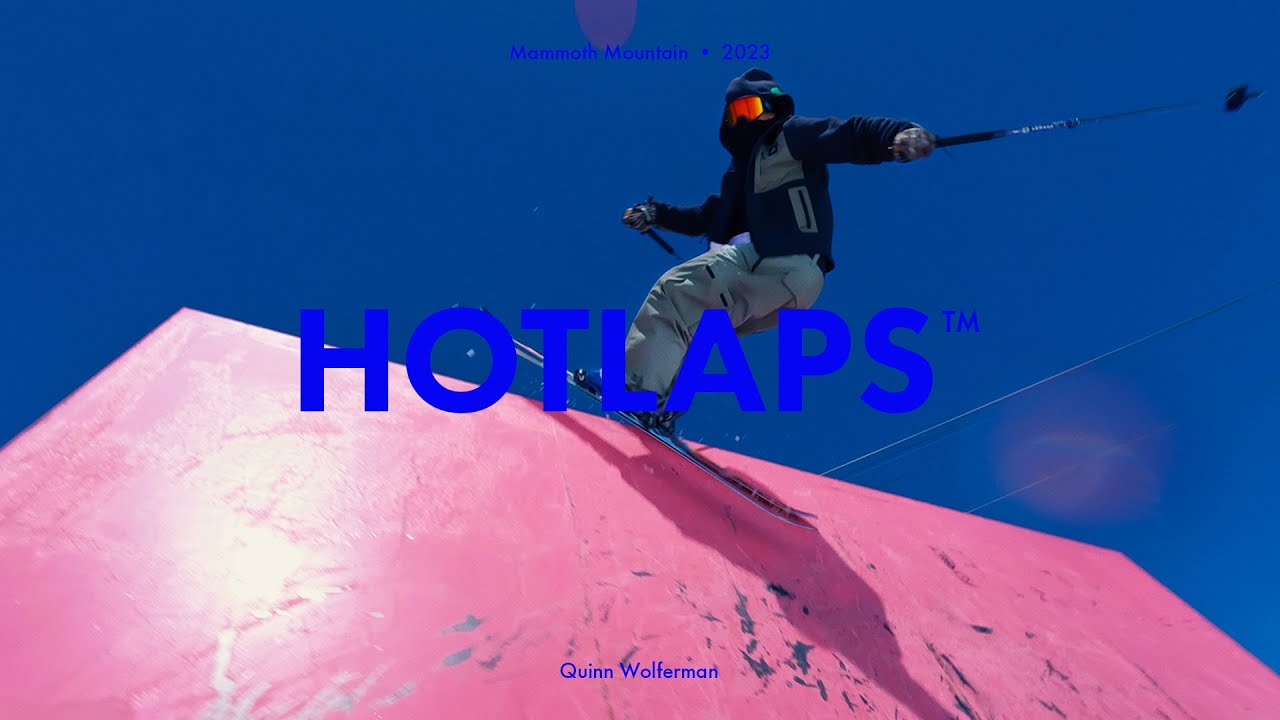
For skipowd.tv, that gives GoPro a wide editorial footprint. The same sponsor can appear on a park edit from Mammoth, a backcountry clip from British Columbia, a freeride POV from Alaska, or a contest run from a Freeride World Tour stop. The brand is not tied to a single mountain identity. It is tied to the act of capturing skiing from inside the moment.
That geography also explains why GoPro became part of skier habits. A small camera can fit in a pocket, mount to a helmet, attach to a chest harness, clip to a pole or sit on an extension arm during travel. It works for a local lap and a major expedition. That flexibility is what allowed GoPro to become a daily carry item for some skiers rather than a piece of equipment reserved only for film shoots.
Waterproof builds Enduro batteries and mounts that take abuse
For a camera brand, construction means surviving the mountain. GoPro cameras are designed to be rugged and waterproof, which matters immediately in snow. A ski camera faces cold, wet gloves, blowing powder, condensation, repeated falls, hardpack impacts, chairlift vibration and fast temperature changes between lodge and storm. The best action camera is not simply the one with the sharpest image. It is the one that keeps working after being stuffed into a pack, clipped to a helmet and knocked into snow.
Battery performance is another winter issue. Cold weather drains batteries faster, so GoPro’s Enduro battery system is important for ski users. A skier filming all day still needs to manage power carefully, but improved cold weather battery behavior makes modern GoPros more realistic for lift laps, sidecountry hikes and backcountry filming. Spare batteries, a warm inside pocket and disciplined shooting still matter, especially on deep winter days.
Mounts are the other half of durability. GoPro’s accessory range includes mounts, mods, batteries, protection, cases, lighting and ski specific options such as ski pole mounts and extension poles. A helmet mount gives direct POV. A chest mount steadies the shot and keeps skis visible. A pole mount creates follow cam or selfie angles. A 360 pole creates invisible third person footage. For snow users, the mount choice shapes the clip as much as the camera model.
Choosing HERO13 MAX2 mounts and lens mods for skiing
Choosing a GoPro setup starts with the shot you want. For classic ski POV, HERO13 Black or HERO13 Black Ultra Wide Edition is the most straightforward choice. It gives direct capture, strong stabilization and a simple workflow. A helmet mount works for most resort and park POV. A chest mount works well for steeps, powder and situations where showing skis in frame helps the viewer understand body position and terrain.
For skiers who film friends or want more creative freedom after the run, MAX2 is the better tool. A 360 camera lets the skier capture forward, backward, side and overhead perspectives in one take, then reframe later in Quik. That is especially useful in trees, follow cam situations, group runs and backcountry lines where the best angle may not be obvious during the descent. The tradeoff is more editing time and more attention to pole placement.
Lens mods and accessories should match the skier’s habits. Ultra Wide is the strongest snow option for immersion. Anamorphic makes sense for cinematic projects. ND filters are useful in bright conditions when the skier wants smoother motion blur. A simple extension pole can produce better footage than expensive extras if the skier learns how to hold it steadily. The best GoPro kit is not always the biggest kit. It is the setup that a skier will actually mount, use and maintain through a full winter day.
Why GoPro still matters to ski culture
GoPro matters because it changed the relationship between skiing and memory. It made the skier’s own view part of the culture. It gave athletes a way to show the line from inside the decision. It gave fans a closer look at speed, fear, creativity and terrain. It gave everyday skiers a way to document the powder day that would otherwise disappear as soon as tracks filled in.
The brand also changed ski media economics. A major film still needs talented cinematographers, athletes, planning and editing, but GoPro footage can add intimacy that outside cameras cannot capture. A POV angle can show the takeoff, the hesitation, the correction, the landing and the breath afterward. That is why professional productions still use GoPro even when they also have cinema cameras, drones and long lenses.
On skipowd.tv, GoPro belongs as one of the most important non ski hardware brands in the snow ecosystem. It does not build skis, boots or bindings, but it helps define how modern skiing is seen. From park laps to Alaska spines, from Freeride World Tour starts to casual resort edits, GoPro remains the small camera that turns a skier’s point of view into a shared piece of ski culture.