Rylie Warnick
Utah, USA | Active: 2023-present public freeski record | Known for: SuperUnknown 22 win, Red Bull Unrailistic 2026, SLVSH Cup, rail-focused park skiing | Current: emerging American street and park skier linked with Vishnu Freeski
Snowbasin When The First Win Arrived Fast
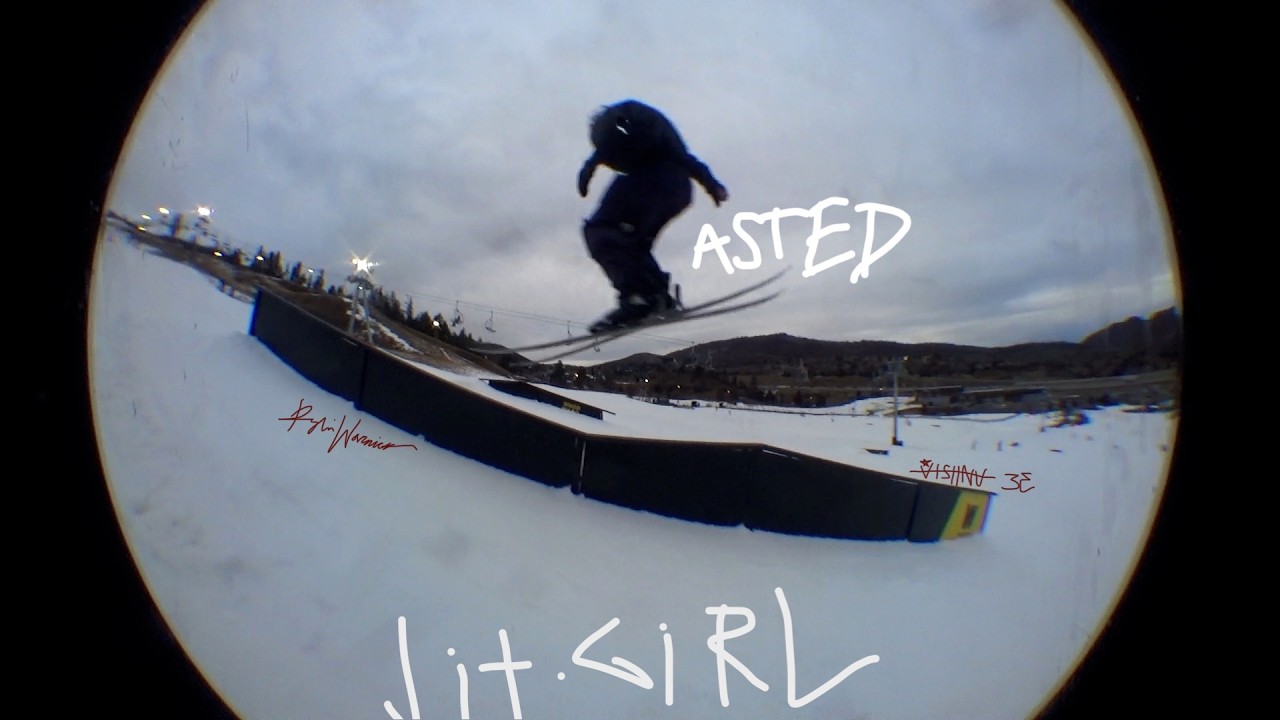
Snowbasin’s spring rail setup was soft at the edges, the April sun pulling moisture into the takeoffs while the metal still ran quick. Rylie Warnick came through that course in 2023 with only a short park-skiing history behind her, then left with the Spring Showdown win and a cash prize. The detail became part of her story because it sounded almost unrealistic: a skier who had barely entered park skiing months earlier was already landing fastslides, blind twos, spins on, and 450s out in public footage. That first marker did not make her complete, but it gave her progression a visible start line.
Utah Repetition Before The Wider Stage
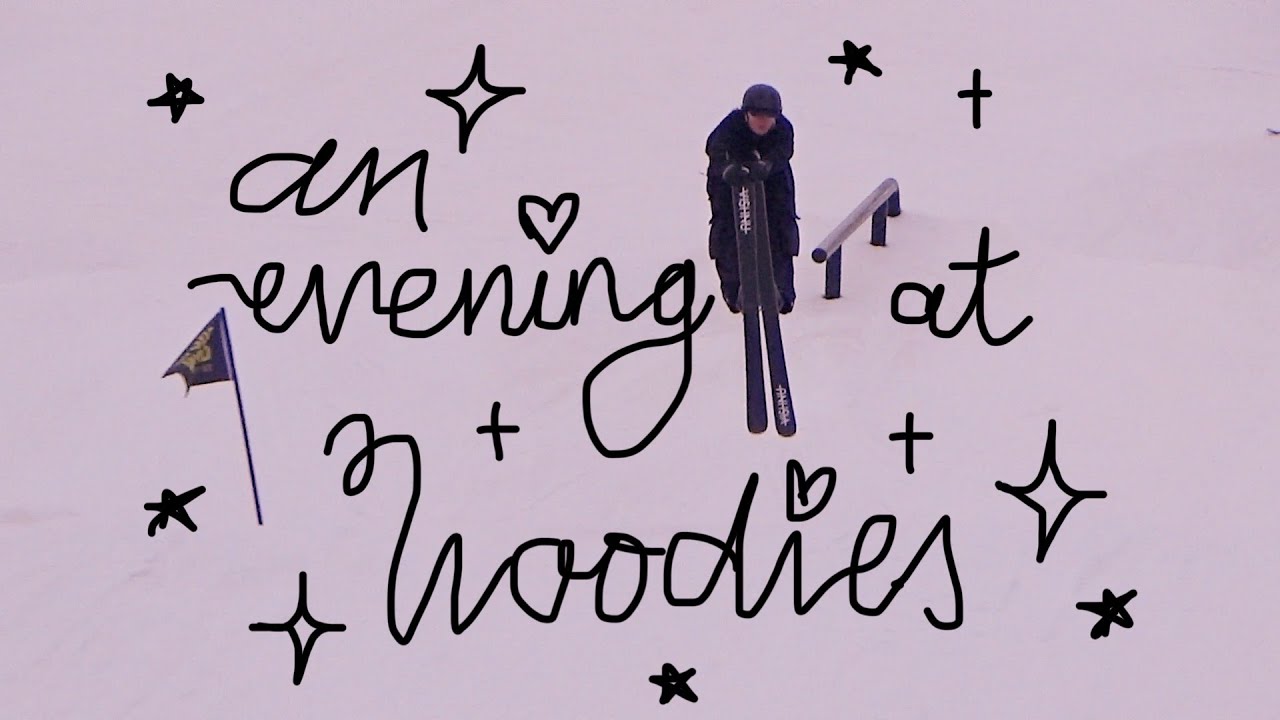
Warnick’s public ski identity comes from Utah park and street culture rather than a standard FIS slopestyle pipeline. The verified early record points toward Snowbasin, rail gardens, edits, Instagram clips, and quick movement into street-style contests. A track profile connected to Orem High School also places her athletic background outside skiing, which helps explain the speed of adaptation. Hurdles and high jump do not automatically create a freeskier, but they can build coordination, takeoff timing, lower-body power, and comfort under short bursts of pressure. Those traits are visible in the way Warnick approaches rails: calm run-in, compact pop, decisive contact.
From New Park Skier To Newschoolers Signal
Newschoolers’ 2023 feature framed Warnick’s first season as one of the fastest visible progressions in park skiing. The language around that piece matters because it came from a community that usually rewards proof more than hype. It pointed to a season edit, street attempts, rail tricks and a jump in difficulty that did not look gradual. Warnick’s early footage was not built around massive jumps or a complete competition run. It was built around repeated rail contact: fall, reset, approach again, lock in cleaner, exit with less panic, then add rotation once the base felt stable.
Dew Tour At Copper Before The Breakthrough
The 2024 Dew Tour Streetstyle contest at Copper Mountain gave Warnick a higher-pressure environment. Downdays listed her among the invited women for the streetstyle field, and Newschoolers’ recap placed her in a heat with Eileen Gu, Taylor Lundquist and Isabella Tvede-Jensen. That is a difficult comparison group for any emerging skier. Gu brought elite contest execution, Lundquist brought deep rail style, and the Copper course used a fast urban-style build rather than a simple resort rail line. Warnick did not leave with the headline result, but the start itself mattered. It placed her beside established names and forced her skiing into a professional jam cadence.
Next X And The Street Style Door
Warnick returned to the X Games street-style pathway later in 2024 through Next X Women’s Ski Street Style at Copper Mountain. X Games listed Marion Balsamo first, Eleanor Andrews second, Finley Good third and Warnick fourth among the athletes who advanced into the Street Style Pro final. That result is an important step in her arc because it shows that the early hype had become repeatable contest presence. The format rewarded overall impression, execution, progression and variety during a fast session. For Warnick, that meant handling traffic, lights, judging, multiple runs and the pressure of turning a rail line into a readable performance.
SLVSH Cup Under Grandvalira Lights
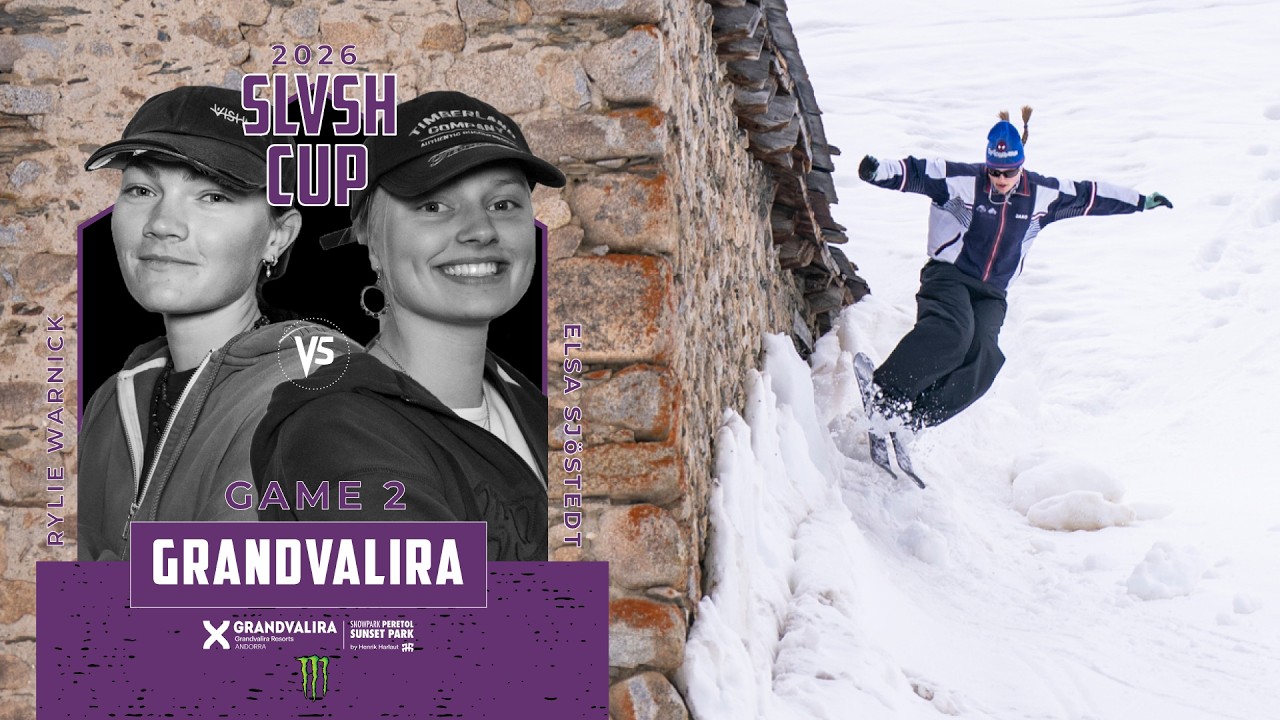
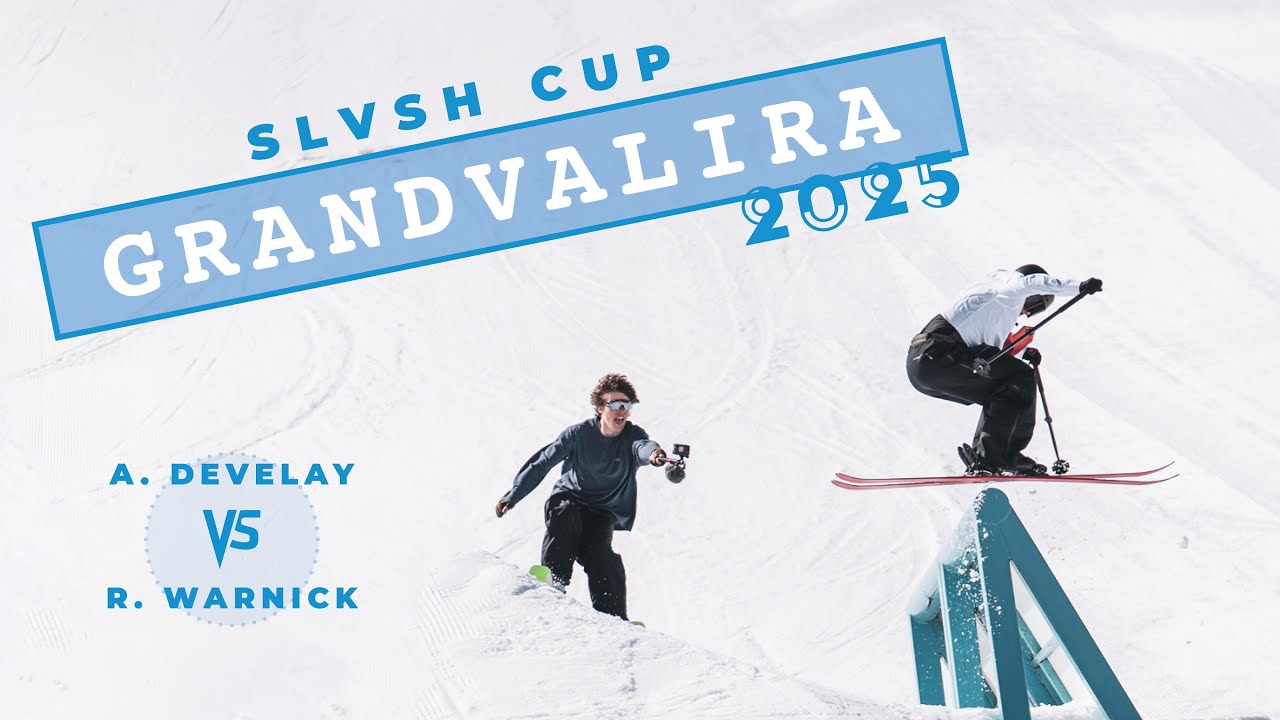
Grandvalira’s Sunset Park Peretol added a different type of pressure. In 2025, Warnick appeared in SLVSH Cup Grandvalira against Alaïs Develay, then returned in 2026 for matches including Elsa Sjöstedt, Jennie-Lee Burmansson and Taylor Lundquist. SLVSH is not scored like Dew Tour or X Games Street Style. The format asks a skier to answer tricks directly, handle misses without losing focus, and understand how to set a move that creates pressure without becoming unrealistic. Under lights in Andorra, rails and boxes become less about one perfect run and more about memory, discipline, and the ability to adapt when another skier changes the game.
SuperUnknown 22 At Palisades Tahoe
The strongest breakthrough came at Level 1’s SuperUnknown 22 in 2025. Level 1 lists Rylie Warnick as the women’s winner and Isak Davidsson as the men’s winner, with the finals held at Palisades Tahoe. Powder described SuperUnknown as a long-running video contest and spring park session where amateur skiers submit edits, earn invitations, then ride a finals week judged by peer vote. That context is crucial. Warnick’s win was not a federation result or a single judged run. It was a week-long statement in front of pros, finalists, filmers and skiers who value trick selection, personality, spot use and how a skier looks on camera.
Why The SuperUnknown Win Changed Her Status
SuperUnknown has launched skiers because it measures more than contest discipline. A skier has to ride all week, keep producing clips, make features interesting, and still have enough energy when others are watching. Newschoolers wrote that Warnick had been progressing rapidly in technical rail tricks despite only skiing park for about three years. That line explains why the win carried weight. It was not only that she landed tricks at Palisades. It was that the pace of her development, the clean rail choices, and the ability to hold attention across a full event made her look like a skier entering the pro conversation.
Åre And The Unrailistic Win
Red Bull Unrailistic 2026 pushed Warnick into another major rail-specific spotlight. The event in Åre, Sweden, uses custom features created around Jesper Tjäder’s most unusual ideas: technical rails, transfer lines, over-vert walls, mini ramps, and strange routes that do not fit traditional slopestyle. Red Bull’s report says Warnick won the women’s slopestyle competition, landing a transfer-transfer on the Plinko rail and a railslide into transition on the rainbow feature. That result matters because Unrailistic is built to expose weakness. It does not reward safe, ordinary rail skiing. It asks a rider to solve a course that looks unrealistic until someone makes it work.
How Warnick Skis Rails
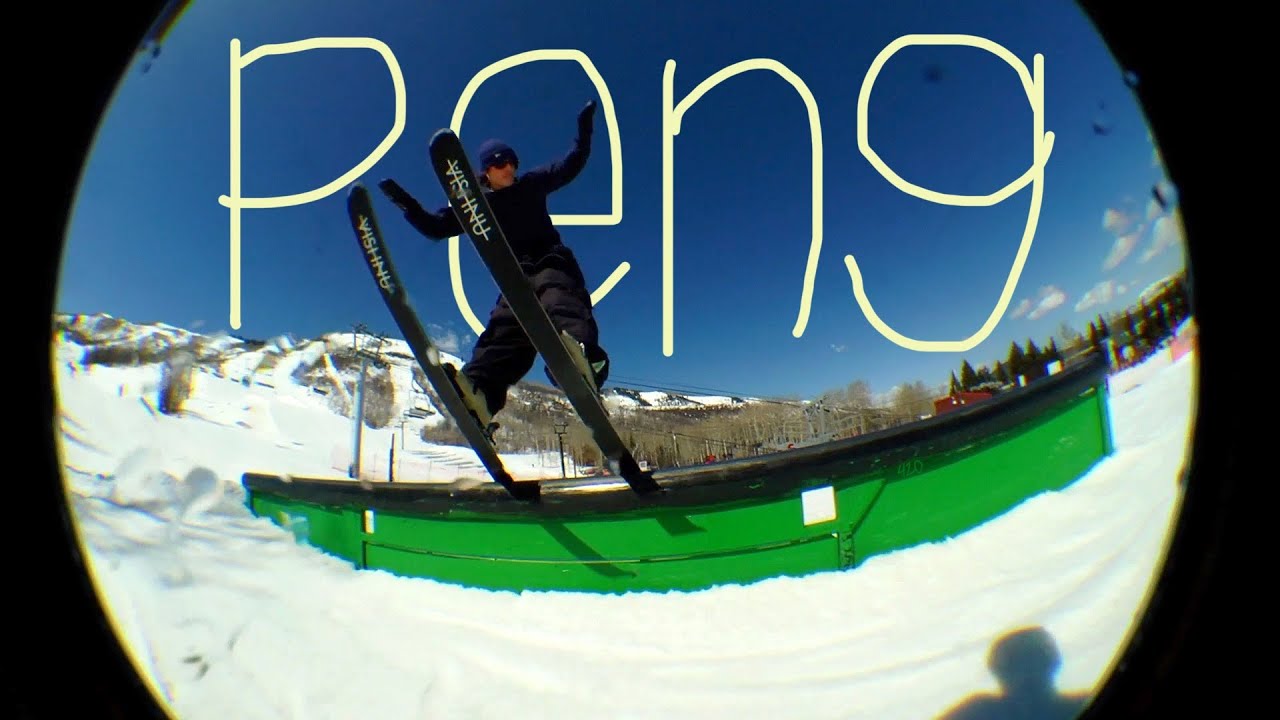
Warnick’s skiing is still developing, but the strongest public traits are already visible. She uses quiet approaches, keeps her shoulders neutral, and lets the skis find a stable platform before adding rotation. On rails, she looks comfortable with fastslides, switch entries, surface changes, blind twos, continuing spins, transfer lines and clean exits. The important part is not only the trick list. It is the low panic level. Many skiers telegraph a difficult move before takeoff. Warnick often keeps the approach flat and controlled, then makes the release feel sudden but not rushed.
Vishnu, Shady Canyon And The Clip Economy
Warnick’s current media trail also includes Vishnu-linked footage and newer creative clips such as Shady Canyon 4, where she appears with Dylan Manley, Kysen Hall, Ace Perry, Brian Hershey and Ruby Dicastro. That context is useful because it keeps her from being understood only as a contest skier. Vishnu’s lane in freeskiing is street, rails, presses, handmade setups and low-speed creativity. Warnick fits that world because her progression has always looked clip-based: short pieces of proof, rail by rail, line by line, rather than a long official results page.
The Current Rylie Warnick Lane
Warnick’s verified profile now has enough weight for a full emerging-skier page: Snowbasin Spring Showdown, Dew Tour Streetstyle, X Games Next X, SLVSH Cup Grandvalira, SuperUnknown 22, Red Bull Unrailistic 2026 and Vishnu-linked video appearances. She is not yet a World Cup star, Olympic medalist or X Games podium fixture. Her importance comes from another place: rapid progression, rail-event relevance, peer recognition and a style that works across public parks, video sessions, head-to-head games and custom rail contests. The next factual markers will be whether she turns those wins into more major invited events, stronger street parts, or a full pro-team position that reflects what her clips already suggest.