RuRoc
United Kingdom
British snow helmet and goggle brand | Founded in Gloucester with the RG1 modular full face snow helmet launched in 2008 | Known for: RG2, RG1-DX, LITE, NIX, integrated goggles, Shockwave audio and RHEON impact technology | Focus: bold protective systems for skiers and riders who want face coverage, optics, audio and helmet confidence in one distinctive package.
Gloucester beginnings and the full face snow helmet gamble
Ruroc is not a ski manufacturer, crew or production studio. It is a British helmet and snow protection brand that built its name around one of the most recognizable ideas in modern snow gear: the modular full face helmet. The brand was founded in Gloucester, United Kingdom, and its early snow identity came from a simple observation. Skiers and snowboarders were protecting their heads more often, but face protection, integrated optics and weather shielding were still treated as separate pieces.
The RG1 launched in 2008 and gave Ruroc its signature. Instead of a conventional open face snow helmet paired with any random goggle, the RG1 connected helmet, goggles and removable face protection into one system. The look was aggressive and divisive from the start. Some riders loved the storm proof, almost tactical silhouette. Others saw it as too loud for the lift line. That split reaction became part of the brand's identity.
Ruroc matters because it created a distinct lane in snow helmets. It did not try to look like Giro, Smith, POC or Bern. It pushed into a sharper visual language around full face coverage, fast lens changes, integrated audio and bold graphics. For skipowd.tv, that makes Ruroc relevant as a snow protection sponsor with a clear visual signature in park, freeride, snowmobile access, storm days and resort clips.
RG1 RG2 LITE and NIX define the snow helmet map
Ruroc's current snow range is built around several helmet families. RG2 is the modern continuation of the full face concept. Inspired by the original RG1, it connects goggles, mask and helmet in a modular system designed for riders who want more face coverage than a traditional open face lid. The appeal is strongest in cold, windy and high speed environments where spindrift, face freeze and exposed skin become part of the day.
RG1-DX remains part of the brand's heritage and product memory, keeping the older full face look alive for riders who associate Ruroc with its original snow identity. LITE and LITE+ move in a more conventional open face direction. They are designed for skiers and snowboarders who want Ruroc's safety and styling language without committing to the full face system. NIX sits as a lighter, more accessible all mountain option, with a simpler profile and broad use case.
Goggles, lenses, accessories and apparel complete the snow category. Ruroc's goggle system is important because the helmet brand is built around integration. The fastest way to understand Ruroc is to think in systems rather than individual pieces. Helmet shape, goggle fit, face mask, audio and accessories are intended to work together, which is why the brand feels different from a traditional helmet company where every component is chosen separately.
Face coverage for wind spindrift park laps and fast resort days
Ruroc's strongest use case is weather and coverage. A full face system makes the most sense when cold air, wind, snow spray or speed punish exposed skin. Skiers who ride in storm cycles, snowmobile access zones, open alpine terrain or cold resort conditions can understand the practical appeal quickly. The mask is not only a style statement. It can help shield the face when normal goggles and a neck tube feel messy or unstable.
For park skiers and resort riders, the value is different. LITE and NIX models are easier to place in everyday skiing because they keep the familiar open face shape. They suit riders who want a bold helmet with clean goggle compatibility, but who do not need full face protection for every run. In the park, weight, comfort, field of view and goggle stability matter more than maximum facial coverage.
For freeride and backcountry skiers, the decision is more personal. Full face systems can feel secure in exposed weather, but they also add a stronger visual identity and may feel more enclosed than a traditional helmet. Ruroc works best for riders who know they want that system: integrated mask, integrated optics, optional audio and a look that stands out immediately on camera.
Tanner Hall Katie Ormerod and the athlete credibility question
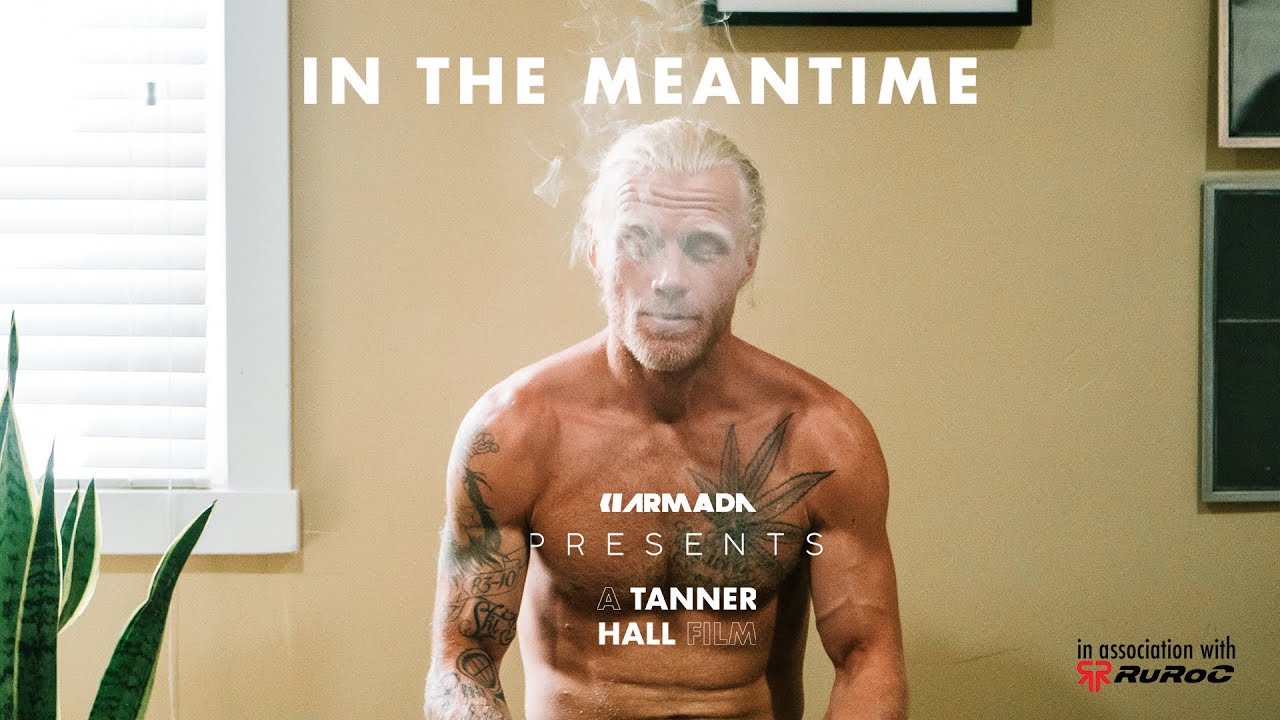
Ruroc's official snow page has highlighted athletes including Tanner Hall, Katie Ormerod, Emil Granbom, Thomas Feurstein and Jordane Legal. That roster matters because it places the brand across several snow identities. Tanner Hall gives Ruroc a link to freeski history, park culture, film influence and one of the most recognizable personalities in the sport. Katie Ormerod adds elite snowboard contest credibility. Emil Granbom and Thomas Feurstein connect the brand to creative snowboarding and freestyle riding.
Ruroc's athlete story is useful because the brand has always been polarizing. A conventional helmet brand can disappear into the background. Ruroc cannot. The full face look is instantly visible, so athlete use helps explain where the product belongs. It fits riders who are comfortable being noticed and who want their helmet to feel like part of their identity rather than a neutral safety item.
For ski culture, Tanner Hall is the most relevant reference. His connection gives Ruroc a route into freeski credibility beyond the brand's moto and snowboard crossover. It helps the product appear in the same world as park sessions, freeride clips, style driven edits and rider led content. Still, Ruroc's reputation is not built on a massive ski team. It is built on a distinctive product concept and a community that either strongly connects with the look or avoids it completely.
UK engineering with a mountain identity built elsewhere
Ruroc's geography is unusual for a snow helmet brand. It is designed and engineered in the United Kingdom rather than being born directly inside an Alpine, Scandinavian or North American ski town. Gloucester gives the company an industrial and design base, while the product identity is built for mountains far away: European resorts, North American park laps, Canadian storms, snowmobile zones and cold windy chairlift days.
That separation is part of the brand's story. Ruroc does not sell itself through one famous home mountain. It sells a system that can travel. A full face helmet in Scotland, the Alps, Colorado, Japan or British Columbia solves the same kind of problem when weather and speed make exposed skin uncomfortable. A LITE helmet in a park or resort environment carries the same Ruroc look without requiring the rider to commit to the mask every day.
For skipowd.tv, Ruroc's location matters less than its visual presence. The brand can appear in snow content from many regions because helmets and goggles are universal. Its strongest editorial value comes when the shot makes the gear visible: a rider pushing through wind, a lift line full of snow, a face shot in storm conditions, or a helmet close up that immediately reads as Ruroc.
RHEON Shockwave goggles and the integrated protection stack
Ruroc's construction language focuses on impact management, optics and integration. The brand highlights RHEON technology, a reactive polymer system used to help manage both linear and rotational impact energy. That is central to the safety story because helmet buyers increasingly compare more than shell shape and foam. They look for additional impact management systems, certification claims, fit adjustment, liner comfort and how the helmet behaves in real falls.
Shockwave audio is another part of the Ruroc system. The RG2 Shockwave setup is promoted around group communication, music and hands free conversation. For skiers who ride with friends, film groups or snowmobile access crews, integrated audio can be useful when it avoids messy external mounting. The tradeoff is complexity. Audio systems add charging, pairing, compatibility and durability questions that do not exist with a simple helmet.
The goggle system is equally important. Ruroc promotes precision optics, fast lens swaps and integrated compatibility with its snow helmets. That matters because poor goggle fit can ruin a helmet. Gaps create forehead freeze. Bad lens changes slow down weather transitions. Poor ventilation creates fog. Ruroc's strongest argument is that it designs the helmet and optics together, reducing the guesswork of mixing different brands.
Choosing RG2 RG1-DX LITE or NIX for your skiing
Choosing Ruroc starts with how much coverage you actually want. If the main appeal is the full face system, RG2 is the modern direction. It makes the most sense for skiers and snowboarders who ride in cold, windy, exposed or high speed conditions and want helmet, goggles and face mask to behave as one package. It is also the clearest choice for riders who specifically want the iconic Ruroc look.
If the full face design feels too much for everyday skiing, LITE or LITE+ is the better direction. These models keep a more conventional snow helmet profile while preserving Ruroc's bold styling and safety technology. They are easier to recommend for park, resort and all mountain days where face coverage is not the primary need. NIX is the simpler, more adaptable option for riders who want lightweight comfort and a more accessible entry into the brand.
Buyers should also think carefully about fit and service. Helmets are not fashion pieces first. A good snow helmet must sit level, feel snug without pressure, match the rider's head shape, work with goggles and meet the correct snow certification for the intended use. Ruroc's financial restructuring in 2025 also makes it sensible for customers to check current stock, support, warranty and delivery details before ordering, especially if buying from a region outside the main store.
Why Ruroc remains one of snow protection's most polarizing names
Ruroc matters because it forced a different conversation in snow helmets. The brand did not win attention by being subtle. It built a cult identity around full face coverage, bold graphics, integrated systems and a direct to consumer community. That approach made Ruroc memorable in a category where many helmets can look similar from a distance.
The same qualities explain why the brand is polarizing. Some riders see Ruroc as practical, protective and visually strong. Others prefer quieter helmets, simpler systems or legacy protection brands with longer ski racing and resort histories. That split does not make Ruroc irrelevant. It makes the brand distinct. In ski culture, a clear identity often matters more than universal approval.
On skipowd.tv, Ruroc belongs as a 4 out of 5 snow helmet and goggle sponsor. It does not have the multi decade ski heritage of the oldest protection brands, and it is not a hardgoods manufacturer. But its RG1 and RG2 full face systems, LITE helmets, RHEON technology, Shockwave integration, athlete visibility and unmistakable aesthetic give it a strong place in modern snow protection culture.