Mammoth Mountain
Rocky Mountains - CA
United States
California Eastern Sierra freeski resort above Mammoth Lakes | Known for: Unbound Terrain Parks, 22 foot halfpipe, 3500 plus acres, 11053 foot summit, long spring season, U.S. Grand Prix history, and Main Park progression | Season: November to June in typical years | Best for: park riders, halfpipe skiers, spring crews, storm skiers, and athletes chasing repeatable West Coast training laps
Eleven Thousand Feet Above The Eastern Sierra
Mammoth Mountain rises to 11,053 feet above Mammoth Lakes, with a 7,953 foot base, 3,100 feet of vertical rise, and 3,500 plus skiable acres on the eastern side of California’s Sierra Nevada. That altitude is the first reason the resort matters to freeskiing. Mammoth can hold winter snow through storms, then keep park and pipe skiing alive deep into spring when many North American resorts have already shut down.
The resort lists 180 named trails, 25 lifts, 81 snowmaking trails, 300 average sunny days, and a season that typically runs from November to June. Those numbers make Mammoth more than a California weekend mountain. It is a long-calendar training base, a spring filming hub, and one of the few resorts where a rider can plan powder, groomer speed, Main Park laps, halfpipe sessions, and late-season jump progression without changing destination.
Unbound Main Park And The California Progression Machine
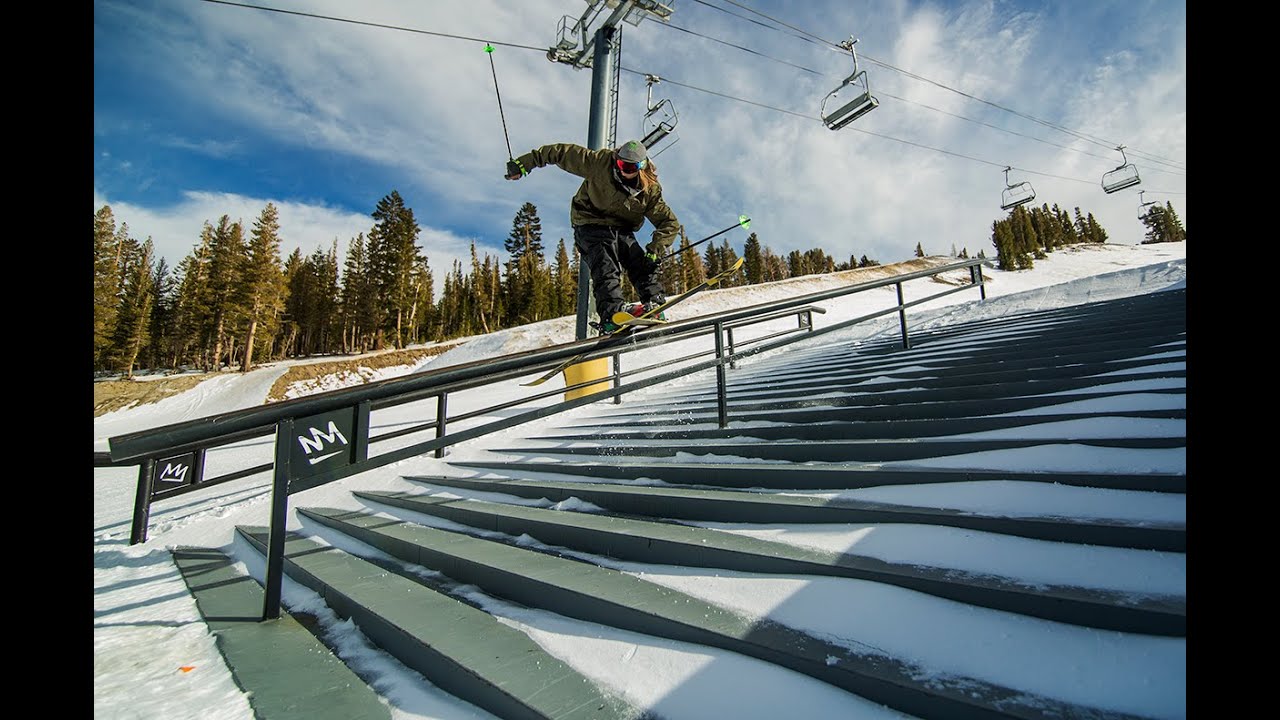
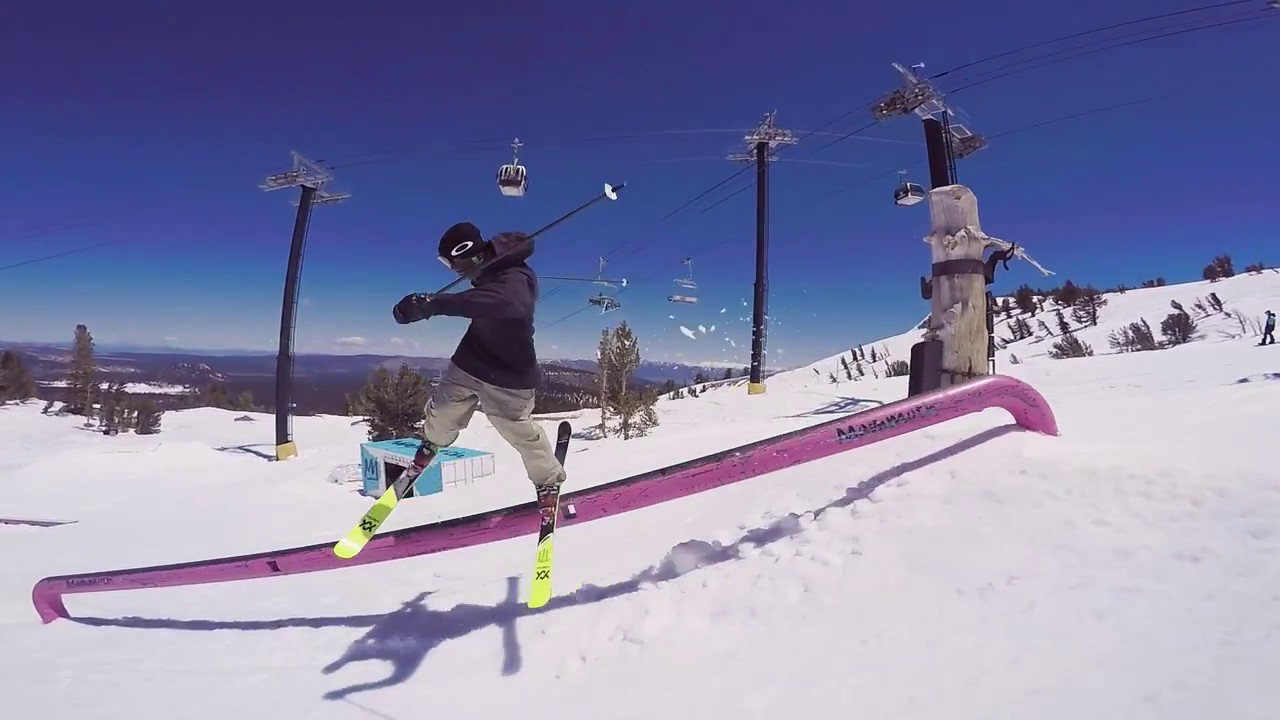
Unbound Terrain Parks are the center of Mammoth’s freeski identity. The official park program lists 10 unique parks, two halfpipes, more than 100 jibs, and up to 40 jumps on any given day across more than 100 acres. That is the type of infrastructure that changes a season. A skier can start with smaller features, move into Forest Trail, then step toward Main Park only when speed and line choice are already clean.
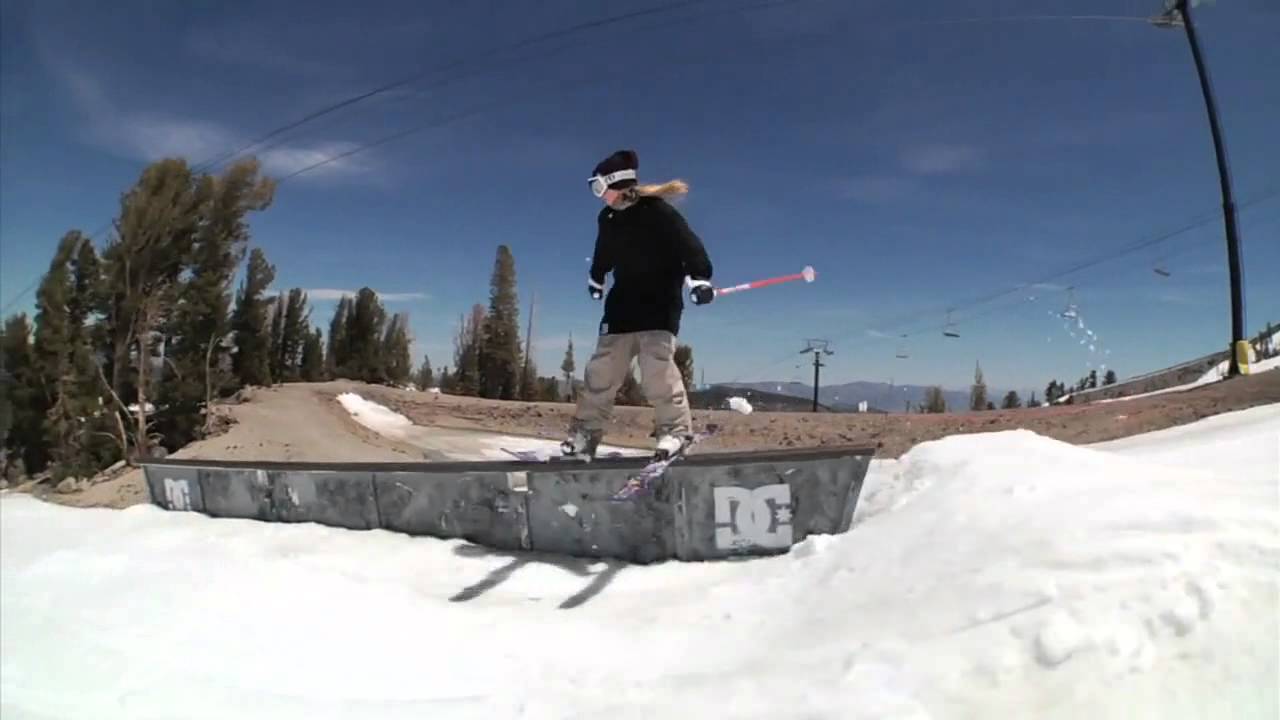
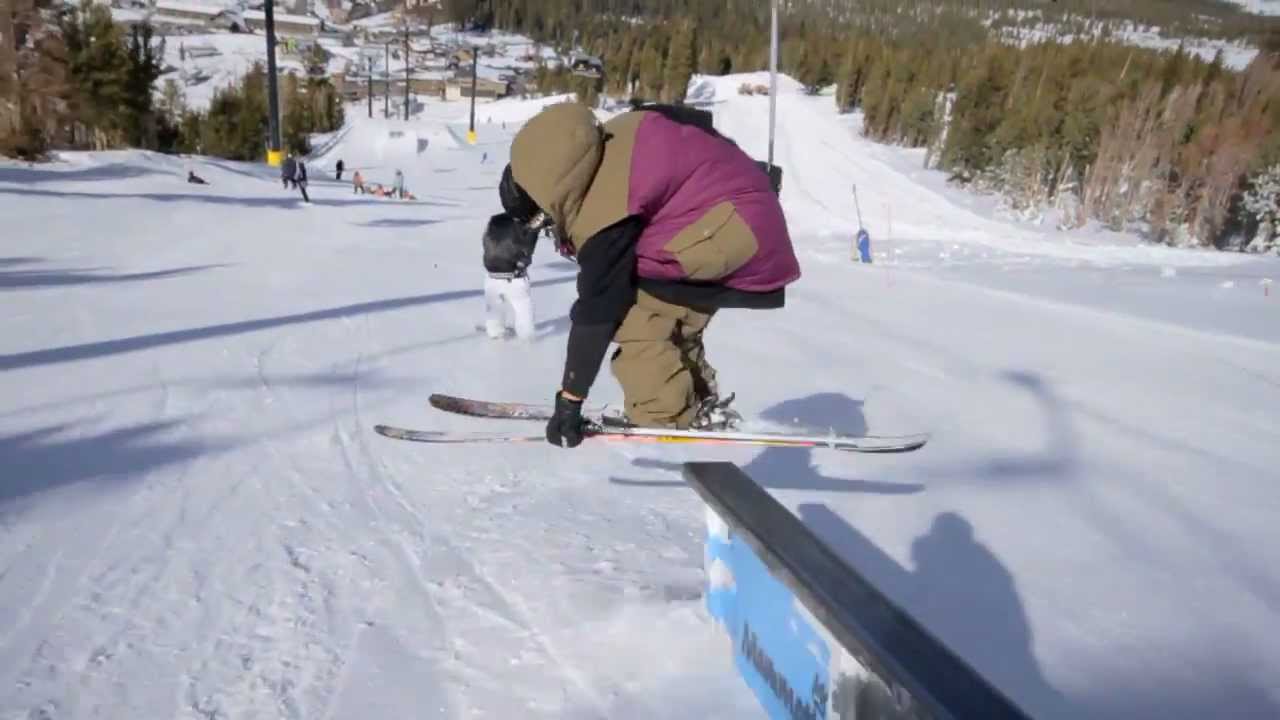
Main Park is the headline zone. Mammoth describes it as the resort’s largest park, built with pro-level jumps, technical rails, and a 22 foot halfpipe off Unbound Express from Main Lodge. The important detail is not only scale. Main Park is visible, repeatable, and filmed constantly. Riders can watch speed from the chair, inspect landings between laps, and return to the same feature enough times to turn one trick idea into a real line.
Forest Trail and other intermediate zones make the system more useful than a single pro course. Forest Trail works as a stepping stone, with smaller gaps, well-proportioned jumps, jibs, and fast access from Chair 6. That progression ladder is why Mammoth attracts both elite riders and developing park skiers. The mountain lets different ability levels share the same Unbound culture without forcing everyone onto the same feature size.
Sierra Storms Spring Sun And The November To June Window
Mammoth’s snow climate is pure Sierra logic: Pacific storms, dense snowfall, wind, sun, and spring cycles that can change a park line by the hour. The resort’s current stats list 350 inches of average annual snowfall, while older Mammoth fact sheets have described base snowfall above 400 inches. The safer working assumption for planning is simple: Mammoth gets enough snow to build a long season, but the surface changes constantly.
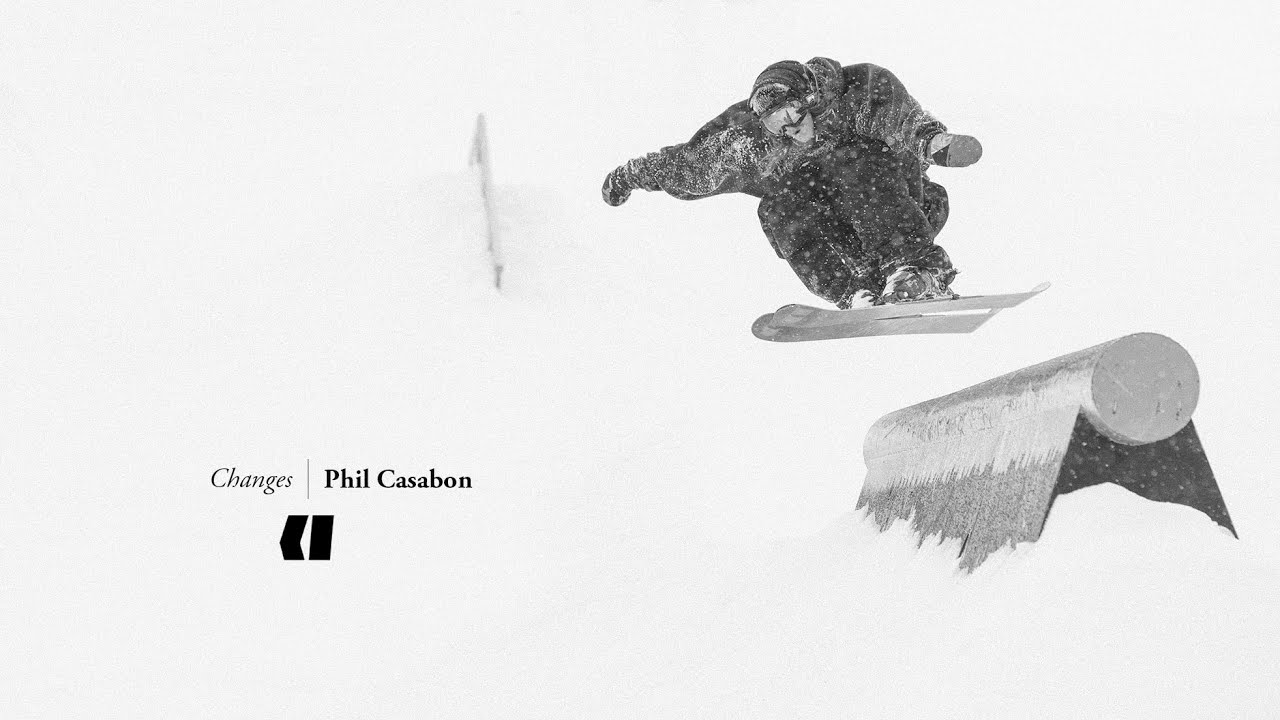
January and February are the best months for winter storm riding, upper-mountain chalk, powder landings, and colder park speed. March often gives the cleanest balance between snowfall and sunshine. April and May shift Mammoth into its signature spring mode, where Main Park and the pipe become the daily focus and the best laps often happen before the snow slows too much. In strong seasons, June keeps the resort connected to summer training culture.
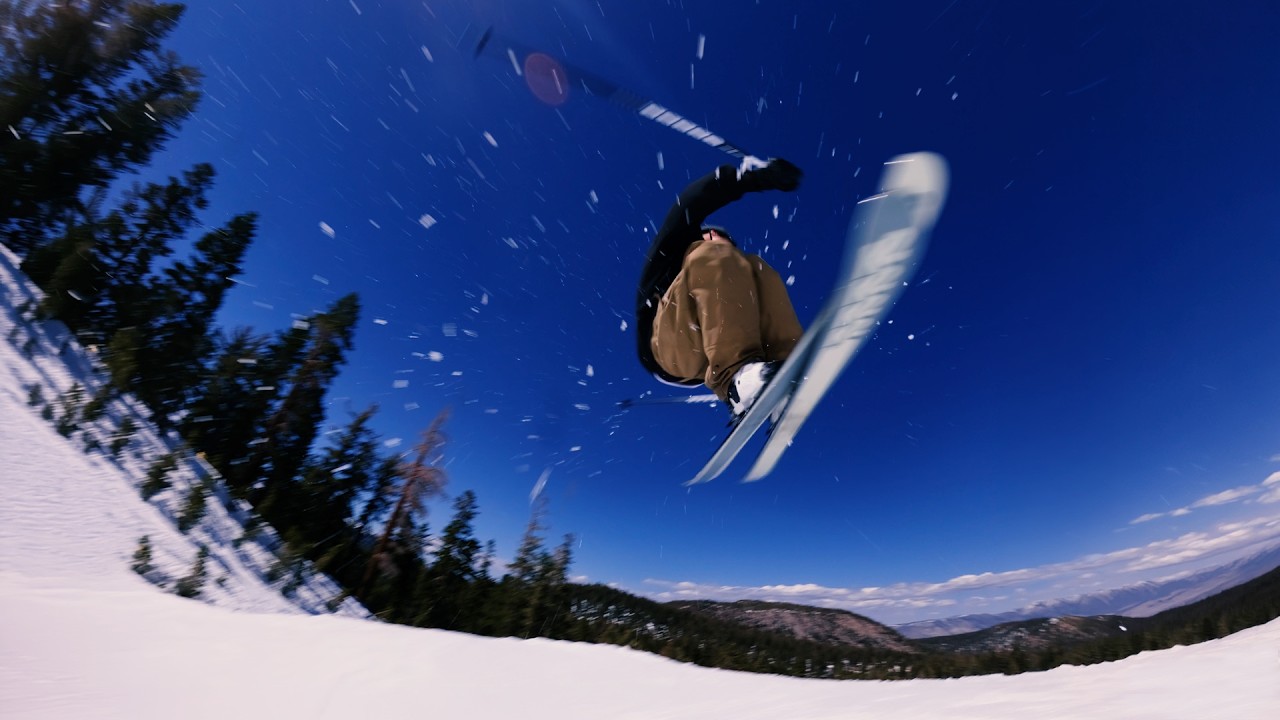
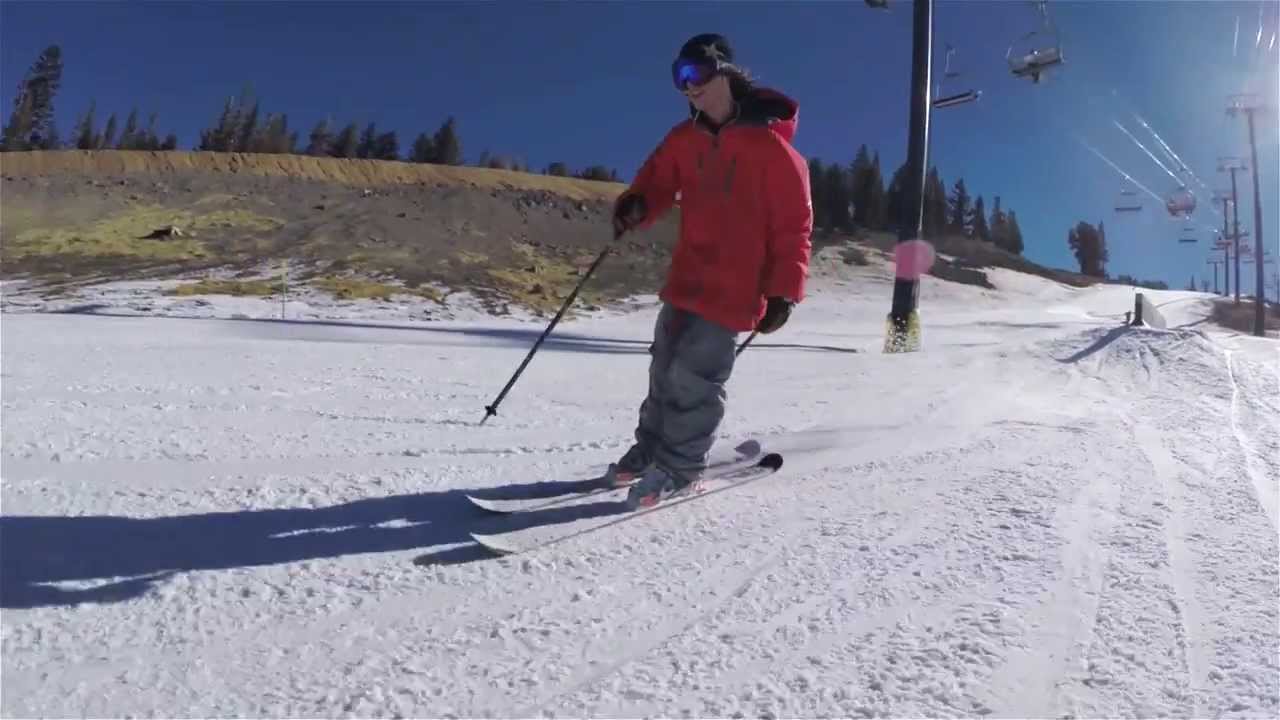
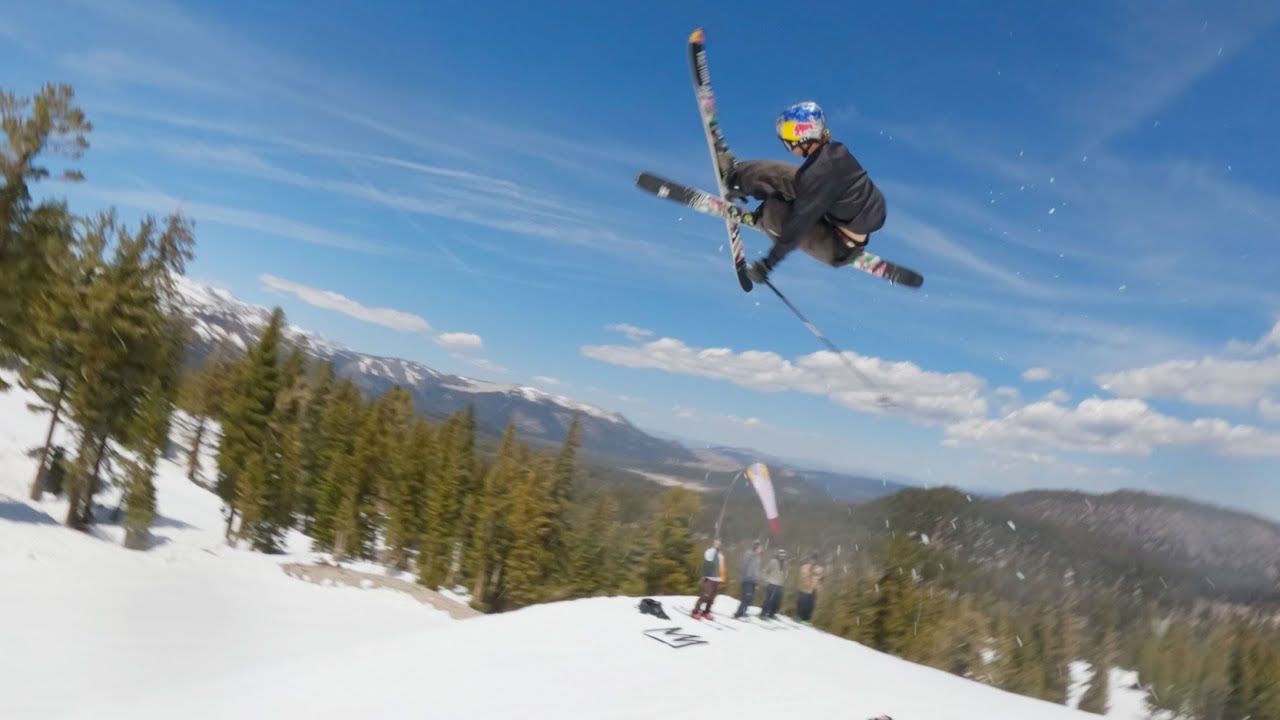
The mountain’s 300 average sunny days shape the footage. Mammoth clips often have a hard-blue Sierra look: bright takeoffs, pine shadows, white park lanes, and high volcanic ridges in the background. That light is useful for filming, but it also demands speed discipline. A jump that runs fast at 9 a.m. can become slow by lunch when sun, salt, and traffic soften the in-run.
U.S. Grand Prix History And Revolution Tour Pressure
Mammoth has been one of the key American venues for park and pipe competition. U.S. Ski & Snowboard described the 2024 Toyota U.S. Grand Prix at Mammoth as a freeski and snowboard halfpipe and slopestyle FIS World Cup, noting that Mammoth had hosted the Grand Prix more than a dozen times. That event history matters because it ties the resort directly to Olympic qualification, national-team selection pressure, and broadcast-level course building.
The 2026 iHeart U.S. Revolution Tour kept that pipeline active at Mammoth Mountain from March 10 to 14, with freeski halfpipe and slopestyle on the schedule. Mammoth’s own event page describes the tour as a stage for junior athletes moving from grassroots competition toward elite levels, using Unbound’s Main Park and 22 foot halfpipe. That is exactly where the resort’s importance sits: not only in one famous contest, but in the development path between young riders and the World Cup circuit.
For public skiers, contest weeks change the mountain. Some lines close for training, speed checks, course work, and finals. The upside is that Mammoth becomes a live classroom. Watching elite riders calibrate speed through Main Park teaches more than a trick list. It shows how much of modern freeskiing happens before takeoff: lane choice, body position, patience, and landing awareness.
June Mountain Neighbor And The Eastern Sierra Route
Mammoth’s location gives it a different travel rhythm from Colorado or Utah resorts. Mammoth Lakes sits in the Eastern Sierra, reached by long drives from Southern California, the Bay Area, Reno, or seasonal air access through Mammoth Yosemite Airport and Bishop. Visit Mammoth notes that Mammoth Yosemite Airport is about 10 minutes outside town, while Bishop is about 45 minutes south. Once in town, free public transit connects The Village and the resort’s three base lodges.
June Mountain is the natural nearby link. It sits north on the June Lake Loop and works as Mammoth’s quieter Eastern Sierra counterpart. June is not a substitute for Unbound or the halfpipe, but it gives skiers a softer, less crowded option for family days, storm laps, and lower-pressure progression. A strong trip can use Mammoth for park, pipe, and scale, then pivot to June when the crew needs calmer terrain.
On Mammoth itself, flow depends on the day’s objective. Use Main Lodge for Unbound, Chair 6, and the park scene. Use Canyon and Eagle for lodging convenience, groomer access, and lower-mountain circulation. Chase the upper mountain when wind and visibility allow, then move back toward park laps when spring texture or flat light makes the alpine less productive.
Wallisch ABM And The Spring Park Archive
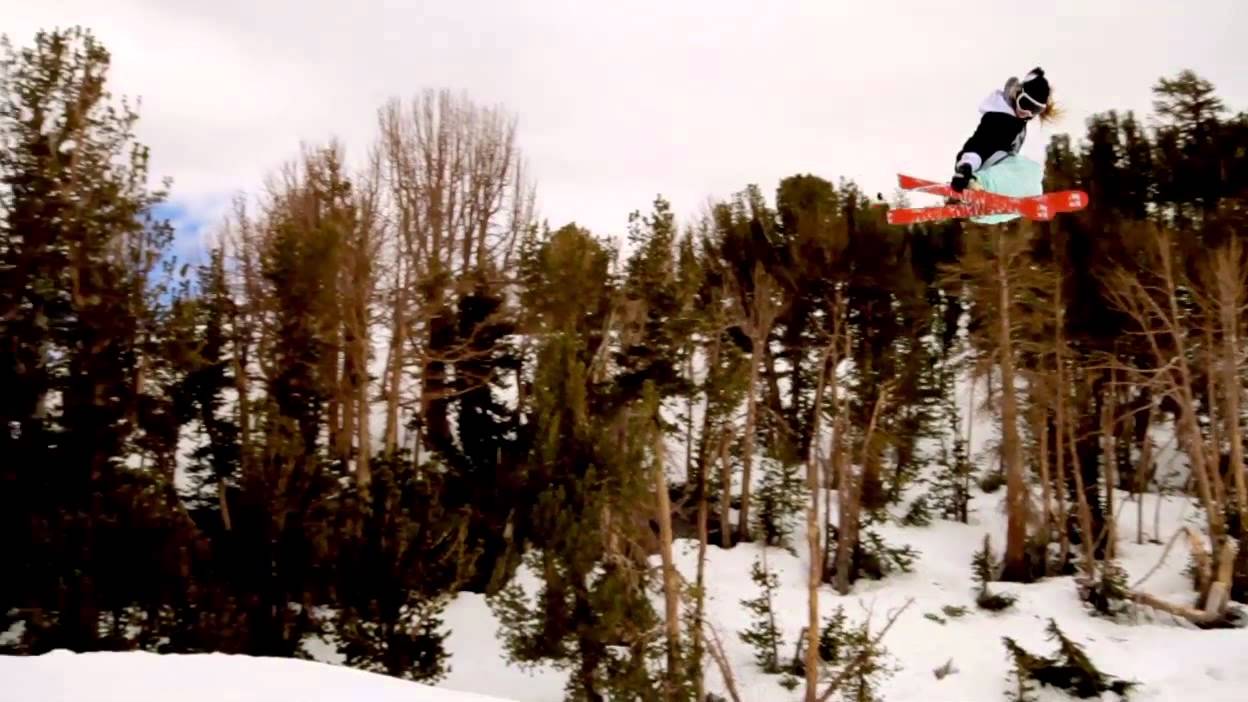
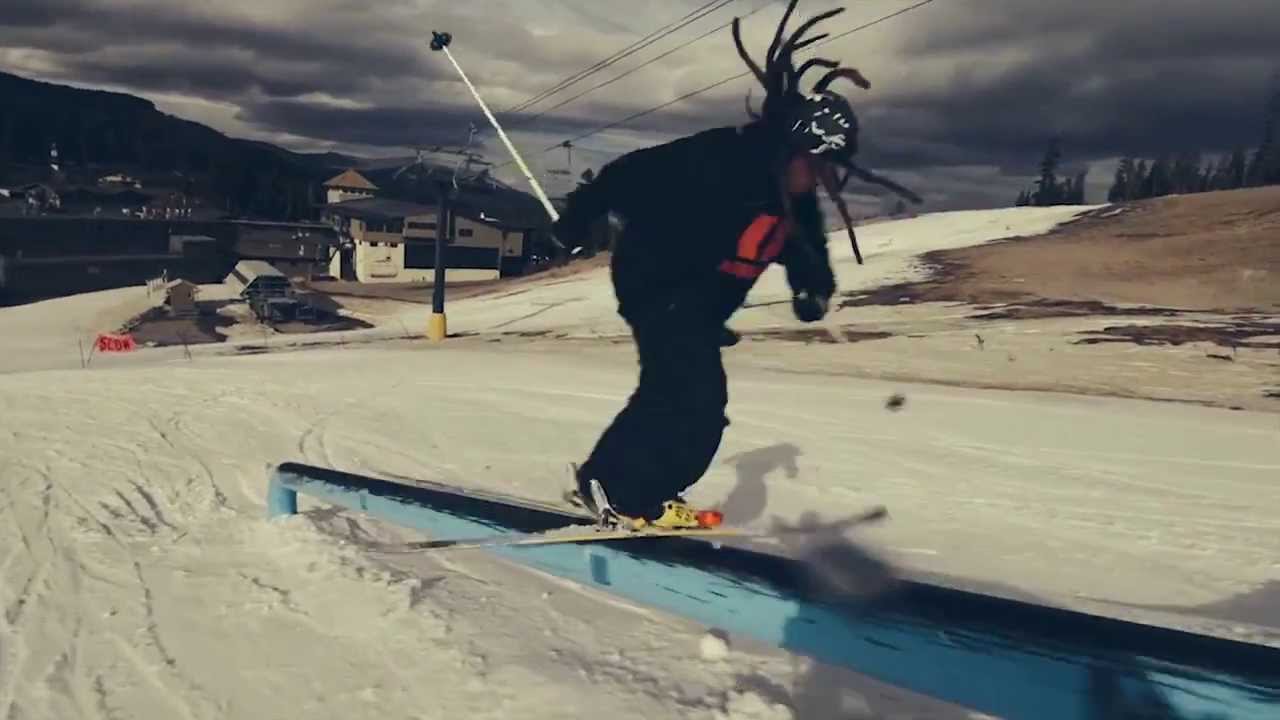
Mammoth’s ski-media value comes from repetition. Spring edits, training clips, team sessions, and competition recaps all use the same basic ingredients: a long season, visible features, dependable park builds, and enough athlete traffic to make the hill feel like a meeting point. Tom Wallisch belongs in that wider Mammoth conversation because his career helped define the technical park language that resorts like Mammoth made repeatable: rail precision, clean landings, composed spins, and video-first progression.
Alex Beaulieu-Marchand gives Mammoth a more direct skipowd.tv thread through park clips and spring training footage tied to the resort. His skiing fits Mammoth because he blends contest structure with rail-first detail. A rider like ABM uses Mammoth not only to send large jumps, but to refine the full course: rails, approach speed, grabs, switch landings, and line rhythm.
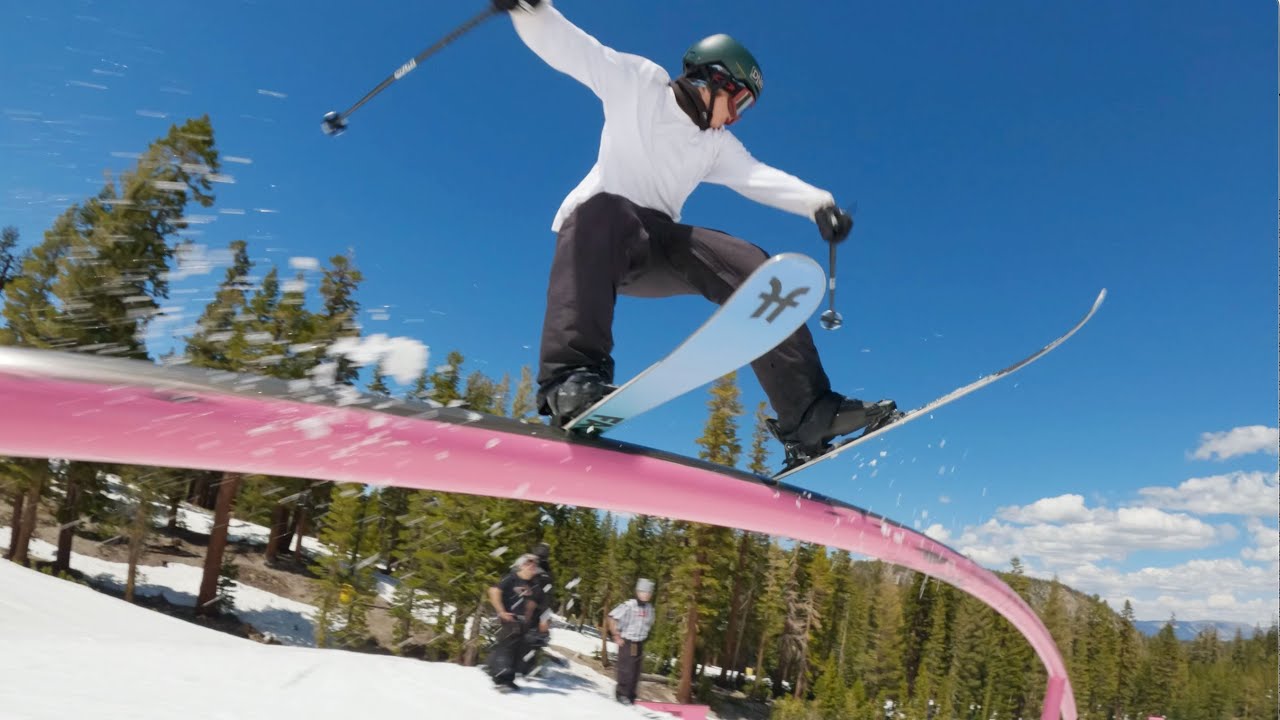
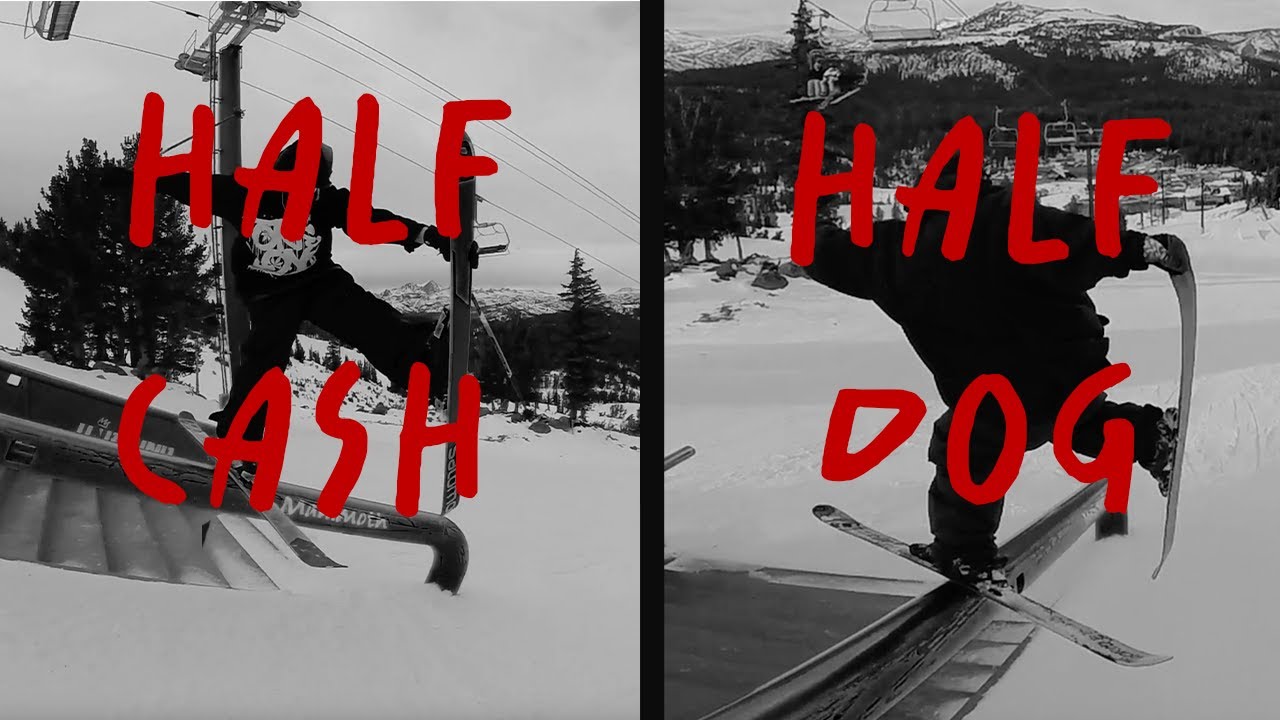
Cal Carson shows another side of the resort. His Mammoth-linked spring edits use the park as a creative jib surface rather than a formal contest course. That matters for skipowd.tv because Mammoth is not only a podium venue. It is also a slush park, a rail lab, a video-part zone, and a place where street-influenced skiers can make smaller features look intentional.
Level 1 Hotlaps And The SuperUnknown Thread
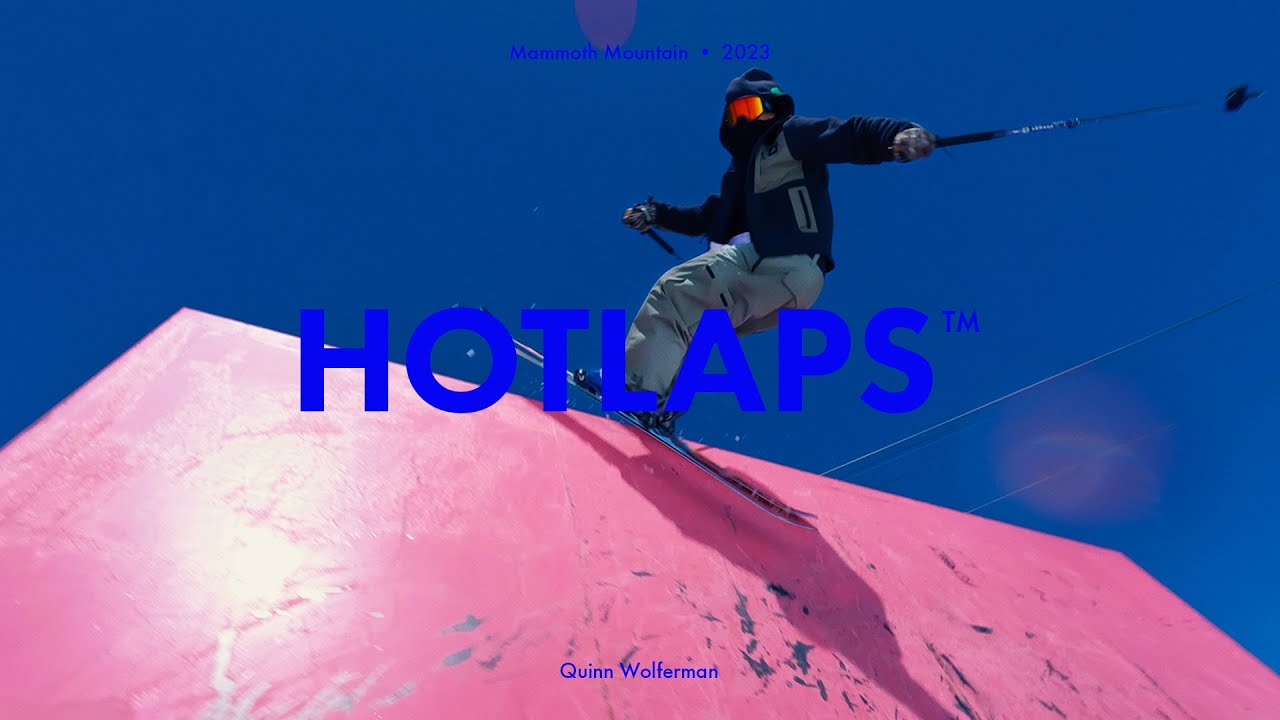
Level 1 connects naturally to Mammoth because SuperUnknown and HOTLAPS-style footage have repeatedly used the resort’s park infrastructure. On skipowd.tv, Level 1’s page includes Mammoth-linked clips such as HOTLAPS with Quinn Wolferman and SuperUnknown XXI footage from Mammoth Mountain. That positions the resort as a talent-filter venue, where emerging riders can show style under real park conditions rather than only on social clips.
Monster Energy also appears repeatedly in Mammoth-linked park footage on skipowd.tv, including HOTLAPS and ABM clips. That sponsor presence is not surprising. Mammoth gives brands a useful filming environment: blue skies, recognizable features, pro-level jumps, and an athlete base already moving through contests, camps, training weeks, and spring sessions.
The resort’s media role is therefore broader than one annual event. Mammoth is a place where video-part skiers, World Cup riders, Nor-Am athletes, rookies, and style-first crews overlap. The same Main Park line can serve an Olympic hopeful one day and a creative spring edit the next. That flexibility keeps the resort visible even in seasons when the biggest World Cup stops move elsewhere.
Park SMART Sierra Backcountry And Daily Discipline
Mammoth’s park volume makes etiquette essential. The resort’s Park SMART language is direct: start small, make a plan, always look, respect others, and take it easy. Those five ideas matter more at Mammoth than at a small local park because speed and traffic can be high. Inspect features, watch the rider ahead, avoid stopping on decks or landings, and do not enter a line until the landing is clear.
The broader Sierra requires the same seriousness. The Eastern Sierra Avalanche Center publishes avalanche, snowpack, weather observations, and forecasts that should be part of any backcountry plan. Inbounds terrain is managed by patrol, but the mountain still has wind, storms, closures, and avalanche-control work. Beyond resort boundaries, beacon, shovel, probe, partner rescue skills, and conservative terrain selection are baseline requirements.
Spring adds its own hazards. A soft landing can hide a slow in-run, and wet snow can make a familiar feature ride differently from one lap to the next. Hydration, sunscreen, wax, lenses, and realistic trick selection all matter. Mammoth rewards volume, but volume only works when skiers keep enough focus to make the last lap as clean as the first.
Why Mammoth Still Defines West Coast Park Skiing
Mammoth Mountain matters because it connects calendar, scale, and freestyle infrastructure better than almost any resort in the western United States. The mountain is big enough for real all-mountain skiing, high enough for a long season, sunny enough for filming, and committed enough to park building that Unbound stays central to the resort’s identity.
The strongest Mammoth trip has a clear purpose. Come in January or February for storms, colder snow, and full winter pace. Come in March for contest energy, better light, and a park program hitting mature shape. Come in April, May, or June for spring progression, slush landings, Main Park sessions, and the late-season culture that made Mammoth a rite of passage for West Coast skiers.
The defining fact is simple: Mammoth keeps giving skiers another lap after the rest of the calendar starts to close. With 3,100 feet of vertical, 10 parks, two halfpipes, and a summit above 11,000 feet, it remains one of the cleanest places in North America to turn a trick list into footage before summer takes over.