Laura Wallner
Neustift, Stubaital, Austria | Active: 2015-2022 contest career, film projects after 2022 | Focus: slopestyle, big air, park skiing, women’s ski films | Current: Blue Tomato and Surface Skis-supported skier
Zhangjiakou Wind And The White Olympic Bib
Genting Snow Park felt sharp under the February sun, the rails bright, the landing snow chalky, and the wind moving across the Zhangjiakou course. Laura Wallner stood in the white Austrian kit at Beijing 2022 with two events ahead of her: freeski big air and slopestyle. Her Olympic week did not become a final-round story. FIS lists her 23rd in big air and 25th in slopestyle. The significance sits elsewhere. Wallner had carried Austrian women’s freeskiing from Stubai World Cup starts into the Olympic park-and-pipe era, then left the contest track soon after with enough clarity to redirect her skiing toward film projects and creative sessions.
Neustift, Stubai, And A Home Park Identity
Blue Tomato lists Wallner’s residence as Neustift in the Stubaital and names Stubai, Tirol, as her favorite resort. That home base shaped her public image because the Stubai Glacier has long been one of Europe’s key early-season slopestyle venues. A skier from that valley grows up around rails, jumps, glacier wind, and visiting international teams before winter reaches lower resorts. Wallner’s profile never looked like a detached national-team résumé. It remained tied to a specific Austrian park zone: Stubai Zoo laps, home World Cup pressure, and the experience of competing where the local crowd already knows the slope before the start list is printed.
FIS Starts From Silvaplana To Cardrona
Wallner’s official FIS record begins in 2015, with World Cup slopestyle results at Silvaplana and Cardrona. FIS lists her as an Austrian freestyle skier with FIS Code 2531797 and competition status now marked not active. The early results show the normal grind of park-and-pipe progression: qualification runs, travel between hemispheres, and fields where one missed rail or flat landing could push a skier far down the table. She moved through slopestyle and big air rather than halfpipe, building a record across European glaciers, North American resorts, city big airs, and Olympic venues. The numbers are not a medal chase, but they show durability in a demanding period for women’s freeski progression.
Big Air Nights In Mönchengladbach And Milan
Two early World Cup big air results gave Wallner her first stronger senior markers. FIS lists her seventh in Mönchengladbach in December 2016 and seventh again in Milan in November 2017. Those city big airs belonged to a different contest rhythm than a glacier slopestyle course. The start was short, the jump was artificial, the audience closer, and the format stripped skiing down to takeoff speed, air position, grab discipline, and landing control. For Wallner, those results showed she could score in the condensed big air environment before Beijing made the discipline an Olympic event. They also helped explain why her career remained split between slopestyle run-building and single-hit jump execution.
Mammoth And Silvaplana Top Tens
The 2018 season brought her strongest World Cup slopestyle stretch. FIS lists Wallner eighth at Mammoth Mountain in January 2018, tenth at Silvaplana in March, and twelfth at Seiser Alm later that month. Mammoth’s course asks for more than rail comfort: large jump lines, California spring light, and a women’s field that already included skiers pushing higher rotation and cleaner grabs. Silvaplana added a different test, with Swiss spring snow and a course that often rewards smooth speed management. Those top tens did not make Wallner a podium regular, but they placed her inside the competitive middle of a fast-improving women’s slopestyle field.
Aspen Worlds And The Big Air Ceiling
The 2021 World Championships in Aspen gave Wallner another clear result. FIS lists her tenth in freeski big air and twenty-second in slopestyle. The big air top ten matters because it came on a major championship stage rather than a routine World Cup stop. Aspen’s venue carries its own pressure: altitude, hard landings, broadcast attention, and fields stacked with skiers who can bring double corks, switch rotations, and high-scoring grabs to a two-jump format. Wallner did not reach a medal position, but the result gives her career an important senior anchor before the Olympic season. It also supports a 3/5 rating rather than treating her as a minor profile.
Stubai 2021 In Front Of Austria
Her most emotionally loaded World Cup result came at Stubai in November 2021. FIS lists Wallner eighth in freeski slopestyle at the Austrian stop, her best World Cup slopestyle placing of that Olympic cycle. Downdays’ event recap described her as an Austrian hometown favorite and noted that she crashed in both runs, a reminder of how narrow the margin was on that course. Stubai was not just another venue on the calendar. It was the glacier near her home base, with Austrian media, local knowledge, and the tension of trying to convert familiar terrain into an official result. That eighth place became one of the final strong contest markers before Beijing.
Beijing Without The Final
At Beijing 2022, Wallner competed in both women’s freeski big air and slopestyle. FIS records 23rd in big air on February 8 and 25th in slopestyle on February 15. Those results show the reality of Olympic freeskiing: qualification is not a ceremonial step, and the women’s field had already become deep enough that an experienced World Cup skier could miss both finals. The big air venue at Shougang and the slopestyle course at Genting Snow Park asked for different skills, but both punished incomplete execution immediately. Wallner’s Olympic presence still remains central to her biography because it places her inside Austria’s first full Olympic generation of women’s freeski slopestyle and big air athletes.
Leaving The ÖSV Track At Twenty-Four
In December 2022, Kurier reported that Wallner ended her ÖSV career at age 24. The interview framed the decision around performance pressure, study, and concussions. Blue Tomato’s rider page also notes that her contest career ended at the end of 2022, with a full focus on film projects afterward. That ending should not be written as a disappearance from skiing. It was a change of format. Instead of continuing through start lists, rankings, and repeated injury risk, Wallner moved toward the kind of skiing where friends, camera work, park creativity, and personal control could matter more than another qualification score.
Bucket Clips And The FLINTA Film Current
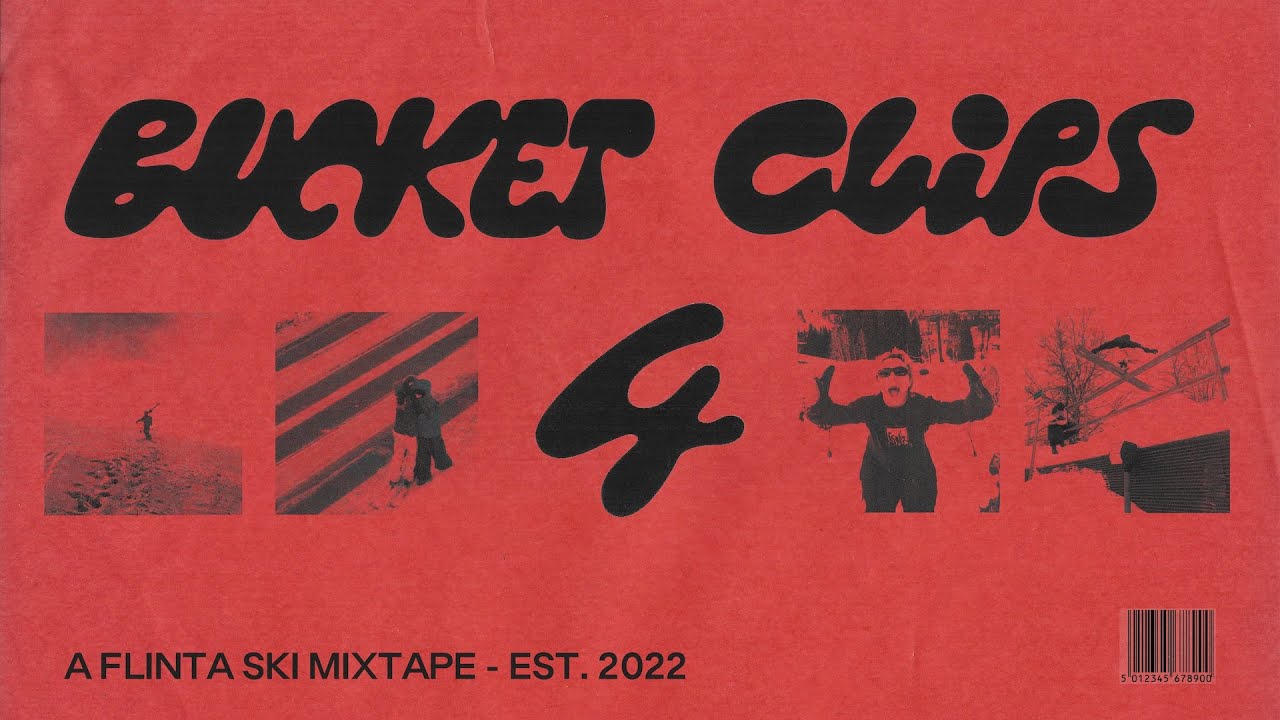
Wallner’s post-contest direction fits the Bucket Clips movement. iF3 describes Bucket Clips 3 as a skiing mixtape gathering FLINTA and female athletes from around the world, designed to elevate talents outside the competitive sphere through street, backcountry, freeride, and camera work. PowderGuide later listed Wallner among the riders in Bucket Clips 4, beside skiers such as Marion Balsamo, Piper Kunst, Finley Good, Rylie Warnick, Rosina Friedel, Tereza Korabova, and many others. That context matters because Wallner’s second chapter is collective rather than solitary. It places her inside women-led ski media, where the value comes from participation, visibility, and shared footage as much as from one named result.
Surface, Blue Tomato, POC, And The Creative Setup
Blue Tomato lists Wallner’s sponsors as Blue Tomato, POC, Surface, and 1080, while Surface Skis lists Laura Wallner on its 2025 team page. The equipment story matches her current direction. A former slopestyle and big air skier needs park-ready skis, protective gear, and enough support to travel for film sessions without the structure of a national-team season. Her style is best described through the tools she developed in competition: switch takeoffs, rail approaches, corked rotations, grab timing, landing absorption, and full-run speed management. In a film setting, those tools become less about scores and more about making a clip feel clean, personal, and worth keeping.
The Stubai Thread Still Runs Through The Page
Wallner earns a 3/5 importance rating because her record includes an Olympic start, World Championship top ten in big air, multiple World Cup top tens, a clear Austrian team career, and a verified move into film projects. A higher score would overstate the résumé because she does not have an Olympic final, World Cup podium, X Games medal, or major solo film part. The current markers are concrete enough: Stubai roots, Beijing 2022, the end of her ÖSV contest career in 2022, Blue Tomato and Surface support, and Bucket Clips appearances that keep her skiing visible beyond the start gate.