British Columbia
Rocky Mountains - BC
Canada
Canadian freeski province from the Coast Mountains to the Rockies | Known for: Whistler Blackcomb scale, Interior powder, Kicking Horse freeride, Rogers Pass touring, BC film culture | Season: late November to April with spring park and alpine windows | Best for: freeriders, park crews, storm chasers, and backcountry skiers planning multi-resort trips
Coast Mountains Scale Meets Interior Storm Cycles
The Coast Mountains rise above Whistler with Whistler-Blackcomb listing 8,171 acres, 200 plus marked runs, 16 alpine bowls, and 3 glaciers across two linked mountains. That single footprint explains only half of the province. British Columbia stretches from the Sea to Sky corridor into the Selkirks, Monashees, Purcells, Okanagan Highlands, and Canadian Rockies, so one winter trip can move from maritime storm snow to colder Interior powder without leaving the same province.
The official tourism board, Destination BC, presents British Columbia around 13 destination ski resorts, but the freeski map is wider than resort count. Whistler sets the global reference for scale and park repetition, while Revelstoke BC, Golden, Rossland, Nelson, Fernie, Sun Peaks, Big White, SilverStar, and Whitewater define the Interior circuit. The province functions like a terrain library: glaciers, pillows, chutes, cedar trees, ridgelines, cat terrain, heli zones, and high-volume terrain parks all sit within one travel network.
Sea To Sky Bowls And The Cold Interior Powder Map
BC snow is not one climate. The Coast Mountains around Whistler and the North Shore usually ride maritime storms, with dense snowfall that fills landings, buries stumps, and turns mid-mountain trees into productive low-visibility terrain. The Interior ranges usually run colder and drier, especially through the Selkirks, Monashees, Purcells, and Rockies. That difference matters for freeskiers because speed, flotation, and impact behavior change from corridor to corridor.
At Whistler Blackcomb, the official mountain stats include a highest lift-accessed elevation of 2,284 meters and a base around 675 meters, giving crews enough vertical to chase conditions by aspect. The alpine opens when visibility and patrol work align; the trees and benches carry storm days. Further east, Kicking Horse lists 1,315 meters of vertical, 3,486 acres, 120 plus runs, and 85 plus inbound chutes, which shifts the emphasis from mileage to line choice and consequence. Sun Peaks adds 4,400 acres across three mountains, 144 trails and glades, two alpine bowls, and a 10-acre terrain park, while RED reports 760 centimeters of average snowfall and a Rossland base culture built around steep trees and 360-degree descents.
Seasonality follows those snow climates. January and February are the most dependable months for cold snow, durable lips, and repeated storm resets. March brings longer light, more stable alpine windows, and better filming rhythm. April belongs to spring laps in Whistler, late-season park sessions, and high-elevation touring objectives when freeze-thaw cycles and avalanche bulletins line up.
Blackcomb Park Lines Big White Nights And Sun Peaks Repetition
British Columbia has enough big-mountain terrain that its park scene can be underrated from the outside. Blackcomb remains the central freestyle reference, because the terrain park system sits inside a resort footprint that also offers bowls, glaciers, and technical freeride options. That mix is useful for modern skiers who want to move between rails, jump lines, side hits, powder takeoffs, and alpine footage in the same week.
Big White and Sun Peaks give the Interior a different rhythm. Big White publishes monthly snowfall averages from November through April and supports a resort layout built around ski-in ski-out accommodation, night laps, and Okanagan storm snow. Sun Peaks makes park mileage easy because the resort’s 10-acre park sits within a large but navigable three-mountain system. For crews filming trick progressions, that means fewer logistical resets and more time reading speed, light, and landings.
SilverStar, Whitewater, RED, and smaller regional builds add rail gardens, natural transitions, and storm-responsive features. These venues do not need to mimic a full broadcast slopestyle course to matter. BC’s freestyle identity often comes from the combination of shaped features and natural terrain: a clean rail session in the morning, a pillow zone after lunch, and a road-shot or sidecountry hit when the storm clears.
Ozone Face Olympic Venues And Whistler Spring Culture
Competition history gives British Columbia more than scenery. Vancouver 2010 anchored Olympic snow sports across Whistler and Cypress Mountain, with alpine skiing staged in Whistler and freestyle skiing plus snowboard events held at Cypress Mountain on the North Shore. The legacy still matters because it left a province-wide memory of elite operations, broadcast terrain, and mountain communities capable of absorbing global events.
The modern freeride marker is Kicking Horse. The Kicking Horse Golden BC Pro has used the Ozone face, a 324-meter venue starting around 2,504 meters with pitches up to 44 degrees. Ozone is technical but not one-dimensional: chutes, cliffs, steep panels, and freestyle-friendly takeoffs force riders to choose between clean big-mountain control and trick-driven risk. That is exactly why the venue became a reference point for North American freeride.
Whistler brings a different event language. The World Ski and Snowboard Festival returns in April 2026 for a 30-year celebration, tying spring skiing to film, music, art, and competition culture. WSSF works because Whistler’s late-season snowpack can still support high-alpine laps while the village runs like a full media and athlete hub. For skipowd.tv, that combination of snow, footage, athletes, and event energy is the province in miniature.
Revelstoke Film Lines And The Rider Built BC Image
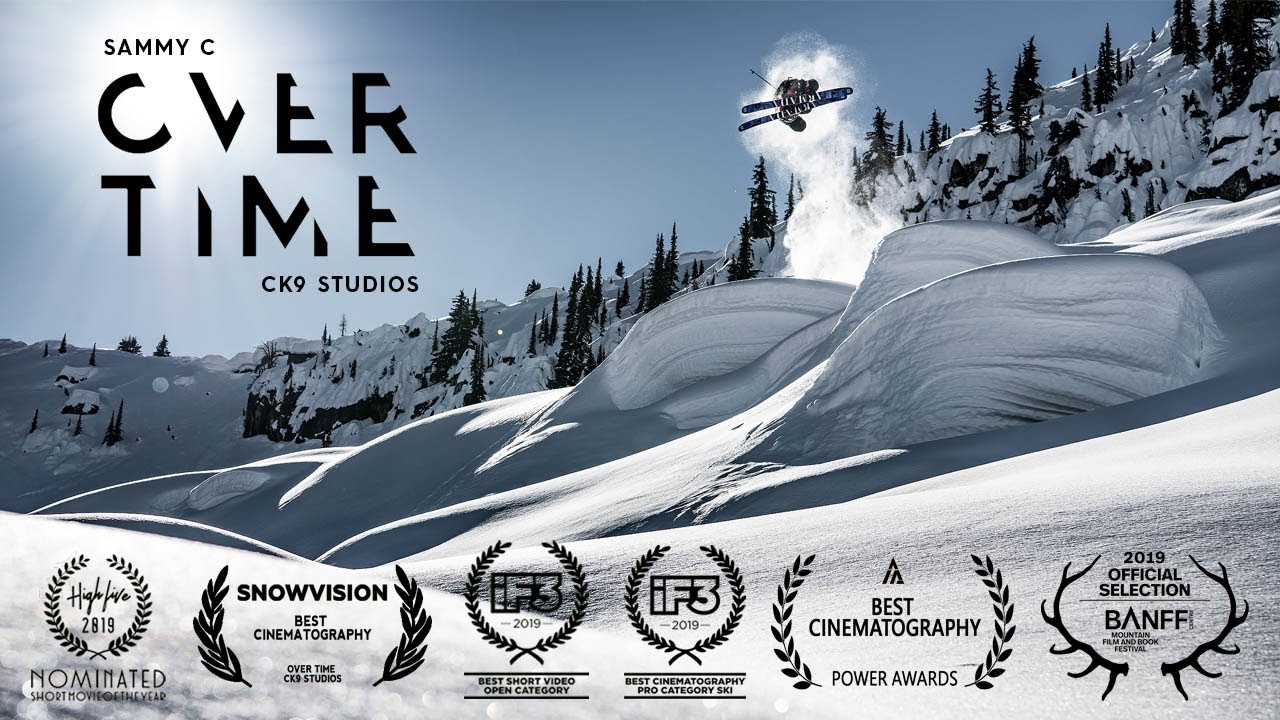
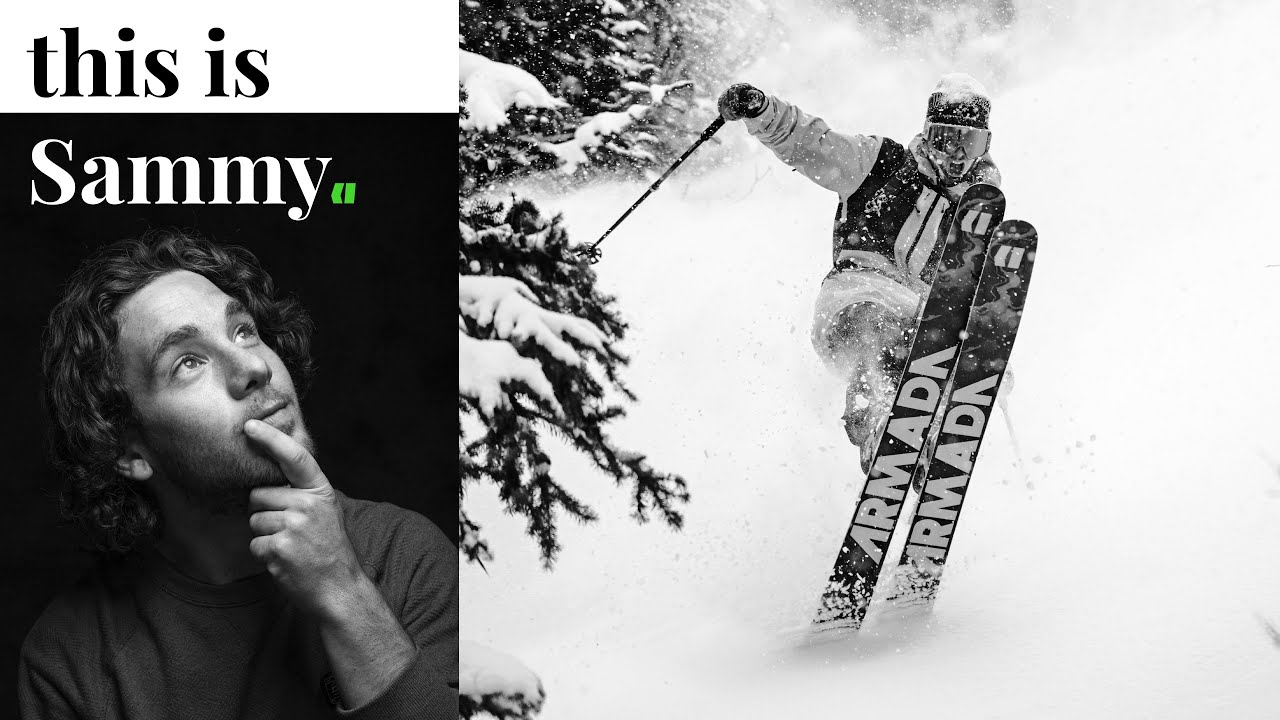
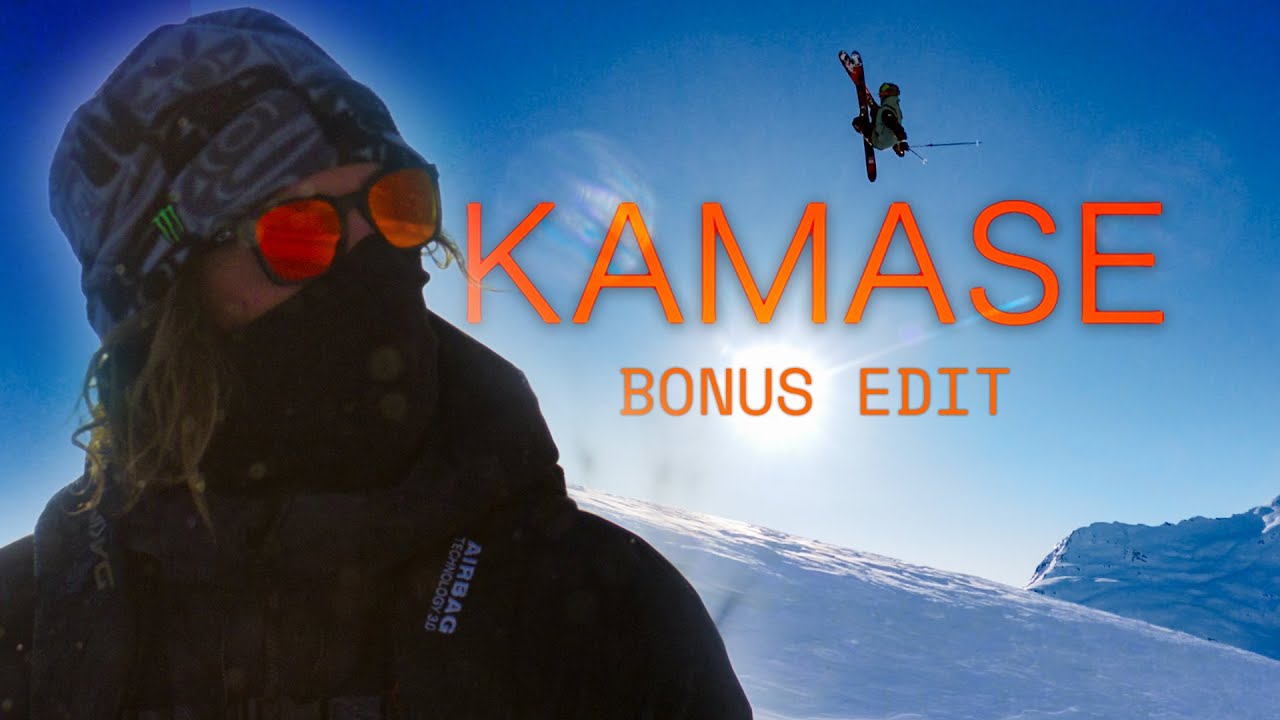
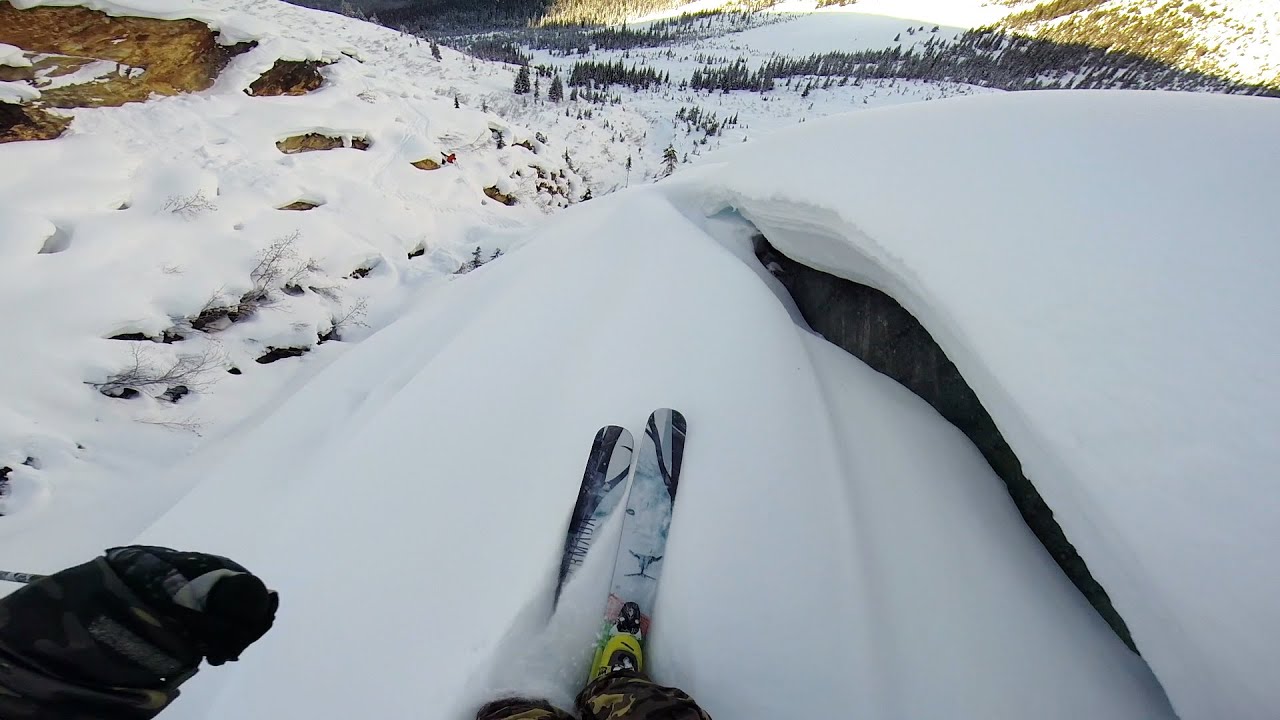
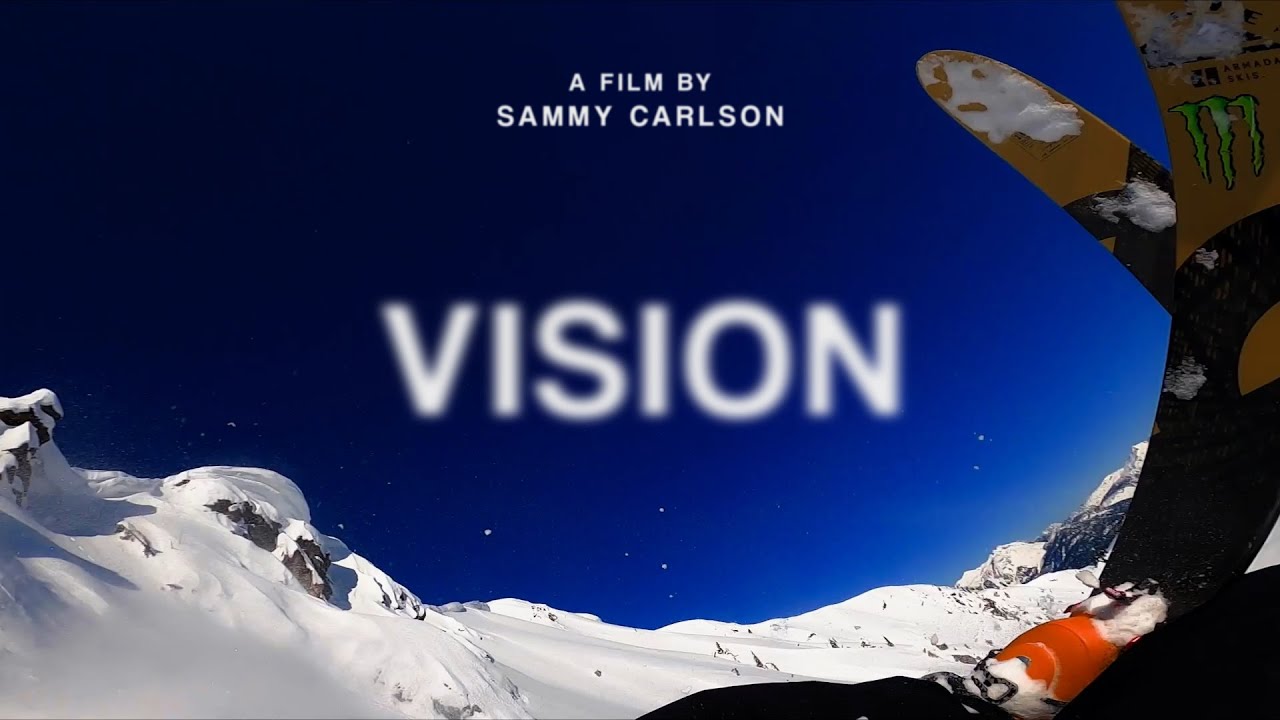
BC’s freeski image is inseparable from film. The province gives riders the ingredients that cameras read instantly: cedar pillows, storm-loaded spines, high-contrast alpine bowls, old-growth trees, long runouts, and mountain towns where winter work and ski culture overlap. Sammy Carlson has made British Columbia central to his backcountry vocabulary, especially around Revelstoke and deep-snow freestyle projects. His segments show why the province rewards patience, not just amplitude: the best lines often require linking pillows, wind lips, and exits without killing speed.
Tanner Hall represents another route into BC’s influence. His career moved from park and X Games dominance into freeride and film culture, and BC terrain fits that evolution because it allows style to survive outside a built course. The same applies to production crews and brands. Armada has long connected athlete-led ski design with powder, park, and backcountry creativity, while Teton Gravity Research has repeatedly used North American big-mountain locations to frame skiing as both sport and visual language.
The province’s film value is also practical. Vancouver gives international access to Whistler and the Coast. Kelowna and Kamloops open the Okanagan and Interior. Revelstoke and Golden sit near the Trans-Canada corridor. Nelson and Rossland connect to Kootenay snow culture. A crew can build a route around weather rather than one fixed resort, which is why BC remains useful for edits that need variety without losing continuity.
Airports Highways Rogers Pass And Corridor Planning
Planning British Columbia correctly means choosing a corridor before choosing a hotel. A Coast trip starts with Vancouver International Airport and the Sea to Sky Highway toward Whistler. An Okanagan or Thompson trip usually runs through Kelowna or Kamloops for Big White, SilverStar, and Sun Peaks. A southeast trip can use Cranbrook or Calgary for Fernie, Kimberley, Panorama, and Kicking Horse. Revelstoke often sits between options, with Kelowna and Calgary both common depending on road conditions and storm timing.
The Trans-Canada Highway gives the Interior its spine, but winter travel is not passive. Mountain passes, closures, avalanche control, and storm traffic can reshape an itinerary. Rogers Pass in Glacier National Park deserves specific respect. Parks Canada describes the pass as a major backcountry ski touring destination with an average of 14 meters of snowfall a year and a Winter Permit System designed around highway avalanche control. That is not a side note. It defines how skiers must access terrain responsibly.
On snow, flow changes by region. Whistler rewards early uploads, map discipline, and quick moves between the two mountains when wind or visibility changes. Revelstoke rewards leg management because long fall-line laps add up quickly. Kicking Horse rewards patience around ridge openings and a clear exit plan from chutes. Kootenay mountains reward tree spacing, aspect choice, and local knowledge. For park-focused crews, Sun Peaks and Big White simplify logistics because lodging, lifts, and repetition sit close together.
Avalanche Culture Tree Wells And BC Mountain Etiquette
British Columbia has a mature avalanche culture because the terrain demands it. Resort boundaries can sit beside serious backcountry, and sidecountry gates may lead into complex avalanche terrain within minutes. Avalanche Canada should be part of the morning routine for touring days, sidecountry decisions, and any plan that crosses beyond controlled areas. Beacon, shovel, probe, partner rescue skills, and conservative terrain selection are baseline requirements, not expert accessories.
Tree wells are a BC-specific concern for visiting skiers. Deep storm cycles, conifer forests, and low-visibility tree skiing create hazards that do not always look dramatic on camera. Ski with a visible partner, avoid stopping below buried branches, and keep communication tight in glades. In parks, etiquette is simpler but just as important: inspect features, call drops, clear landings fast, and avoid speed-checking across another rider’s line. The province has enough traffic in peak zones that small mistakes can affect a full session.
Local culture changes from Whistler’s international resort pace to Rossland’s independent feel and Revelstoke’s railway-town edge, but the shared rule is respect for operations. Rope lines, avalanche closures, highway delays, wildlife corridors, parking rules, and small-town quiet hours all matter. BC communities stay functional because locals, patrol, guides, shapers, and visiting crews share the same mountain systems under pressure.
Modern Freeski Progression Across One Province
British Columbia matters to freeskiers because it compresses an entire career path into one province. A skier can learn speed control on Whistler groomers, build rail and jump timing on Blackcomb, step into storm trees at Big White or Sun Peaks, read alpine terrain at Kicking Horse, film pillows near Revelstoke, then tour around Rogers Pass with proper partners and permits. Few regions let park, freeride, backcountry, and film culture overlap this cleanly.
The strongest BC trips are not built around checking off every resort. They are built around snow climate and objective. Choose Whistler for scale, spring events, and park-to-alpine variety. Choose Revelstoke for vertical, storm chasing, and film-style terrain. Choose Kicking Horse for chutes, ridges, and freeride consequence. Choose the Okanagan and Sun Peaks corridor for park mileage, softer logistics, and colder Interior rhythm. Choose the Kootenays for trees, culture, and low-noise powder days.
That range is the province’s defining advantage. British Columbia is not one mountain with a reputation; it is a network of snow climates, resort systems, backcountry rules, athlete histories, and filming traditions. In a good winter, the map lets a skier follow the storm from the Coast to the Interior and still finish the trip with park laps, alpine faces, or a Rogers Pass objective shaped by the day’s bulletin.