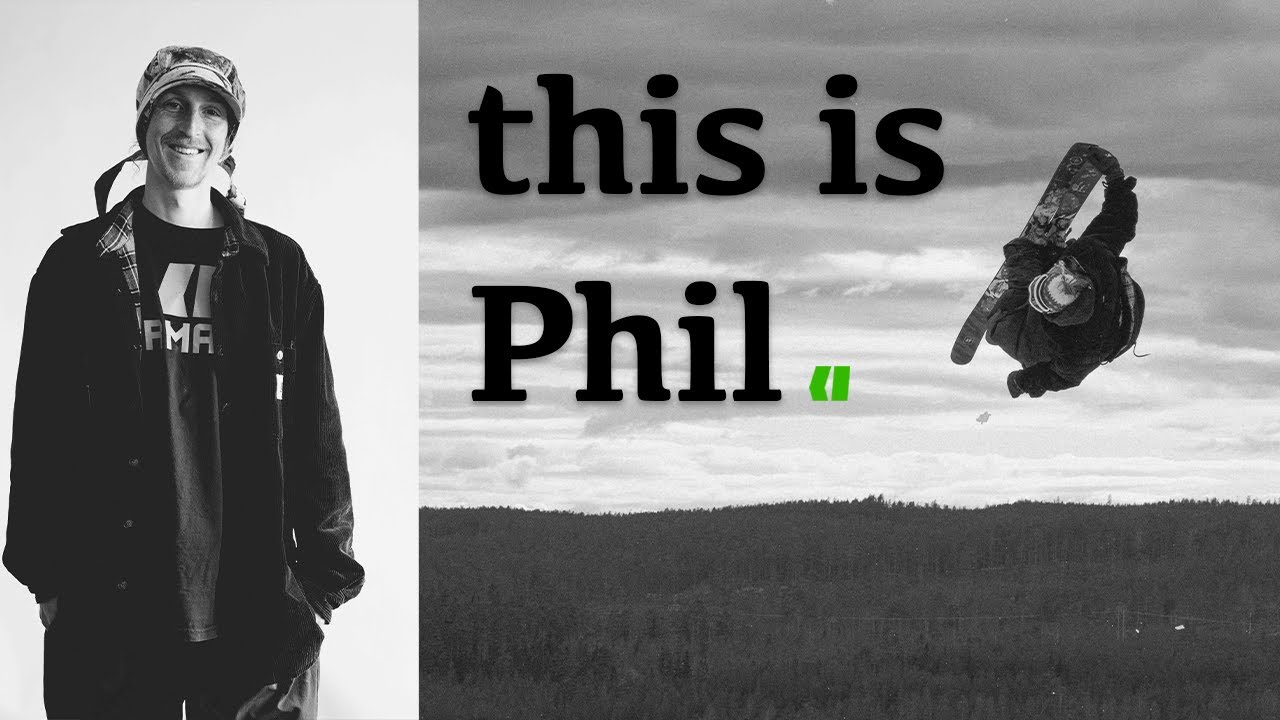
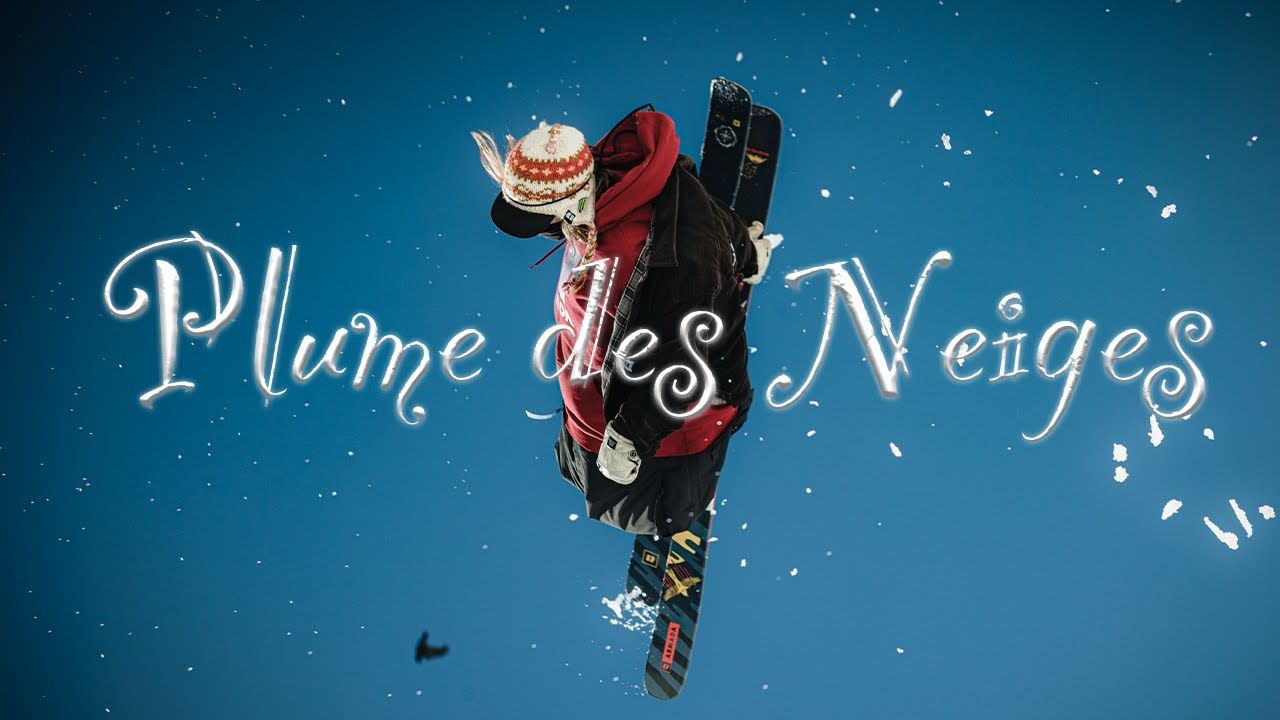
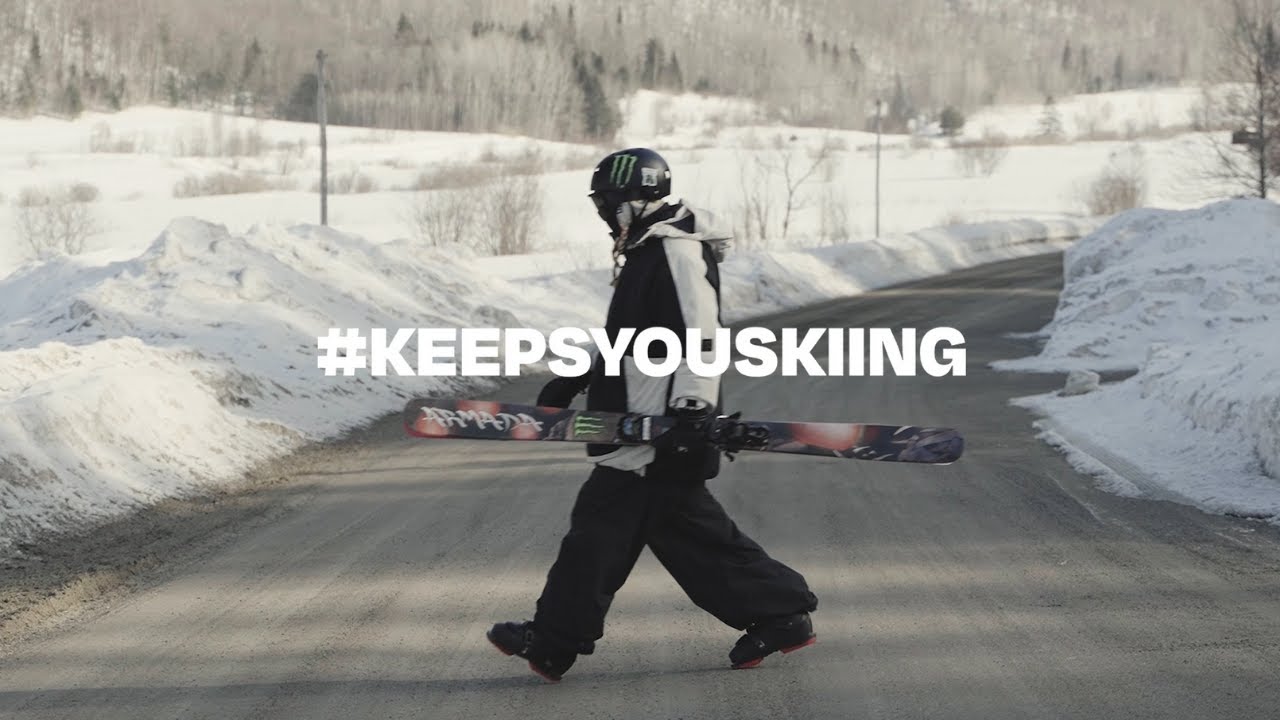
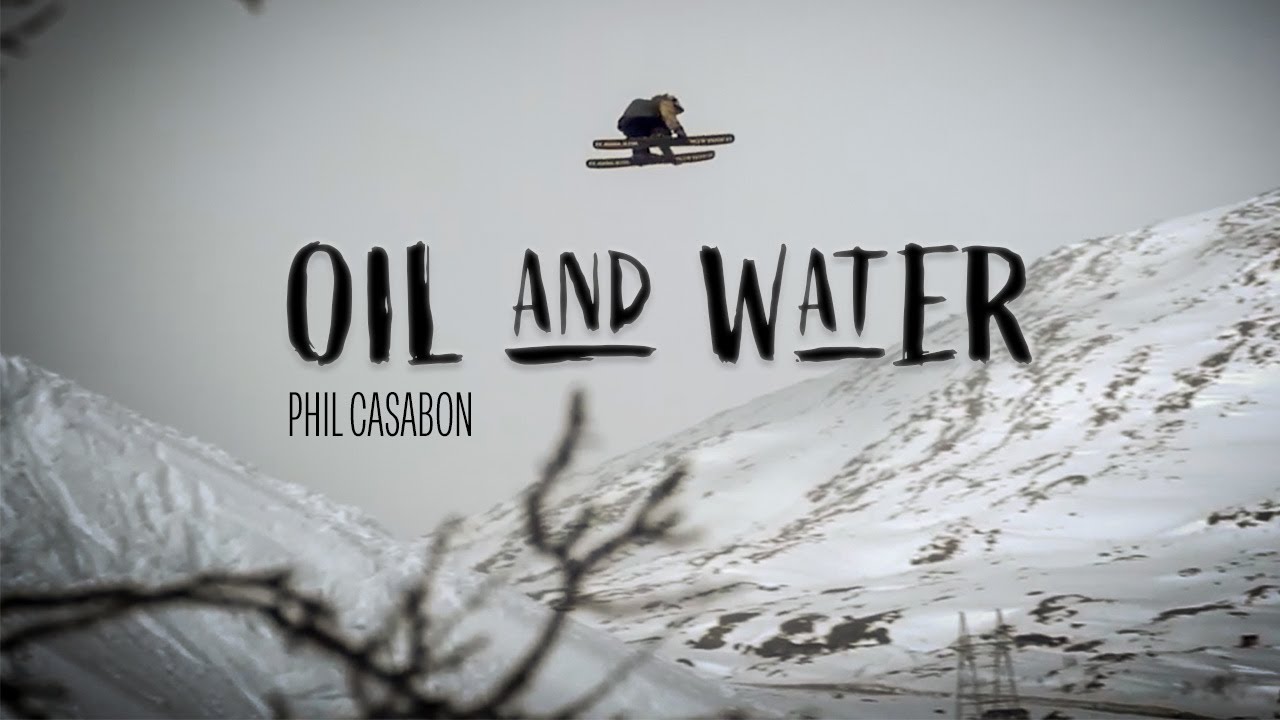
Philip Casabon - B-Dog
Vallée du Parc / Grand-Mère, Quebec, Canada | Active: FIS record listed as not active | Discipline: street skiing, creative park, urban, jib, backcountry-influenced freestyle | Verified: X Games Real Ski gold in 2018 and 2019, B&E / Blackout, Keynote Skier, Nuance, Armada BDog pro model | Current: B-Dog films, Off The Leash events, Armada design work
Quebec Steel When The Trick Slowed Down
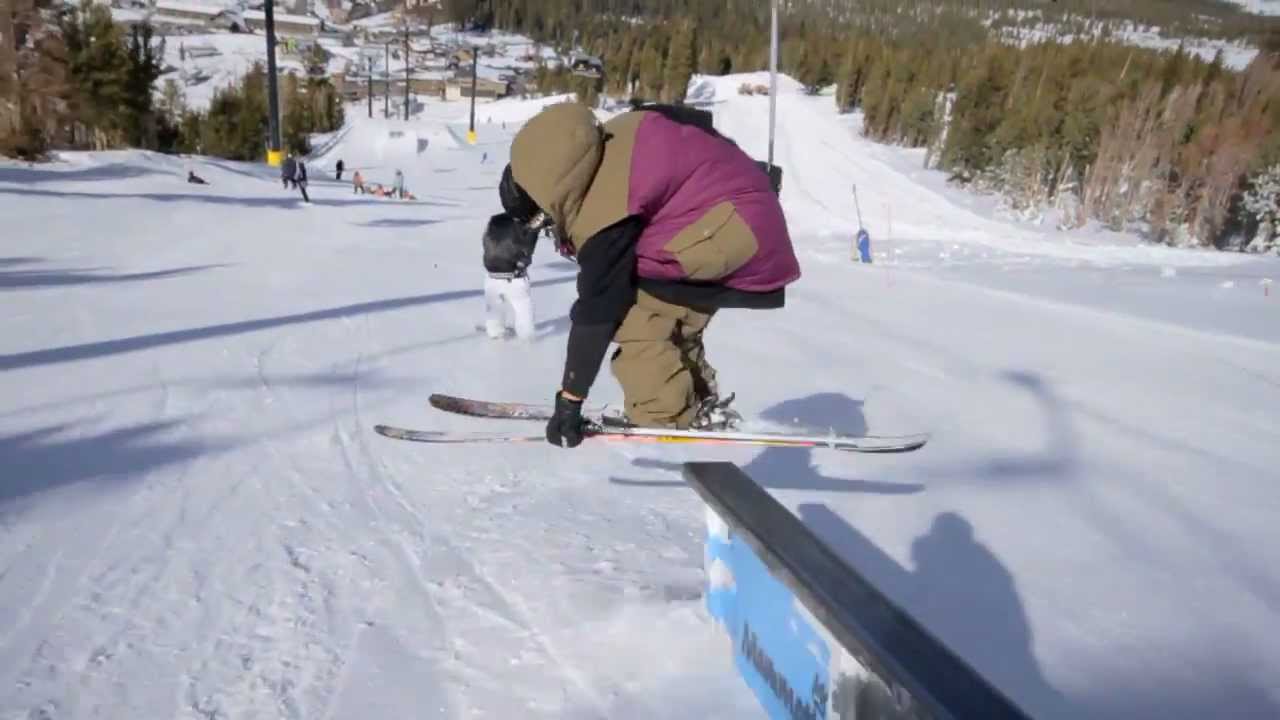
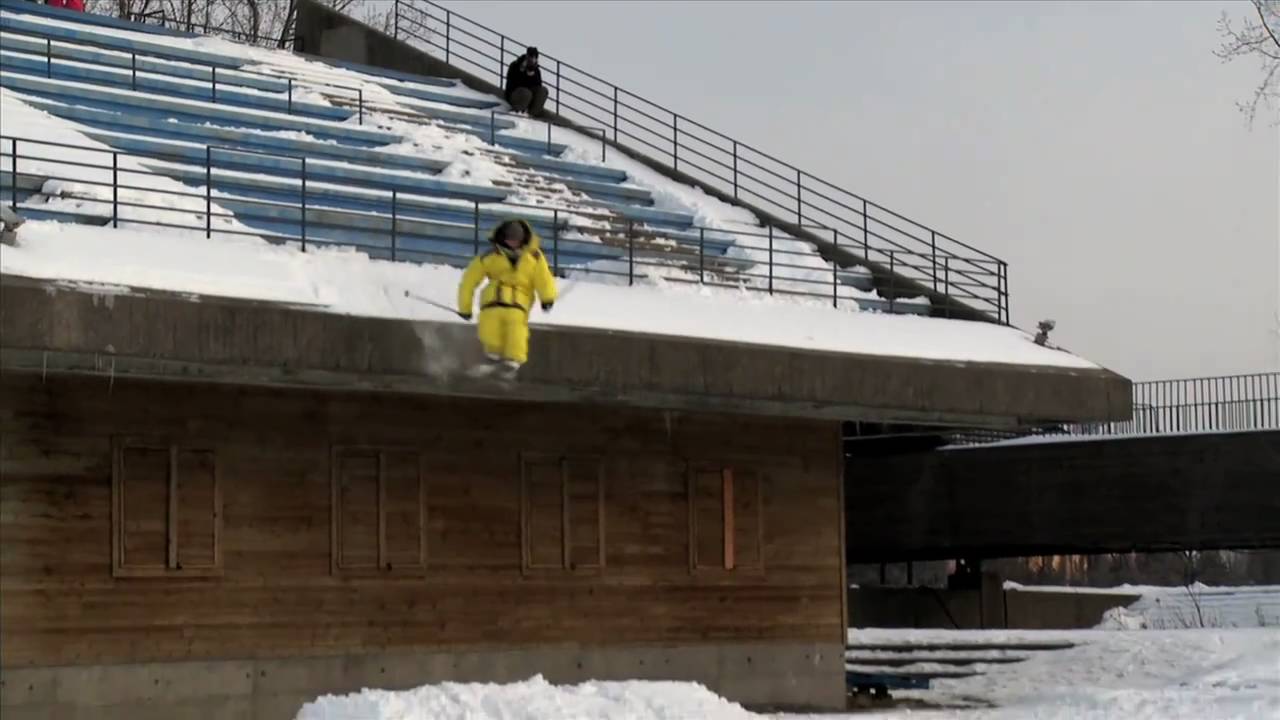
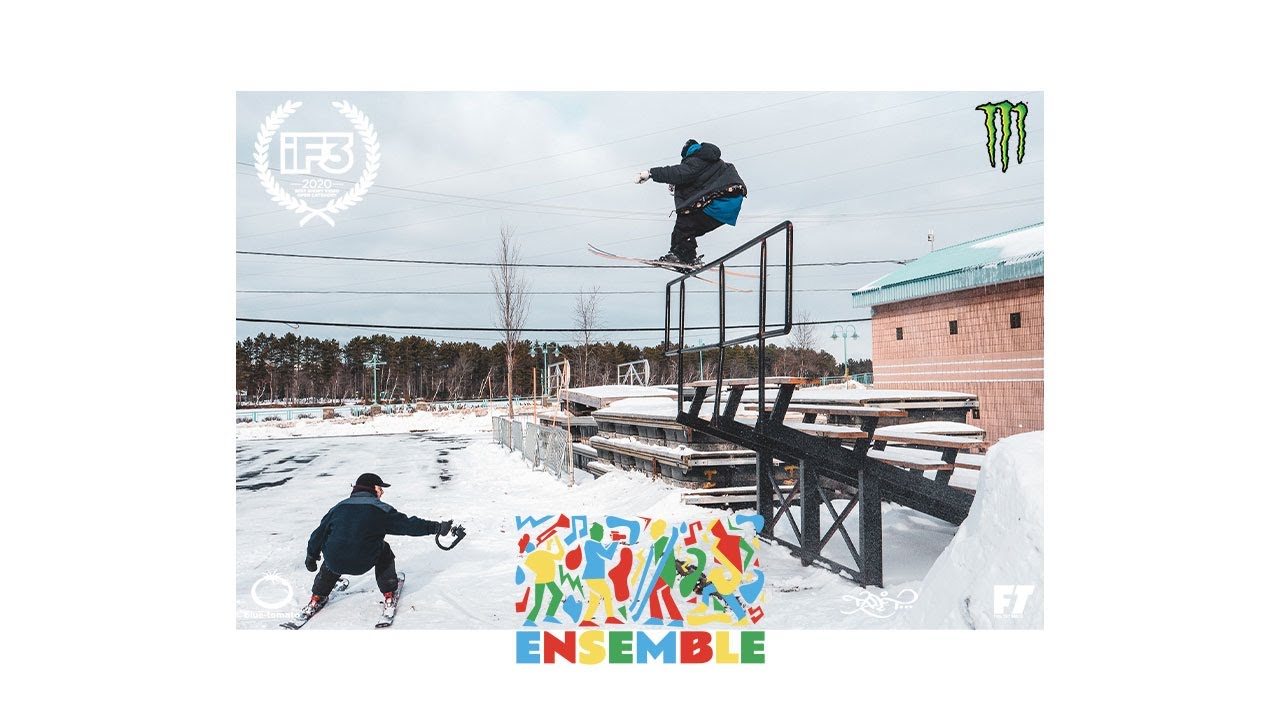
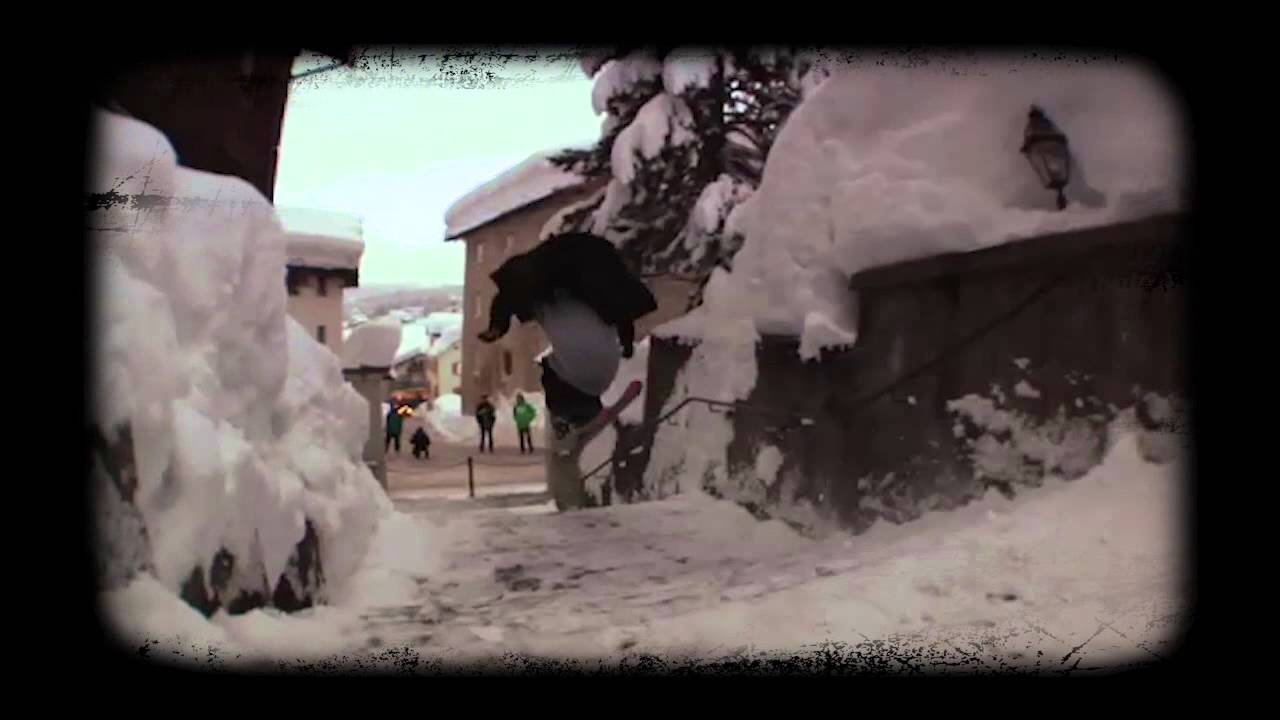
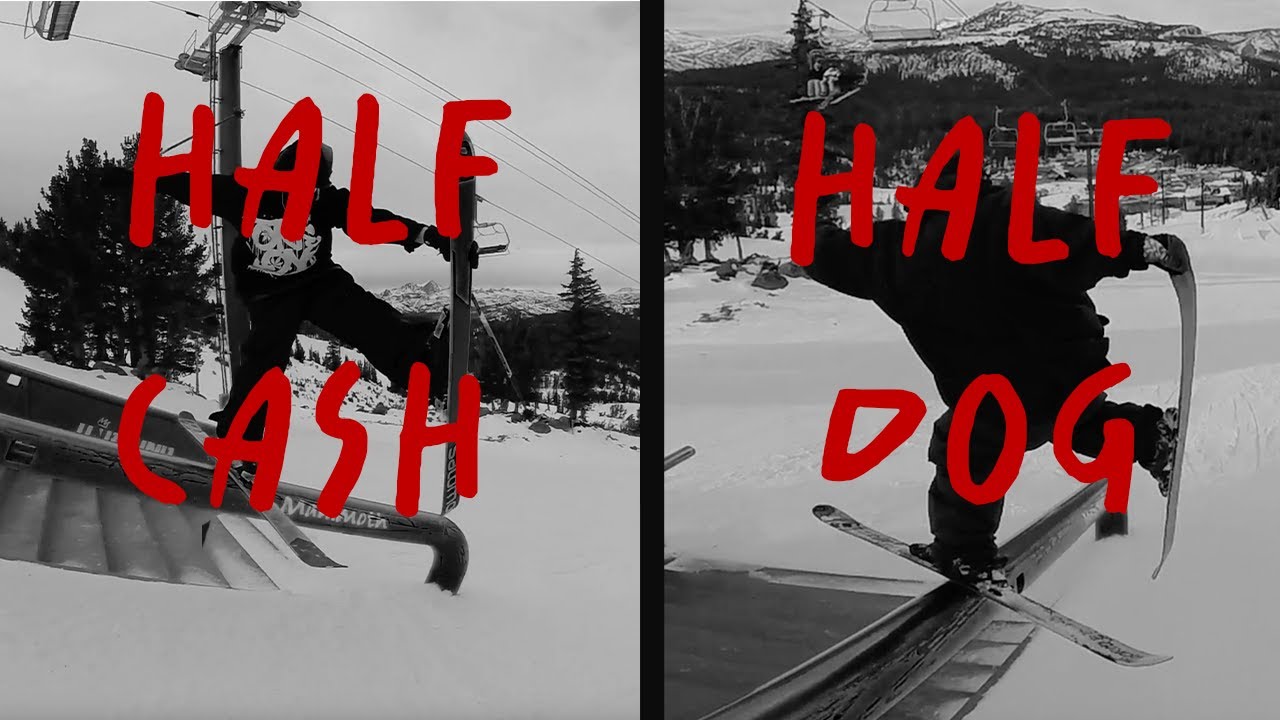
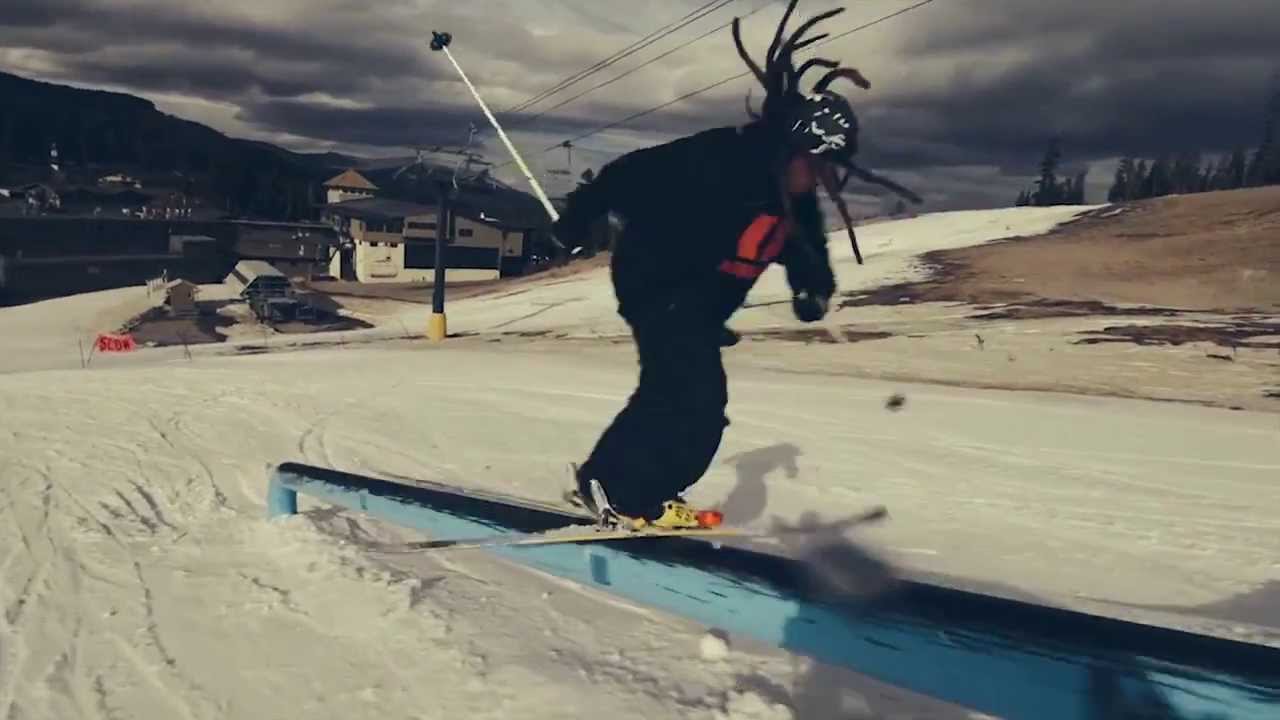
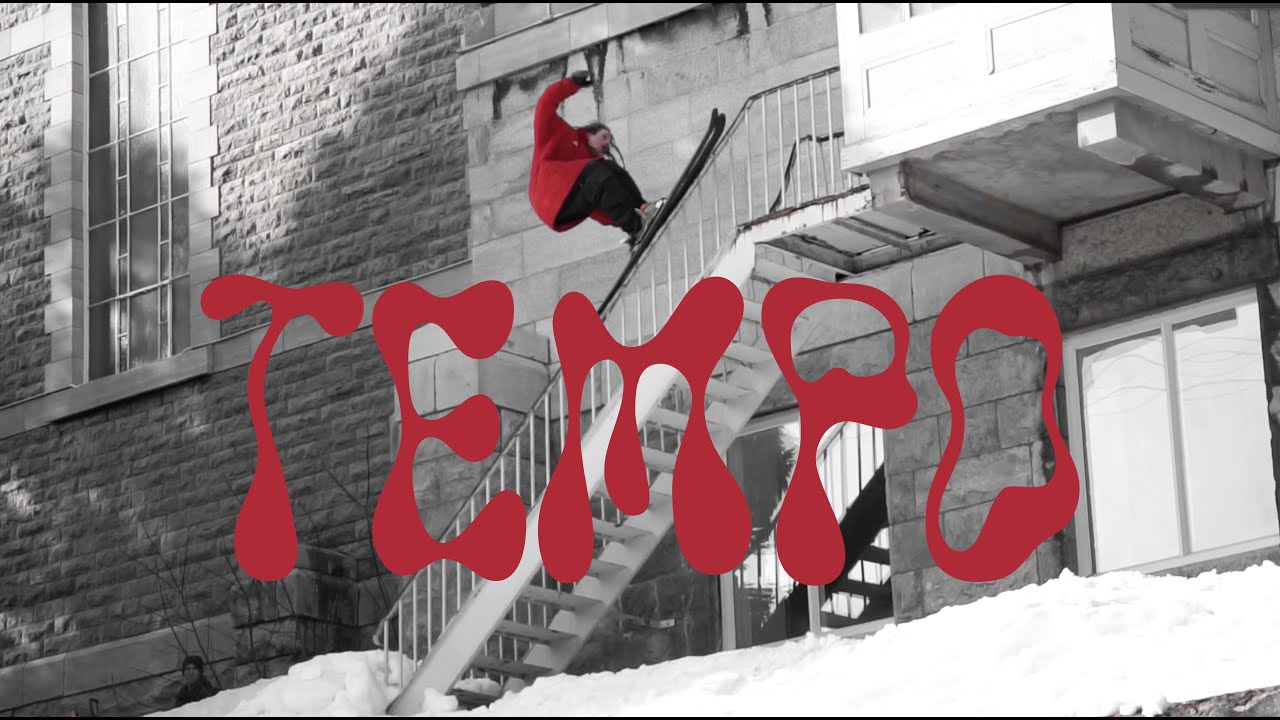
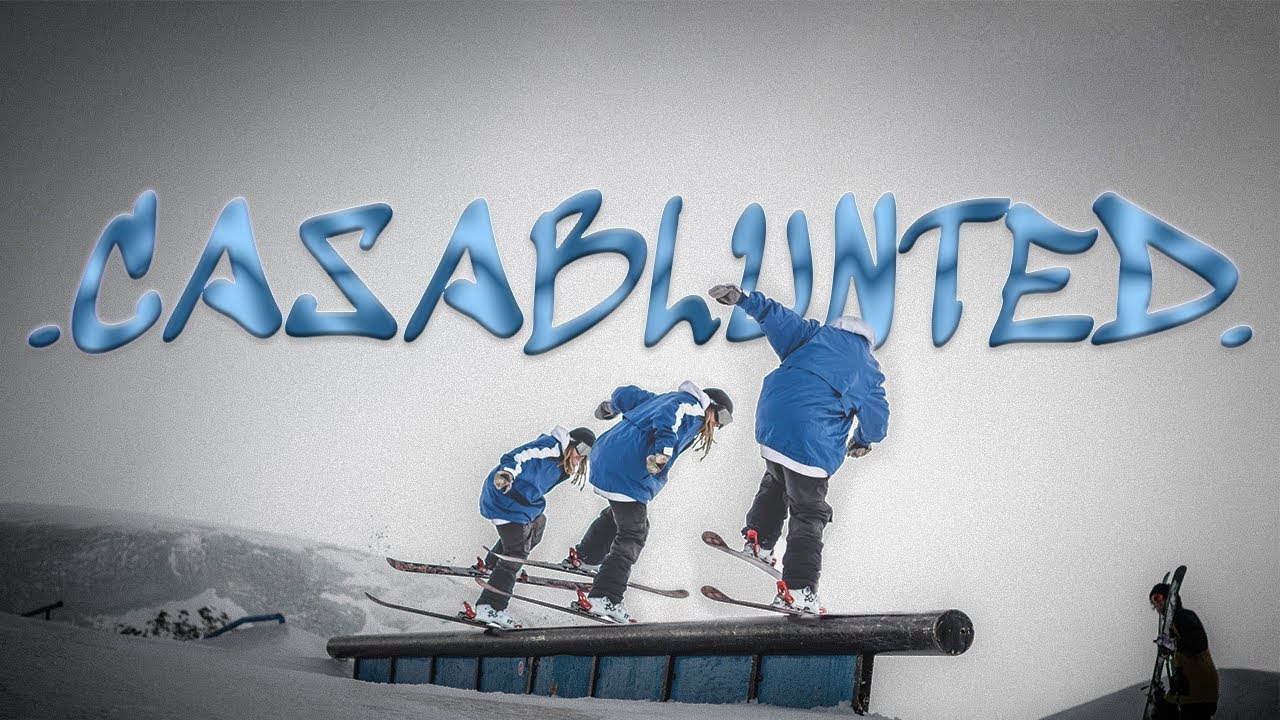
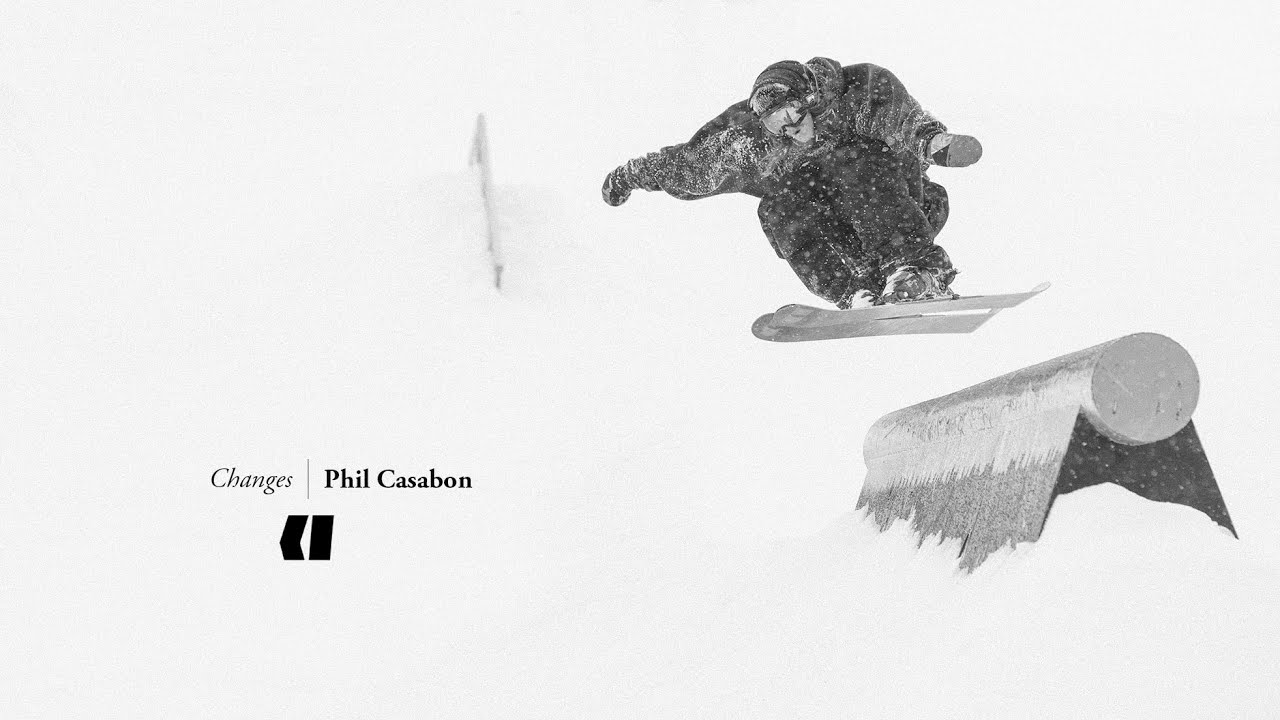
The rail was low, cold, and half-buried in Quebec snow, the kind of street feature most skiers would hit fast to survive. Phil Casabon came in slower, knees loose, skis drifting across the metal like the trick had time to breathe.
That is the B-Dog problem in one image. His skiing does not ask viewers to count spins first. It asks them to read pressure, delay, sound, music, and the split second when a rail slide becomes a gesture. Casabon built a career by making small movements feel heavier than large ones: a nose press held too long, a switch-up that looks late until it finishes clean, a wall tap, a pole jam, a soft landing where another skier would stomp for punctuation. The result is one of the most recognizable styles in street skiing.
Vallée Du Parc Before B-Dog Had A Catalog
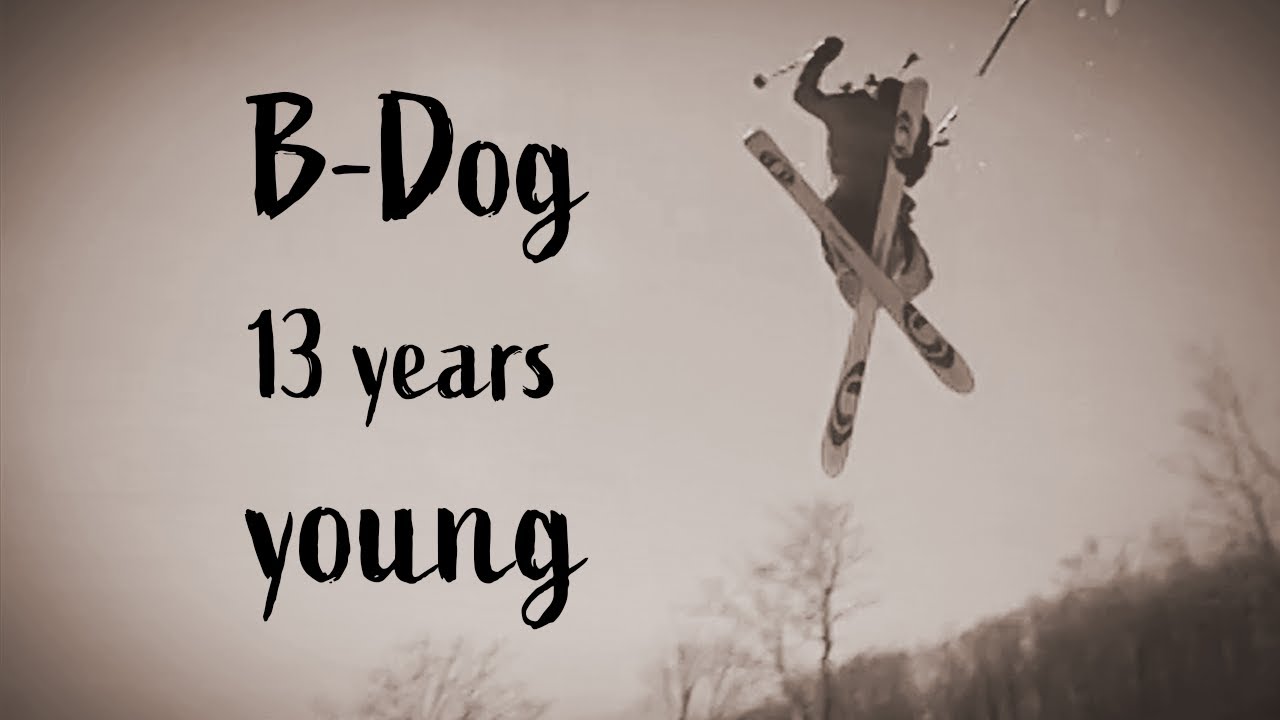
Casabon’s own biography places the origin in Shawinigan and Vallée du Parc, near Grand-Mère, Quebec. He started skiing at age two at the hill beside home, long before B-Dog became a film character, a pro model, a nickname, and a style reference for a generation of urban skiers.
That Quebec setting matters. Vallée du Parc is not a giant Alpine resort, and that limitation helped shape his skiing. Smaller hills make riders study every feature more closely. A flat rail, a short pitch, a crusty run-in, a tiny side hit, or a small park jump has to be made interesting through movement. Casabon’s later style kept that local logic. He did not need the biggest feature in the park. He needed the right angle, the right beat, and enough control to let a trick unfold instead of forcing it.
JP Auclair And The Armada Door
Armada’s athlete profile states that Casabon was first picked for the team by JP Auclair, a detail that connects B-Dog directly to one of Quebec’s most important freeski figures. The connection is more than a sponsor note. Auclair represented street vision, creativity, and the idea that skiing could happen where the mountain ended.
Casabon carried that idea into his own lane. He was not an Auclair copy. Where Auclair often made urban skiing feel cinematic and architectural, Casabon made it musical and tactile. His tricks seemed to bend around rhythm. A rail was not only an object to cross; it was an instrument. That is why his Armada relationship lasted beyond a normal contest career. He became part of the brand’s creative identity, not just a rider wearing the logo.
WinterJam, Blackout, And The B&E Sound
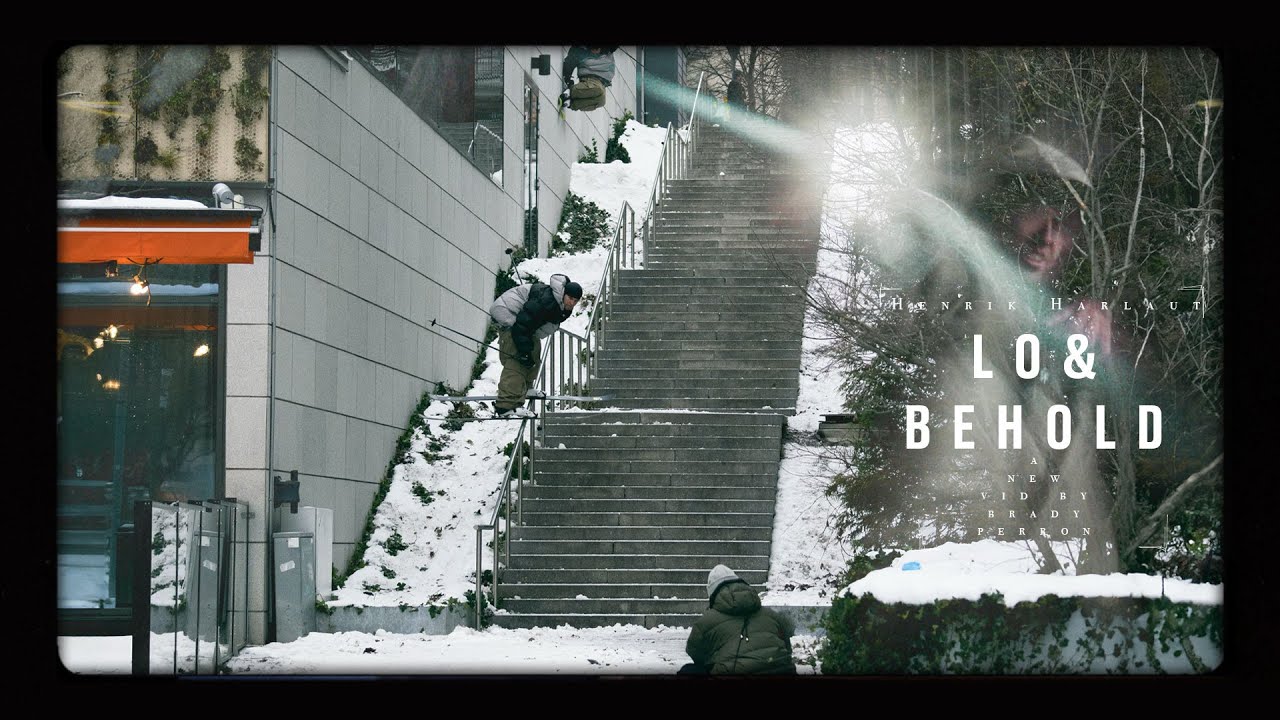
The B&E Show with Henrik Harlaut became one of the defining early chapters. The first episodes moved through places such as Stockholm’s WinterJam, mixing Casabon, Harlaut, Tom Wallisch, Tim McChesney, LJ Strenio, Ian Cosco, Oscar Harlaut, Oscar Wester, Sammy Carlson, Andreas Håtveit, and Pekka Hyysalo into a loose, music-heavy freeski world.
Blackout: The Movie arrived in 2011 through Inspired Media Concepts, built mostly by Harlaut and Casabon, with segments from Paul Bergeron and filming by Joakim Aslund. The movie did not behave like a standard sponsor film. It moved around flow, lyrics, inside jokes, park laps, rail creativity, and the feeling of friends building a private language in public. For Casabon, Blackout made the B-Dog voice clear: hip-hop cadence, unpredictable trick choice, and skiing that cared as much about feel as score.
Keynote Skier And The Wu-Tang Blueprint
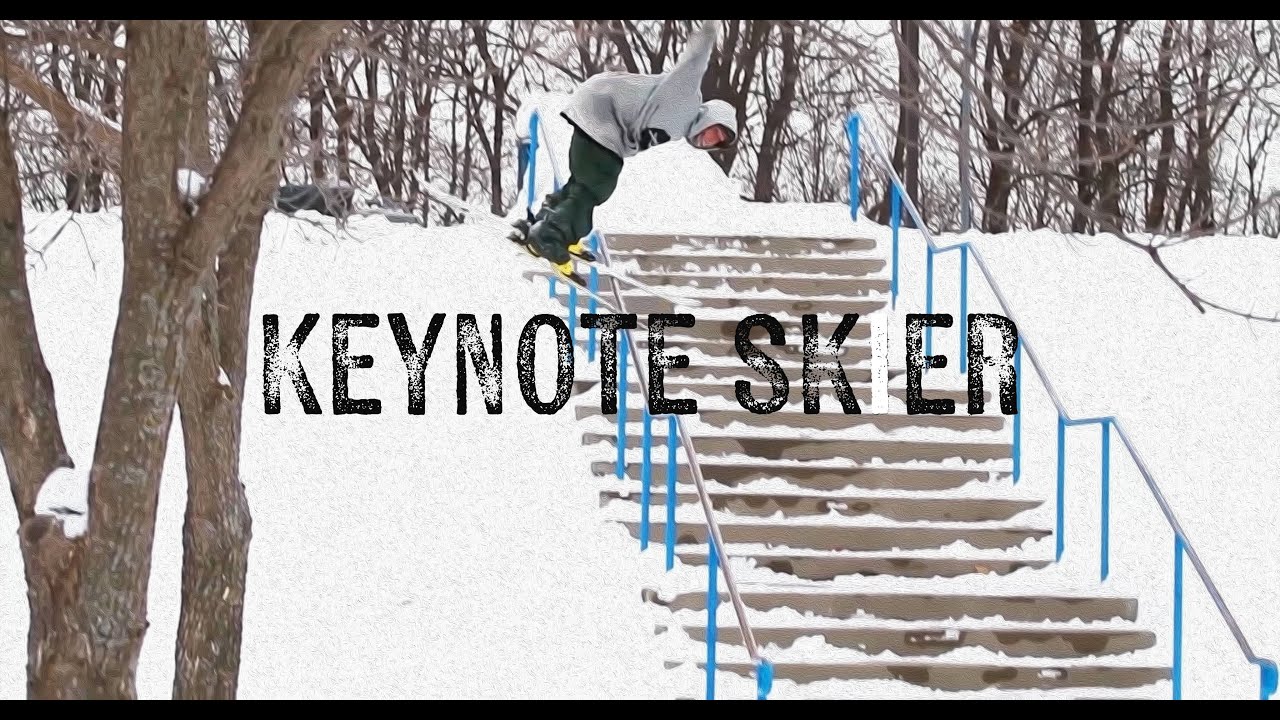
Keynote Skier, released in 2014 through Inspired Media Concepts, became Casabon’s first major solo statement. Freeskier described the project as built around a union between image and sound, with music from U-God’s Keynote Speaker shaping the rhythm of the film. Skipass framed it as a six-month project dedicated to the Quebec skier, with fifteen minutes of pure skiing carried by hip-hop.
The film matters because it made Casabon’s editing logic part of his skiing. The tricks were not simply placed over tracks. They were cut to make each movement feel like a bar in a verse. Urban rails, park jumps, slow presses, wallrides, pretzels, and soft landings became musical punctuation. A skier watching Keynote Skier could study technique, but the deeper lesson was timing. Casabon showed that a video part could be scored like an album, not only assembled like a highlight reel.
Real Ski Gold Without A Start Gate
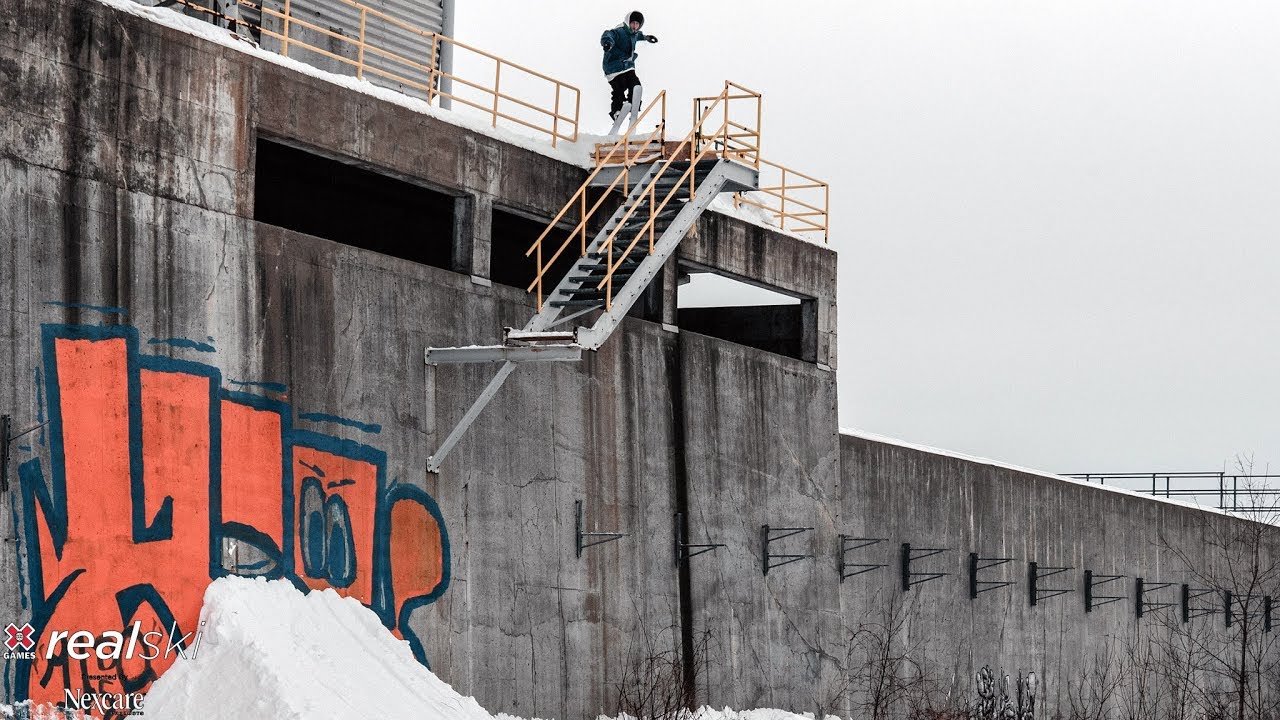
X Games Real Ski gave Casabon the formal result that best matches his actual value. He won Real Ski gold in 2018, then repeated in 2019. Those medals count differently from slopestyle or big air. Real Ski is all urban, all video, built from street spots, filming, editing, trick choice, spot use, and the ability to make a short segment survive repeated viewing.
The format was made for him. A normal contest course asks for a planned run. Real Ski asks for a winter of decisions: which rail to shovel, how much speed to build, when the snow is too thin, where Brady Perron should stand, whether a trick is worth the slam, and how the final ninety seconds should move. Casabon’s two golds gave street skiing’s style argument an official X Games record. The medals did not create B-Dog. They confirmed that his way of seeing spots could win when the judging language finally matched the work.
Nuance With Brady Perron
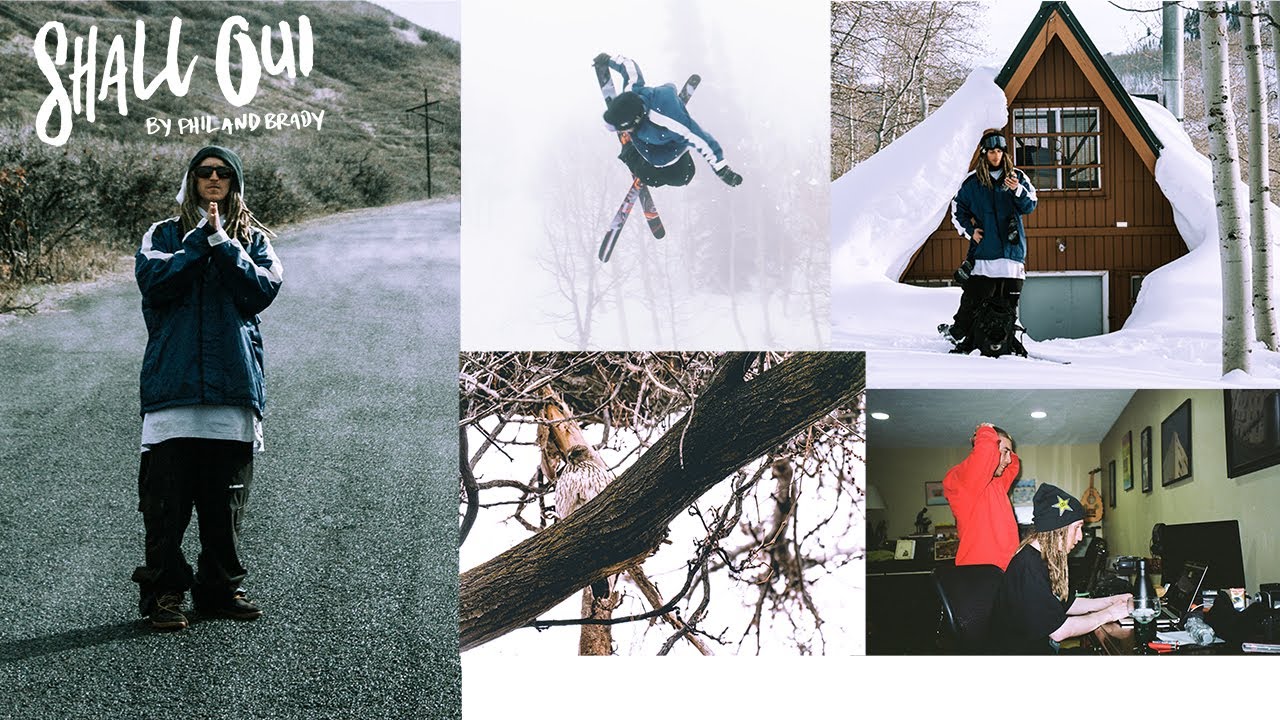
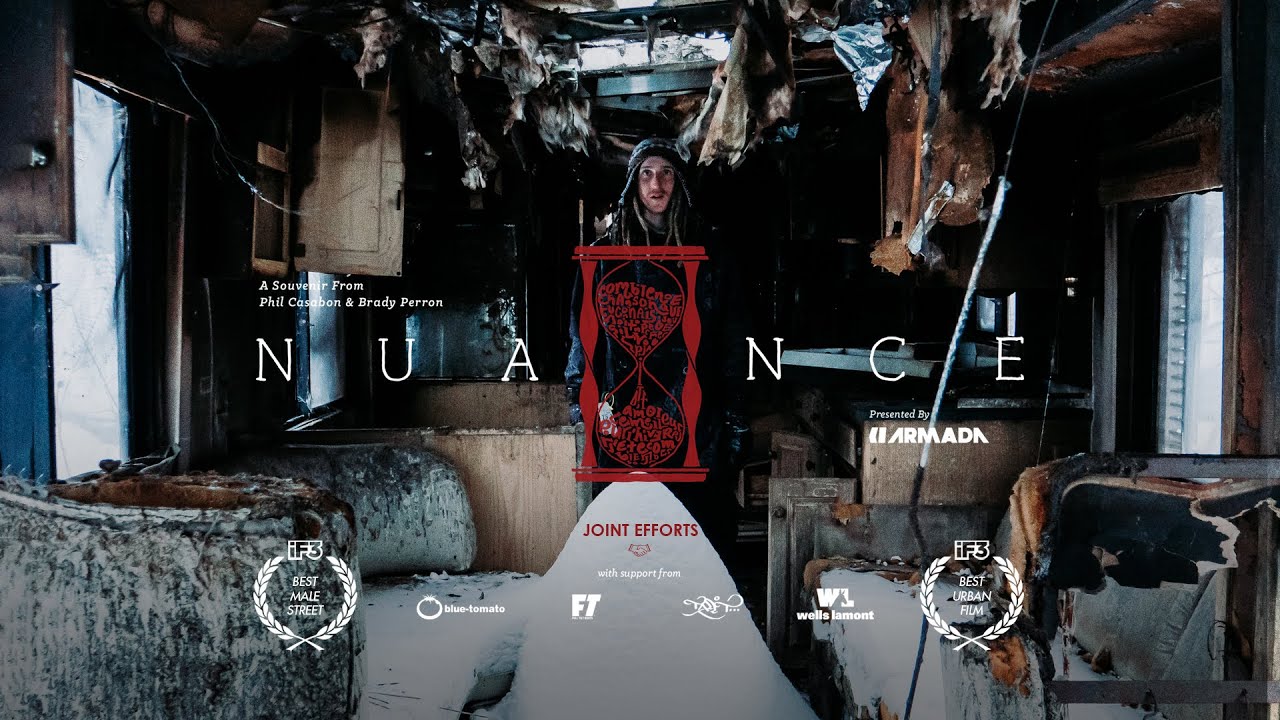
Nuance, released in 2019 with Brady Perron, brought a more intimate frame to Casabon’s skiing. Forecast Ski described Perron as his go-to filmmaker and pointed to the project as a fresh recipe built from their chemistry, Quebec heritage, and a desire to show a lesser-seen side of the skier.
The title fits the athlete. Casabon’s best skiing lives in nuance: a late edge set, a hand position, a ski flex, a landing that absorbs instead of announces, a sound cue that makes a rail feel longer. Perron’s camera gave those details space. Instead of turning B-Dog into a caricature, Nuance slowed the viewer down enough to see why the tricks are difficult. A nose press is not just a pose. A rail transfer is not just a direction change. Casabon’s control often hides inside movements that look casual on purpose.
The BDog Ski And The Edgeless Experiment
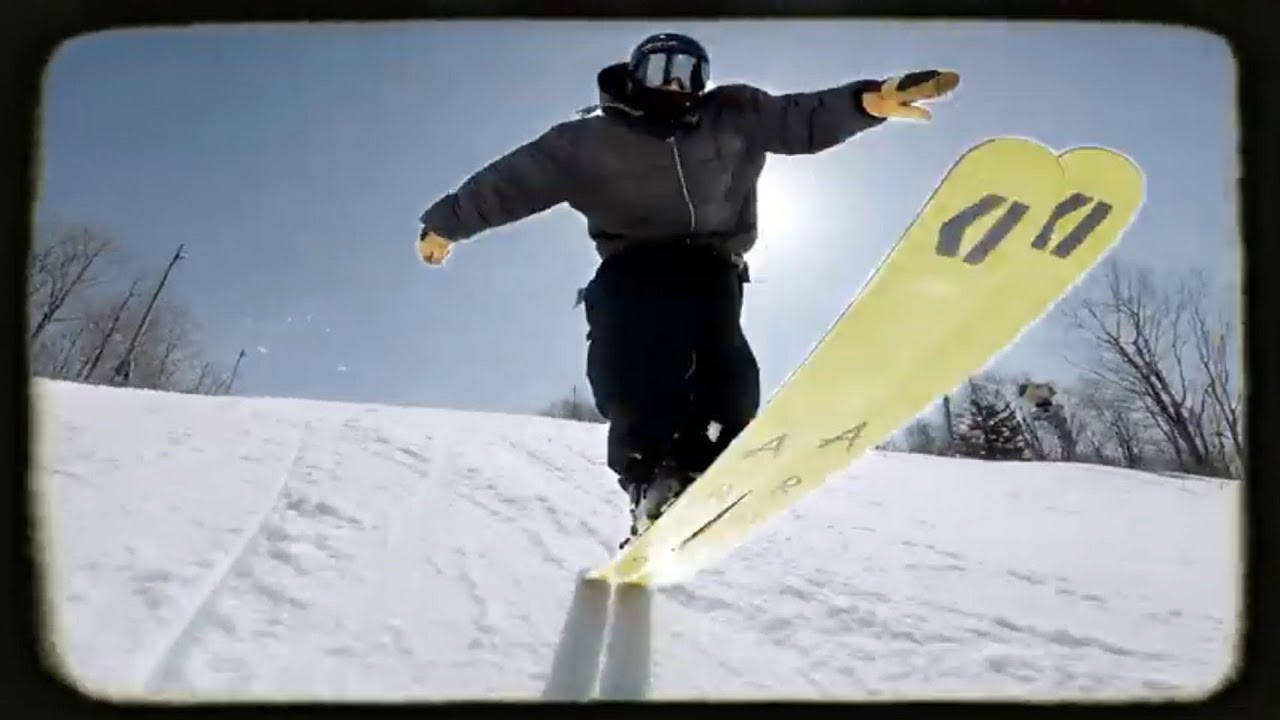
The Armada BDog pro model is one of the clearest product extensions of a skier’s style. Armada lists Casabon’s current gear around the BDOG 94, BDOG jacket, cargo pant, Whitewalker 121, and past BDog Edgeless project. The ski is not a generic signature graphic. It exists because Casabon’s skiing asks for unusual flex, press control, pop, and rail feel.
The Edgeless version pushed that logic further. A ski without conventional edge behavior is not built for a World Cup slopestyle final. It is built for jib exploration, surface tricks, butters, low-speed rail play, and the kind of sessions where friction and looseness become part of the trick. That experiment says a lot about Casabon’s place in the industry. He did not only inspire edits. He helped push ski design toward the strange corner where his own movement lives.
Pass The Bone And The Quebec Lineage
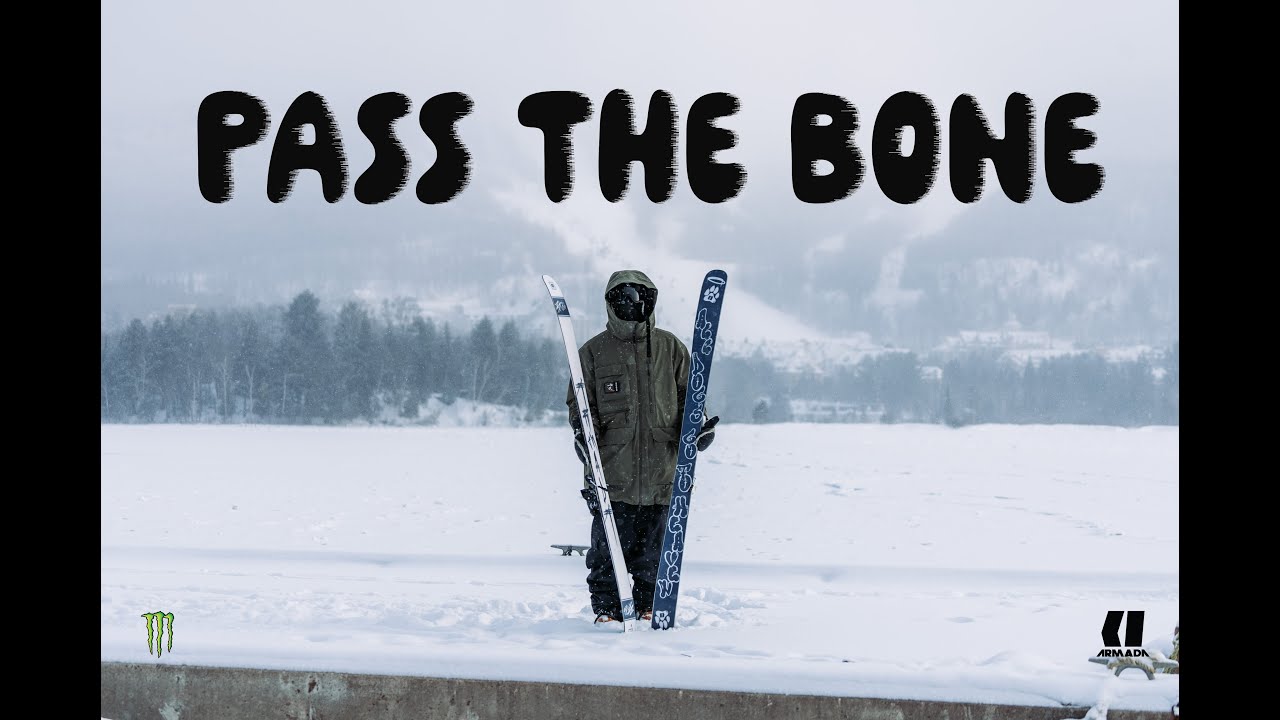
Pass The Bone, released in 2024, placed Casabon with Édouard “Edjoy” Therriault and Philou Poirier in a three-generation Quebec edit filmed by Raph Sévigny. Downdays described it as exactly that: the older generation passing the bone to the younger one.
The casting is important. Philou Poirier represents an older Quebec freeski lineage. Casabon represents the B-Dog era of street style, Armada creativity, and self-made film identity. Edjoy represents the current hybrid of World Cup results, rail art, music, and visual experimentation. The edit works because it does not treat influence as a speech. It shows it through tricks: rails, park lines, grabs, butters, switch-ups, and the shared understanding that Quebec skiing has always been bigger than its biggest hills.
Off The Leash At Wild Mountain
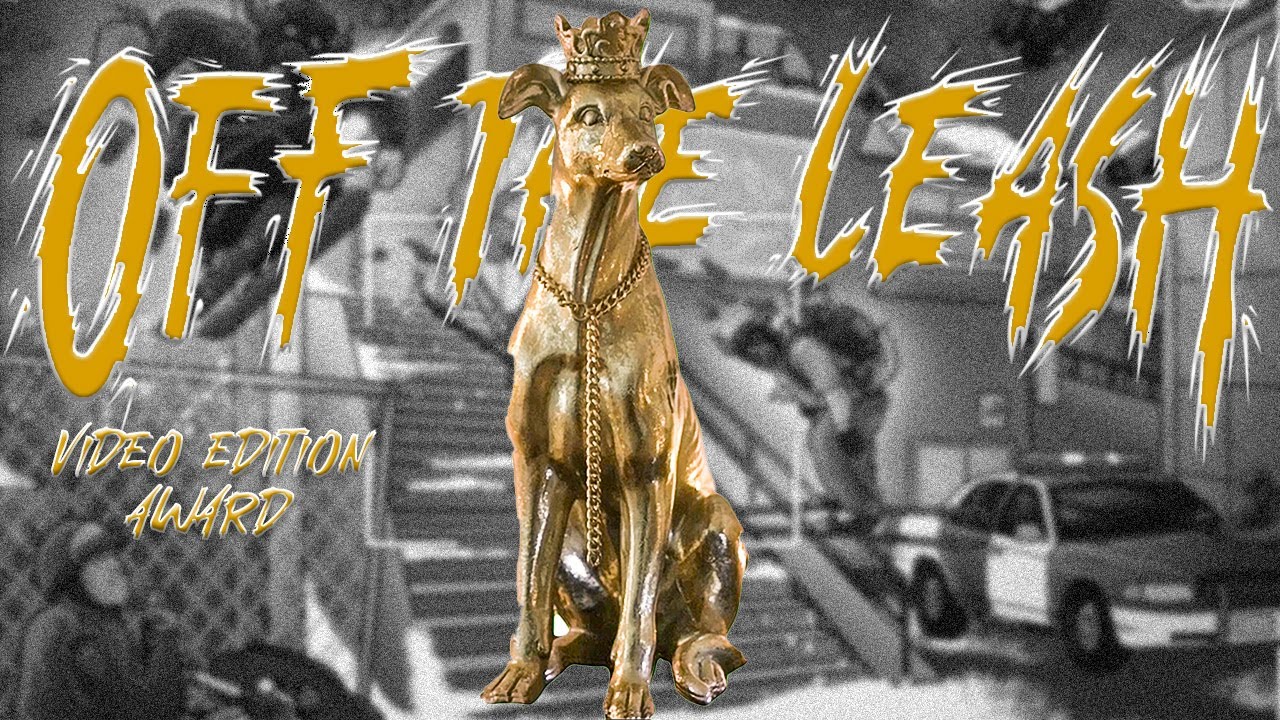
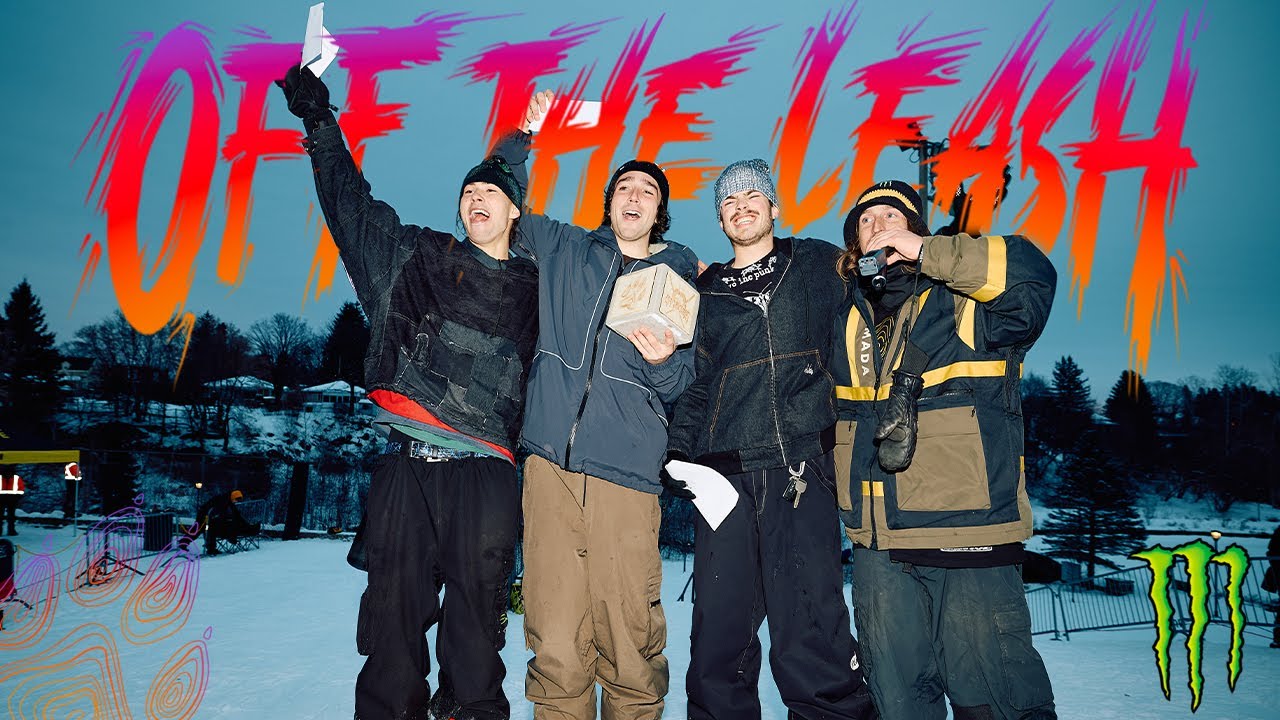
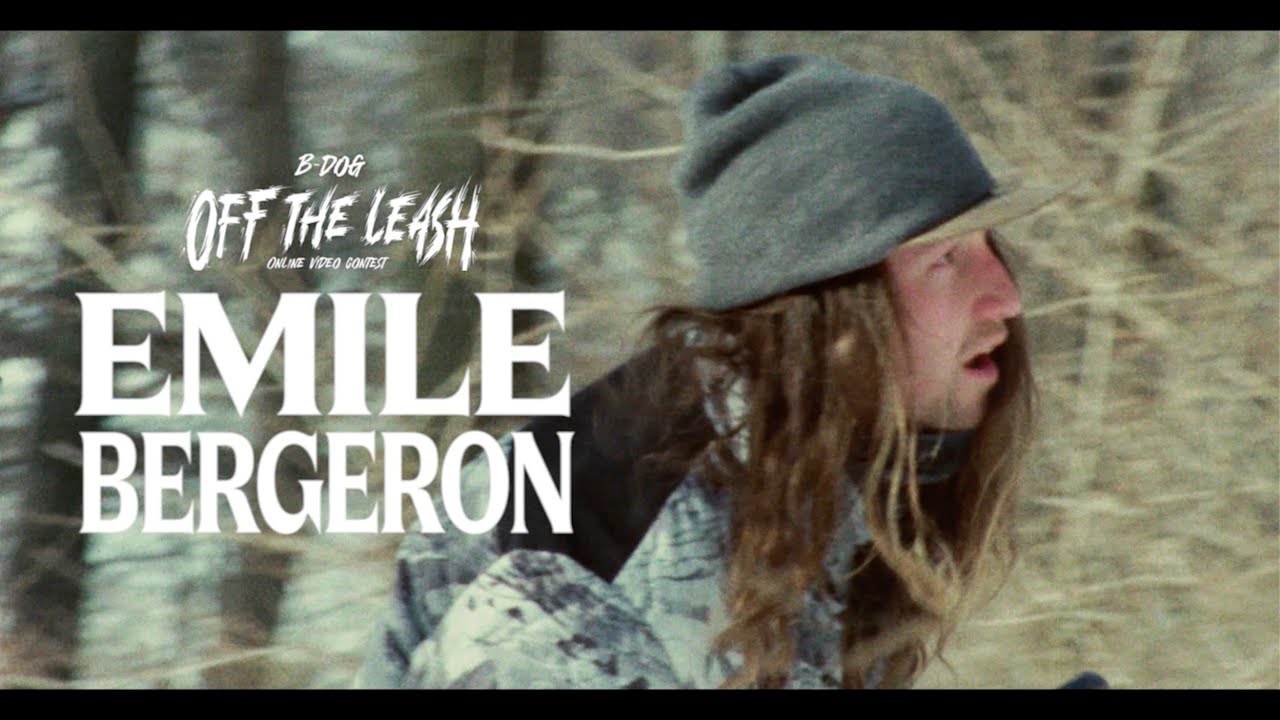
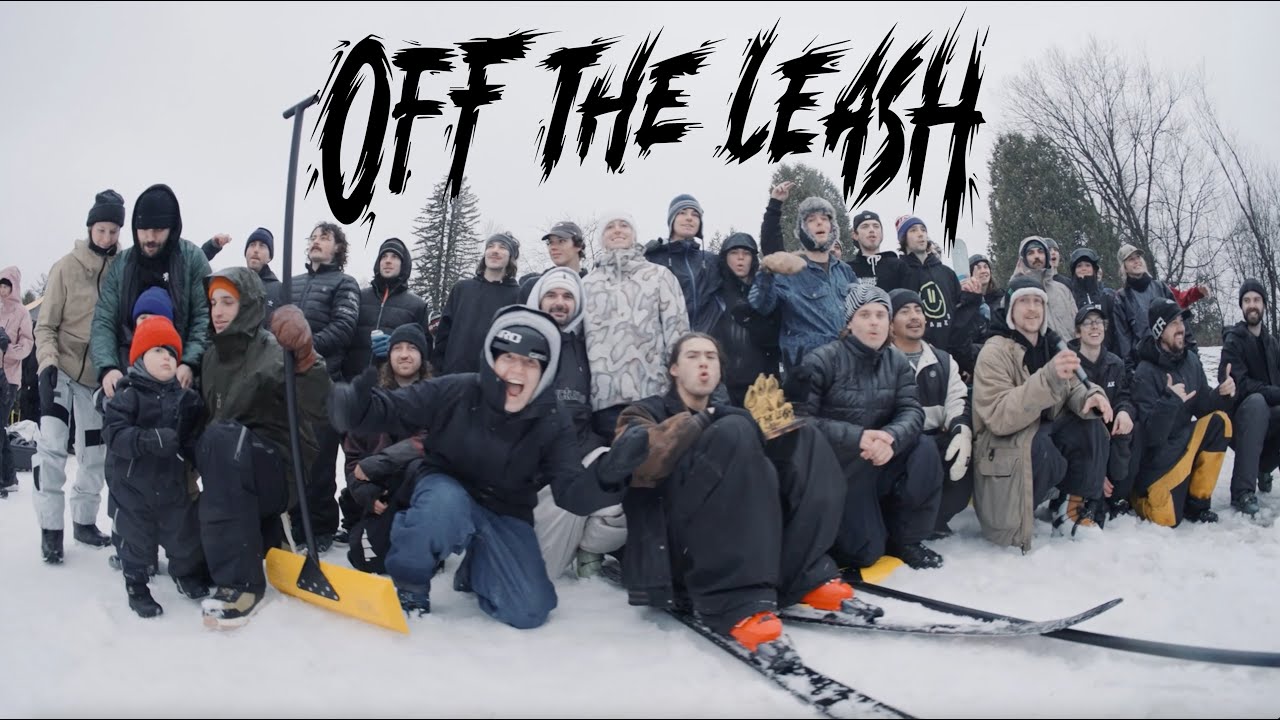
Off The Leash turned Casabon’s influence into an event format. At Wild Mountain, Minnesota, the 2025 Park Edition brought more than 130 skiers onto a 200-foot-high, 120-foot-wide slope, with cash handed out for style, effort, and tricks rather than a rigid podium structure.
That format is pure B-Dog. It rewards the skier who makes a small feature sing, not only the one with the most advanced trick list. The 2024 and 2025 events also showed how Casabon now operates as a culture builder. He can gather kids, local park crews, Eric Iberg, Monster Energy support, Armada energy, Midwest rope-tow skiers, and a crowd that cares about style before status. The point is not nostalgia. Off The Leash creates a living lane for the kind of skiing that made him matter.
How B-Dog Changed Street Skiing
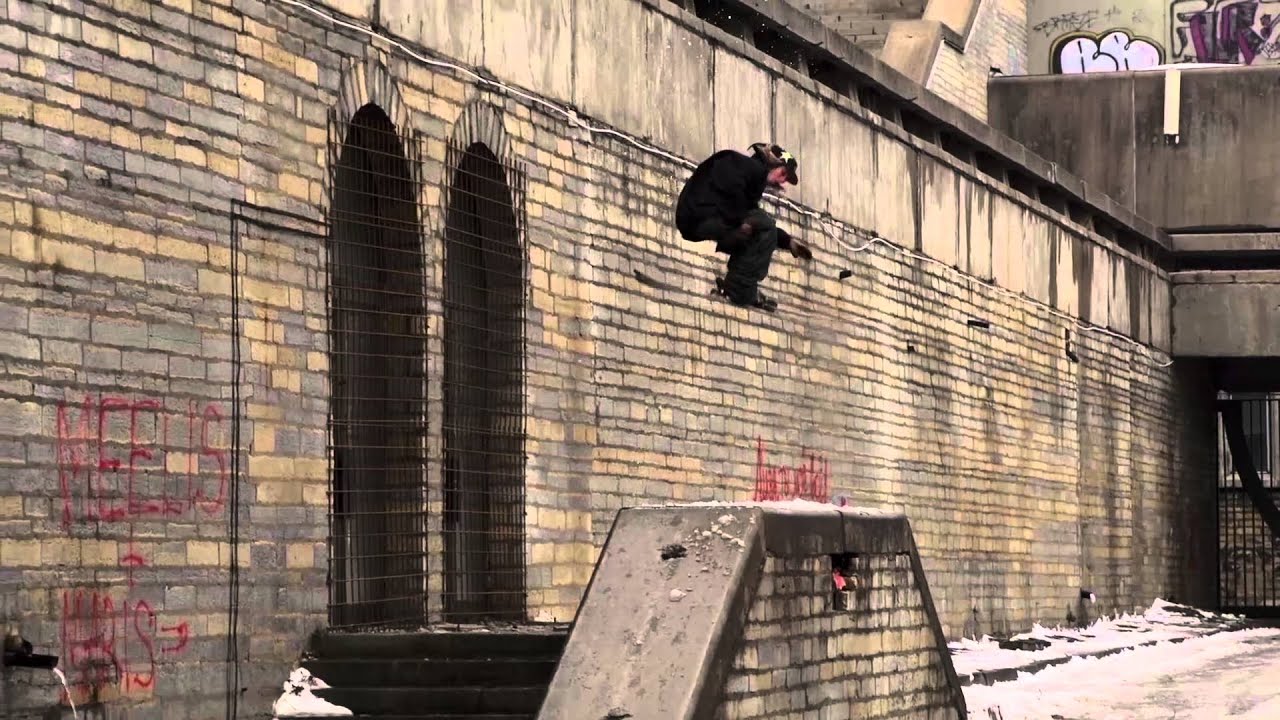
Casabon’s influence is hard to measure because it lives in body language. His vocabulary includes nose presses, tail presses, pretzels, switch-ups, butters, pole jams, wallrides, double sets, soft spins, surface changes, rail taps, shuffles, redirects, and landings that refuse to look finished too early.
Compared with Tom Wallisch, Casabon is less clean-line perfection and more musical looseness. Compared with Phil Auclair, he is less architectural and more rhythmic. Compared with Henrik Harlaut, he shares the hip-hop and style-first spirit, but with less big-air theatre and more street texture. Compared with Magnus Granér or Pär Hägglund, he is older in the creative lineage and more tied to Quebec’s jib roots. B-Dog made technical skiing feel hand-drawn. The trick could be hard, but it still had to have character.
The Current B-Dog Catalog
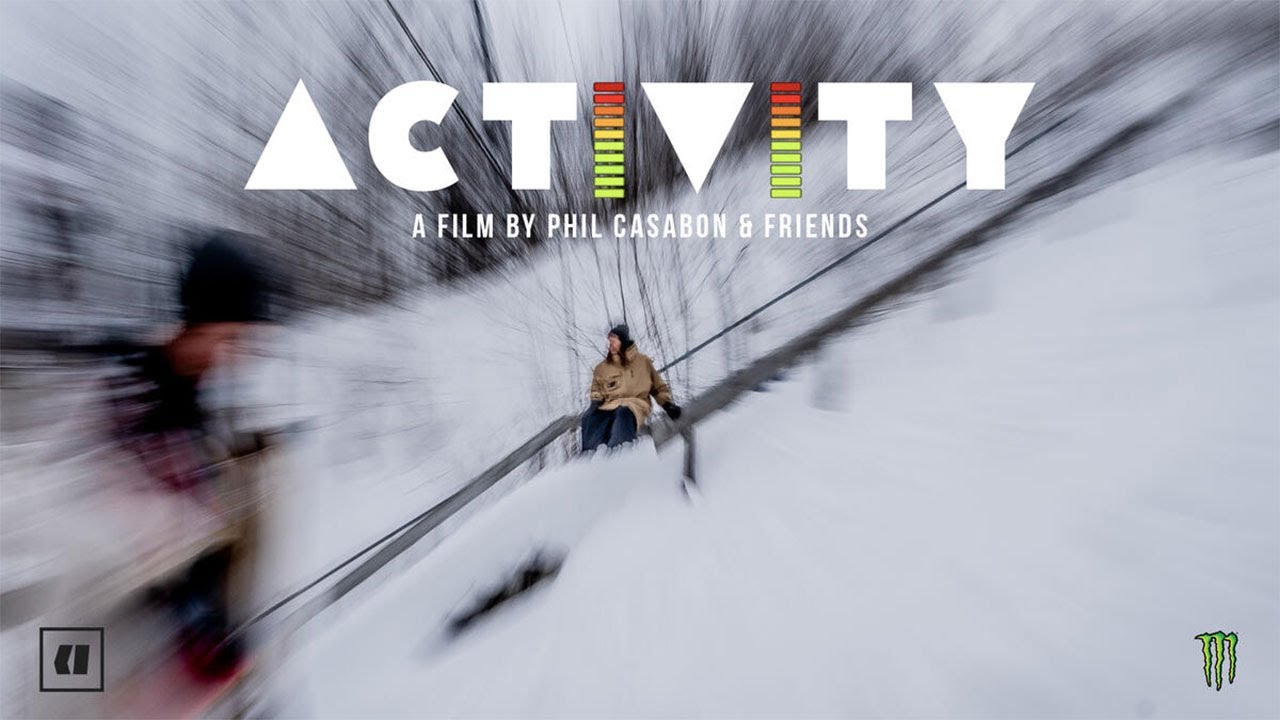
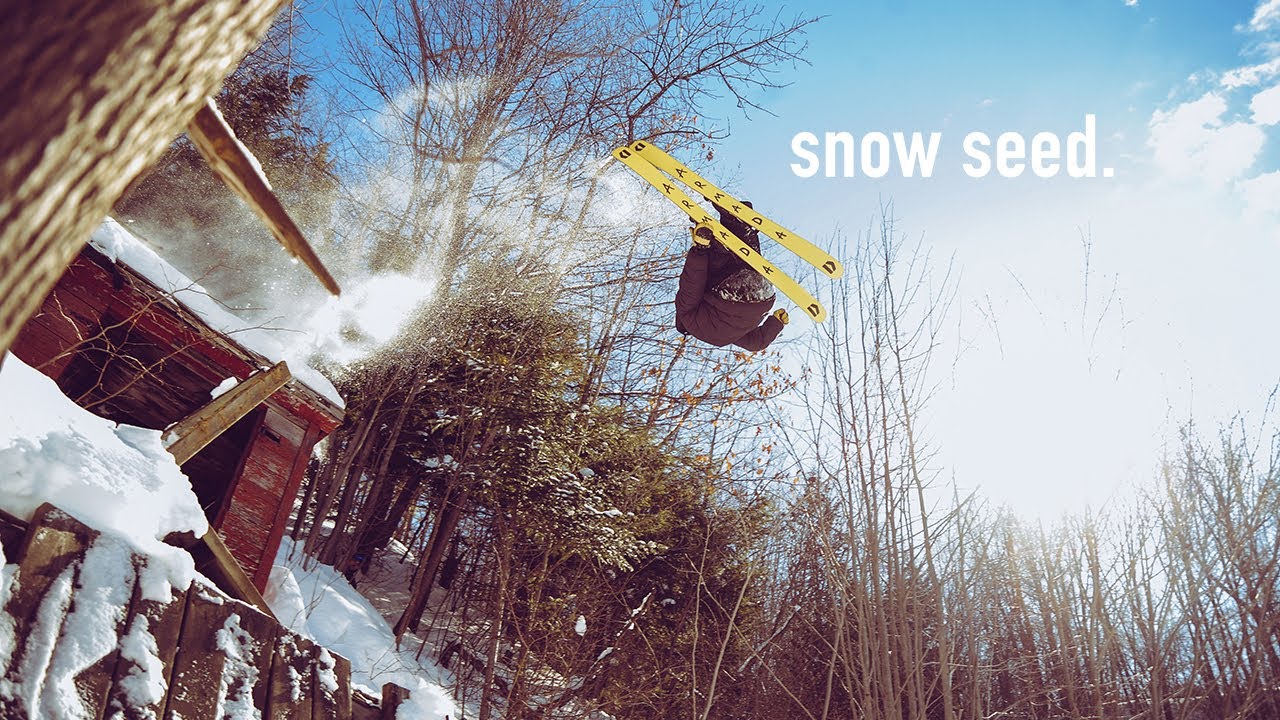
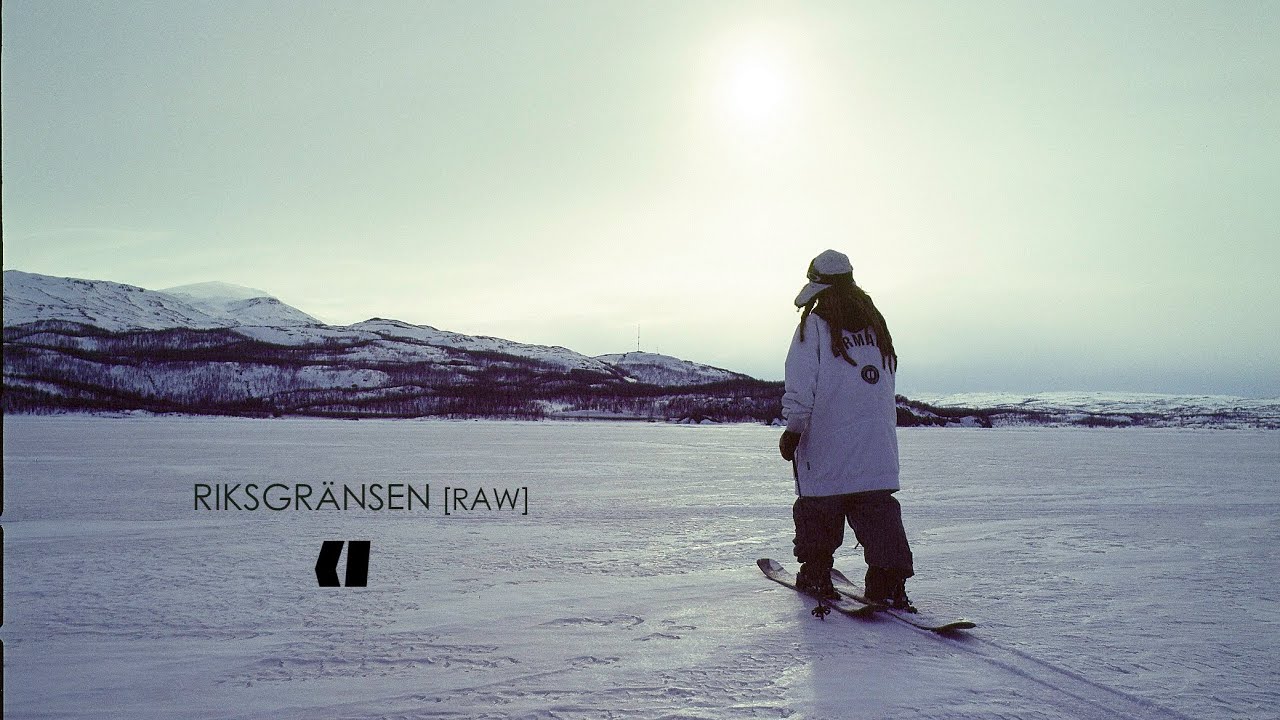
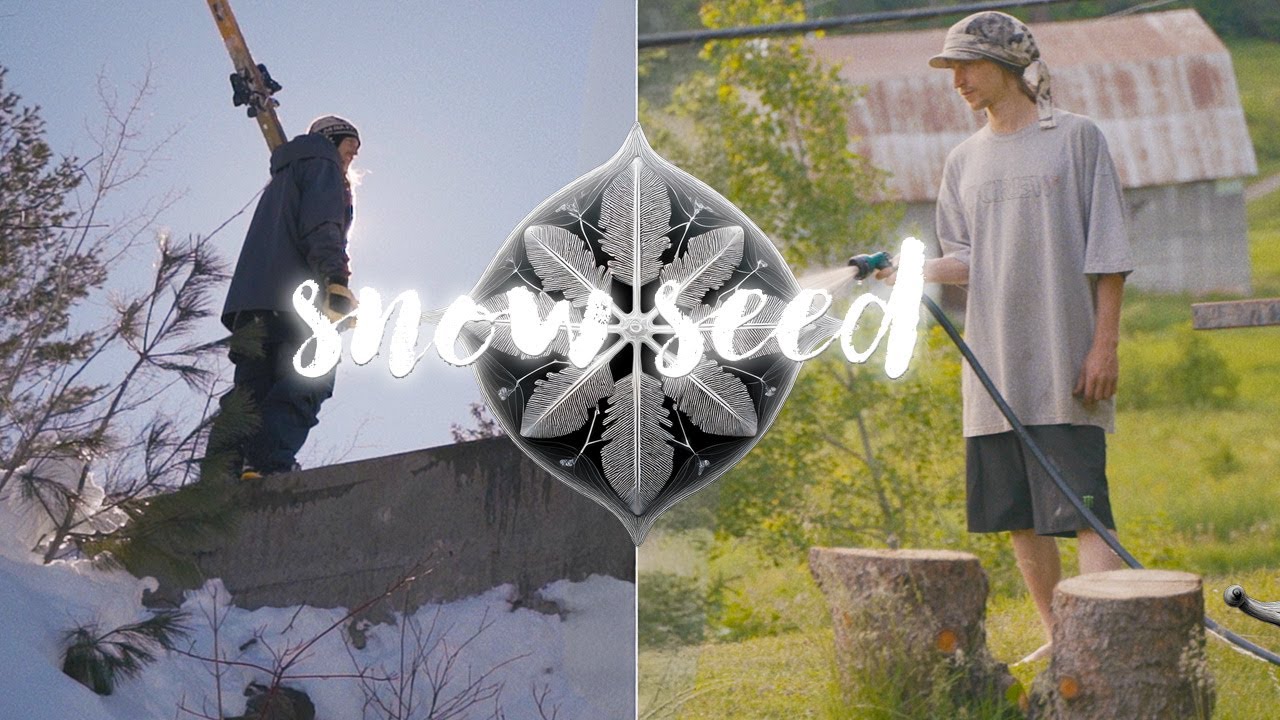
Casabon’s own site now functions like an archive and a living studio: Blackout, The Education of Style, Let It Flow, Keynote Skier, BE Inspired, Tempo, En Particulier, Nuance, Ensemble, Superview, The Spirit of the Thing, Snow Seed, Activity, Once Upon A Style, Pass The Bone, and newer Off The Leash material all sit inside the same B-Dog universe.
For skipowd.tv, the viewing path should start with B&E and Blackout for the Harlaut partnership, then move to Keynote Skier for the solo language. Real Ski 2018 and 2019 give the X Games proof. Nuance shows the Brady Perron portrait, Pass The Bone links Quebec generations, and Found My Niche / Off The Leash show the current community chapter. Phil Casabon is not a retired contest skier with old clips. He is a street-ski architect still building rooms for other skiers to enter.