Giro
United States
American helmet and optics brand | Founded in 1985 by designer Jim Gentes | Known for: snow helmets, ski and snowboard goggles, Spherical Technology powered by Mips, VIVID lenses with ZEISS, In Form fit systems, Thermostat Control and seamless helmet-goggle integration | Focus: protective headwear and vision systems for skiers and snowboarders across freeride, all-mountain, park, race and resort use.
1985 design obsession and the helmet brand that crossed into snow
Giro is not a ski manufacturer, boot brand, binding company or film studio. It is a helmet, goggle and protection brand whose importance in skiing comes from the head and vision systems that skiers trust every day. Founded in 1985 by Jim Gentes, Giro first became known through cycling helmets, where design, ventilation, aerodynamics and weight were already central problems.
That design-first culture carried naturally into snow. Skiers and snowboarders need helmets that fit properly, protect during angled impacts, manage heat, work with goggles and stay comfortable from first chair to last lap. Giro’s role in snow is therefore practical and highly visible. The brand sits on the skier’s head, frames the skier’s face, shapes goggle compatibility and influences how clearly the rider sees terrain.
On skipowd.tv, Giro belongs as a major snow protection and optics sponsor. It does not create the ski underfoot, but it supports one of the most important parts of skiing: the ability to protect the head, regulate comfort and read the snow surface before committing to the next turn.
Tor Grid Orbit Jackson and the modern Giro helmet wall
Giro’s current snow helmet range covers several use cases. Tor Spherical is one of the strongest all-mountain choices, combining Spherical Technology powered by Mips, fit comfort, temperature control and modern styling. Grid Spherical is positioned as a very light backcountry and freeride helmet, built for skiers who tour, hike and want protection without unnecessary weight.
Owen Spherical and Tenet Mips serve the premium resort and all-mountain side, while Jackson Mips, Neo Mips, Ratio Mips, Trig Mips and Ledge Mips cover everyday resort, freestyle and value-oriented needs. Orbit Spherical adds an integrated shield concept with a VIVID lens, useful for skiers who wear glasses or want a visor-style system rather than a separate goggle.
The race side is represented by helmets such as Signes Spherical, designed for ski racers and built to meet CE EN1077 Class A and FIS RH13 specifications. That range matters because Giro is not only a park helmet brand or only a beginner resort option. It has products for kids, race, freeride, backcountry, freestyle and daily resort skiing.
Contour Method Axis and VIVID optics for reading snow
Giro’s goggle line is just as important as its helmets. Contour is the premium frameless goggle, built around a large field of view and VIVID lens technology. Method is a strong freestyle and all-mountain goggle, popular with riders who want a clean shape, good venting and lens options without the highest premium price. Axis and Ella bring quick-change lens systems into broad resort use, while Article II, Comp, Ringo, Revolt, Sagen, Roam and youth models fill out the range.
VIVID Lens Technology, developed with ZEISS Optics, is Giro’s key snow optics story. Its purpose is to improve contrast and definition by managing blue light and reducing haze, helping skiers see terrain texture more clearly. In skiing, this is not a luxury detail. Flat light can hide bumps, landings, ruts, ice patches and takeoff shapes. Better contrast can make the mountain easier to read.
Giro also emphasizes Seamless Compatibility between helmets and goggles. That matters because a good helmet with the wrong goggle can still create fogging, forehead gaps, pressure points or poor airflow. Giro’s strongest system is helmet plus goggle together: compatible venting, clean brow fit, stable strap position and lenses matched to conditions.
Spherical Technology Mips and the fit systems inside the shell
Giro’s most recognizable modern helmet technology is Spherical Technology powered by Mips. The system uses a ball-and-socket construction where an outer liner can rotate around an inner liner during certain impacts, helping redirect rotational energy. Giro also uses standard Mips systems across many helmets, giving skiers options at different price points.
Fit is just as important as technology. In Form and In Form 2 fit systems allow skiers to adjust helmet fit quickly, often with gloves on. Thermostat Control adjustable venting helps manage heat during changing conditions, while Stack Ventilation works with goggles to reduce fogging. These details decide whether a helmet feels good enough to wear all day.
No helmet can eliminate injury risk, and Mips or Spherical systems should not be treated as magic protection. The helmet still has to fit correctly, sit low enough on the forehead, work with the skier’s goggles and be replaced after serious impacts. Giro’s value is that it combines safety engineering with everyday comfort, which is exactly what makes skiers keep helmets on.
From race shields to park lids and backcountry helmets
Giro’s snow relevance comes from range. A park skier may choose Ledge Mips for a clean freestyle shape and simple durability. A freerider may prefer Tor Spherical or Grid Spherical for better venting, lighter weight and higher-end impact management. A resort skier may choose Neo Mips, Ratio Mips or Jackson Mips for daily comfort and reliable protection. A racer may look toward Signes Spherical or shield-compatible race options.
The brand’s goggles follow the same logic. Contour or Comp works for skiers who want a large field of view and premium optics. Method suits park and freestyle riders. Axis and Ella give quick-change versatility for mixed light. Budget and youth goggles keep the brand accessible for families and newer skiers.
This breadth is why Giro earns a 5 out of 5 importance rating. It is not a niche helmet label with one silhouette. It is a major snow protection and optics company with enough depth to serve casual skiers, serious freeriders, kids, park riders and racers.
California design culture with global snow reach
Giro’s roots are Californian, and that background shaped the brand’s product personality. It grew from cycling and action sports design rather than traditional alpine equipment alone. That gives Giro a clean, modern and problem-solving identity: reduce weight, manage airflow, improve fit, protect against impact and make the product feel better during real use.
In snow, Giro’s geography becomes global. The same helmet-goggle system can appear in the Alps, Rockies, British Columbia, Japan, Scandinavia or East Coast resorts. A helmet does not belong to one mountain. It follows the skier wherever visibility, cold, impact risk and comfort matter.
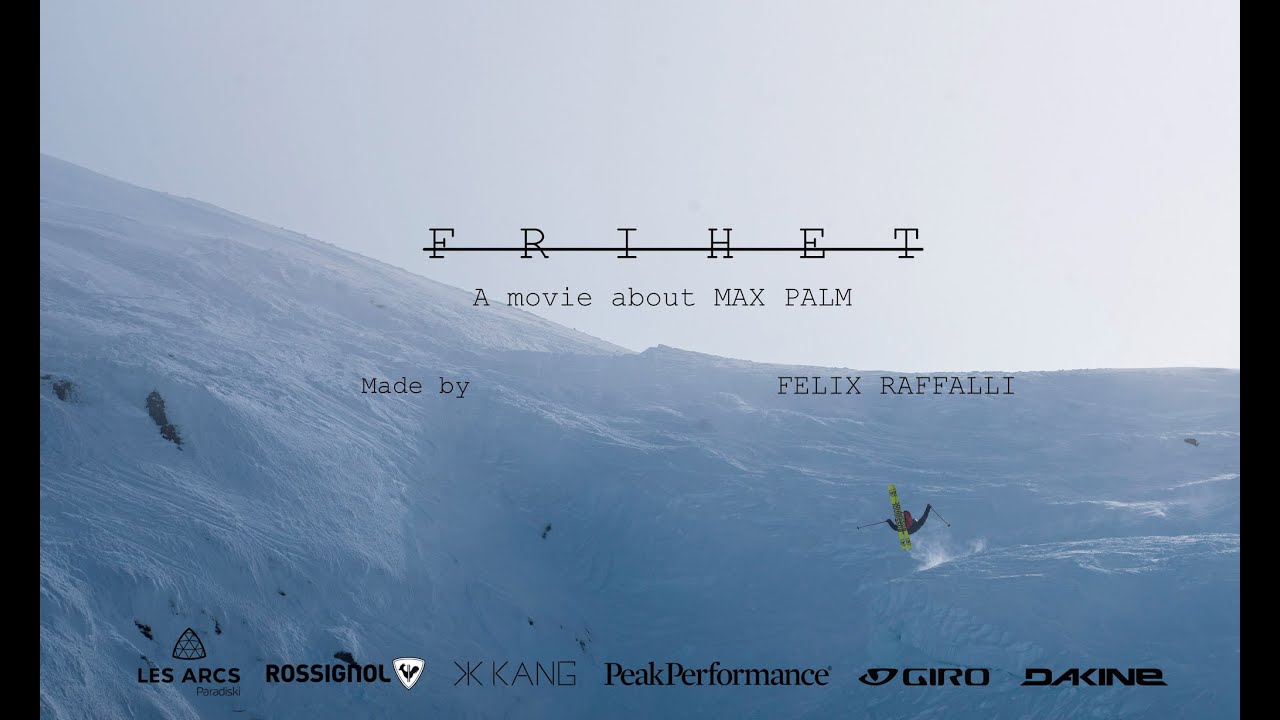
On skipowd.tv, Giro is connected to freeride and backcountry content, including FRIHET with Max Palm, Les Arcs and Verbier. That context fits the brand well. Freeride terrain demands clear vision, good fit, reliable venting and head protection that does not distract from the line.
Choosing Giro helmets and goggles for real skiing
Choosing Giro starts with use case. For freeride, touring and all-mountain skiing, Tor Spherical and Grid Spherical are the strongest directions. Tor is a premium all-rounder with comfort and temperature management. Grid is lighter and more backcountry-focused. For resort skiers who want a good balance of price, comfort and protection, Jackson Mips, Neo Mips or Ratio Mips make sense.
For freestyle and park, Ledge Mips or Ledge FS Mips are the natural choices. They offer a lower-profile look, simple construction and park-friendly style. For racing or high-speed shield use, Signes Spherical and race-certified Giro options are more appropriate. Kids should use youth-specific models like Spur, Crue or Buzz depending on fit and protection needs.
For goggles, Contour is the premium wide-view option. Method is the freestyle and park-friendly choice. Axis and Ella suit skiers who want easy lens changes and strong all-mountain versatility. Comp is more race and performance-oriented. The best Giro setup is usually a Giro helmet paired with a Giro goggle, because the brand designs the two pieces to vent and fit together.
Why Giro matters in ski protection culture
Giro matters because snow helmets and goggles are not secondary accessories. A skier can own excellent skis and boots, but poor visibility or a badly fitting helmet can ruin the day. Giro built its reputation by paying attention to those details: vent size, shell shape, goggle interface, lens contrast, fit adjustment and impact management.
The 5 out of 5 importance rating is justified by Giro’s history, scale, technical credibility, product depth and visibility across ski and snowboard categories. It is not a ski hardgoods manufacturer, but within helmets and goggles it is one of the central brands. Its influence reaches from kids learning to ski to racers, park riders, freeriders and backcountry users.
On skipowd.tv, Giro belongs as a major snow helmet and goggle sponsor. Its value is the quiet confidence it gives before the drop: a helmet that fits, a lens that reads the snow, a vent system that keeps vision clear, and a protection philosophy built from decades of design obsession.