Alaska
Rocky Mountains
United States
U.S. big-mountain region from Girdwood to Haines and Valdez | Known for: Chugach spines, Alyeska lift access, Thompson Pass heli terrain, Natural Selection Ski, FWT Alaska returns | Season: December to April with heli windows strongest from February to April | Best for: advanced freeriders, film crews, heli guests, and backcountry skiers with avalanche discipline
Chugach Faces Above Tidewater Snow
The Chugach Mountains rise directly above sea-level communities such as Girdwood and Valdez, putting maritime snowfall against slopes that climb fast from the coast. Alyeska Resort lists 1,610 skiable acres, 76 named runs, 7 lifts, a 40-passenger aerial tram, 2,500 feet of vertical rise, and 650 inches of average annual summit snowfall. That lift-served core gives Alaska a real resort anchor before the terrain expands into heli, cat, sled, and touring zones.
The state works as a freeski region rather than a single resort destination. Girdwood handles lift access and Chugach Powder Guides style terrain. Valdez connects to Thompson Pass, Richardson Highway weather, and the classic film language of long glaciated faces. Haines brings Inside Passage light, tight spine walls, and a competition identity that returned to the top tour in 2026. Juneau, Cordova, the Tordrillo Mountains, Hatcher Pass, and the Alaska Range widen the map for skiers who arrive with guides, patience, and a serious weather plan.
Girdwood Valdez Haines And The Alaska Snow Map
Alaska snow is shaped by distance from the ocean, elevation, wind, and daylight. Around Girdwood, the Chugach snowpack is maritime, often dense enough to bond to steep faces when stability allows. That is why Alyeska can ride so well during storm cycles: upper-mountain snow carries moisture, fills gullies, and can create supportable surfaces on terrain too steep for lighter continental storms to cover cleanly.
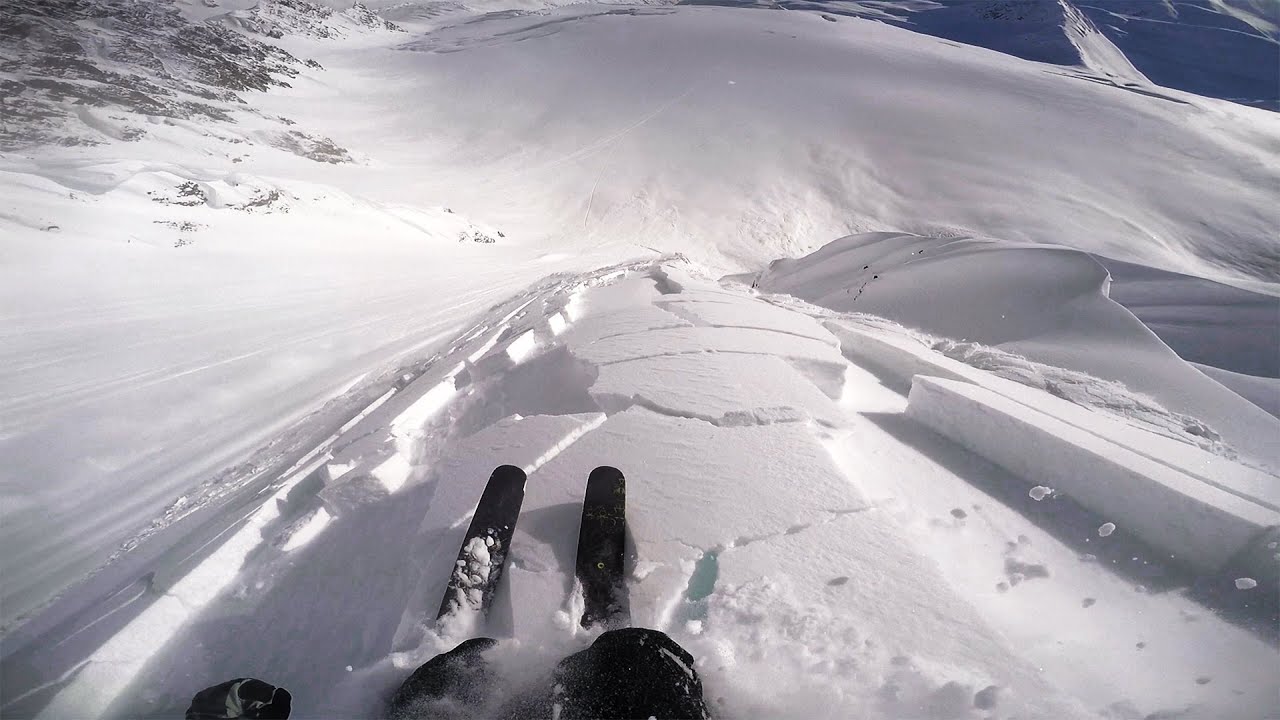
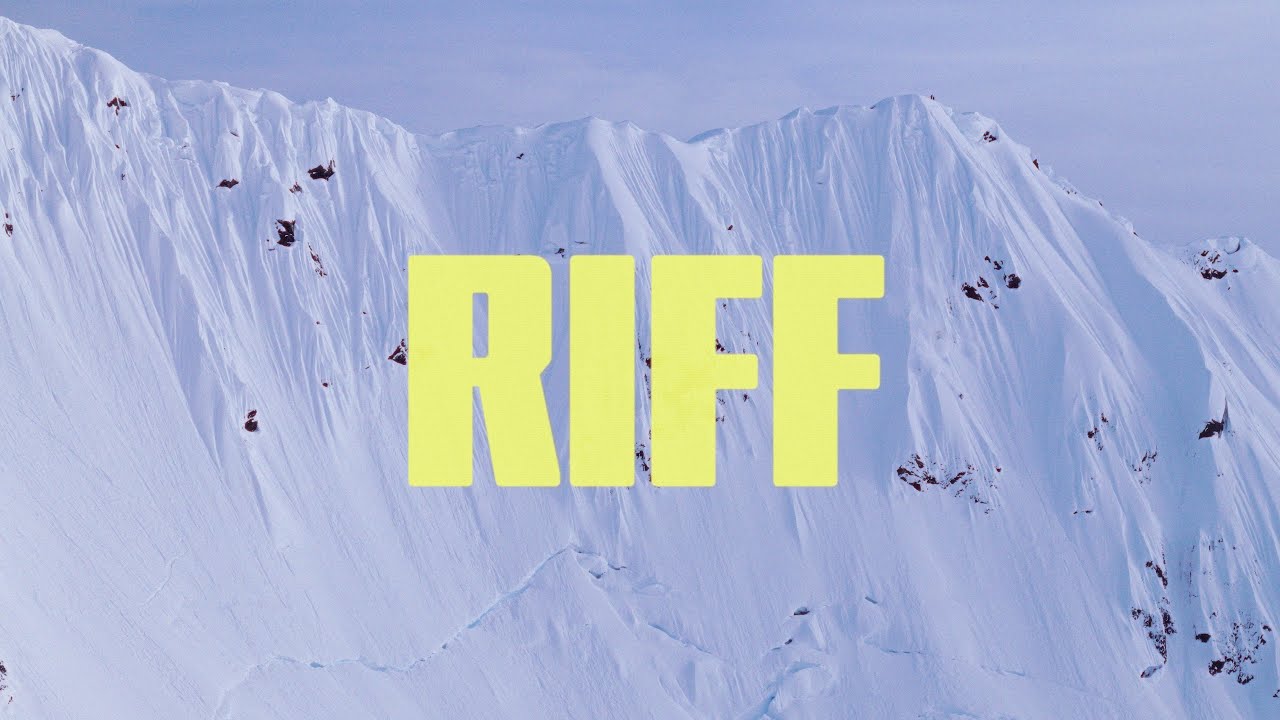
Valdez and Thompson Pass push the scale higher. The terrain around the eastern Chugach is built from glaciers, broad ramps, fluted ribs, couloirs, and road-accessed staging zones that can pivot into heli or snowcat skiing. Haines is different again, with steep faces rising above the Chilkat and Takshanuk region and weather systems moving in from the northern Inside Passage. When the snowpack is right, the faces look almost drawn for freeride judging: clear entries, exposed spines, hanging panels, and long runouts.
The timing is specific. Resort skiers can start earlier in winter when Alyeska opens, but the heli-ski rhythm usually strengthens from February through April as daylight grows and aviation windows improve. March often gives the best balance: more light, active storms, and enough seasonal depth for bigger terrain. April can deliver long spring days, but sun exposure, warming, and glide cracks require sharper timing.
Alyeska Laps Before The Helicopter Dream
Alaska is not a classic park-travel state, and that matters for expectation. The freeski value comes from steep resort laps, natural features, and mechanized backcountry access rather than a dense network of slopestyle venues. Alyeska still gives skiers a progression ladder. The lower mountain handles visibility days, the tram opens a 2,025-foot aerial line to the Upper Tram Terminal, and the upper bowls give advanced skiers a way to read Chugach snow without leaving a controlled resort.
Night skiing adds a rare northern rhythm. Alyeska promotes more than 2,000 vertical feet of illuminated terrain on night-skiing dates, which turns short midwinter days into useful laps. That does not replace heli terrain, but it keeps a trip alive when the alpine is closed or weather has grounded aircraft. For skiers coming from park backgrounds, those hours help translate speed control, edge pressure, and variable-snow takeoffs into a steeper environment.
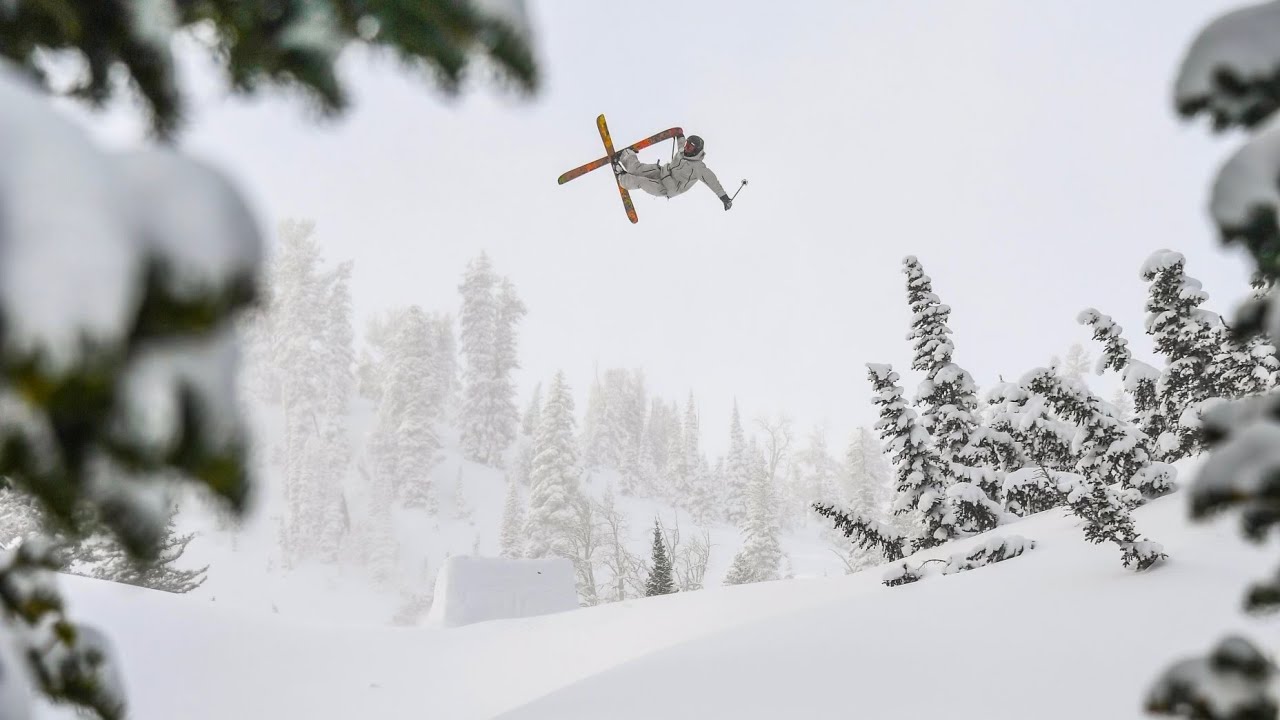
The park story is smaller but not absent. Local riders use resort features, side hits, and natural takeoffs to build timing before moving into bigger terrain. Alaska rewards that crossover because the best lines rarely behave like groomed jumps. Landings can be blind, wind-pressed, or convex. Speed can disappear in deep maritime snow or surge on a refrozen panel. Alyeska is where many visitors learn that the state’s freestyle language starts with terrain reading.
Haines Finals Valdez History And Natural Selection Ski
The Freeride World Tour brought Alaska back into the 2026 calendar with the YETI Alaska Haines Pro, its first Alaska stop since 2017 and one of the Finals after the Cut. That detail matters because Haines is not a conventional contest venue. It asks riders to manage exposure, sluff, visibility, and line choice on terrain that looks simple only from a distant camera angle.
Valdez gives the older competition thread. The extreme skiing era of the 1990s helped connect Alaska with judged steep skiing before modern freeride tours had standardized formats. The place names still carry weight because the footage became a reference language: helicopter drop, ridge stance, spine entry, sluff management, high-speed exit. The skiing was not only about how steep the face looked. It was about whether a rider could stay composed when the whole line moved beneath them.
Natural Selection Ski added a different competitive grammar in 2025 and 2026, blending freeride, slopestyle, filming, and creative terrain use in Alaska. Colby Stevenson fits that shift because his contest background translates into doubles, transfers, and tricked natural features. Sam Kuch represents the film-skier side of the same equation, where speed, powder shape, and improvisation are judged as much as formal podium history.
Film Culture From Valdez To The Tordrillos
Alaska’s strongest media identity comes from ski films, not resort brochures. Teton Gravity Research has repeatedly used Valdez, Haines, and surrounding Alaska zones as a canvas for big-mountain cinematography because the full line reads clearly on camera: ridge, spine, sluff, air, landing, and runout. The scale forces longer shots and cleaner decisions. A chopped edit can hide weak skiing in many places; Alaska usually exposes it.
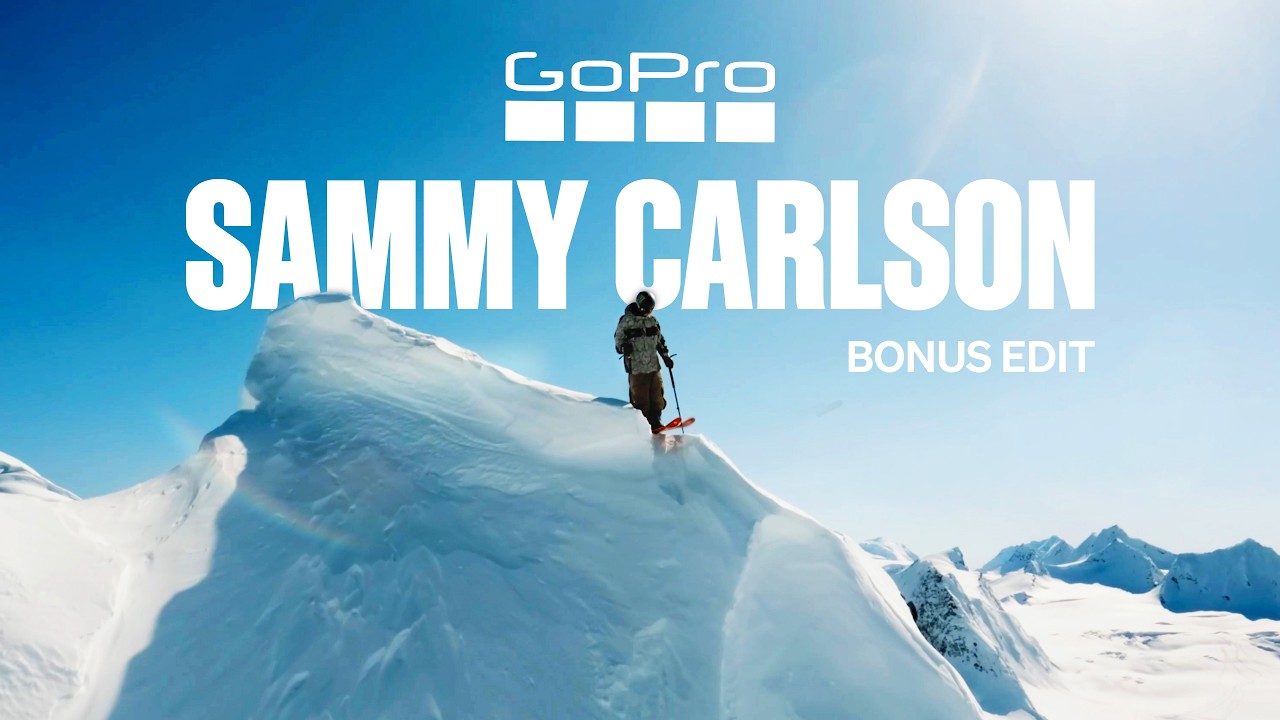
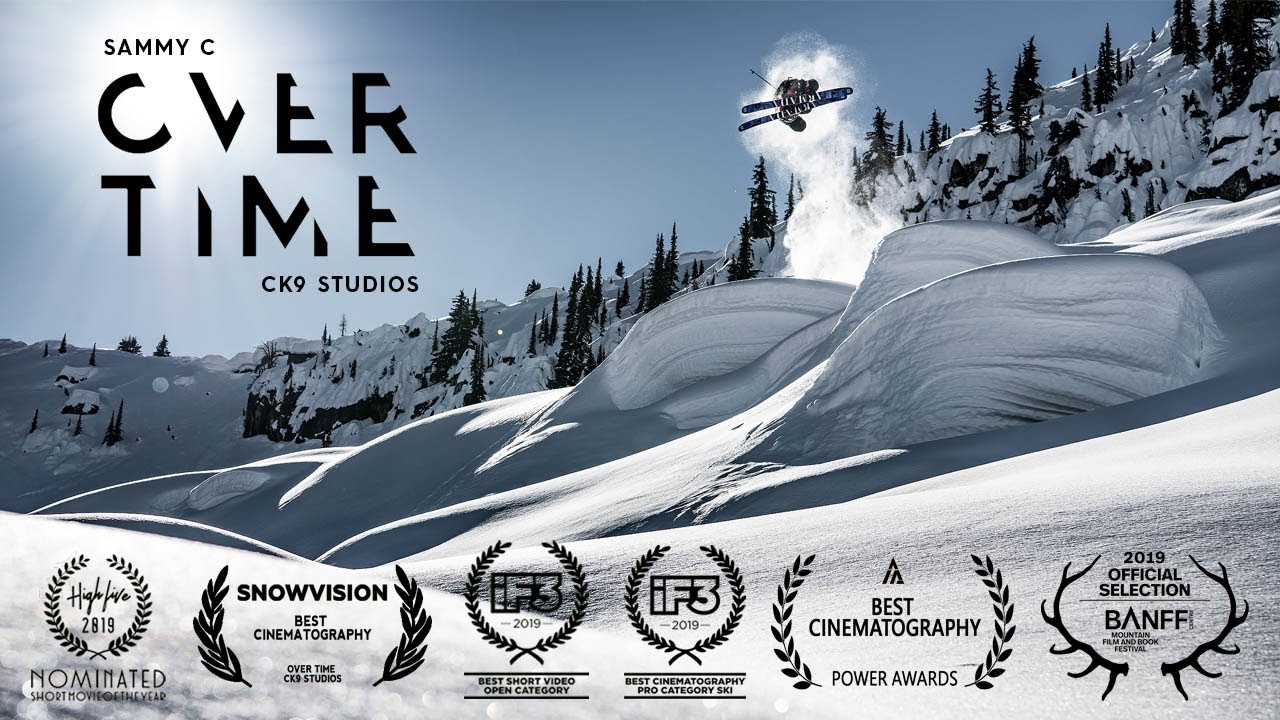
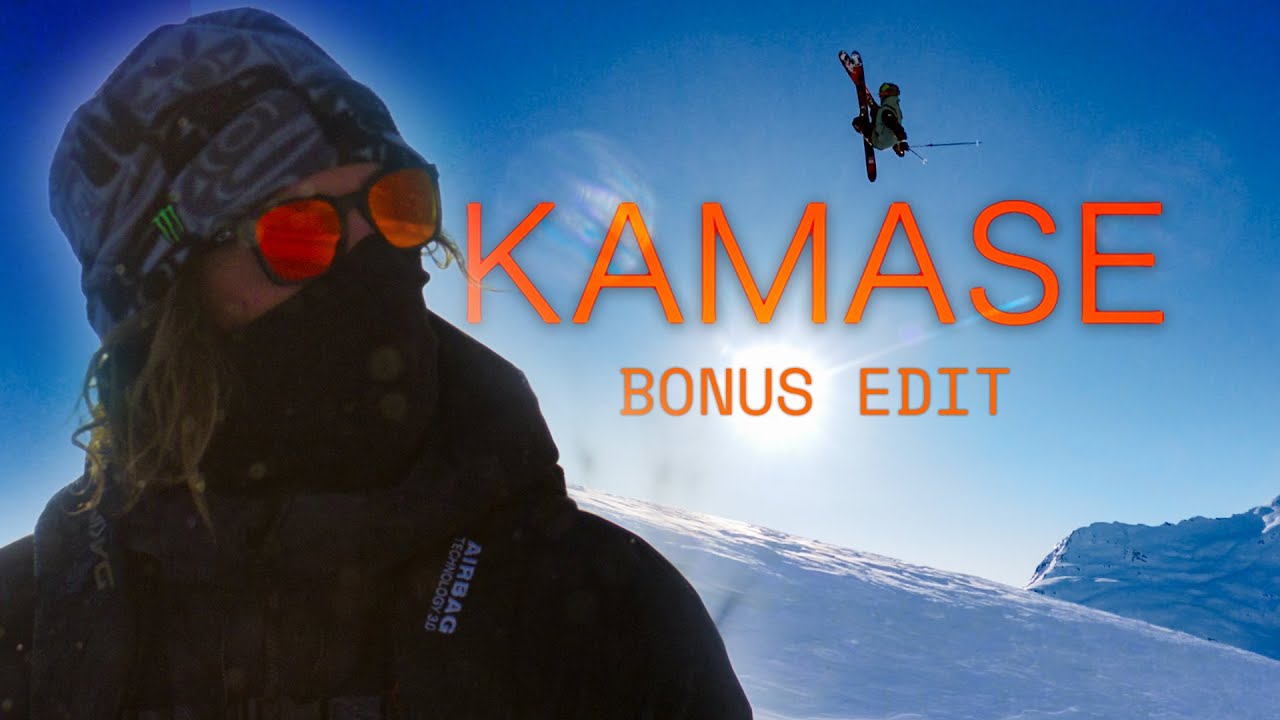
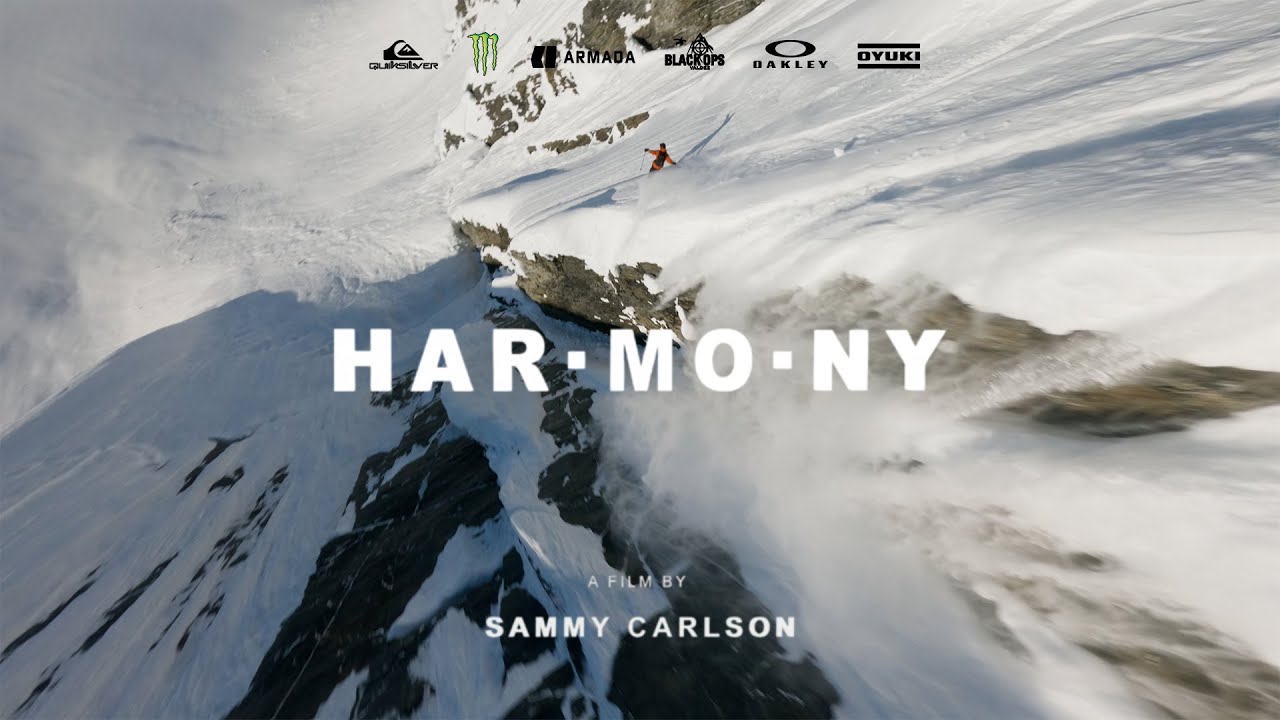
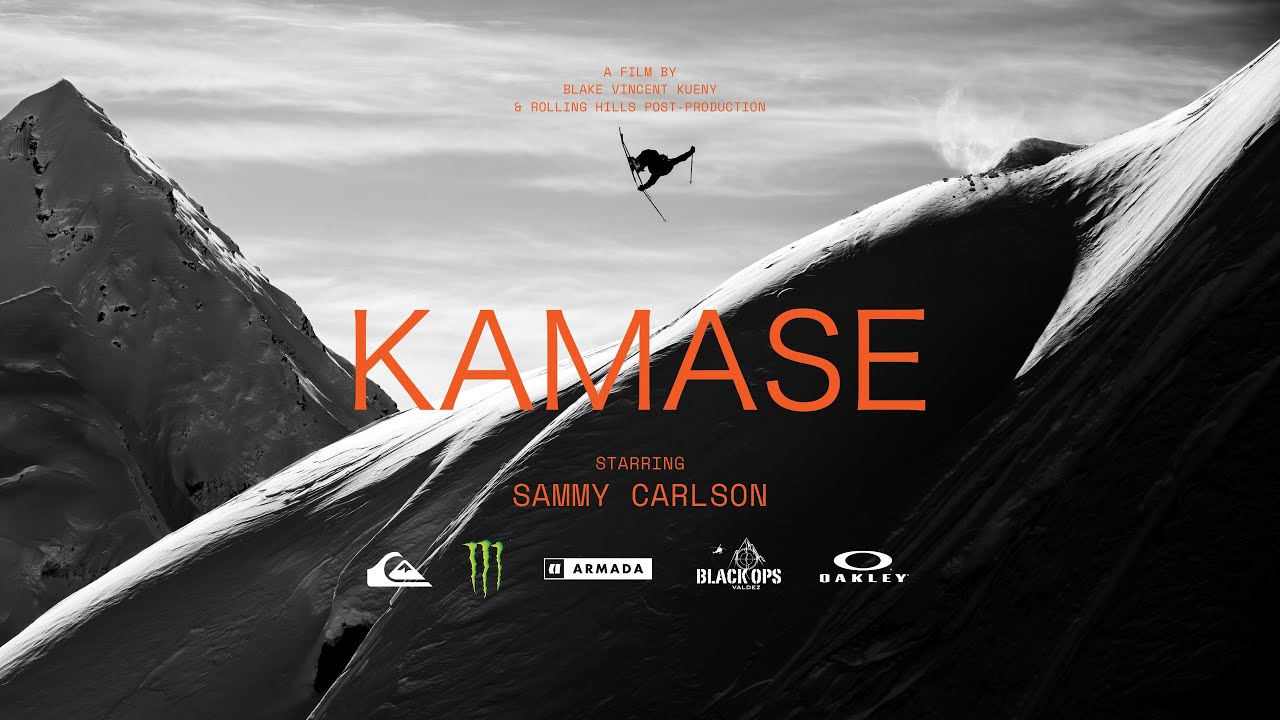
Sammy Carlson has become one of the most useful modern references for Alaska backcountry freestyle. His Alaska-linked projects with Black Ops Valdez show the current version of the state’s appeal: huge terrain, but with enough creative space for switch takeoffs, backcountry airs, and pillow-like transitions when the snowpack allows. Armada appears naturally in that ecosystem because Carlson’s ski language sits between powder film, freestyle mechanics, and mountain consequence.
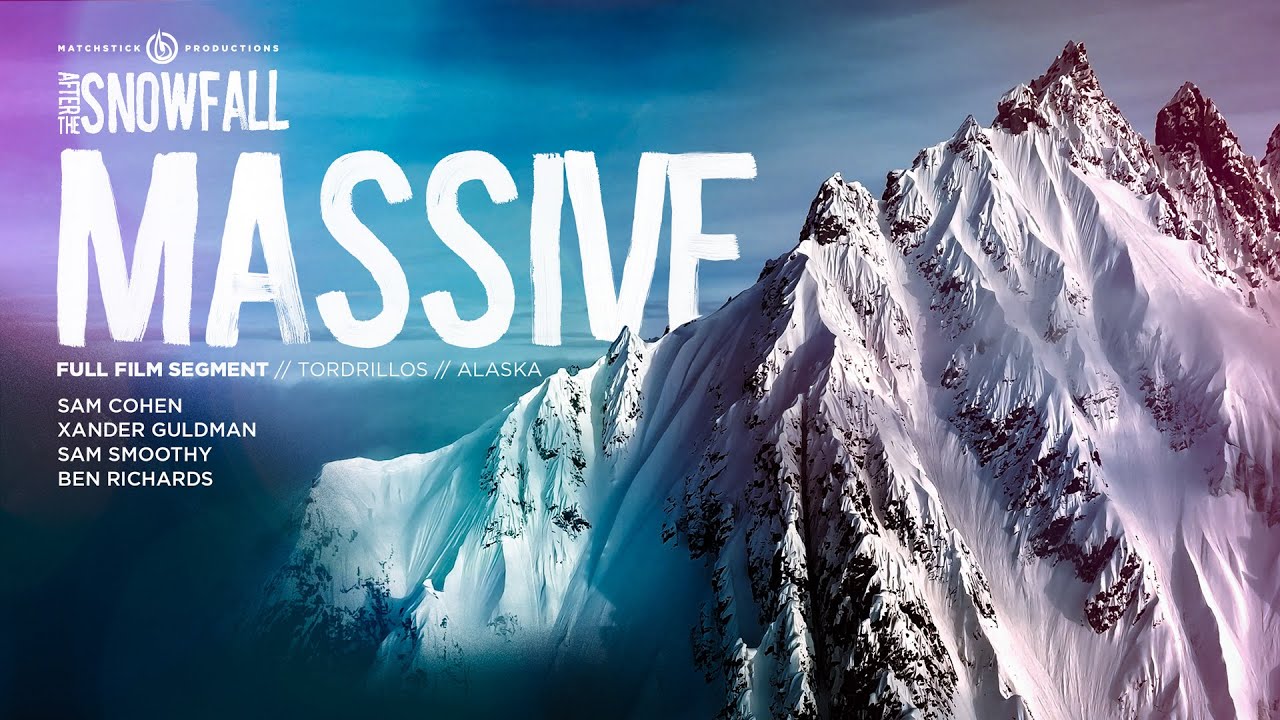
Tanner Hall belongs to the same bridge between park history and Alaska terrain. His Alaska footage matters because it shows a skier carrying style into exposure rather than abandoning it. The Tordrillo Mountains add another layer, with fly-in lodges and broad alpine faces northwest of Anchorage. Those zones give crews a different pace from Valdez or Haines: remote bases, longer weather holds, and terrain that can support both freeride lines and natural-feature progression when guides and conditions align.
Anchorage Corridors Weather Holds And Permit Reality
Most Alaska ski trips begin with Anchorage. Girdwood sits roughly 40 miles south along the Seward Highway, which makes Alyeska the simplest entry point for visitors. Valdez requires a regional flight or a long road approach through winter mountain corridors. Haines often means flying through Juneau, using ferry or small-aircraft logistics, or crossing through Canada by road. Those transfers are not background details. They decide how many real ski days a trip can survive when weather shifts.
Heli operations demand a flexible mindset. The same storms that build the Chugach can close ceilings, overload slopes, and keep aircraft on the ground. A strong plan includes backup resort days, snowcat options, touring objectives with local guides, and enough time to wait. Commercial operators around Haines also work within borough reporting and permit systems, which reflects how visible heli-skiing is to local communities. Flight routes, wildlife concerns, noise, landing zones, and public safety all shape the season.
For a first Alaska trip, Girdwood is the cleanest base because it combines Alyeska, nearby guided heli or cat options, and Anchorage access. Valdez is more specialized and rewards skiers who specifically want Thompson Pass terrain. Haines is a higher-commitment freeride target, especially for riders focused on spine skiing. The Tordrillos suit lodge-based groups who are comfortable building a full week around weather windows.
Avalanche Forecasts Glaciers And Local Discipline
Alaska safety starts before the first lift or flight. The Alaska Avalanche Information Center publishes regional resources for zones including Valdez, Haines, Eastern Alaska Range, and Cordova, while Chugach and Hatcher Pass centers cover other heavily used zones. Forecasts matter because the state’s hazards change fast with wind, coastal loading, rain lines, warming, and deep slab structure.
Glaciated terrain adds another layer. Crevasses, snow bridges, serac exposure, and whiteout navigation can turn a good snow day into a route-finding problem. Heli guests still need to listen closely to guide briefings, manage radios, keep group spacing, and be honest about speed and comfort. Touring groups need avalanche rescue skills, glacier travel knowledge where applicable, and conservative objectives when visibility or stability is uncertain.
Etiquette follows the seriousness of the place. Respect closures at Alyeska, give patrol space during control work, and do not treat sidecountry gates as a shortcut to film terrain. On roads and passes, avoid blocking pullouts used by plows, guides, snowmachiners, and rescue teams. In small communities, keep travel flexible and quiet. Alaska rewards skiers who can wait, listen, and scale back before the mountain forces the decision.
Why Alaska Still Sets The Big Mountain Standard
Alaska matters because it keeps freeskiing honest. The state does not offer easy repetition, predictable park laps, or a single resort script. It offers steep coastal snow, serious weather, expensive access, long waits, and lines that can make a skier’s style visible in one turn. That pressure is the reason the best Alaska footage still feels different from other big-mountain skiing.
The right skier comes with more than ambition. Advanced resort ability is only the entry point. Strong legs, variable-snow control, avalanche awareness, guide trust, and patience are what make the trip work. Some days the best decision will be tram laps at Alyeska. Some days it will be a snowcat backup. Some days it will be doing nothing while the storm that creates the next line does its work.
That is the defining Alaska equation: access is never guaranteed, but the payoff can reset a skier’s sense of scale. A single trip can move from night laps in Girdwood to a Haines spine face, a Valdez glacier run, or a Tordrillo weather window. When the snowpack, light, guide call, and rider are aligned, Alaska turns freeskiing into a full-line decision from first edge set to final runout.