SLVSH
StudioUnited States
Global freeski matchup league and media platform | Known for: SLVSH games, SLVSH Cup, head-to-head trick battles, park matchups, Grandvalira events, YouTube releases and peer-driven freestyle competition | Focus: turning park skiing into a game of creativity, pressure, trick calling and rider-versus-rider style without traditional judges.
The freeski game that made park battles simple
SLVSH is not a ski manufacturer, outerwear brand, boot company or traditional film studio. It is a freeski media platform and matchup format built around one of the cleanest ideas in park skiing: take the playground logic of HORSE or SKATE, put it on skis, and let riders call tricks against each other until someone spells SLVSH.
That simplicity is the reason the format works. One skier calls a trick. The other skier has to match it. If they fail, they get a letter. First rider to spell SLVSH loses. There are no style scores, no complicated judging panel and no need to explain FIS point systems. The viewer immediately understands the pressure. The skier has to land the trick, repeat the trick, or take the letter.
For freeskiing, that was powerful because it gave park culture a competition format that felt closer to a real session. SLVSH is less formal than a slopestyle contest, less abstract than a judged rail jam and more personal than a normal edit. It feels like two skiers on hill pushing each other, talking, laughing, missing, landing and forcing progression in real time.
SLVSH Cup and the evolution from videos to events
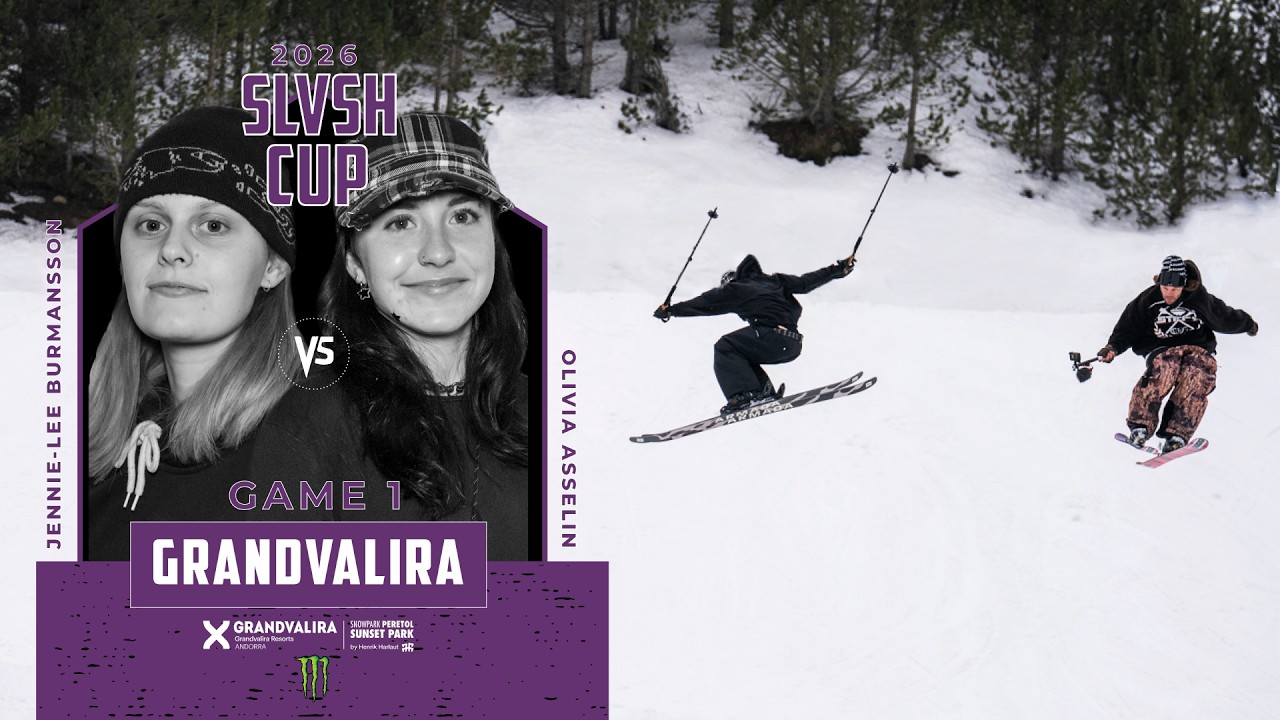
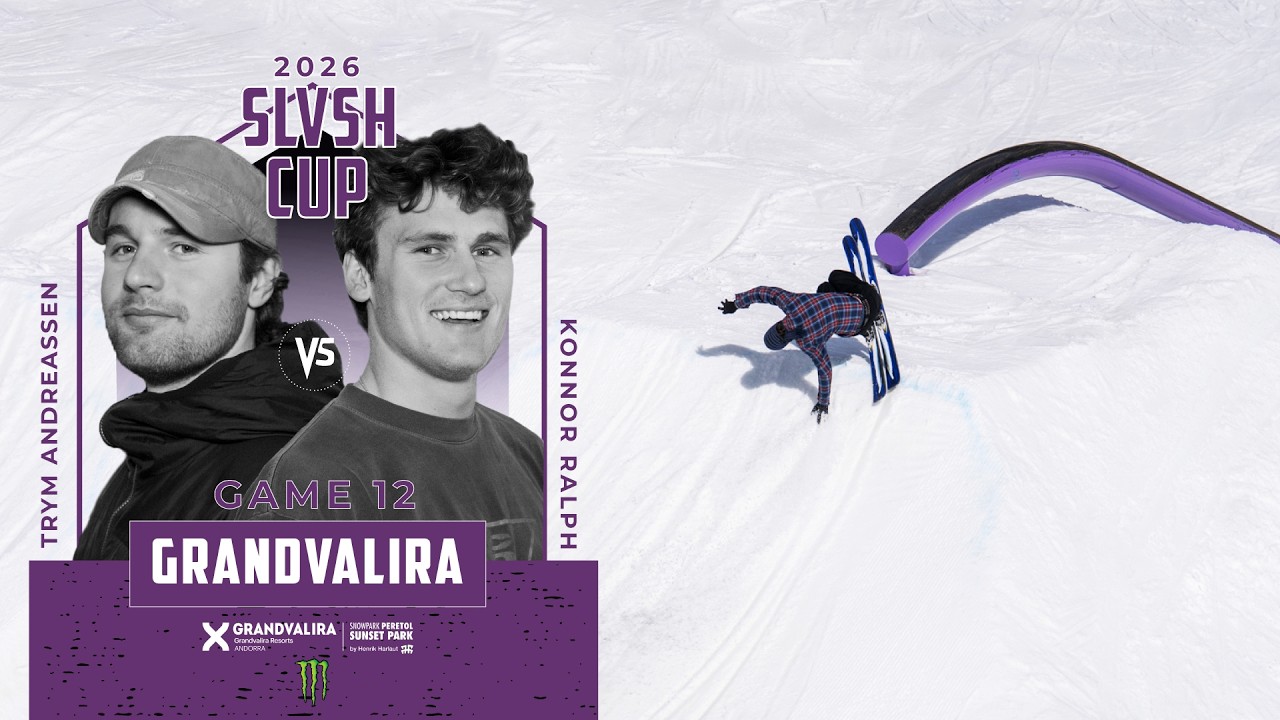
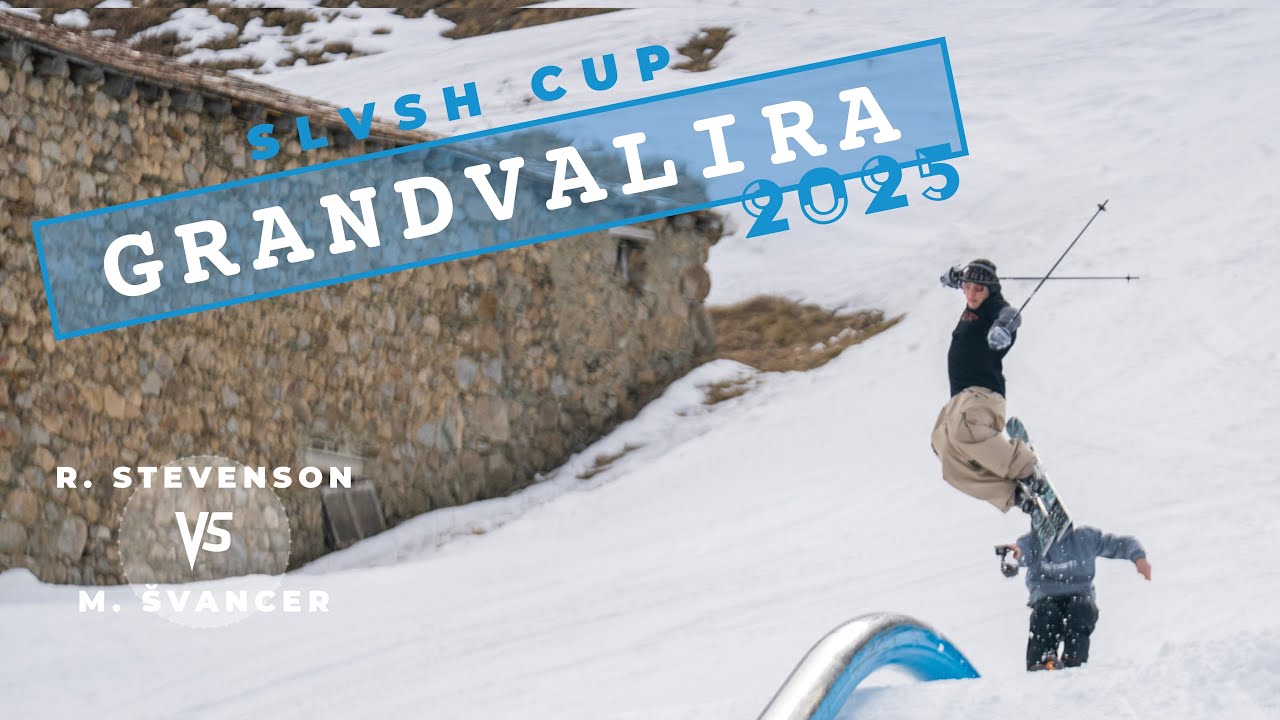
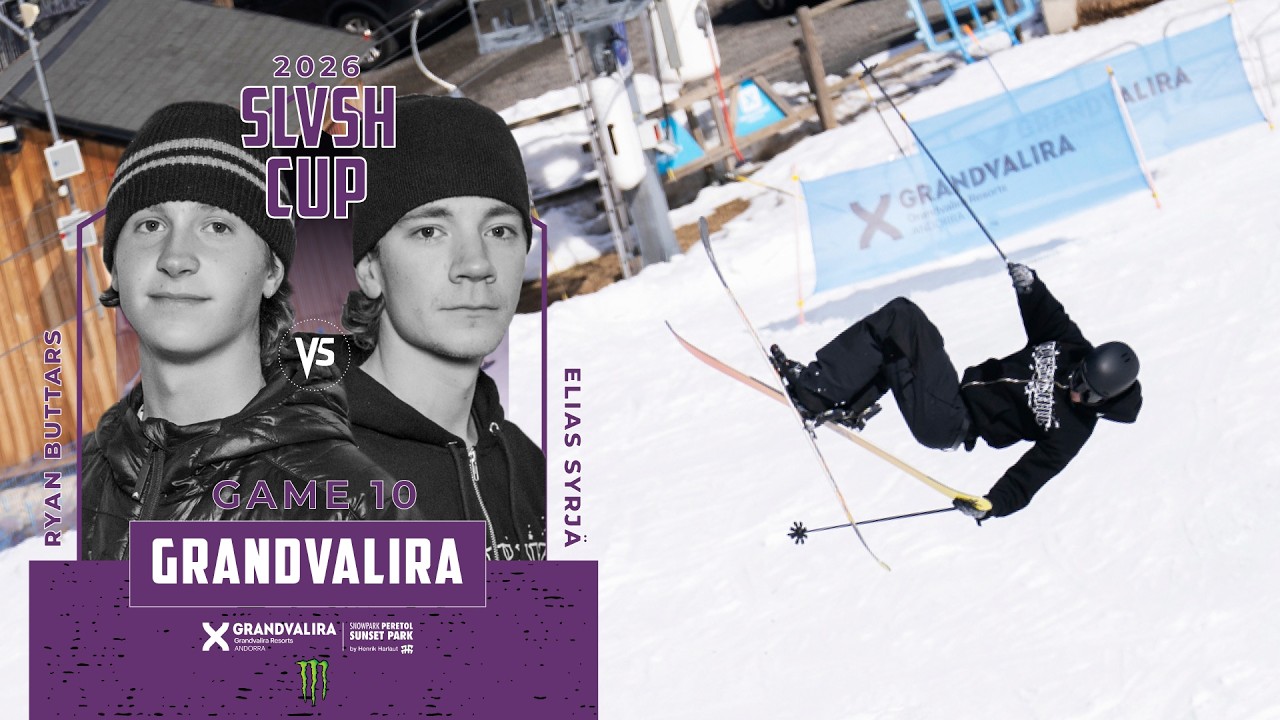
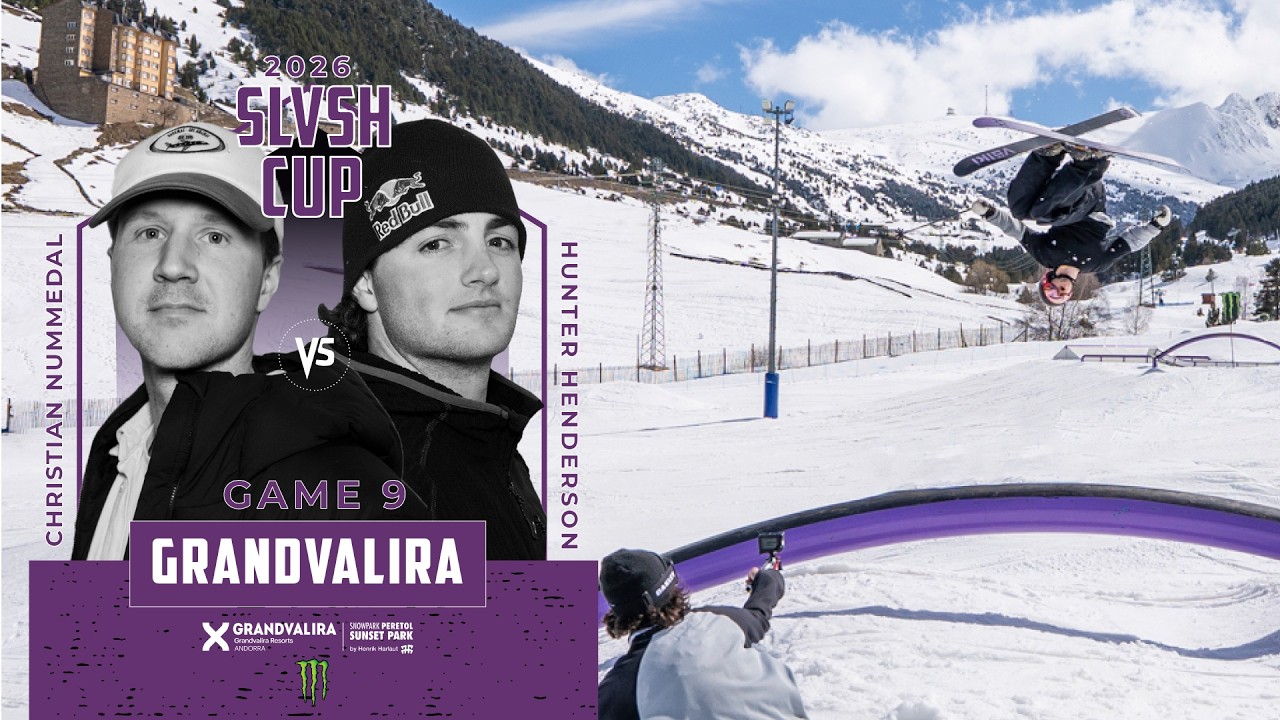
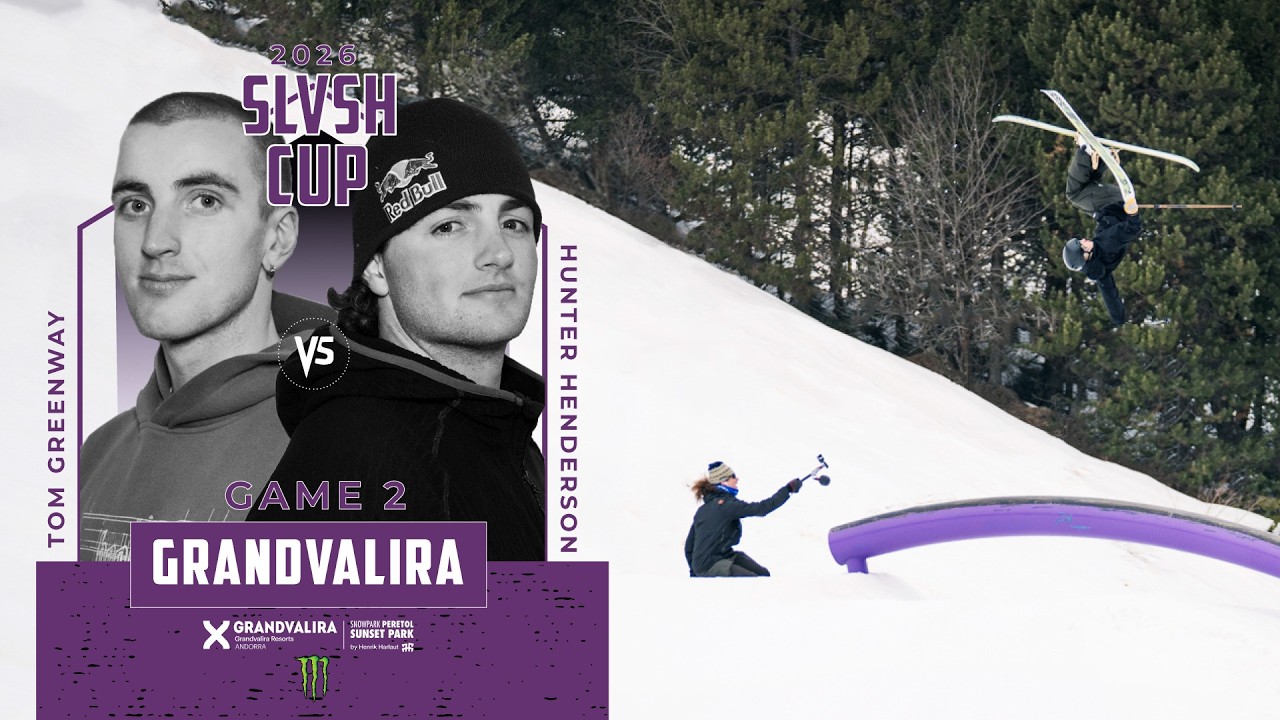
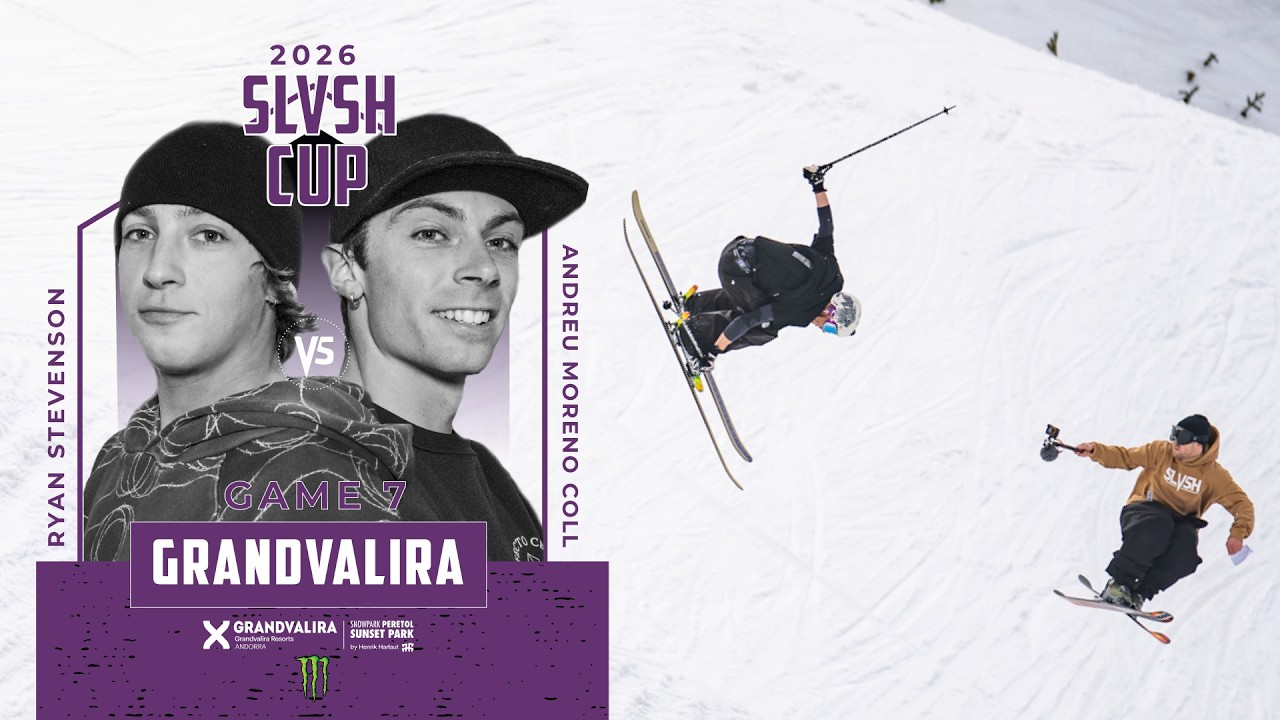
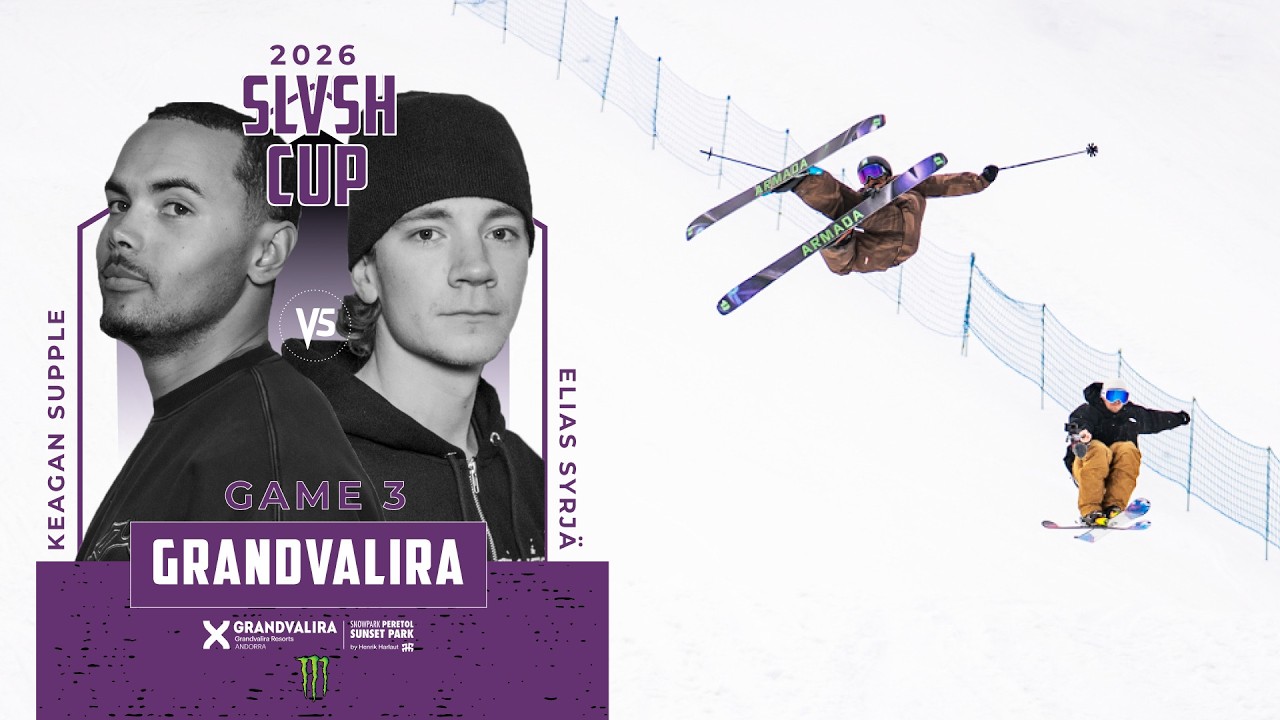
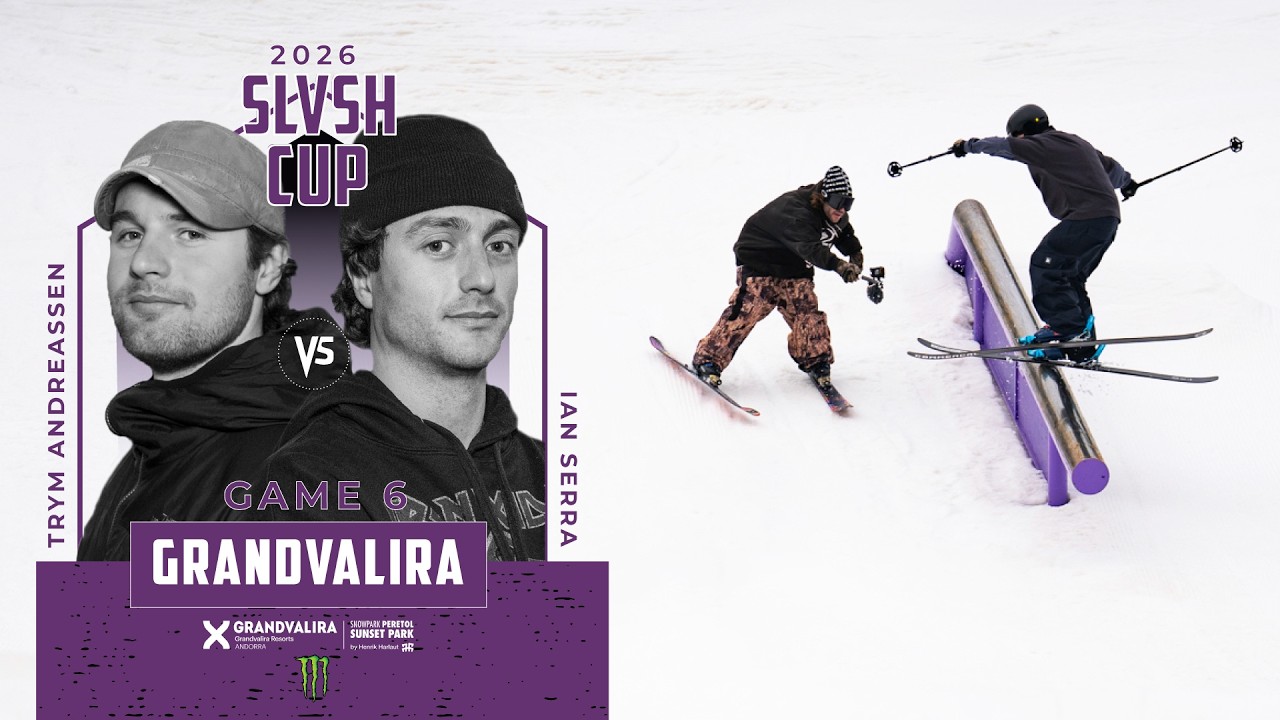
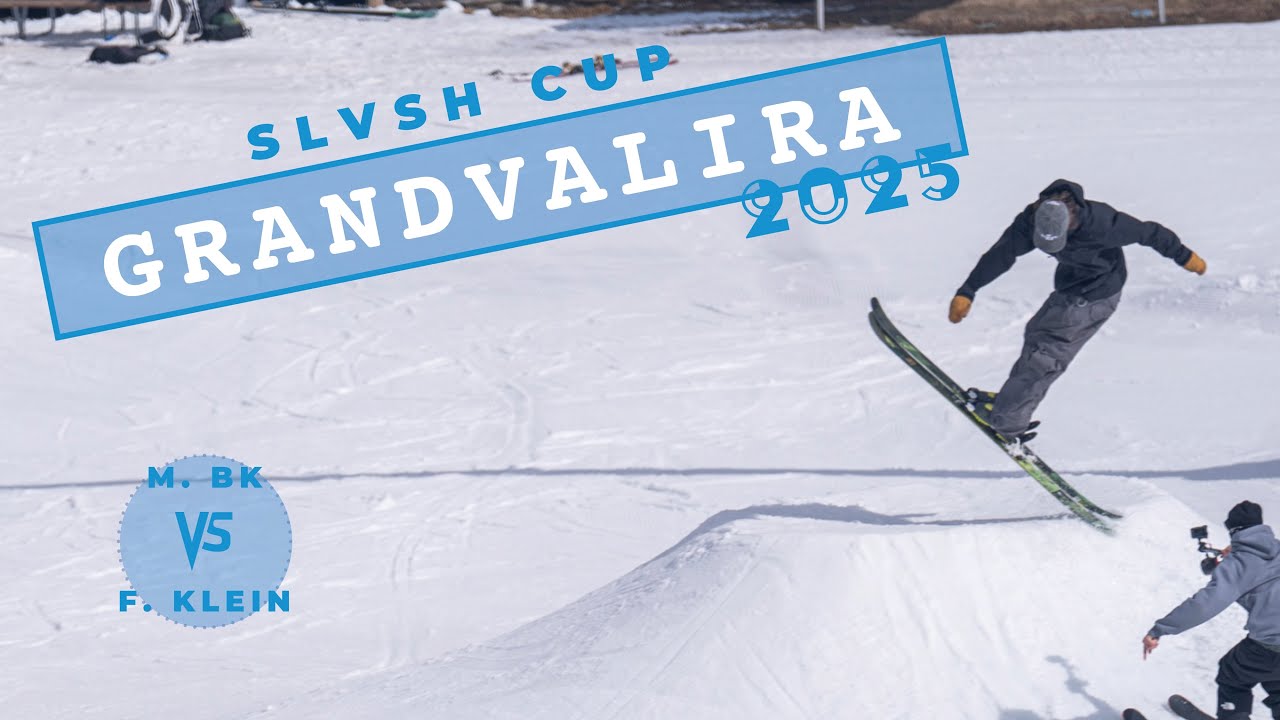
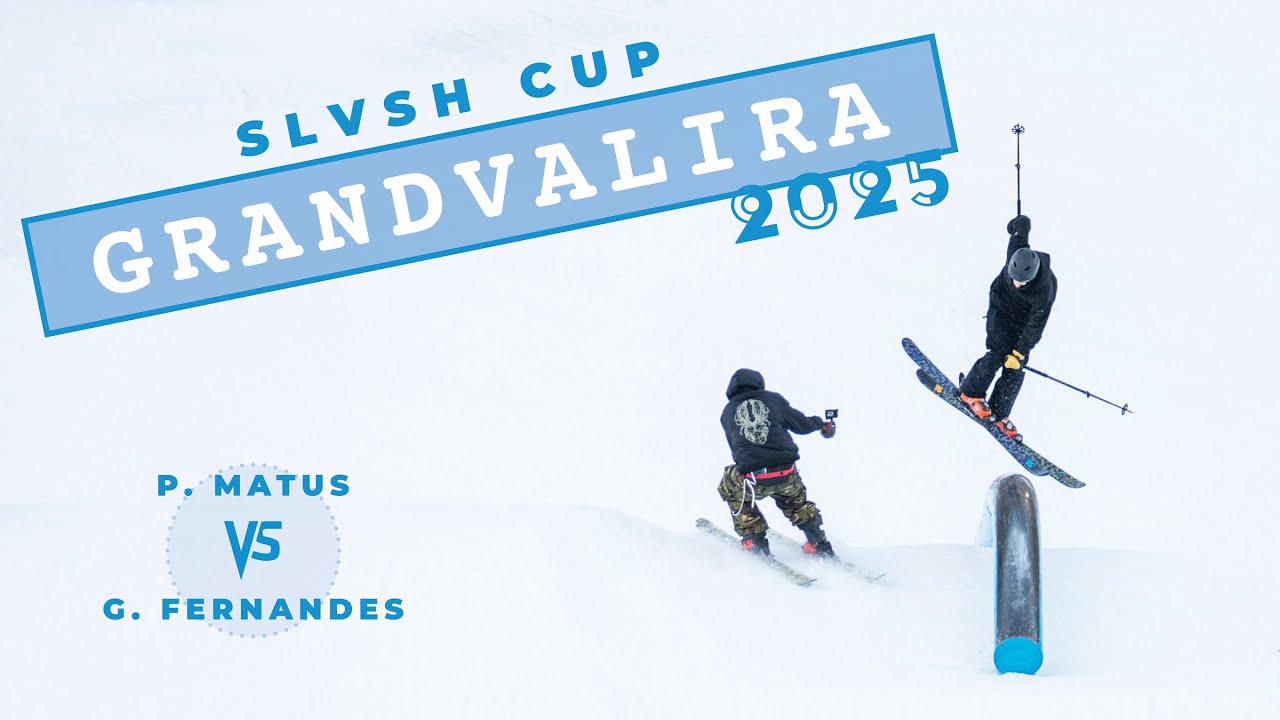
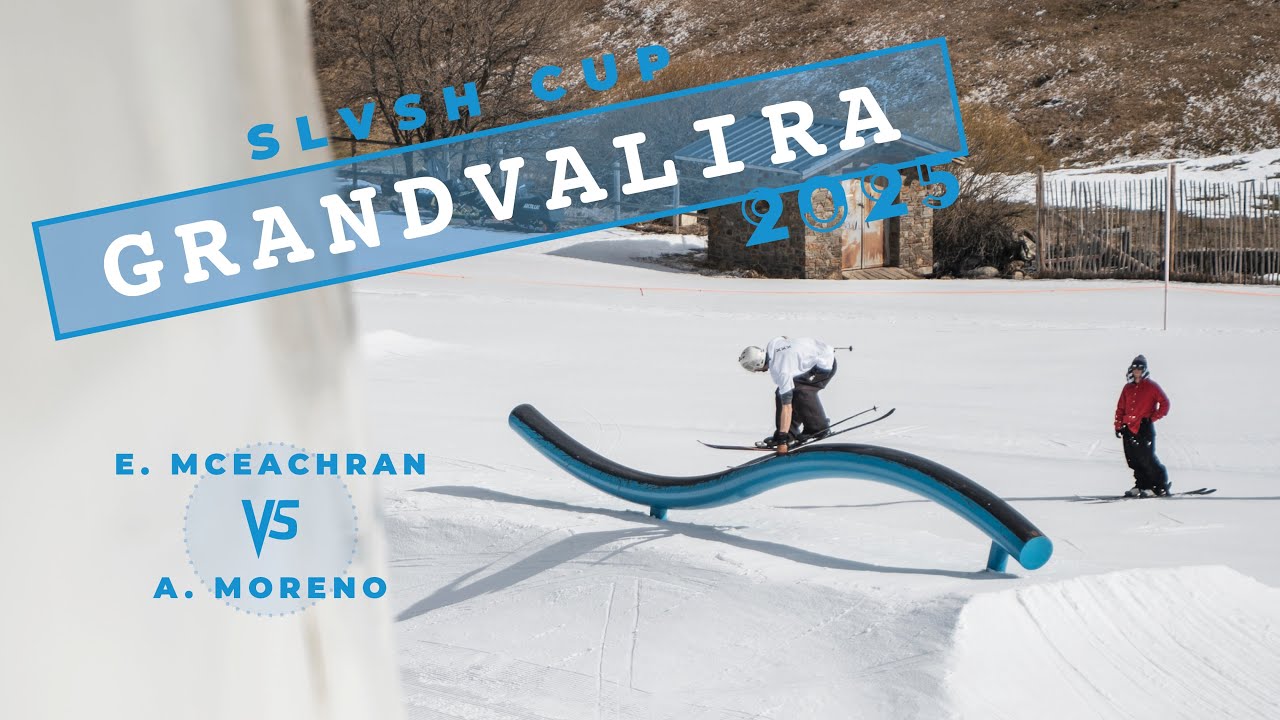
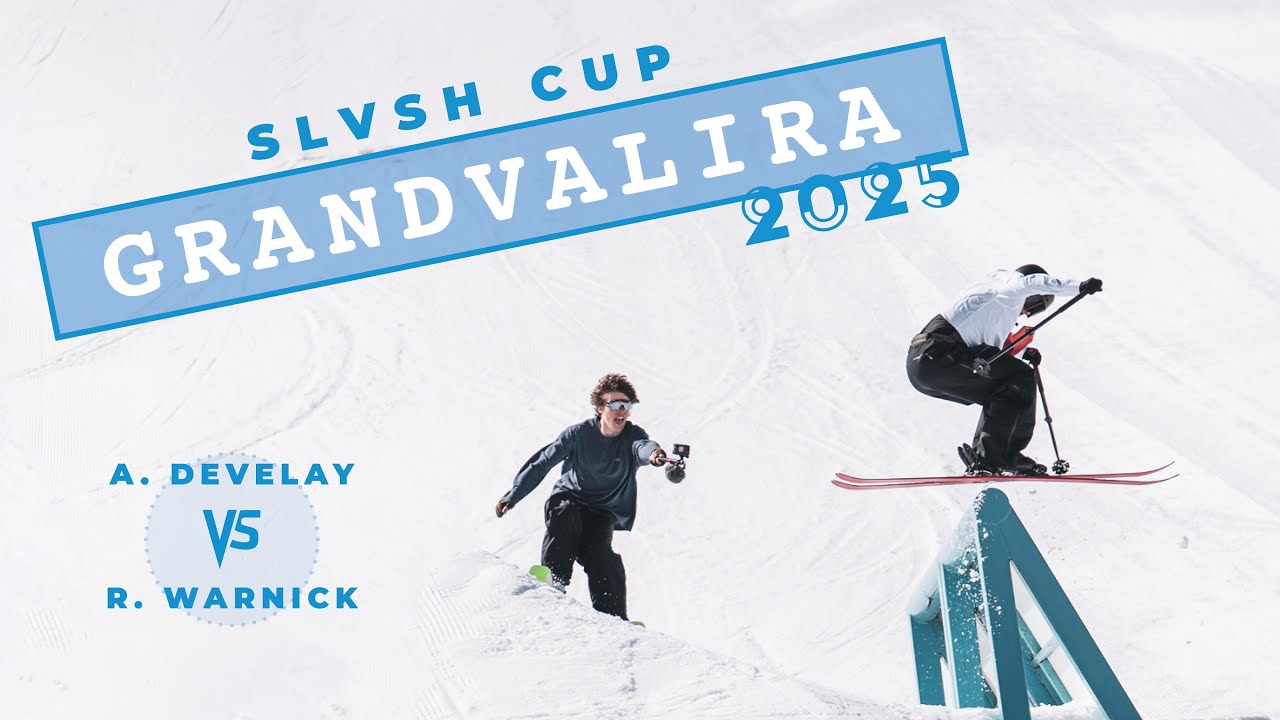
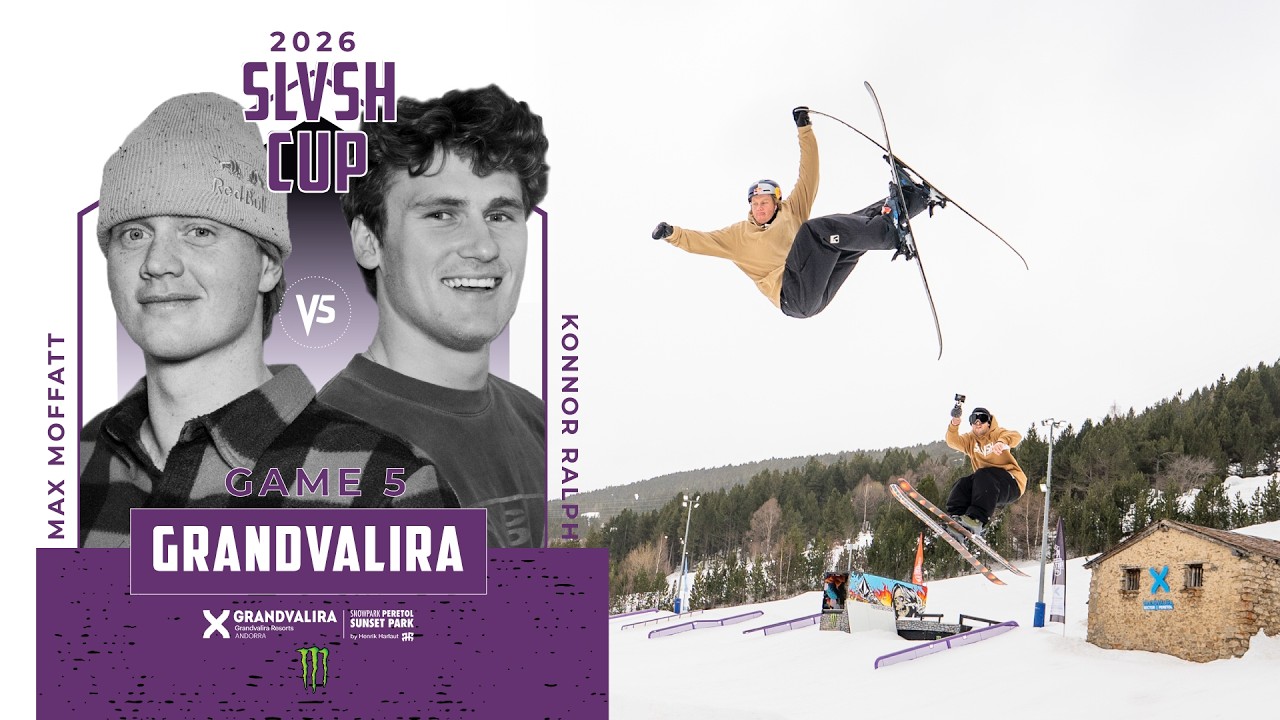
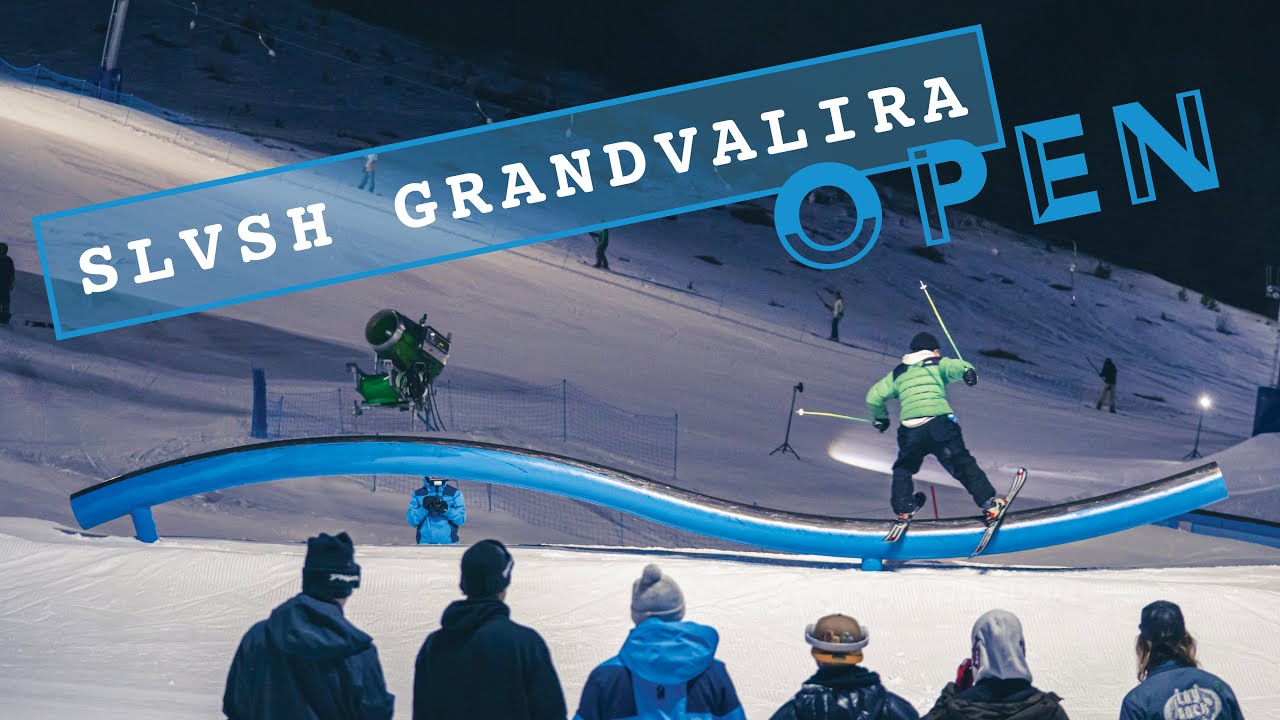
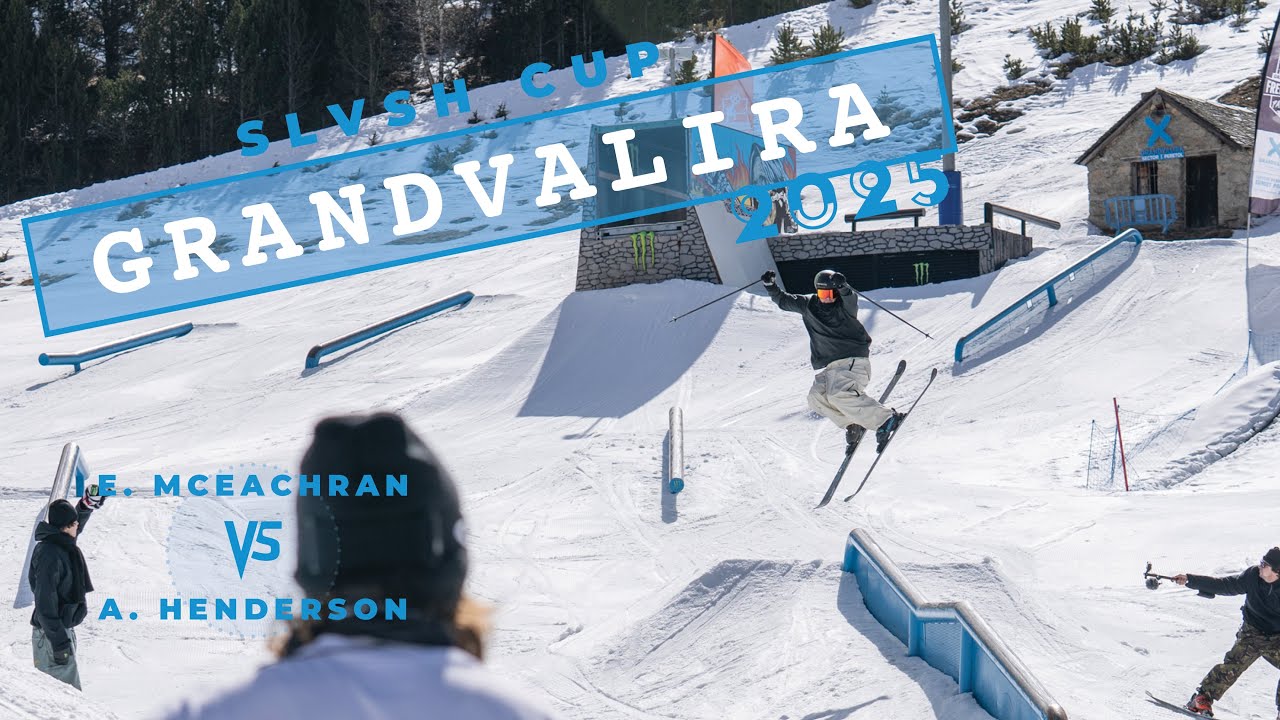
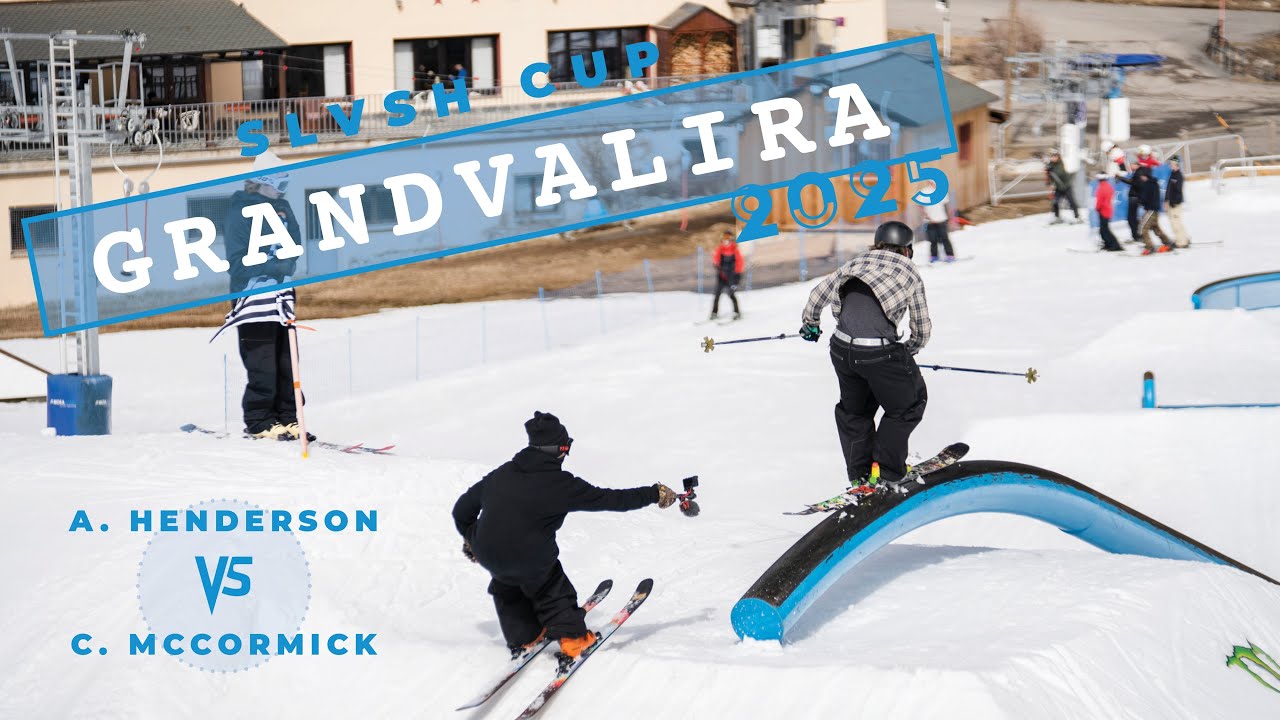
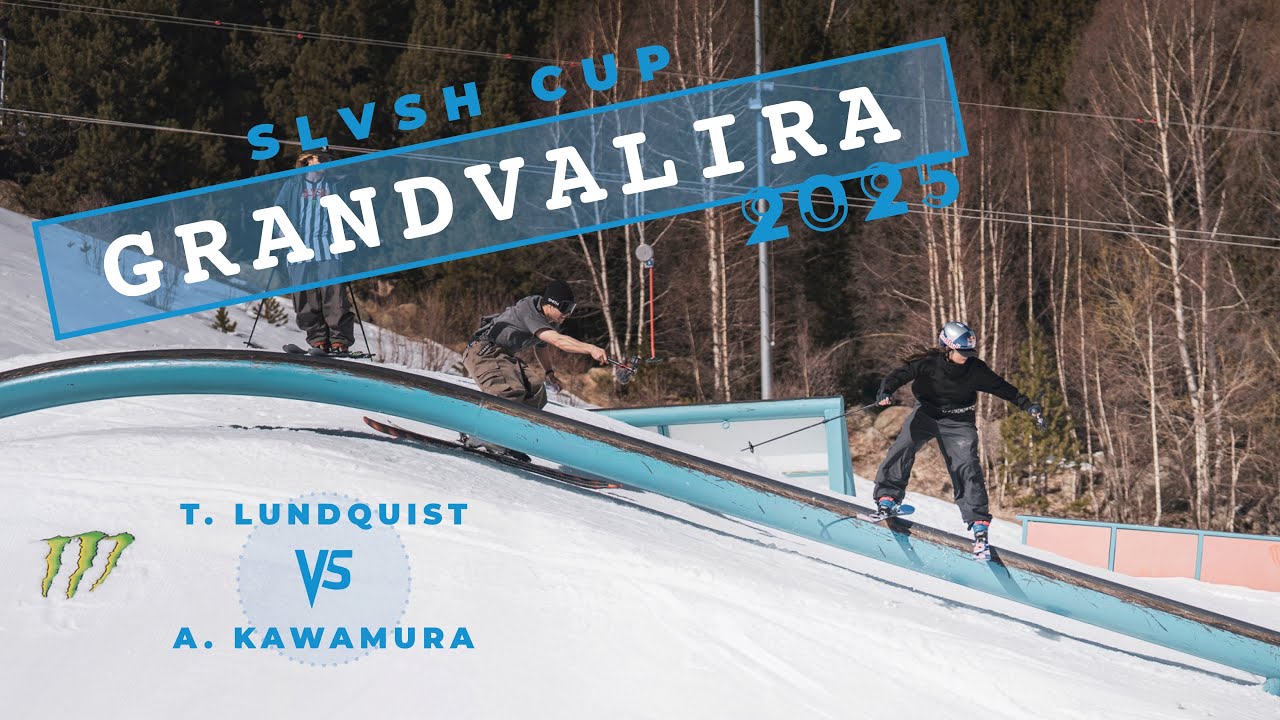
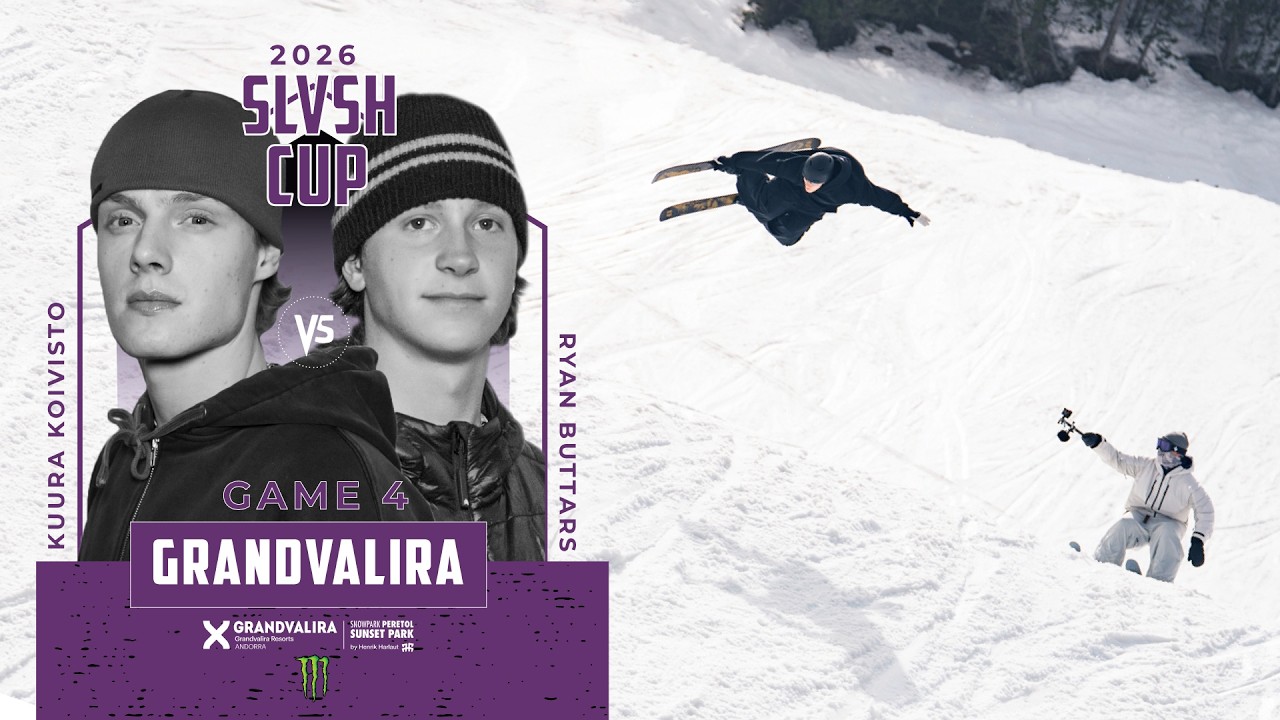
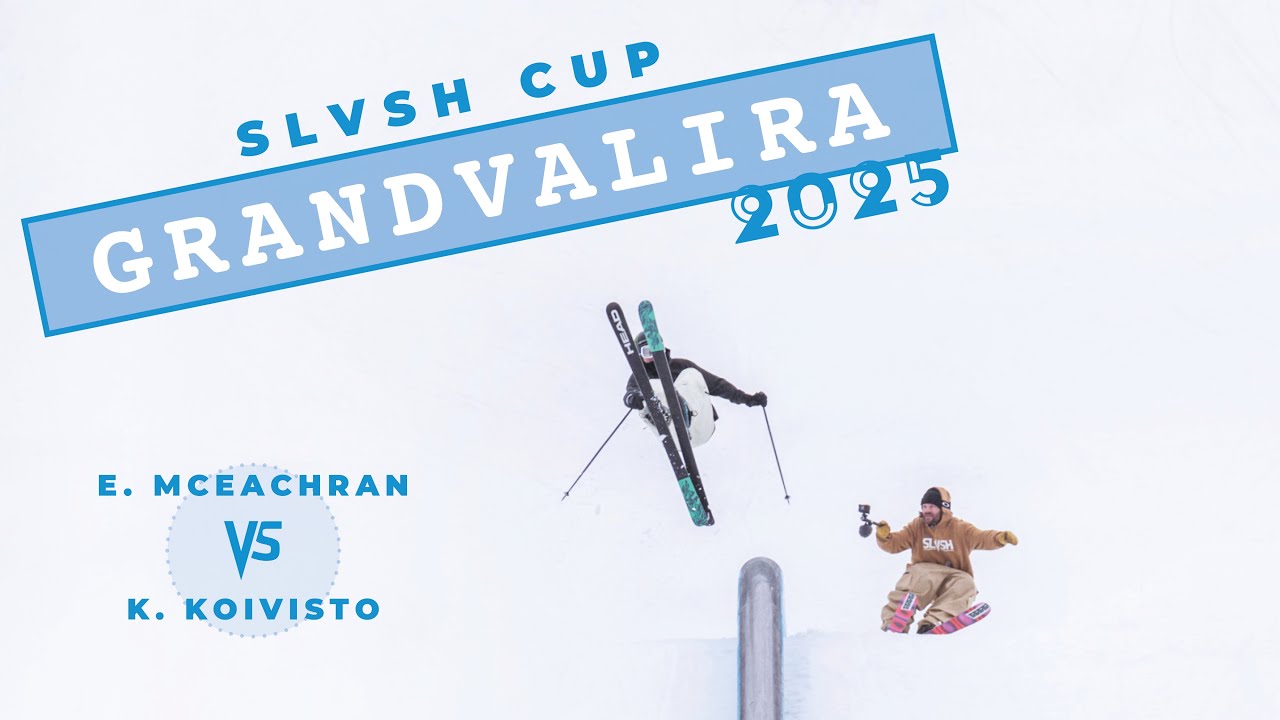
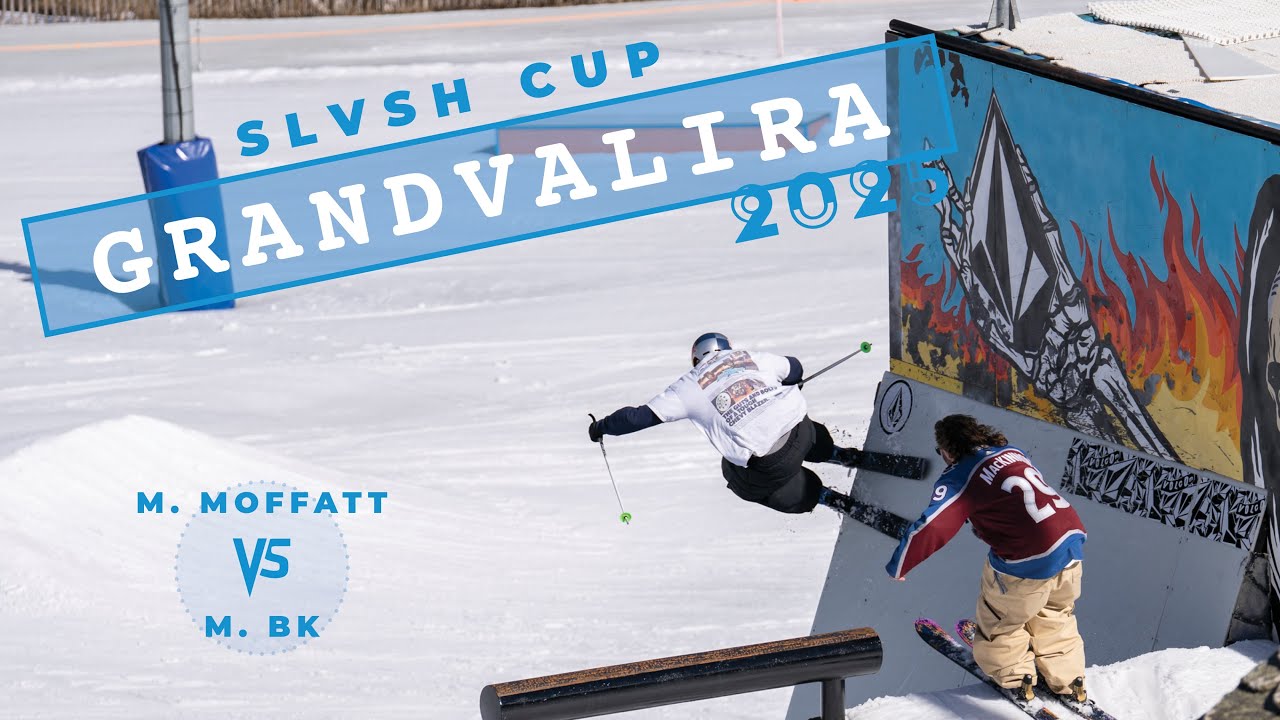
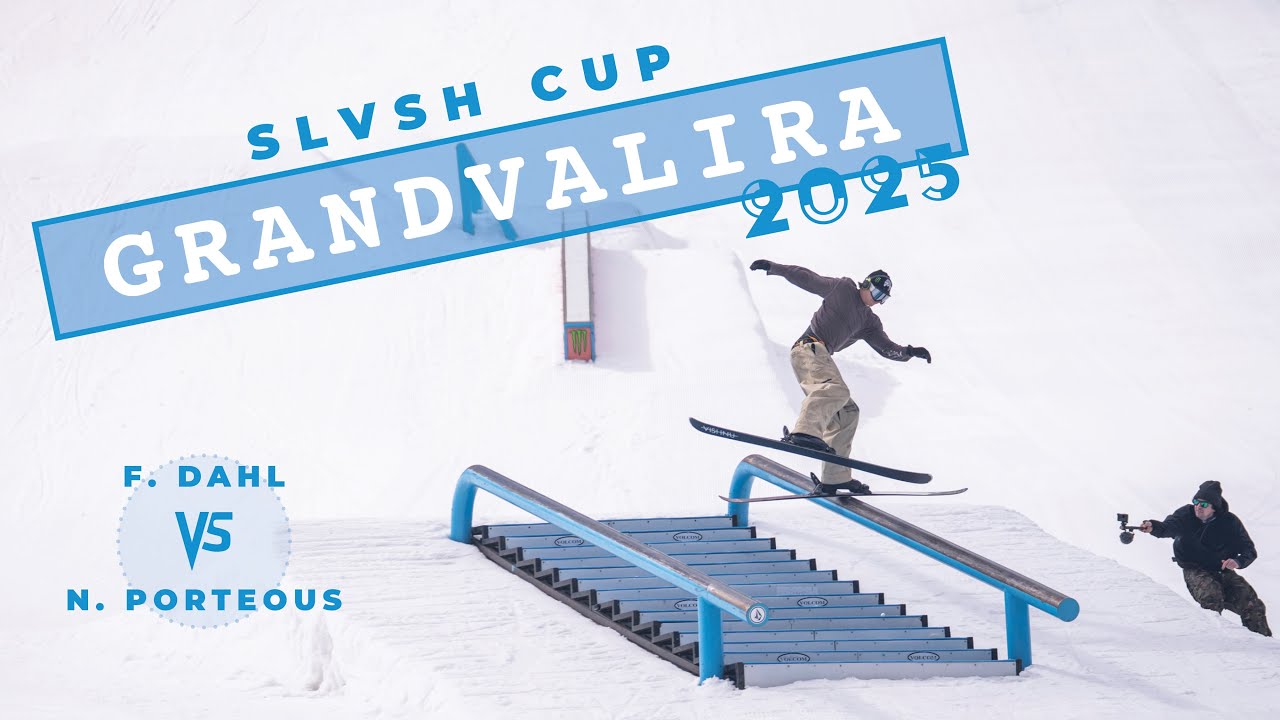
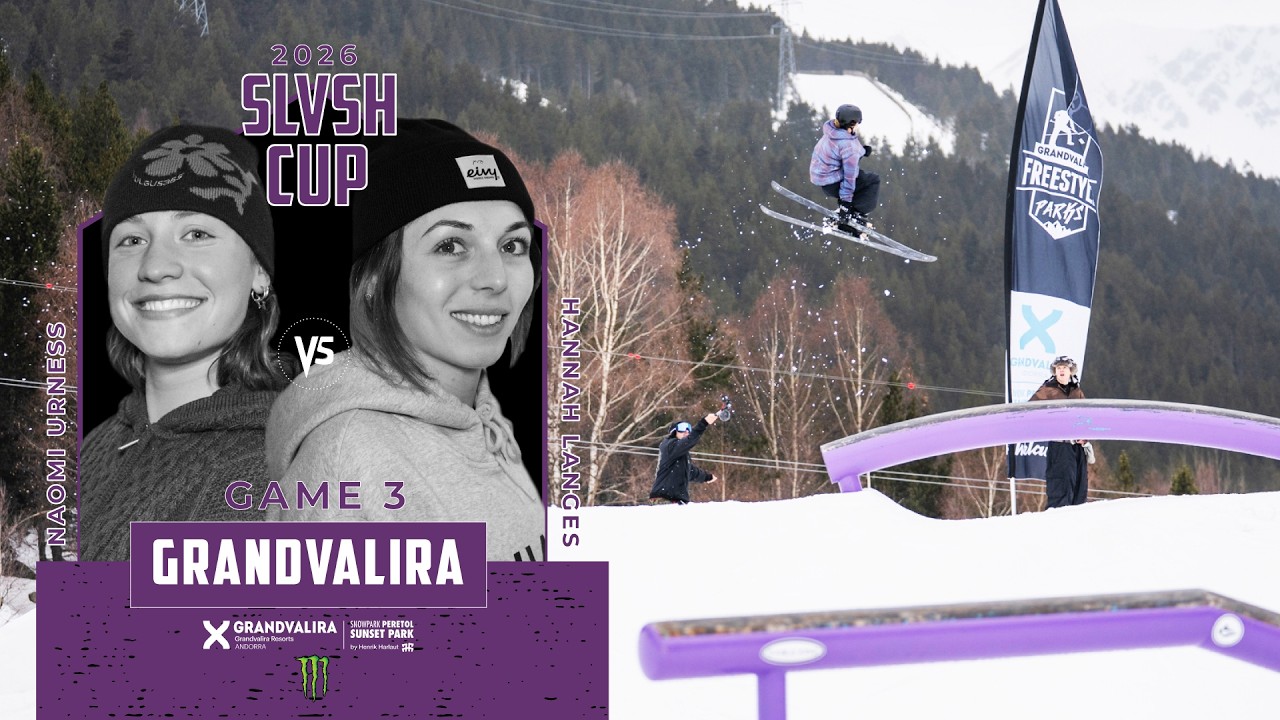
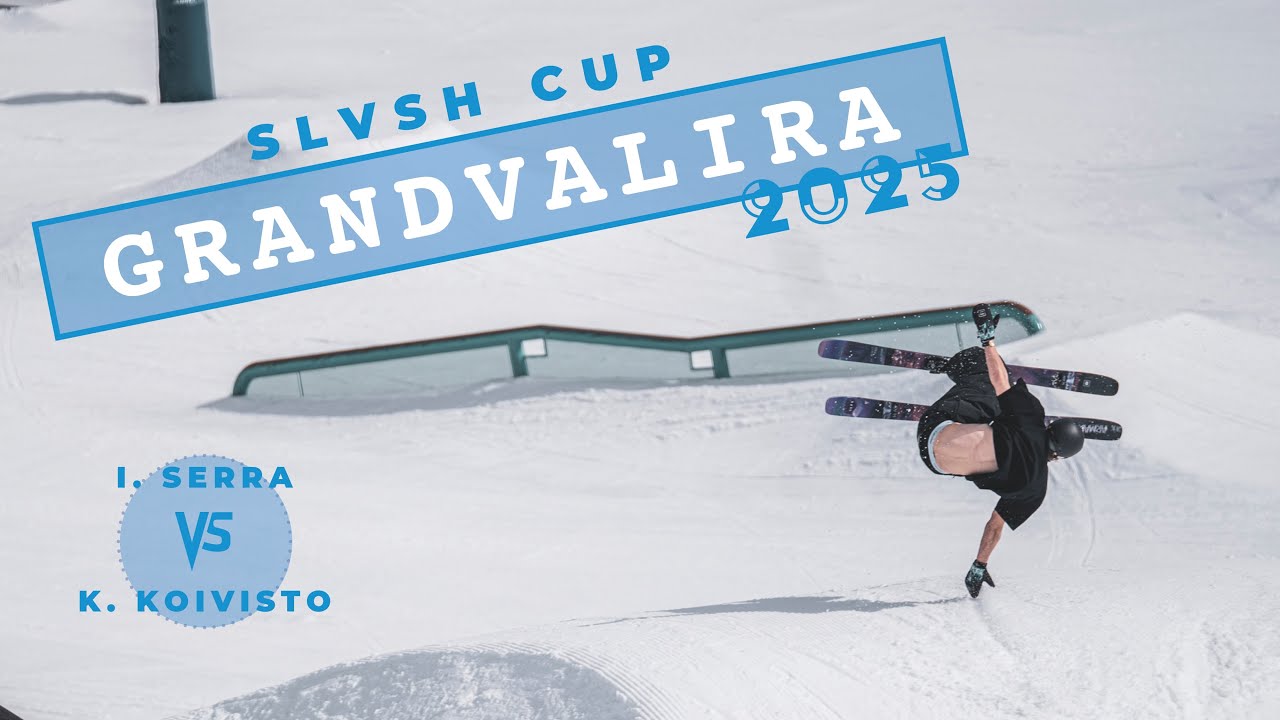
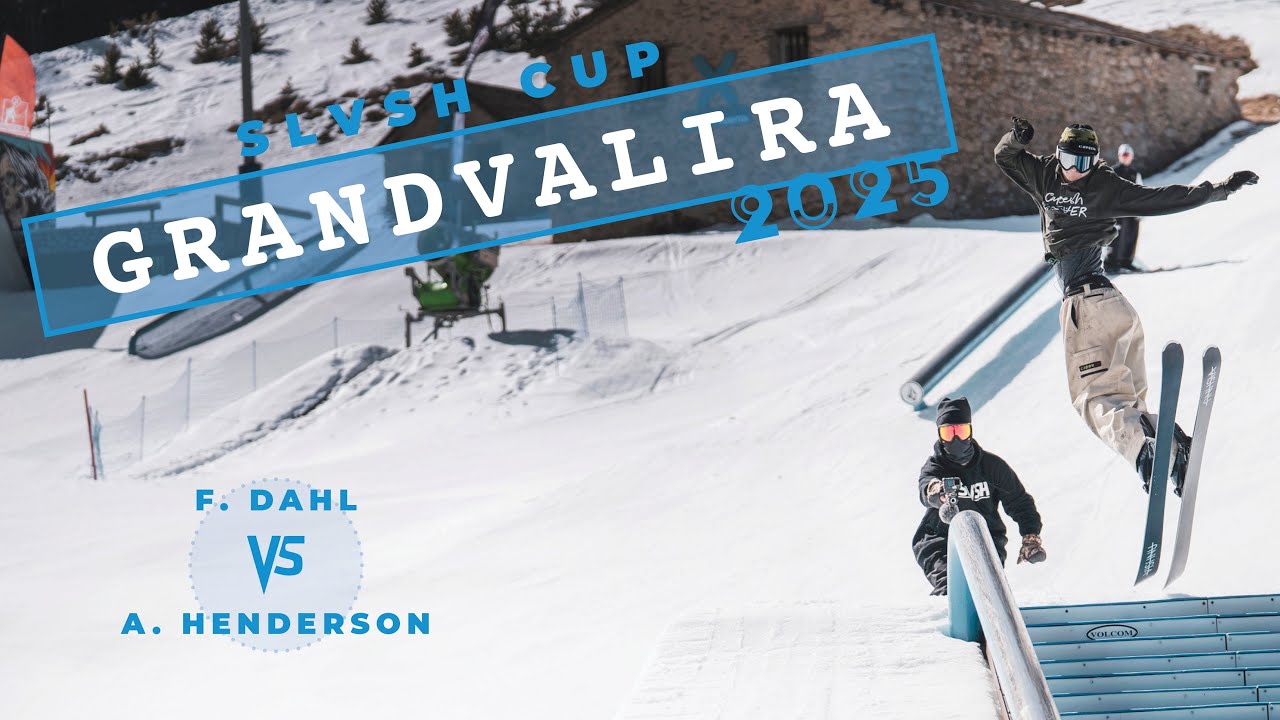
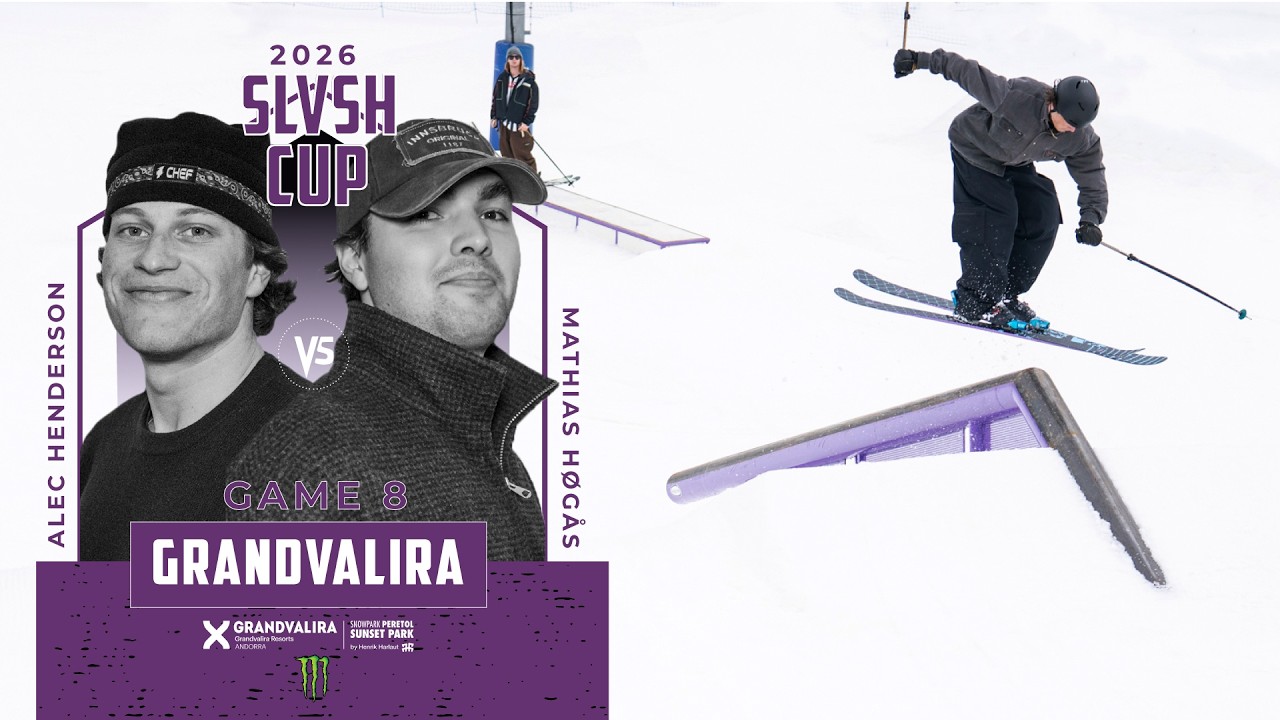
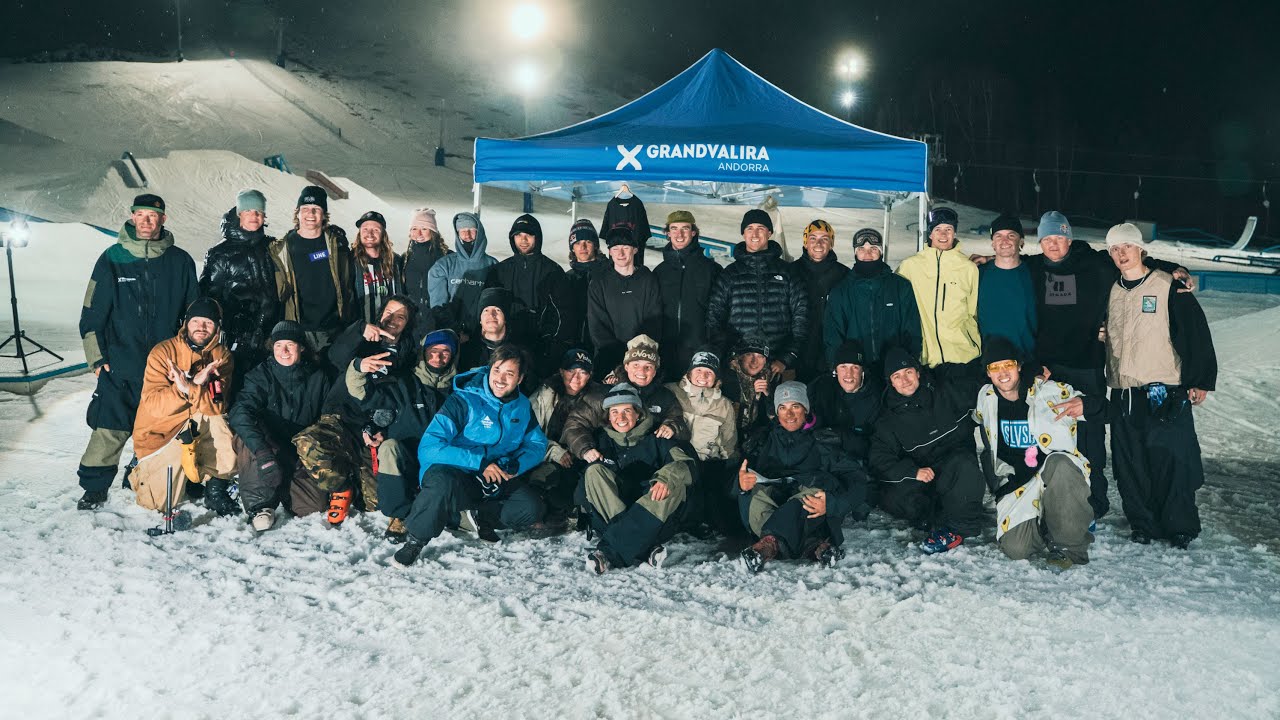
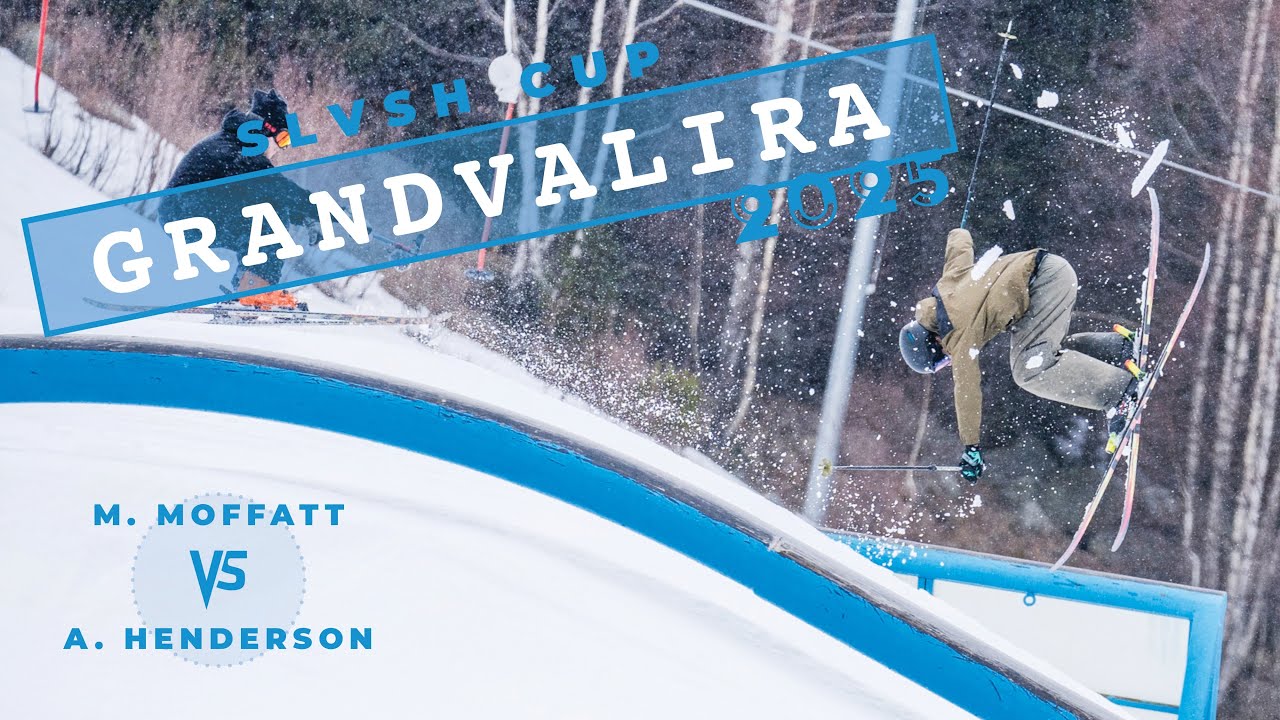
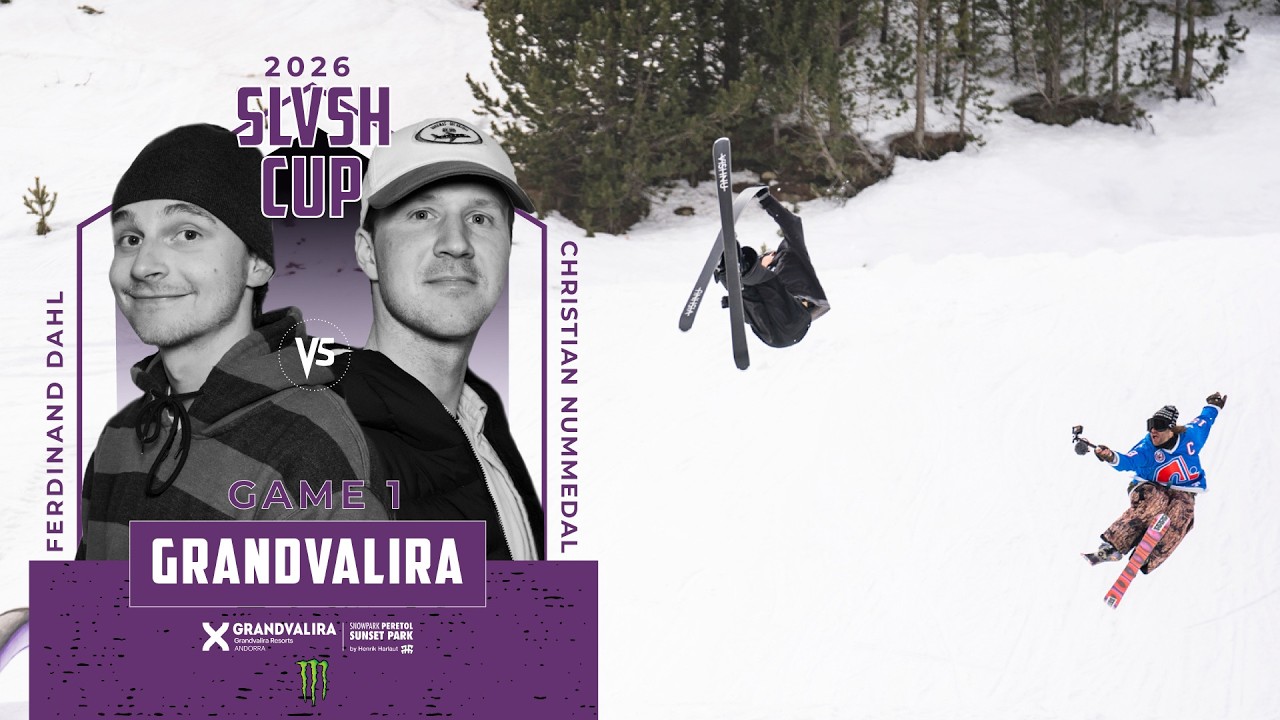
SLVSH began as a video-first idea, but its importance grew through event formats such as SLVSH Cup. The Grandvalira editions are now among the clearest examples of the platform becoming a real international freeski event. Sunset Park Peretol gives the format a dedicated stage, with brackets, rounds, finals, public viewing and matchups between major park and rail skiers.
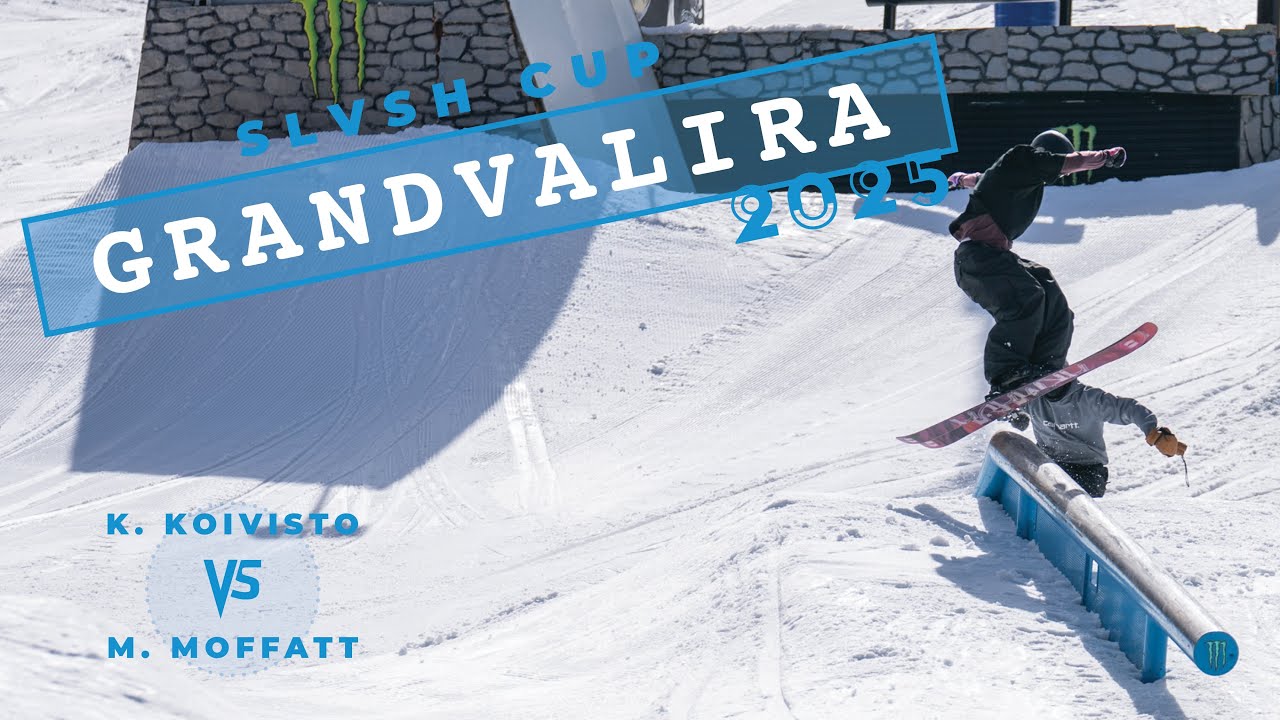
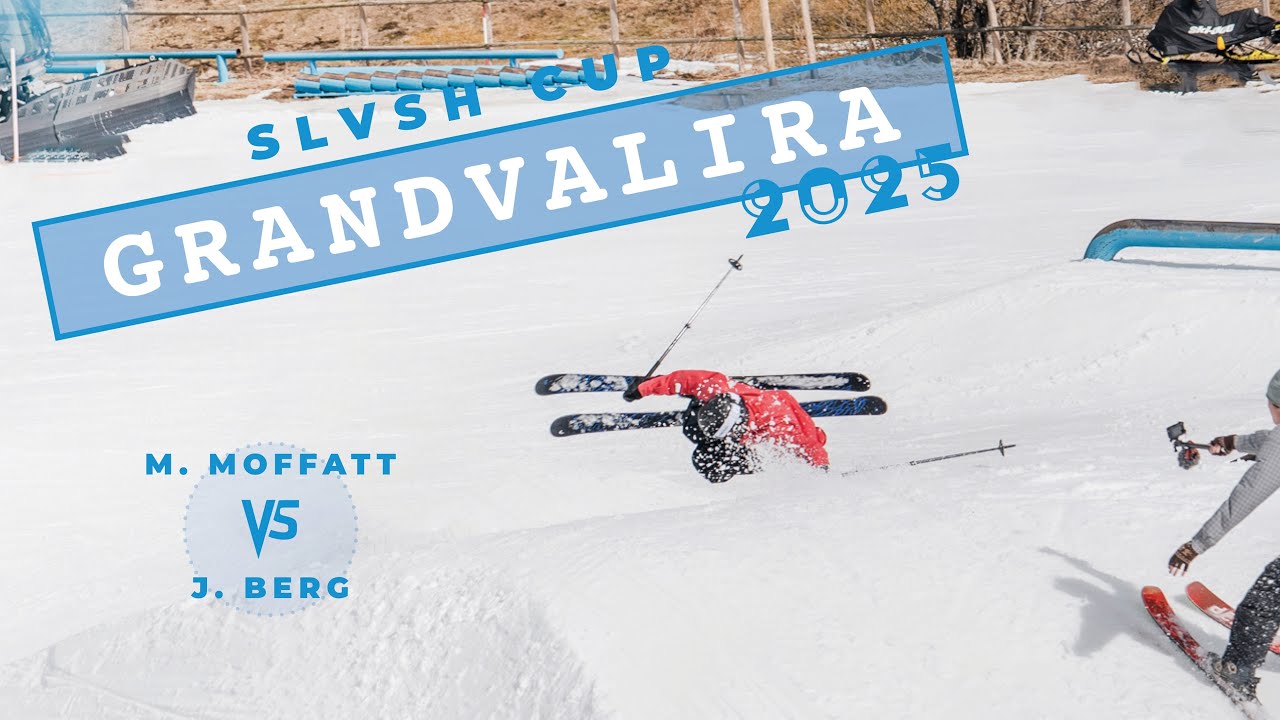
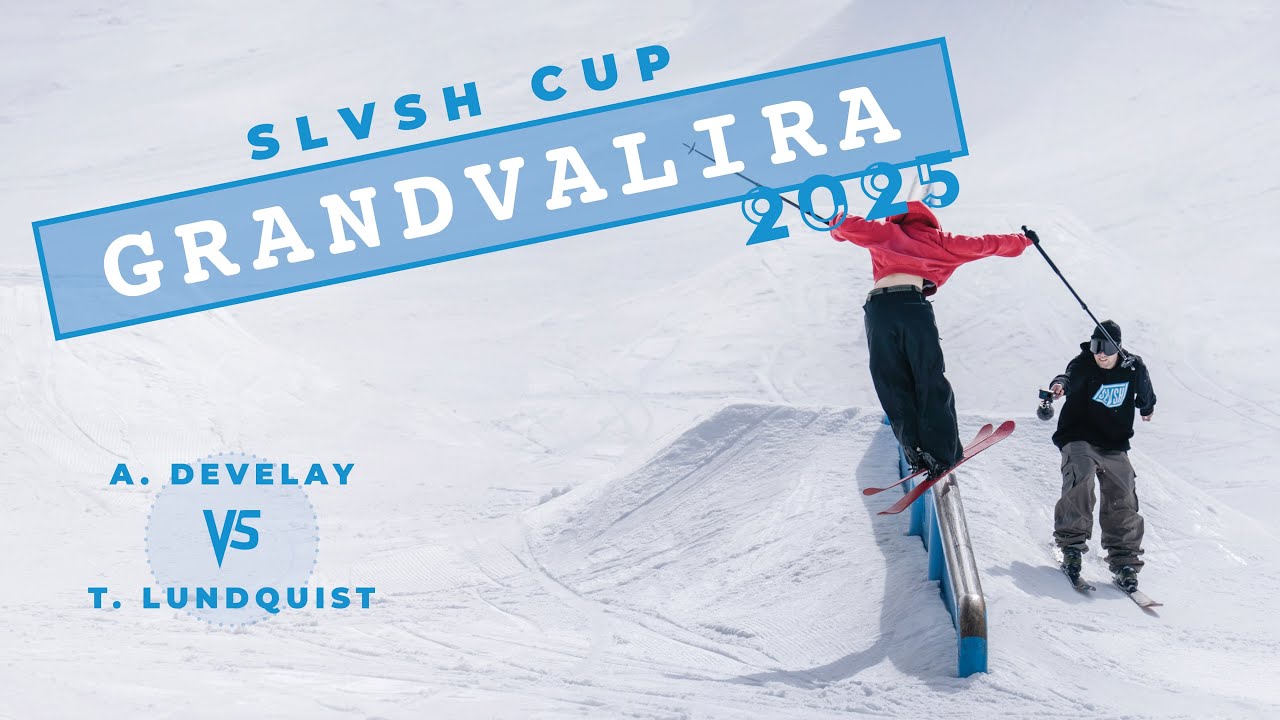
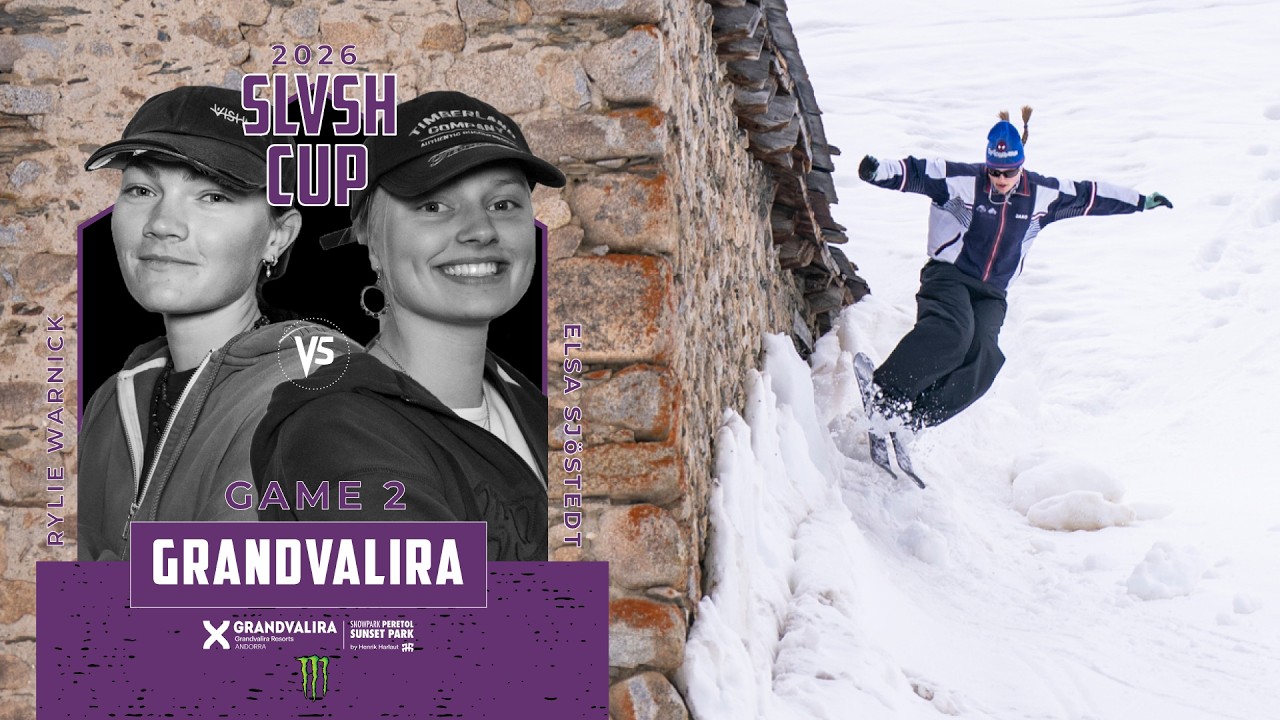
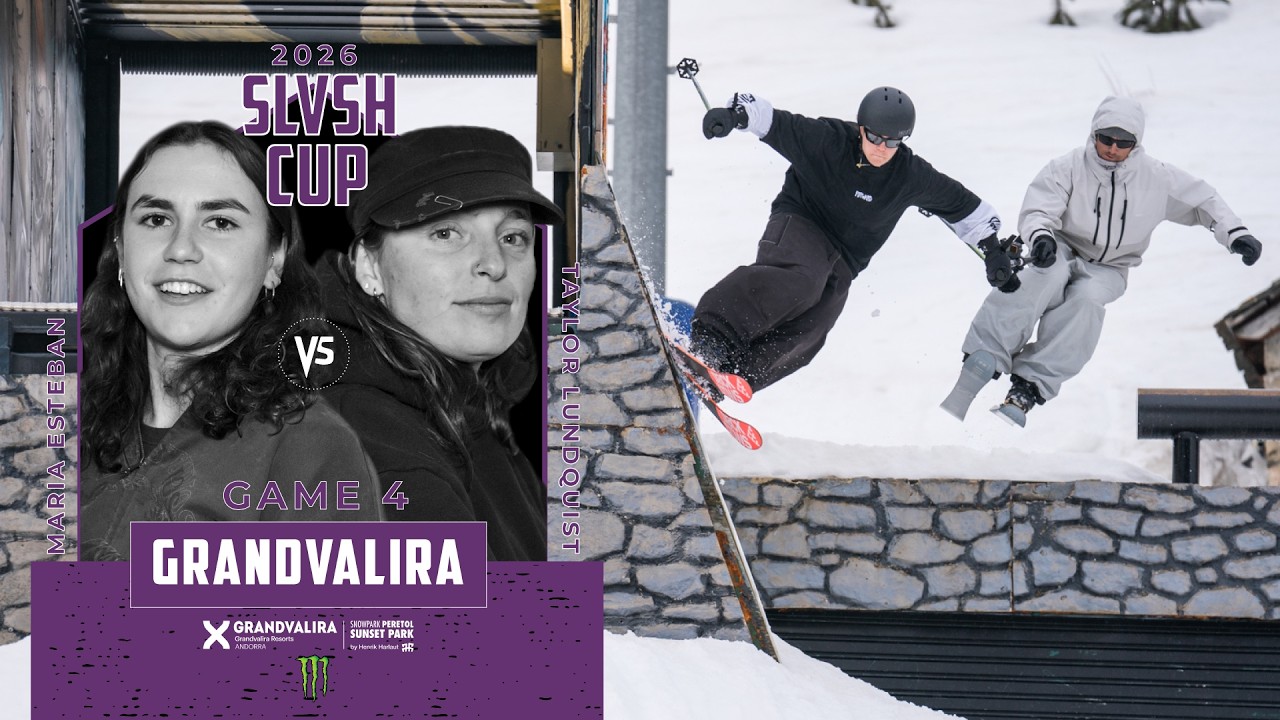
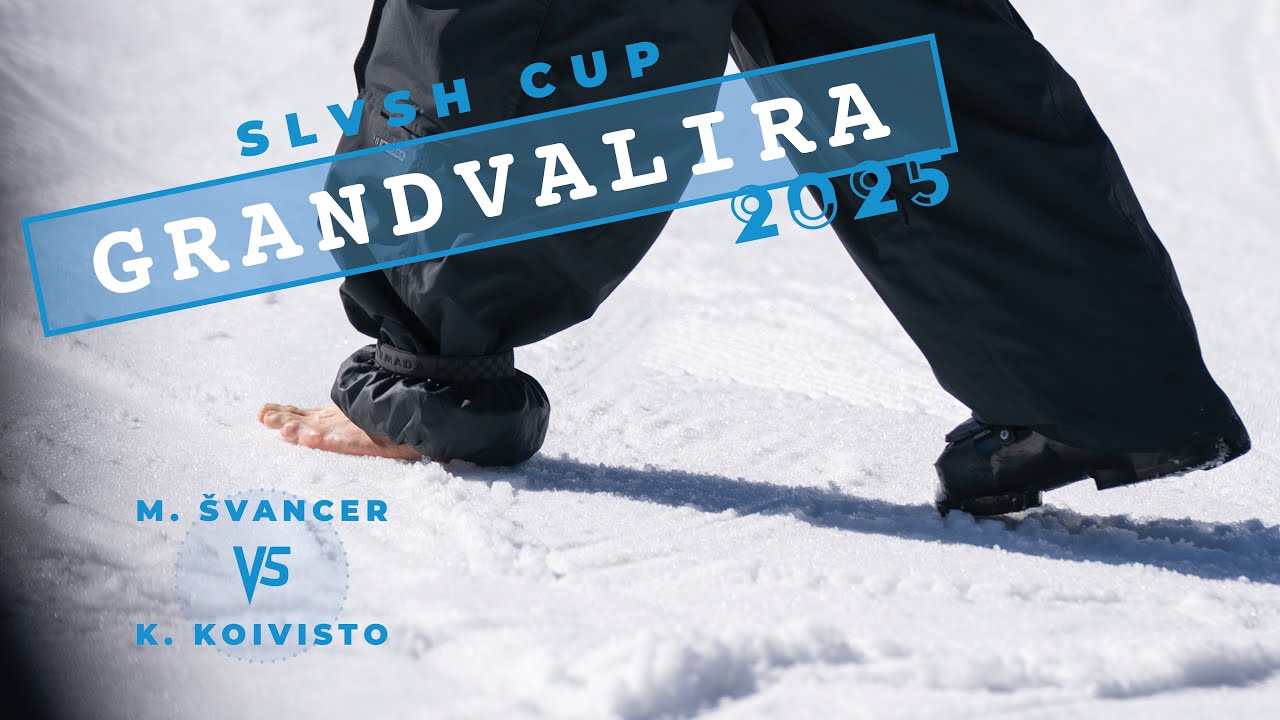
The 2025 and 2026 Grandvalira games show how strong the format has become. Riders such as Ferdinand Dahl, Nico Porteous, Matěj Švancer, Kuura Koivisto, Max Moffatt, Alec Henderson, Hunter Henderson, Konnor Ralph, Elias Syrjä, Taylor Lundquist, Rylie Warnick, Jennie-Lee Burmansson and Naomi Urness all fit naturally inside the SLVSH world. The format can handle Olympic-level names and hungry emerging skiers because the rule set is universal.
The addition of a women’s SLVSH Cup bracket is especially important. It gives more structure and visibility to women’s park and rail skiing inside a format that fans already understand. Instead of being a side note, the women’s games can sit inside the same media ecosystem: head-to-head pressure, trick calls, letters, finals and full-game releases.
The product is the format, not the hardware
SLVSH’s core product is not a physical object. It is a format, a media channel and a culture around trick-matching. The brand can sell apparel or appear as a sponsor, but the thing skiers really recognize is the game itself. A SLVSH game has a rhythm: intro, rider matchup, trick call, attempt, reaction, letter, momentum shift and finish.
That format is durable because it is easy to copy at any level. A pro can play it at Grandvalira. A local crew can play it on a small rail line. Kids can play it at a rope tow. A terrain park can organize a SLVSH-style session with almost no extra explanation. The rules are memorable enough that the brand becomes a language skiers can use, not just a logo they watch.
In media terms, SLVSH also solves a problem. Park skiing can be hard for casual viewers to follow when tricks become too technical. A head-to-head game gives every trick a reason. The skier is not just doing a 270, switchup, unnatural spin or rail variation for a highlight reel. They are calling it because they think the other skier may not be able to match it. That makes even technical rail skiing easier to watch.
Pressure, creativity and the psychology of calling tricks
The best SLVSH games are not only about who has the biggest trick bag. They are about choices. A skier has to decide whether to call something safe, something strategic, something stylish or something risky. Too easy, and the opponent matches it. Too hard, and the caller may miss first. That creates a different kind of competitive tension from standard park events.
This pressure makes SLVSH valuable to freeski culture. It rewards creativity and consistency, not only maximum difficulty. A skier with unusual rail tricks, strange switch takeoffs, strong unnatural spins or clever feature use can beat someone with a more traditional contest background. That keeps the format close to core park skiing, where style and trick selection matter as much as medals.
The game also exposes personality. Some riders are calm and strategic. Others gamble. Some laugh through misses. Others get visibly frustrated after letters. Because the format is simple, the human side becomes easier to see. Viewers are not only watching tricks. They are watching decision-making, confidence and how a skier handles pressure.
Grandvalira, Park City, Mammoth and the portable park map
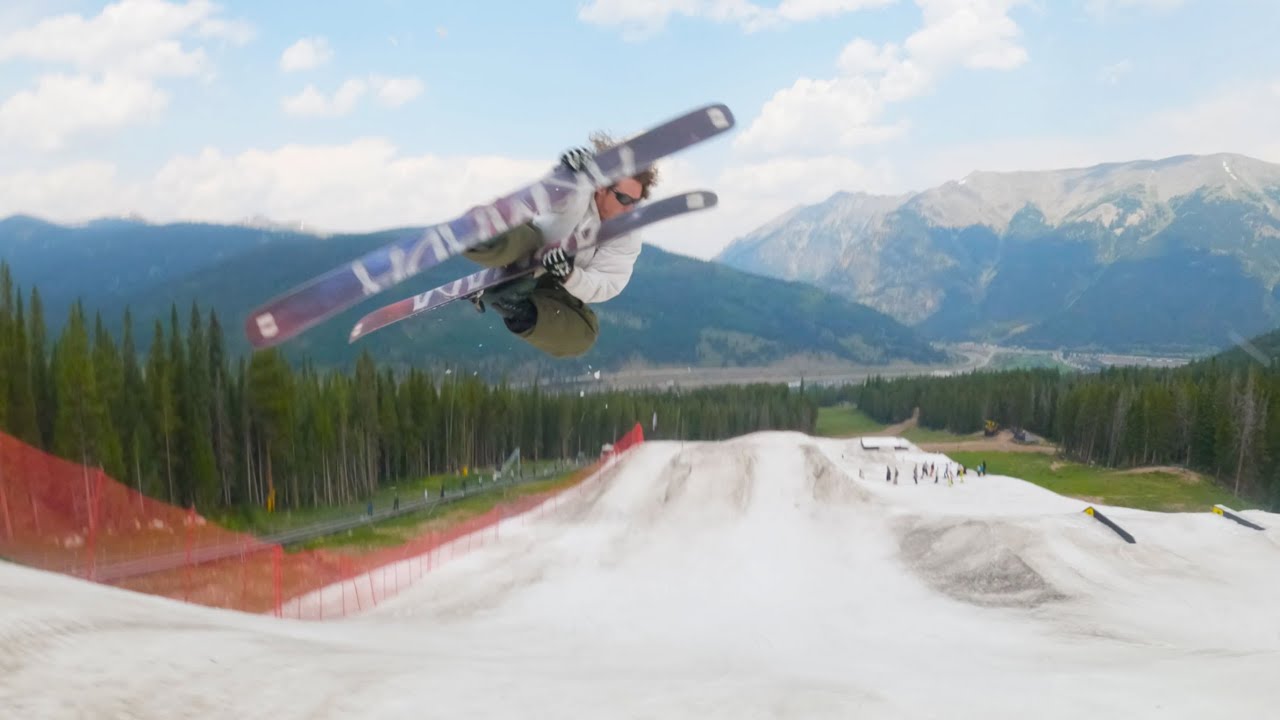
SLVSH is not tied to one mountain in the way a local crew might be. Its geography is portable because the format only needs a terrain park, a camera and riders willing to battle. Games have appeared in places such as Grandvalira, Park City, Mammoth, Woodward Copper, Aspen, Alta, Level 1 SuperUnknown, TBL Sessions and other freestyle hubs.
Grandvalira has become one of the strongest modern homes for the big SLVSH Cup format. Sunset Park Peretol gives the league a controlled park environment, night-session visual identity and enough features to create varied matchups. That matters because a good SLVSH course needs more than one rail or jump. It needs enough options for riders to outthink each other.
The United States locations give SLVSH a different texture. Park City, Mammoth and Woodward Copper connect the format to major North American freestyle systems, training camps and spring sessions. Alta games show that SLVSH can also move into more natural or all-mountain feature logic. This flexibility is one of the reasons the brand has lasted.
Alex Hall, Henrik Harlaut and the peer credibility layer
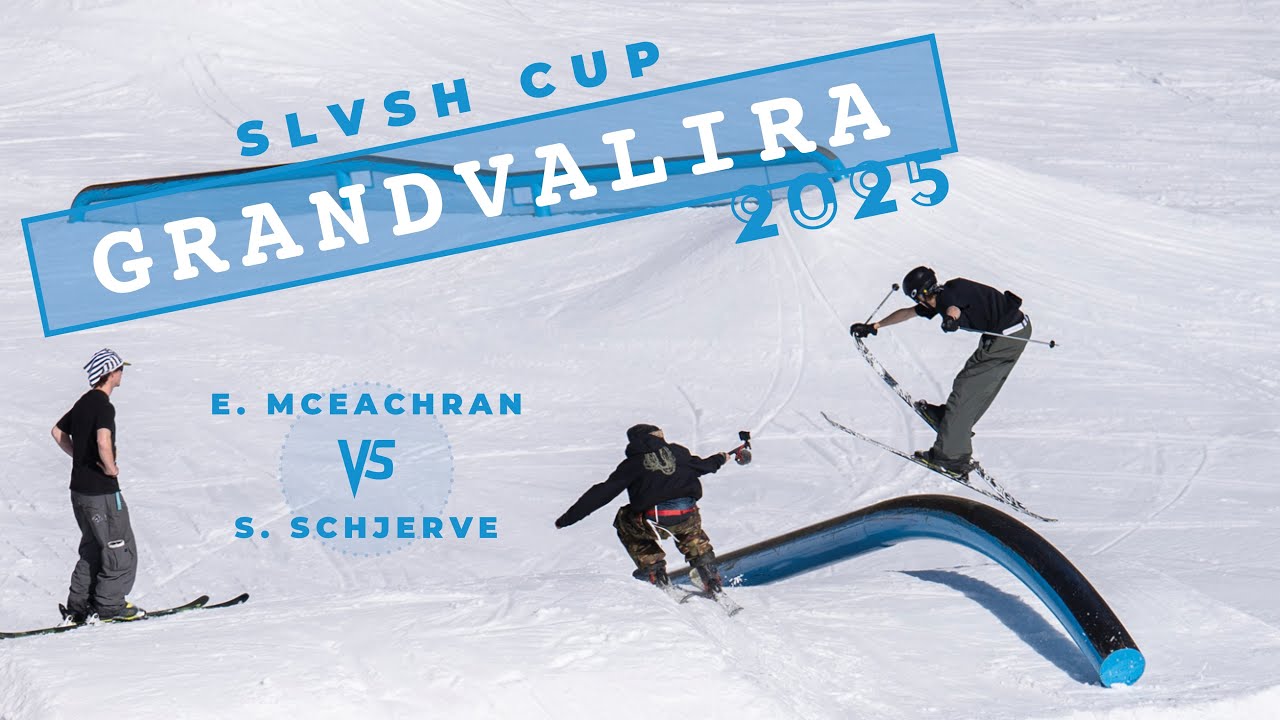
SLVSH’s credibility comes from the skiers who take part. Legendary games and current matchups have included names across contest, street, park and freeride-influenced freestyle. Alex Hall, Colby Stevenson, Henrik Harlaut, Quinn Wolferman, Evan McEachran, Russ Henshaw, Matěj Švancer, Ferdinand Dahl, Max Moffatt, Kuura Koivisto, Nico Porteous and many others give the format real weight.
The presence of skiers like Alex Hall and Henrik Harlaut matters because they represent more than medals. They are creative problem solvers. SLVSH works best when athletes have style, variety and confidence calling tricks that feel personal to their skiing. A rider with a recognizable trick language can turn a game into a signature performance.
The format also helps emerging skiers appear beside established names. A lesser-known rider can become memorable by pushing a famous skier into letters, landing a strange trick under pressure or bringing an unusual rail vocabulary to the game. This is one of SLVSH’s strongest cultural functions: it gives viewers a clean way to compare riders without needing a formal ranking system.
Media construction: fast edits, clear rules and readable tricks
For SLVSH, construction means video structure. The format needs clean filming, clear trick calls, readable attempts and tight editing. If the viewer cannot understand what was called or why a letter was given, the game loses its power. The best SLVSH videos keep the rules visible without slowing the session down.
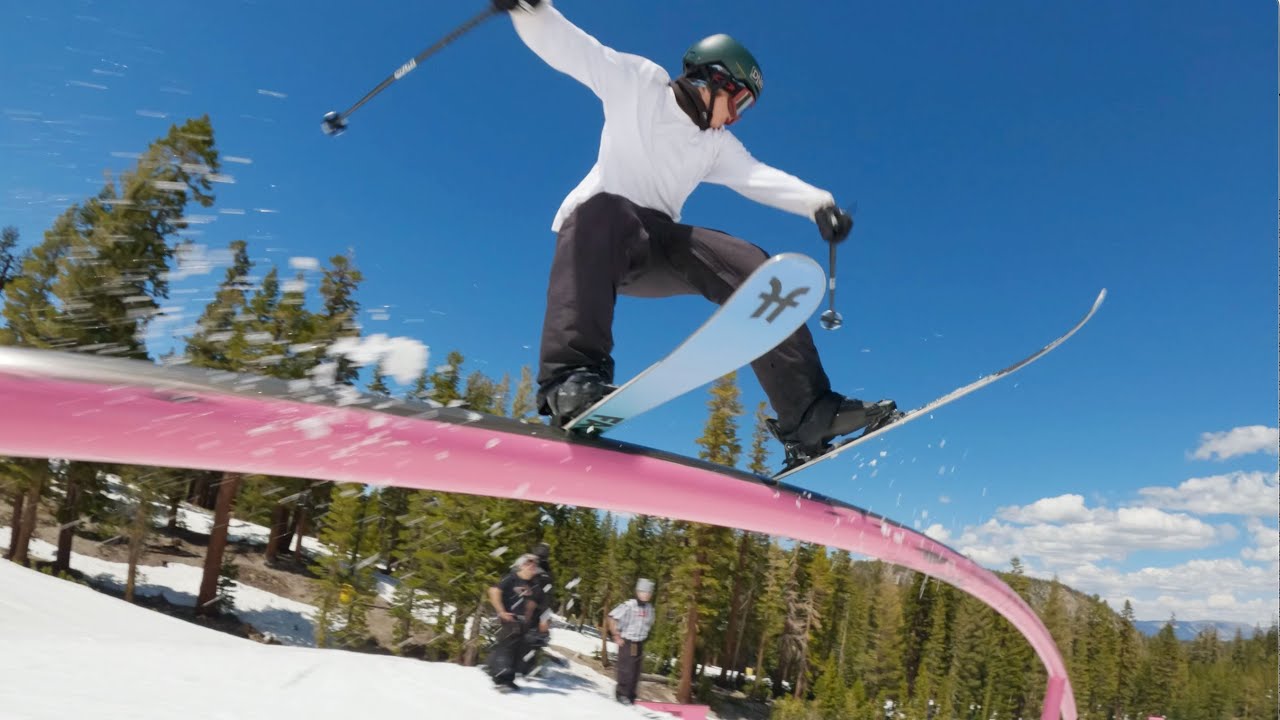
Park filming is important here. The camera needs to show the feature, the trick, the landing and the reaction. Follow-cams, side angles and quick replays all help the viewer understand whether the match was clean. Because rail tricks can be subtle, the edit has to respect technical detail without becoming too slow or over-explained.
That media discipline is part of why SLVSH is so watchable online. The episodes work for core skiers who know every trick name, but they also work for casual viewers who understand the letter system. A good game can be watched like sport, like a session edit and like a personality piece at the same time.
How skiers can use SLVSH as progression
SLVSH is not only something to watch. It is a training tool. A skier can play a SLVSH-style game with friends to improve consistency, expand trick variety and learn how to land under pressure. The format forces riders to try tricks they might avoid in a normal session because the opponent can call them at any time.
For park skiers, this is especially useful. A normal lap can become repetitive. A SLVSH game changes that by turning every feature into a decision. Do you call the trick you know you can land, or the trick that might expose your opponent’s weakness? Do you save your hardest move for later, or try to win the game early? That kind of thinking builds a deeper freestyle vocabulary.
For crews, SLVSH also makes filming easier. A full edit can be hard to organize, but a game gives the session a natural story. Start with two riders, record trick calls, track letters and publish the result. This is why SLVSH has influenced not only professional content, but also local park culture.
Why SLVSH earns a 5 out of 5
SLVSH deserves a 5 out of 5 importance rating because it created one of the clearest and most influential competitive media formats in modern freeskiing. It is not as old as Newschoolers, Level 1 or Matchstick Productions, and it is not a hardgoods manufacturer, but it has done something rare: it introduced a format that skiers everywhere understand, watch and copy.
The brand’s influence is especially strong in park and rail skiing. It gives technical freestyle a viewer-friendly structure, keeps peer-to-peer competition alive, supports international events, creates full-game video content and gives both established and emerging skiers a direct platform. Its 41-video presence on skipowd.tv reflects that relevance inside the current ski video ecosystem.
On skipowd.tv, SLVSH belongs as a core freeski media studio and matchup league. Its value is the format itself: call the trick, land it, match it, take the letter, talk trash, laugh, reset and keep skiing. In a sport that can become too judged, too expensive and too polished, SLVSH keeps park skiing close to what made it powerful in the first place: friends, features, creativity and pressure that feels like a game.