D-Structure
Canada
Quebec freeski retailer and culture shop | Founded 2000 in Montreal by Felix Rioux, Danny Laroche and Serge Maheu | Known for: twin tip ski roots, Quebec City shop, ski gear, skate, streetwear and local team support | Focus: rider led curation for skiers who live between park laps, urban rails, resort days and street culture.
Rue St Denis in 2000 and the Quebec freeski bet
D-Structure is not a ski manufacturer, crew or production studio. It is a rider founded freeski retailer that became part of Quebec ski culture by taking the newschool movement seriously before it was fully accepted by the mainstream ski industry. The shop opened in 2000 on Rue St Denis in Montreal, when Felix Rioux, Danny Laroche and Serge Maheu saw space for a store built around freeskiing rather than traditional alpine retail alone.
That timing matters. In the early 2000s, twin tips, rails, park skiing and urban edits were still fighting for recognition. Many shops treated the movement as a trend. D-Structure built its identity around the opposite idea: Quebec had the riders, the spots, the winters and the attitude to make freeskiing central. The shop became a meeting point for gear, ideas, local riders and the kind of style that connected skiing with skateboarding and streetwear.
A second location opened in Quebec City in 2003, and the business later became anchored there. More than two decades later, D-Structure still describes itself as core and independent, with its 25th anniversary arriving in 2025. That continuity is why the name matters on skipowd.tv: it represents a regional shop that helped document, support and equip a scene rather than simply selling products from a wall.
Skis boots bindings and streetwear under one Quebec roof
D-Structure’s product world is retail curation, not in house ski construction. Its official shop covers ski categories such as skis, boots, bindings, poles, goggles, helmets, touring skins, touring backpacks, ski bags, boot bags and small parts. It also carries outerwear, mitts, gloves, baselayers, ski socks, face coverings and winter accessories. That range lets a skier build a complete setup without leaving the same culture lane.
The shop also has a strong skate and streetwear side. Skate decks, completes, trucks, wheels, bearings, griptape, shoes, apparel, headwear and bags sit beside snow gear. That mix is important because Quebec freeskiing has always borrowed energy from street skating, urban rails, night sessions and clothing culture. D-Structure feels less like a generic outdoor store and more like a local platform for riders whose winter identity does not stop at the chairlift.
The D-Structure house label also appears through apparel and accessories such as hats, hoodies, jerseys and T-shirts. Those pieces help turn the shop into a visible cultural marker. Wearing the logo is less about claiming a technical product advantage and more about signaling connection to a Quebec freeski and skate scene that has produced influential riders, clips and urban style for decades.
Gear for icy nights park laps and urban missions
D-Structure’s strongest fit is for skiers whose winters are varied and rough on gear. Quebec skiing often means hardpack mornings, cold nights, freeze thaw cycles, rope tow laps, spring slush and urban sessions where skis meet metal, concrete and stairs as often as groomed snow. A good local shop has to understand that reality. It cannot simply sell a powder fantasy to riders who spend half the season on rails, side hits and firm resort laps.
For park and freestyle skiers, D-Structure’s ski wall naturally points toward twin tips, directional twins and all mountain freestyle shapes that can handle takeoffs, switch landings and daily laps. For all mountain skiers, the shop’s catalog includes boots, bindings and skis suited to carving, mixed snow and resort versatility. For touring users, skins, touring backpacks and related parts add a backcountry layer without turning the shop into a purely alpine touring specialist.
The performance value is advice. D-Structure’s role is to help skiers match gear to where they actually ski: Quebec resorts, urban spots, road trips, park days and the occasional softer snow mission. The best setup is not always the most expensive one. It is the ski, binding, boot and outerwear combination that survives the season a rider really has.
JP Auclair Phil Casabon Kaya Turski and the Quebec pipeline
D-Structure’s cultural weight comes from the riders connected to its story. The shop’s own history names influential figures such as JP Auclair, Phil Larose, JF Cusson, Phil Dion, Thomas Rinfret, Phil Belanger, Vincent Dorion, Phil Poirier, Iannick B, Dave Crichton, Chris Turpin, Kaya Turski, Kim Lamarre, JF Houle, Phil Casabon and Charles Gagnier. That list reads like a map of Quebec’s role in freeski progression.
The current team page also shows that D-Structure continues to support active local riders, including names listed through the shop’s team such as Jacob, Dylan, Jeremy, Olivia, Edouard, Naomi, Emile, Ely-Rose, ABM, Felix, JF, Henri and Remi. For a retailer, that kind of team presence matters. It keeps the shop connected to the slope, the street spot and the edit rather than only the checkout page.
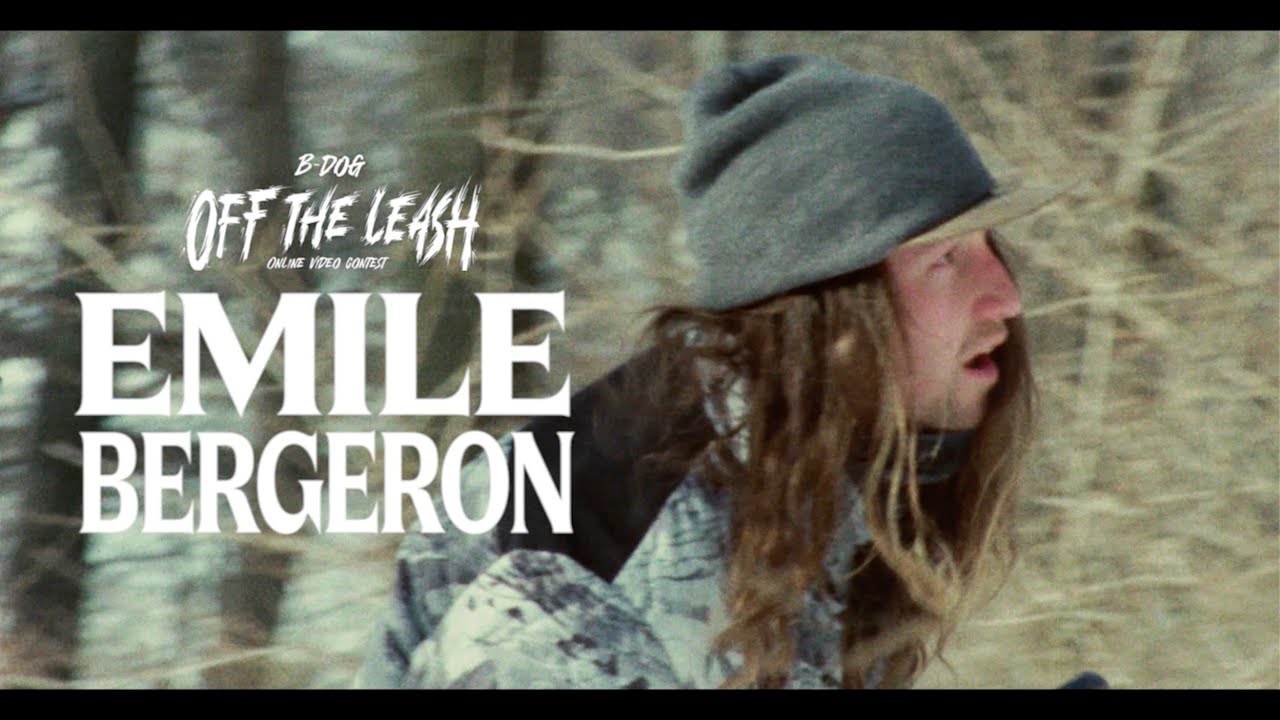
On skipowd.tv, D-Structure is linked to videos featuring skiers such as Emile Bergeron, Philip Casabon and Alex Beaulieu-Marchand. That reinforces the shop’s place in the content ecosystem. It is not only a place to buy skis. It is a sponsor tag attached to the riders and clips that keep Quebec’s freestyle identity visible.
Montreal origins and the Quebec City shop base
D-Structure’s geography is essential to its meaning. The story begins in Montreal, a city whose urban architecture, stair sets, rails and winter grit helped shape the visual language of East Coast freeskiing. The move into Quebec City added another layer: a local hub closer to many of the province’s resort, park and snow communities, while still connected to the broader Quebec street and skate scene.
The current official address places D-Structure in Quebec City, where the shop operates as a physical and online retailer. From there, it serves local skiers, Canadian customers, United States buyers and worldwide orders. That reach is important, but the brand’s credibility still comes from being local first. It speaks from inside the terrain and culture it serves.
Quebec skiing has its own rhythm: night laps, icy edges, storm pockets, park rebuilds, urban missions, long drives and spring slush sessions that can stretch a season. D-Structure belongs to that rhythm. Its location is not just a shipping point. It is part of why the shop understands the difference between gear that looks good online and gear that holds up in a Quebec winter.
Retail service shipping and choosing gear that lasts
For a retailer, construction means trust, service and curation. D-Structure does not build the skis, boots or bindings it sells, but it shapes the skier’s final setup through selection, product knowledge and support. The official site lists customer service sections for warranties, returns, shipping, price match requests and opening hours. Those details are part of the product experience because ski gear is technical, expensive and often needs support after purchase.
Shipping also matters. D-Structure states free shipping thresholds for Canada and the United States, with worldwide shipping available. That gives the shop a reach beyond Quebec while keeping its identity tied to an independent core retailer rather than a faceless marketplace. For skiers shopping from outside Canada, the appeal is often a mix of hardgoods deals, Canadian availability and access to a shop that understands freeski categories deeply.
Durability comes through the kind of products a shop chooses to platform. Park and street skiers need tough edges, thick bases, reliable bindings and outerwear that can take abuse. All mountain skiers need boots that fit, bindings that match release needs, and skis that suit local snow. D-Structure’s best value is helping riders avoid mismatched setups that create waste, frustration and unnecessary replacement.
Choosing D-Structure for skis skate or streetwear
Choosing D-Structure makes the most sense when a skier wants gear from a shop with freeski instincts. For ski hardgoods, start with terrain. Park riders should look toward twin tips, durable bindings and outerwear that can survive rails and rope tow days. All mountain riders should focus on boot fit first, then ski width, flex and binding compatibility. Touring curious skiers should be honest about how often they will skin, because a heavy hybrid setup and a dedicated light touring setup solve different problems.
For skate and streetwear, D-Structure works as a culture shop rather than an outdoor warehouse. The skate section supports the same riders who see skiing through an urban lens. Shoes, decks, hoodies, caps and shop apparel connect the winter side to the rest of the year. That crossover is one reason the store has remained relevant beyond a single product category.
Customers outside Quebec may also choose D-Structure for availability and pricing, but the stronger reason is perspective. A shop formed around newschool skiing will usually understand freestyle priorities better than a general sports retailer. That matters when the question is not just which ski is discounted, but which ski will actually match a rider’s line, stance, boot and mountain.
Why D-Structure still matters to Quebec freeskiing
D-Structure matters because shops can shape scenes. A good local retailer gives riders access to the right equipment, but it also gives them a place to gather, get seen, find support and connect with the people pushing the culture forward. In Quebec, where freestyle skiing produced globally influential names, D-Structure became part of the support system behind that movement.
The shop’s importance is regional and cultural rather than global corporate scale. It does not have the manufacturing reach of a ski brand or the media catalog of a film studio. Its value comes from independence, longevity and scene credibility. It backed freeskiing when the category still needed advocates, kept a team presence alive, and maintained a catalog that reflects how local skiers actually ride.
On skipowd.tv, D-Structure belongs as a freeski retailer and Quebec culture sponsor. Its story connects products, riders, shops, edits and street influenced skiing into one practical ecosystem. For users watching Quebec clips, park edits or street segments, the D-Structure name signals more than a store. It signals a long running commitment to the freeski scene that helped make those videos possible.