Quiksilver
Australia
Australian-born action-sports apparel brand | Founded in 1969 in Torquay | Known for: surf heritage, mountain-wave identity, DryFlight snow outerwear, GORE-TEX shells, Travis Rice collections, Sammy Carlson and Thibault Magnin | Focus: bringing surf-influenced style and practical storm protection into ski, snowboard, backcountry and resort winter culture.
1969 Torquay boardshorts and the mountain inside the wave
Quiksilver is not a ski manufacturer, but its place in snow culture is real because the brand has always lived between movement, weather and style. Founded in 1969 in Torquay, Australia, Quiksilver began with surf apparel, especially boardshorts made for surfers who needed gear that worked in saltwater instead of simply looking beach-ready. That functional origin still explains why the brand can sit naturally in a ski and snowboard environment: the story starts with athletes, exposure, fabric and freedom of movement.
The logo tells the same story. Quiksilver’s mountain-and-wave identity made the crossover from surf to snow feel less like a marketing extension and more like a visual promise. The wave represents the brand’s surf roots; the mountain opened the door to winter. Over decades, Quiksilver became one of the most recognizable names in boardsports apparel, moving through surf, skate, snow, travel and youth culture while keeping a relaxed visual language that never felt race-derived or overly technical.
DryFlight, Highline and Travis Rice beyond the beach
Quiksilver’s snow program is built around outerwear rather than skis. The current snow offer includes jackets, pants, bibs and boys’ snow gear, with collections such as High Altitude, Travis Rice and Mercury presented under the brand’s “Surf The Mountain” idea. That phrase is important because it explains the product mood: Quiksilver is not trying to dress skiers like alpine racers. It is translating surf looseness into mountain layers that can handle chairlifts, storm days, park laps and travel-heavy winters.
At the technical end, the Highline Pro 3L GORE-TEX snow jacket shows how far the brand pushes into serious protection. The jacket uses GORE-TEX 3-layer construction, fully taped seams, a helmet-compatible storm hood, YKK water-resistant zippers, underarm venting, recycled nylon or polyester content depending on colorway, and a PFC-free durable water-repellent treatment. At the more accessible resort level, DryFlight jackets such as Mission-style insulated pieces use Quiksilver’s 10K waterproofing and WarmFlight insulation for warmth and weather resistance without the price or stiffness of a full alpine shell.
Storm shells for skiers who still care about silhouette
Quiksilver’s snow outerwear works best for riders who want function without losing the relaxed shape of action-sports clothing. For skiers, that means room to layer, sleeves and cuffs that make sense with gloves, hoods that can work around helmets, and pocket placements designed for lift passes, media, goggles or backcountry safety items depending on the model. The fit tends to speak to freestyle, freeride and snowboard culture more than classic piste uniforms.
That makes Quiksilver especially relevant for skiers who move between categories. A skier lapping park, filming side hits, hunting soft snow between trees or wearing the same jacket from resort to street will understand the brand quickly. The outerwear is not built around a single technical identity. It ranges from insulated resort jackets for colder chairlift days to GORE-TEX shells for exposed weather. The common thread is easy movement, graphic personality and enough mountain function to justify the style.
Sammy Carlson, Thibault Magnin and the ski bridge
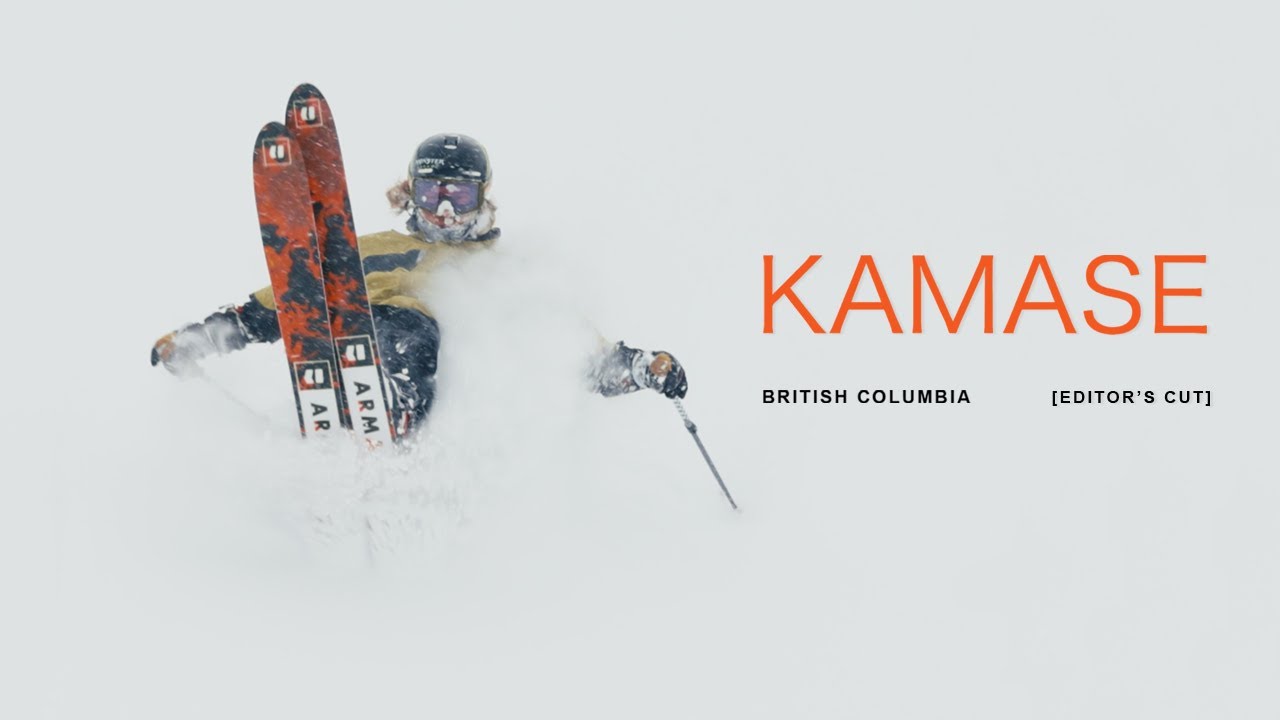
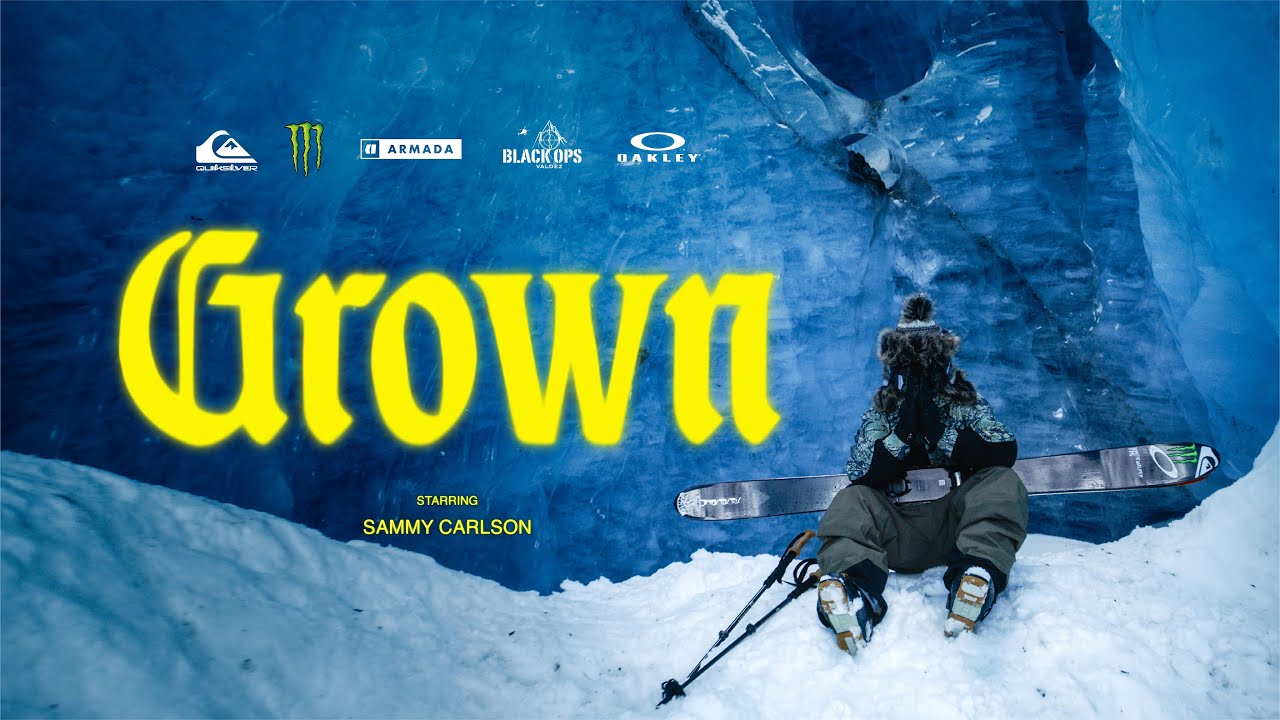
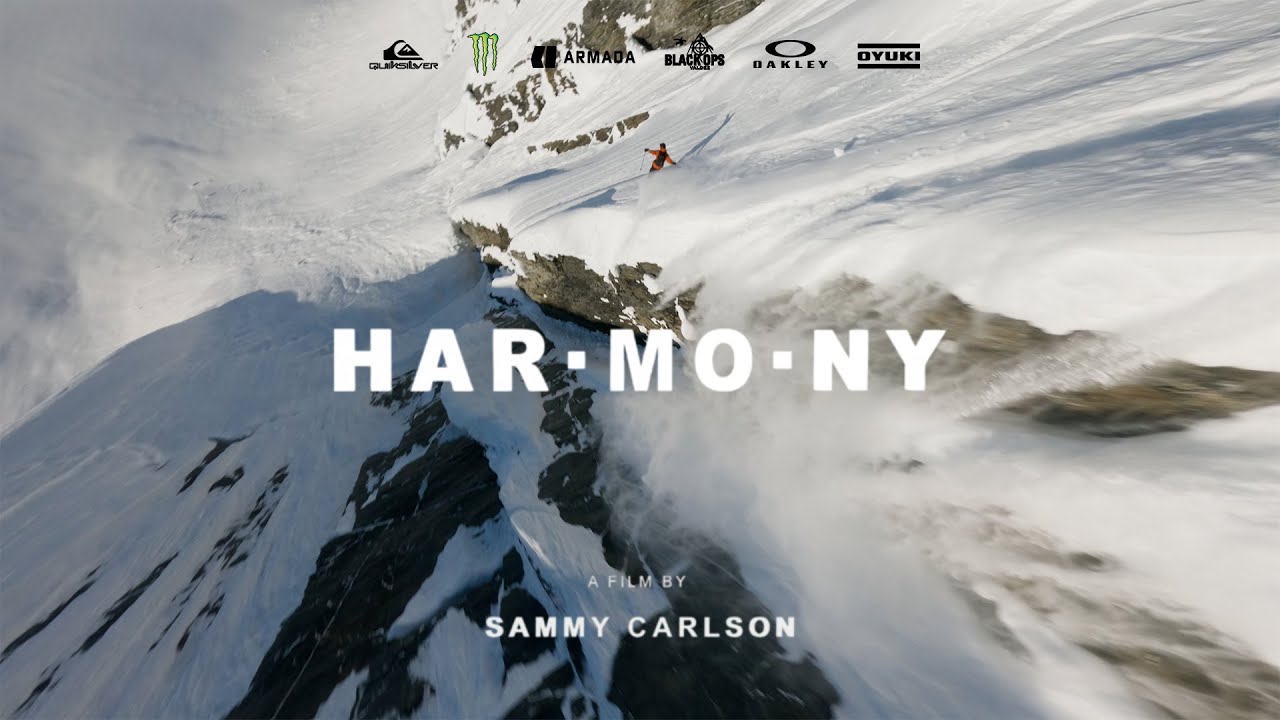
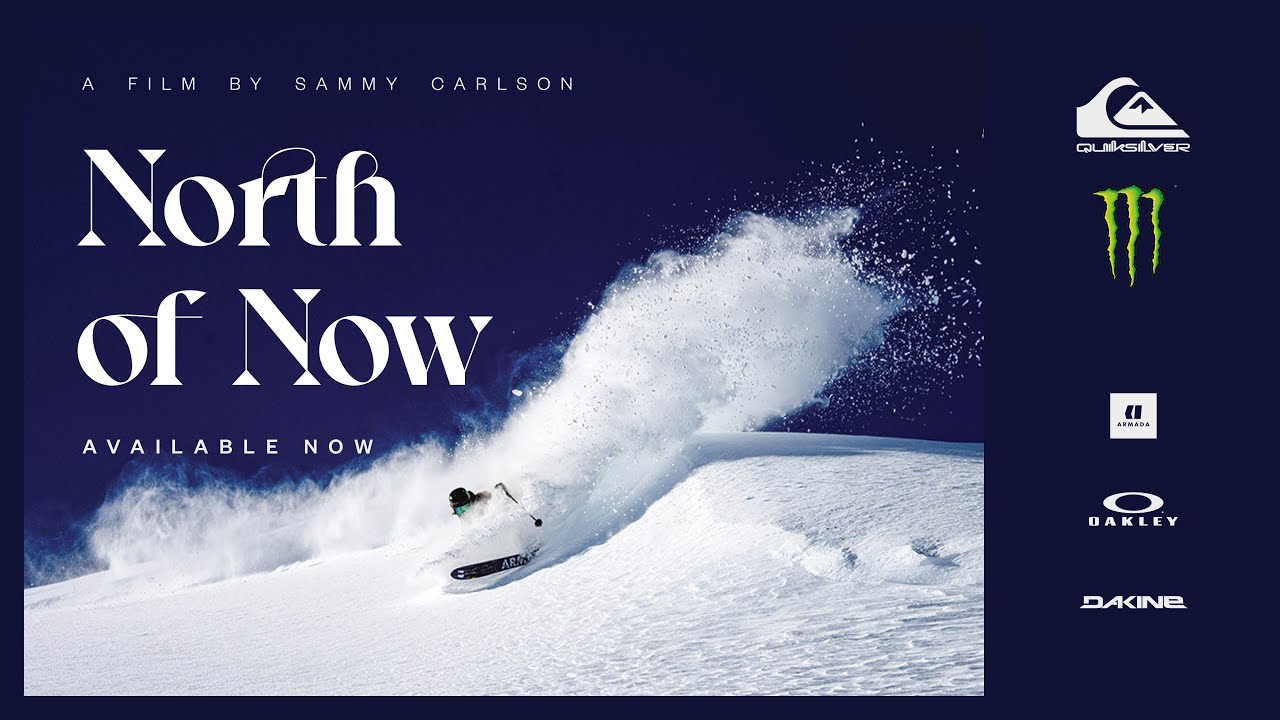
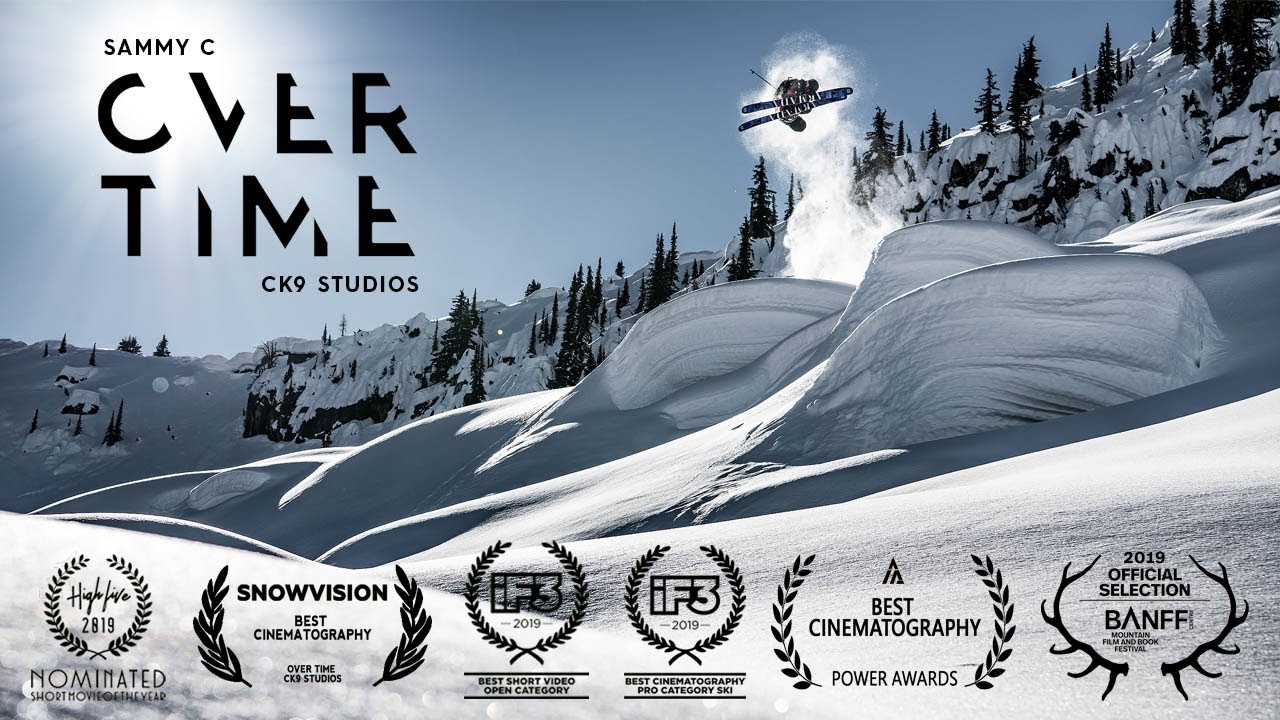
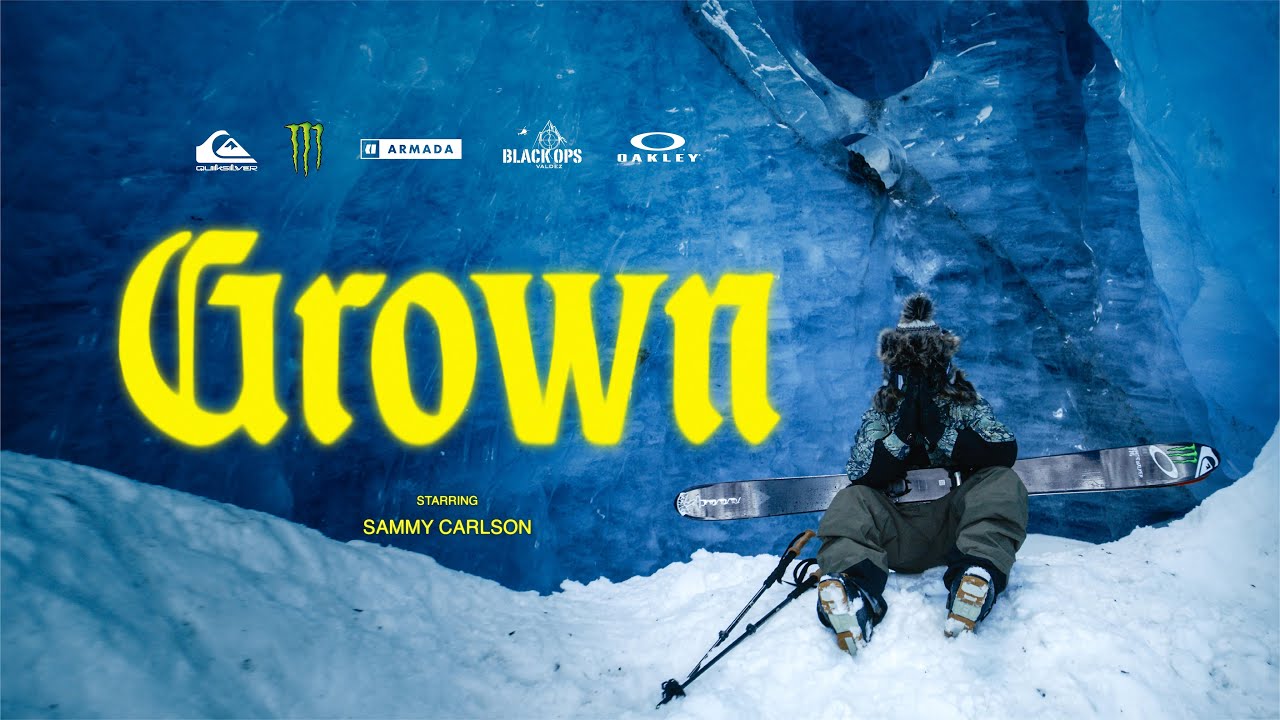
Quiksilver’s ski credibility is strongest through athletes. Sammy Carlson gives the brand a direct line into modern freeski culture. He is known for his freestyle background, X Games-level competition history, creative riding and later backcountry film work, where technical tricks meet large natural terrain. For a snow outerwear brand, that kind of athlete matters because the product is being seen in conditions that are far more demanding than casual resort marketing: cold starts, deep snow, long filming windows and exposed mountain movement.
Thibault Magnin adds a different but complementary reference point. Quiksilver’s own team profile connects him to the 2018 Young Guns Ski Contest in Whistler, British Columbia, and presents him as a Swiss-Spanish skier active in slopestyle, big air and creative edits. For Skipowd readers, that matters because Magnin links the brand to contest venues, park progression and the next generation of freeski style. Together, Carlson and Magnin make Quiksilver more than a surf label with snow clothes; they give it a visible role in ski media and athlete-driven progression.
Torquay, California, Whistler and the global boardsports map
Quiksilver’s geography is unusually wide. The brand begins in Torquay, where Australian surf culture shaped its first products and attitude. Its North American identity became strongly associated with California, where surf, skate and youth apparel created a much larger lifestyle platform. In Europe, the brand has long been tied to Atlantic surf culture and Alpine winter markets, making it familiar in shops and resort towns far from its Australian origin.
For snow, the geography shifts toward places where film, weather and youth culture overlap. Whistler Blackcomb is part of the Quiksilver ski story through the Young Guns pathway and its deep connection to park, backcountry and media culture. British Columbia more broadly fits the brand’s snow identity: big winters, wet storms, backcountry filming and riders who need outerwear that can move from resort days to creative projects. That international reach is a major reason Quiksilver earns a high importance score even without manufacturing skis.
Recycled fibers, PFC-free DWR and the practical side of snowwear
Quiksilver’s strongest technical story sits in outerwear construction. The Highline Pro 3L GORE-TEX shell uses a lightweight 3-layer build for layering, fully taped seams for weather sealing, stretch fabric for mobility, a fixed storm hood, water-resistant zippers, underarm venting, a powder skirt and pocketing that includes transceiver-oriented storage. These are practical details for skiers and snowboarders who spend real time in weather rather than only walking between lodge and lift.
The sustainability story is product-specific, not universal. Certain Highline Pro colorways use recycled nylon or recycled polyester fibers, and the shell fabric is described with PFC-free durable water repellent treatment. In insulated pieces, WarmFlight and DryFlight combinations target warmth and waterproofing for everyday mountain use. The most useful way to read Quiksilver snowwear is by tier: GORE-TEX for serious storms and exposure, DryFlight 20K or similar higher protection where available for frequent winter use, and 10K insulated pieces for resort skiers who prioritize warmth, comfort and value.
Choosing Quiksilver by climate, layering and riding rhythm
Start with climate. If the skier is riding coastal snowpacks, heavy storms or wet chairlift days, a GORE-TEX shell or higher-protection technical jacket makes the most sense. It gives better long-day confidence and leaves room to build warmth through base layers and midlayers. If the skier mostly rides colder, drier resorts and wants one easy jacket, an insulated DryFlight piece is simpler: warmth is built in, the fit is relaxed, and the protection is enough for many regular resort days.
Then choose by rhythm. Park and resort skiers often benefit from a softer, roomier jacket that can move during grabs, presses, side hits and skating. Backcountry-minded skiers should look harder at venting, pocket layout, hood structure, weight and whether the jacket works with a pack. Bibs help seal snow on deep days and keep storage higher; pants are easier for casual resort use. Quiksilver is strongest when the skier wants snow function with a style language closer to surf, skate and film culture than traditional alpine uniformity.
Why Quiksilver still belongs on a ski video platform
Quiksilver matters for skipowd.tv because ski video culture is not only about skis. Outerwear defines silhouette, weather tolerance, identity and how an athlete appears on screen. A skier like Sammy Carlson can make a jacket part of a backcountry image; a skier like Thibault Magnin can connect the same brand to contest energy and park style. That is exactly where Quiksilver has value for a ski video database: it helps map the visual culture around the athletes, not just the hardware under their feet.
The brand deserves 4/5 importance because it is internationally recognized, historically deep and genuinely active in snow, but it is not a core ski manufacturer in the same way as Armada, Line, Faction or Black Crows. Its importance comes from another angle: surf-born style, global boardsports distribution, technical outerwear, a famous mountain-wave identity and enough athlete presence to be relevant in skiing’s modern media ecosystem. For riders who care how snow culture looks and feels, Quiksilver remains a meaningful sponsor page.