Liam Downey
Stratton, Vermont | Former professional street and park skier, Level 1 film athlete, ski writer, and coach | Public markers: High Five, Long Story Short, Realtime, Refresh, Eye Trip, After Dark, Junction 133, Armada, FREESKIER, Stratton Mountain School
Stratton Ice And The Sound Of Steel
The rail at Stratton did not need deep snow to feel alive. It needed cold Vermont air, a fast in-run, and a skier willing to make metal sound smooth. Liam Downey came from that world: Bromley laps, Stratton park days, East Coast freeze-thaw, and a generation that measured style through video segments rather than podium sheets. His skiing always carried that surface memory. Edges had to hold on hard snow. Landings had to work when the takeoff was small. Rails had to be skied with touch, not just force. Downey’s name belongs to the period when freeskiing was learning how much culture could fit inside one filmed part.
Before HD, High Five Had The Blueprint
Level 1 later re-released Downey’s 2004 High Five segment as a throwback, describing a period before HD cameras and before double flips were normal equipment in a skier’s vocabulary. The note attached to the clip pointed to an older standard: switch out of a twenty-stair double kink counted as a serious move, and good style still mattered. That sentence explains why Downey remains useful for a historical ski page. His importance is not based on a medal table. It comes from the way early-2000s film skiing judged control, body position, trick choice, and personality before contests became the dominant public measurement.
Long Story Short Sent Him Across The Map
Long Story Short, Level 1’s seventh release, gave Downey one of his most documented parts. Level 1’s own description says his closing segment was shot during fall 2005 and winter 2006, following him up and down the East Coast, to Southern Colorado, Utah, Quebec, and Austria. That geography matters. It shows a skier who was not locked into one park or one regional lane. East Coast rails, Southern Colorado snow, Utah terrain, Quebec urban features, and Austrian travel all became part of one segment. A closing part carries weight in ski-film structure, and Downey had earned that placement.
Forward, Realtime, Refresh, Eye Trip, After Dark
Downey’s Level 1 run stretched across several eras of freeski film. Newschoolers later described him as a favorite at Level 1 and the crew’s go-to veteran, naming his Forward debut, Long Story Short, Rocky Mountain powder jumps, Minnesota frontcountry, and humor in Eye Trip. Realtime listed him beside Tanner Rainville, Wiley Miller, Corey Vanular, Travis Redd, Ahmet Dadali, Stefan Thomas, Tom Wallisch, Adam Delorme, Mike Hornbeck, and others, with locations including Hokkaido, the Wasatch, Norway, Lake Tahoe, Whistler, Summit County, and Island Lake Lodge. After Dark later placed him in another Level 1 cast with Parker White, Chris Logan, Will Wesson, Niklas Eriksson, and Tanner Rainville. The thread is consistency: he kept appearing while skiing itself was changing fast.
Why His Skiing Stayed Different
Downey’s skiing lives in the details that do not fit easily into a results database: switch takeoffs, rails, pretzels, grabs held without panic, slow rotations, transition skiing, powder jumps, handrail timing, and the refusal to let tricks look mechanical. His own Newschoolers interview gives the philosophy behind that style. He praised Royalty for slow spins, basic grabs, and style above gymnastics, while criticizing the direction of spin-heavy judging. That view matched his skiing. Downey’s best clips did not try to win a math contest. They tried to make one movement feel correct from approach to ride-away.
The Bates Degree And The Segment Choice
Downey’s career also had an unusual rhythm for a pro skier of that period. In the Newschoolers interview, he explained that college in the fall and summer work made it hard to keep up with competitions. He graduated from Bates on December 15, then said he wanted to focus seriously on skiing for a few seasons. The key line was simple: he had to choose between filming and competing, and filming won because segments last. That decision gives his biography a clean structure. He was not a failed contest skier. He was a skier who understood exactly which archive he wanted to leave.
Island Lake, Jackson, Utah, And The Knee
The same interview adds a physical chapter. Downey said he tweaked his knee at Island Lake Lodge in British Columbia in mid-January, then had to take it easier on jumps and focus on skiing the rest of the mountain. He later rode his bike through summer and had arthroscopic surgery in September to repair cartilage. Around that period, he also mentioned skiing deep powder in Jackson Hole and heading to Utah to film booters and lines with Freedle Coty. Those details prevent the page from becoming only a rail biography. Downey’s public record includes park and street, but also powder jumps, lines, and the wider mountain skill set that East Coast skiers often had to prove out West.
Junction 133 And The East Coast Web Feed
Junction 133 kept Downey’s skiing visible through the web-edit era. Newschoolers lists It’s Electric as a 2010 Junction 133 edit featuring Liam Downey, Parker White, Jon Brogan, and Chris Logan, shot at Keystone, Colorado, with credit to Duncan Lake. The same production reel from 2008-09 listed Downey alongside Sammy Carlson, Mike Hornbeck, Nick Martini, Ben Moxham, Steve Stepp, Tom Wallisch, Parker White, Matt Walker, and others. Skipass archives add more names around him: Ahmet Dadali, Brady Perron, Tanner Rainville, Ben Moxham, Matt Walker, Tom Wallisch, and Kevin Malone. That cluster shows where Downey sat culturally: between old East Coast rail style and the next wave of internet-era freeski personalities.
Brady Perron And The Style Lineage
Influence is hard to measure, but Downey has at least one strong public signal. In a Newschoolers interview, Brady Perron said Liam Downey’s segment from Wicked or Shanghai Six was “up there,” and added that he was still all about Downey and Tanner Rainville’s skiing. Perron also said their videos had a big impact on him growing up, with Dave Crichton influencing that whole style line. That is the kind of evidence a historical ski biography needs. It is not a vague claim that younger skiers copied him. It is a named skier explaining which videos shaped his eye.
From Rider To Ski Writer
After the heaviest film-part period, Downey’s public role expanded into writing. FREESKIER lists him as the author of several culture pieces, including Slat Rats, The Education of Dollo: Henrik Harlaut is your 2013 Skier of the Year, The Big Picture: The finer points of the Indie ski film, The B&E Invitational, The VHS Prophet, The Bunch: Skiing’s Band Apart, and Candide Thovex: Skiing’s Native Son. Those bylines matter because they show a skier who did not leave the sport’s language behind. He became one of the people interpreting it, especially the film and style culture that had shaped his own career.
Some Way, Activity, And The Later Vermont Echo
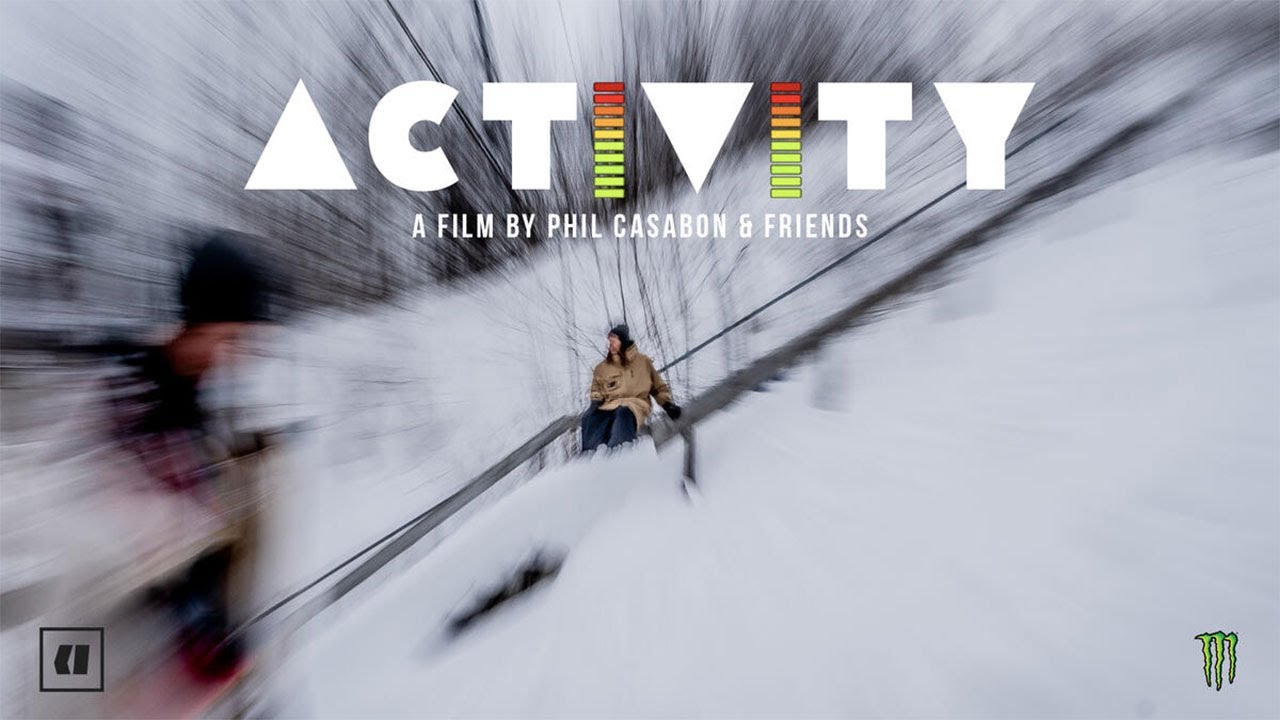
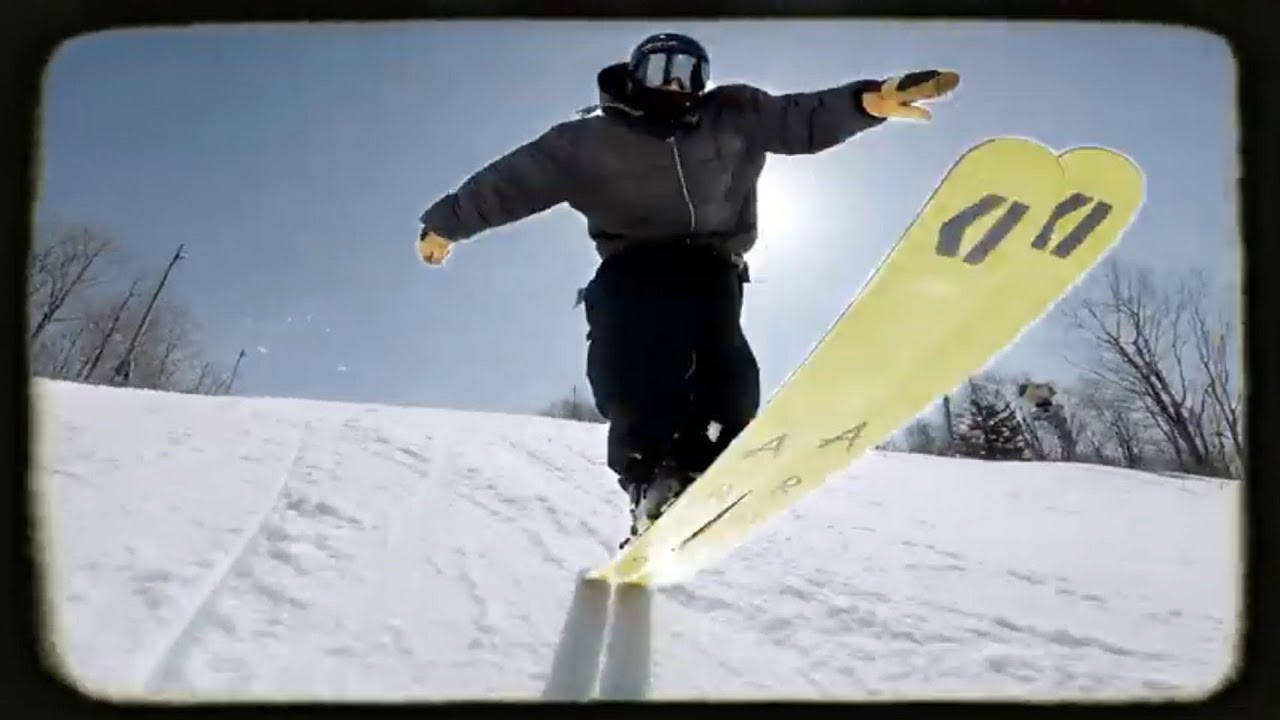
Downey’s later clips keep returning to small-feature skiing rather than nostalgia alone. Armada’s Some Way, released in 2022, paired him with Brady Perron on a grey day and framed the skiing as proof that fun can be found in almost any conditions with the right skis. Downdays later placed him in Phil Casabon’s Activity, filmed by Brady Perron and Raph Sevigny, with a section that moved from Kimbo Sessions to Vermont, where Casabon joined OGs Mike Hornbeck and Liam Downey. That 2023 context is important. Downey’s value was still legible to skiers who cared about touch, small transitions, snow mounds, and style over feature size.
Back At Stratton Mountain School
The current public chapter points back to coaching. Stratton Mountain School-related program listings identify Liam Downey as a freeski coach for a 2026 NextGen Mt. Hood camp, and SMS social posts in 2025 announced his return to the Action Sports Team. That is a fitting location for the later arc. Downey came from Stratton and Bromley, built a film career through Level 1 and East Coast style, wrote about ski culture, and then returned to a development environment. Coaching gives the biography a grounded ending: the same skier who chose segments over contests is now part of the structure teaching younger skiers how to move through parks, rails, and snow with intention.
The Ledger Without Medals
Liam Downey should be rated 4/5 for skipowd.tv as a historical street and park profile, not as a contest-dominant athlete. There is no verified Olympic record, X Games medal, or World Cup podium attached to his public file. The weight comes from elsewhere: High Five, Long Story Short, Realtime, Refresh, Eye Trip, After Dark, Junction 133, Armada, FREESKIER, and a visible influence on later style skiers. His page should end exactly there: East Coast ice, Level 1 film parts, small-feature mastery, written ski culture, and a return to coaching at Stratton.