Daniel Bacher
Innsbruck, Austria | Active: FIS record listed as not active | Discipline: freeski big air, slopestyle, knuckle huck | Verified: 2022 Olympian, 2021 Junior Worlds double silver, Chur 2023 World Cup podium, X Games Aspen 2024 Big Air bronze | Current: Armada and Monster Energy athlete profile, style-led video presence
Buttermilk When The Tail Butter Held
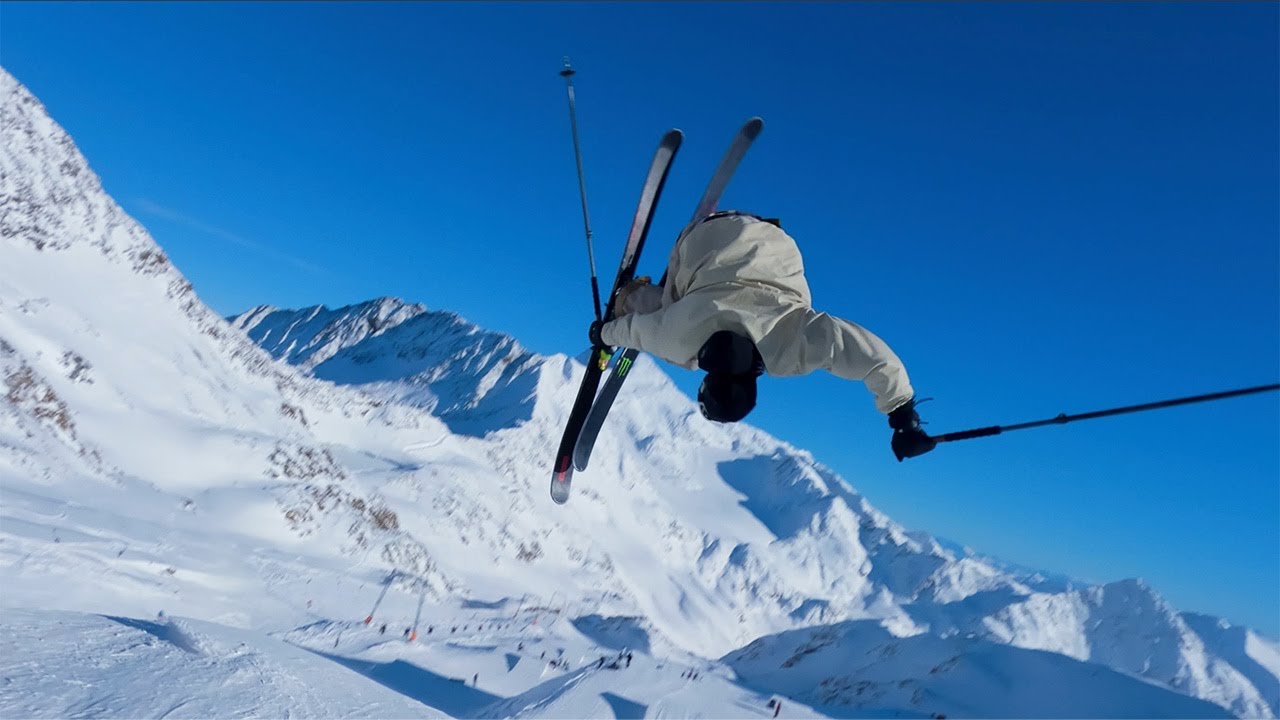
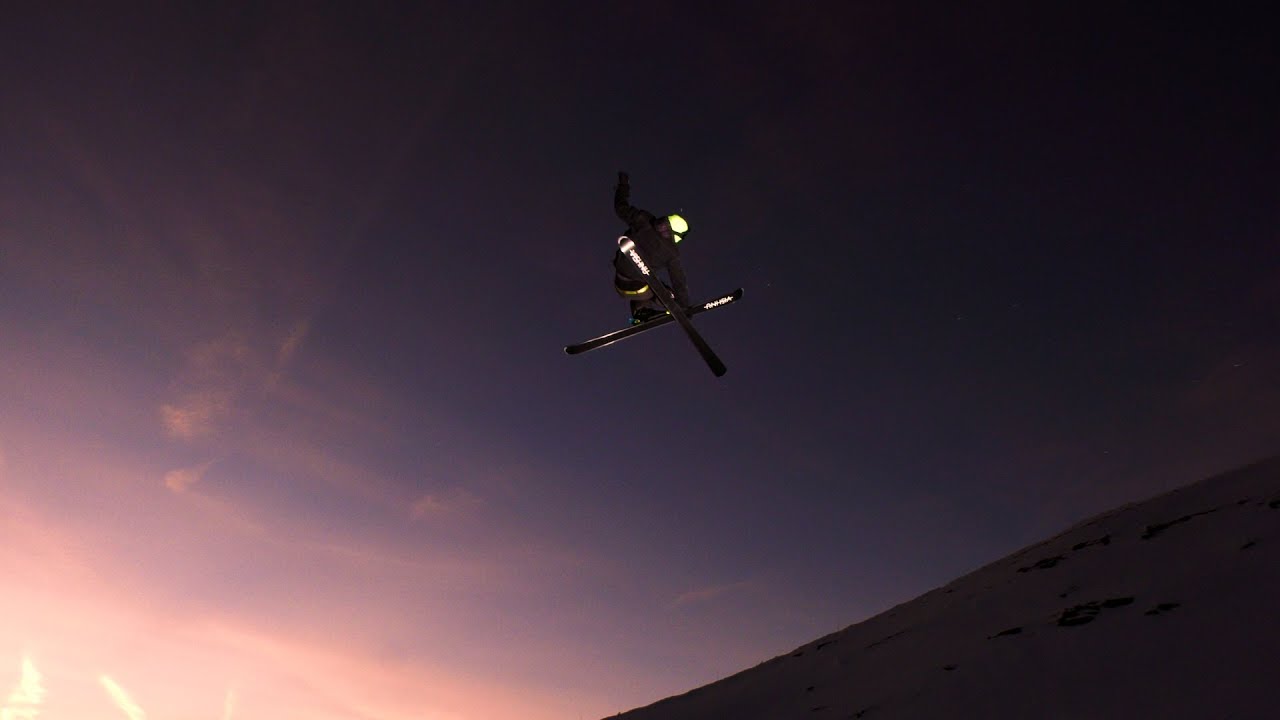
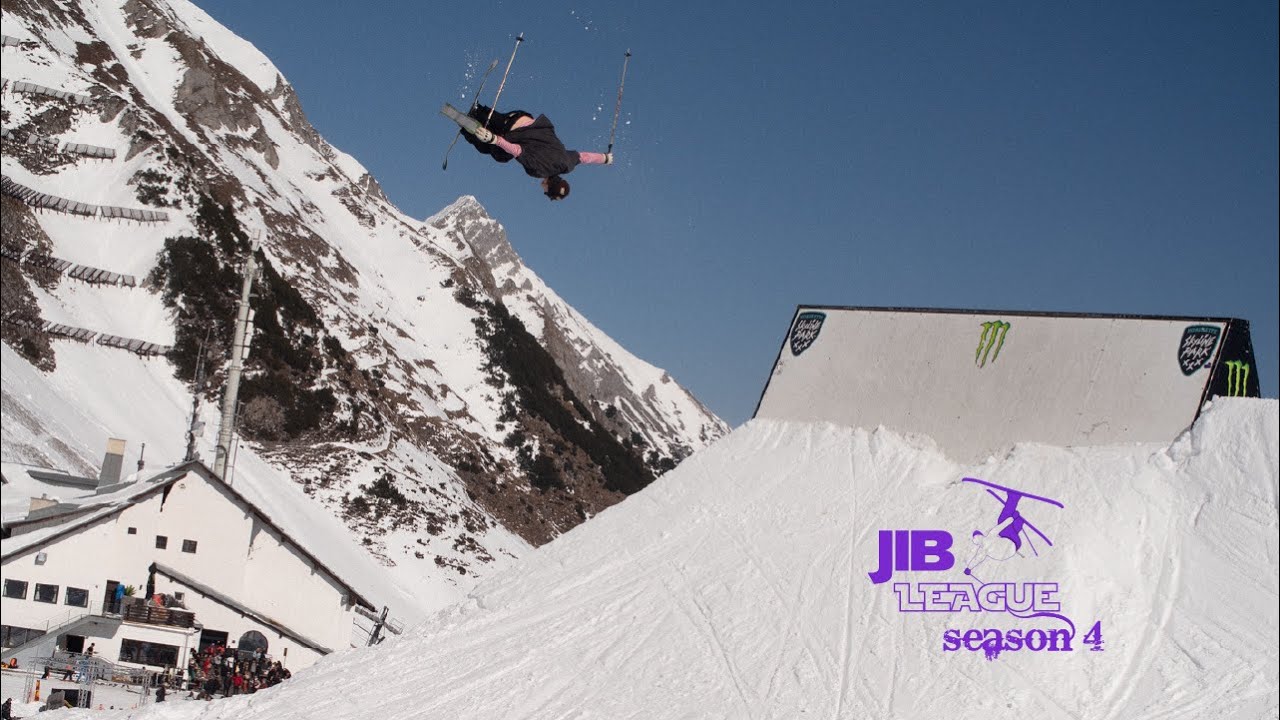
Buttermilk Mountain was loud under the Aspen lights, with the big-air ramp glowing above packed Colorado snow. Daniel Bacher came in switch, pressed his tails across the lip, then released into a double cork 1440 with the landing running fast below him.
X Games Aspen 2024 gave Bacher the clearest international marker of his senior career. He arrived as a rookie in a field built around heavier names, then left with bronze in Pacifico Men’s Ski Big Air. Troy Podmilsak won gold, Alex Hall took silver, and Bacher finished third with a trick selection that looked different from the standard big-air script. X Games highlighted the switch leftside tail butter double cork 1440 safety grab and the way he used the takeoff lip as part of the trick, not just the launch point.
From Medraz Snowbanks To Innsbruck Bibs
Bacher was born on December 17, 2004, in Innsbruck, Tirol. Monster Energy describes him as a Tyrolean skier who grew up in Fulpmes in the Stubaital, with early skiing beginning at age three. The same profile places part of his childhood progression above his parents’ house in Medraz, where he practiced in a small self-made fun park.
That background gives his style a local logic. Stubai is not only a resort name on a contest calendar; it is a glacier training zone, a valley with long freestyle history, and a place where Austrian skiers can move between park laps, club structure, and late-season snow. Bacher entered his first FIS competitions at age twelve, according to Monster, which means his technical foundation was already being tested before most riders reach senior starts.
His FIS profile lists him under TU Innsbruck, with FIS Code 2534250 and Austria as his nation. Olympedia records Innsbruck as his birthplace and TU Innsbruck as his affiliation. Those details place him inside the Austrian system, but his skiing has always looked less formal than the paperwork around it.
Leysin, Krasnoyarsk, And The Junior Warning Shot
Before Beijing or Aspen, Bacher’s name appeared in youth and junior results. At the 2020 Winter Youth Olympic Games in Leysin, Switzerland, Olympedia records him seventh in boys’ slopestyle and sixth in boys’ big air. Those finishes put him in the international junior field at fifteen, against skiers who were already building toward senior World Cups.
The bigger junior step came in Krasnoyarsk in March 2021. FIS records Bacher second in men’s freeski slopestyle and second in men’s freeski big air at the FIS Junior World Ski Championships. Matej Švancer won both events, Henry Sildaru took slopestyle bronze, and Miro Tabanelli finished third in big air. That podium context matters because Švancer and Tabanelli later became senior-level references in big air and slopestyle.
Krasnoyarsk was not a style edit or a soft youth contest. It was a structured FIS championship in Siberia, with pressure across two disciplines. Bacher left with proof that he could build a complete slopestyle run and still produce a one-jump big-air score.
Beijing At Seventeen
Bacher’s Olympic start came earlier than planned for many skiers. He competed for Austria at the Beijing 2022 Winter Olympic Games at age seventeen. Olympedia lists his results as seventeenth in men’s slopestyle and twenty-first in men’s big air. The numbers were not medal-contending, but the start itself gave him exposure to the highest-pressure version of both disciplines.
Genting Snow Park in Zhangjiakou was a hard place for a teenager to learn Olympic scale. The slopestyle course ran through a long rail section, multiple jump features, and a final zone where speed control became a deciding factor. Big Air Shougang was even more stripped down: one ramp, industrial scenery, and no room for a hidden weak section.
For Bacher, Beijing worked as an early measurement. He did not enter as a finished contest product. He entered with junior results, Austrian team backing, and a trick language that still needed senior consistency. The Olympic record now sits as a baseline before the later Chur and Aspen breakthroughs.
Chur Under Rain And Festival Lights
The first senior World Cup podium arrived at Big Air Chur in October 2023. FIS official results list Dylan Deschamps first with 93.66, Bacher second with 92.66, and Birk Ruud third with 92.00. The final was affected by heavy weather, so qualification scores decided the podium.
Monster Energy reported the key trick from the men’s qualifier: Bacher posted a switch left tail butter 1440 safety grab for 92.00 points. Ski Austria also described him reaching the Chur final with a top score of 92.66 in Heat 2, before the final program was lost to wind and rain. That combination of details gives the result its proper shape. It was not a lucky podium from a random ranking. He had already delivered the score in the qualifier.
Chur is a strange big-air venue. The jump sits in a festival environment, with music, lights, city energy, and a narrow weather window. Bacher’s second place put him ahead of Ruud, Troy Podmilsak, Sebastian Schjerve, Elias Syrjä, Miro Tabanelli, Timothé Sivignon, and Andri Ragettli on that result sheet. The field quality made the podium difficult to dismiss.
Why Bacher Already Stands Out
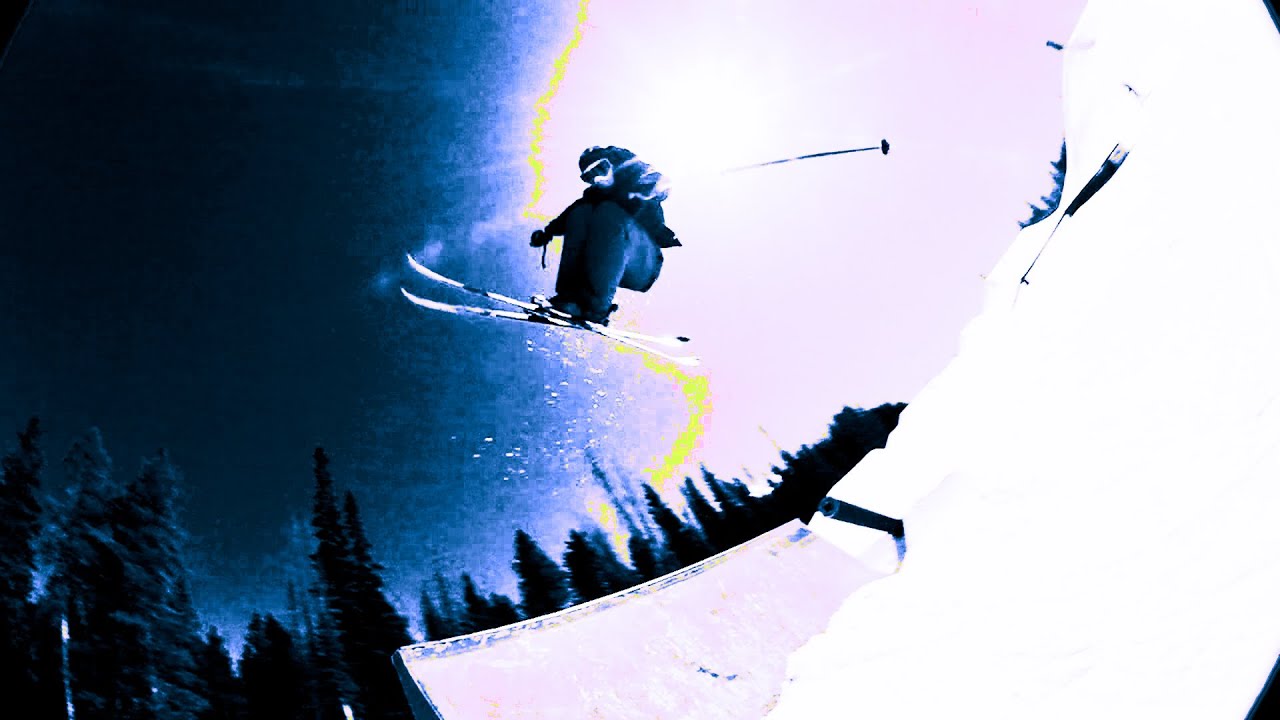
Bacher’s difference is visible at the lip. He uses the takeoff as terrain, pressing a tail butter or nose-butter movement before the main rotation begins. That changes how the trick is read. A switch left tail butter double cork 1440 is not only a spin-and-flip number; it begins with balance, edge pressure, and timing before the skier has even left the snow.
His vocabulary includes switch takeoffs, tail butters, nose butters, double corks, 1440s, safety grabs, knuckle huck transitions, rail direction changes, and playful recoveries. X Games noted his fearless recovery after crashing through course fencing at Aspen 2024. The point is not crash drama. The point is that his skiing often lives close to the edge of improvisation.
Compared with Matej Švancer, Bacher’s tricks feel less like pure amplitude theater and more like park creativity stretched into big air. Compared with Birk Ruud, he has less contest polish but more visible looseness at the lip. Compared with Alex Hall, he shares an interest in making the non-obvious part of the feature carry value, especially around knuckles and takeoffs.
Monster, Armada, And The Capeesh Thread
Bacher’s sponsor trail is part of the story because it explains how he is presented outside FIS rankings. Monster Energy lists him as an Austrian skier in slopestyle and big air, with his early FIS start, Beijing appearance, and Stubaital background. Armada lists Innsbruck as his winter home and says he has been with the brand for eight years.
Armada’s athlete page also lists the Edollo 91, ARV 94, Stibbs 4 Pair Ski Roller, and AR ONE 110 MV around his gear profile. That detail fits his skiing. The Edollo connection points toward creative park skiing and nose/tail-butter language, while the ARV 94 sits closer to a durable all-mountain freestyle platform. Bacher’s public image is not built only around the cleanest contest line; it is built around style choices that need responsive skis.
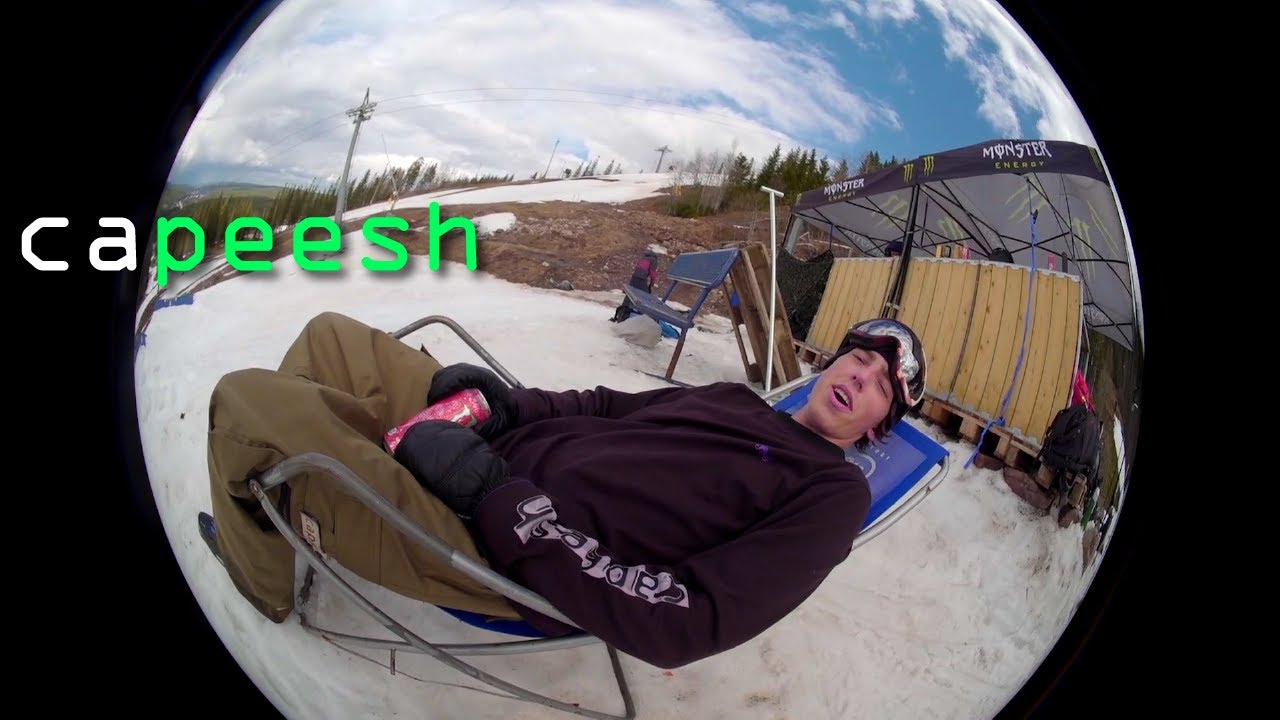
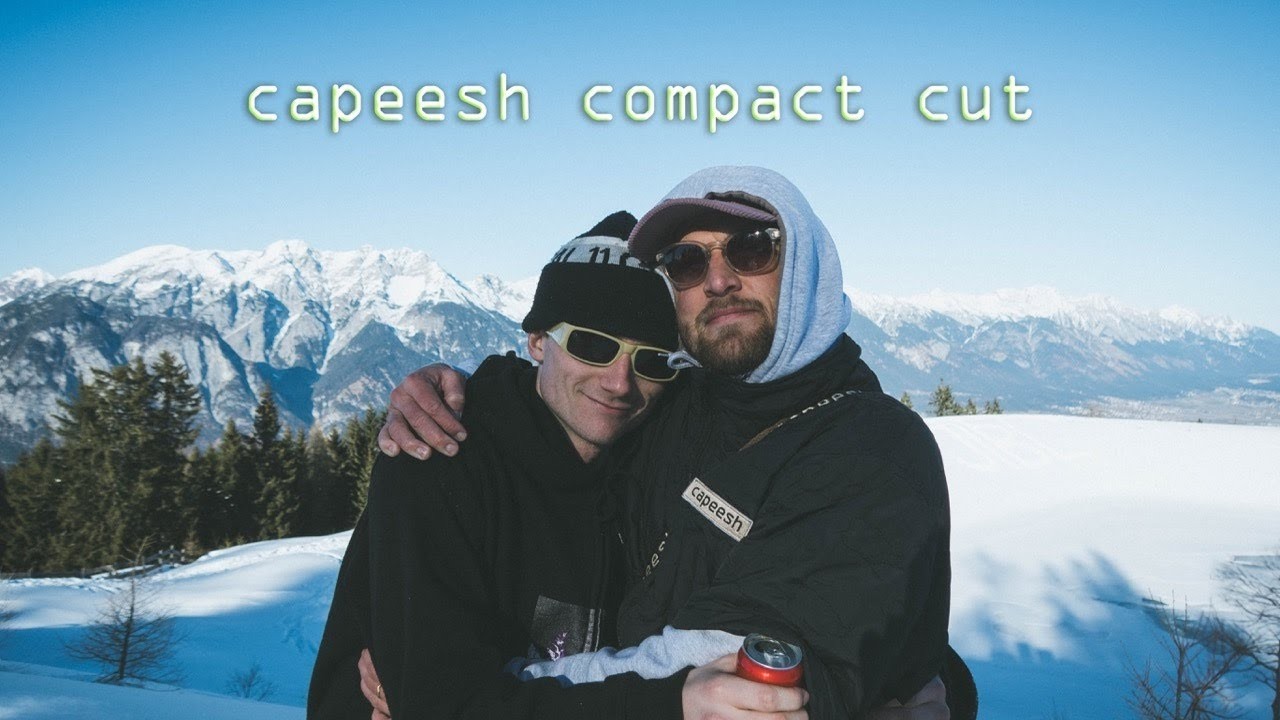
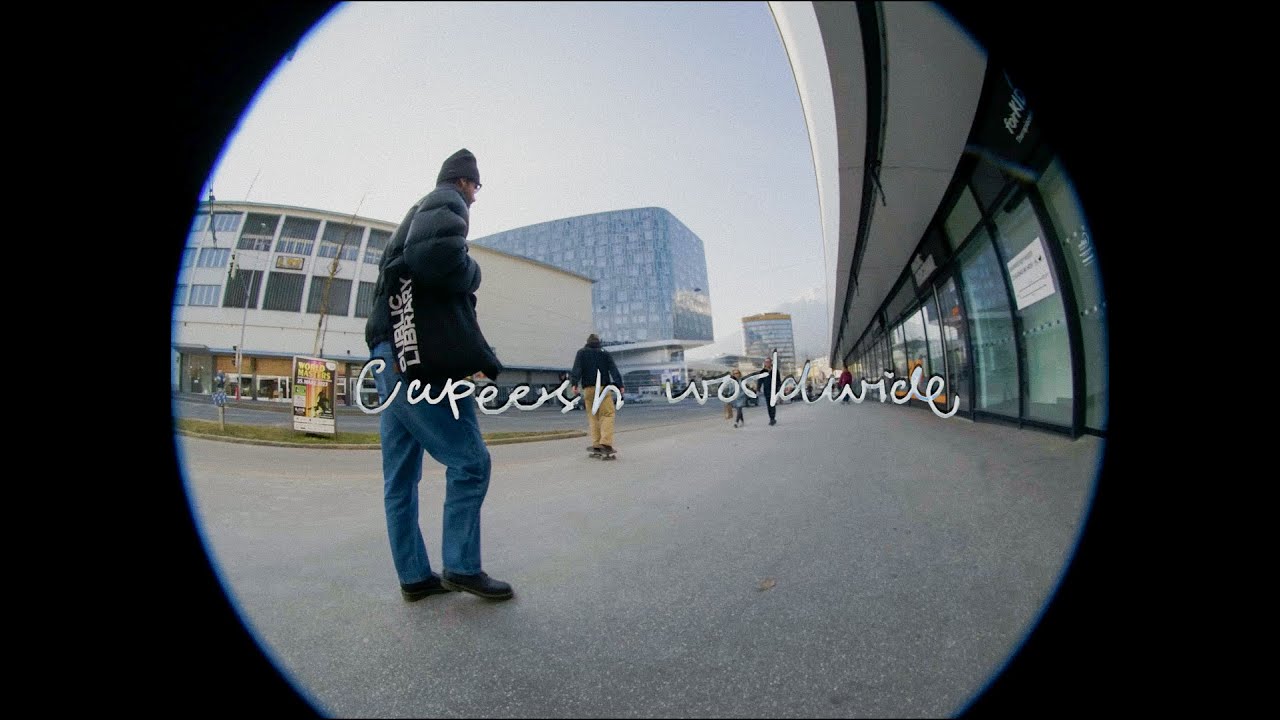
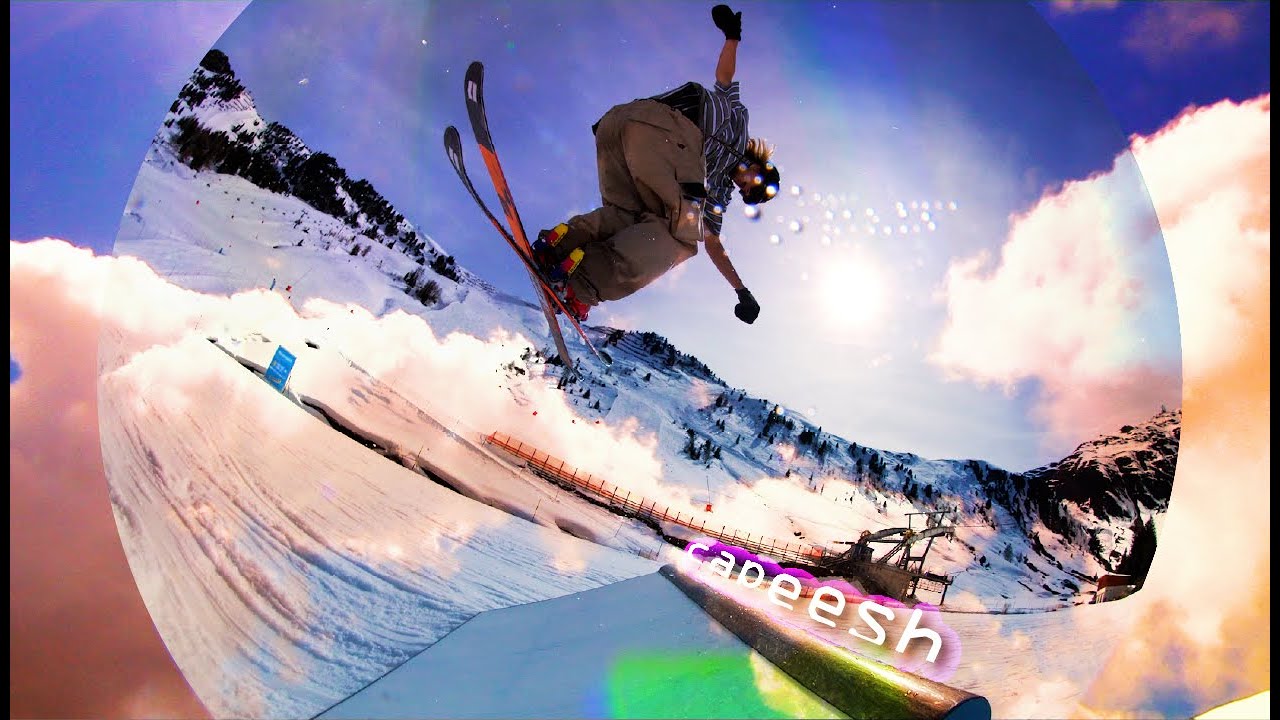
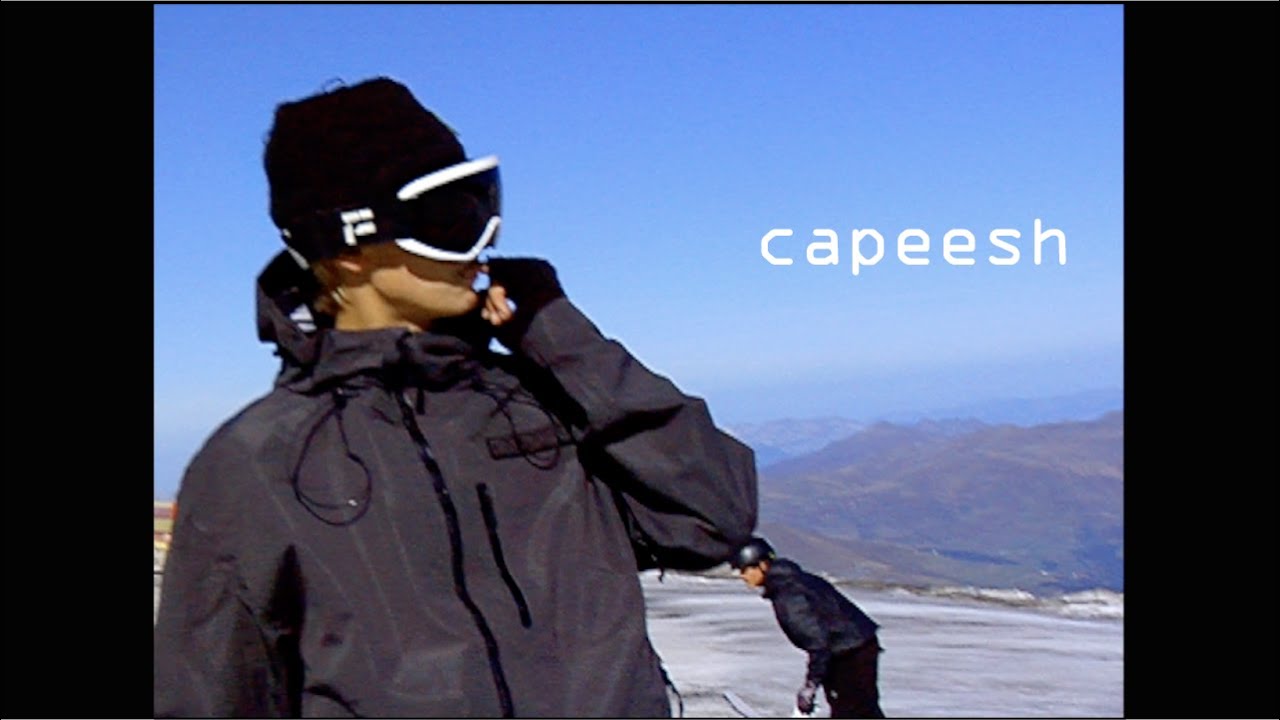
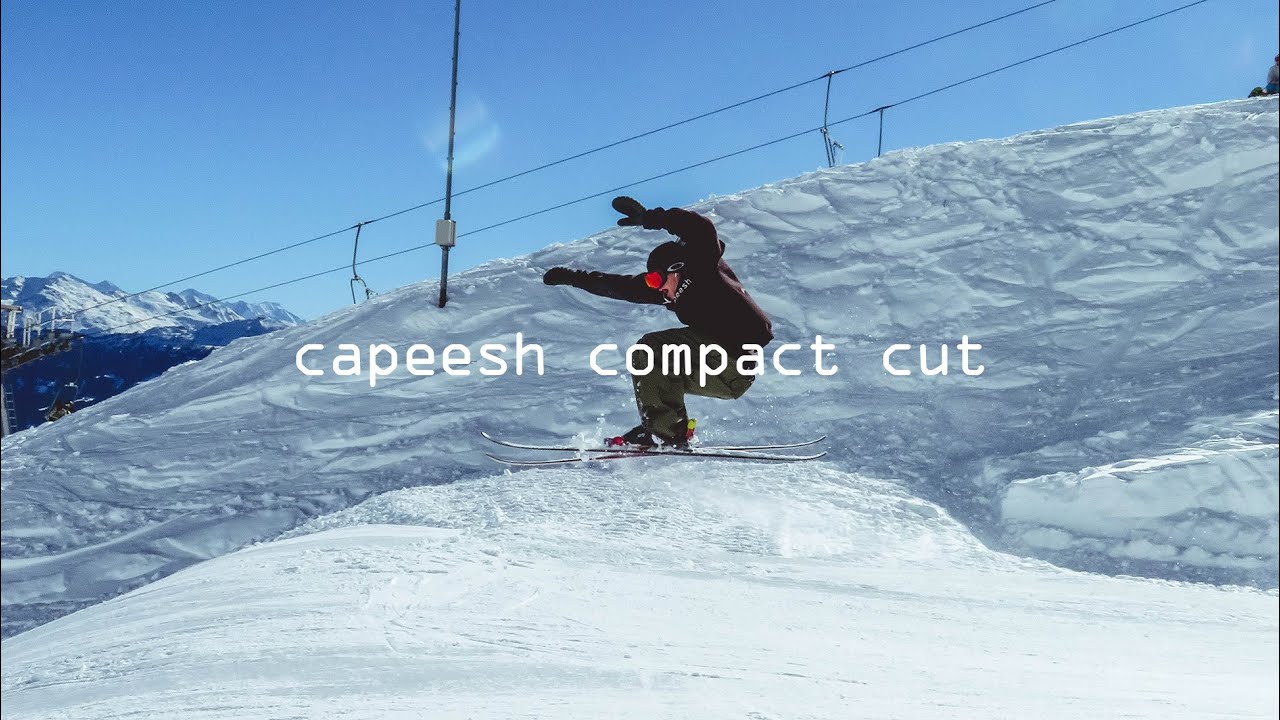
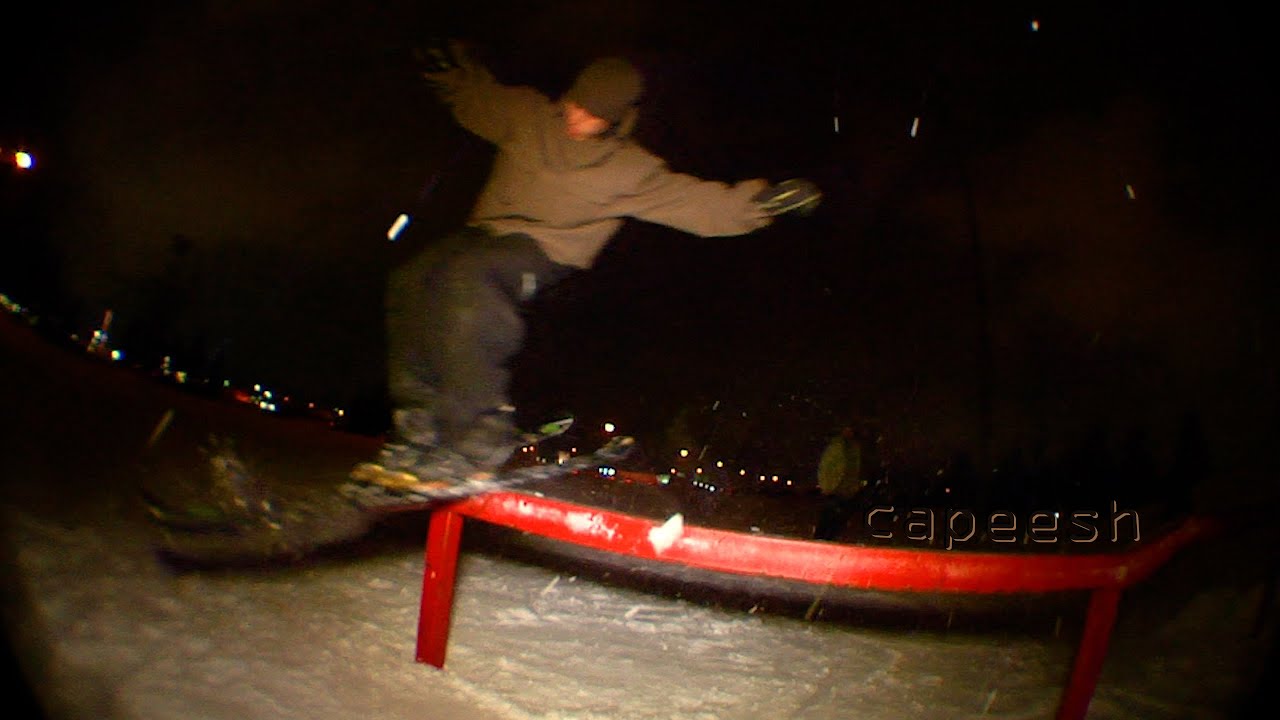
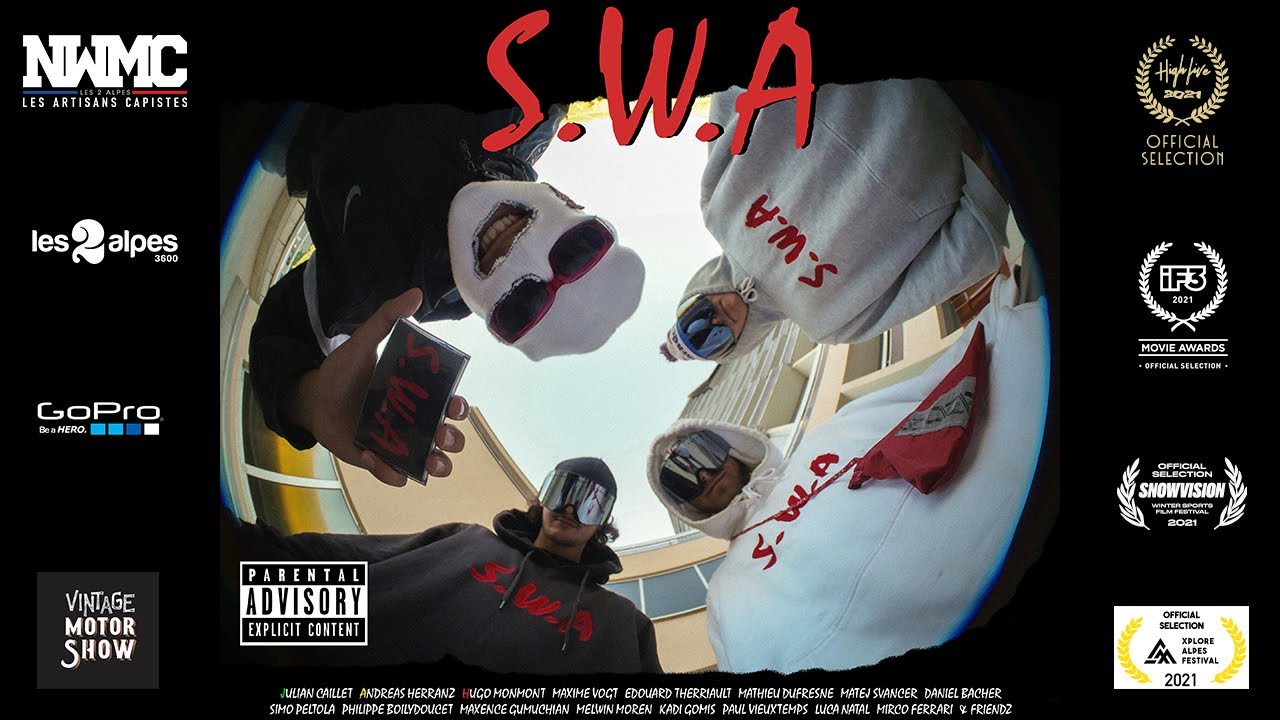
BUG Visionaries lists sponsors as Monster, Armada, K2 Boots, and Capeesh, while also naming skateboarding and music as hobbies. That combination mirrors the footage trail around him: park laps, street-informed movement, creative soft-snow tricks, and a looser media identity than a purely national-team profile.
Patscherkofel With The Boys
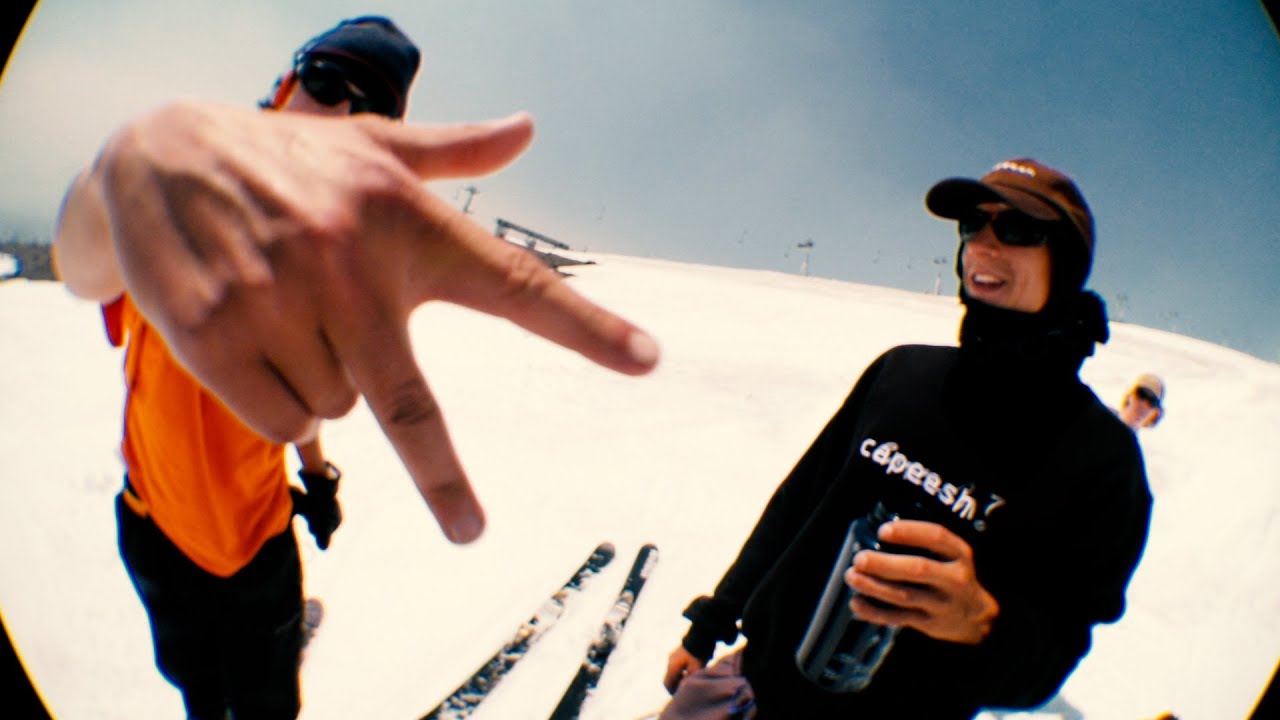
Downdays’ Core Shots episode gives one of the better snapshots of Bacher away from formal competition. Published in May 2022, it follows Dani B at home in Austria’s Stubaital, then moves to Patscherkofel snowpark for laps with his crew. The same piece calls him a Monster and Armada team rider and notes that people around the scene were already talking about him that season.
Patscherkofel is important because it keeps the story close to Innsbruck rather than turning him into a generic contest athlete. The resort sits above the city, with a park setting that rewards repeated hits, rail play, and relaxed sessions. That environment suits Bacher’s skiing better than a sterile training description. His tricks need time with friends, music, and terrain that invites small changes lap after lap.
The crew element matters. In freeskiing, a rider’s style often develops through who is watching from the side of the feature. Bacher’s public footage has the energy of a skier trying to make other skiers react, not only judges.
Aspen 2025 And The Knuckle Direction
After the 2024 Big Air bronze, Bacher returned to X Games Aspen 2025 in Men’s Ski Knuckle Huck and finished fifth. X Games describes that appearance as including the longest nose butter ever off the knuckle. In 2026, the same X Games history page lists him seventh in Aspen Knuckle Huck.
Those results point toward a specific direction. Knuckle Huck is judged less like classic big air and more like a style laboratory. The rollover becomes the feature. Butters, shifty moves, rodeos, tweaks, late spins, nose pressure, tail pressure, and landings all matter without the same demand for maximum height. Bacher’s strengths fit that format.
His FIS record currently lists him as not active, and Ski Austria’s 2025 conference news included Daniel Bacher among athletes being formally farewelled. Based on public records, the safest current reading is that his competition pathway is no longer a standard active FIS calendar. His visible value now sits in X Games clips, Armada and Monster media, Capeesh-linked edits, Downdays-style appearances, and the creative edge between big air and knuckle skiing.
The Austrian Path After The Bib
Bacher’s profile is still young, but it already has clear viewing points for skipowd.tv. Start with Krasnoyarsk 2021 for the double junior silver, then Beijing 2022 for the Olympic baseline. Move to Chur 2023 for the first World Cup podium, Aspen 2024 for the X Games bronze, and Aspen 2025 for the knuckle huck direction.
The key is not to frame him as a completed champion. His value is in a particular kind of skiing: switch tail butter 1440s, nose-butter knuckle work, creative takeoff use, and Stubaital park instinct carried into large venues. The next reliable footage trail is not a promised Olympic return. It is whatever he builds through Armada, Monster, Capeesh, Downdays, and the Austrian crew scene around Innsbruck.