Dalbello
Italy
Italian ski boot manufacturer | Founded 1974 by Alessandro and Giovanna Dal Bello after Swiss bootmaking roots | Known for: Cabrio three-piece construction, DRS race precision, Veloce Space BOA fit systems, IL Moro freestyle boots and Quantum touring models | Focus: progressive flex, anatomical fit and boot performance from race pistes to freeride landings and uphill missions
1974 in Asolo and the bootmaker path from leather to plastic
Dalbello is one of skiing’s clearest specialist stories: an Italian company built around ski boots, not a wider catalog of skis, bindings or apparel. Alessandro and Giovanna Dal Bello learned the craft of boot building in Switzerland in the 1960s, then returned to Italy and began producing under their own name in 1974. That timing matters. The 1970s were the decade when ski footwear moved decisively from stitched leather toward plastic shells, buckles and engineered flex patterns. Dalbello entered the market as that transformation was happening, giving the brand a technical identity from the start.
Its home region around Asolo and the Veneto sportsystem district also shaped the company. Northern Italy has long combined footwear know-how, mountain access and winter-sports manufacturing, and Dalbello used that environment to become a boot-focused name with global reach. By the 1990s, the brand had expanded across major markets such as North America, Germany and Austria, while staying tied to Italian bootmaking culture.
DRS, Veloce, Cabrio, IL Moro and Quantum across one boot wall
Dalbello’s modern catalog is built around skier intent. DRS sits closest to the race side of the wall, with a low-volume, power-focused feel for hard-snow skiers who want immediate transmission. Veloce and Veloce Space move that performance idea into all-mountain skiing, giving strong resort skiers a more accessible fit while keeping a precise overlap-boot character. Veloce Space BOA models use a Dual Dial BOA Fit System, a 101 mm adaptive fit and bi-injected shell construction to spread pressure evenly and improve comfort for long days.
The brand’s most distinctive identity is still Cabrio. In Dalbello language, cabrio means a three-piece architecture built from a lower shell, a cuff and an external tongue. This construction is designed for smooth damping, progressive power transmission, lateral support and shock absorption. Cabrio MV targets a 101 mm medium-volume fit, while Cabrio LV and Cabrio LV Free aim at narrower, stronger and more downhill-focused skiers. IL Moro carries the freeride and freestyle spirit, while Quantum serves touring and freetour skiers who care about uphill range of motion without giving up downhill confidence.
Progressive flex for skiers who move through the boot
Dalbello’s performance identity is less about chasing one flex number and more about how the boot reacts through the turn, landing or traverse. In race and piste models, the goal is direct pressure: the cuff needs to hold the lower leg, the heel pocket needs to stay quiet and the shell needs to translate subtle movements into edge angle. That is why DRS and Veloce appeal to skiers who spend time carving groomers, training gates or skiing firm snow where precision decides everything.
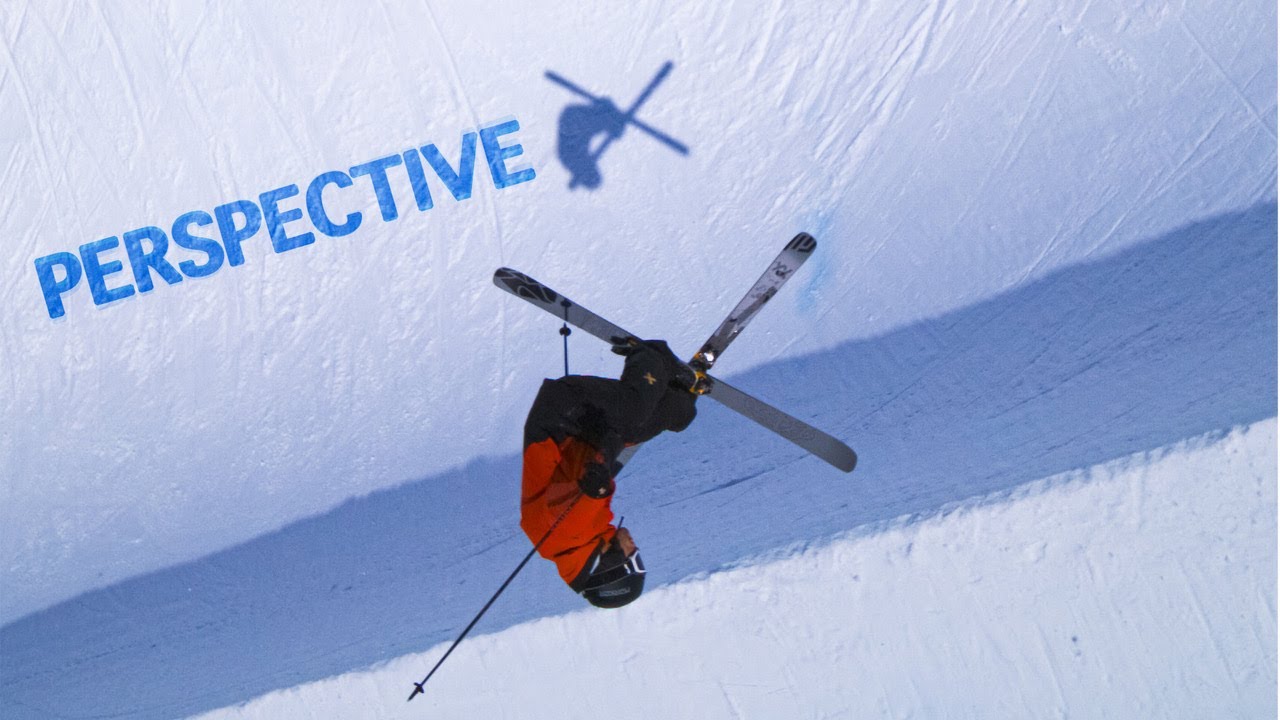
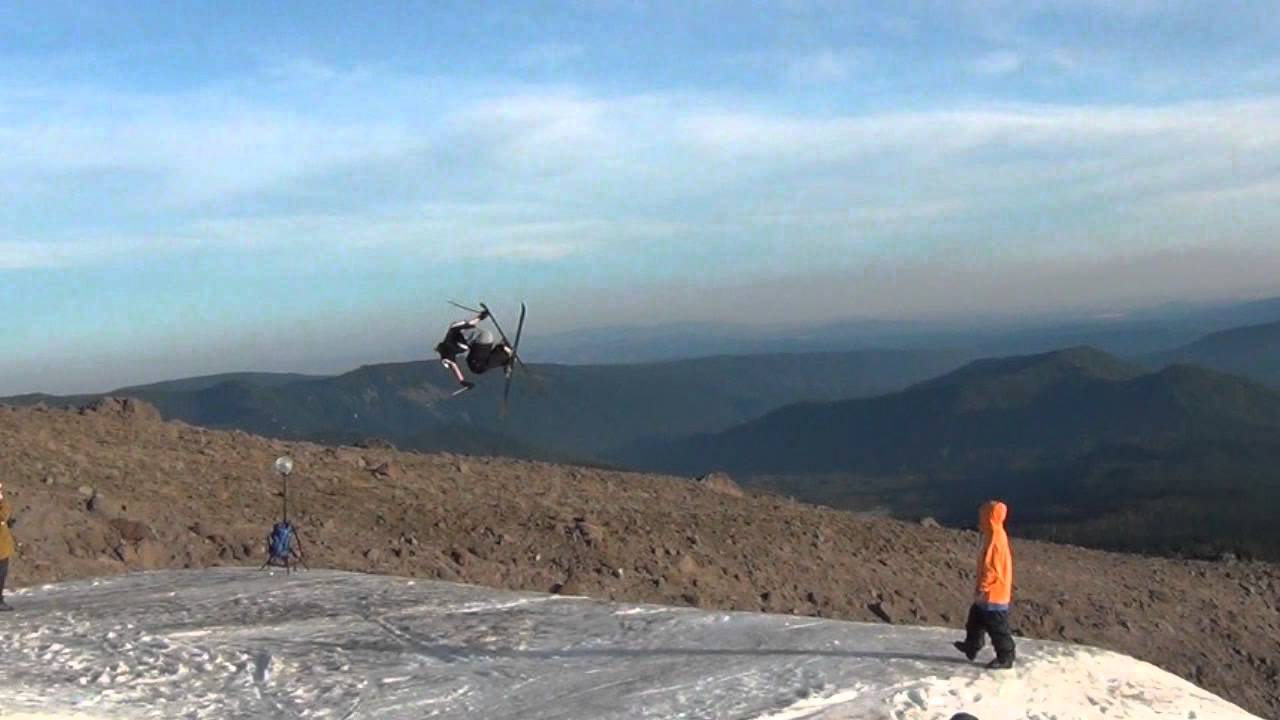
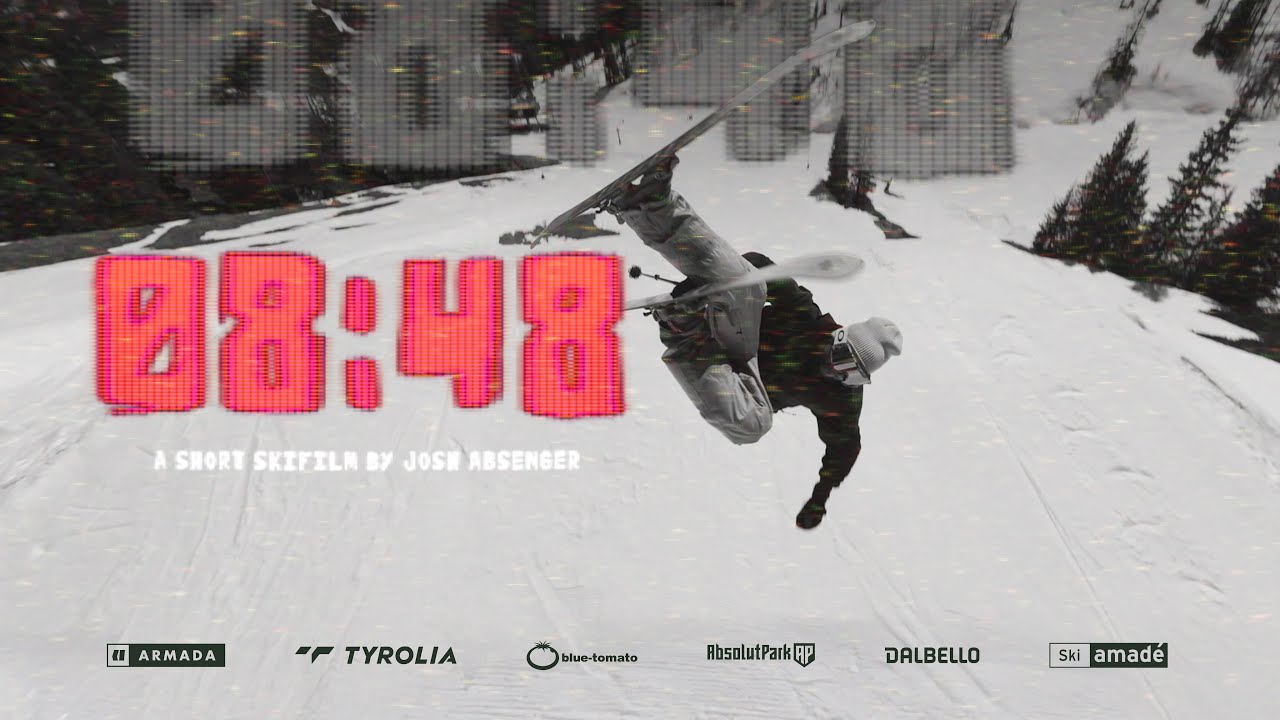
In Cabrio and IL Moro boots, the sensation changes. A three-piece shell can feel more elastic at the start of the flex, then become stronger deeper in the range. For freeride and park skiers, that matters when absorbing drops, pressing takeoffs, landing switch or skiing chopped snow at speed. The flex feels less abrupt than many traditional overlap boots, which is why Dalbello has remained relevant to skiers who move creatively rather than just driving forward in one position all day.
Glen Plake, Tanner Hall, Nick Goepper and the RDP generation
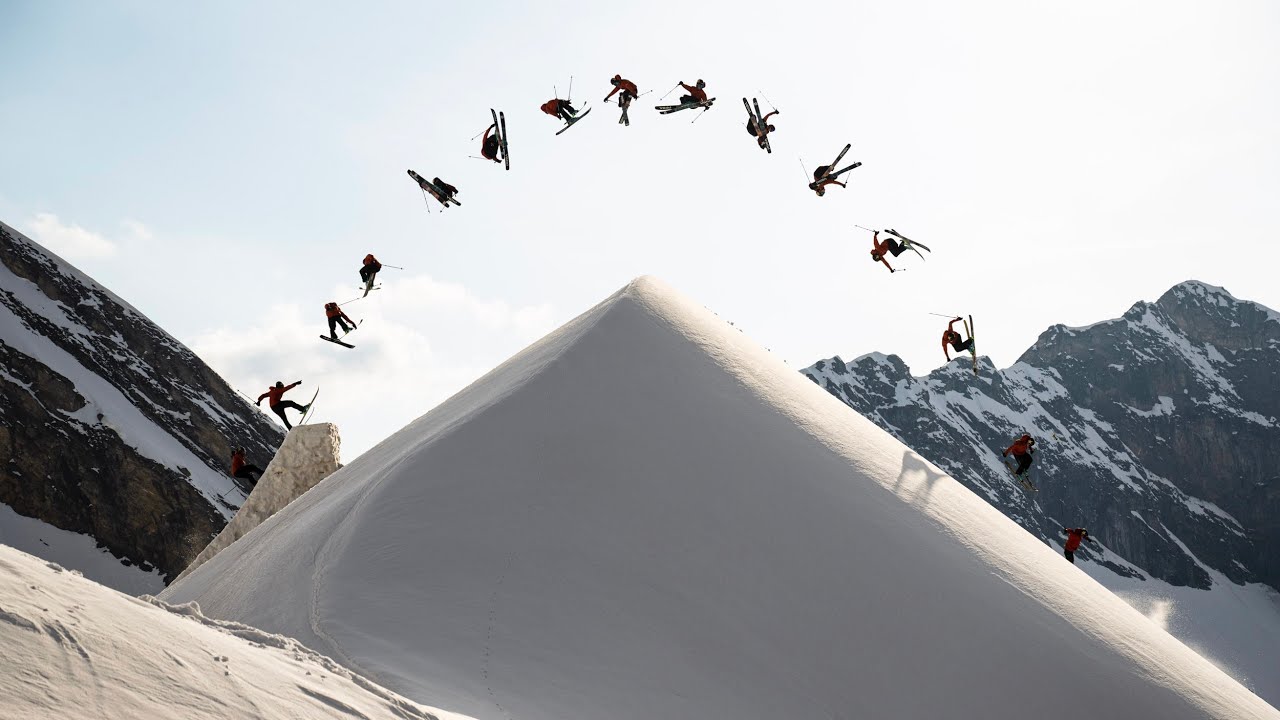
Dalbello’s credibility in freeskiing was strengthened by its Rider Development Program, a project associated with Glen Plake that brought athletes directly into boot development. The brand’s own history connects that era with names such as Tanner Hall, Nick Goepper, Kevin Rolland, Russ Henshaw and McCrae Williams. That roster explains why Dalbello became visible beyond race lanes. It was not only making stiff boots for gates. It was also trying to solve what park, pipe, freeride and big-mountain athletes needed from flex, rebound and impact absorption.
The current Dalbello Collective is presented across race, freestyle, freeride, touring and all-mountain categories. That breadth is useful for the brand because ski boots are intensely personal. A racer, a park skier and a touring skier may never want the same shell, but they all need the boot to disappear under pressure. Dalbello’s team presence gives the company testing feedback from very different types of skiing, from edge pressure to landings and skin-track transitions.
Veneto workshop roots with Alpine and global testing terrain
Dalbello’s origin in Asolo places the brand close to the Dolomites and the broader Alpine marketplace. That geography gives the brand a natural testing narrative: firm pistes, technical resorts, steep off-piste terrain and touring access all sit within the wider Alpine environment. A boot brand does not need a romantic origin story if the product is uncomfortable, but Dalbello’s location helps explain why fit, shell shape and material tuning are central to the company’s identity.
The brand now speaks to a global skier. Its Cabrio collection references everything from Whistler heli-skiing to Hokkaido tree runs, while its race and all-mountain boots remain relevant to European resort skiers and North American bootfitters. That mix is important. Dalbello is not only a local Italian name, and it is not only a specialist race-room label. It sits in the international boot conversation, especially for skiers who care about how flex feels in real terrain rather than only how a boot looks on a spec sheet.
Cabrio shells, BOA fit and circular thinking in the boot category
Construction is where Dalbello’s identity becomes most visible. Cabrio boots use separate parts to tune flex and support, while Veloce Space BOA models focus on wrap, pressure distribution and fit adjustment. The BOA-equipped Veloce Space line adds Quick Fit Panel technology for easier entry and exit, adaptive liners with memory foam zones and ankle-focused sensitivity features. These are not cosmetic details. In ski boots, small fit and entry improvements can decide whether a skier lasts two runs or a full day.
Dalbello also participates in broader sustainability work through the LIFE re-WINTER project, an EU-funded circularity initiative coordinated by Dalbello with partners including Marker, Völkl, Plasticsort, Innovando, DIWORKS and RE SPORT. The project aims to collect end-of-life skis, boots and bindings from rental networks and turn recovered materials into new high-performance gear. Ski boots remain complex plastic products, but this kind of project shows Dalbello working on the hard part of circularity: recovering useful material from multi-material winter equipment instead of treating it as waste.
Choosing Dalbello by fit volume, flex feel and terrain
The right Dalbello boot starts with fit, not with the strongest flex number. Skiers who want piste precision, race heritage and firm support should begin around DRS or Veloce, depending on how aggressive and narrow they need the boot to feel. Strong all-mountain skiers who want comfort and high control may look at Veloce Space BOA, especially if even pressure over the instep and easier micro-adjustment matter.
Freeride and freestyle skiers should look at Cabrio or IL Moro first. Cabrio MV gives more room through a 101 mm medium-volume platform, while Cabrio LV targets narrower feet and stronger downhill demand. Cabrio Free versions make sense for skiers who want a hike mode or spend part of the day outside the resort boundary. Touring-first skiers should compare Quantum models, while remembering that the lightest boot is not always the best boot if the descent is technical. For Dalbello, the smarter question is not only where you ski, but how you want the boot to flex when terrain gets unpredictable.
Why bootfitters and freeriders keep Dalbello in the conversation
Dalbello matters because ski boots are the least forgiving piece of ski equipment. A ski can be playful, stiff, wide or narrow, but a bad boot ruins every category. Dalbello built its reputation by focusing on the connection point between skier and ski: foot hold, cuff support, flex rhythm, shock absorption and progressive response. That focus is why the brand has remained relevant from race slopes to park landings and freeride lines.
For riders, the appeal is practical. Dalbello gives options for skiers who do not want every boot to feel like a harsh overlap shell, while still offering race-derived models for those who do. Its strongest identity sits in that middle ground where fit, flex and terrain meet. Whether someone is carving groomers in a Veloce, landing sideways in an IL Moro, charging in a Cabrio LV or touring in a Quantum, the brand’s value is the same: a boot should hold the skier precisely, flex naturally and stay supportive when the mountain gets rough.