Sweden
Scandinavia
Sweden
Scandinavian ski region from Jämtland to Lapland | Known for: Åre, Kläppen Snowpark, Sälen, Riksgränsen, Stockholm street skiing, Swedish rail culture, SBMC and late spring Arctic freeride | Season: November to May depending on latitude and resort | Best for: park riders, rail skiers, spring freeriders, street crews and skiers who value repetition, clean logistics and long northern light
Åreskutan And The Northern Ski Map
Åre sits under Åreskutan, a 1420 meter mountain in Jämtland, and gives Sweden its most complete resort anchor. SkiStar lists 89 slopes and 47 lifts across the Åre system, while Visit Sweden describes the country as having more than 100 ski resorts. That national spread matters. Sweden is not one mountain valley with a famous lift. It is a long winter map running from Stockholm’s urban slopes to Dalarna parks, Jämtland resort culture and Lapland spring freeride.
The ski identity is built on repetition more than vertical drama. Many Swedish hills are compact, well lit, cold, organized and easy to lap. That structure has produced a strong rail and park language: technical features, clean approaches, evening sessions and riders who learn tricks through volume. The far north adds the opposite feeling. In Lapland, Riksgränsen turns the end of winter into a freeride season of its own, with natural snow, wind built features and midnight sun.
Åre Parks And The Jämtland Resort Core
Åre is the national reference because it combines village life, lift scale, competition infrastructure and freestyle terrain in one place. Bräcke is the key park zone, with progressive lines and the Garden area giving riders useful repetition close to the lower mountain. The resort’s wider terrain adds steeper central skiing, Björnen’s more protected family and progression slopes, and Duved Tegefjäll for quieter laps when wind or crowds shift the day’s plan.
Åre also carries Sweden’s major event memory. The resort hosted the FIS Alpine World Ski Championships in 1954, 2007 and 2019, giving it a broadcast and course building history that still supports its modern mountain identity. For freeskiers, the alpine racing story is not the main attraction, but it explains why Åre feels more complete than a simple local park hill. It has the infrastructure to handle serious winter sport, while still giving riders a Swedish resort atmosphere built around trains, compact lodging, restaurants and night sessions.
Kläppen Snowpark And The Sälen Progression Belt
Kläppen Snowpark is Sweden’s clearest freestyle venue. The official park page describes it as the national arena for freeskiing and snowboarding, with an area as large as 14 football pitches and several progressive lines. That role is important because Kläppen does not function like a side park hidden at the edge of a resort. It is a purpose built training environment where rail riders, jump skiers and national team athletes can work through a structured ladder.
Sälen gives that park identity a larger destination frame. SkiStar presents Sälen as Sweden’s largest ski resort area, with 101 slopes and 105 lifts across linked ski areas such as Lindvallen, Högfjället, Tandådalen and Hundfjället. For freeskiers, Sälen is not about giant faces. It is about repeatable winter surfaces, family friendly logistics, rails, small jumps, night sessions and progression days where the same feature can be hit many times. That is exactly the environment that builds technical skiers.
Riksgränsen And The Lapland Spring Finale
Riksgränsen gives Sweden its strongest freeride myth. The resort sits above the Arctic Circle near the Norwegian border, and its ski calendar flips the normal European rhythm. While many resorts are closing, Riksgränsen moves into its most distinctive period: long days, spring snow, natural features and late season freeride sessions under Arctic light. The mountain is small on paper, but it skis larger because wind, open terrain and short hikes create more line choice than the lift count suggests.
The Scandinavian Big Mountain Championships turns that setting into a cultural event. The official SBMC site describes the competition as arranged annually since 1992 at Riksgränsen, while the Riksgränsen event page presents it as the grand finale of the European freeride season. For Sweden, this is a key proof point. The country is not only park and rail repetition. It also has a freeride tradition built around line choice, steep natural terrain, spring snow and a gathering that has lasted more than three decades.
Stockholm Hills And Swedish Street Logic
Stockholm adds an urban layer that helps explain Swedish freeski style. Hammarbybacken sits inside the capital’s metro area, and smaller urban hills around Sweden give riders access to short slopes, floodlights and quick sessions. Those spaces do not compete with Åre or Riksgränsen on mountain scale. They teach timing, edge pressure and the habit of seeing features where others see infrastructure.
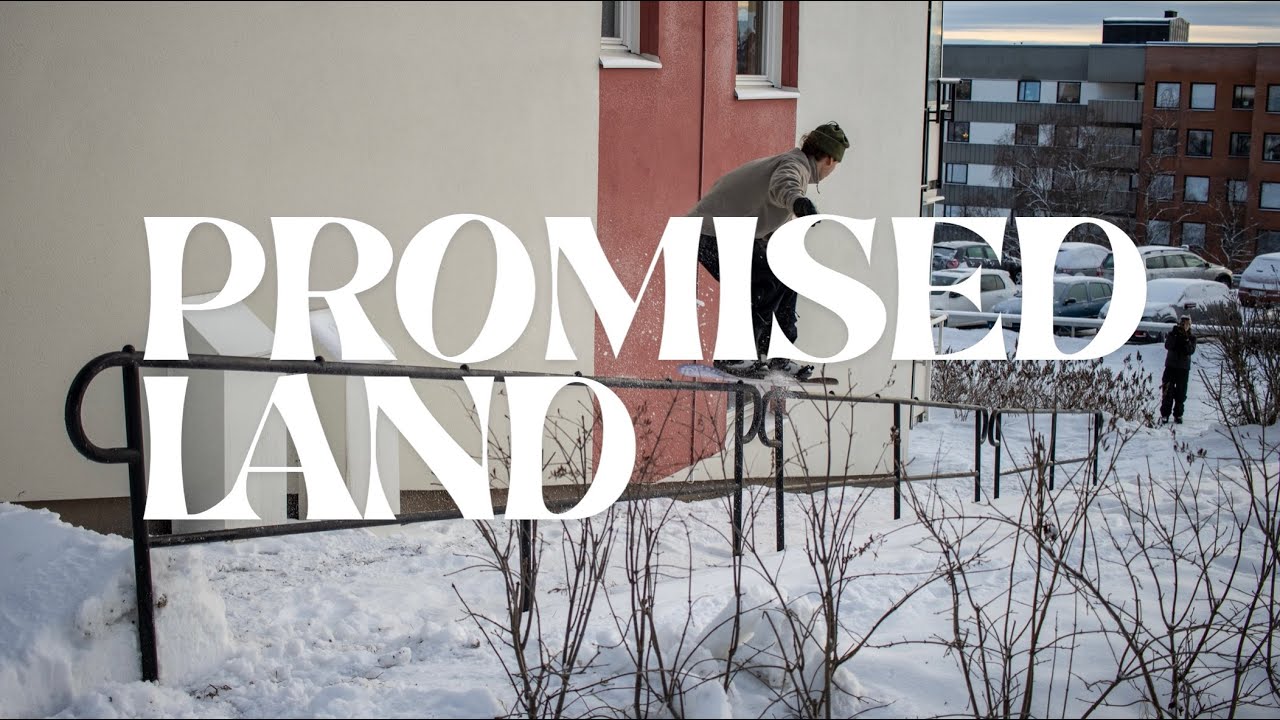
That logic connects directly to Swedish street skiing. Rails, ledges, banks, snow piles, stair sets and night lighting all fit a country where winter cities can become part of the ski map. Swedish crews have often leaned into fisheye texture, tight spots and precise rail work rather than relying only on big terrain. The result is a style that can move from a capital hill to Kläppen’s park lines, then into a Riksgränsen spring session without losing its technical base.
Tjäder Rails Harlaut Style And Palm Freeride
Jesper Tjäder is one of the clearest athletes for understanding modern Swedish freeskiing. His profile links Åre, Olympic slopestyle, Knuckle Huck creativity and the 154.49 meter rail slide record into one career. That combination says a lot about the national style. Sweden produces riders who can compete under strict judging, but who still treat rails, concept builds and strange features as serious skiing.
Henrik Harlaut adds another branch: style driven big air, street, slopestyle, Armada culture and a long international career that keeps Swedish freeski visible far beyond Scandinavia. Max Palm adds the freeride side, with Swedish roots and modern big mountain trick selection connecting the country to the Freeride World Tour and film projects. Together, those athletes show why Sweden should not be reduced to one discipline. It has contest skiers, street skiers, park inventors and freeriders feeding the same national vocabulary.
Armada Clips And The Skipowd Sweden Archive
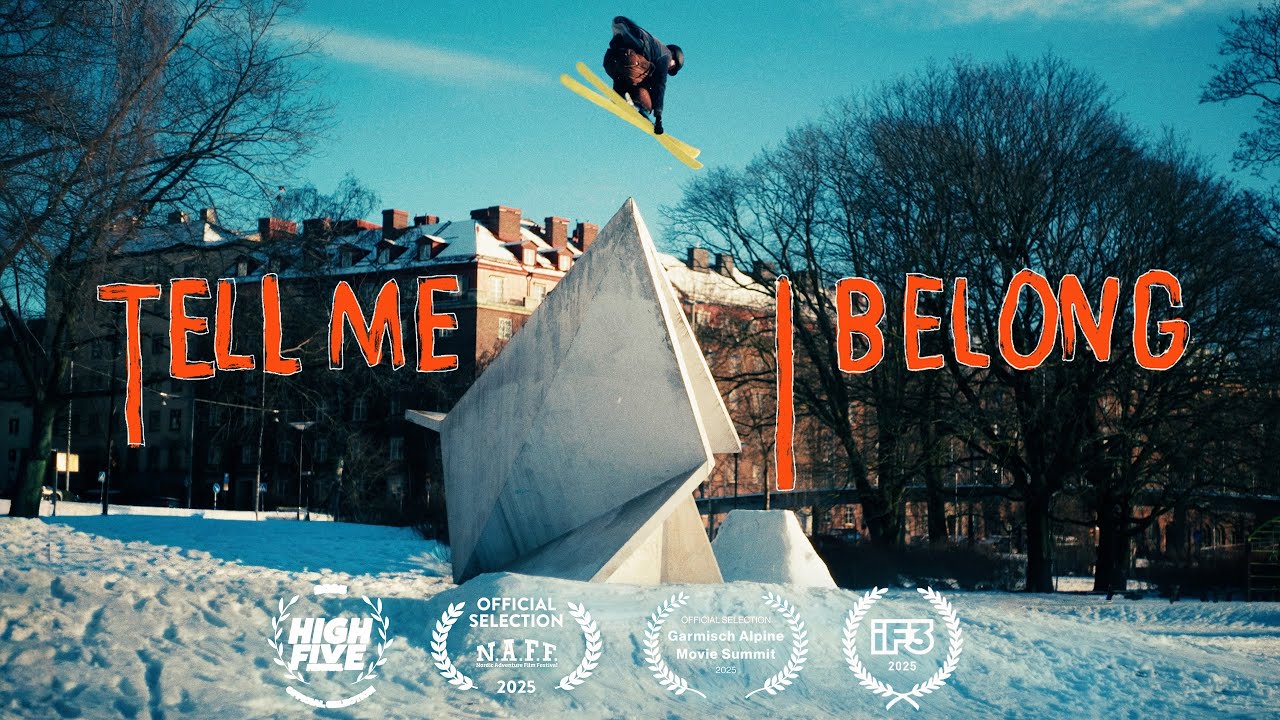
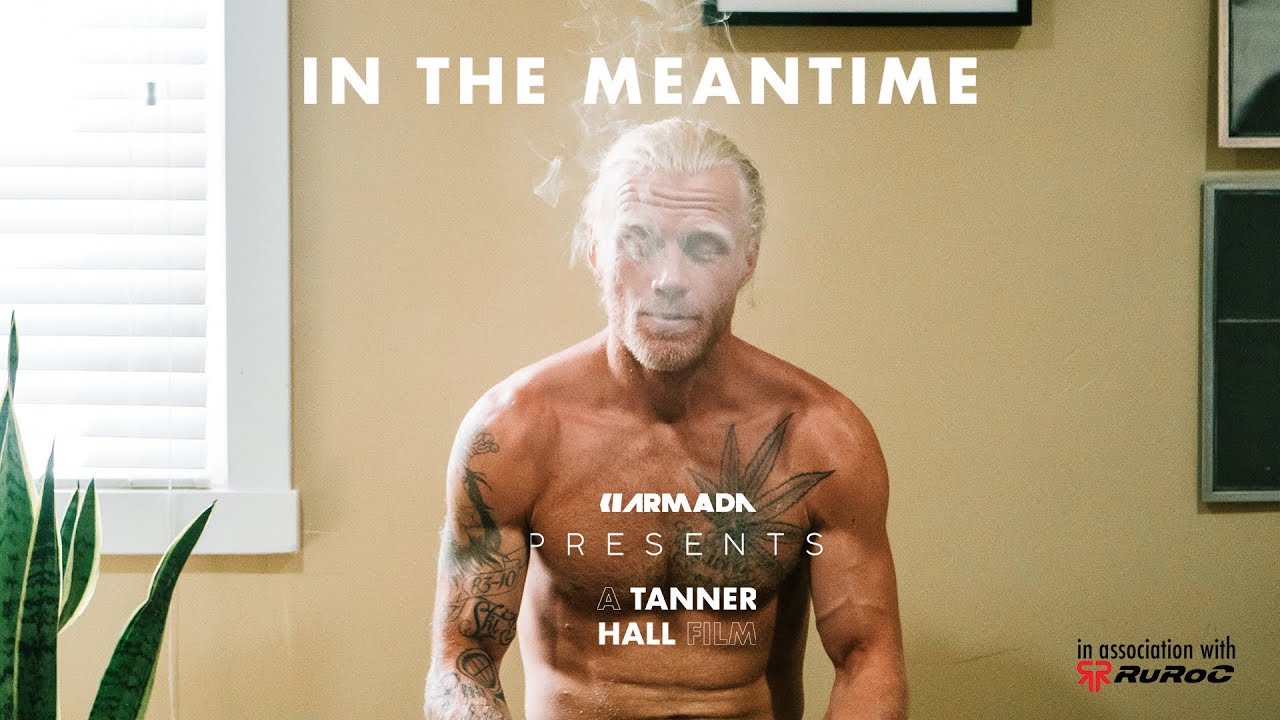
The current skipowd.tv Sweden page already carries two videos, including “Tell Me I Belong” and “In the Meantime,” with Sweden appearing beside street, backcountry and park categories. That archive is small but useful because it points in the right direction. Sweden’s location identity is not only resort information. It is connected to video texture: rail lines, urban edits, Riksgränsen raw clips, spring slush, technical park skiing and athlete driven projects.
Armada appears repeatedly in Swedish related archive threads through Henrik Harlaut, Kim Boberg, Jacob Wester, Philip Casabon and Riksgränsen linked clips. The brand connection should not be forced as a national sponsor story, but it is relevant to Swedish freeski media. Armada’s team history helped carry Swedish style into global edits, especially through Harlaut’s contest and film presence. For a regional page, that gives Sweden a strong bridge between local terrain and international video culture.
Night Trains Cold Snaps And Long Spring Travel
Sweden’s logistics are part of the ski experience. Åre is reachable by train, including night train options from the south. Sälen has road and airport access through the Scandinavian Mountains travel corridor. Riksgränsen can be reached by rail through Kiruna, Abisko and the Narvik line, making the northern trip feel like a real Arctic ski mission rather than a standard airport transfer. That train culture fits the country’s mountain geography.
The season changes by latitude. Dalarna and Jämtland are strongest from January through March for park speed, cold groomers and controlled surfaces. April brings longer light, softer landings and better filming windows. Riksgränsen is different: late April, May and selected June windows can become the target because the far north holds snow while daylight stretches deep into the evening. A good Sweden trip should not try to ski every zone the same way. It should follow the calendar north.
Avalanche Awareness And Swedish Park Etiquette
Lavinprognoser is Sweden’s national avalanche information service, run as a service from Naturvårdsverket, the Swedish Environmental Protection Agency. That resource matters most in places like Riksgränsen, Åre sidecountry and northern touring terrain, where wind, cornices, storm slabs and spring wet snow can change conditions quickly. Beacon, shovel, probe and partner rescue skills belong in the kit once skiers leave managed pistes or travel into avalanche terrain.
Park etiquette is just as important in the southern and central resorts. Swedish parks often run on tight sessions and repeated laps, so predictable behavior matters. Inspect features, call drops, keep filming crews clear of landings, respect reshape work and avoid standing on knuckles. In night sessions, use low light lenses and give more spacing than usual. Sweden’s strongest ski culture is built on shared repetition, and shared repetition only works when riders protect the flow.
The Sweden Reason For Freeskiers
Sweden matters because it turns consistency into style. Åre supplies the complete resort base. Kläppen gives the country a national park arena. Sälen builds family and freestyle repetition. Stockholm keeps urban skiing close to the city. Riksgränsen sends the season into Arctic freeride. Swedish athletes then carry that terrain language into Olympics, X Games, street films, FWT runs and brand projects around the world.
For skipowd.tv, Sweden deserves a 4/5 regional profile because it is one of Europe’s strongest freeski culture countries, even if it lacks the single global destination mythology of Hokkaido, Chamonix or Colorado. Its strength is the system: short laps, precise rails, cold surfaces, long spring light, strong parks, athlete output and a northern freeride finale that makes the Swedish season end differently from almost anywhere else in Europe.