Armada
United States
Brand overview and significance
Armada is widely recognized as skiing’s pioneering athlete-founded brand. Launched in 2002 by a crew of influential freeskiers and creatives, it set out to build equipment around how modern skiers actually ride—park, powder, streets, and big, natural terrain—rather than filtering innovation through traditional race heritage. The brand’s identity has remained anchored in rider input and film culture, with a product line that mirrors the creative, playful approach that reshaped freeskiing in the 2000s and beyond. In March 2017, Amer Sports acquired Armada, bringing the label into the same winter portfolio as other major ski manufacturers while preserving its athlete-led philosophy and distinct design language.
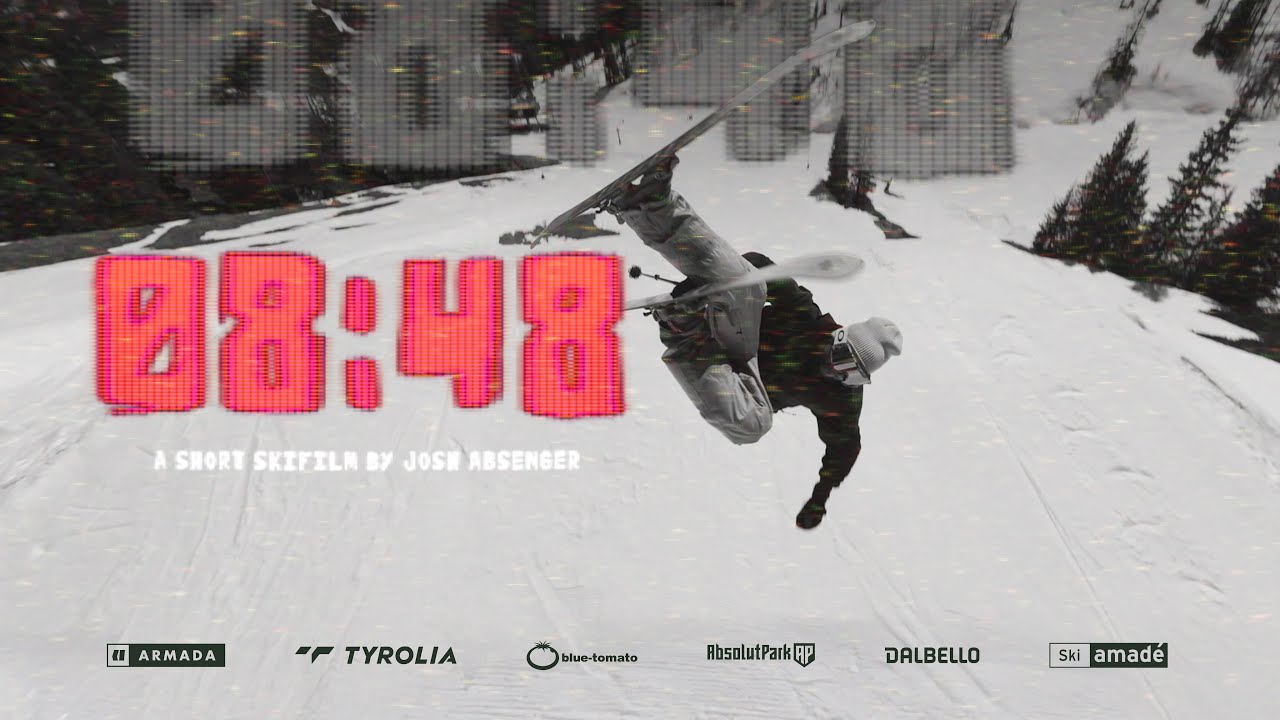
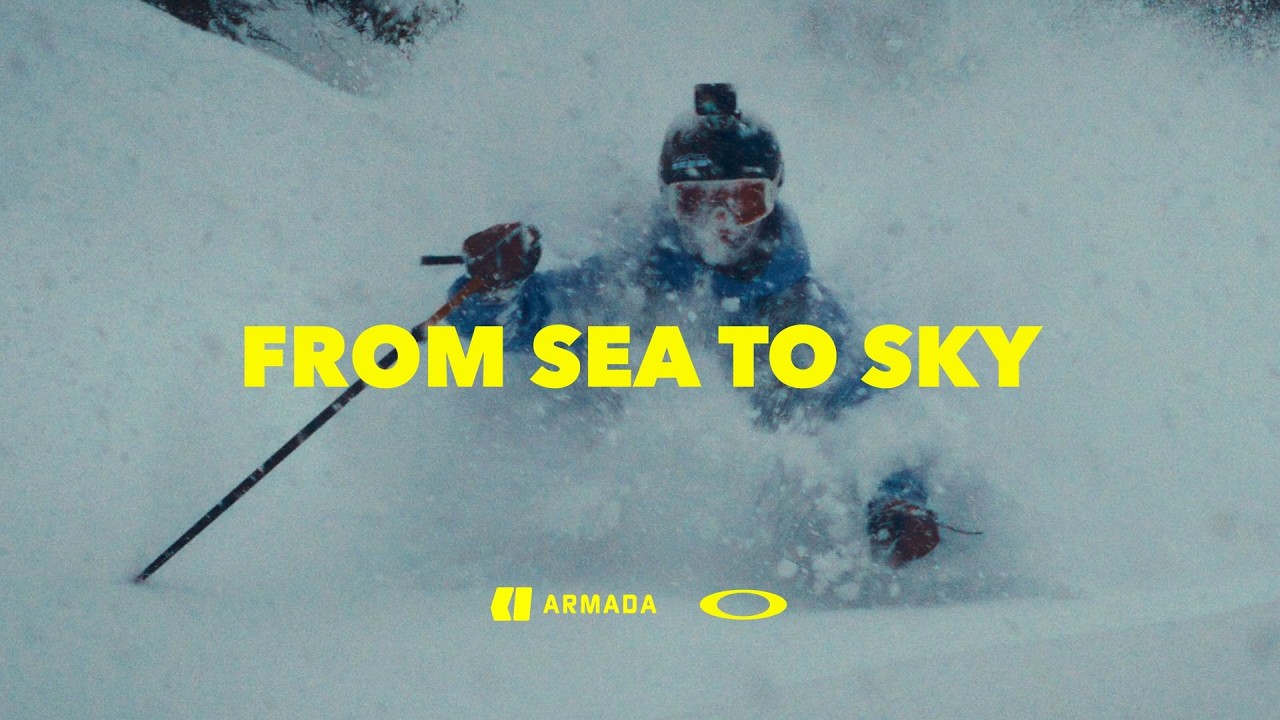
Armada operates from the Wasatch and the Alps, with day-to-day brand life connected to Park City Mountain in Utah and a European hub near Innsbruck. That cross-Atlantic footprint helps shape a catalog that feels at home in North American freeride zones and on the varied snowpacks and park scenes of the Tyrol. Culturally, Armada remains closely tied to athlete films, creative web series, and team projects—touchstones that communicate the skis’ intended feel as much as spec sheets do.
Product lines and key technologies
Armada’s lineup is organized by intent, not marketing buzzwords. The ARV/ARW family represents the brand’s all-mountain freestyle DNA; Declivity and Reliance (directional all-mountain) serve resort skiers who want confidence at speed and on edge; Locator targets fast-and-light touring; and signature freeride shapes such as the Whitewalker translate film-segment creativity to deep snow and mixed terrain. Within those families, Armada refines behavior with a set of in-house technologies that have become calling cards.
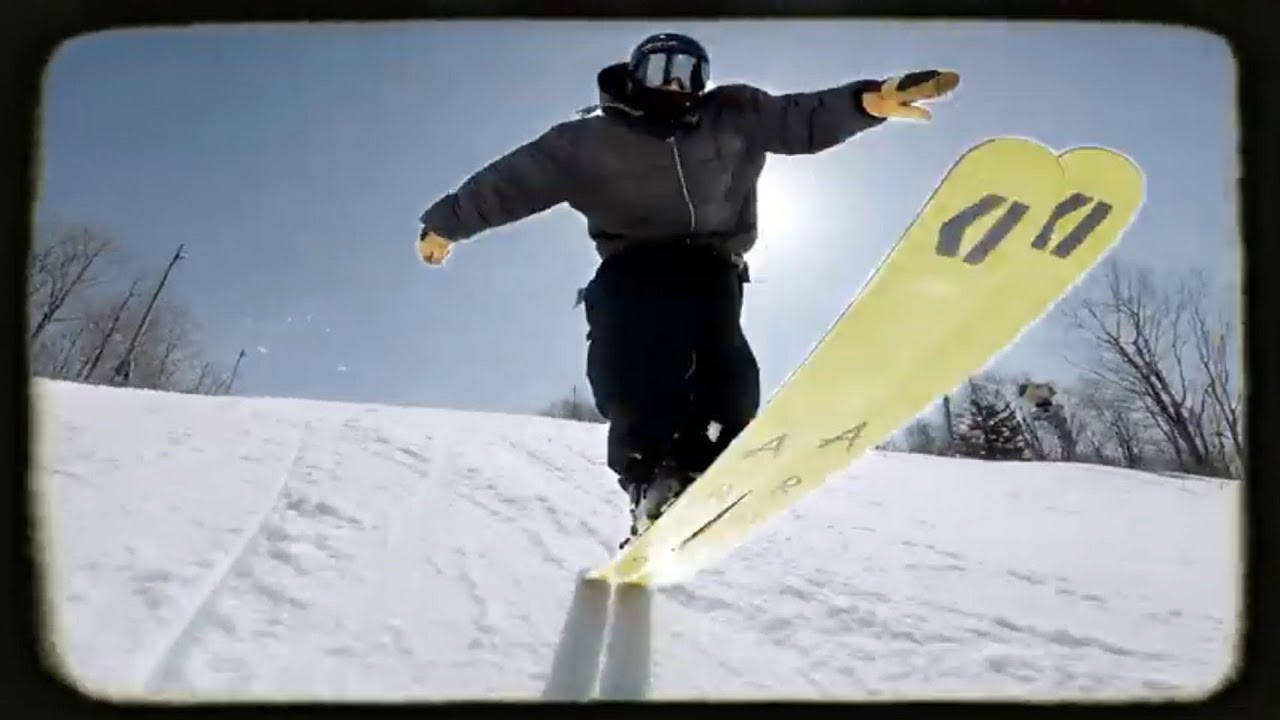
Two construction ideas stand out. First, rocker/camber profiles like AR Freestyle Rocker and EST Freeride Rocker blend long, forgiving rockered zones with positive camber underfoot to preserve edge hold. Second, base and sidewall details tune how the ski releases and smears: Smear Tech adds subtle 3D beveling in the tips and tails for drift, pivot, and catch-free butters, while AR75/AR100 sidewalls and tailored cores (including lightweight Caruba in touring models) balance mass reduction with damping and strength. Together these choices explain why Armada skis often feel both lively and composed—easy to pivot yet trustworthy when speed comes up or the snow gets choppy.
Ride feel: who it’s for (terrains & use-cases)
If you like your all-mountain laps to include side-hits, switch landings, and a bit of exploration off the groomer, Armada’s ARV/ARW models are designed for you. They’re energetic, smearable, and predictable in variable resort snow, with enough camber to carve cleanly back to the lift. Resort chargers who prioritize directional stability and precise edge feel will gravitate toward Declivity and Reliance: more metal and more length options yield a calmer ride on hardpack, while still keeping the Armada “surf” in soft conditions. For backcountry skiers who want to keep the uphill efficient without giving up fun on the way down, the Locator series blends low weight with real-snow suspension. And on storm days and film-project lines, signature freeride shapes like Whitewalker are aimed at powder, pillows, and wind-affected steeps where you want loose, pivotable tips, supportive platforms, and confident landings.
Team presence, competitions, and reputation
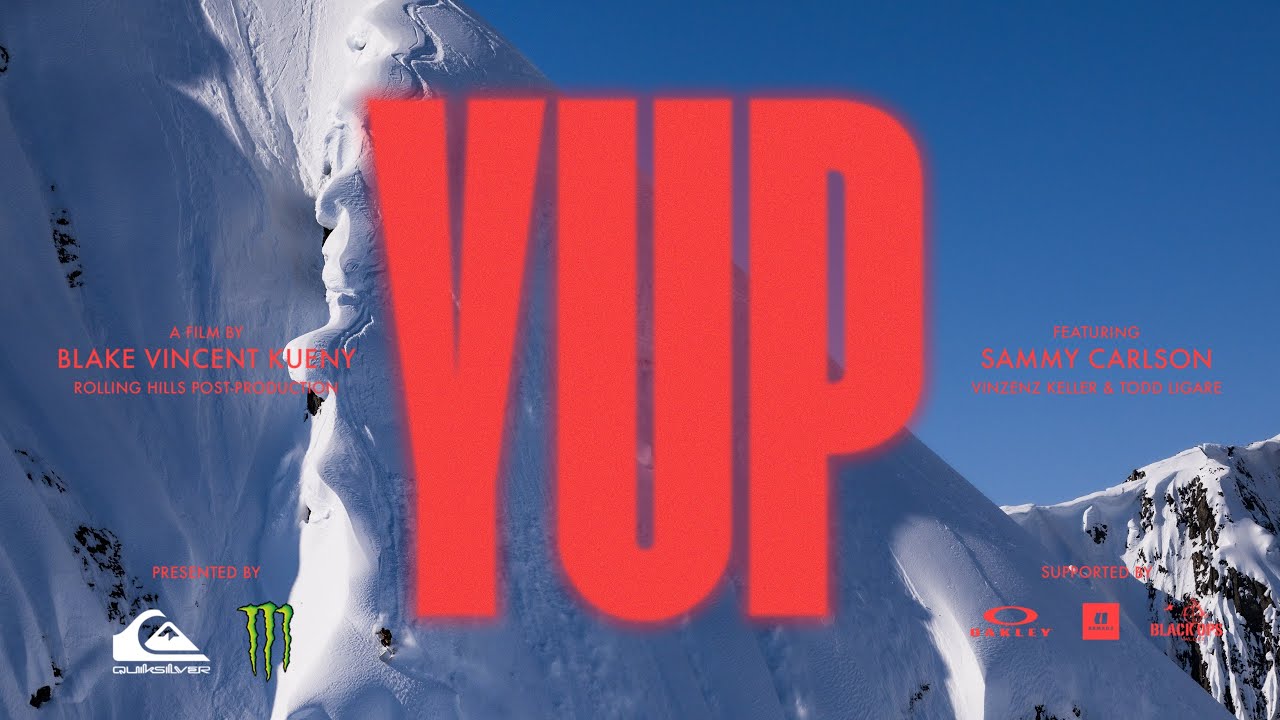
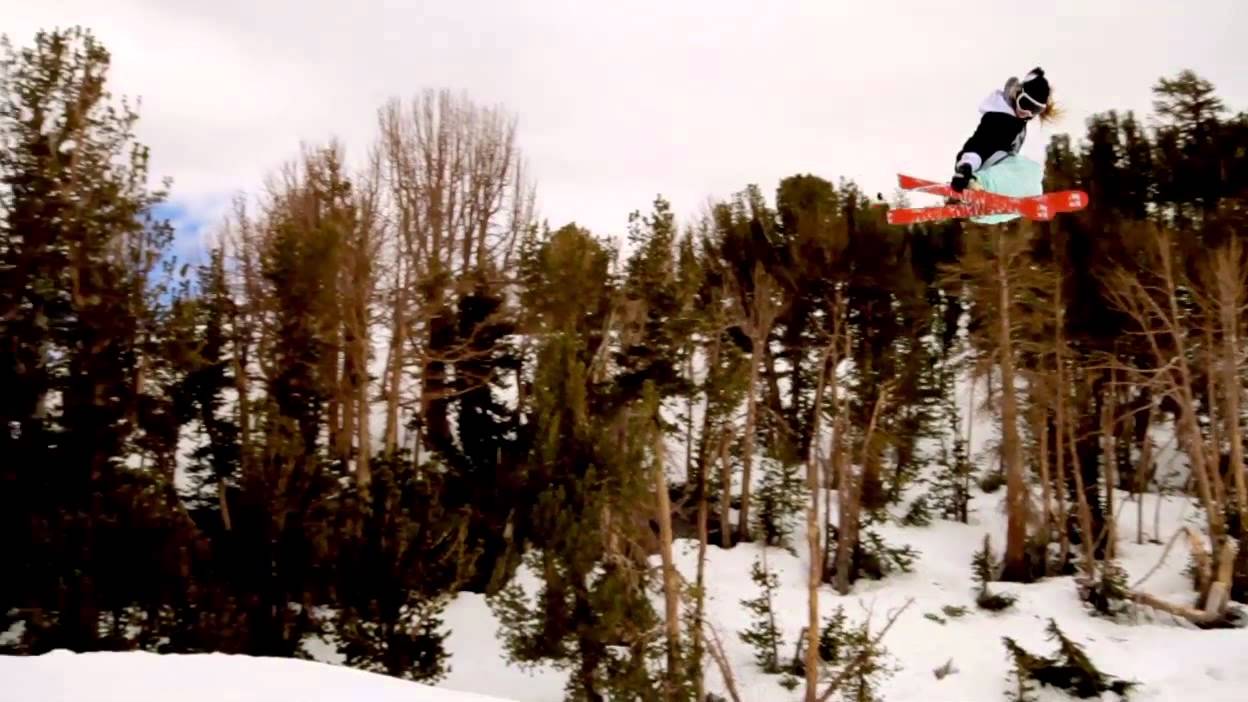
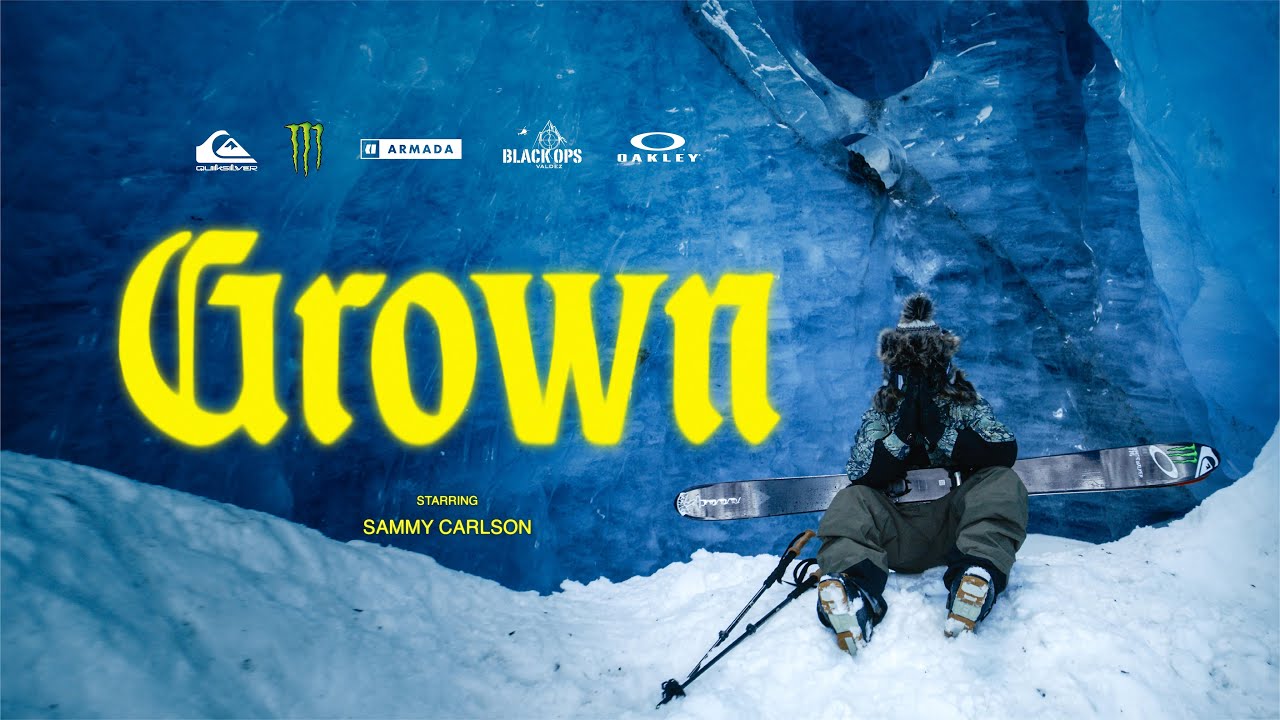
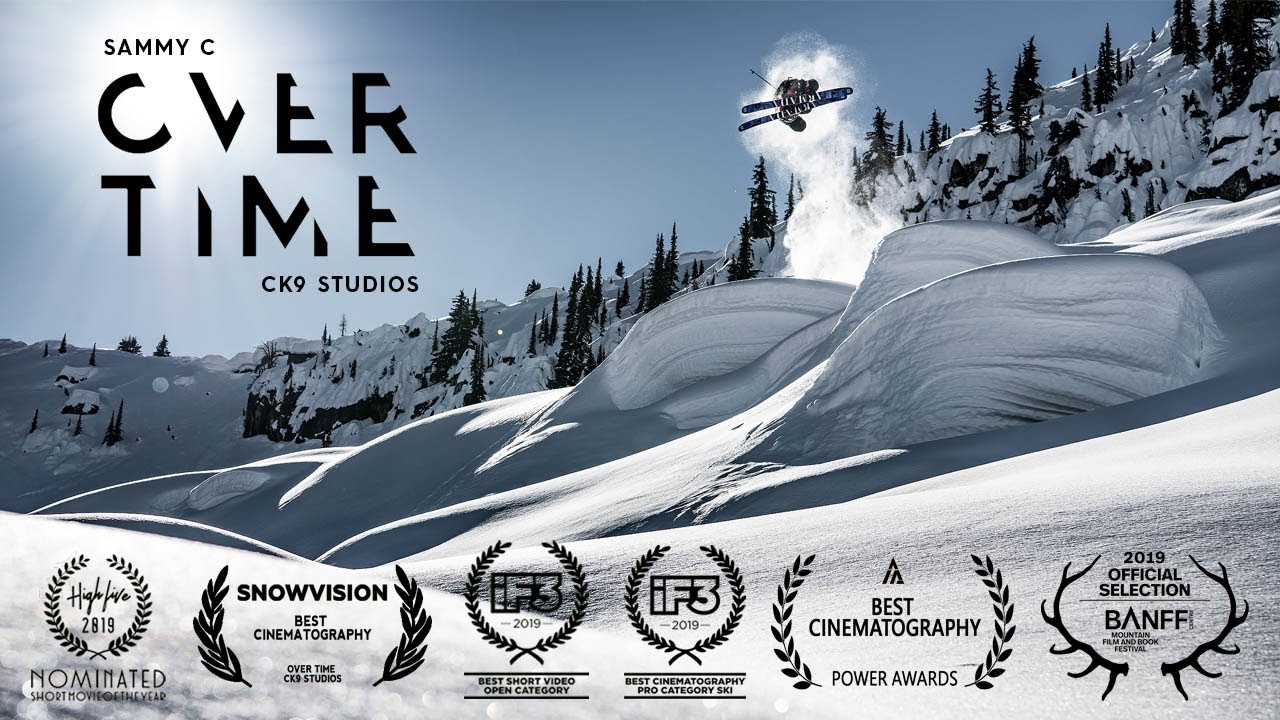
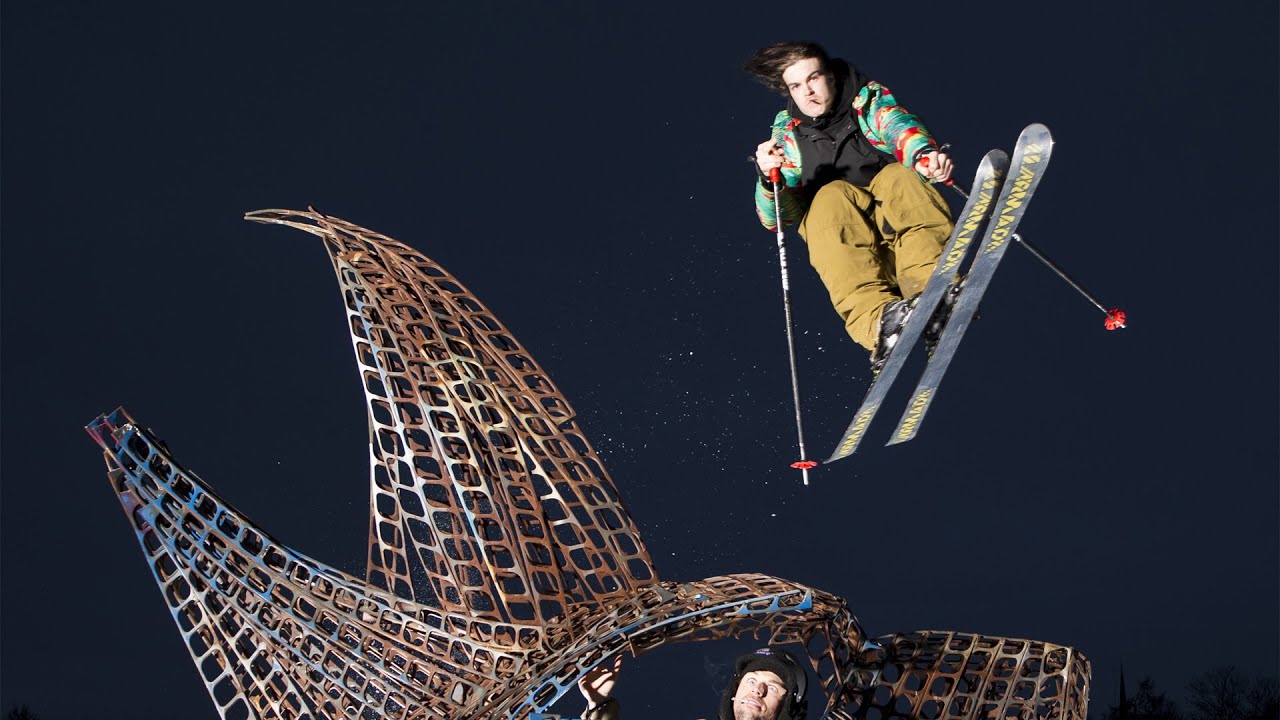
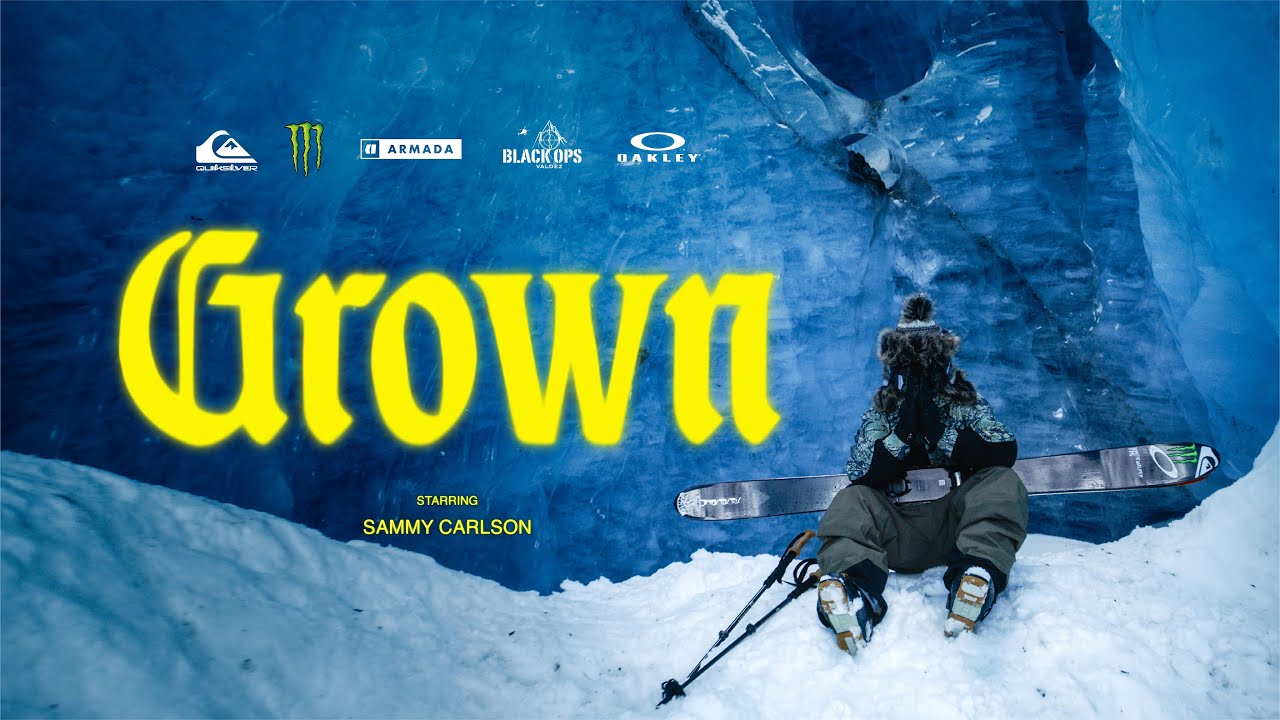
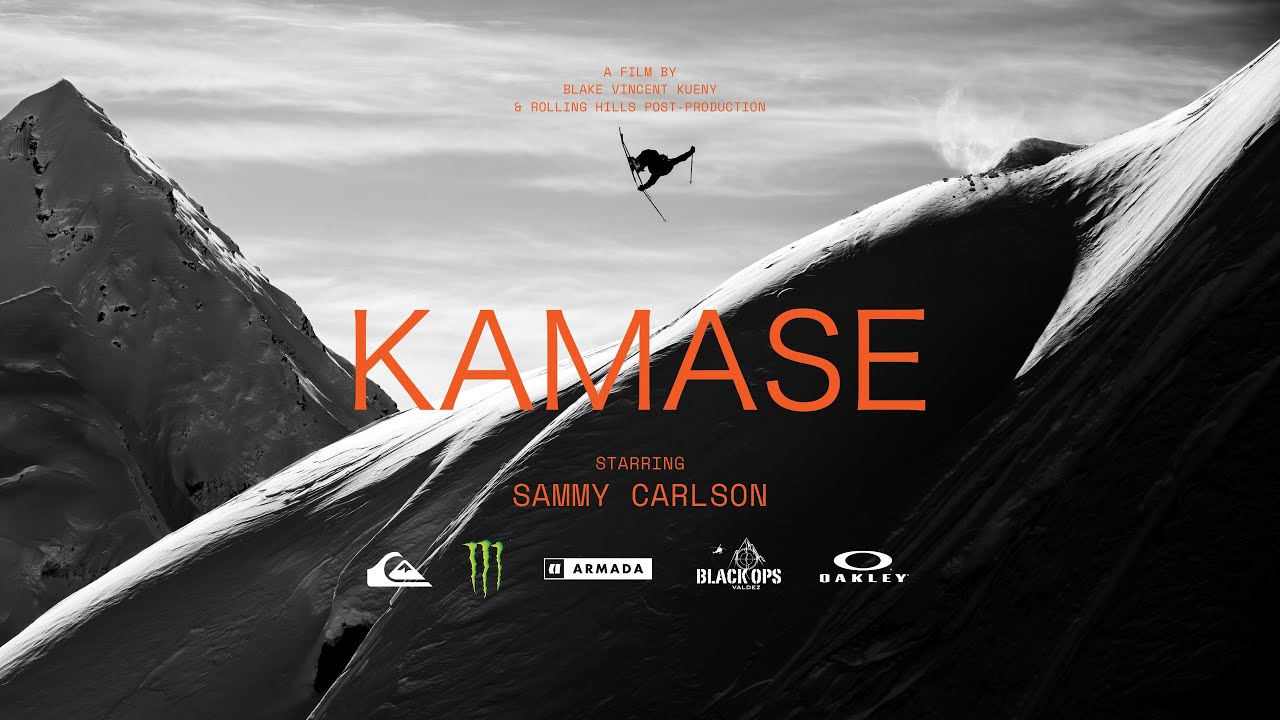
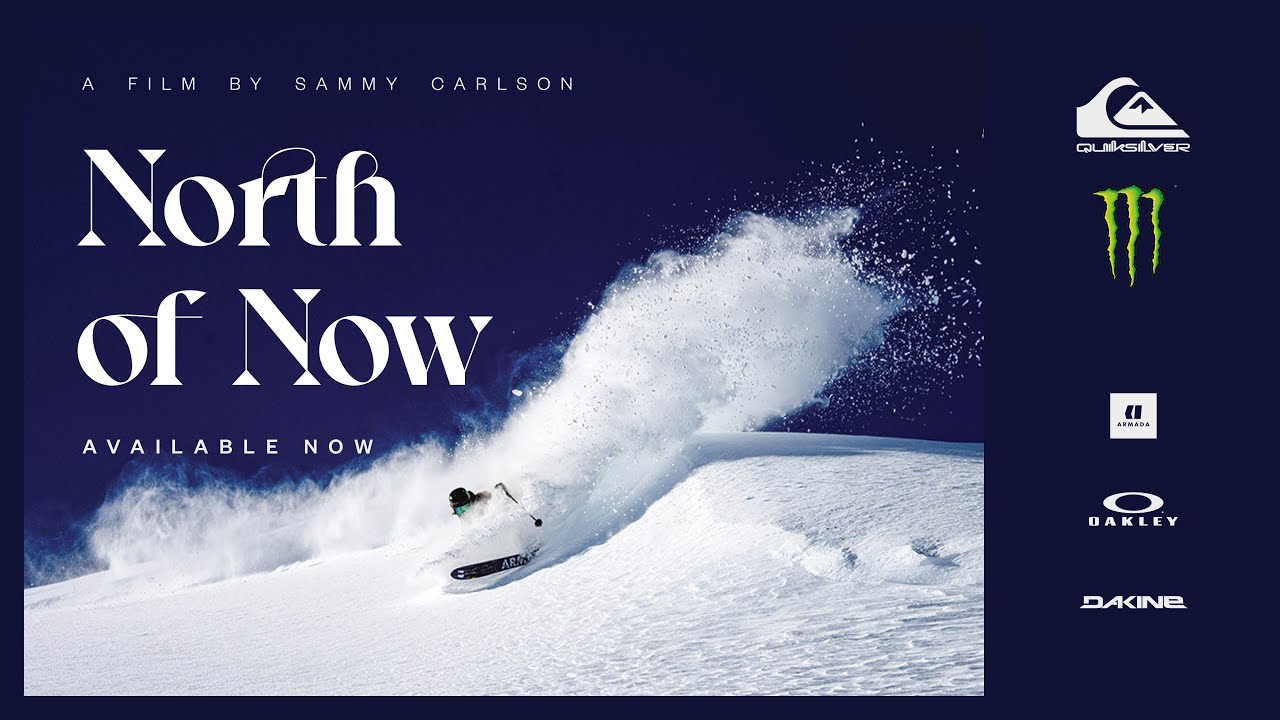
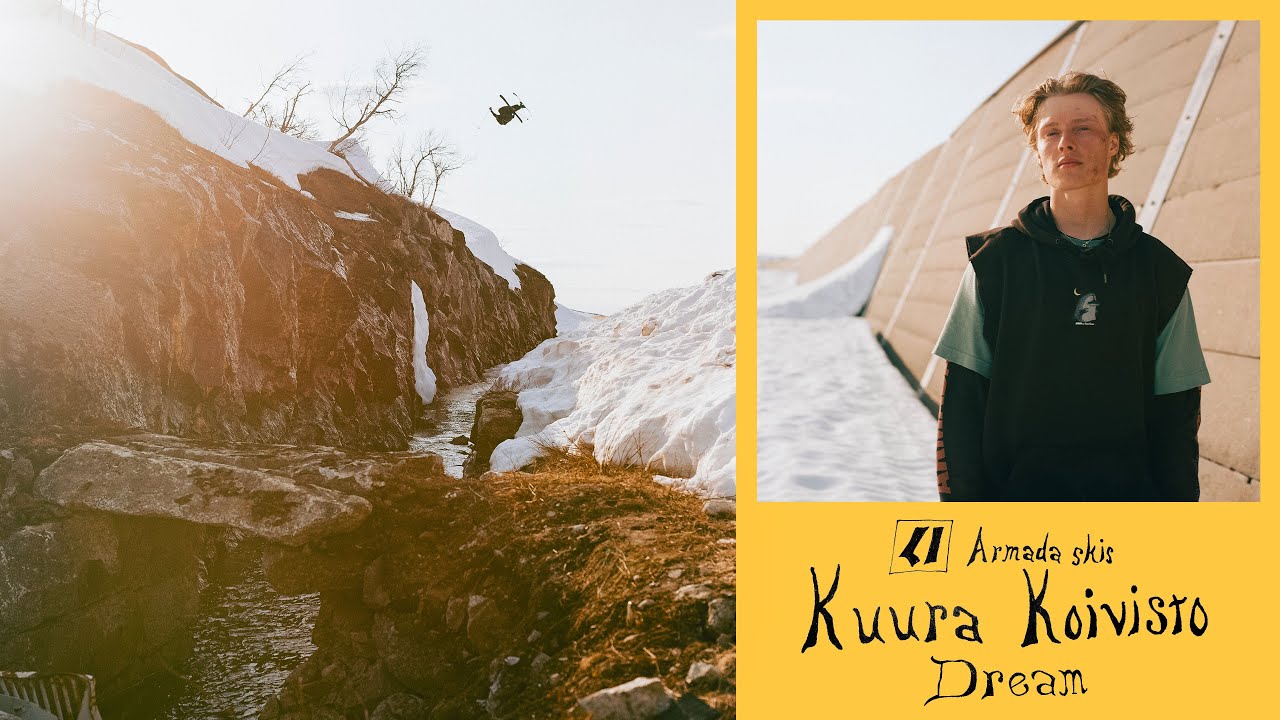
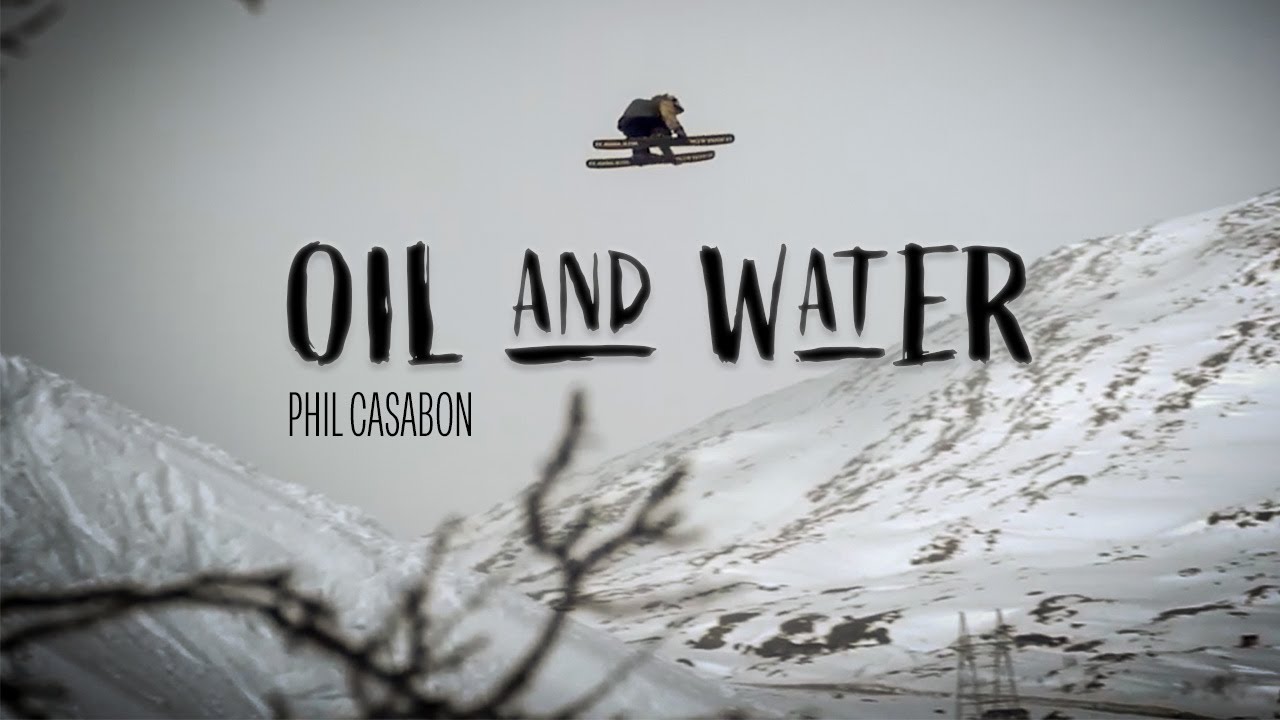
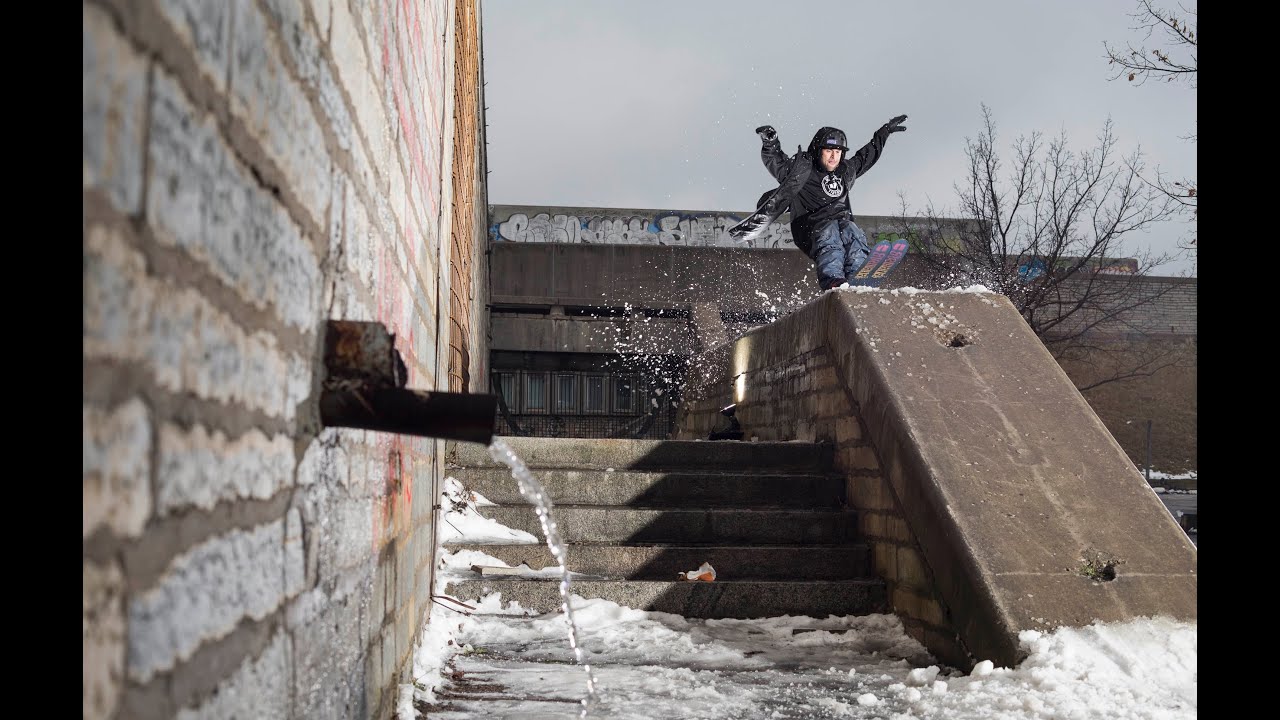
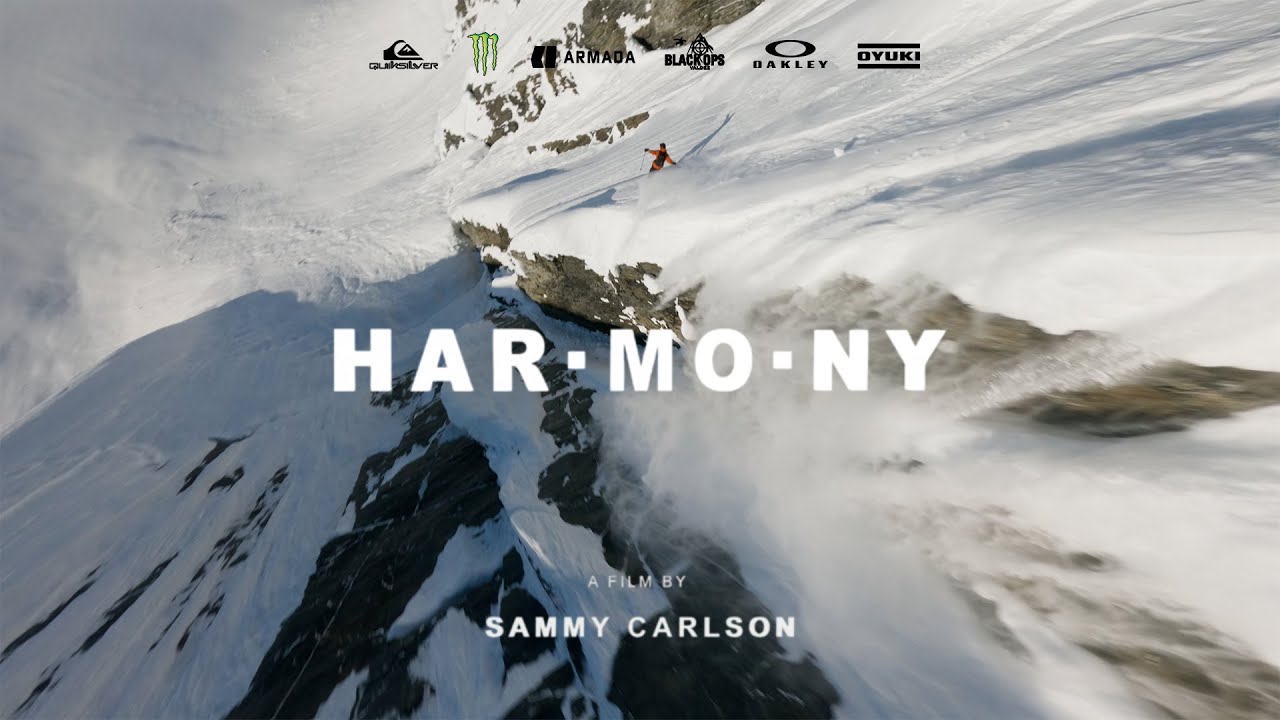
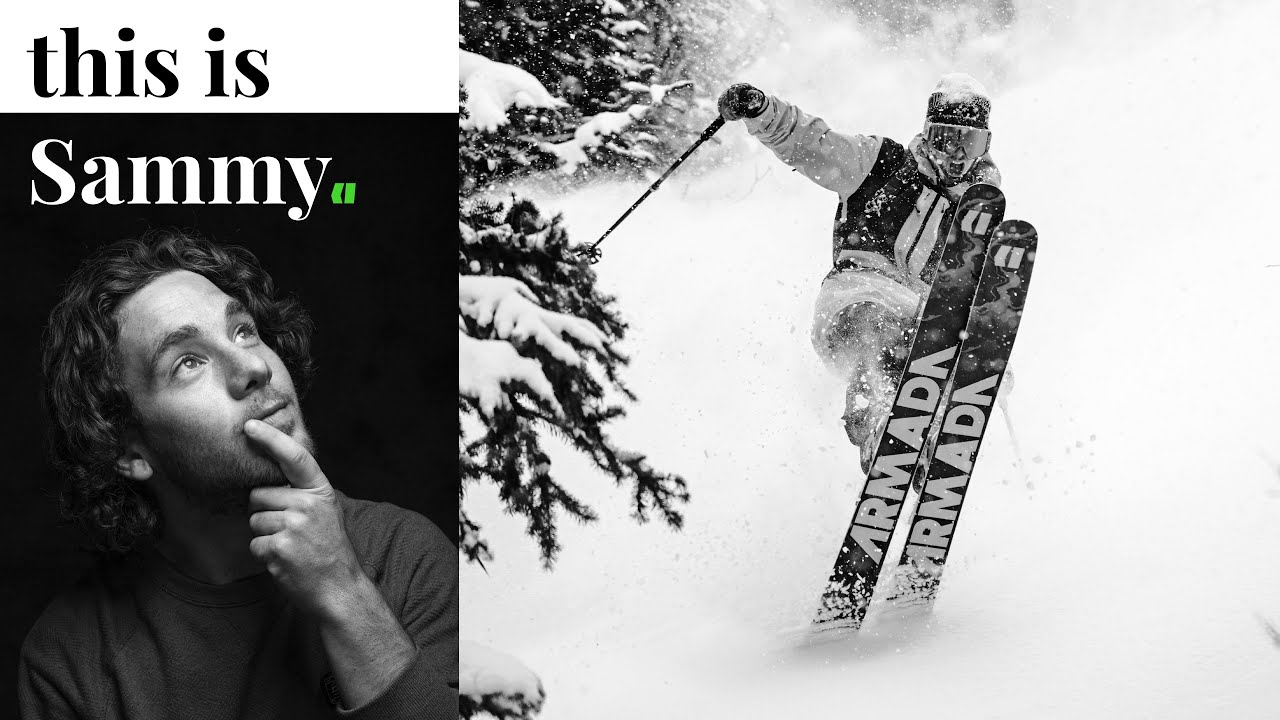
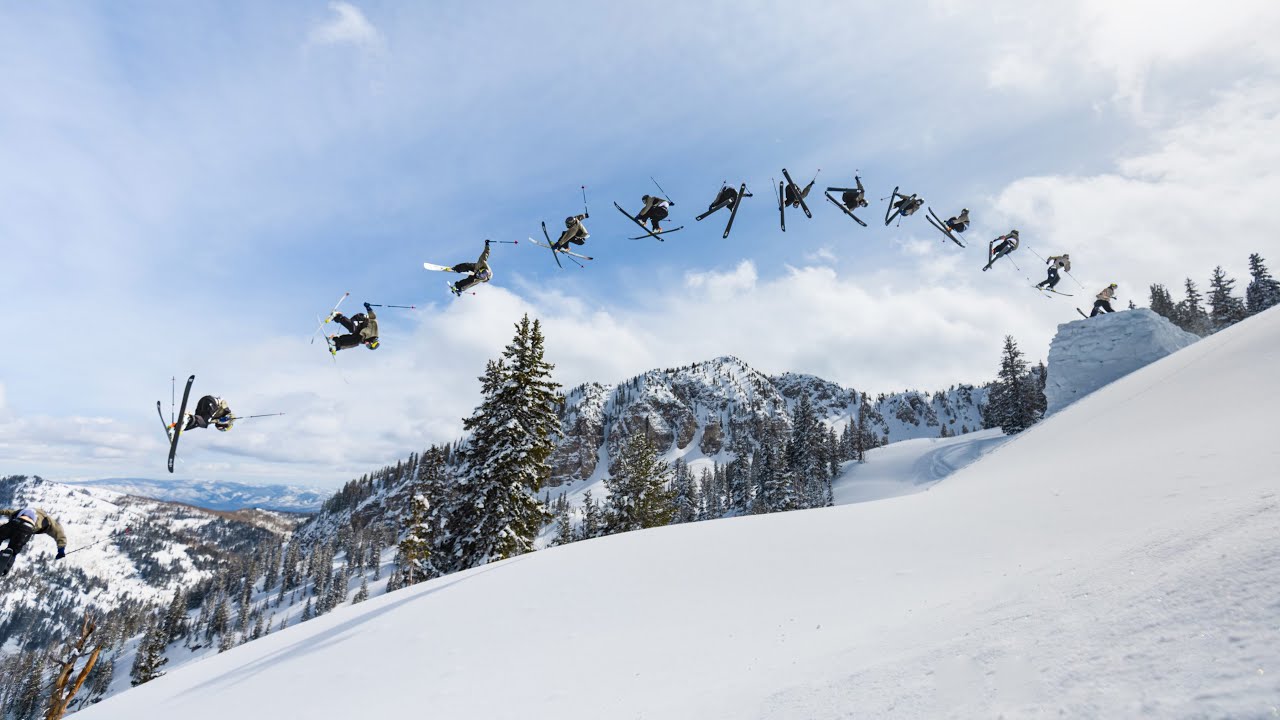
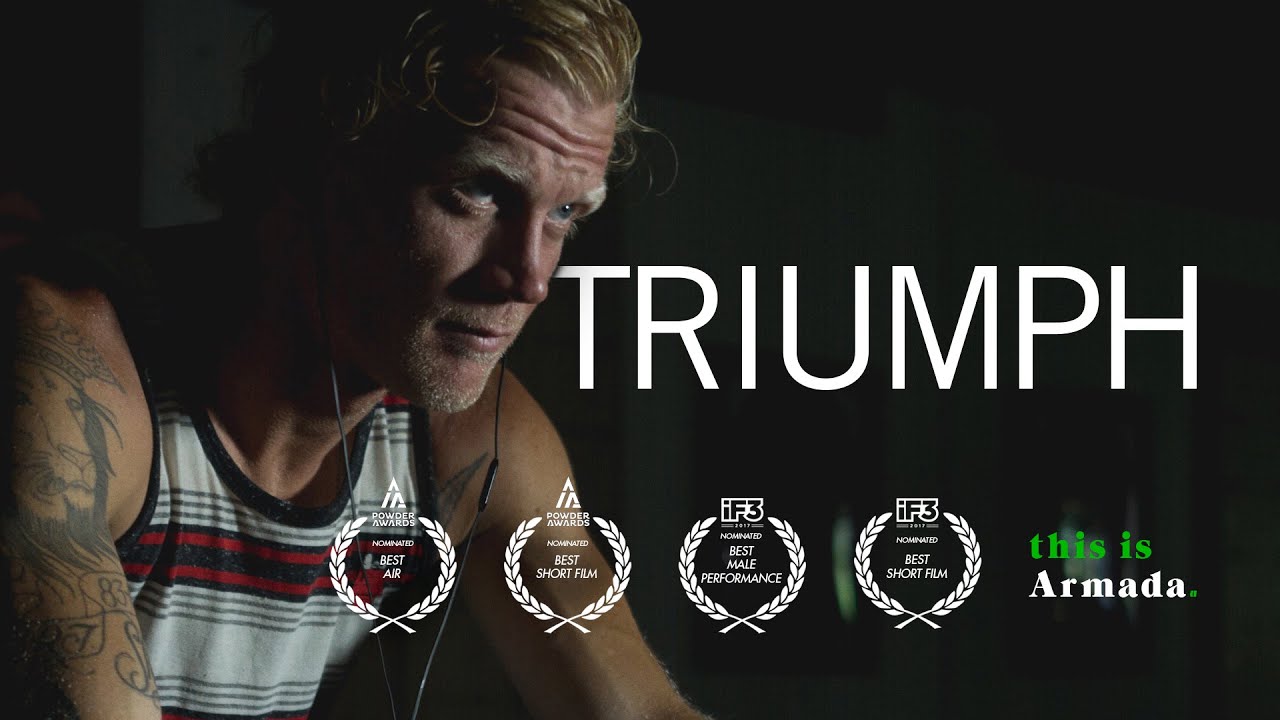
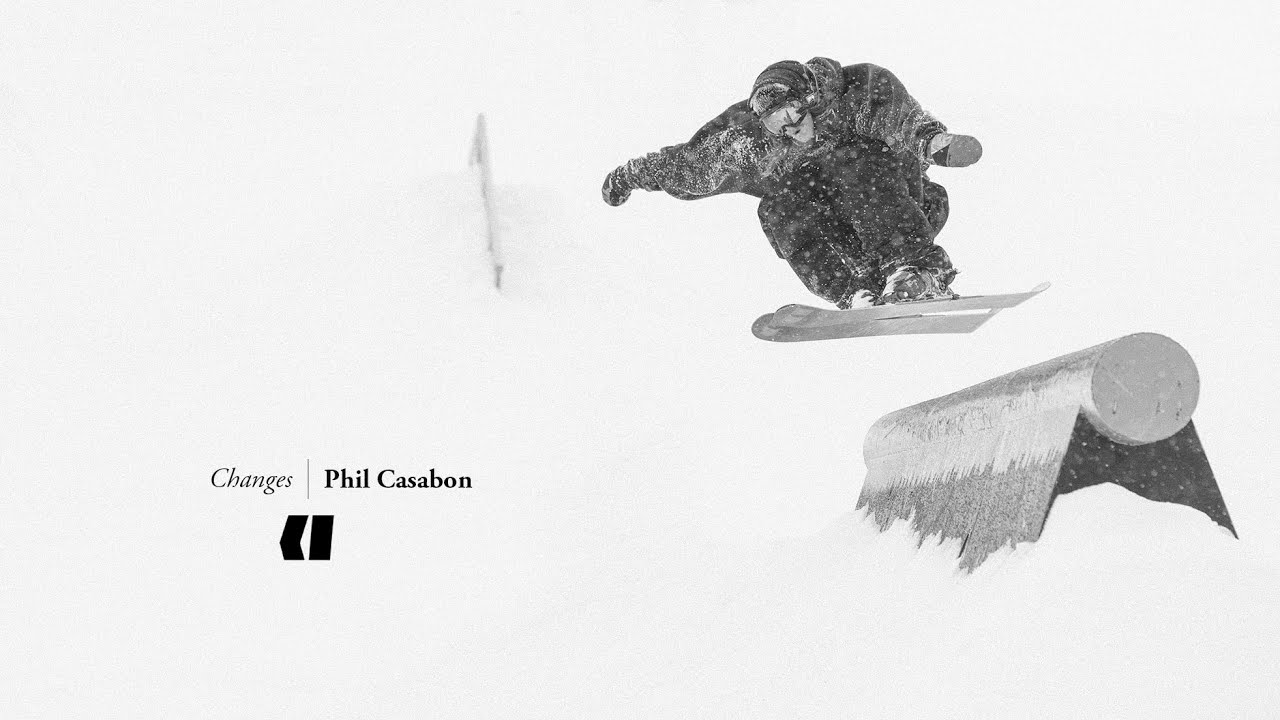
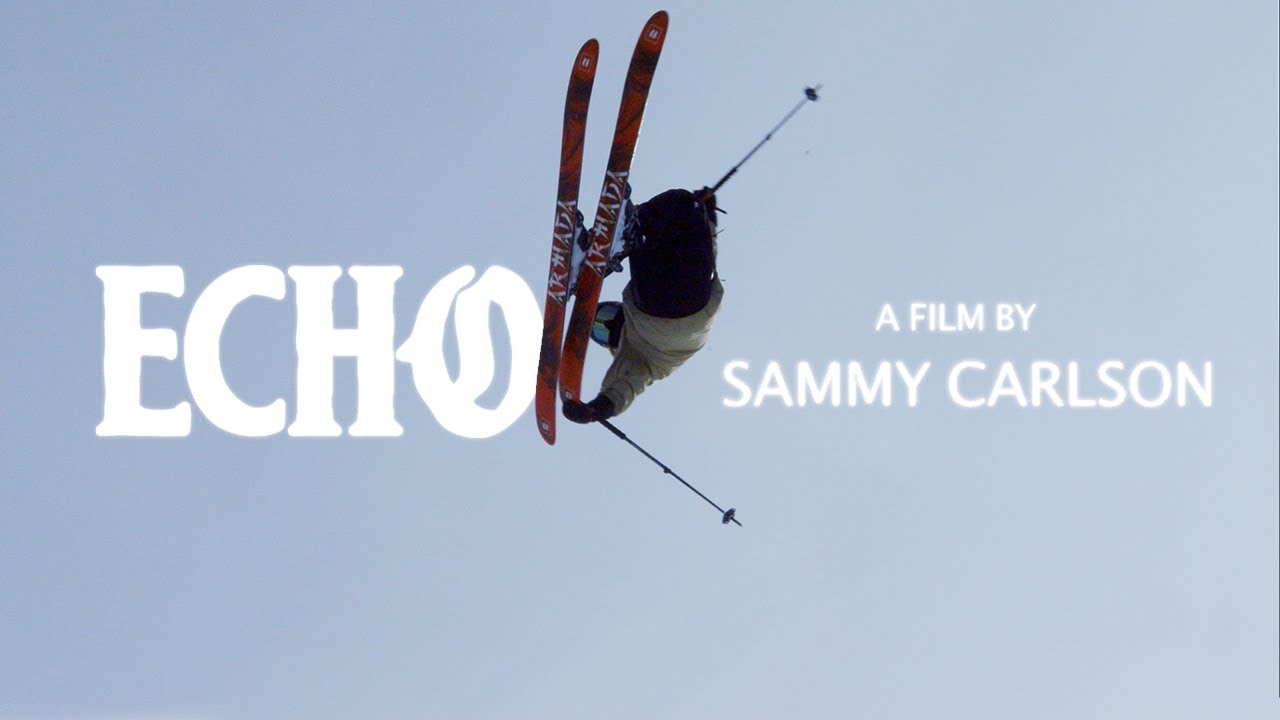
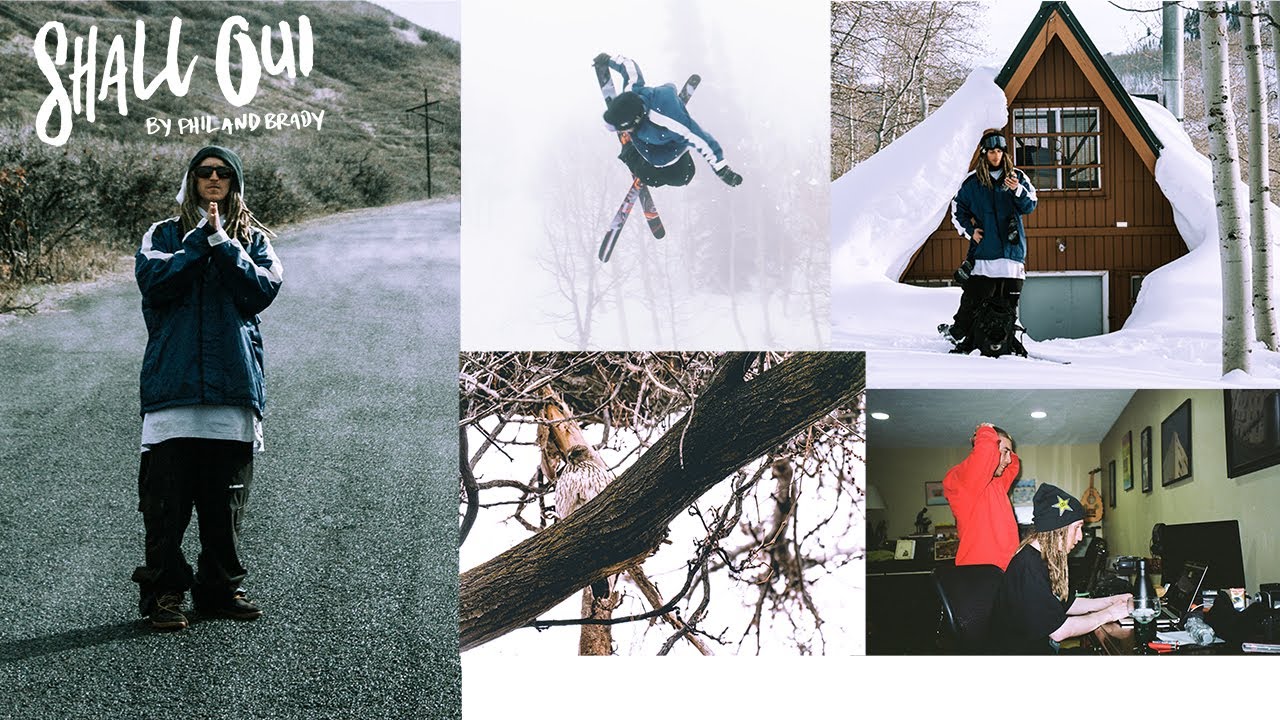
Armada’s reputation rides on the shoulders of its athletes as much as its skis. Over the years, names like Henrik Harlaut, Phil Casabon, and Sammy Carlson have defined the brand’s look and feel—style-first skiing that still handles real-mountain speed and impact. That visibility spans major events like the X Games and high-profile film releases, reinforcing Armada’s role as a tastemaker for park, street, and backcountry-freestyle aesthetics. The roster’s breadth—from urban icons to big-mountain specialists—helps keep the catalog honest: new designs trace back to specific needs revealed in segments, contests, and long-day resort laps.
Geography and hubs (heritage, testing, venues)
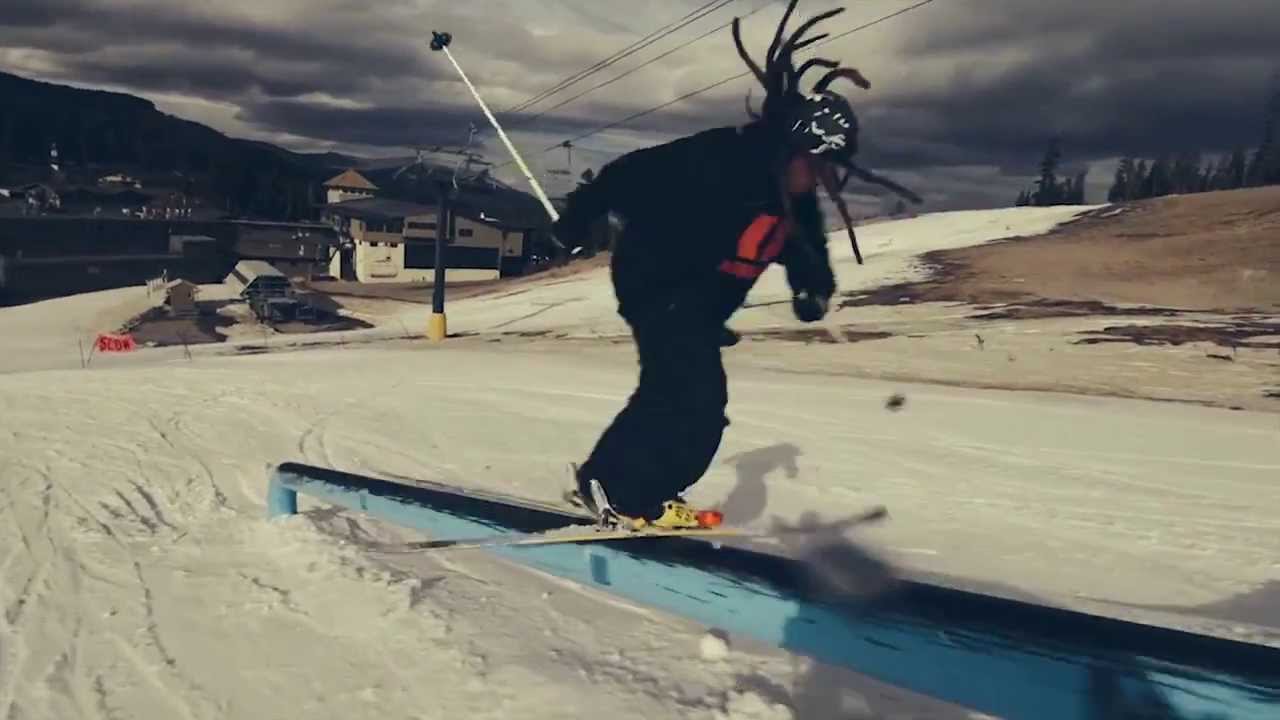
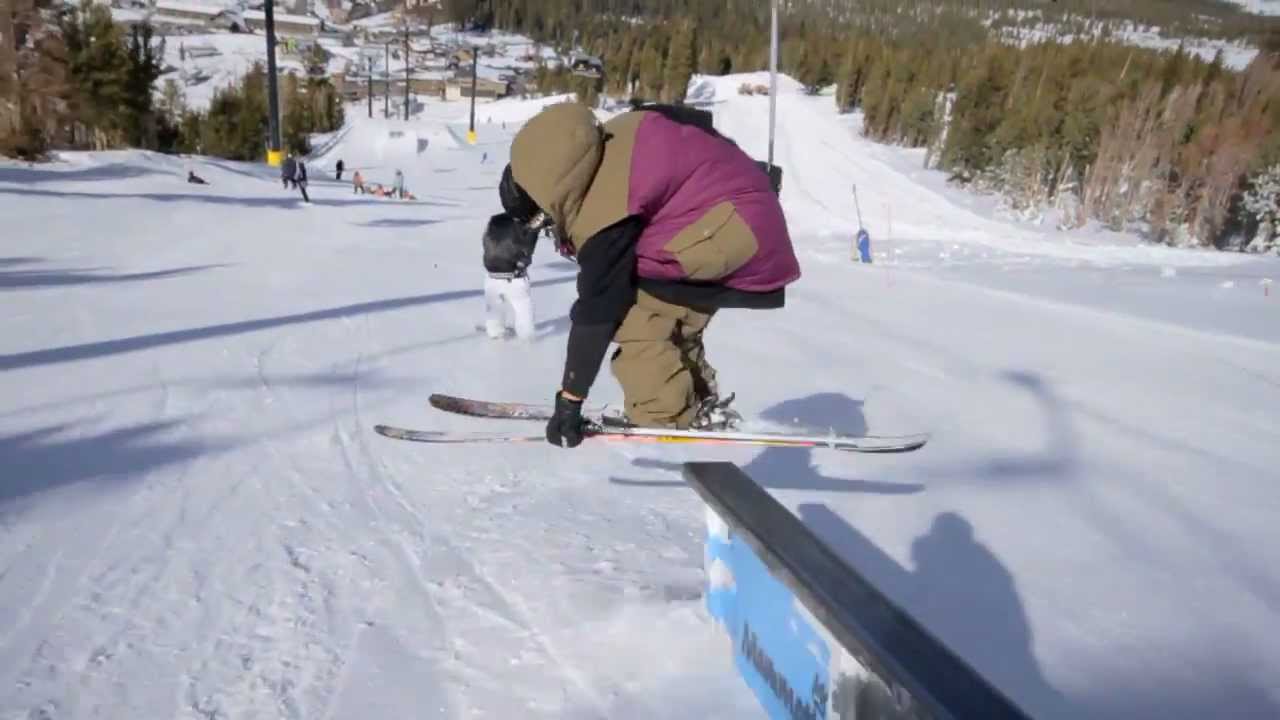
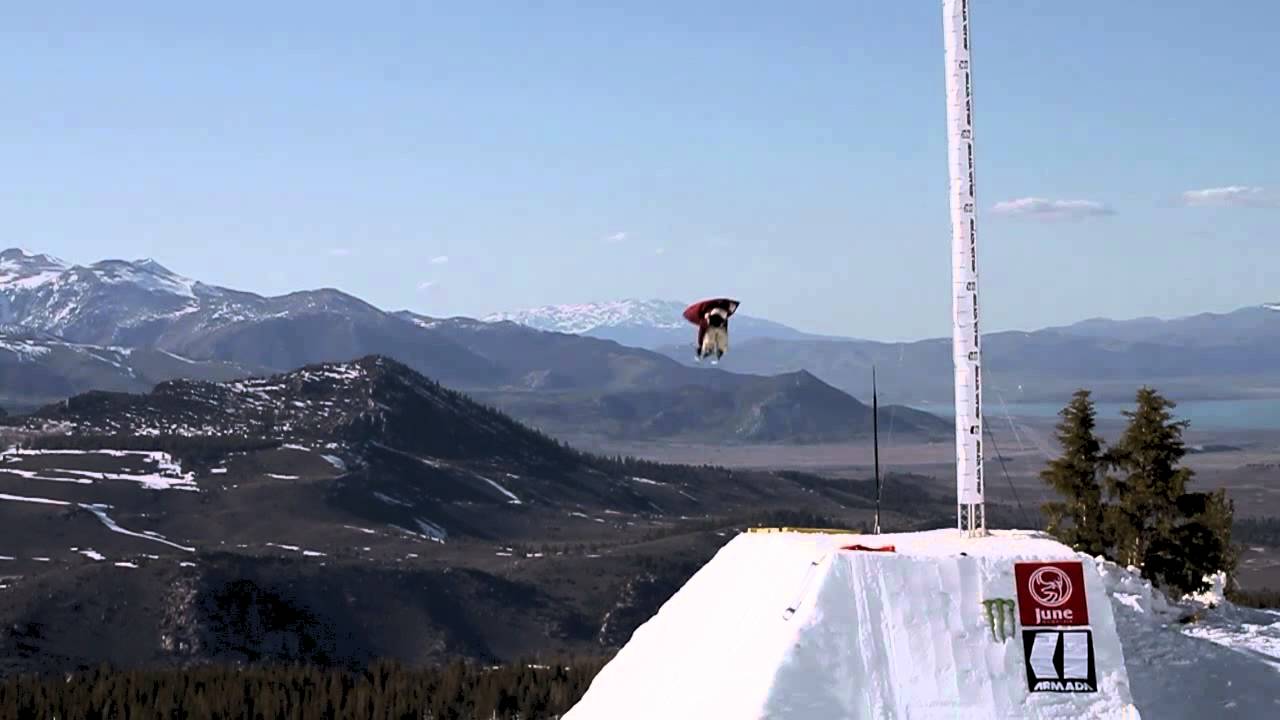
Armada’s U.S. presence is tied to the Wasatch—easy access to long season mileage, park laps, and storm cycles near Park City Mountain and the Cottonwood canyons. In the Alps, the scene around Innsbruck gives the team fast access to varied venues like Axamer Lizum and the Golden Roof Park, useful for repeatable park testing and quick condition changes. Historic filming staples like Mammoth Mountain continue to influence sizing, rocker lines, and the playful-but-capable feel that many skiers now expect from all-mountain freestyle shapes.
Construction, durability, and sustainability
Armada pairs wood cores and fiberglass/carbon laminates with sidewall constructions that vary by intent. All-mountain freestyle models use thicker edges and reinforcement underfoot to handle rails and landing zones; directional models lean into torsional stiffness and damping for edge fidelity; touring models deploy Caruba cores, strategic rubber/titanal binding mats, and lighter edges to keep mass down without making the ride nervous. On the softgoods side, the brand publishes “Honest Social Responsibility” notes outlining material choices in apparel and gear. For hardgoods, a two-year warranty applies to skis and most equipment, a standard that signals baseline confidence in materials and build. While any ski can be damaged by rails, rocks, or improper mounts, Armada’s construction playbook is tuned for the mix of freestyle creativity and resort mileage its audience demands.
How to choose within the lineup
Start with where and how you ski most. If your days blend carving with side-hits, trees, and the occasional lap through the park, look to the all-mountain freestyle family with waist widths in the upper-80s to mid-90s for a balanced daily driver. If you spend more time at speed on firm snow, directional all-mountain models with metal reinforcement and slightly longer radii will feel calmer and more confidence-inspiring on edge. If you tour, match Locator widths to your snowpack and objectives: narrower for long approaches and mixed conditions; wider for soft-snow zones and mid-winter storm cycles. Powder-first skiers who still like to trick and slash should consider signature freeride shapes with loose, rockered tips/tails and sturdy platforms underfoot. Size for your intent: freestyle-oriented riders often pick slightly shorter for maneuverability; directional and touring skiers typically size to nose/forehead or longer for stability and float.
Why riders care
Armada matters because it helped define what “modern” skiing feels like—and continues to translate that feel into products that make sense for real resort laps, backcountry tours, and deep days. The brand still reads like a dialogue between athletes and engineers: skis that pivot and smear when you want, yet bite and track when you need; graphics and shapes that look the part in a park edit but stand up to chunder at 3 p.m. Whether you arrive through contest clips, a team movie, or a storm cycle backcountry mission, the through-line is the same: creative expression backed by functional engineering. That combination keeps the label relevant to skiers who value both style and substance, from first chair corduroy to last-light pillow stacks—and it’s why Armada has a lasting footprint across freeski culture as well as everyday resort skiing.