Overview and significance
Saas-Fee is a high-alpine, car-free ski village in the canton of Valais in southern Switzerland, set at around 1,800 metres and surrounded by a ring of eighteen 4,000-metre peaks. Marketed as the “Pearl of the Alps”, it sits at the head of the Saas Valley on a high shelf of glacier terrain, with lifts climbing to around 3,600 metres on the Allalin and neighbouring peaks. The local ski area offers roughly 100 kilometres of marked pistes, while the broader Saas-Fee/Saastal region reaches about 150 kilometres when you include neighbouring sectors. For a compact village, it skis big: long glacial descents, steep faces, and a true high-mountain atmosphere.
Elevation is Saas-Fee’s core asset. With all the main skiing between about 1,800 and 3,600 metres, the resort has one of the most reliable snow records in the Alps and a lift-served season that stretches from autumn into late spring. A dedicated glacier sector remains open for summer skiing in many years, turning Saas-Fee into an almost year-round training venue. National teams and elite freeskiers migrate here in the European off-season to stack laps on the Allalin glacier, dialing in big-air and slopestyle tricks while most of the Northern Hemisphere is still in hiking or biking mode.
The village itself blends traditional Valais architecture with focused snowsports infrastructure. Narrow lanes, old wooden barns and chalets frame views of the glaciers and the Mischabel range, while electric taxis and small buses replace cars. For freeskiers and riders, Saas-Fee sits alongside Zermatt and Verbier as one of the headline destinations in Switzerland, but with a slightly quieter, more contained feel. Its mix of high-camp glacier park, snow-sure pistes and accessible alpine terrain has made it a staple location in pre-season edits and training clips across the freeski world.
Terrain, snow, and seasons
Saas-Fee’s ski area fans out above the village on a series of glaciated benches and steeper flanks. Gondolas and cable cars climb from the car-free centre up toward Felskinn, Morenia and Mittelallalin, with a web of chairs and surface lifts reaching to around 3,600 metres. The vertical drop depends on snow down to the village, but when conditions allow you can ski close to 1,800 metres of descent in one run, starting on glacial highlands and finishing on lower, more protected slopes near the valley floor.
The marked terrain adds up to roughly 100 kilometres of pistes, balanced across blue, red and black runs. The gradient mix leans toward intermediates and advanced riders: wide red motorways run across the glaciers and high bowls, while longer blue routes thread down toward the village and beginner zones. Black pistes and signed ski routes drop off steeper shoulders and into more sustained fall-lines, giving stronger skiers room to open up their turns or hunt for chalky pockets between markers.
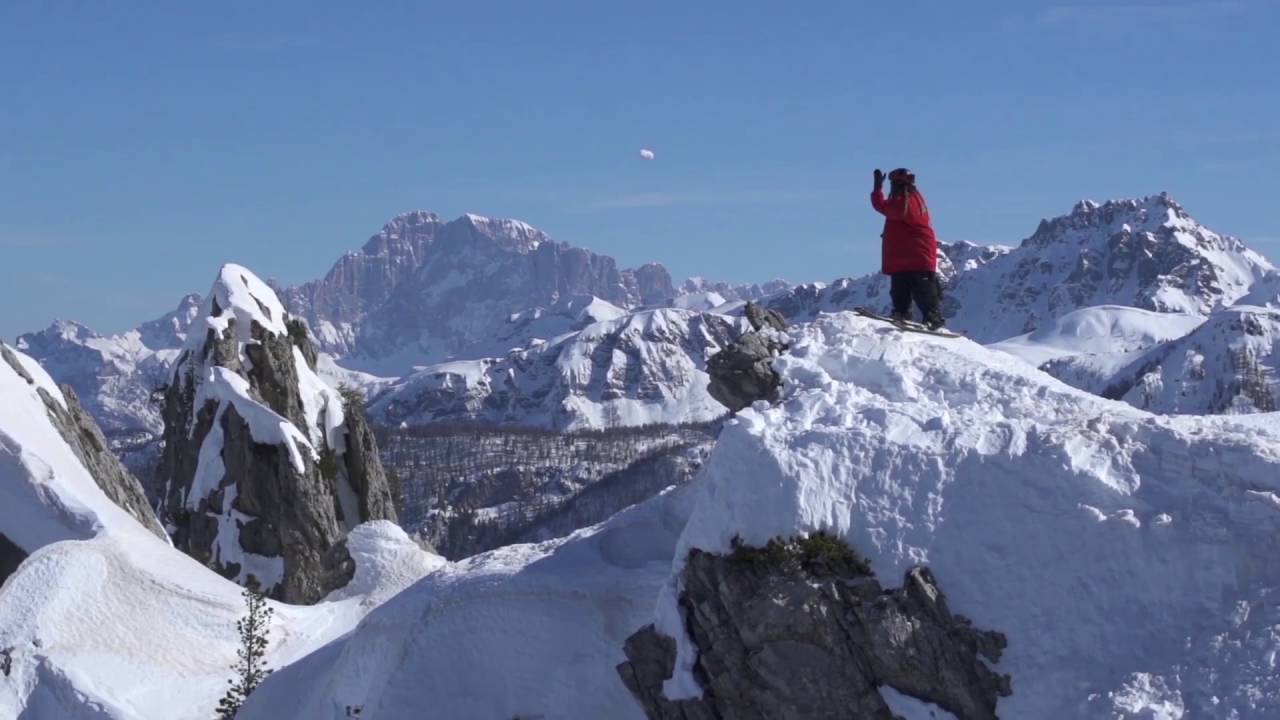
Above about 2,500 metres, the terrain is almost entirely above treeline. The upper mountain is characterised by broad glacier fields, rolling plateaus and steeper faces that break into serac bands and rocky ribs outside the marked corridors. Glacial pistes are typically wide and smooth, ideal for long-radius carving and for building confidence at speed when visibility is good. Lower down, non-glaciated slopes offer more varied textures, with natural rollers, side hits and narrower connectors that read more like classic Alpine pistes.
Snow reliability is one of Saas-Fee’s main selling points. High altitude, northerly aspects and glacier coverage combine to keep surfaces wintery through much of the main season and into late spring. Typical winters see several metres of snowfall across the upper slopes, topped up regularly by storms that stack against the surrounding peaks. The glacier retains snow well into summer, and the resort’s summer ski programme usually runs on around 20 kilometres of groomed slopes when coverage allows, offering early-morning laps on firmer, refrozen surfaces that soften into forgiving spring snow as the sun rises higher.
The standard winter season runs from late autumn or early winter into April, with exact dates shifting based on conditions. In strong years, Saas-Fee can offer continuous skiing for close to ten months across winter and summer operations. For freeskiers, this means you can treat the resort as both a mid-winter powder destination and an autumn or summer camp base, depending on which part of the year fits your schedule.
Park infrastructure and events
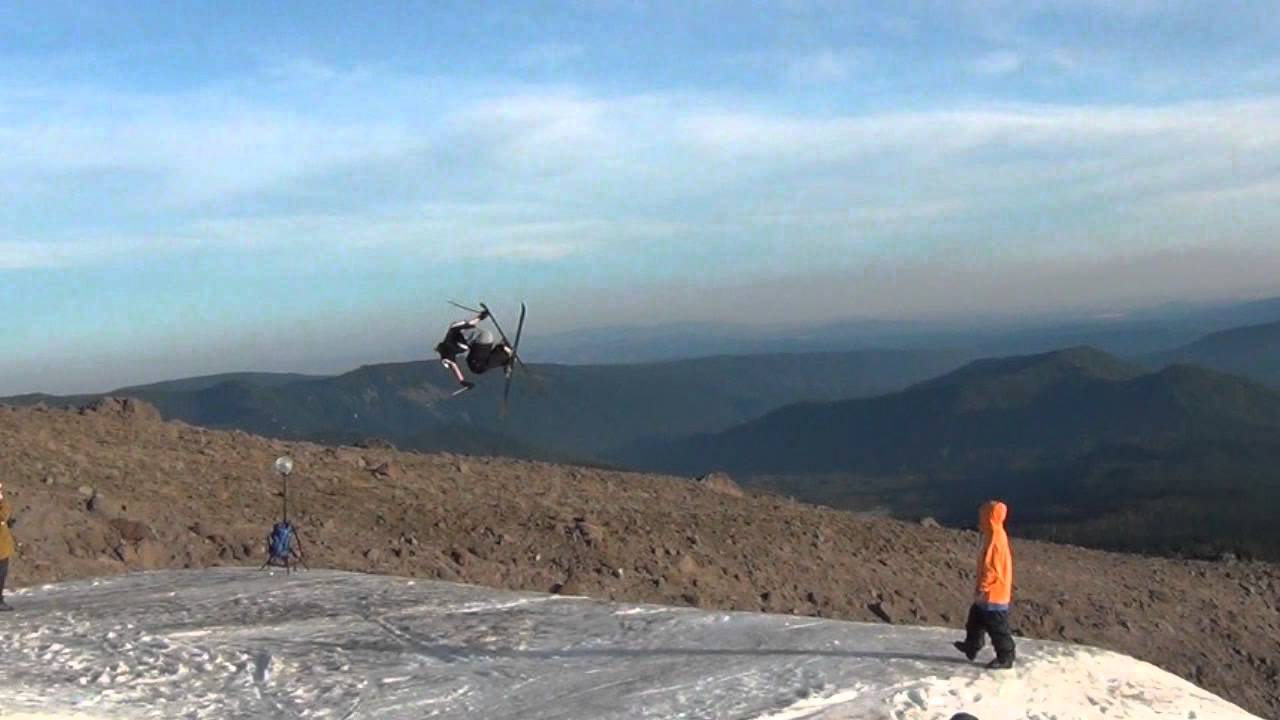
Saas-Fee is best known in freestyle circles for its glacier snowpark beneath the Allalin. Set around 3,500–3,600 metres on the summer ski area, this park usually operates from late summer into early winter, with a build that caters primarily to serious freeski and snowboard crews. Multi-kicker lines, technical rail sets and a well-shaped pipe or pipe-style walls (depending on the year) create a dense training environment where every lap can include multiple quality hits. Because laps are short and the lifts are close to the features, athletes can work on specific tricks and competition routines with high repetition.
This glacier park has played host to some of the most progressive tricks in modern women’s and men’s freeskiing, and it regularly appears in clips from World Cup and Olympic medalists fine-tuning their big-air and slopestyle runs before the northern-winter contest season. The combination of altitude, consistent takeoff speed and carefully prepared landings makes it a natural venue for pushing into new rotations and grabs, while still keeping landings manageable when the snow softens later in the morning.
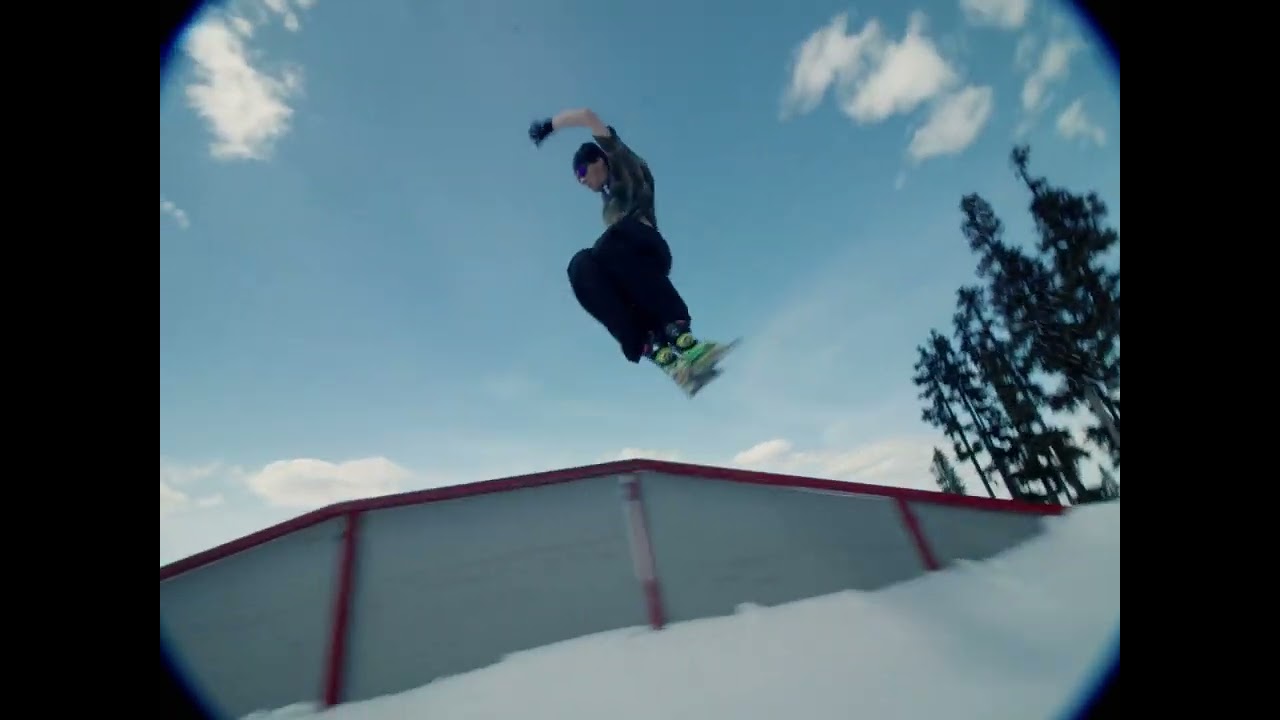
In winter, the freestyle focus shifts down to the Morenia area. Here, Saas-Fee operates a dedicated snowpark and fun zone with rails, boxes, jumps and a funslope that mixes rollers, small hits and banked turns. The winter park setup varies through the season, but typically includes clear progression from smaller beginner lines through to more committed features for advanced riders. A medium-sized kicker line, creative rail garden and side hits integrated into nearby pistes give everyday freeskiers plenty to work with without having to step straight into glacier-scale features.
Events in Saas-Fee are more about training blocks and sessions than huge public contests, but the resort does host park camps, coaching programmes and occasional competitions. Off the snow, the village and valley also stage high-profile mountain-sport events such as ice climbing competitions and the long-running Allalin Race, reinforcing the area’s broader reputation as a serious mountain playground. For freeskiers, the headline remains the park infrastructure and the way it supports year-round progression rather than a single, marquee slopestyle stop.
Access, logistics, and on-mountain flow
Reaching Saas-Fee is relatively straightforward for a high-alpine resort. Most international travellers arrive via Geneva or Zurich, then take trains into the Valais to Visp. From there, frequent PostBus services run up the Saas Valley to Saas-Fee’s terminal on the edge of the village. Private cars can be driven as far as the parking complexes at the entrance, but the village itself is car-free, so you switch to walking, electric taxis or hotel shuttles for the last stretch to your accommodation.
This car-free set-up makes mornings calmer and simpler: you walk or shuttle to the base lifts, without navigating heavy traffic. The main gondola and cable car stations rise directly from the village towards Felskinn and Alpin Express, where you connect onto the mid-mountain hubs at Morenia and Spielboden. From there, higher cable cars and funicular-style lifts access the glacier and upper bowls. Because most terrain drains naturally back towards these mid-stations or to the village, navigation becomes intuitive after a day or two.
On-mountain flow for freeskiers often follows a vertical rhythm. In peak winter, stronger riders may start their day with high alpine laps from Mittelallalin or Längfluh, linking long red and black pistes down to Morenia or directly toward the village. As legs warm up and visibility stabilises, you can mix in laps through the winter park or funslope zones, then push sidecountry lines between pistes when the snowpack and avalanche control allow. In late-season or on spring days, mornings tend to belong to the firmer, higher glacier runs, with afternoons shifting to softer, sun-exposed slopes closer to the village.
When the summer ski area is open, the flow flips to an early-bird pattern: first lifts up to the glacier, a concentrated block of laps on groomed race lanes or the park while the snow is firm and fast, then a retreat back to the village or valley for hiking, biking or recovery once the surface turns too soft for high-quality skiing.
Local culture, safety, and etiquette
The culture in Saas-Fee combines traditional mountain life with an international training scene. In winter, you will see everything from family holidaymakers and relaxed all-mountain freeskiers to national teams, park crews and race clubs moving through the same lift stations. The village has a well-developed hospitality offering—hotels, apartments, restaurants and bars—but retains a quieter, less overtly flashy atmosphere than some larger Swiss resorts. Evenings tend to centre around hotel lounges, local bars and a handful of livelier spots, rather than wall-to-wall nightlife.
Because the ski area is heavily glaciated and largely above treeline, safety awareness is critical. Within the marked pistes and open ski routes, patrol manages avalanche control and sets boundaries carefully. Rope lines and closed signs around crevasse fields, serac hazards and unstable slopes are non-negotiable; ducking them can expose you to real glacial dangers, not just soft snow. When conditions are stormy or windy, upper lifts may shut temporarily while lower terrain remains open, and planning your day around these holds is part of the normal Saas-Fee experience.
Off-piste and touring options around Saas-Fee are extensive, but they sit firmly in high-alpine, avalanche-prone terrain. Anyone leaving the marked and secured area should carry full avalanche kit, know how to use it, and ideally travel with a qualified local guide who understands the valley’s snowpack and glacial features. The same applies to hiking or skinning on the glacier outside of marked corridors: crevasse risk means ropework and glacier travel skills are essential.
In the parks, standard freestyle etiquette applies. Riders are expected to inspect lines before hitting them, call their drops clearly, and clear landings quickly so others can follow. Mixed ability levels are common, especially on the glacier where pros lap alongside ambitious intermediates, so predictable lines and patience on the in-run go a long way toward keeping sessions safe and productive. Helmets are widely used across both park and piste, and many teams add back protection for serious jump work.
Best time to go and how to plan
For most freeskiers, the prime Saas-Fee window is split into two seasons: summer/autumn camps and mid-winter powder. From late July or August into early autumn, when the glacier is open, the focus is on high-intensity training. Early-morning laps on firm snow, big jump sessions in the park, and tightly scheduled blocks of coaching dominate this period. If you are coming specifically to progress tricks, this is the time when you will share the hill with many of the world’s top freeskiers and snowboarders, and when the glacier park is usually at its most dialled.
Winter proper typically runs from November or December into April. January and February offer the best combination of cold temperatures, regular snow and full-area coverage, with strong chances of fresh powder on the upper mountain. March and early April bring longer days and more spring-like conditions, which many riders prefer for park laps and big-mountain filming: softer landings, more forgiving snow and plenty of sun, while the glacier and high aspects often remain wintery in the mornings.
Planning a trip starts with defining your priority. If you want glacier park laps and a camp-style schedule, look at summer or early-autumn dates and consider booking into an organised camp or coaching programme that handles accommodation, lift passes and training blocks as a package. If you are chasing a mix of freeride, groomers and winter park laps, aim for mid-winter into early spring, and build in a buffer day or two in case storms or wind holds restrict upper lifts. Because Saas-Fee is car-free, booking accommodation close to the main lift stations simplifies your daily routine, especially if you are carrying park skis, camera gear or avalanche equipment.
Why freeskiers care
Freeskiers care about Saas-Fee because it offers a rare combination of almost year-round snow, serious high-alpine terrain and a compact, car-free village that keeps everything focused on the mountains. It is one of the few places where you can spend late summer landing new double corks on a glacier park, then return in mid-winter to ride deep powder off glaciated ridges and long, flowing pistes into a traditional Alpine village. The same lifts and faces you see in edits from elite athletes are accessible to the public, which makes the progression path feel tangible rather than distant.
For the skipowd.tv universe, Saas-Fee is a key Valais anchor alongside neighbours like Zermatt. Its glacier camps show up in pre-season clips and team edits, while its winter terrain delivers the kind of high-alpine freeride and scenic laps that define modern Swiss skiing. Whether you come for a tightly scheduled park camp, a mid-winter powder week or a spring mix of corn snow and long, relaxed laps, Saas-Fee gives you a concentrated version of what makes the Alps special: big mountains, reliable snow and a culture built around spending as much quality time on skis as possible.