ReWinch
United States
Electric action sports winch brand | Known for: ReWinch M1, backpack portability, 295 kg pulling force, wireless remote control, modular hardware and 1R2D bi directional capability | Focus: repeatable tow ins for ski, snowboard, wake, foil, skate and street sessions without gas engines or permanent lift infrastructure
A backpack winch built for spots without lifts
ReWinch is not a ski manufacturer, boot brand or film crew. It belongs to the hardware layer behind action sports: the gear that lets riders create speed where no lift, boat, sled or vehicle tow is available. The idea is direct. Put an electric winch in a compact package, carry it to a feature, anchor it safely, run a tow rope and give riders repeatable pulls into rails, gaps, drops, water starts or backyard setups.
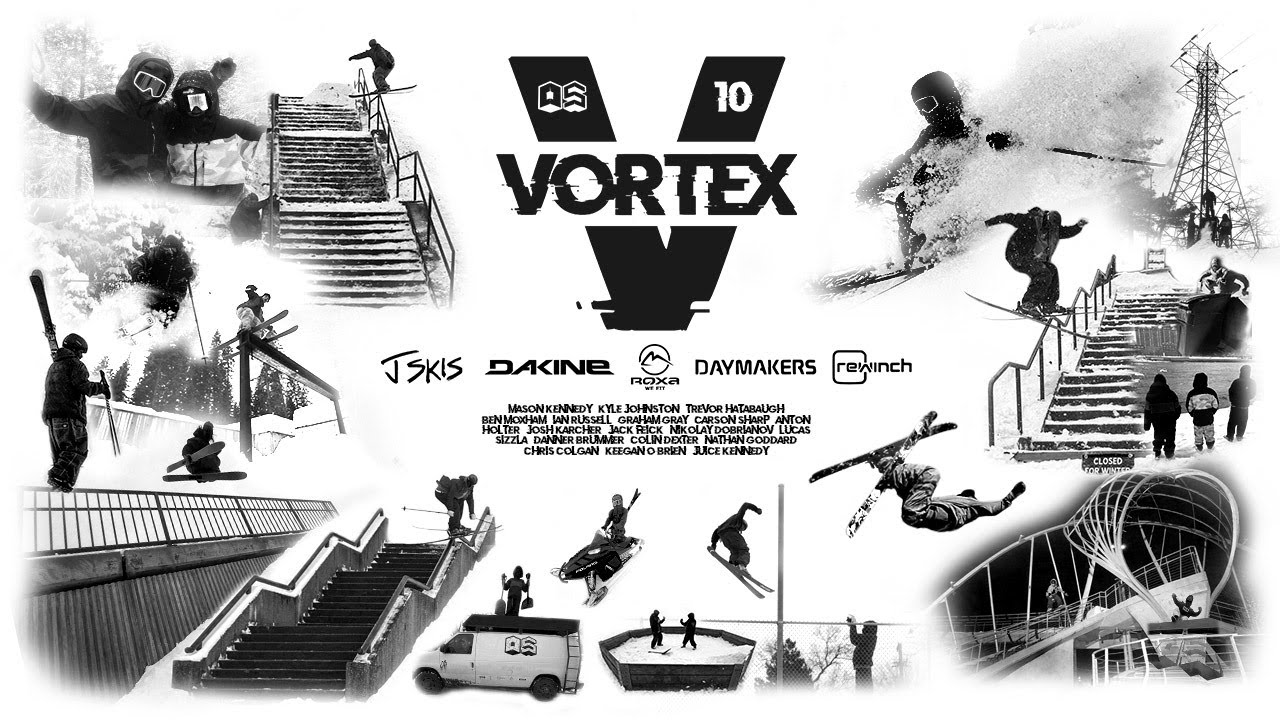
For skiing and snowboarding, that makes ReWinch especially relevant to street and creative filming. Many urban features have no natural inrun. A stair rail, wallride, flat gap or short snowbank may look impossible until a crew can generate controlled speed. Traditional gas winches have existed for years in wakeboarding and snowboarding, but they can be loud, heavy, fuel dependent and awkward to travel with. ReWinch answers that problem with a smaller electric system designed to fit inside a backpack and travel between snow, water and concrete.
ReWinch M1 and the compact electric tow system
The core product is the ReWinch M1 electric winch. The official product page lists a compact unit around 14 kg, roughly 35 x 35 x 20 cm, with more than 12 kW of power density and up to 295 kg of pulling force. The standard speed is listed around 40 kmh, while official materials also reference speed modification options that can raise the ceiling depending on setup. That makes the winch powerful enough for deep water starts, snow tow ins and short lift style pulls when used correctly.
The system is intentionally modular. The main unit is sold separately from some essentials such as rope, batteries and charger, so riders need to understand the full setup before assuming it is ready to run. Accessories include ropes, batteries, charger options, a rider remote, speed modification parts and the 1R2D add on for bidirectional use. This is not a casual toy. It is a small motorized tow system, and the quality of the session depends on rope length, anchoring, surface friction, rider weight, runout space and the crew’s ability to manage risk.
Smooth pulls for rails, gaps and low angle snow
ReWinch performance is not about how a ski flexes or how a snowboard carves. It is about how predictably the system delivers speed. On snow, a controlled pull can be the difference between a clean urban session and a chaotic one. Riders need enough acceleration to reach the feature, but not a sudden yank that throws timing off before the trick begins. ReWinch’s official language emphasizes smooth and consistent pulling from start to finish, which is exactly what street crews need when they repeat the same approach dozens of times.
The best snow use cases are short and creative. A winch can turn a flat city park into a feature zone, tow a skier into a down rail, help a snowboarder reach a wallride, or make a small roadside slope worth lapping. It can also work for backyard snow features, low angle powder play, snowskating and improvised lift style sessions. Its strongest role is not replacing a ski lift. It is unlocking places where a lift will never exist.
Halldor Helgason, Sebastien Toutant and the multi sport team signal
ReWinch’s official team list shows why the brand sits across multiple cultures rather than only skiing. Snowboard names such as Halldor Helgason and Sebastien Toutant connect the product to street, park and contest credibility. Wake and water riders such as JB ONeill, Dominik Hernler and Brian Grubb show the other side of the brand: winching as a way to ride water features where boats and cable parks are not available.
That crossover matters for ski culture because many modern freeski crews think like multi sport filmmakers. The same winch that pulls a wakeboarder into a dock gap in summer can pull a skier into a handrail in winter. The same remote, rope and anchor logic can move from canals to snowbanks, from beaches to city stairs and from backyard setups to roadside features. ReWinch does not need a traditional ski team to be relevant to skiers. Its relevance comes from giving creative riders a portable way to build speed.
From street snow to water starts and backyard lines
ReWinch’s geography is flexible by design. A normal ski brand is tied to mountains, factories or resort testing. A winch brand is tied to whatever terrain a rider can imagine. In winter, that can mean snowy city rails, quiet industrial zones, small hills, road cuts, frozen parks or backyard builds. In summer, the same system can move toward wakeboarding, wakeskating, skimboarding, foiling, tow in surf and other rope based sessions.
For ski and snowboard filmers, this changes the map. A feature does not need a natural pitch to be useful. A crew can look at flat ground, a short transition or a runout limited spot and ask whether a controlled tow makes it possible. That is why portable winches have become part of the invisible infrastructure behind street edits. The audience sees the trick. The crew remembers the anchor, the rope path, the repeated resets and the machine that made the approach work.
Marine grade materials and modular open hardware thinking
ReWinch’s construction story is built around portability, power and durability. Official materials describe marine grade materials, a low maintenance electric system and a tangle resistant internal rope path with a roller fairlead. The unit can be mounted in different orientations, including horizontal or vertical setups, which matters when crews are working with strange terrain, trees, vehicles, walls, ground stakes or improvised anchors.
The brand also presents ReWinch as a modular hardware project, with upgradable parts and support for riders adapting the system to different applications. That open hardware language fits the winch community, where many riders are mechanically curious and used to tuning equipment around specific spots. The caution is that customization increases responsibility. A stronger battery, longer rope, faster speed or unusual mount can change the forces in the system. ReWinch rewards people who understand setup, not people who treat every location as safe by default.
Choosing rope length, remote control and bidirectional riding
Choosing a ReWinch setup starts with the intended spot. Short urban ski and snowboard features often need a shorter rope, clean acceleration and a safe runout. Water starts, longer pond gaps and open snow pulls may need more rope length and more space. Official materials reference rope towing capacity from 200 m to 800 m, but most riders should think practically before thinking big. More rope means more management, more space and more potential for tangles or unsafe angles.
The rider remote is especially useful for small crews and repeated sessions because it gives more control over start, stop and speed. The 1R2D add on is the advanced option, turning the system toward a bidirectional cable style setup for back and forth riding. That can make sense for water parks, controlled private setups or compact snow lanes, but it requires even more attention to anchors, rope routing and rider traffic. For most ski crews, the best first setup is simple: one clean line, one safe feature, one predictable speed and a crew that treats the winch like powerful equipment.
Why ReWinch matters to creative ski and snowboard crews
ReWinch matters because it gives riders control over speed in places that normally depend on hiking, pushing, towing behind vehicles or abandoning the idea completely. In street skiing and snowboarding, that can mean more attempts, safer timing and cleaner progression. In wake and foil culture, it can mean riding where there is no boat or cable. In backyard snow setups, it can turn a small slope into a repeatable session with friends.
For skipowd.tv, ReWinch belongs in the sponsor and hardware ecosystem because it helps explain how modern edits get made. It is not the most visible part of the clip, and it is not the ski under the rider’s feet. It is the tool that makes an impossible flat approach work, the electric pull behind a winter rail session and the portable lift for crews who want to create terrain instead of waiting for it. That niche is specific, but valuable. ReWinch earns its place by giving creative riders one more way to turn ordinary spots into rideable ones.