Level 1
StudioUnited States
American ski film production studio | Conceived in 1999 by Josh Berman and based in Denver | Known for: annual freeski films, SuperUnknown, Romance, Turbo, Refresh, Pleasure, Zig Zag and Full Circle | Focus: documenting freestyle skiing with rider first cinematography, street creativity, park progression, backcountry travel and a talent pipeline that keeps new voices visible.
1999 Denver origins and the camera pointed at newschool skiing
Level 1 is one of the defining production studios in freeskiing. Conceived in 1999 by Josh Berman, the company was created to document the rise of freestyle skiing at the exact moment twin tips, terrain parks, urban rails and newschool style were changing the sport. That timing is central to the Level 1 story. It did not arrive after freeskiing was already polished, sponsored and accepted. It grew with the movement.
Level 1 began from a filmmaker’s need to capture what traditional ski media often missed. Skiing was moving into cities, terrain parks, handrails, halfpipes, late night builds and strange in between spaces that did not look like classic alpine cinema. Berman and the early crew treated those places as worthy of serious filmmaking. The tricks mattered, but so did the process: shoveling, travel, waiting for snow, finding spots, missing flights, arguing about music and making something with friends.
The studio’s identity is still built around that perspective. Level 1 describes itself as a family of filmmakers, athletes, photographers and designers traveling the world to capture skiing and deliver premium stories. That family language is important because the films rarely feel like anonymous productions. They feel like a long conversation between riders and filmers who care about how skiing should be shown.
Balance to Romance and the twenty year annual film arc
The first major Level 1 chapter was Balance, described by the studio as the video that started it all and one of the first East Coast based freeski features. That mattered because early freestyle skiing was often filtered through western resorts. Balance helped show that talent, rails, parks and creative skiing existed across the East Coast and Quebec as well, not only in California, Utah or Colorado.
Over the next two decades, Level 1 built one of skiing’s most important film catalogues. Films such as Forward, Long Story Short, Refresh, Realtime, Turbo, Eye Trip, Sunny, Partly Cloudy, Small World, Pleasure, Zig Zag and Romance captured different eras of freeskiing. The films moved between street, park, powder, backcountry, travel and athlete personality while keeping a consistent editorial signature: clean shots, strong music, patient framing and enough space for the skiing to breathe.
Romance, released in 2019, became the closing chapter of Level 1’s annual feature film run. It was the twentieth and final yearly ski film, but not the end of the studio. Instead, it marked a shift. Level 1 moved away from the expectation that one full length annual movie had to define every season and into a broader model of short films, events, commissioned projects, SuperUnknown, documentaries and selected ski media releases.
Street spots park jumps and the Level 1 visual language
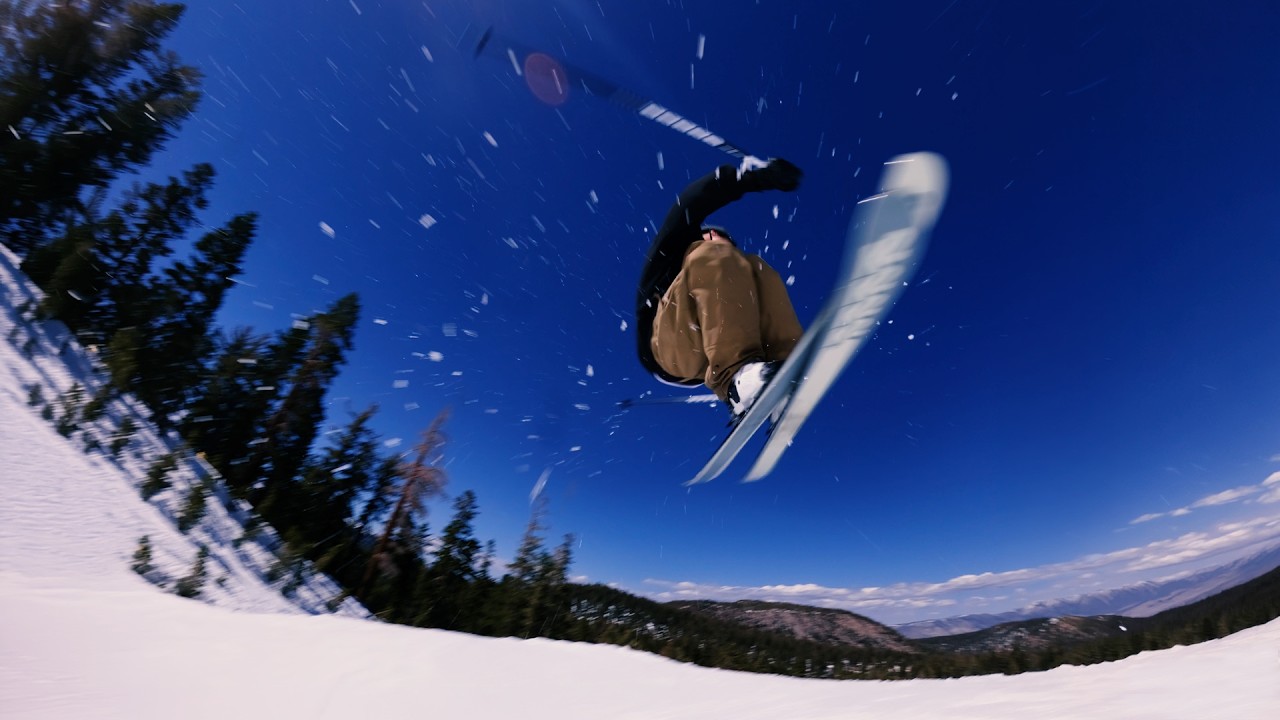
Level 1’s production style is built around clarity. A good Level 1 shot lets the viewer understand the spot, the speed, the trick and the skier’s decision. In street skiing, that means showing stairs, run ins, landings and the effort behind a feature. In park skiing, it means giving enough approach and landing context for a grab, spin or switch move to read properly. In backcountry, it means balancing scale with detail so that the viewer feels both the size of the terrain and the skier’s movement inside it.
The studio’s style is not only about expensive cameras or dramatic travel. It is about taste. Level 1 films often leave room for awkwardness, humor, failed attempts and small human moments without turning the skiing into a joke. The edit serves the rider. Music choices, shot length and sequencing are used to make a skier’s style visible rather than burying it under artificial speed.
That is why the studio became so influential. Many crews can film a rail or a powder turn. Level 1 helped define how those clips should feel inside a finished ski film. Its work taught viewers to care about the way a skier approaches a spot, how a grab is tweaked, how a landing is held, and how a segment can reveal a personality instead of only a trick list.
SuperUnknown and the alternate route into pro skiing
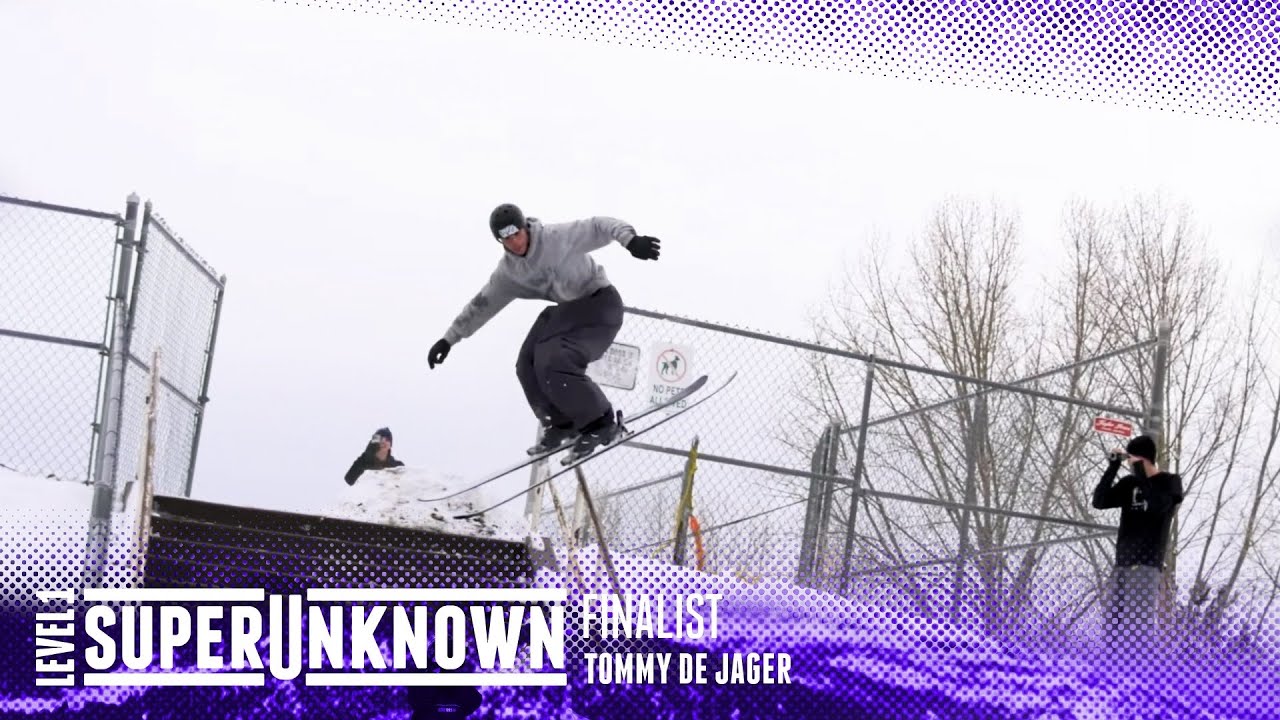
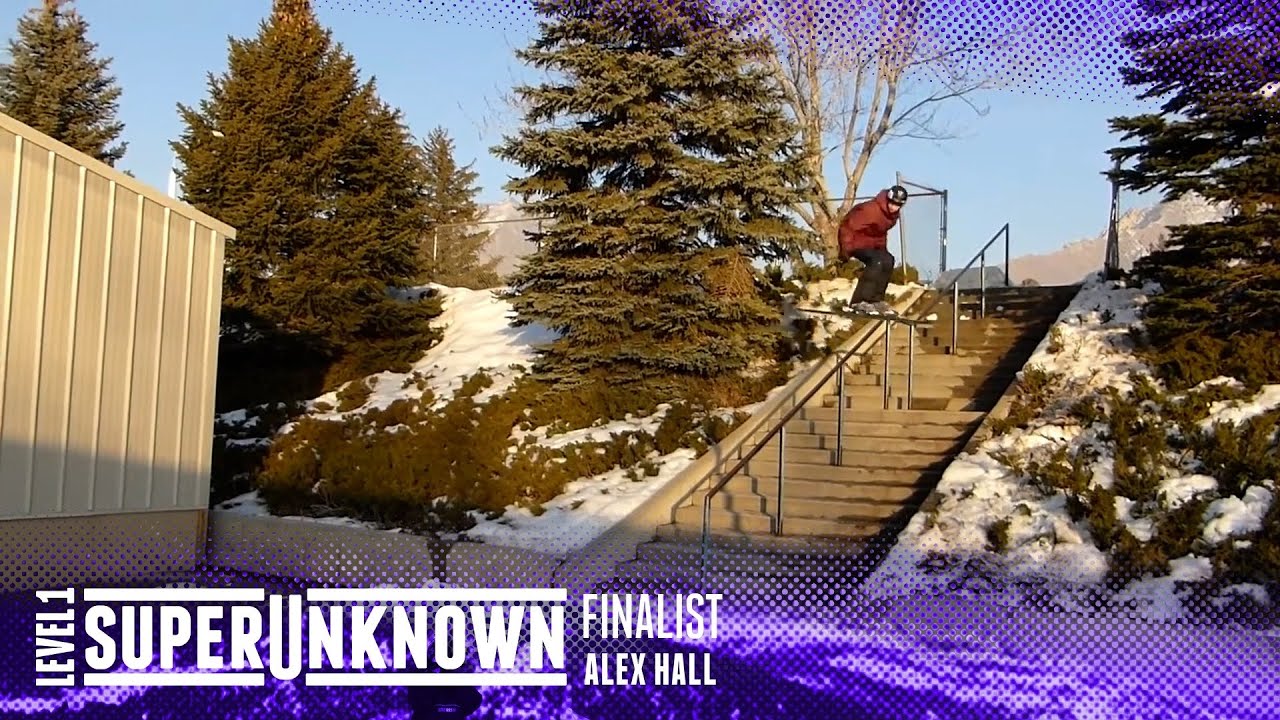
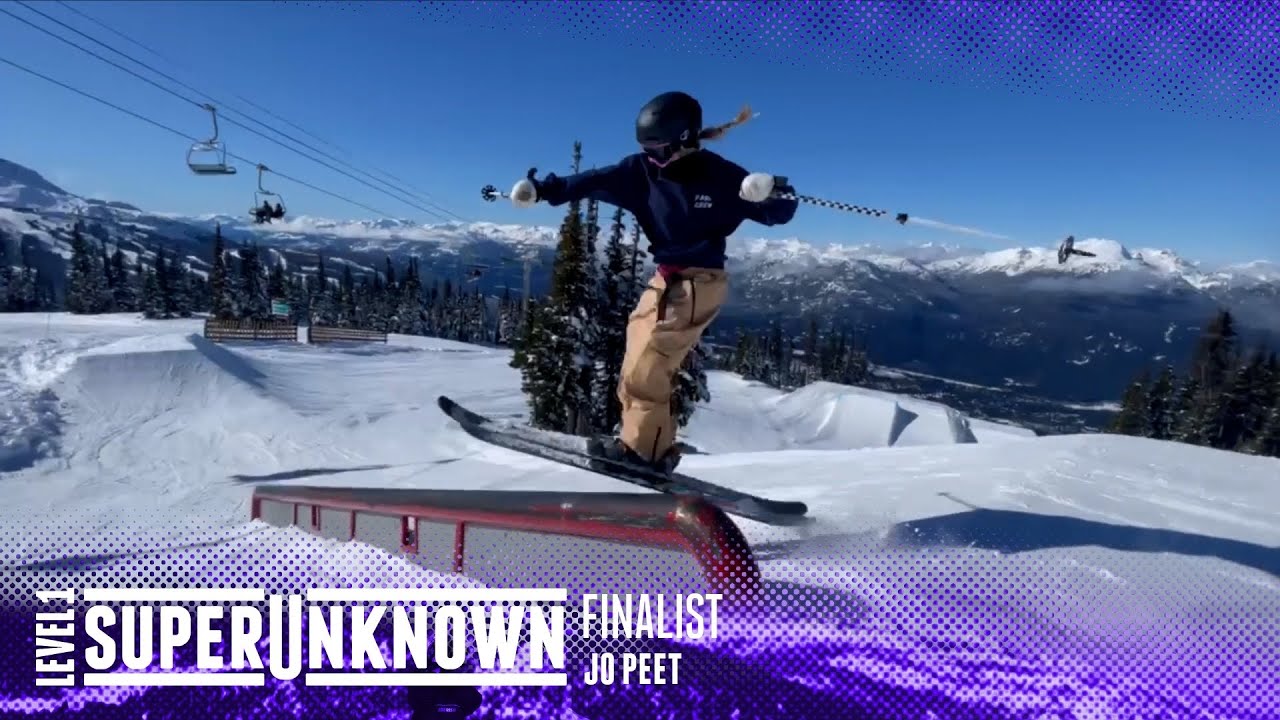
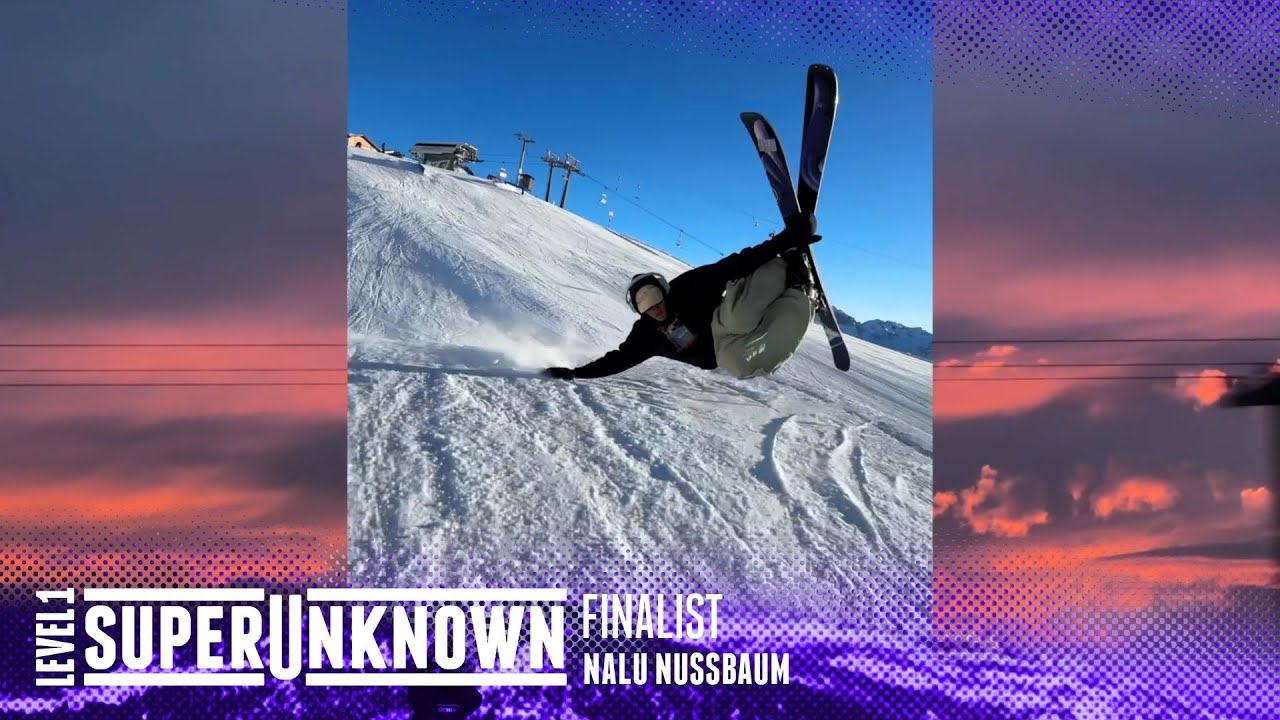
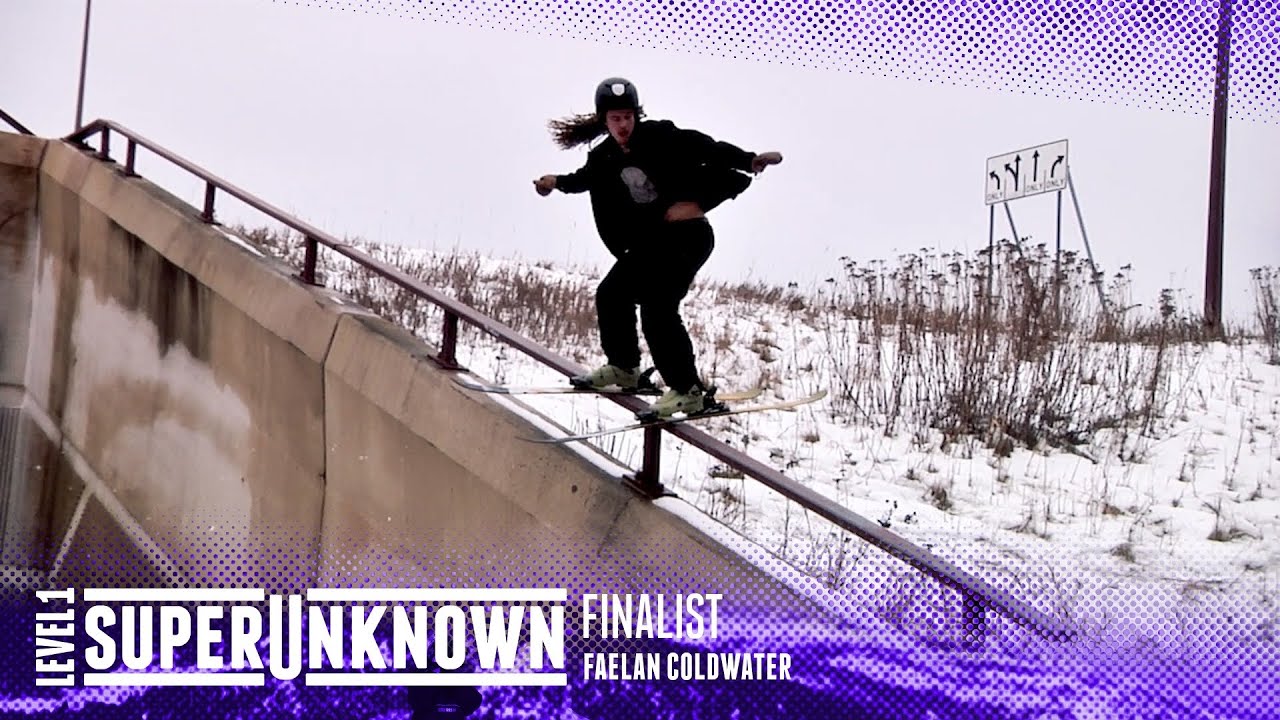
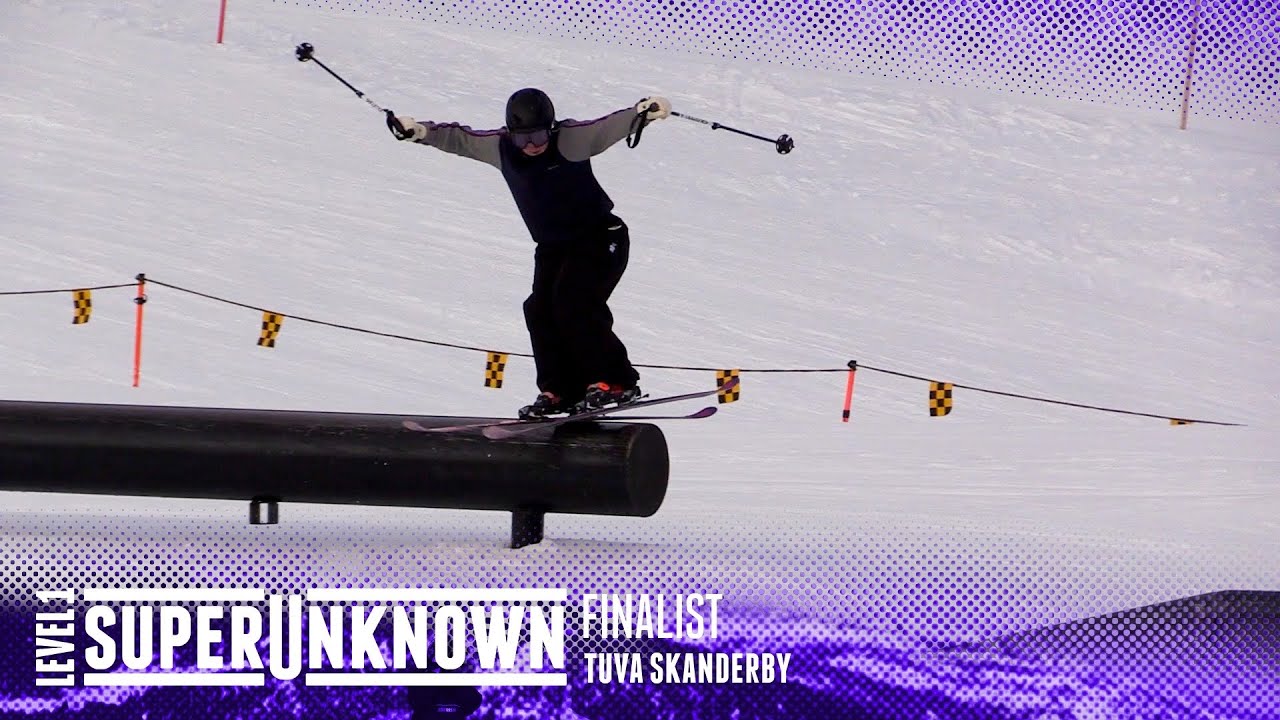
SuperUnknown is one of Level 1’s most important contributions to the ski community. Launched in 2004, it was created as a video talent search contest for skiers outside the traditional contest pipeline. The idea was simple and powerful: a skier with style, creativity and a camera could submit footage, get noticed, reach finals and potentially earn a path into filming with Level 1.
The list of past SuperUnknown winners shows its influence. Tom Wallisch won SuperUnknown IV in 2007 and went on to become one of the most important slopestyle and urban skiers of his generation. Later winners and finalists include Magnus Granér, Keegan Kilbride, Blake Wilson, Oscar Weary, Mathieu Dufresne, Mikkel Brusletto Kaupang, Shiori Takahashi, Felix Klein, Rylie Warnick and Isak Davidsson. The series has continued into the 2020s, with SuperUnknown 23 planned at Palisades Tahoe in 2026.
SuperUnknown matters because it gives Level 1 a role beyond filmmaking. It is a talent incubator, community event and cultural filter. It rewards skiers who might not fit perfectly into FIS contests or mainstream sponsorship structures. In a sport where style can be hard to measure, SuperUnknown gives emerging riders a visible platform based on clips, creativity and peer recognition.
Tom Wallisch Will Wesson Parker White and the Level 1 roster effect
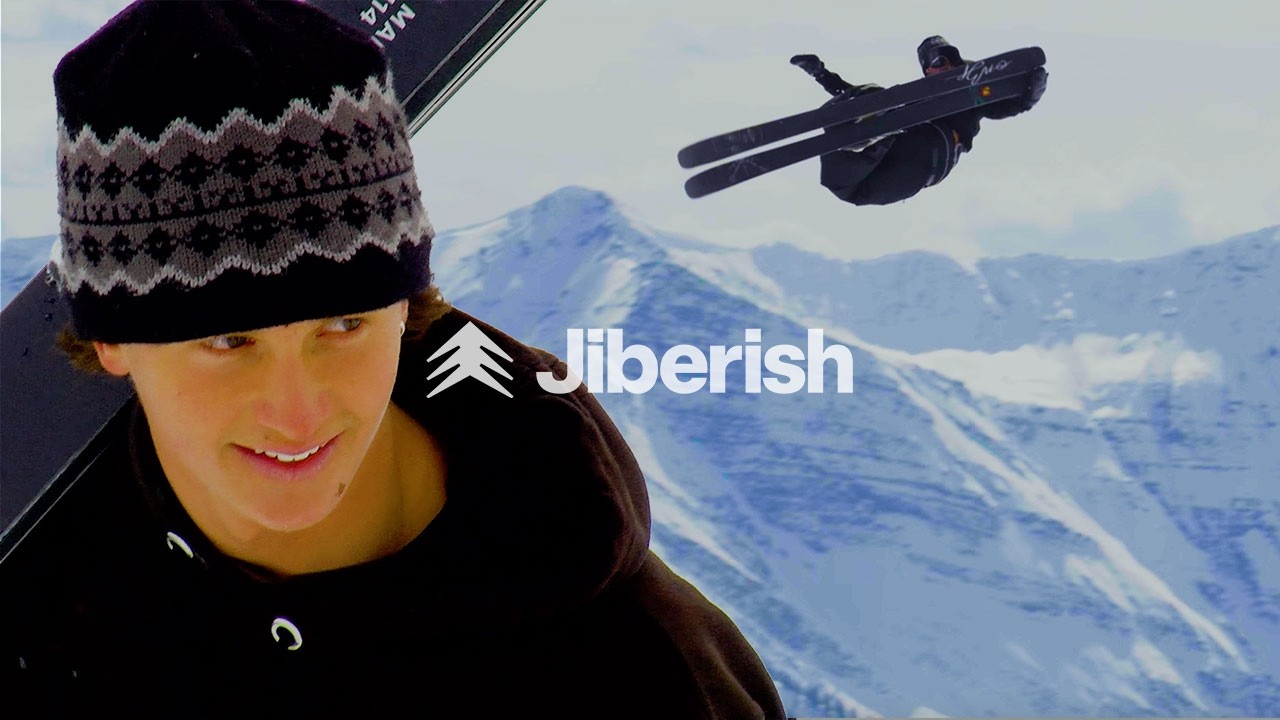
Level 1’s influence is partly visible through the athletes who passed through its films. Tom Wallisch, Will Wesson, Tanner Rainville, Ahmet Dadali, Mike Hornbeck, Parker White, LJ Strenio, Wiley Miller, Adam Delorme, Chris Logan, Will Berman, Keegan Kilbride, Laurent De Martin, Phil Casabon, Magnus Granér, McRae Williams, Thayne Rich, KC Deane, Duncan Adams and many others all helped shape the studio’s personality.
The roster effect is important because Level 1 did not treat all athletes the same. A Will Wesson street segment needed different pacing than a Parker White creative powder section. A Tom Wallisch rail line needed different framing than a Wiley Miller backcountry takeoff. A Phil Casabon clip needed space for rhythm and detail. The studio’s best work comes from matching the edit to the skier rather than forcing every athlete into one brand template.
That rider first approach is why Level 1 became a trusted stamp. If a skier appeared in a Level 1 film, viewers assumed there was a reason: style, originality, commitment, humor, spot choice or a way of seeing skiing that deserved attention. The studio helped build careers not only by showing tricks, but by giving skiers a cinematic context that made their personality legible.
Denver headquarters with a map from Quebec to Hokkaido
Level 1 is rooted in Denver, Colorado, but its film map is global. The catalogue stretches from East Coast rails to Quebec street sessions, from Utah and Colorado parks to British Columbia pillow zones, from Hokkaido storms to Scandinavia, Switzerland, Russia, Japan, Alaska, Washington, Montana, Michigan, Minnesota and beyond. That geography reflects the way freeskiing actually developed: not from one home mountain, but from a network of crews, parks, cities, storm cycles and strange opportunities.
Denver gave the studio a practical base near Colorado parks, film premieres, athlete networks and the North American ski industry. But Level 1’s editorial identity comes from movement. The crew traveled for snow, rails, new athletes, unusual locations and the possibility that a forgotten spot could become the best shot of the segment.
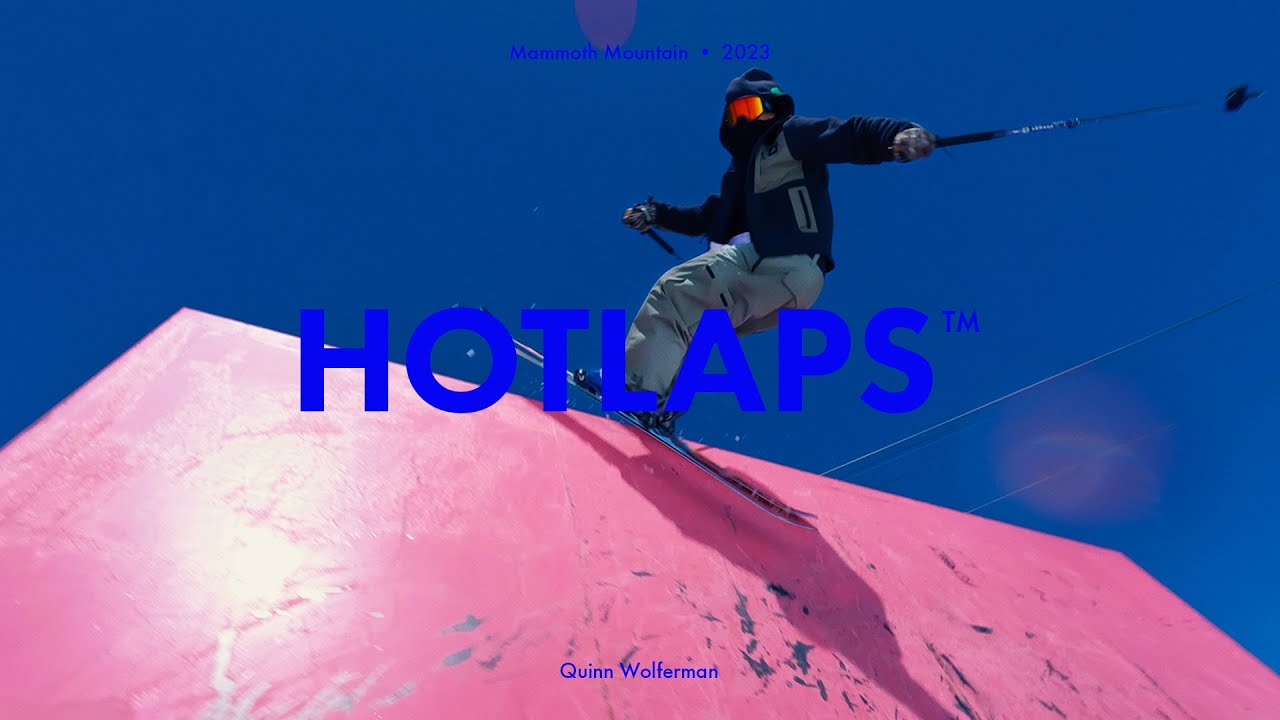
On skipowd.tv, Level 1’s current sponsor page shows that the studio is still active in the video ecosystem, with clips tied to SuperUnknown, HOTLAPS, RIFF, Seeing Flowers and other projects. That makes the brand both archival and current. It is a historical reference, but not a frozen museum piece.
From film tours to documentaries and commercial storytelling
For a studio, construction means workflow. Level 1’s real materials are camera planning, athlete trust, location scouting, editing, music direction, post production, distribution and the ability to make ski action feel meaningful. The company now describes services from campaign development through post production, including commercials, features, documentaries, TV, web series and social media marketing.
Full Circle shows the studio’s post annual film direction clearly. Presented by Level 1 Productions and Abramorama, the film tells the story of Trevor Kennison and moves into documentary territory while keeping Berman’s action sports experience at the center. That project demonstrates that Level 1 can step beyond classic ski movie structure and still use its mountain production background effectively.
This evolution matters because the old ski movie economy changed. Annual DVD releases and film tours no longer function the way they did in the 2000s. Level 1’s durability comes from adapting without abandoning its taste. It can produce short digital projects, SuperUnknown events, branded work and documentaries while keeping the same standard: skiing or story first, polish second, hype only when earned.
How to enter the Level 1 catalogue
For viewers new to Level 1, the best entry point depends on what part of freeskiing they care about. Romance is the natural historical summary because it closes the annual film era and features a huge range of skiers from different generations. Pleasure and Zig Zag show the late era polish of the studio, with strong travel, street, powder and park balance. Realtime, Turbo, Refresh and Eye Trip are important for viewers who want to understand mid era Level 1 style and the rise of key freeski personalities.
SuperUnknown recaps are the best entry point for viewers who care about emerging talent. They show what younger skiers are doing right now, often before the larger ski world knows their names. The format also gives a concentrated look at park, street and powder progression inside one event structure.
Full Circle is the best entry point for people who want to see where Level 1’s filmmaking language moved after annual ski movies. It is not a standard trick heavy ski film. It is a documentary, but it still carries the mountain production experience that Berman and Level 1 built over two decades.
Why Level 1 still matters to freeskiing
Level 1 matters because it helped teach skiing how to look at itself. The studio documented the transition from early newschool energy into a mature freestyle culture, then helped preserve the details that made that culture special: street builds, park style, athlete friendships, road trips, crashes, soundtracks, travel and the small pauses before a skier drops in.
The 5 out of 5 importance rating is justified by more than longevity. Level 1 has a historic film catalogue, a founder with a clear visual voice, a talent pipeline through SuperUnknown, a Denver production base, an ongoing media presence and a post annual film evolution into documentary and commercial work. It is one of the few ski studios that shaped both who became visible and how the sport was filmed.
On skipowd.tv, Level 1 belongs as a core ski film production studio and cultural institution. It connects the first wave of modern freeski films to today’s short form clips, SuperUnknown finalists, documentary projects and rider driven media. For skiers who care about style as much as scale, Level 1 remains essential because its best work still feels like the camera is there for the skiing, not the other way around.