Jackson Wells
Wānaka, New Zealand | Active: 2013-present public record | Focus: slopestyle, big air, creative ski films, Wells Brothers projects | Current: Wells Brothers producer/skier and Monster Energy-supported rider
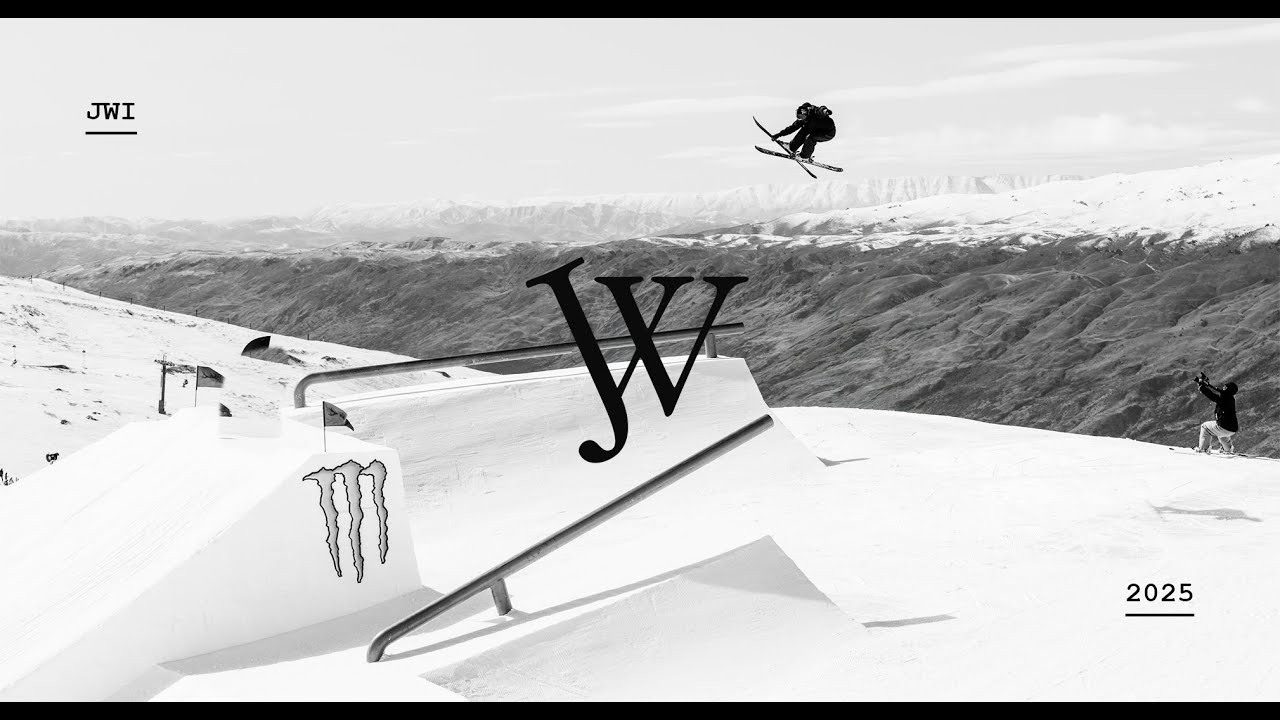
Cardrona Low Tide And Southern Light
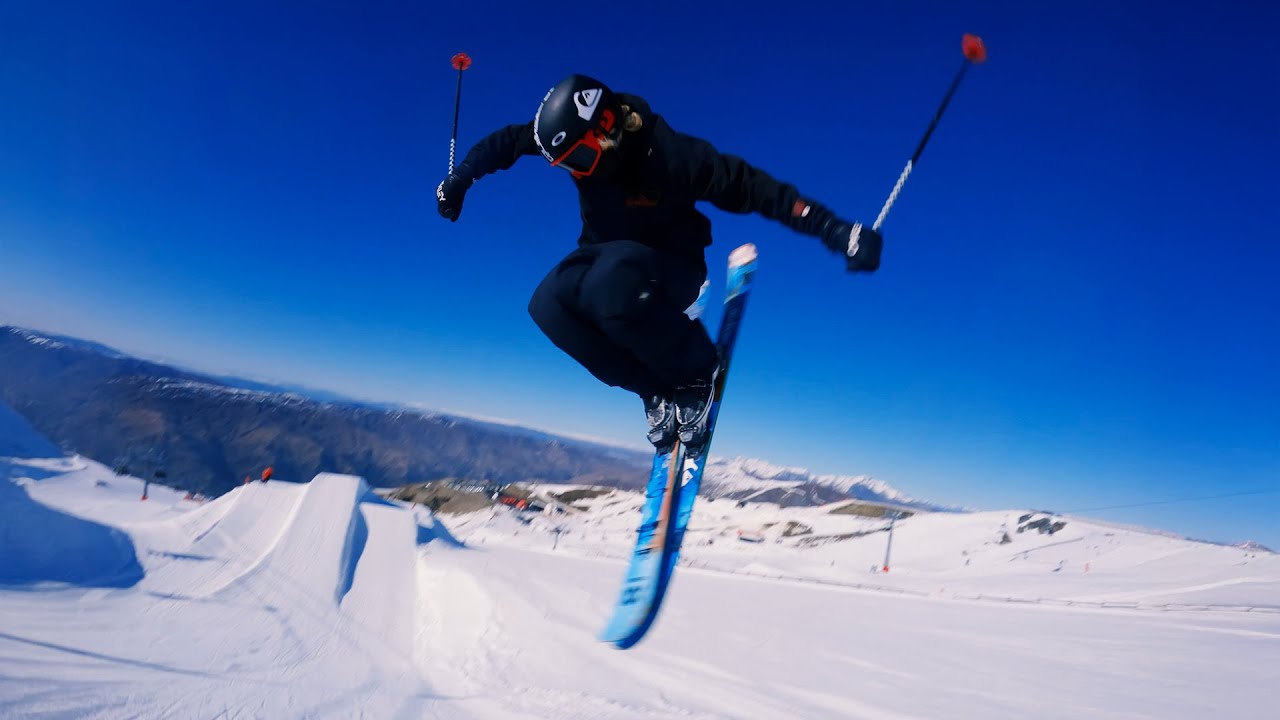
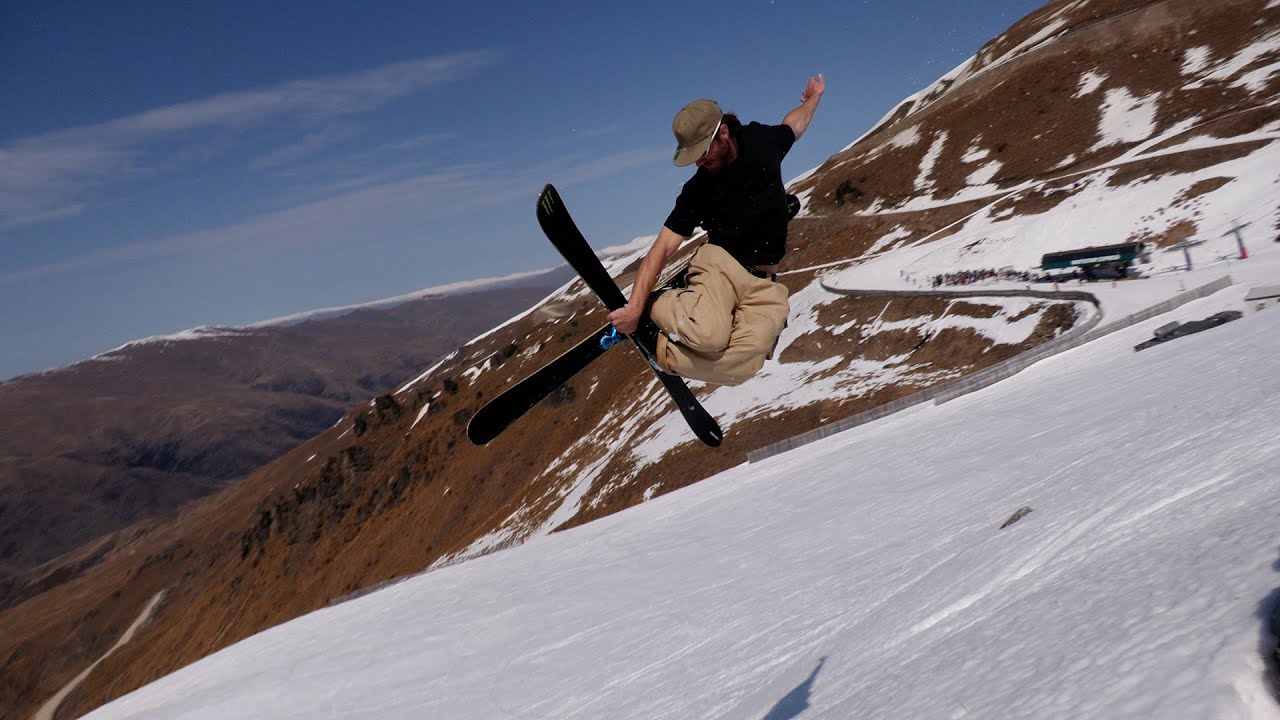
Cardrona’s spring snow ran thin over brown New Zealand ground, with wind crust in the shadows and soft takeoffs catching late Southern Hemisphere light. Jackson “Wacko” Wells pushed into the line anyway, skiing the low-tide mess with the same looseness that once carried him through Olympic slopestyle and X Games big air. In recent Wells Brothers films, the setup rarely looks perfect. That is part of the point. A side hit, a rail, a blind knuckle, or a rough backcountry patch becomes useful when the skier has enough air sense to turn bad conditions into timing.
Wānaka Inside The Wells House
Jackson Wells was born in Wānaka in 1998, the youngest of the four Wells brothers: Jossi, Byron, Beau-James, and Jackson. The New Zealand Olympic Team lists him as a freestyle skier from Wānaka, while Monster Energy describes the family’s origin story around parents who moved from Australia to Wānaka to work at a ski resort. That detail explains the depth of the Wells identity. Skiing was not only a seasonal activity. It became the household rhythm, the playground, the transport system, and later the family business of contests, filming, events, and visual style.
Lillehammer Before PyeongChang
Wells reached an international Olympic stage before his senior Games debut. At the 2016 Winter Youth Olympic Games in Lillehammer, he placed sixth in men’s slopestyle with a 79.0 score. Two years later, he represented New Zealand at the 2018 Olympic Winter Games in PyeongChang, finishing 25th in men’s slopestyle qualification with runs of 52.80 and 42.00. Those numbers do not tell a medal story, but they place him inside a demanding generation of men’s slopestyle. The fields around that period included skiers pushing double corks, switch takeoffs, rail direction changes, and complete run construction at a speed the sport had not seen a decade earlier.
Hafjell When Big Air Hit
The strongest contest marker in Wells’s record came at X Games Norway 2017 in Hafjell. Red Bull’s event coverage lists Jackson Wells as the men’s Ski Big Air bronze medalist, behind Henrik Harlaut and Eirik Sæterøy. The event mattered because it arrived at a time when big air was moving toward heavier triples, more varied axes, and a cleaner separation between riders who could spin large and riders who could make large spins readable. In qualification coverage from Downdays and Newschoolers, Wells was linked to switch triple work, forward triple rotations, and a 360 over-tweak stalegrab. That mixture captures the best version of his contest skiing: high rotation count without losing the slightly strange Wells-family style note.
World Cup Course Without A Long Podium Chase
FIS lists Wells as a New Zealand athlete with FIS Code 2528950 and competition status marked not active. His result sheet runs from 2013 through 2020 across slopestyle, big air, and halfpipe. That official record matters, but it should not be oversold. Wells did not build a career around repeated World Cup podiums or a long Olympic medal campaign. He came through the same contest structure as many modern freeskiers, then shifted public identity toward a more flexible space: still technical enough for slopestyle and big air, but increasingly valuable in films where terrain, editing, and mood carry the story.
Bracket Creep On South Island Snow
Bracket Creep, released in 2023, gives one of the clearest examples of that shift. Newschoolers lists the film as a Beau-James and Jackson Wells project, produced by both brothers and shot in Wānaka, New Zealand. The cast includes Jackson Wells, Ferdinand Dahl, Joona Kangas, Édouard Therriault, Tormond Frostad, Beau-James Wells, Anni Kärävä, Dane Kirk, Finn Bilous, Ruby Andrews, Kazuma Saka, and Noah Bowman. Freeskier’s Q&A with Beau-James described the project as a ten-minute film made in their homeland, with the crew building features, testing ideas, shoveling, filming, and cutting clips down to a short format. For Jackson, the credit is important because he is not only a rider in the edit. He is part of the production engine.
Protection Racket At Cardrona And The Remarkables
Freeskier later framed the Wells brothers’ edits as a run of mysterious, surreal short films, naming The Underbelly, Bracket Creep, and Hiatus as prior examples before Protection Racket. That 2024 film was supported by Monster Energy and documented winter at Cardrona Alpine Resort and The Remarkables. The rider list included Kai Mahler, Wacko, Joona Kangas, Quinn Wolferman, Beau-James Wells, Ferdinand Dahl, Finn Bilous, Elias Syrjä, Tom Greenway, Ben Barclay, Felix Klein, Dane Kirk, Édouard Therriault, and Jossi Wells. Those names place Jackson inside a current creative network that stretches from New Zealand to Europe and North America, with park skiers, big-air technicians, rail skiers, and film-minded riders sharing the same visual space.
Birthright Across Wyoming, Austria, And Craigieburn
Birthright, released in 2025, pushed the Wells Brothers film language further. Mountainwatch describes it as a Beau-James Wells film produced by the Wells Brothers, featuring the Wānaka-bred brothers and friends in sketchy low-tide spring conditions in New Zealand, with additional footage in California, Wyoming, and Austria. The listed locations include Sugar Bowl Resort, Jackson Hole, Innsbruck, Cardrona, and Craigieburn Valley. The cast includes Jackson Wells, Édouard Therriault, Beau-James Wells, Daniel Bacher, Byron Wells, and Jossi Wells. The film works as a family document, but not in a nostalgic way. It shows the Wells brothers treating rough snow, travel, and visual experimentation as material rather than obstacles.
Divine Council In Black-And-White Powder
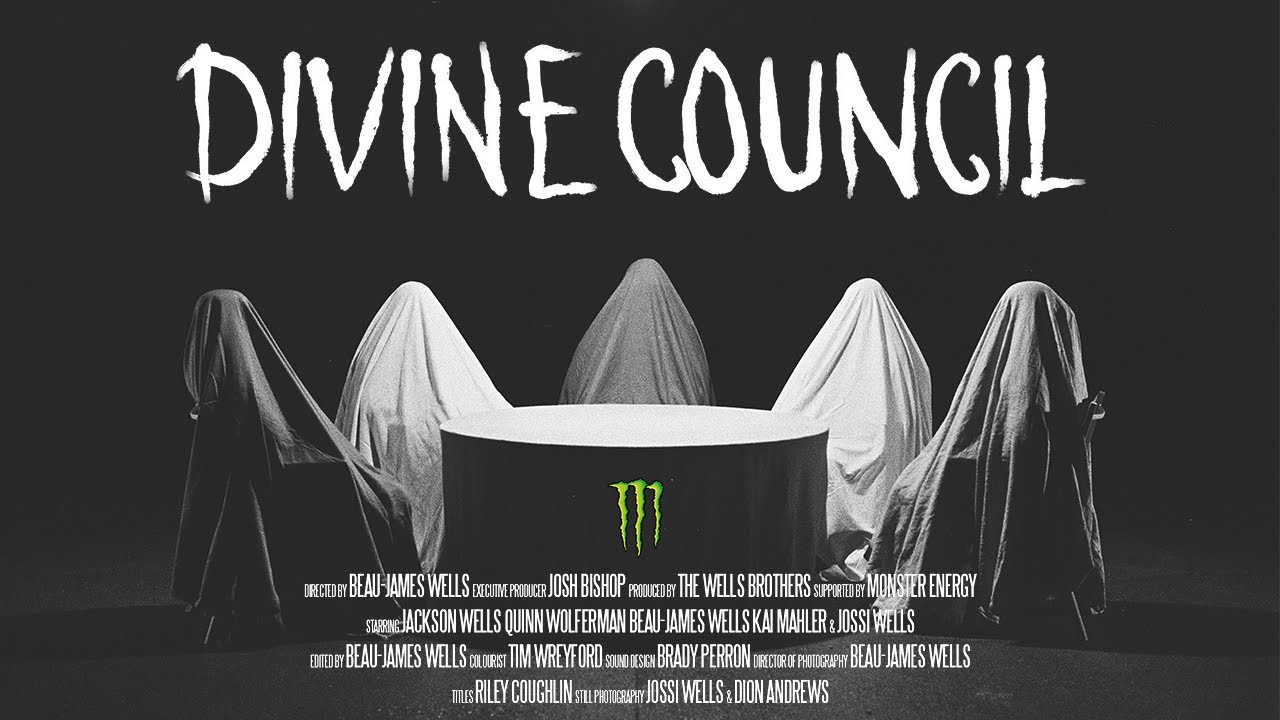
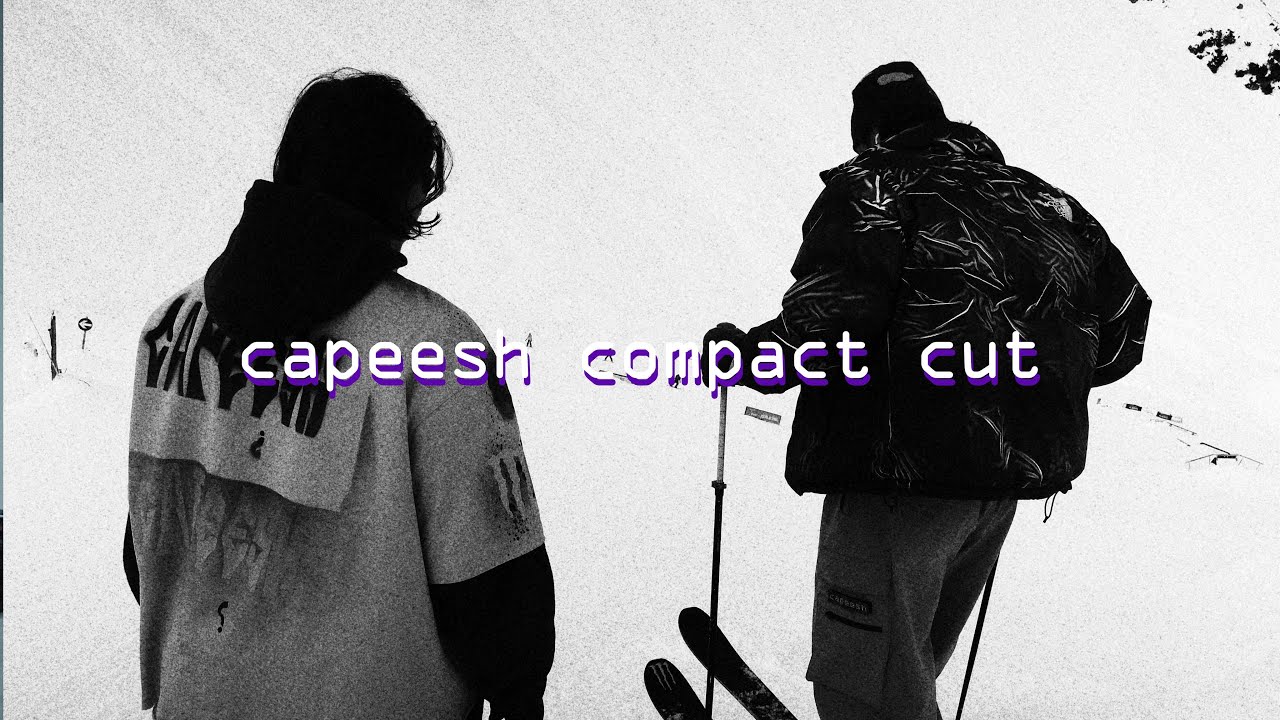
The 2025 project Divine Council continued that direction into a full backcountry film. Downdays described it as the latest arthouse-style installment from the Wells Brothers, with Jackson Wells, Quinn Wolferman, Kai Mahler, Jossi Wells, and Beau-James Wells in the cast. The credits list Beau-James Wells as director, The Wells Brothers as producer, Monster Energy as supporter, Brady Perron on sound design, and Jossi Wells plus Dion Andrews on still photography. That production context matters because Jackson’s modern role is not separate from the crew’s aesthetic. He belongs to a project language built from black-and-white snow, supernatural framing, powder skiing, and an editing style that avoids the standard trick-after-trick ski-film formula.
Monster Support And The Family Frame
Monster Energy’s sibling feature names Jossi, Beau-James, and Jackson as sponsored by the brand, while placing the four Wells brothers together as one of skiing’s defining family stories. The same article connects Jossi’s contest legacy with Beau-James and Jackson’s creative paths, describing Jackson as “Wacko” and linking him to his own creative style. That support fits the current phase. Jackson no longer needs to be read only through a bib number. His commercial value now sits in the family frame: Wānaka roots, Jossi Wells Invitational culture, Monster-backed films, and a visual identity where music, sound design, color, and line choice carry as much weight as score sheets once did.
How Wacko Skis Now
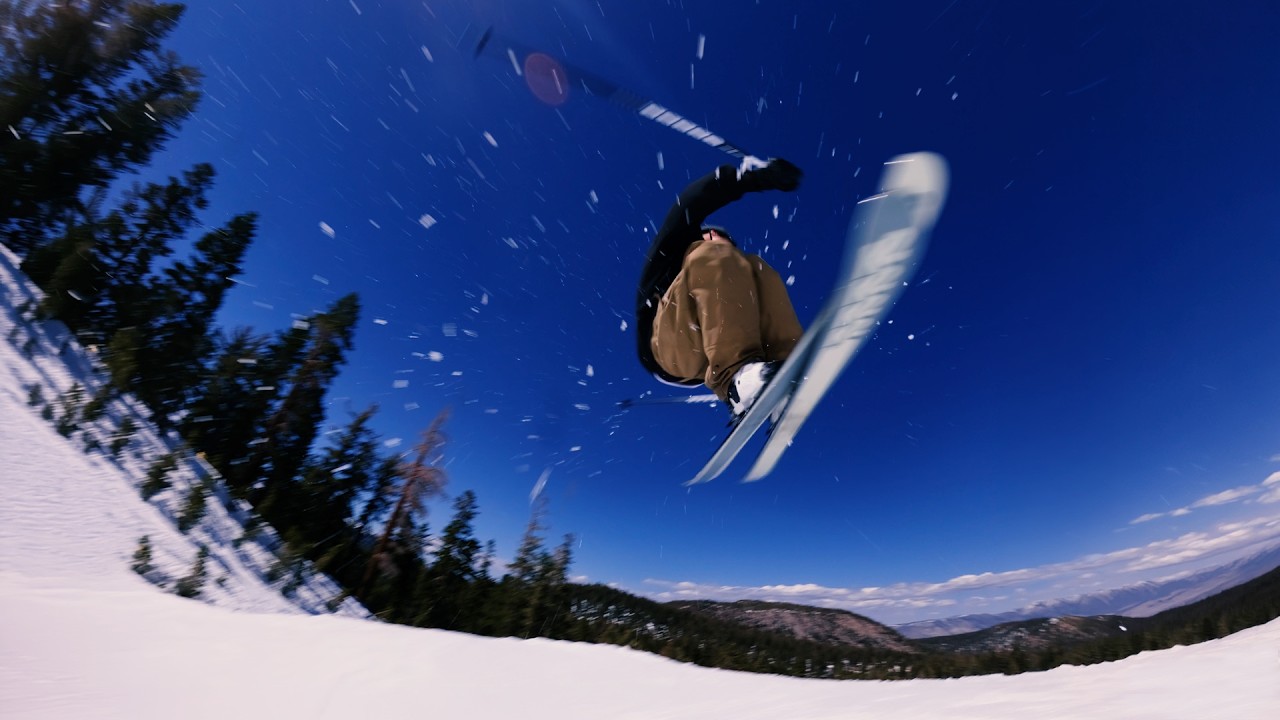
Wells’s technical base still comes from slopestyle and big air: switch takeoffs, triple rotations, cork control, stalegrab tweaks, rail approaches, landing absorption, and full-run awareness. His current skiing adds another layer. In the Wells Brothers edits, he uses the contest toolkit in stranger places: low-snow couloirs, rough park transitions, spring features, backcountry hits, and camera-led lines where a clean trick is not enough if the shot has no feeling. That combination separates the late-career profile from his official FIS record. The rotation skill remains, but the surrounding question has changed from “what score will this earn?” to “does this clip belong in the world the film is building?”
The Present Is Film First
Jackson Wells earns a 4/5 importance rating because he has a verified Olympic start, a Youth Olympic top-six result, an X Games Big Air bronze medal, and a current creative footprint through Wells Brothers projects. He does not have the repeated X Games medal count or Olympic podium needed for 5/5, and his FIS profile is now inactive. The present chapter is concrete: Bracket Creep, Protection Racket, Birthright, Divine Council, Monster support, and a Wānaka-based family film language that keeps his skiing visible beyond the contest circuit.