Vishnu ski
United States
American street and park freeski brand | Founded in the mid-2010s by Emmett Davis, Kale Cimperman and Dylan Manley | Known for: Wet, Key, Wide, Plus, Tank, soft-flex jib skis, symmetrical twins, street skiing edits, Tears of Joy, Pallet and rider-run media culture | Focus: skis built for rails, presses, butters, rope-tow laps, urban features, technical park skiing and crews who treat filming as part of the product.
A street skiing brand before street skiing was treated seriously
Vishnu ski, officially Vishnu Freeski, is one of the most distinctive independent ski brands in modern park and street skiing. It is not a race company, a freeride legacy manufacturer or a full mountain equipment brand. It was built from the start around one narrow, radical idea: make skis for street skiing, rail skiing, pressing, buttering and creative jibbing instead of trying to satisfy every type of skier.
The brand emerged in the mid-2010s through Emmett Davis, Kale Cimperman and Dylan Manley, with a tight rider-run structure where founders, skiers, filmers and shovel crews all overlapped. That closeness matters. Vishnu did not feel like a brand guessing what park skiers wanted from a distance. It felt like the people hitting the rails were also shaping the skis, making the edits and answering the questions.
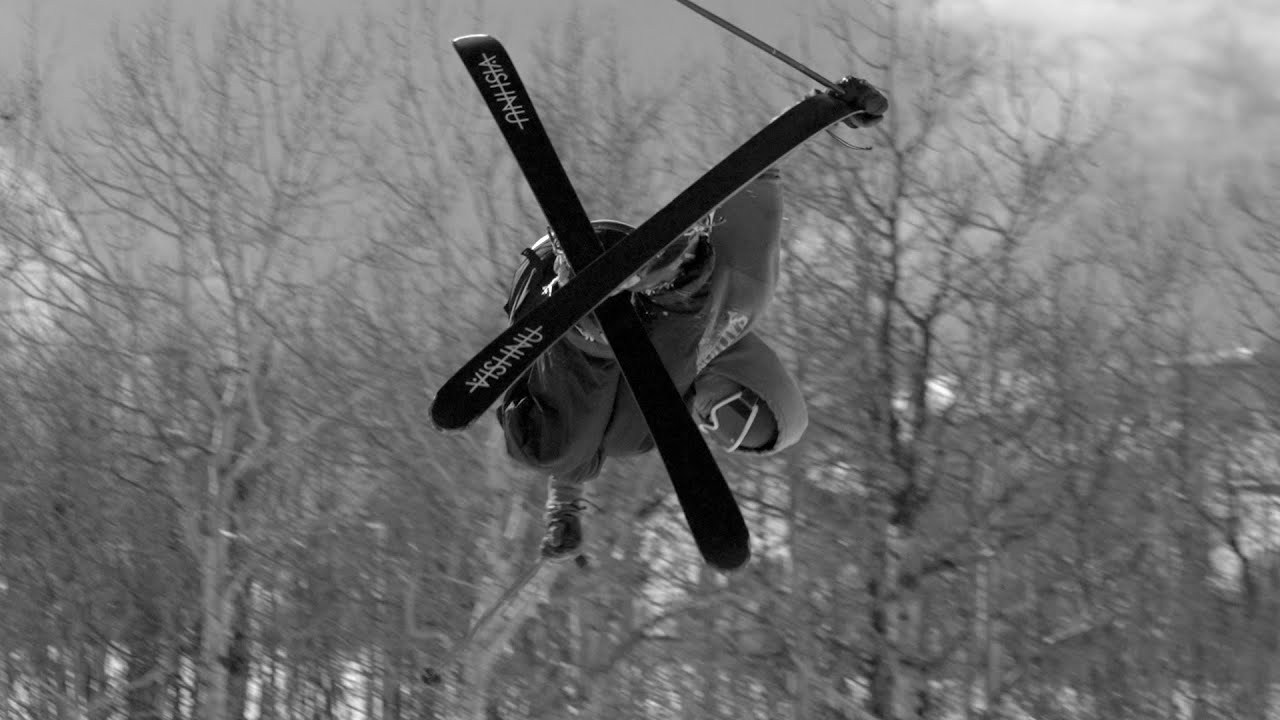
That is why Vishnu became so respected inside a small but influential lane of freeskiing. The brand gave street skiing its own product identity. Soft tips and tails, strong underfoot sections, symmetrical shapes, durable construction and graphics that did not try to look like mainstream ski-shop art all became part of the message. Vishnu was not asking whether street skiing counted as “real skiing.” It was building skis as if the answer was already yes.
Wet, Key, Wide, Plus and Tank
Vishnu’s current ski wall is compact and easy to understand. Wet is the original Vishnu idea: a soft, playful, symmetrical twin built for rails, presses, butters and creative low-speed skiing. The 26/27 Wet page lists 171, 177 and 183 cm lengths, a 116-88-116 sidecut, sandwich construction and a bamboo/poplar core. It is the model most closely tied to the brand’s street skiing identity.
Key is the more traditional park ski in the line. It is still light, jibby and Vishnu-shaped, but it has more structure for jumps, bigger features and higher speeds. The official Key page lists 128-95-118 dimensions in the 180 cm length, bamboo/poplar core, sandwich construction and aluminum tip protectors. Vishnu describes it as stiffer than the Wet, with medium rocker in the tips, camber underfoot and minimal tail rocker.
Wide pushes the Vishnu feel into softer snow and bigger resort play. At 132-106-132, it gives more surface area for slush, side hits, spring parks and soft-snow jibs while staying inside a freestyle twin-tip world. Plus is not one separate shape, but a stiffer series: Wet Plus, Wide Plus and Key Plus are described as 33% stiffer than the regular models, with faster sintered bases for better glide, especially in slush. Tank is the outlier: a 140-111-132 ski built for the mountain, high speeds, big drops, hard carves and riders who want Vishnu energy with far more support.
Wet is the street tool, Key is the jump tool
The easiest way to understand Vishnu is to compare Wet and Key. Wet is for the skier who wants the ski to bend. It is for nose presses, tail presses, surface swaps, wall taps, small features, flatland tricks, sideways landings and street spots where control at low speed matters more than carving power. The Wet rewards skiers who use the whole ski as a flexible object, not just an edge.
Key is for skiers who still want Vishnu looseness but need more composure. It is better for bigger park jumps, longer landings, faster approaches and skiers who do not want the softest possible ski underfoot. A rider who spends all winter filming rails may prefer Wet. A rider who splits time between rails, jump lines and stronger all-mountain park laps may prefer Key.
This distinction is important because Vishnu skis are not generic park skis. They have very specific personalities. A skier coming from a stiff all-mountain twin may find the Wet extremely soft and loose. A skier who lives for presses may find that exact softness perfect. Vishnu works best when the skier understands the intended use before buying.
Wide, Plus and Tank show the brand growing without losing its center
Wide extends the brand beyond pure street skiing. At 106 mm underfoot, it can handle slush, soft landings, side hits, early-season piles and mixed resort terrain better than the Wet. It still belongs to the freestyle world, but it gives skiers more width underfoot when the mountain is not only rails and boxes.
Plus answers another problem. Some skiers loved the Vishnu shape but wanted more stiffness, more rebound and faster bases. By making stiffer Plus versions of the Wet, Wide and Key, Vishnu kept the same model logic while giving stronger or heavier skiers more support. This is especially useful for people who like the brand’s feel but ski bigger features or heavier landings.
Tank is the most aggressive step. Vishnu describes it as the first Vishnu designed for the mountain, with enough stiffness for high speeds, big drops and hard carves. It is still lightweight and can be used in the park, but it is clearly the model for riders who want to ski more terrain without leaving the brand. Tank shows that Vishnu is no longer only a rail-ski label, even if rail skiing remains its soul.
Bamboo, poplar, sandwich construction and simple durability
Vishnu’s construction language is straightforward. The official ski pages repeatedly list sandwich construction and bamboo/poplar cores. The brand does not bury the skis under a long list of exotic materials or race-room buzzwords. The idea is simpler: make a ski that bends predictably, survives rail abuse and keeps enough strength underfoot for real landings.
Bamboo and poplar make sense for Vishnu’s lane. Poplar keeps the ski light and lively. Bamboo adds snap, strength and a different flex character. Full sandwich construction gives the ski a more serious build than a disposable toy, which matters when the intended use includes rails, concrete-adjacent street spots, heavy detuning, repeated impacts and long nights under park lights.
The brand’s durability story is tied to use rather than luxury. Vishnu skis are expected to get beaten up. They are not meant to stay cosmetically perfect. A pair of Vishnus may look rough after a season of rails, but the reason riders care is whether the ski still presses, lands and survives the abuse. That is the correct lens for this brand.
Emmett, Kale, Dylan and the rider-run credibility
Vishnu’s credibility comes from the people behind it. In the 2015 Newschoolers brand spotlight, Kale Cimperman described Vishnu directly as a street skiing brand, founded by Emmett Davis, Dylan Manley and himself. Emmett described filming, shoveling and skiing every day. Dylan described a tight-knit operation where owners and riders were friends before the brand existed.
That origin explains why Vishnu feels different from bigger ski companies. The brand was built by people frustrated that larger companies did not listen closely enough to freestyle skiers, especially street skiers. Instead of waiting for a corporate freestyle department to care, they made their own ski and their own media world.
This rider-run structure is central to Vishnu’s image. The team is not a decorative marketing list. The team is the brand’s testing department, film crew, culture engine and product argument. If the skis work in a Vishnu street edit, that matters more to the target audience than a catalog phrase about versatility.
Tears of Joy, Pallet and the film-first identity
Vishnu’s reputation was built through videos as much as through skis. Projects like Pallet, Super Slimewater and Tears of Joy helped define the brand’s voice: strange spots, street rails, rough landings, hand-built features, long shoveling sessions and skiing that feels more like a group of friends pushing an idea than a polished product campaign.
Tears of Joy is one of the strongest examples. The film features Kysen Hall, Dylan Manley and Luke Roberts and was filmed over multiple seasons of street skiing. That kind of project shows what Vishnu values: patience, spot hunting, repeated attempts, injuries, shovel work, jokes, style and the satisfaction of landing a clip that probably looked impossible at first.
This film-first identity matters because Vishnu skis are not explained only by specs. They are explained by seeing how riders use them. A Wet makes more sense when you watch a skier bend it into a press on an awkward urban feature. A Key makes more sense when a skier carries more speed into a bigger park feature. The videos are product education without sounding like product education.
Rope-tow parks, Utah streets and the wider jib map
Vishnu’s natural terrain is not the classic big mountain face. It is the rope-tow park, the night session, the stair set, the street rail, the backyard feature, the small hill with endless repetitions and the urban spot where the snow barely cooperates. That geography includes Midwest parks, East Coast rails, Utah street zones, Mammoth and Mt. Hood park laps, Scandinavia, Finland and European urban scenes.
Rope-tow culture is especially important. A ski like the Wet makes sense when a rider can hit the same feature again and again, adjust the trick, change the press point, tweak the speed and try until the clip feels right. Big vertical is not required. Repetition is the key.
On skipowd.tv, Vishnu is tied to videos such as IDK FREE HUGS - DYLAN PATEE @ TROLL, TETRIS and SHADY CANYON 4. That is exactly the right context. Trollhaugen, Park City, backyard skiing and street-heavy edits are environments where a Vishnu ski is not a random logo. It is part of the visual and technical language of the clip.
Why Vishnu is not trying to be every skier’s brand
Vishnu’s strength is also its limitation. These skis are not designed for everyone. A piste skier who wants race-like grip, a freerider who wants a metal charger, or a touring skier counting grams will find better tools elsewhere. Vishnu is strongest when the skier wants low-speed play, rail feel, press control, switch skiing, park creativity and street durability.
This honesty is part of the brand’s appeal. Many ski companies say one ski can do everything. Vishnu’s best products say something more specific: this ski is for jibbing, pressing, filming and making features feel possible. That clarity makes the brand more useful to the right skier and less confusing to everyone else.
Tank and Plus have expanded the range, but they do not erase the core. Vishnu is still a freestyle-first brand. Even its more mountain-oriented shapes carry the culture of soft snow play, park influence and film-driven skiing.
Choosing Wet, Key, Wide, Plus or Tank
Choose Wet if your season is mostly rails, street spots, rope-tow laps, butters, presses, surface swaps and playful park skiing. It is the clearest Vishnu choice and the one that best explains the brand. Choose Key if you want more support for jumps, bigger features, higher speed and a more traditional park feel without losing the Vishnu identity.
Choose Wide if you want a wider freestyle ski for slush, side hits, soft resort days and creative all-mountain play. It is the best option for skiers who like Vishnu’s jib DNA but want more surface area underfoot. Choose Plus if you already like Wet, Key or Wide but want a stiffer, faster version with more support and better glide in slush.
Choose Tank if you want the most mountain-capable Vishnu. It is the ski for heavier, faster or more aggressive riders who still want freestyle energy but need a platform for speed, drops, carving and wider terrain. It is also the model that makes the most sense for skiers who love Vishnu culture but do not spend every lap on rails.
Why Vishnu earns a 4 out of 5
Vishnu earns a 4 out of 5 importance rating because it is one of the clearest and most culturally important independent brands in street and park skiing. It has a verified skipowd.tv sponsor page, a focused product line, recognizable models, strong rider-run credibility, deep Newschoolers relevance and a media identity that has helped legitimize street skiing as its own ski category.
It is not rated 5 out of 5 because its influence is intentionally narrow. Vishnu does not define race, freeride, touring, bindings, boots, outerwear or global ski manufacturing. It does not have the scale of Armada, Line, Faction, Salomon or Völkl. Its power is concentrated in one core scene: park, street, rails, jibs and independent freeski media.
On skipowd.tv, Vishnu Freeski belongs as a major independent street and park ski sponsor. Its value is the soft tip bending into a press, the late-night rail session, the hand-built street spot, the ski that looks wrecked but still works, and the belief that the smallest feature can be worth filming if the idea is good enough.