Copper Peak
Michigan
United States
Michigan ski flying venue above Ironwood | Known for: 469 foot cantilevered inrun, 35 degree jump profile, Adventure Ride, FIS redevelopment, Sammy Carlson big air footage | Season: summer and fall visitor access with winter status tied to construction and events | Best for: ski culture travelers, film-history fans, Midwest road trips, and spectators following the return of international jumping
Chippewa Hill And The Steel Inrun Above Ironwood
Copper Peak rises on Chippewa Hill near Ironwood in Michigan’s western Upper Peninsula, a few minutes from the Wisconsin border and the Lake Superior snowbelt. The structure is not a downhill ski resort, not a terrain park, and not a public jump for freeski laps. It is a purpose-built ski flying venue: a 469 foot cantilevered inrun set at 35 degrees, built from 300 tons of COR-TEN steel, and visible above the northwoods like a piece of industrial mountain architecture.
That distinction matters for Michigan ski coverage. Copper Peak does not compete with local hills for lift laps. It gives the state a different kind of snow-sports identity, one tied to international ski jumping, engineering scale, and spectacle. In a region where most ski areas rely on lake-effect snow, night sessions, compact vertical, and park repetition, Copper Peak adds a single, unmistakable venue that connects the Midwest to the wider world of Nordic jumping.
From 1970 Flights To The 1994 Pause
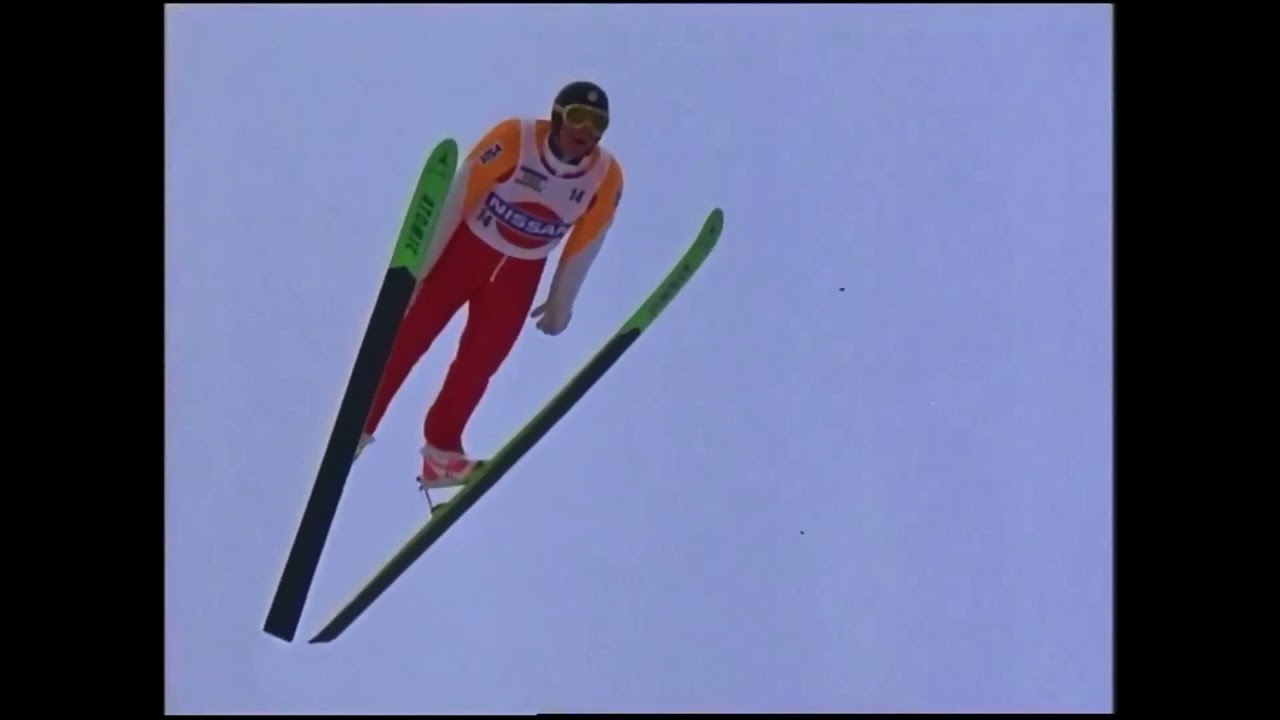
The venue opened for ski flying in 1970 and operated as an international competition hill until its final event in 1994. During that period, Copper Peak hosted FIS-sanctioned competitions and became known as the only ski flying facility in the Western Hemisphere. The historic record sits at 158 meters, or 518 feet, set in 1994 by Austrian jumpers Matthias Wallner and Werner Schuster during the final competition era.
Copper Peak’s biggest competition moment came in February 1981, when it hosted the 28th K.O.P. International Ski Flying Week as part of the 1980-1981 FIS Ski Jumping World Cup. That history puts the site in a separate category from most North American ski landmarks. It was not a novelty jump or a local hill with a large scaffold. It was a true ski flying stage built for speed, exposure, and international attention.
The pause after 1994 changed its function but not its visual force. With no modern ski flying events for decades, the tower became a visitor attraction, a regional landmark, and a reminder of what North American jumping infrastructure once attempted. That long gap is now part of the story. Copper Peak is not only historic because athletes flew there; it is historic because the structure survived long enough to be considered for a modern return.
Adventure Ride Views From 1782 Feet
The public-facing version of Copper Peak is the Adventure Ride. Visitors ride a chairlift to an 800 foot hilltop, take an 18 story elevator to the main observation deck, then can climb another eight stories toward the starting gate. The upper platform sits at 1,782 feet above sea level and 1,180 feet above Lake Superior, giving the site one of the most dramatic viewpoints in the Midwest.
For a ski traveler, that visitor setup changes how to use the venue. Copper Peak is best planned as a half-day cultural stop inside a western Upper Peninsula ski trip, not as the main place to ride. A skier can lap Snowriver, Big Powderhorn, Blackjack, or other nearby hills, then schedule Copper Peak for a clear day when the tower, forest, Lake Superior horizon, and Black River valley can be read from above.
The seasonal rhythm is different from a resort. Summer and fall bring the most reliable public access for sightseeing, foliage, trail use, and construction viewing. Winter access depends on operating status, weather, event planning, and redevelopment work. The venue’s own updates matter more than any normal ski-area snow report because this is a construction and event site as much as a tourism stop.
Rebuilding The Landing Hill For A Year Round Future
Copper Peak’s current chapter is redevelopment. The official project goal is to modernize the hill so it can host year-round ski jumping competitions and training, with the State of Michigan grant helping fund the return. The first major phase focuses on the landing hill, bringing it toward current international standards and setting up the possibility of both winter snow events and summer plastic-mat sessions.
That modernization would shift Copper Peak from historical landmark back toward active venue. The difference is important. A restored hill would not simply recreate the 1970s or 1980s version of ski flying. It would operate inside a modern FIS framework, with updated profile requirements, athlete expectations, safety systems, media needs, and potentially summer training value. The structure’s old identity was winter flight. The new identity is planned as a four-season jumping platform.
For freeski audiences, the redevelopment is indirect but relevant. Ski jumping is not freeskiing, yet both sports depend on speed, takeoff precision, air awareness, and landing discipline. Copper Peak brings those mechanics into a scale that park skiers can understand immediately, even if they would never drop into the inrun themselves.
Sammy Carlson And The Backwards Ski Flying Clip
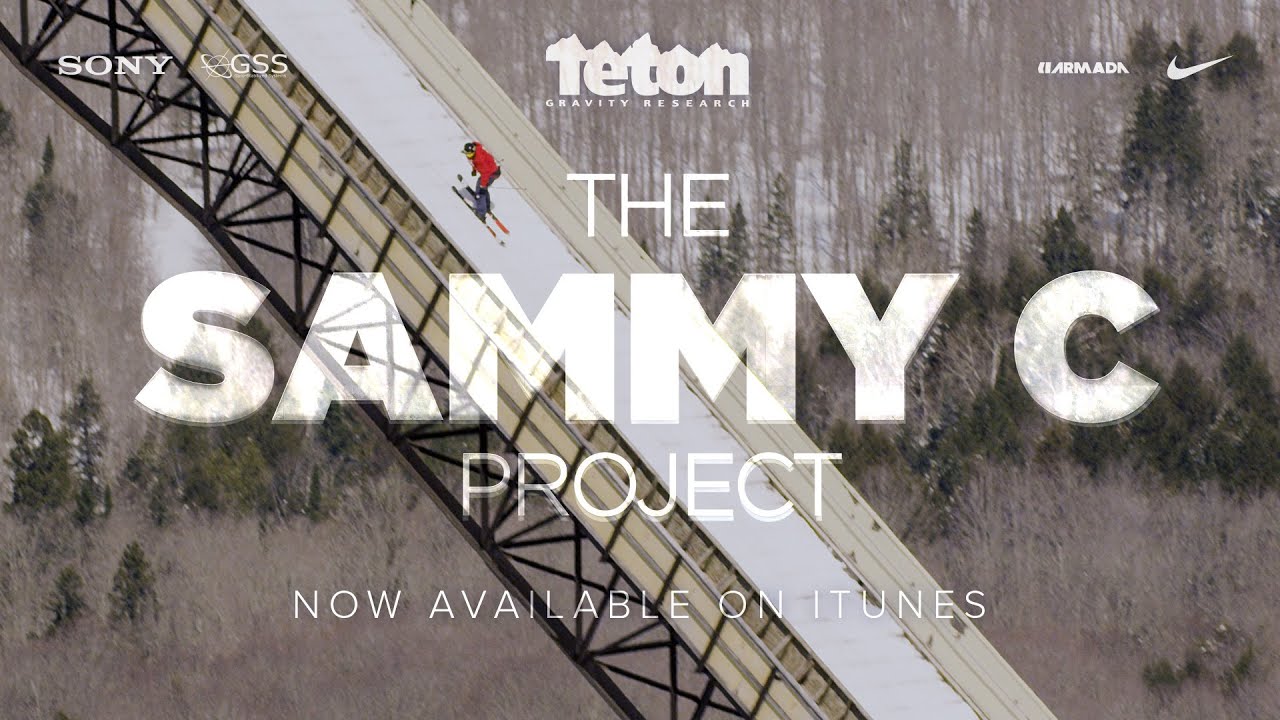
Copper Peak enters modern freeski culture most clearly through media. Sammy Carlson appears on skipowd.tv in a Copper Peak clip titled “Skier Spins off 24-story Ski Jump…Backwards,” produced through Teton Gravity Research. That single piece of footage gives the venue a freeski bridge: an elite park and backcountry freestyle skier using a ski flying structure as a big-air canvas rather than a Nordic competition hill.
The clip matters because it reframes the tower without pretending Copper Peak is a terrain park. The venue does not offer repeatable public jumps, rail lines, shaped lips, or park progression. Its freestyle value comes from scale and symbolism. A skier dropping from that structure brings together ski jumping heritage, stunt logic, camera tension, and the freeski instinct to reinterpret existing snow infrastructure.
That is why Copper Peak belongs in a freeski location database even with a narrow use case. It has no everyday park scene, but it has a verified ski media moment, an unmistakable silhouette, and a connection to the big-air side of the sport. For skipowd.tv, that makes the page useful as a venue profile rather than a resort guide.
Ironwood Logistics And Western U P Ski Pairings
Copper Peak sits north of Ironwood on Black River Valley Parkway and Copper Peak Road. Most visitors arrive by car through U.S. 2 or regional Upper Peninsula routes, with winter travel shaped by lake-effect squalls and rural driving distances. The closest ski-trip base is Ironwood, with Wakefield, Bessemer, and nearby resort lodging adding options depending on which hill anchors the trip.
The practical ski pairing is straightforward. Use nearby downhill areas for actual laps, then add Copper Peak for the story, view, event, or filming stop. Snowriver Mountain Resort and Big Powderhorn give the area its most obvious lift-served ski structure, while the wider western Upper Peninsula adds lake-effect snow culture and Midwest affordability. The best itinerary does not force Copper Peak into the role of a resort. It lets the venue be a landmark between ski days.
Weather should guide the order. During heavy lake-effect bands, ski the hills where trees, groomers, and local lift operations can handle low visibility. Visit Copper Peak when skies clear, wind is manageable, and the viewing deck is open. Event weekends need a separate plan because parking, access routes, spectator zones, and staff instructions can override normal visitor rhythm.
Construction Zones Wind And Venue Etiquette
Copper Peak requires different etiquette from a ski area. Respect construction fencing, closures, staff directions, and posted routes. Modernizing a ski flying hill involves steep slopes, heavy equipment, blasting work, winch operations, concrete work, and exposed structures. A closed area is not a shortcut for a better photo angle. It is part of the safety system that keeps the site open to visitors while work continues.
Wind is part of the Copper Peak experience. The structure was engineered to withstand extreme loads, and the upper tower can move slightly by design, but visitors should still treat the observation platform with care. Secure phones, hats, cameras, and loose layers. Stay inside signed areas and avoid leaning into railings for content. The view is the reason to go, but the height is real.
On winter trips, carry that same discipline to nearby ski areas. Lake-effect roads can change quickly, and the Upper Peninsula rewards conservative timing. In parks, call drops and clear landings. In trees, ski with a visible partner. At Copper Peak, the local rule is simpler: treat the venue as an active engineering site, a historic sports structure, and a public attraction at the same time.
A Midwest Landmark With A Narrow Freeski Role
Copper Peak’s value is specific. It is not a powder destination, not a park, not a lift-served freeride hill, and not a place where visitors come to ski lines under the tower. Its role is cultural and architectural: the largest artificial ski jump in the world, a former FIS ski flying site, a Michigan landmark, and a modern redevelopment project trying to return international jumping to North America.
That narrow role is still meaningful. Ski culture needs places that show scale, risk, engineering, and history. Copper Peak does all four in one view. The 469 foot inrun, the 35 degree angle, the 26 story tower profile, and the Ironwood setting give the venue a visual identity that most Midwest ski hills cannot match.
The best way to understand Copper Peak is to pair it with skiing nearby. Get your laps in the western Upper Peninsula, then stand under the tower and look up. The venue does not need to be a resort to matter. Its strongest fact is simpler: it is a piece of ski history being rebuilt, and its next chapter could put the Midwest back on an international jumping calendar.