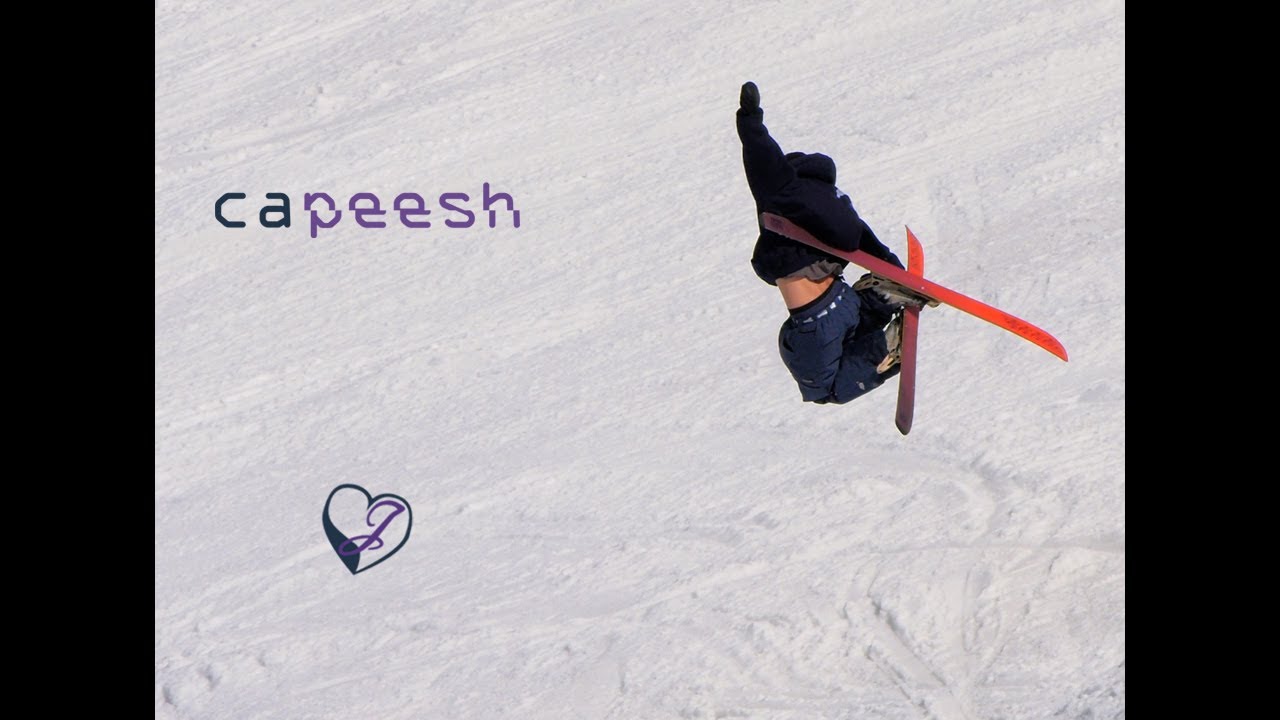
Capeesh fashion house
Norway
Norwegian rider-led freeski apparel and streetwear label | Founded in 2020 by Ferdinand “Ferdi” Dahl and two childhood friends | Known for: baggy pants, woven belts, Big Puffy, Bombshell, Revamp, Fancy Pant, Pantaloni, interchangeable patches, oversized silhouettes and park-street styling | Focus: clothing for skiers who treat outerwear as part of the trick, the edit, the crew and the visual language of modern freeskiing.
Norwegian park roots and the fashion house idea
Capeesh Fashion House, also known online as Capeesh Supply, is not a ski manufacturer, binding company or traditional outerwear giant. It is an independent Norwegian ski apparel and streetwear label created in 2020 by freeskier Ferdinand “Ferdi” Dahl and two childhood friends. That origin matters because Capeesh did not enter skiing from a corporate outdoor background. It came from the park, the street and the people already living inside the freeski scene.
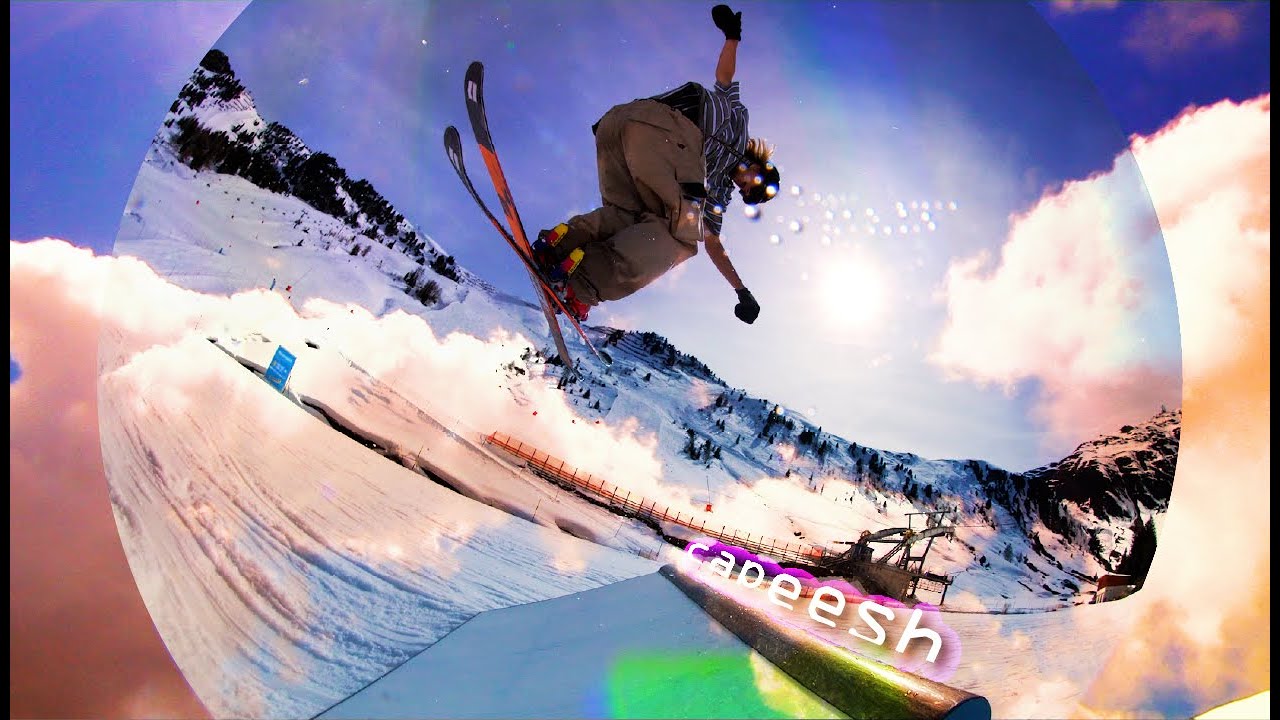
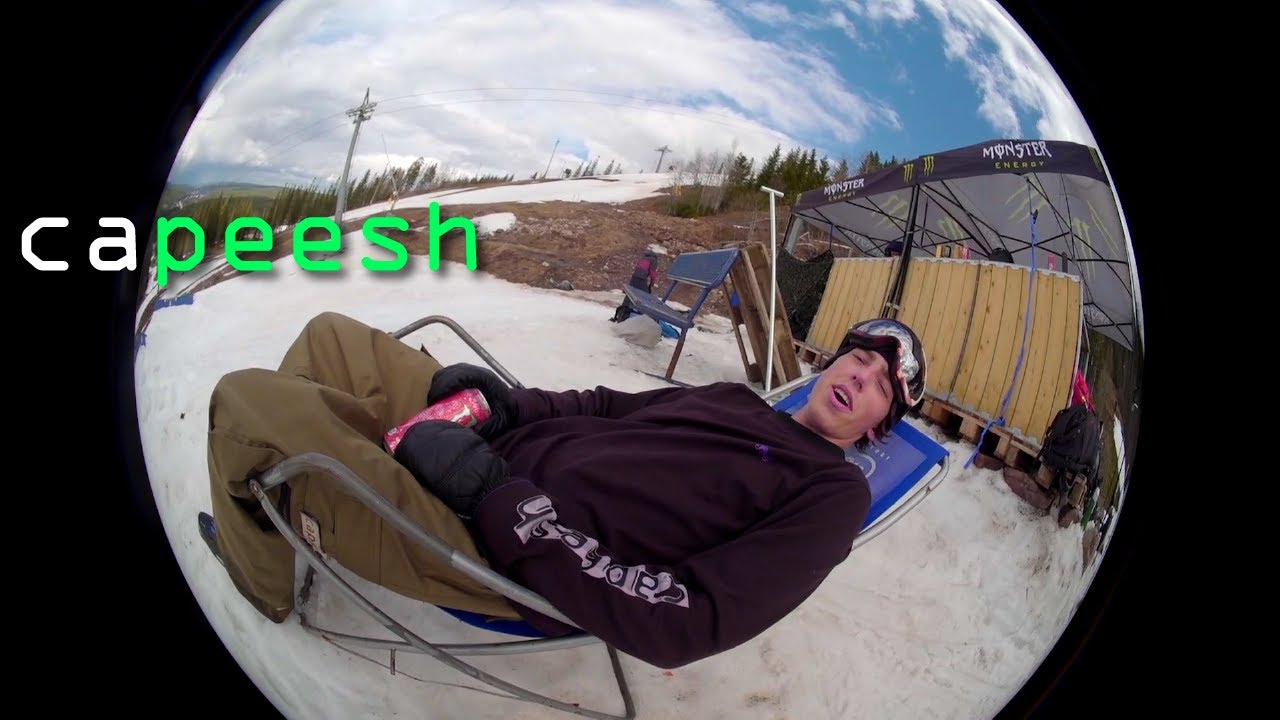
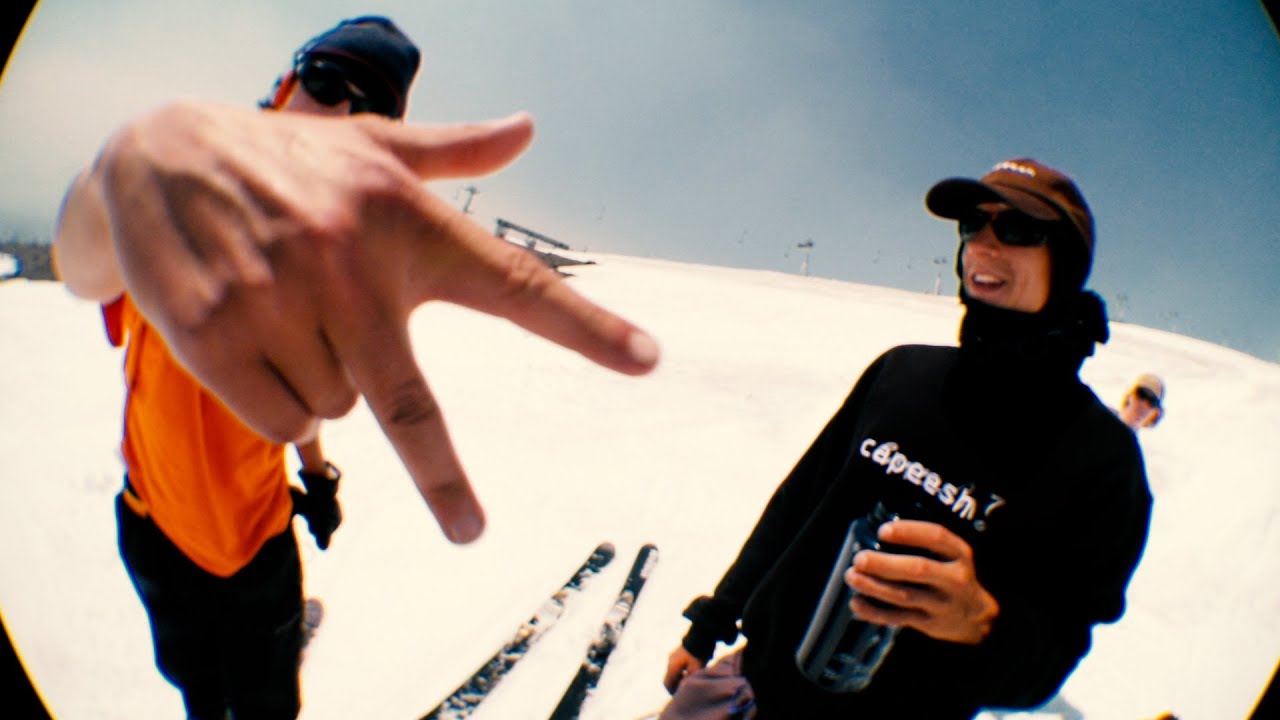
The word “fashion house” is important. Capeesh does not present itself as a simple ski pants company. It treats outerwear, belts, patches, hoodies and silhouettes as a full visual system. The brand’s look is loose, playful and deliberate: long pants, wide legs, plaid panels, bold cuffs, visible seams, washed tones, interchangeable patches and a fit language that feels closer to streetwear, skate and early snowboard influence than to race-course tailoring.
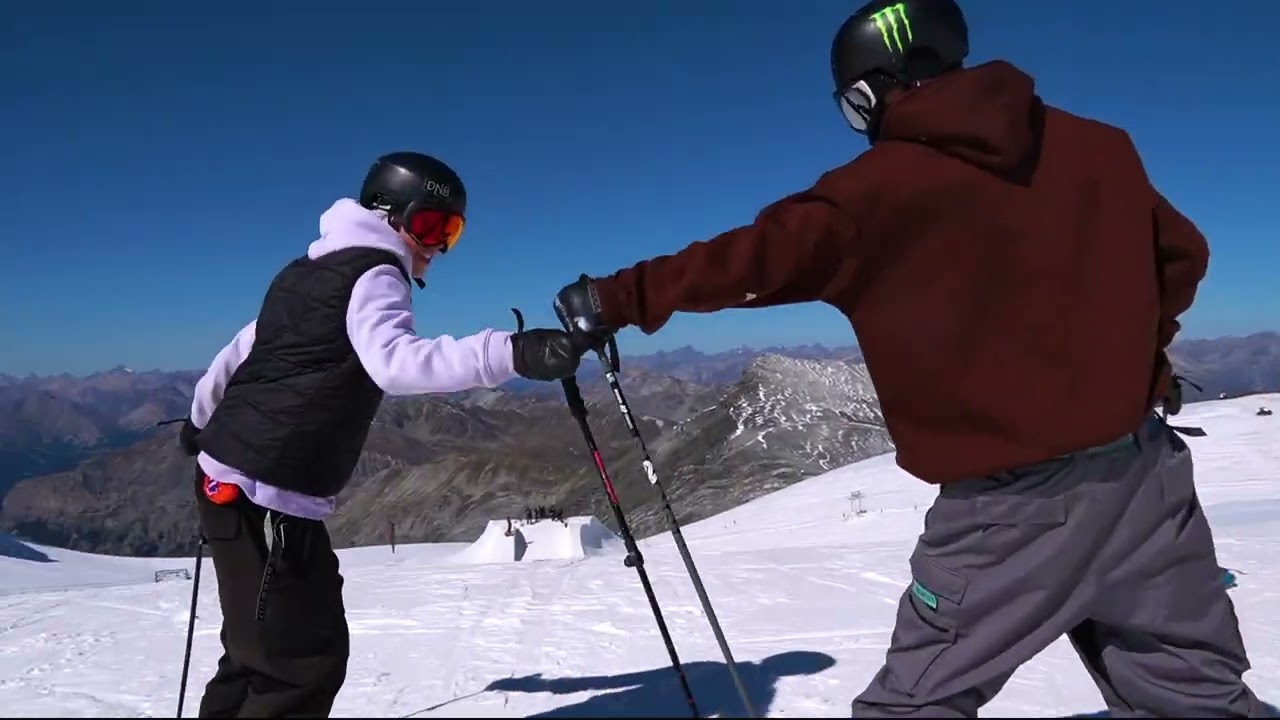
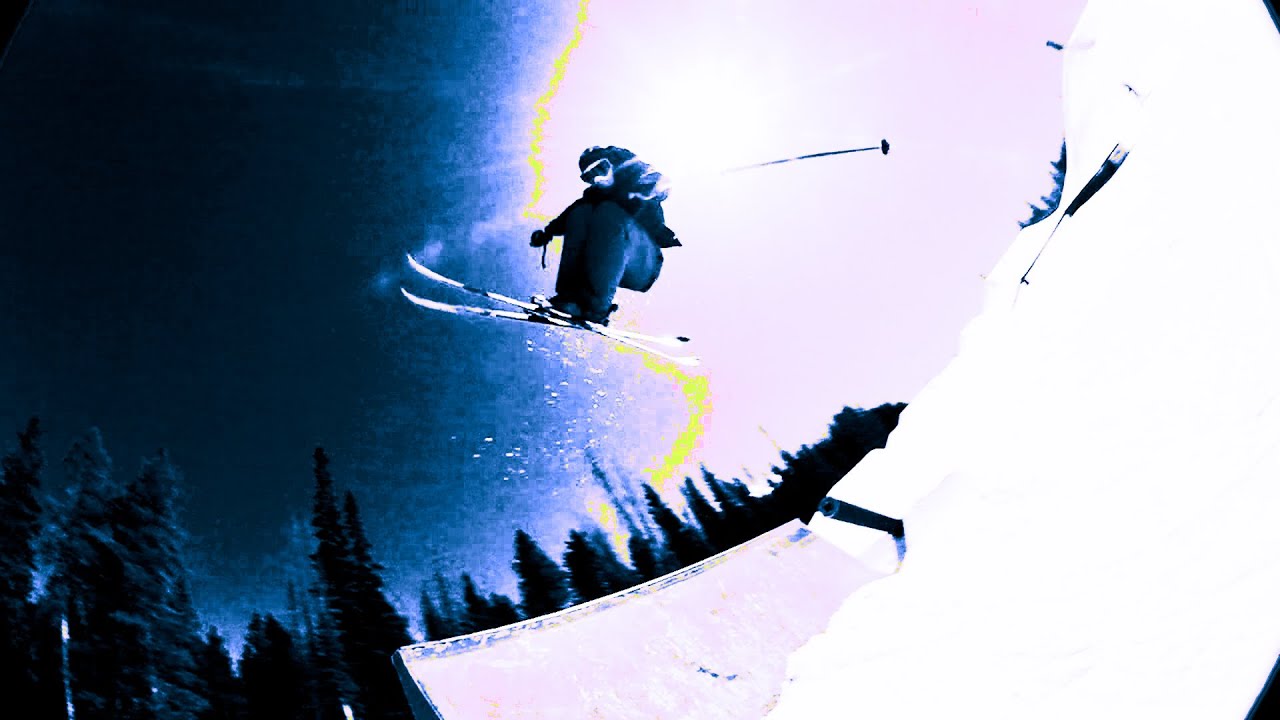
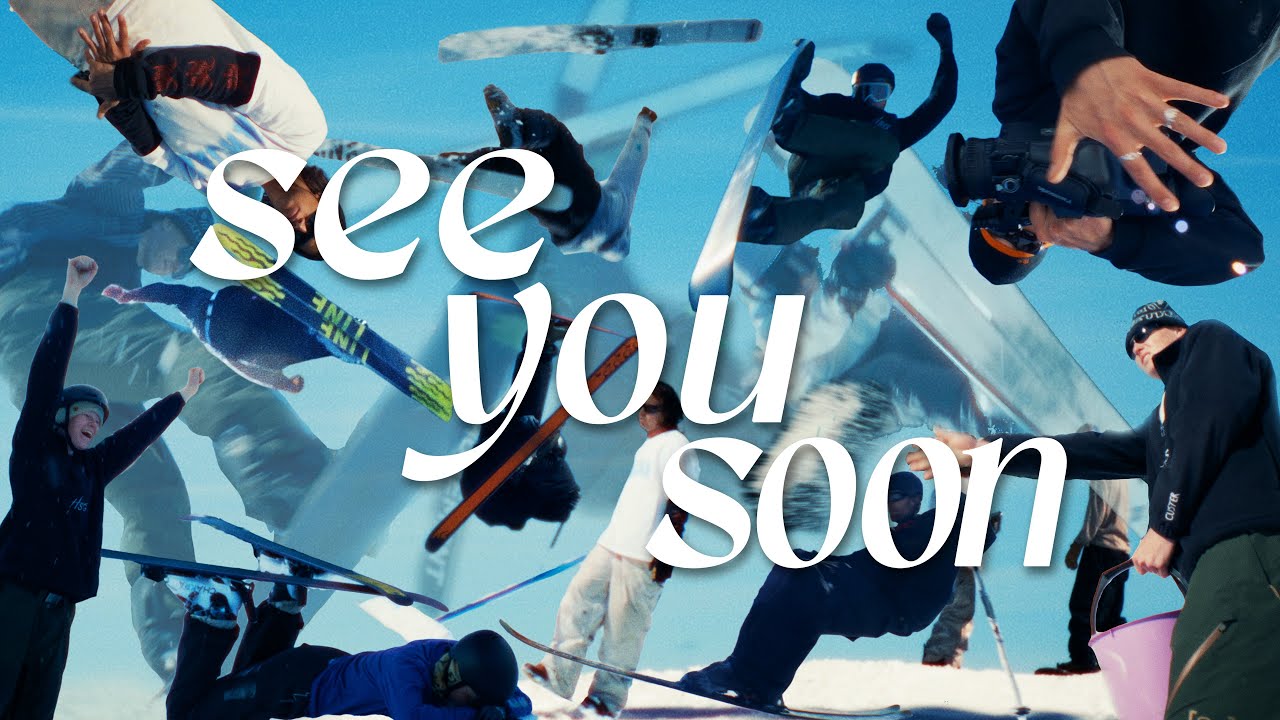
For skipowd.tv, Capeesh belongs as a rider-led apparel sponsor. It represents the style layer of skiing: the way a skier looks in a SLVSH game, a rail edit, a night park session or a Jib League clip. The brand’s importance is not about decades of technical textile innovation. It is about how quickly a small label can become visually recognizable when the right skiers wear it in the right edits.
Big Puffy Bombshell Revamp and the Capeesh outerwear wall
Capeesh has grown from a small identity-driven label into a compact but complete apparel ecosystem. The official shop lists outerwear pieces such as Big Puffy, Bombshell, Revamp and Deconstructed Revamp, alongside pants like Decpant, Pantaloni and Fancy Pant. These products form the core of the on-snow wardrobe: jackets for warmth and weather, pants for movement and silhouette, and details that make the kit immediately recognizable.
Big Puffy is the clearest insulated statement piece. Its official product page lists a 100% nylon ripstop fabric, goose down 90/10, DWR treatment, PFC-free finish, YKK zippers, interchangeable patch, adjustable hem and adjustable cuffs. It is not a minimalist touring shell. It is a warm, visual, on-hill and off-hill puffy built for skiers who want the jacket to carry personality as much as function.
Fancy Pant shows the practical side of the brand. The black Fancy Pant page lists polyester shell, fleece and mesh lining, 10K/10K windproof and waterproof rating, YKK zippers, magnetic pockets, interchangeable patch and venting. That tells the Capeesh story well: a park-ready pant with enough weather protection for normal resort use, but clearly designed around pocketing, width, stack, patches and styling.
Belts patches and why small details became the signature
Before Capeesh became widely recognized for pants and jackets, belts were one of the strongest visual signals. In modern freeskiing, belts are not just functional. They sit right in the center of the kit, especially when pants are worn low and oversized. A belt becomes visible in grabs, rail clips, liftline photos and follow-cam shots. Capeesh understood that detail early.
The interchangeable patch system serves a similar purpose. Instead of making every pant or jacket feel fixed forever, Capeesh lets riders change the visual identity of a piece through patches. That works culturally because freeskiers often want their kit to feel personal, collectible and adjustable. It also gives the brand a small sustainability angle: a rider can refresh the look of a garment without replacing the full piece.
Accessories, hoodiys, q-zips, tees, beanies, bags and printed pieces complete the wardrobe. Capeesh is strongest when seen as a full outfit brand rather than one technical shell. A skier can build a look from pants, belt, hoodie, puffy and beanie, then carry the same visual language from the park to the city.
Park street and night-session outerwear
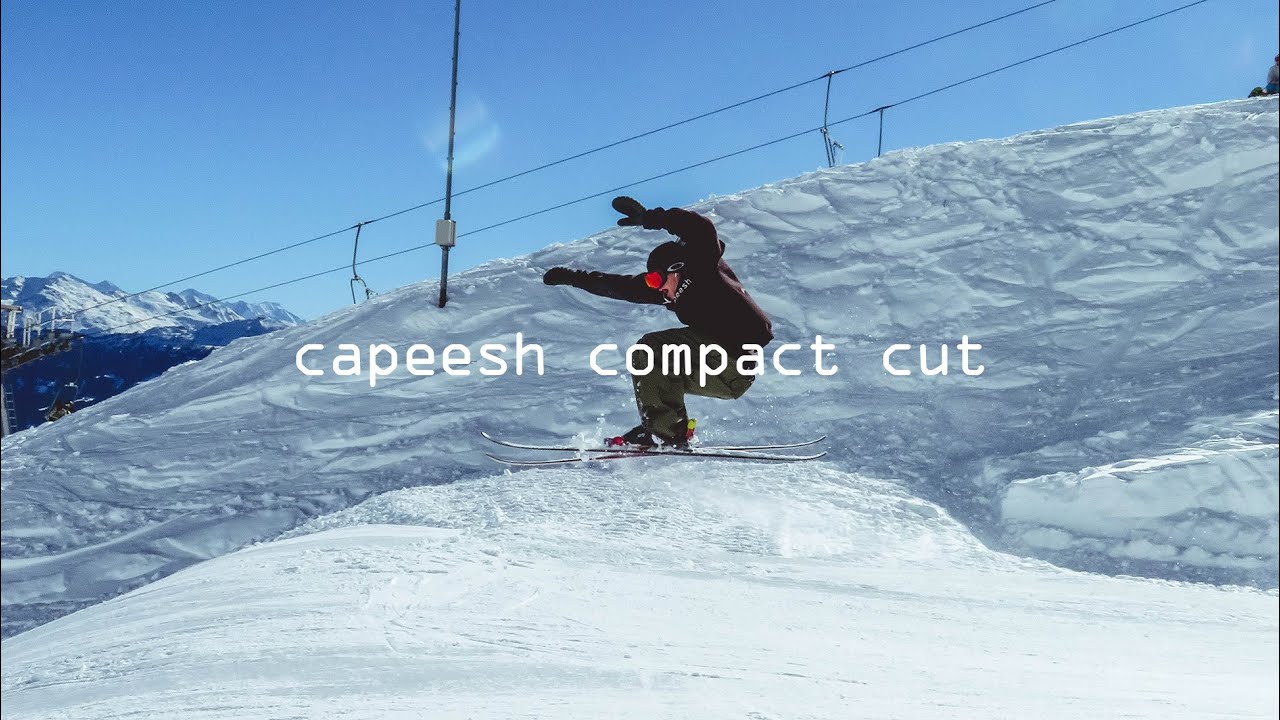
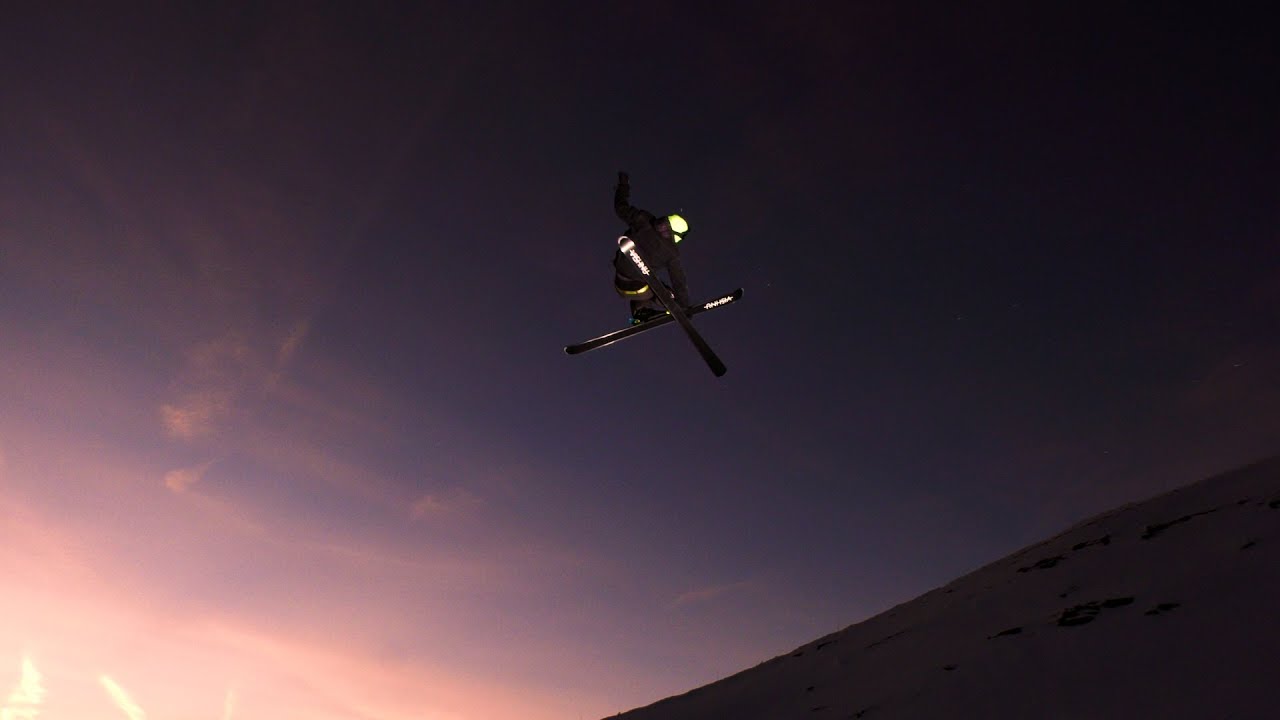
Capeesh outerwear is best suited to park laps, rail gardens, street missions, resort side hits and night sessions. The 10K/10K pant spec is practical for ordinary resort snow, cold dry conditions, spring parks and normal chairlift cycles. It is not designed to compete with high-end expedition shells or full touring storm kits. That is not the point.
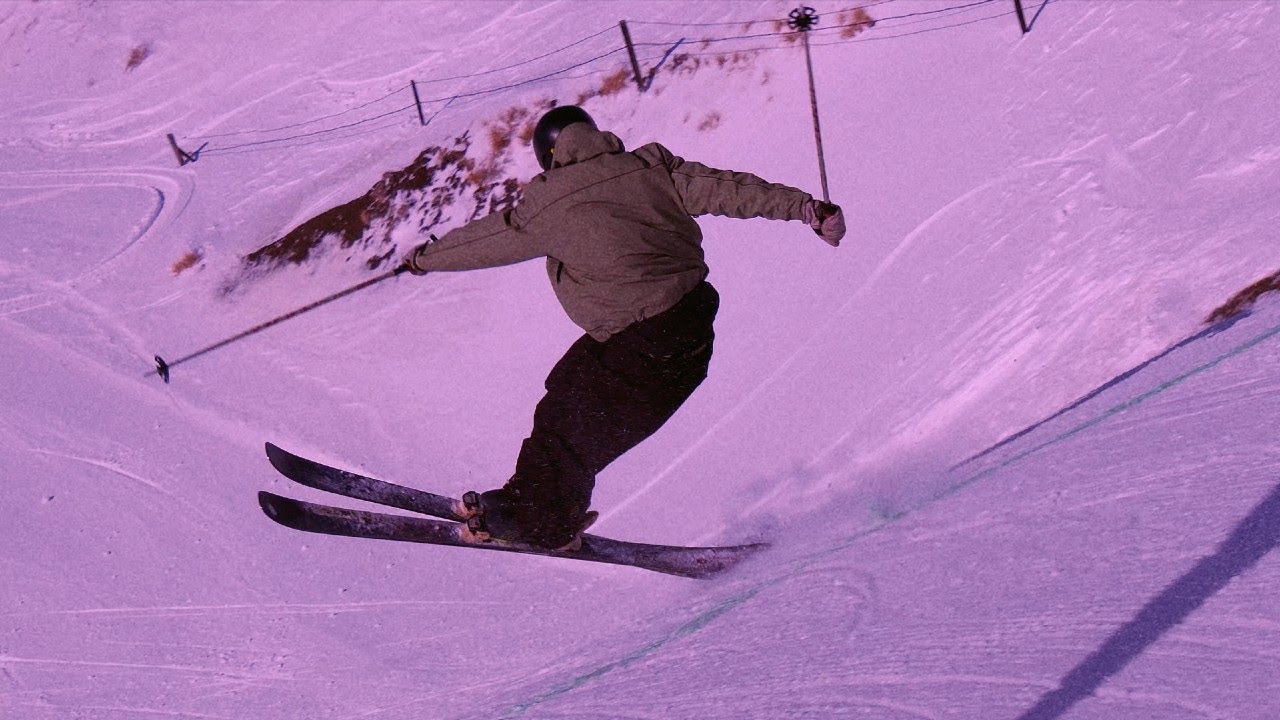
The point is movement and silhouette. Baggy pants give room for grabs, butters, shuffles, presses, rail tricks and awkward landings. Long inseams and wide legs stack over boots in the way many modern park skiers want. Loose jackets and puffies give the upper body a relaxed shape that reads clearly in clips. Capeesh clothing is built for the camera as much as for the chairlift.
This makes the brand especially relevant to skiers who treat style as part of performance. In freeskiing, how a trick looks matters. The cut of the pants, the belt line, the jacket volume and the way fabric moves through a grab can all affect the visual result. Capeesh belongs in that conversation.
Ferdi Dahl and rider-led credibility
Capeesh’s strongest credibility comes from Ferdinand Dahl himself. Dahl is a Norwegian freeskier with major park, slopestyle and street influence, and his role as founder makes the brand feel connected to actual skiing rather than distant fashion. When a rider of that level builds and wears the product, the brand starts with cultural proof.
The label also appears naturally in the same ecosystem as SLVSH, Jib League, Grandvalira park sessions and international freestyle edits. That visibility matters more than traditional advertising. Many skiers discover Capeesh by seeing pants, belts or jackets in a clip, then searching the brand afterward. The product becomes part of the media loop.
Capeesh does not need a massive formal team to make sense. Its “team” is more fluid: friends, skiers, filmers, collaborators and riders who choose the gear because it fits the look they want. That is typical of modern rider-led apparel. The credibility comes from scene adoption, not from a polished roster page alone.
Norway as the brand’s visual foundation
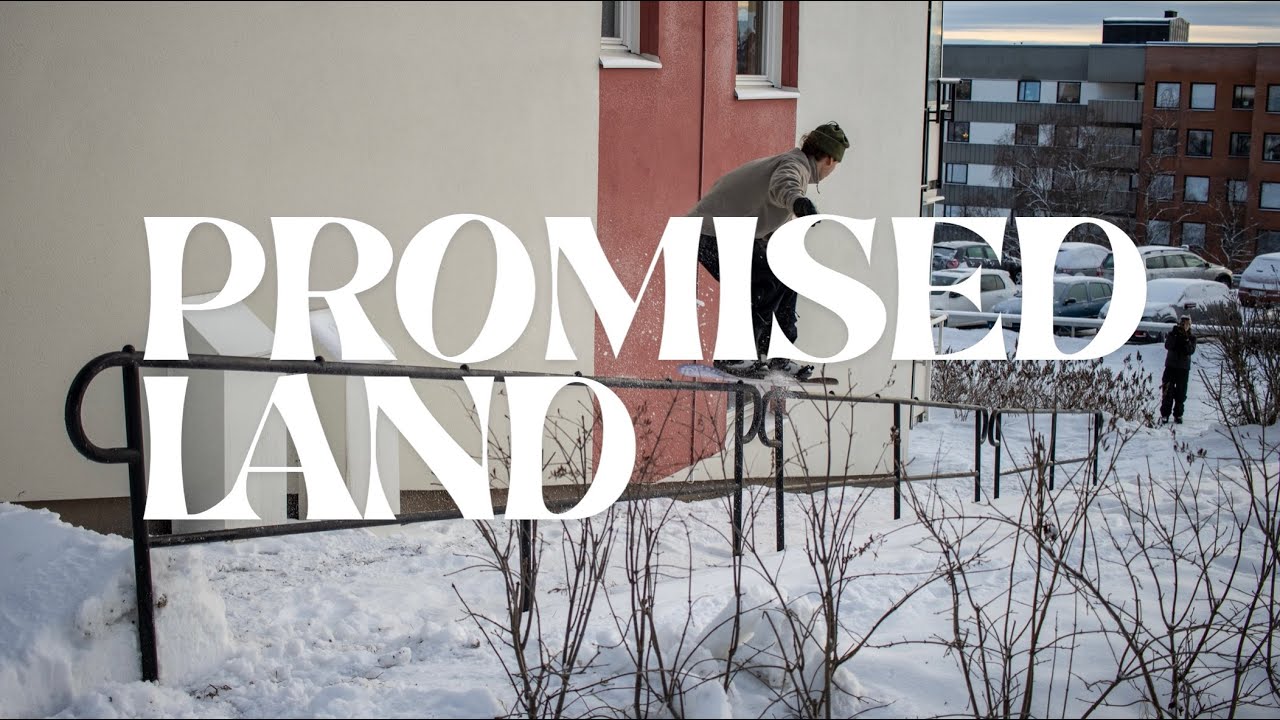
Capeesh is rooted in Norway, and that Scandinavian setting fits the brand’s identity. Norwegian freestyle culture has strong park, street and night-session energy. Long winters, floodlit parks, cold city spots and a strong freeski scene all create an environment where clothing has to be warm, practical and visually expressive.
The brand’s reach now extends beyond Norway through international shipping and ski culture visibility. Capeesh shows up in online edits, event clips, park videos and shops connected to the freeski world. Skipowd also connects the brand to videos such as “schøneben” and “fancy pant,” with riders including Ferdinand Dahl, Daniel Bacher, Édouard Thériault, Jackson Tito Jenkins, Olivia Asselin and others.
This geography matters because Capeesh does not feel like a generic fashion label borrowing ski imagery. Its style comes from actual winter spaces: park laps, urban rails, resort nights and the practical need to wear the same pieces on snow and in everyday life.
The Phaenom boot link and the edge of product expansion
One interesting detail in the Capeesh shop is the FS 01 120 Capeesh boot page, listed through a Phaenom ski boot product URL. The page describes a freestyle performance boot with 120 flex, 1550 g shell weight, 550 g liner weight, 102 mm last, GripWalk sole, quick lacing system, hybrid cabrio-overlap construction, patent-pending Phaenom strap, and repairable and recyclable components.
This does not mean Capeesh should suddenly be treated as a full ski boot manufacturer. The safer reading is that Capeesh has collaborated or connected with Phaenom on a freestyle boot product while remaining primarily an apparel and fashion-house brand. Still, the collaboration is notable because it shows the label moving beyond softgoods into the broader visual and equipment culture of freeskiing.
For a rider-led brand, that kind of crossover makes sense. Skiers who care about the full kit do not separate pants, belts, boots, patches and graphics completely. The entire setup communicates identity. Capeesh’s strongest long-term potential may come from this ability to extend its look across categories without losing its apparel-first core.
Choosing Capeesh pieces for real skiing
Choosing Capeesh starts with fit. The brand’s look is intentionally roomy, so skiers should decide how much volume they actually want. Staying true to size may already give a relaxed silhouette. Sizing up can create the full oversized park look, but it may also add cuff drag, extra fabric and a less precise feel for skiers who move fast outside the park.
For cold resort days and night sessions, Big Puffy or warmer insulated pieces make sense. For milder park days, Revamp-style layers or lighter jackets paired with a hoodie give more flexibility. For pants, Fancy Pant, Pantaloni and Decpant styles should be chosen by pocket layout, fabric feel, length, color and how much stack the skier wants over the boot.
For street and rail-heavy use, cuffs and seam durability matter. Ski edges, concrete, metal and repeated crashes are hard on clothing. Riders should prioritize reinforced areas, keep waterproofing maintained and accept that fashion-forward park outerwear will not behave like an expedition shell. Capeesh works best when the skier understands the lane: resort freestyle, street style, everyday park use and visual identity.
Why Capeesh Fashion House earns a 3 out of 5
Capeesh earns a 3 out of 5 importance rating because it is verified, rider-founded, product-based and culturally visible in modern freeskiing. It has a strong founder story through Ferdi Dahl, a clear Norwegian identity, recognizable pants and belts, official product depth and a real place in park, street and edit culture.
It is not rated higher because it remains young, niche and much smaller than established outerwear companies such as The North Face, Orage, Flylow or Peak Performance. Its technical range is also more park/resort focused than expedition or full backcountry outerwear. Capeesh’s influence is real, but it is concentrated in a specific scene: fashion-led freeski apparel and the visual language of modern park skiing.
On skipowd.tv, Capeesh Fashion House belongs as a Norwegian rider-led freeski apparel sponsor. Its value is the look: the belt under the hoodie, the wide pant over the boot, the patch on the thigh, the puffy in the night park, and the feeling that skiing can be both sport and outfit without apologizing for either.