Hyland Hills
Minnesota
United States
Twin Cities ski area in Bloomington | Known for: 14 runs, South and North terrain parks, night skiing, SnowSports Academy, competitive clubs, and metro park progression | Season: winter operations with summer rail jam activity | Best for: park laps, beginner development, after school sessions, and Minneapolis freestyle progression
Bloomington Park Laps Inside The Twin Cities
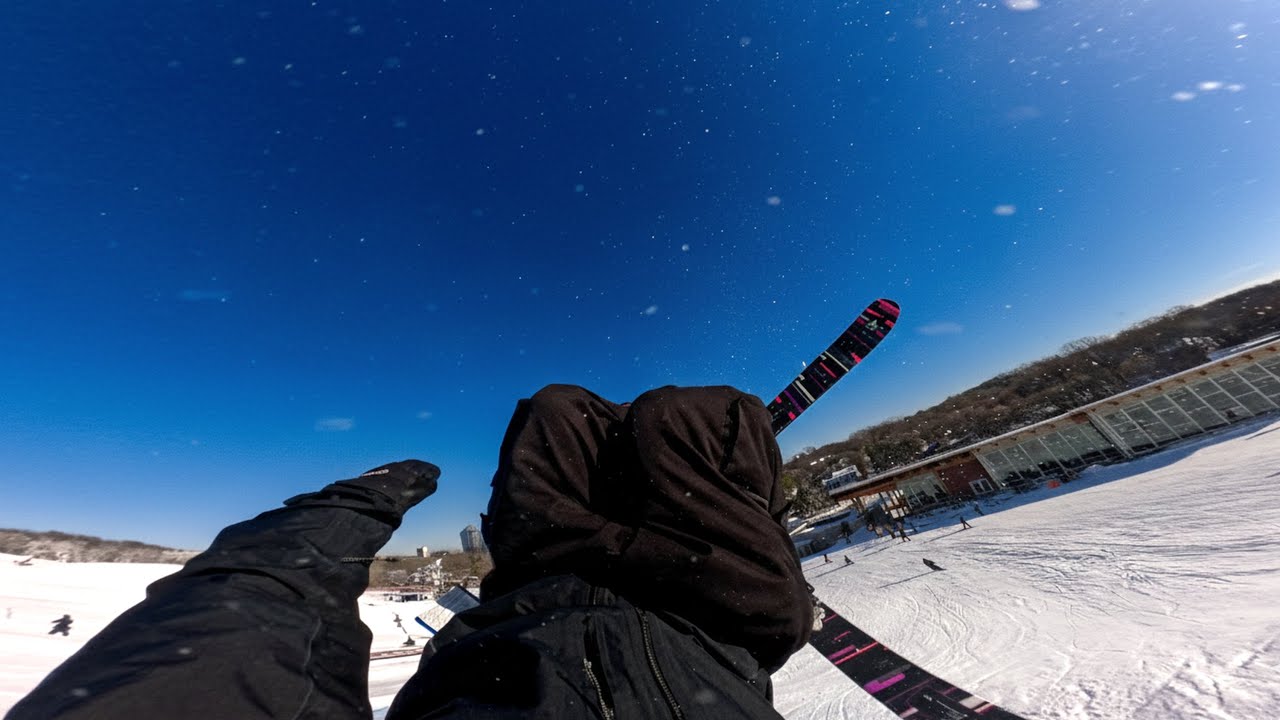
Hyland Hills Ski Area sits inside Hyland Lake Park Reserve in Bloomington, Minnesota, making it one of the most accessible lift-served ski and snowboard hills in the Minneapolis Saint Paul metro. The hill is not large, but it matters because of where it sits and how it is used. Three Rivers Park District describes Hyland Hills as the place for downhill skiing and snowboarding in the Twin Cities metro area. That local density is the real story. A skier can leave school, work, or home in the suburbs and be on snow without planning a mountain trip. For freeskiers, that turns a modest hill into a repetition engine.
Big Foot To French Cliff In A Short Run Map
The official run list currently shows 12 named downhill runs plus two freestyle terrain zones. The easiest lines include Big Foot, Upper Ridge Run, Lower Ridge Run, and Beginner Area. More difficult runs include Tattle Tale, Kinderwaltzen, Gilboa, Skyline, and Borealis. The most difficult labels sit on Big Moe, Sitz, and French Cliff. Those names give the hill a bigger vocabulary than its physical scale suggests. Hyland is not built for long vertical descents, tree skiing, or natural freeride. It is built for compact, repeatable laps where skiers can work on edging, speed control, takeoff timing, and park habits in a controlled metro setting.
South Terrain Park And North Terrain Park Rhythm
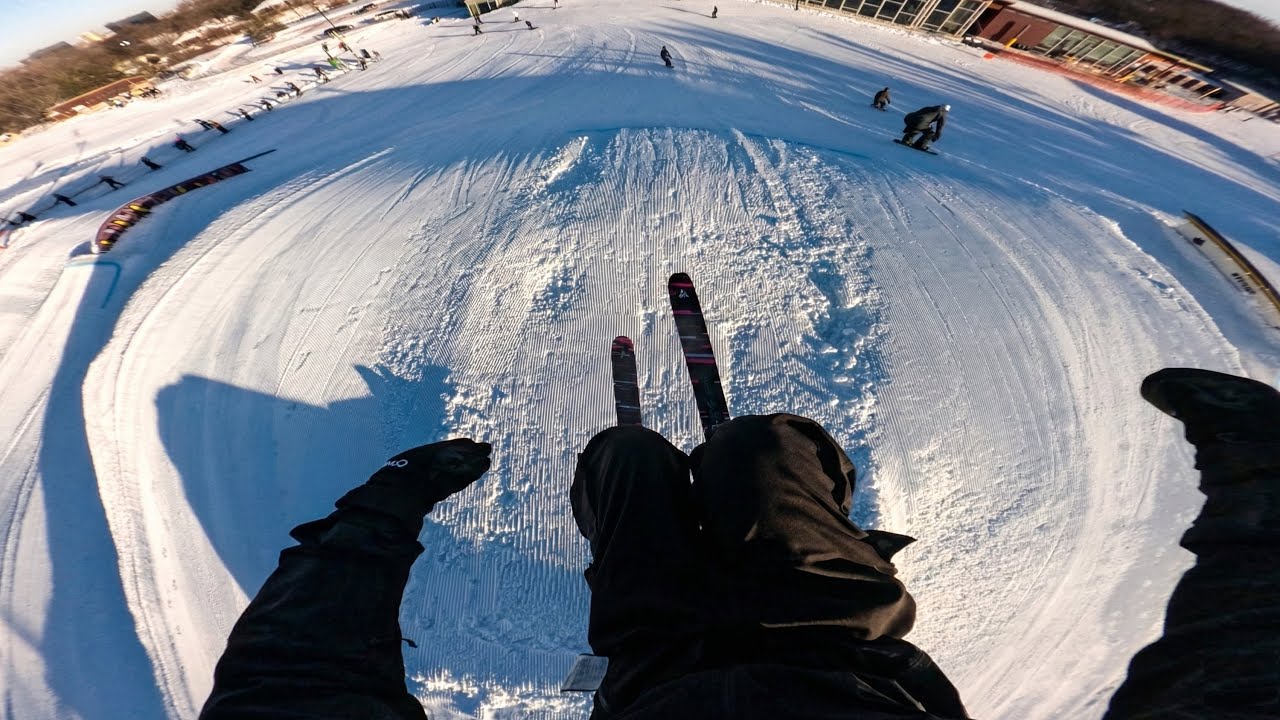
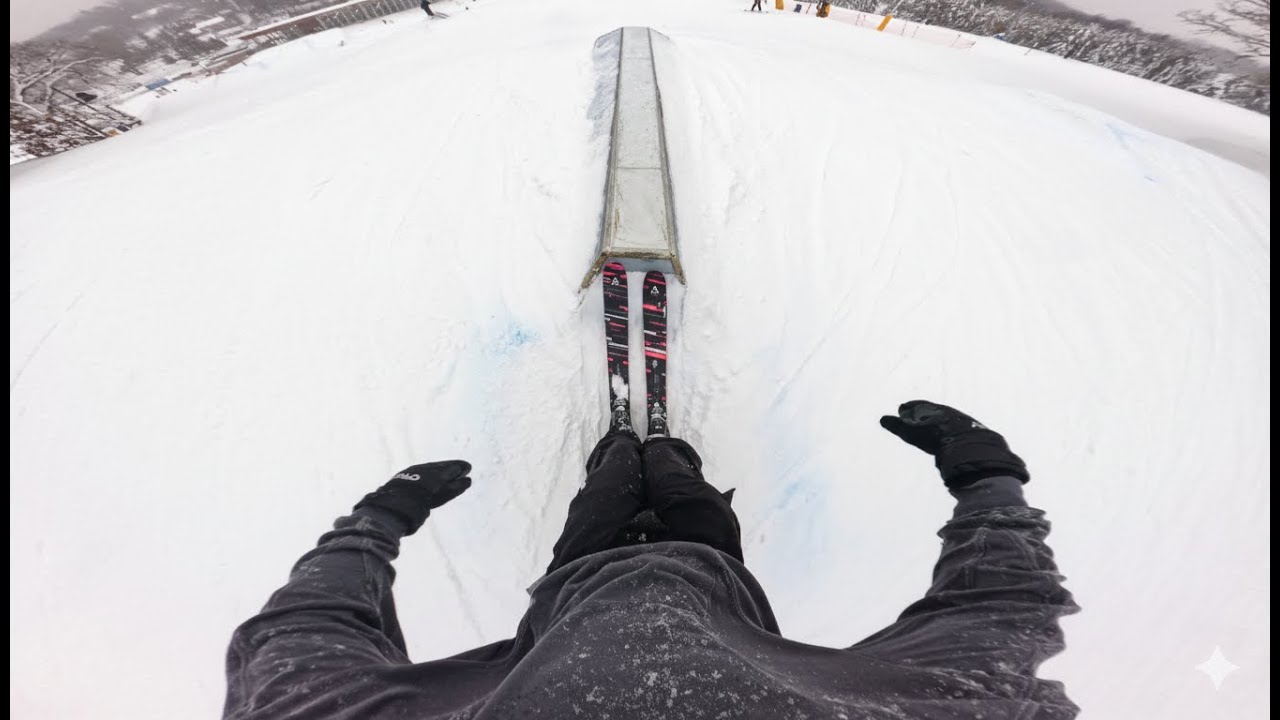
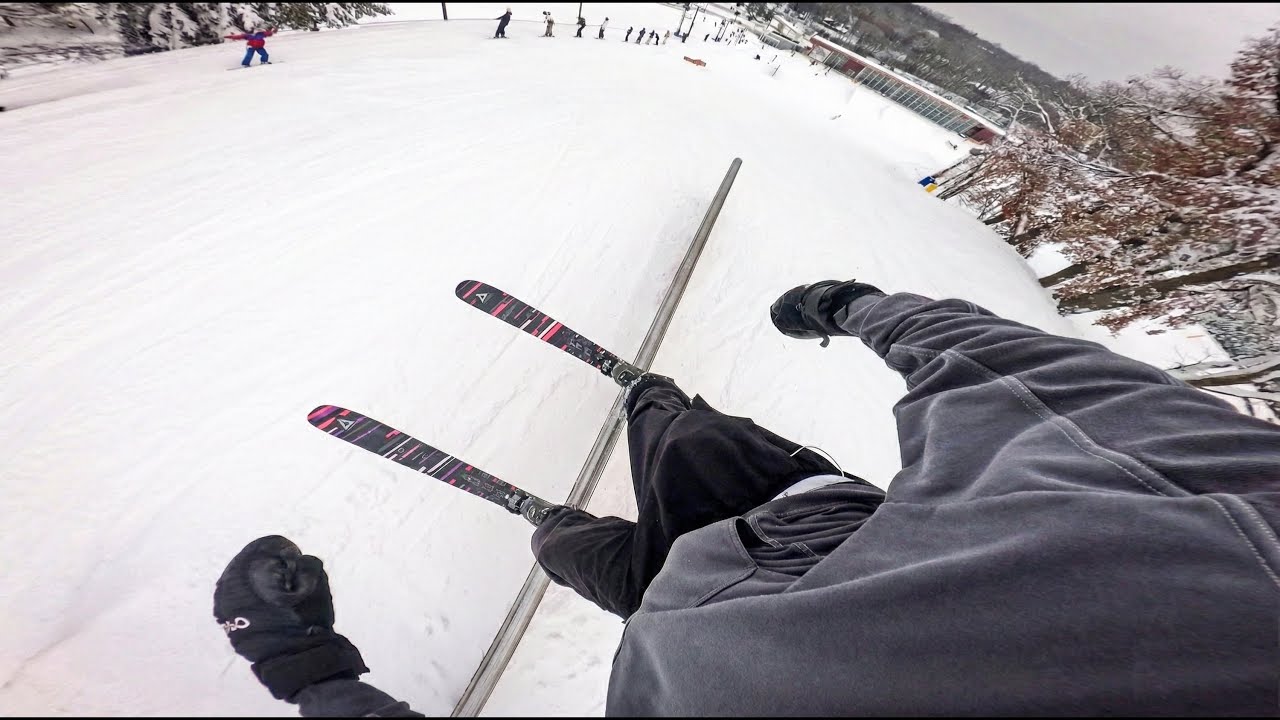
The two named freestyle zones are the core of Hyland’s skipowd.tv relevance. South Terrain Park and North Terrain Park are listed as the official orange-oval freestyle terrain areas, and Three Rivers’ safety page describes freestyle terrain as potentially including jumps, hits, ramps, banks, boxes, jibs, rails, halfpipes, quarter pipes, snocross, bump terrain, and other built or natural features. The exact build changes with snow, grooming, and park crew decisions, so the article should avoid inventing feature lists. The important fact is the structure: Hyland has two dedicated park zones, not one token rail. That gives Twin Cities riders a real place to repeat slides, small jumps, transitions, and basic freestyle movements.
Nine PM Lights And After School Progression
Night skiing gives Hyland Hills much of its local power. The 2025 26 regular season hours list weekday operations from 9:30 AM to 9 PM and weekend operations from 9 AM to 9 PM, with holiday periods also scheduled into the evening. That schedule makes the hill useful outside traditional ski-day logic. Local riders can lap after school, after work, or after traffic clears, and park sessions can happen under lights when larger resorts would already be closed. The surface often changes at night. Minnesota cold can firm up takeoffs, landings, and groomers quickly, so tuned edges, good visibility, and realistic speed choices matter. Hyland’s strength is not vertical drop. It is frequency.
SnowSports Academy And Club Development
Hyland’s development role is bigger than its trail count. Three Rivers promotes the SnowSports Academy for skiing and snowboarding lessons across ages and abilities, including public and private options. The ski area also hosts competitive ski clubs and adapted skiing programs. That matters for freeski because urban hills are often where the first steps happen: first chairlift ride, first controlled turn, first box slide, first race gate, first night lap, first season pass habit. A small hill with strong teaching and program structure can create more long-term skiers than a much larger resort that people only visit once a year. Hyland works as a feeder hill for the entire Twin Cities ski ecosystem.
Summer Rail Jam And The Hill After Snowmelt
Hyland also has off-season energy. Three Rivers lists a Summer Rail Jam at Hyland Hills, built as a backyard jam-style ski and snowboard event with snow saved for June sessions. The same off-season program includes June Jam Tubing and wider Events on the Hill programming from summer into fall. For a freeski page, the Summer Rail Jam is the key detail. It shows that Hyland’s park culture does not disappear when normal winter operations close. A summer rail session in the middle of Bloomington is not a replacement for glacier training, but it keeps the local freestyle community visible. It also fits the Midwest park mindset: use the hill, the snow pile, the rail setup, and the people available, then make the most of limited terrain.
Elm Creek Buck Hill And The Metro Progression Ladder
Hyland belongs in a Twin Cities network rather than in isolation. Elm Creek Winter Recreation Area is the smaller progression hill in Maple Grove, useful for first terrain park steps and beginner-focused laps inside another Three Rivers property. Buck Hill adds a stronger race heritage and another compact metro park scene south of Minneapolis. Hyland sits between those ideas: larger and more park-visible than a pure beginner area, more public-park-district oriented than a private destination resort, and close enough to the city that skiing can become a weekly habit. For young riders, that ladder matters more than acreage. The Twin Cities scene is built from repeated small-hill sessions.
Park Safety On A Compact Metro Hill
Hyland’s safety rules fit the reality of a busy urban ski area. Three Rivers promotes the Responsibility Code, Ride Another Day collision awareness, and freestyle terrain rules that stress starting small and choosing terrain that matches ability. Those points are especially important here because compact hills concentrate traffic. A beginner may stop in an unexpected place. A park rider may come through faster than expected. A lesson group may cross a merge at the same time as local skiers are trying to keep lap rhythm. In the park, the correct approach is simple: inspect first, start small, wait turns, clear landings, and respect closures when features are being shaped. Hyland is small enough that bad etiquette affects everyone quickly.
Why Hyland Hills Matters For Freeskiers
Hyland Hills earns a 3 level profile because its importance is cultural and developmental rather than geographic. It has a short Midwest hill profile, but it also has official downhill skiing inside the Twin Cities, 14 named ski and freestyle areas on the current map, South Terrain Park, North Terrain Park, night skiing until 9 PM in regular season hours, SnowSports Academy lessons, competitive clubs, adapted programs, and a Summer Rail Jam. It is not a powder destination, not a freeride venue, and not a national contest resort. Its value is more specific. Hyland gives Minneapolis area skiers a place to learn, lap rails, ride under lights, join programs, and turn small vertical into real progression through repetition.