Palisades Tahoe
Rocky Mountains
United States
California ski resort across Olympic Valley and Alpine Meadows | Known for: 6000 acres, KT-22, Gold Coast park, Belmont Park, Base to Base Gondola, 1960 Winter Olympics history, Sierra spring skiing, IFSA freeride events, and Level 1 SuperUnknown | Season: November to May depending on snowpack | Best for: freeskiers chasing steeps, park progression, spring sessions, Tahoe storm cycles, and filmable resort terrain
KT-22 And The Olympic Valley Freeski Spine
Palisades Tahoe rises from a 6200 foot base in Olympic Valley to a 9050 foot peak, with 2850 feet of vertical on the Palisades side and a combined 6000 skiable acres across Palisades and Alpine. Those numbers make it the largest ski resort in the Lake Tahoe region, but the freeski identity is more specific than size. It starts with KT-22, the chair that made steep Sierra in-bounds terrain feel like a public testing ground.
KT-22 reaches terrain with names and reputations that carry weight far beyond California: the Fingers, Chute 75, West Face, Eagle’s Nest, and the ridges that funnel skiers into fast, exposed, highly visible lines. The resort’s own 8 Peaks material ties KT-22 to Shane McConkey’s legacy, which is fitting because Palisades helped define the bridge between extreme skiing, freeski style, and resort-accessed progression. It is a mountain where line choice can matter as much as trick choice.
Sierra Cement Storms And Spring Skiing Capital Timing
Palisades Tahoe lists 400 inches of average annual snowfall, but Tahoe snow is not a simple powder statistic. Pacific storms can arrive dense, windy, and heavy, building a deep Sierra base that supports cliffs, park builds, and late-season coverage. Cold cycles can deliver light snow in protected pockets, while warmer systems create the classic Sierra mix of wind buff, cream cheese, chop, and eventually corn.
That snow behavior shapes the freeski use case. January and February are the core winter windows for storm riding, KT-22 openings, and Alpine bowls. March and April are often where Palisades becomes most distinctive. The resort leans into its Spring Skiing Capital identity because long daylight, deep coverage, soft landings, and park maintenance can turn spring into a progression season rather than an end-of-winter afterthought. Compared with Mammoth Mountain, Palisades has less of a pure Unbound park identity, but it can match the California spring-session energy with steeper resort terrain directly beside the freestyle zones.
Gold Coast Belmont And Mainline Park Memory
The park system is spread across several named zones rather than one isolated freestyle pod. Official mountain statistics list Belmont Park, Gold Coast Park, Mainline Park, SnoVentures Start Park, and High Camp Start Park. That ladder gives Palisades a useful progression structure: beginner-friendly starts, small to medium Belmont laps, Gold Coast medium-large builds, and larger seasonal setups when snowfall and shaping windows allow.
Belmont has become especially useful for riders who want repeated tricks without immediately stepping into big-jump pressure. Resort park updates describe Belmont as a creative small-medium park with lower-to-the-ground jibs, rails, jumps, rollers, and a micro-pipe-style progression feel. Gold Coast carries the heavier freestyle role, with jibs, rails, jump packs, and spring rebuilds that can support serious clip gathering. Mainline sits deeper in resort memory as a bigger-snow park name that depends on the right season. The result is not a single Olympic training pipe. It is a Tahoe park network that changes with snowpack and spring timing.
SuperUnknown At Gold Coast And The New Park Visibility
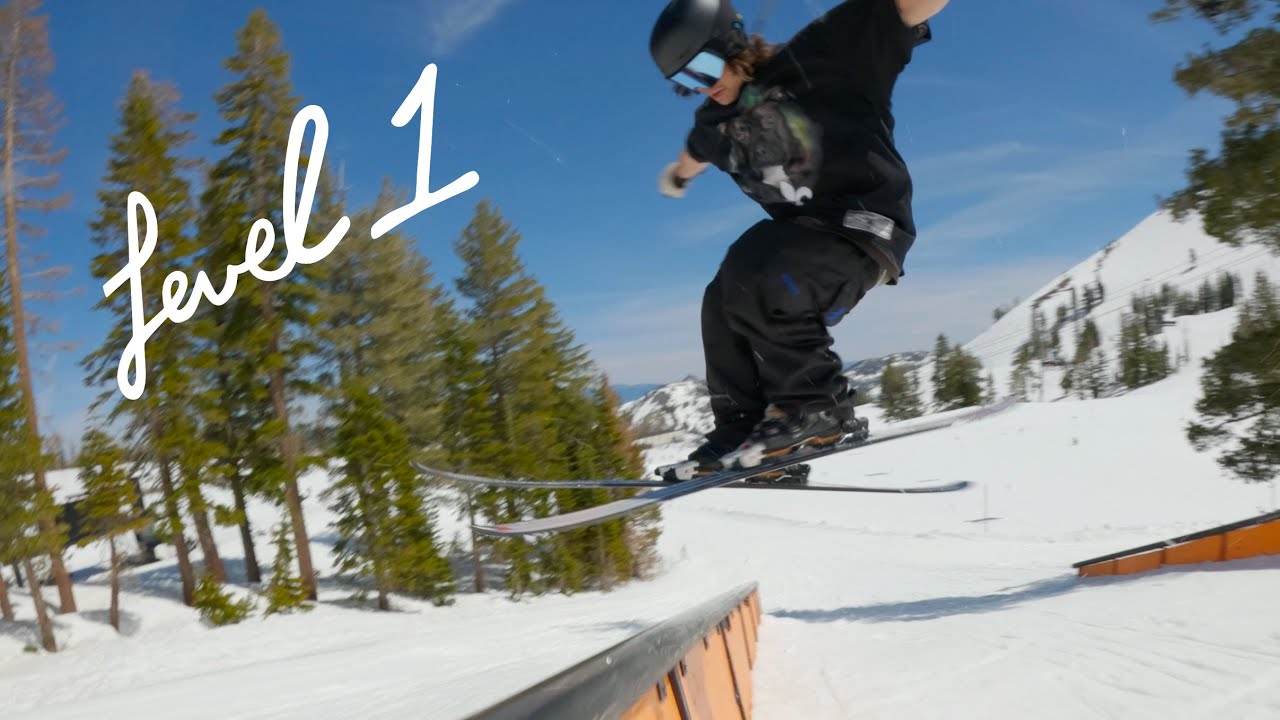
Level 1 gave Palisades a fresh freeski media signal when SuperUnknown 22 was hosted at Palisades Tahoe in April 2025. The event’s official history lists SuperUnknown as beginning in 2004 and frames it as a video talent-search contest built to give skiers exposure outside the traditional competition system. That concept fits Palisades well because the resort has always blurred contest, film, and local-hero energy.
SuperUnknown matters differently from an FIS slopestyle event. It does not make Palisades a pure course-building venue like Woodward - Park City. It makes the resort a creative spring stage. Gold Coast can be shaped for style, transfer lines, rail choices, and unusual trick selection rather than only scoring criteria. The 2026 edition was initially announced for Palisades before being moved to Banff Sunshine because of deteriorating snow conditions, which also says something honest about California spring: when the snow holds, Palisades can be a top-tier session venue; when it does not, flexibility is part of the game.
The 1960 Winter Games And A Resort Built For Spectacle
The 1960 Winter Olympics turned Olympic Valley into an international ski reference long before freeskiing had its modern name. Palisades still keeps that legacy visible through the Olympic Museum at High Camp and the valley’s Olympic identity. For a freeski profile, the value is not only historical trivia. The resort grew up around public spectacle, broadcast images, athlete visibility, and a sense that mountain performance could become culture.
That thread runs from racing history into modern freeskiing. Jonny Moseley, Shane McConkey, and later Tahoe park and freeride crews all belong to different eras of the same place: a mountain where technical skill, risk, and public image collide. Matchstick Productions helped carry that era of freeski storytelling outward through films where McConkey’s influence became larger than one resort. Palisades is not just where lines were skied. It is where a version of American freeski confidence learned how to perform in front of people.
Base To Base Gondola And The Alpine Meadows Extension
The Base to Base Gondola changed how skiers plan the two-mountain day. Opened in December 2022, the gondola links The Village at Palisades Tahoe and Alpine Lodge in a 16 minute ride, removing the old decision of choosing one side by car. For freeskiers, that matters because Palisades and Alpine do not ski like copies of each other. Palisades concentrates the most famous lift-served steep identity around KT-22, Headwall, Siberia, Granite Chief, and the High Camp side. Alpine adds a different rhythm with Summit, Roundhouse, Treeline Cirque, bowls, ridges, and a more diffuse storm-day feel.
The best use is not simply riding the gondola for novelty. It is using both sides according to conditions. If wind holds the upper Palisades lifts, Alpine may offer better protected laps. If Gold Coast is firing, the Palisades side becomes the park anchor. If the storm clears and KT-22 opens, the whole day can pivot back to Olympic Valley. The gondola gives crews more options, but it also asks them to keep checking weather, lift status, and snow quality instead of following a fixed plan.
IFSA Terrain And The McConkey Freeride Thread
Palisades Tahoe has a freeride competition signal through IFSA Junior Nationals and Freeride World Tour qualifier listings. That is appropriate for a mountain tied to Shane McConkey, who founded the International Freeskiers Association in 1996 and helped push big-mountain competition toward a skier-driven format. Palisades is one of the places where that history feels local rather than imported.
The terrain supports it. Judged freeride needs visible features, fall-line options, control zones, and enough consequence to separate line choice from simple speed. Palisades has that in KT-22 terrain, Silverado-style openings, Alpine bowls, and ridgeline features that can reward skiers who combine airs, slashes, direction changes, and confident exits. It is not the same terrain type as Jackson Hole or Snowbird, but it belongs in the same conversation because the resort can make in-bounds skiing feel exposed, public, and technically demanding.
Reno Access Tahoe Traffic And Parking Reality
Access is one of Palisades Tahoe’s biggest advantages and biggest traps. The resort sits off Highway 89 between Truckee and Tahoe City, about 42 miles from Reno, 96 miles from Sacramento, and 196 miles from San Francisco via Interstate 80. Reno-Tahoe International Airport is the cleanest air gateway, while Bay Area and Sacramento skiers often build weekend trips around road timing.
The practical problem is demand. Weekend and holiday parking requires attention because Palisades uses a reservation-based system during peak periods, with free and paid reservations released in advance. Storm traffic, chain controls, Interstate 80 closures, and Highway 89 congestion can change a ski day before anyone reaches the lift. Staying in Olympic Valley or Alpine Meadows can improve lap count, while Truckee and Tahoe City give more town options. A serious freeski trip should treat parking and travel the same way it treats wax and batteries: solved before the morning rush.
KT Closures Avalanche Work And Park Smart Discipline
Palisades has enough terrain and snow load that safety cannot be reduced to a disclaimer. Storms can create avalanche conditions inside the resort boundary, and patrol openings are staged for a reason. KT-22, Silverado, Headwall, and Alpine’s upper terrain all require patience when wind, visibility, and new snow complicate control work. A rope line or delayed lift is part of the operating system, not an invitation to improvise.
Beyond the boundary, the Sierra snowpack should be treated as backcountry terrain with real decision-making. The Sierra Avalanche Center publishes regional avalanche information and should be part of any touring or gate-access plan. In the parks, Palisades directs riders toward Park SMART principles: start small, make a plan, look before dropping, respect other users, and take it one feature at a time. That advice is basic because it works. Gold Coast and Belmont can be high-traffic zones, especially in spring, and predictable behavior keeps the line moving.
The Palisades Tahoe Use Case For Freeskiers
Palisades Tahoe matters because it gives freeskiers several California stories in one destination. There is Olympic history, KT-22 steep culture, McConkey freeride memory, Gold Coast and Belmont park progression, Base to Base access, IFSA competition terrain, and a spring calendar that can keep sessions alive when other resorts are closing. It is not the most specialized park resort in North America, and it is not the deepest powder bet every week. Its strength is the overlap.
A smart trip changes with the month. January and February are best for storm skiing, KT-22 openings, and Alpine powder pockets. March and April are the key freeski months for soft landings, Gold Coast builds, SuperUnknown-style energy, and long Sierra light. In big seasons, May can still deliver spring laps that feel like a separate sport from midwinter. Palisades Tahoe’s concrete value is this mix: 6000 acres, 400 inches of average annual snowfall, 2850 feet of Palisades vertical, KT-22, Gold Coast, Belmont, Alpine, Base to Base, Olympic Valley history, and a Tahoe culture where one good week can produce park clips, freeride lines, and spring footage without leaving the resort map.