Orage
Canada
Canadian ski outerwear brand | Founded in 1989 in Quebec by Evelyne Trempe and developed with Eric D'Anjou | Known for: MTN-X shells, Dermizax waterproof fabrics, Gilltek insulation, Quebec freeski style and FWT Challenger partnership | Focus: technical ski apparel that blends storm protection, movement and style from resort days to backcountry lines.
1989 Quebec garage beginnings and the first Orage patch pants
Orage is a Canadian ski apparel brand rather than a ski manufacturer. Its place in skiing comes through jackets, pants, bibs, insulation, layering and the visual culture of freeski outerwear. The brand began in Quebec in 1989, when University of Quebec student Evelyne Trempe started making waterproof ski jackets and one of a kind ski pants for the university ski team. The early story is small and practical: a garage style workspace, a basement used as storage, and ski gear sold from a car trunk between Bromont, Mont-Tremblant and Saint-Sauveur.
That origin still matters because Orage has always lived between performance and expression. The brand was not created as a neutral alpine uniform. It came from skiers who wanted outerwear to work in cold, wet, changing mountain conditions while also feeling connected to style. Eric D'Anjou later became part of the brand's development, and Orage grew into one of the names most closely associated with Canadian freeski apparel.
For skipowd.tv, Orage is especially relevant because its story intersects with Quebec skiing, freestyle culture, backcountry progression and athlete driven video. It is not simply a jacket label. It is part of the visual language of skiers who wanted technical gear without giving up personality.
MTN-X Dermizax Gilltek and the modern Orage system
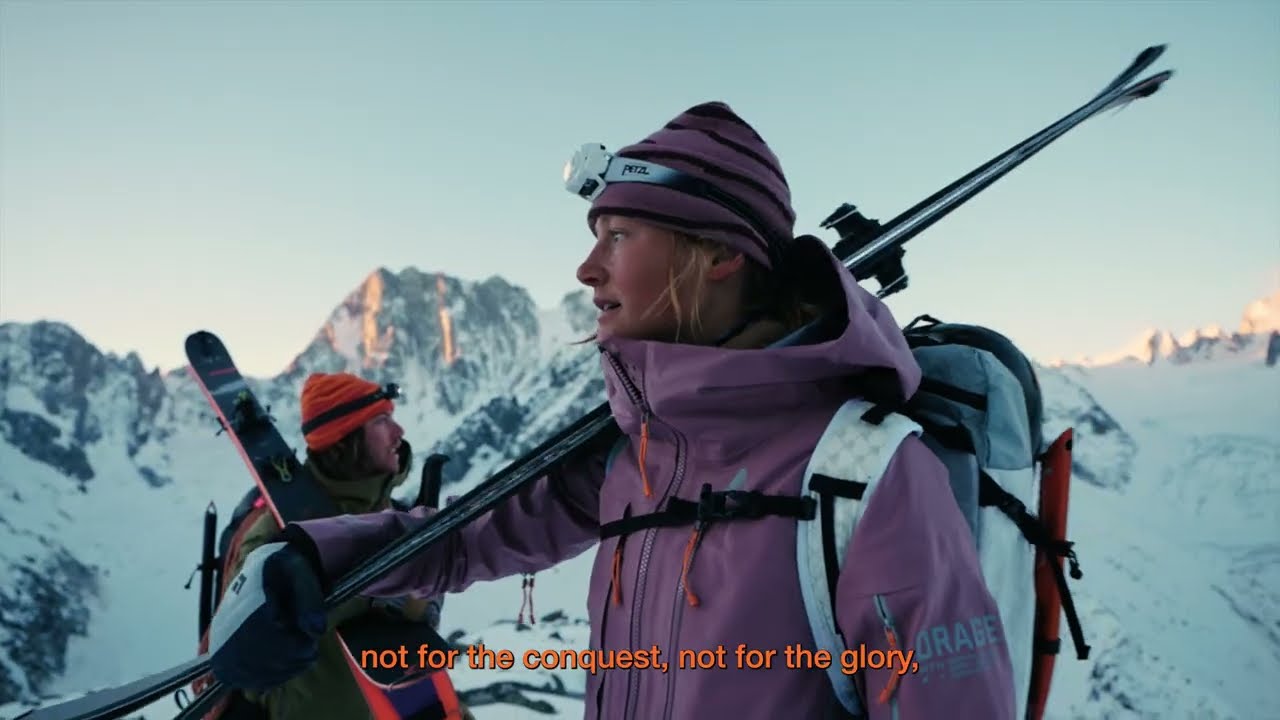
Orage's current product identity is built around outerwear systems. The MTN-X collection sits at the top of the range and is designed for backcountry, storm days and progressive mountain objectives. It uses advanced waterproof and breathable fabrics such as Dermizax, a Toray membrane technology known for stretch, comfort and weather protection. MTN-X pieces include three layer shells, pants, bibs and insulated layers built for skiers who need protection without feeling trapped inside stiff clothing.
Gilltek is another major Orage technology. It is an insulation concept designed to manage warmth and moisture by using breathable baffle construction that can release excess heat. That matters in skiing because outerwear has to solve a contradiction. A skier can be cold on a lift, hot on a traverse, sweating during a bootpack and freezing again while waiting for the next drop. Gilltek aims to create a warmer layer that does not immediately become clammy when the skier starts moving.
The broader Orage catalog covers shell jackets, insulated jackets, midlayers, down jackets, vests, fleeces, hoodies, shell pants and bibs, insulated pants and bibs, baselayers, socks, beanies, neck tubes, bags and repair patches. The brand is not trying to be only a technical shell company or only a resort fashion label. It builds a full winter wardrobe around skiing, layering and daily use.
Outerwear for storm skiing park laps and long traverses
Orage performs best when the day asks for both movement and protection. A skier in Quebec may deal with freezing wind, wet snow, hardpack, chairlift humidity and fast temperature swings. A skier in British Columbia may need a shell that handles storm cycles, tree skiing, sled access and long days in soft snow. A skier in Chamonix may want technical protection for alpine weather that can shift quickly from sun to spindrift. Orage's value is that it speaks to all of those realities without losing its freeski identity.
MTN-X shells and bibs suit skiers who tour, bootpack, ski deep snow or want a high protection outer layer for serious weather. Dermizax three layer pieces make sense for riders who need waterproofing, breathability, stretch and fully seam sealed construction. Hybrid and lighter shell options suit higher output days where airflow matters as much as sealing.
For resort skiers, Orage insulated pieces and Gilltek jackets offer a different solution. They are designed for cold lifts, bell to bell laps and everyday mountain use where warmth is more important than shaving grams. For park and freestyle skiers, the appeal often comes from fit, durability and style. A jacket or pant has to move naturally, survive falls and still look right in a clip. That balance is central to the brand's ski culture value.
ABM Phil Casabon and the Quebec freeski thread
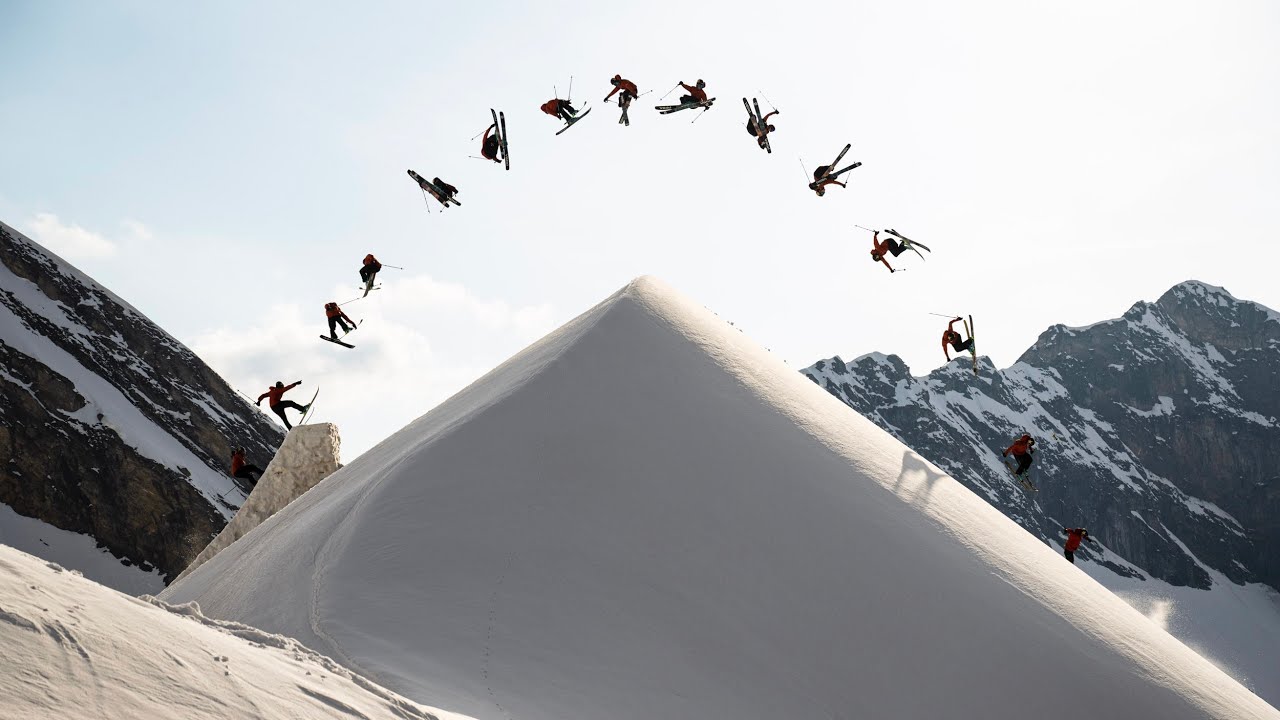
Orage's cultural weight comes from its connection to freeskiing, especially in Quebec. The brand has long been associated with a style first approach to skiing, where clothing, tricks, edits and personality matter together. On skipowd.tv, Orage is linked with videos featuring Alex Beaulieu-Marchand and Philip Casabon, two very different but important Quebec ski voices. ABM connects the brand to Olympic slopestyle, X Games credibility and a later transition toward freeride and backcountry video. Casabon connects it to street skiing, creativity, rhythm and one of the most influential style languages in modern freeski.
Orage's own history also points toward the Orage Masters, the irreverent team style event that became a cult reference in freeski culture. Unlike standard competitions, the Masters leaned into costumes, team spirit, showmanship and skier judged energy. That kind of event helped define Orage as a brand willing to treat skiing as expression rather than only performance measurement.
The modern FWT Challenger partnership adds a different layer. By becoming the official ski wear and presenting partner of the Freeride World Tour Challenger Series, Orage connects its apparel to the pathway between qualifier events and the elite freeride tour. That gives the brand visibility in consequential terrain while keeping the link to emerging athletes and grassroots progression.
Montreal roots Chamonix storefront and the Alps connection
Orage's geography starts in Quebec. Montreal gives the brand its creative and urban base, while Quebec ski areas such as Bromont, Mont-Tremblant, Saint-Sauveur and Mont-Sainte-Anne explain the cold weather and freestyle context that shaped the early product. Quebec skiing is not only about powder. It is icy nights, park laps, urban rails, freeze thaw cycles, cold lifts and a strong community of skiers who learned to make style out of imperfect conditions.
The brand now also has a visible European presence, including a Chamonix store. That matters because Chamonix is one of the world's most demanding ski environments. A brand can talk about mountain protection anywhere, but Chamonix gives that claim a sharper edge: steep lines, changing weather, high alpine exposure and a culture where gear is judged quickly. Orage's presence there helps extend its identity from Quebec freeski roots into a broader alpine context.
British Columbia is another natural Orage reference point. Storm skiing, backcountry filming, sled accessed zones and coastal weather all test outerwear differently from dry continental resorts. A brand built around Dermizax shells, movement, insulation and skier expression fits well in that map. Orage's geography is therefore not one location. It is a triangle of Quebec culture, western Canadian snow and alpine European ambition.
Dermizax stretch C0 DWR and repair minded outerwear
Orage's construction story is about fabrics, patterning and longevity. Dermizax three layer shells give the brand a technical waterproof breathable foundation. Stretch matters because ski movement is not static. A skier reaches for grabs, plants poles, skins uphill, bends into landings, sits on chairlifts and moves through trees. A shell that resists weather but feels rigid can become tiring over a long day. Orage's best technical pieces aim to protect without blocking movement.
The brand also highlights material decisions such as C0 DWR finishes and OEKO-TEX listed textiles on selected products. These details matter because outerwear is under pressure to move away from older chemical treatments while still performing in wet snow. Orage's sustainability language emphasizes doing better, building products that last longer and sourcing improved materials over time. That is a sensible framing for technical apparel, where durability, care, repair and material choices all matter.
Practical durability appears in features such as seam sealing, articulated elbows, articulated knees, reinforced cuffs, functional pockets, helmet compatible hoods, vents, YKK zippers, pass pockets and repair patches. These are the details that decide whether a jacket works after a full season. A beautiful shell that fails at the zipper, cuff or hem is not useful. Orage's strongest products are the ones that combine clean design with the boring details skiers rely on every day.
Choosing MTN-X shells Gilltek insulation or resort layers
Choosing Orage starts with the kind of skiing you actually do. If the priority is storm protection, touring, sidecountry access or big weather, MTN-X three layer shells are the natural first look. Choose these when waterproofing, breathability, articulation and durability matter more than built in warmth. Pair them with a baselayer and midlayer system so you can adjust to changing effort and temperature.
If your winter is mostly resort based and cold, Gilltek insulated jackets and warmer pants make more sense. They reduce the need for complex layering and work well for chairlift days, windy mornings and long resort sessions. If you run hot or spend time hiking park features, traversing, skiing bumps or touring, avoid over insulating by default. A lighter shell and breathable midlayer may keep you more comfortable than the warmest jacket in the catalog.
Fit should follow style and use. Freeride and park skiers may prefer roomier cuts for movement and silhouette. All mountain skiers who ski trees or carve fast may prefer a cleaner fit with less loose fabric. Bibs are useful for deep snow and storm days, but skiers should make sure the rise works with beacon harnesses, backpacks and boot buckles. Orage works best when the kit is built as a system, not as one isolated jacket purchase.
Why Orage still matters to ski apparel culture
Orage matters because it has a real ski identity. The brand did not simply enter winter sports through generic outdoor clothing. It grew from Quebec skiing, university ski team gear, car trunk sales, freestyle energy and the belief that apparel could be technical without becoming dull. That gives Orage a cultural position many outerwear brands try to manufacture but cannot easily fake.
Its importance is strongest in the ski apparel lane. Orage is not a global hardgoods giant, and it does not have the same industrial scale as the biggest outdoor corporations. That is why a 4 out of 5 rating fits. The brand is internationally recognized, technically credible and culturally meaningful, but it remains more focused than a multi category ski equipment leader.
On skipowd.tv, Orage belongs as a Canadian ski outerwear sponsor with deep freeski roots. It connects Quebec style, technical storm protection, MTN-X backcountry equipment, Gilltek insulation, FWT Challenger visibility and athlete driven ski media. For riders who want outerwear that feels made by skiers rather than merely sold to them, Orage still has a clear place in the mountain wardrobe.