Tormod Frostad
Sandvika / Bærum, Norway | Active: 2017-present | Known for: 2026 Olympic Big Air gold, Jib League overall title, X Games Knuckle Huck bronze, World Cup podiums | Current: Faction, Capeesh and Norway freeski team
Livigno Snow Before The Last Jump
The Livigno jump disappeared into snowfall, lights catching every flake before Tormod Frostad pushed toward the takeoff. Mac Forehand had just thrown down a score that could have won almost any big-air final, and Matej Švancer had already forced the level into dangerous territory. Frostad did not answer with the most rotations in the field. He answered with a right nose-butter double bio 1620, high enough to hold the grab, clean enough to land with both skis quiet, and original enough to move the judges. The 98.50 on his final run turned a silver position into Olympic gold. Four years after finishing last in Beijing’s big-air final, Frostad left Livigno as Norway’s next Olympic freeski champion.
Sandvika Tricks After Alpine Turns
Frostad was born in Bærum in 2002 and is closely tied to Sandvika, Norway. His early skiing began through alpine turns rather than freeski showmanship, a base that still appears in how he manages speed. Faction describes him as a skier who learned his first tricks on jumps and rails at a local slope near Oslo, a place that became a second home once freeskiing took over. That origin matters because Frostad’s skiing never looks detached from basic technique. Even when the trick is strange, the setup is disciplined: approach speed, edge pressure, pop timing, grab discipline and a landing stance that rarely looks accidental.
Lausanne And The First Olympic Signal
Before Beijing or Livigno, Frostad passed through the Youth Olympic Games in Lausanne. He placed fifth in boys’ big air and twentieth in boys’ slopestyle in 2020, early results that placed him inside Norway’s next freeski group without making him a household name. Those finishes are useful because they show the path before the breakthrough. He was already a two-discipline skier: strong enough on jumps to matter in big air, technical enough across rails and jumps to stay connected to slopestyle. Norway’s team context also mattered. Birk Ruud, Ferdinand Dahl and later Ulrik Samnøy gave him a national environment where creativity and competition could live together.
Beijing At The Bottom Of The Scoreboard
The 2022 Olympics gave Frostad a harder lesson. He finished twenty-fifth in slopestyle qualification and twelfth in the big-air final at Beijing. The big-air result looks small beside the later gold, but it became one of the central turns in his story. He later described leaving Beijing unsure about where he wanted to go with skiing, then falling back in love with both skiing and competition after that disappointment. That emotional reset matters because Frostad’s later skiing did not become more mechanical. It became more personal. He leaned harder into style, butter takeoffs, sideways rotation axes and trick shapes that separated him from the spin-count race.
Tignes, Chur, Stubai And Beijing Before Livigno
The score sheet began to change in 2024. Frostad finished second in World Cup slopestyle at Tignes in March, then opened the next season with second in big air at Chur, third in slopestyle at Stubai and first in big air at Beijing. FIS records also show a fifth place in slopestyle at the 2025 World Championships in Engadin, a result that confirmed his full-course ability beyond big-air finals. The pattern was not random. Frostad was becoming dangerous in both formats: slopestyle gave him rail sections, flow and run construction; big air gave him the space to focus on one original takeoff, one grab and one landing.
Nordkette, Myrkdalen And The Jib League Year
Frostad’s 2024 season also carried heavy core-scene weight. He won Jib League events at Nordkette and Myrkdalen and took the Season 2 overall title. That matters because Jib League is not a standard federation contest. Riders judge riders, the course is built around rails, transfers, side hits and problem solving, and style can be rewarded before formal difficulty. Frostad’s success there gave him credibility with skiers who care about how a trick is done, not only how many degrees it spins. The same season, Downdays named him European Skier of the Year after a narrow final vote against Matej Švancer, showing how strongly his contest results and creative identity had merged.
Aspen Bronze After The Broken Forearm
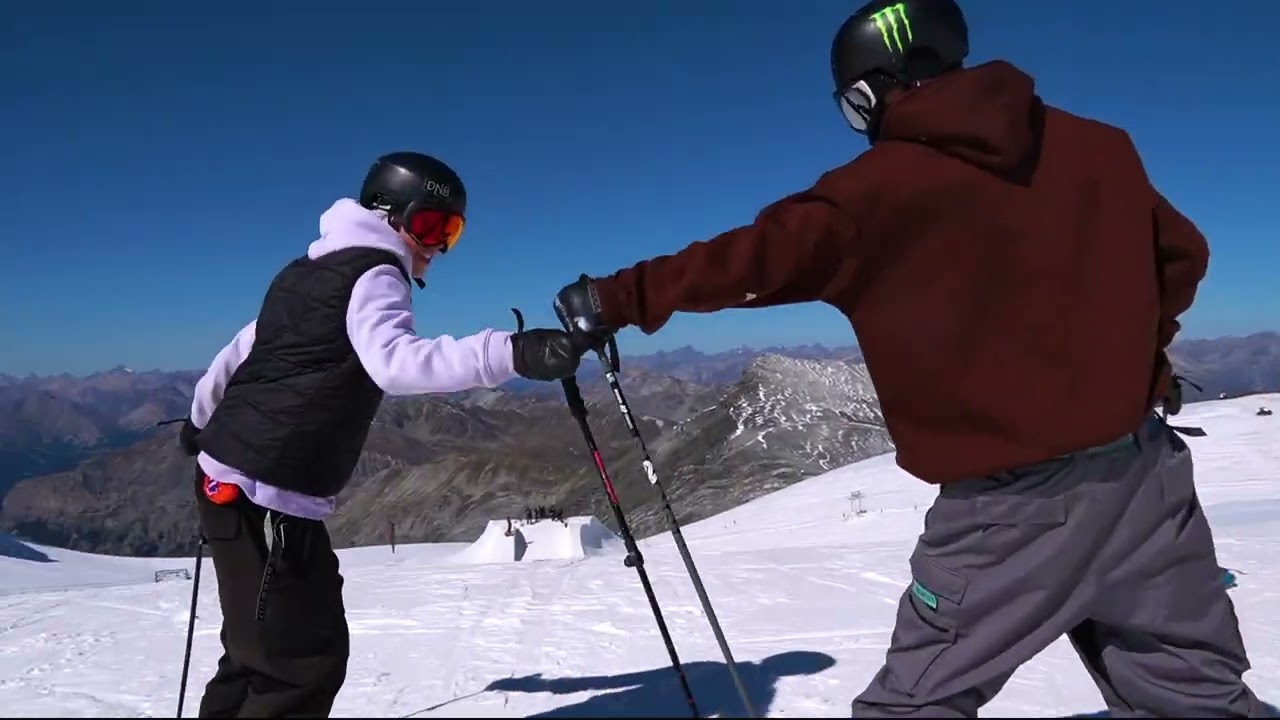
X Games gave Frostad another kind of test. At Aspen 2025, he crashed hard in Knuckle Huck, fractured his right forearm and had to withdraw from the rest of his planned events. One year later, he returned to Aspen and earned bronze in Men’s Ski Knuckle Huck, while also finishing fourth in Big Air and tenth in Slopestyle. The bronze fits his profile because Knuckle Huck rewards timing, body position, takeoff creativity and improvisation more than a classic jump-line routine. A skier has to read the knuckle like a small natural feature, decide when to release, then land without the obvious structure of a normal jump. Frostad’s ability to move between Knuckle Huck, Jib League, slopestyle and Olympic big air explains his current status.
The Bio Axis That Changed The Final
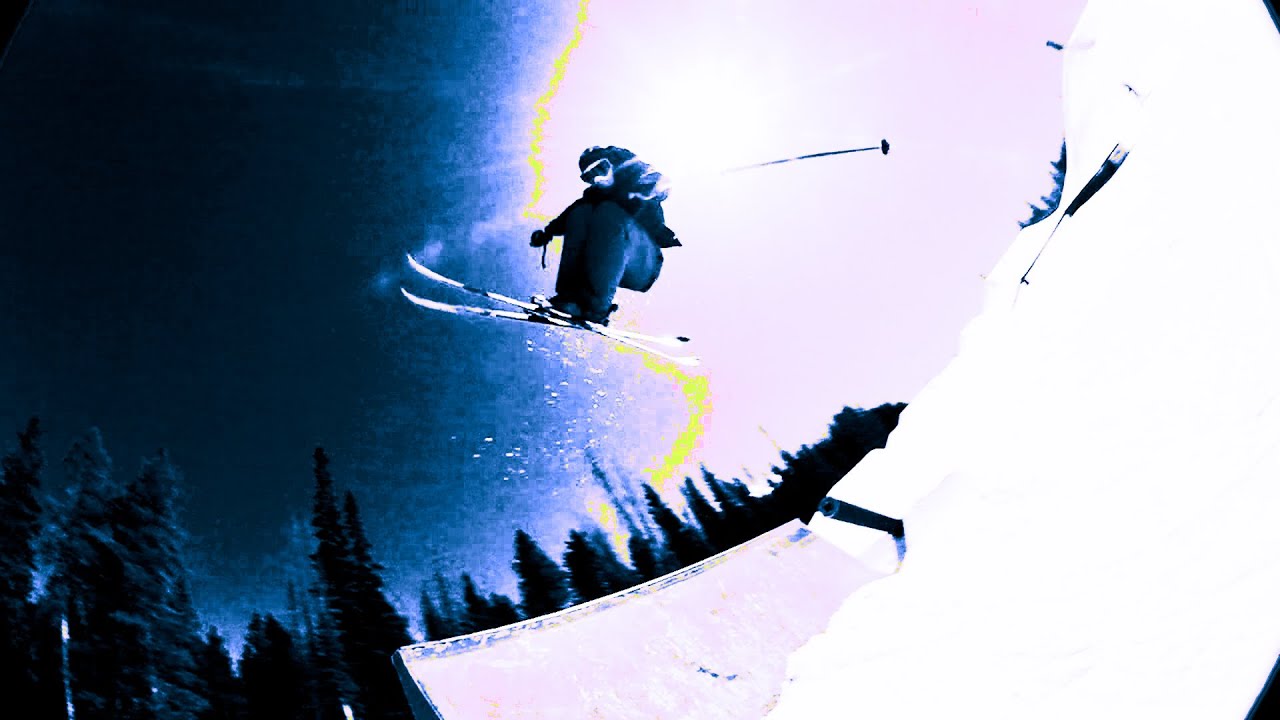
The Livigno gold was built on technical difference, not only clean execution. Frostad’s winning language came from butter takeoffs into double bio rotations, while several rivals used higher-rotation triple corks. A butter takeoff asks the skier to turn part of the trick while still in contact with the snow. A bio axis then sends the body into a different forward-driving rotation than a cork axis. That makes the trick harder to understand from the couch because it may spin fewer degrees in the air, but it demands unusual timing, edge pressure and body control before takeoff. Frostad’s ski tips, grab, axis, landing and overall posture all gave the run its score. It was a judging statement against pure “spin to win” logic.
Faction Skis, Capeesh Energy And The Tormod Setup
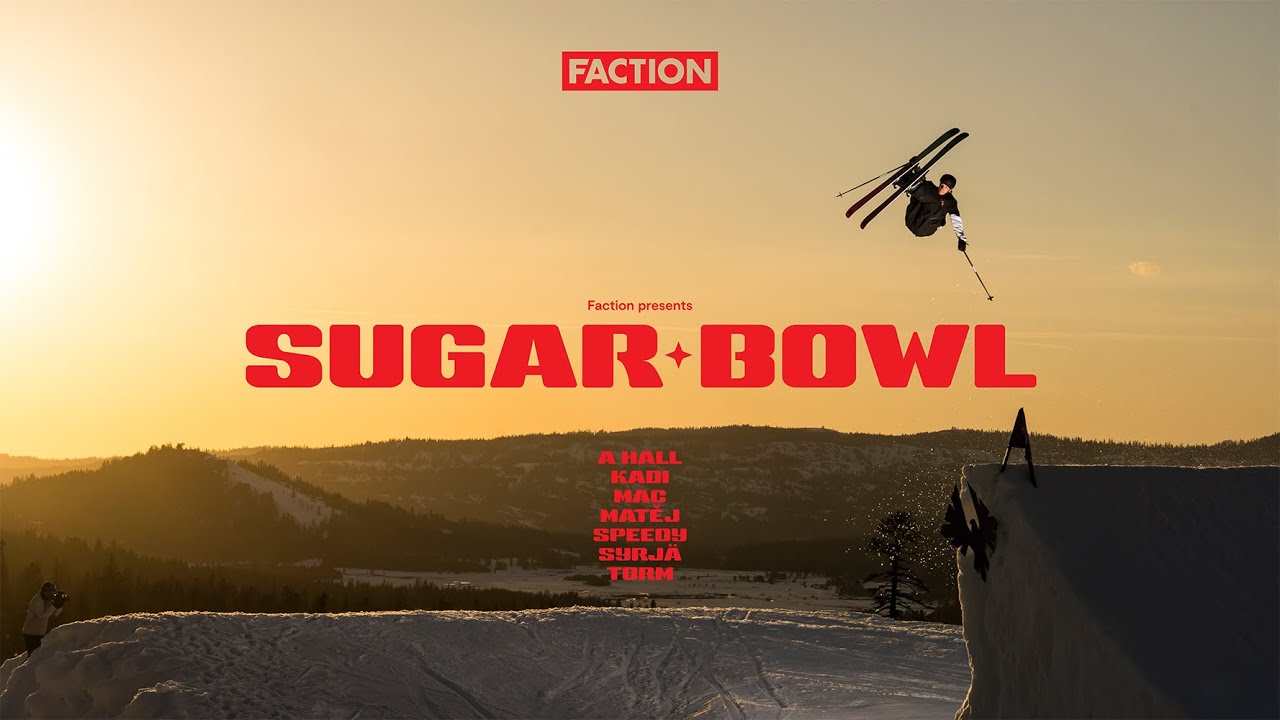
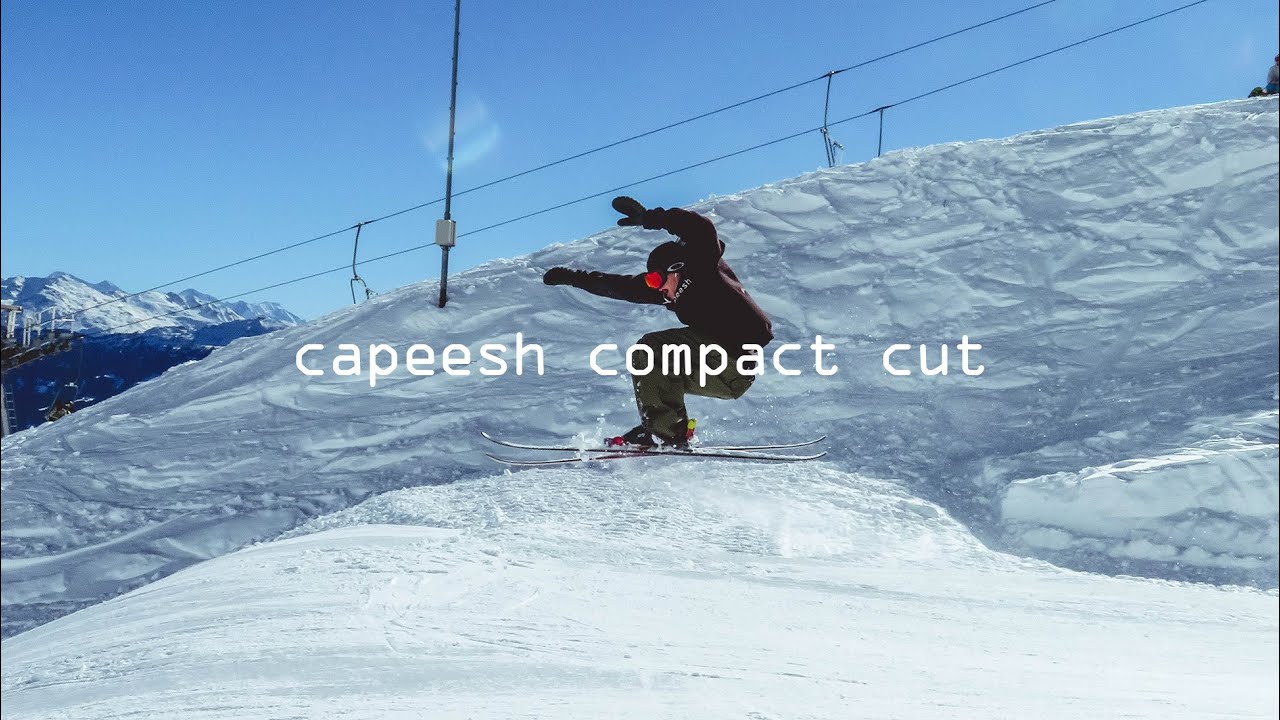
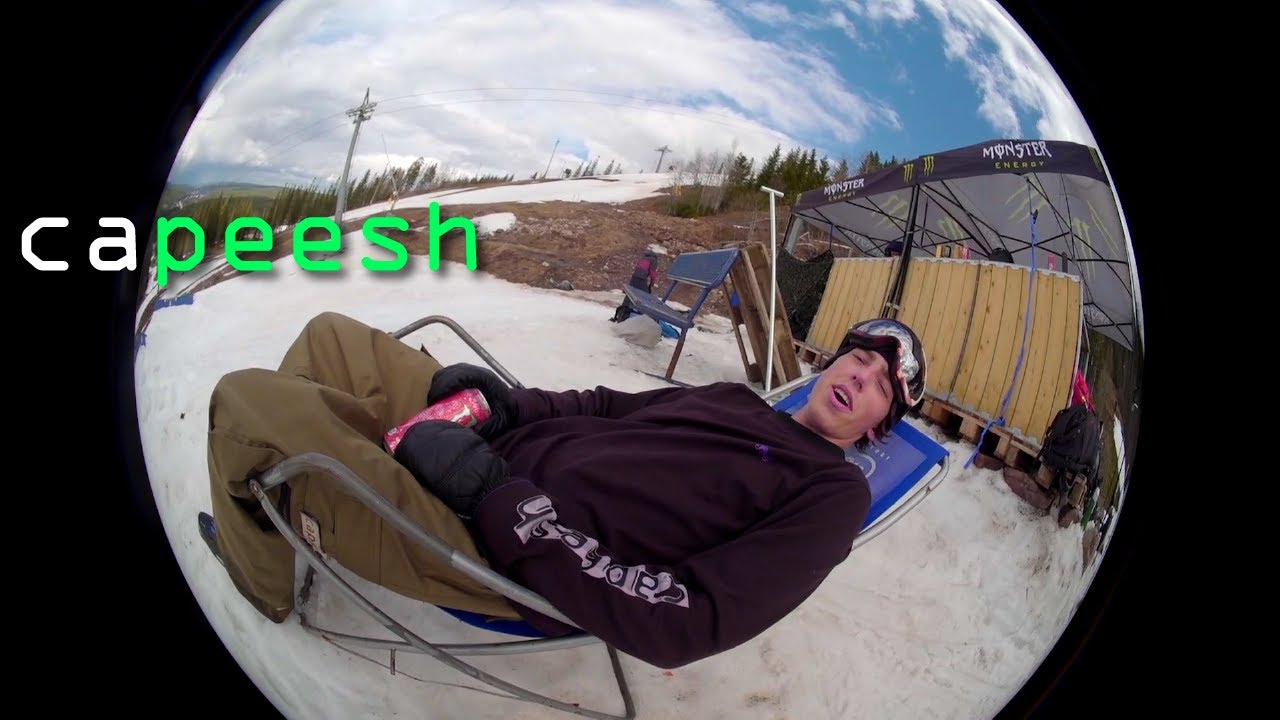
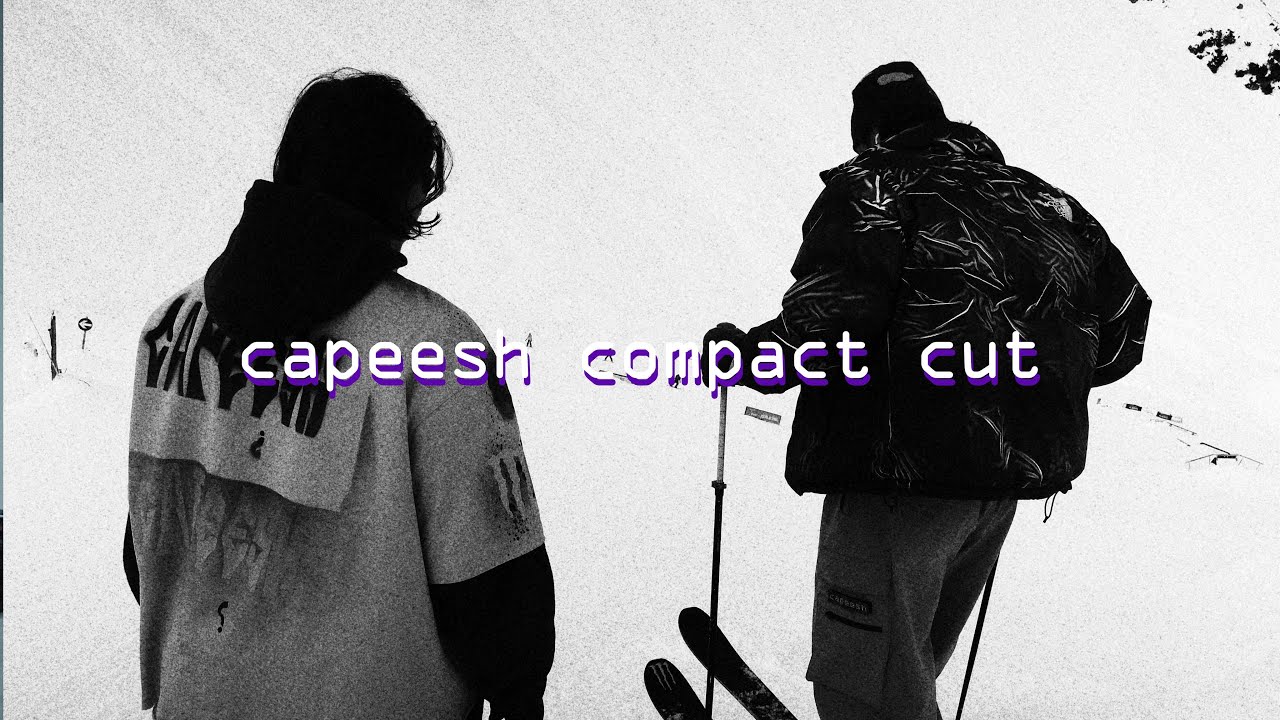
Frostad’s sponsor picture matches the split in his skiing. BUG Visionaries lists Faction and Capeesh as sponsors, while Faction’s own athlete page places him in Sandvika and shows his current equipment around the Prodigy 2, Agent poles and Phaenom freestyle boots. That setup fits his public image. The Prodigy line belongs to park, jump and all-around freestyle use; Capeesh sits closer to rider-led style culture, edits, events and clothing; Phaenom gives a modern freestyle boot system for skiers who need support without losing movement. Frostad does not ski like a pure federation product. His gear and brand environment point toward contest progression, filmed skiing, friends, snowparks and a visual identity built around looseness without losing precision.
How Frostad Builds A Run
Technically, Frostad’s strongest quality is the way he lets style begin before takeoff. In slopestyle, he uses rails and transitions to set rhythm rather than treating them as chores before the jumps. In big air, he turns the takeoff into part of the trick through nose and tail butter movement. His skiing uses switch approach control, bio-axis rotation, clean grab discipline, rail balance, pressure changes, blind landings, shifty body language and quiet skis on touchdown. The movement often looks playful, but the base is strict. If the edge set is late, the butter fails. If the axis drifts, the landing opens. If the grab is weak, the whole trick loses authority. Frostad’s best runs work because the casual surface sits on top of exact mechanics.
The Champion Who Still Skis Like A Core Rider
Frostad’s current position is rare: Olympic big-air champion, X Games medalist, Jib League overall winner, World Cup winner, World Championship slopestyle finalist and European Skier of the Year. The next chapter will test how he carries that status. Olympic gold changes invitations, sponsor pressure and public expectation, but Frostad’s strongest asset is the part that existed before Livigno: the desire to ski with friends, invent takeoffs, ride parks around the world and keep tricks personal. His place in freeskiing now sits between two lanes that usually pull apart. He is a gold-medal contest skier whose credibility still comes from style, rails, Jib League and the refusal to let the biggest spin be the only answer.