Teton Gravity Research
StudioUnited States
American ski, snowboard and action sports film studio | Founded in 1995 in Jackson Hole, Wyoming by Steve Jones, Todd Jones and Dirk Collins | Known for: annual ski films, TGR Film Tour, Pressure Drop, Beyond the Fantasy, Magic Hour, Rogue Elements, Way of Life, The Dream Factory, TGR TV, athlete edits and big-mountain cinematography | Focus: documenting freeride, backcountry, powder, park, snowboard and mountain culture through feature films, tours, digital media, optics and athlete-led storytelling.
1995 Jackson Hole origins and the fishing money that bought the cameras
Teton Gravity Research, usually shortened to TGR, is one of the most important production studios in ski history. It is not a ski manufacturer, boot brand, binding company or apparel label in the traditional sense. It is a media house that helped define how big-mountain skiing, freeride snowboarding and action sports are filmed, toured, watched and remembered.
The story begins in 1995, when Steve Jones, Todd Jones and Dirk Collins pooled money earned from commercial fishing in Alaska and heli-ski guiding to buy camera gear. Joined by Corey Gavitt, they founded Teton Gravity Research from Jackson Hole, Wyoming, with the intention of documenting the progression happening in action sports from inside the culture rather than from a distant commercial lens.
That origin still matters. TGR was born close to real mountain terrain, guides, tram laps, storms, avalanche decisions and skiers who wanted films to show the speed and consequence of their lines properly. The studio’s early identity was not about making skiing look safe or polished. It was about capturing the intensity of the fall line, the uncertainty of weather windows and the personalities of athletes willing to commit to terrain that could not be faked.
The Continuum to Pressure Drop and the annual film ritual
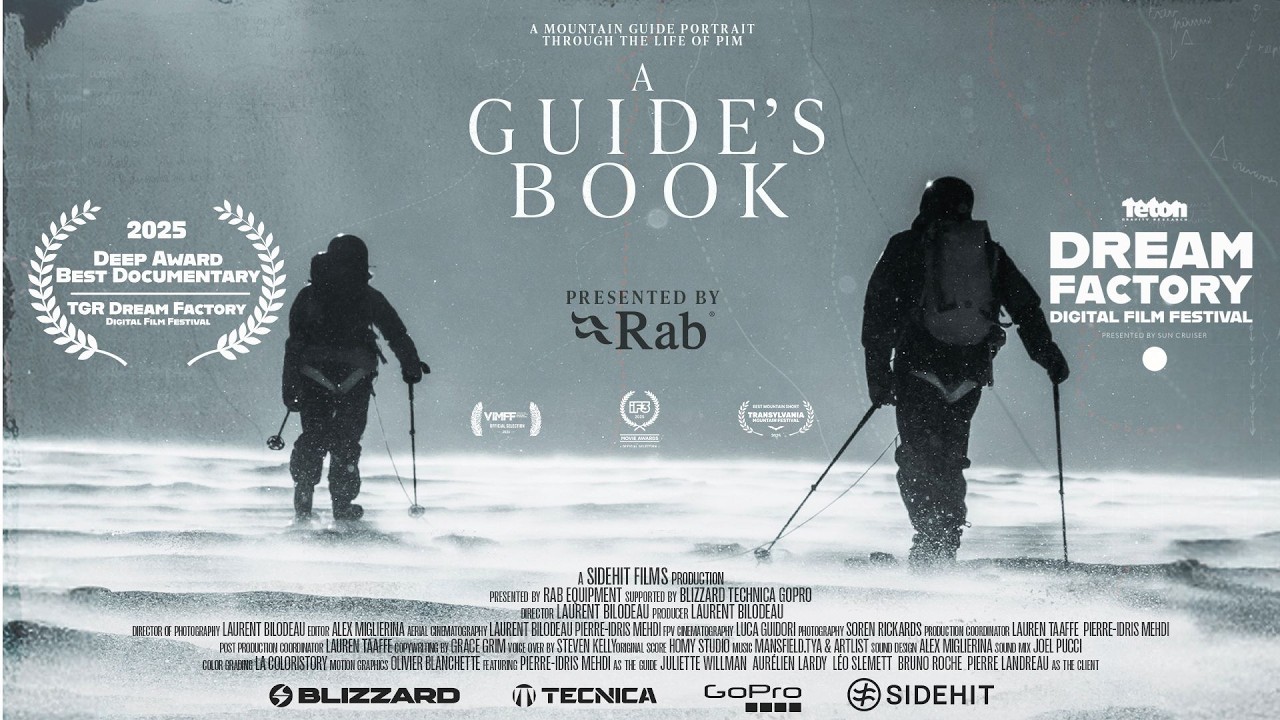
TGR’s catalogue is the backbone of its importance. Early films such as The Continuum, Harvest, Uprising, The Realm, The Prophecy, High Life, Soul Purpose, Tangerine Dream, Anomaly, Lost and Found, Under the Influence, Re:Session, Light the Wick, One for the Road, The Dream Factory and Way of Life helped build the visual grammar of modern freeride and big-mountain skiing.
Later releases such as Almost Ablaze, Paradise Waits, Tight Loose, Rogue Elements, Far Out, Winterland, Make Believe, Stoke the Fire, Magic Hour and Beyond the Fantasy show how the studio continued to evolve with new cameras, new riders and new audience habits. Each film works as a seasonal marker. Skiers watch the trailer in late summer or fall, buy tickets for a premiere, meet friends in a theater and leave thinking about the first storm.
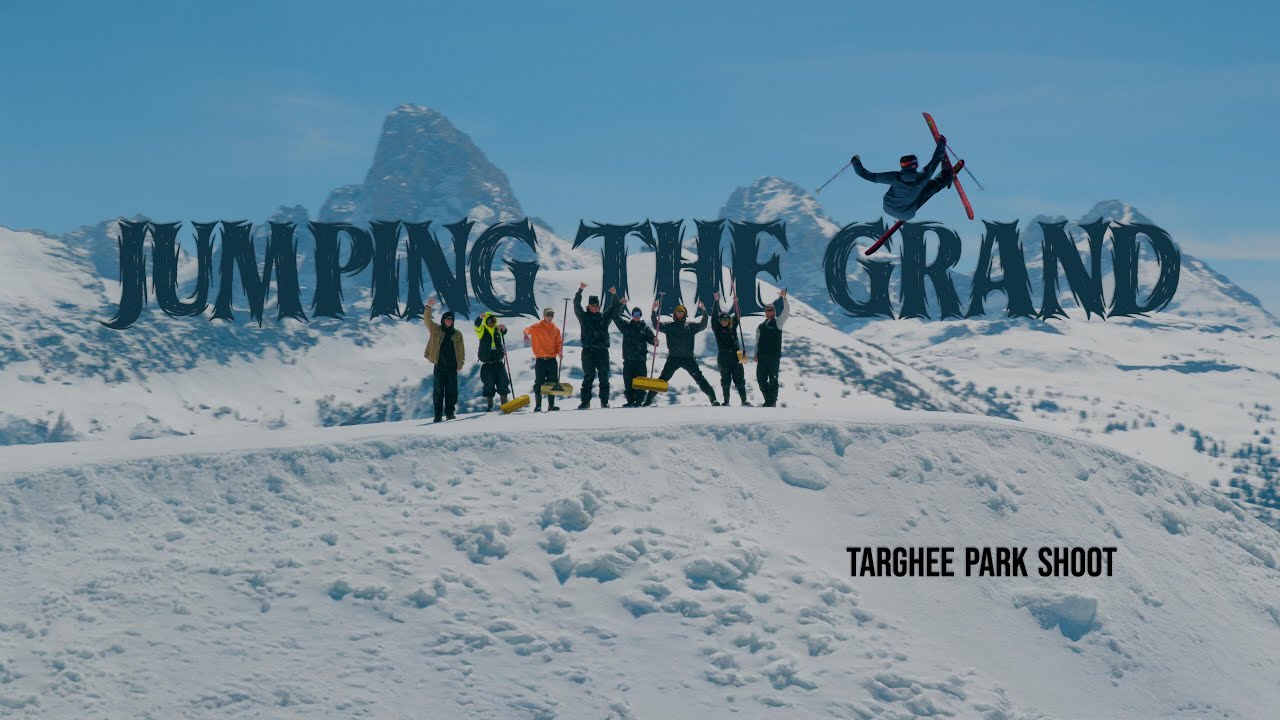
Pressure Drop, released as TGR’s 30th annual ski and snowboard film in 2025, represents the studio’s endurance. Shot across locations including Jackson Hole, Lofoten, Valdez, Grand Targhee, Interior British Columbia, Haines and Palisades Tahoe, the film continues the TGR formula: elite athletes, real terrain, strong cinematography, tour energy and a sense that skiing is most alive in the moment just before gravity takes over.
Big-mountain cinematography where the full line matters
TGR’s style is built around making big skiing readable. In freeride film, this is not a small detail. A steep face can look flat if filmed badly. A spine line can lose its danger if the camera cuts too often. A cliff or landing can look meaningless without approach speed and runout context. TGR’s best shots let the viewer understand the whole line: entry, exposure, sluff, speed, air, landing and exit.
The studio became known for stabilized aerial cinematography, long-lens mountain filming, helicopter platforms, cable angles, sled access, drone work and athlete-following camera systems. But the technology is only useful because the editors and filmers understand skiing. The shot has to honor the line, not simply show off the camera.
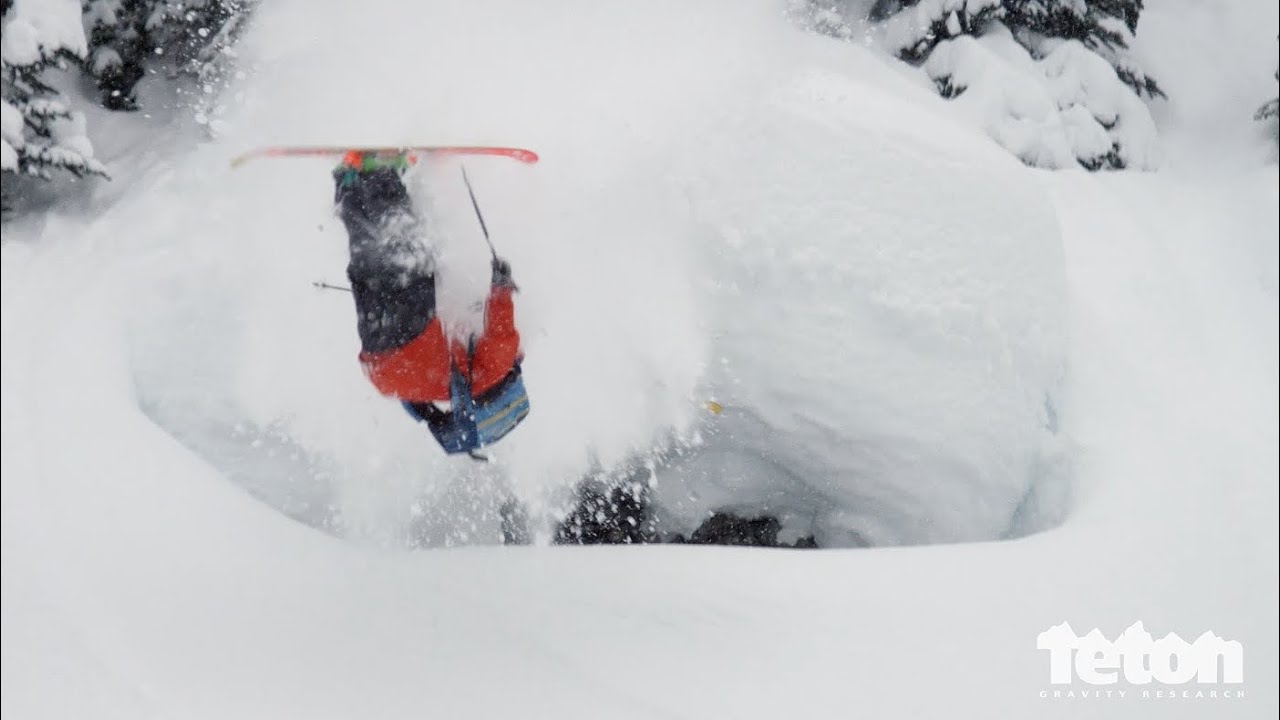
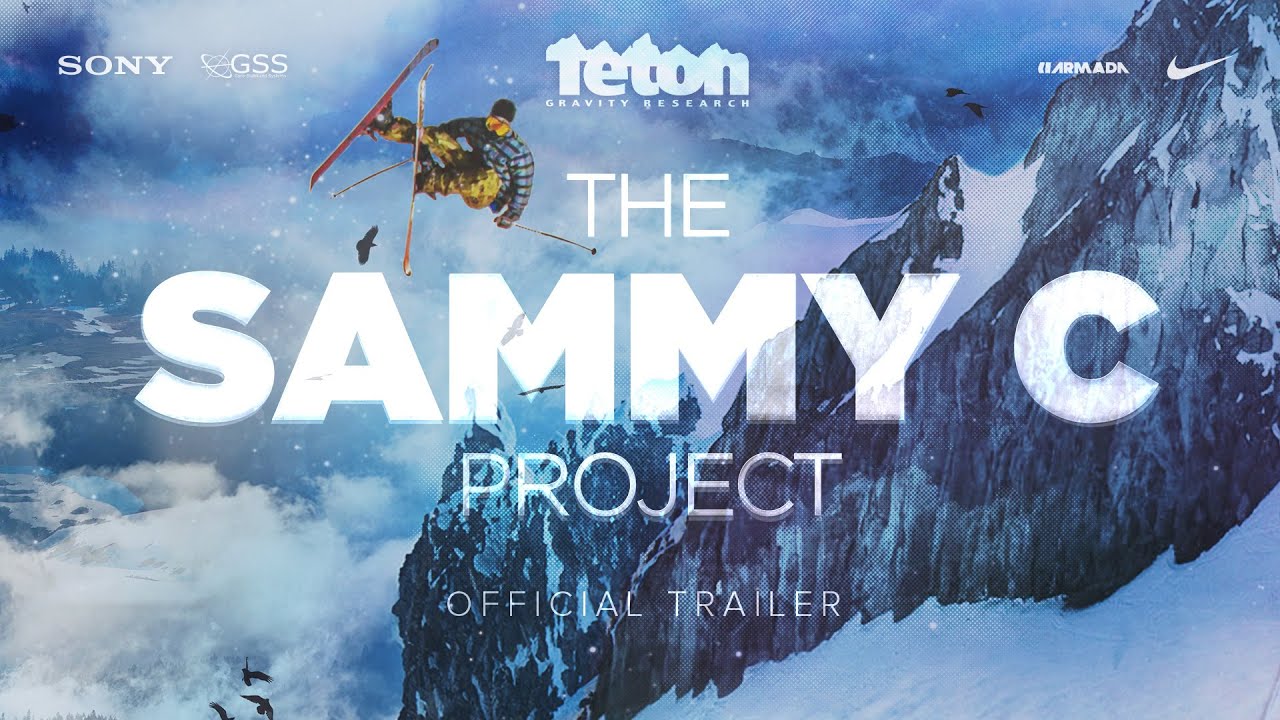
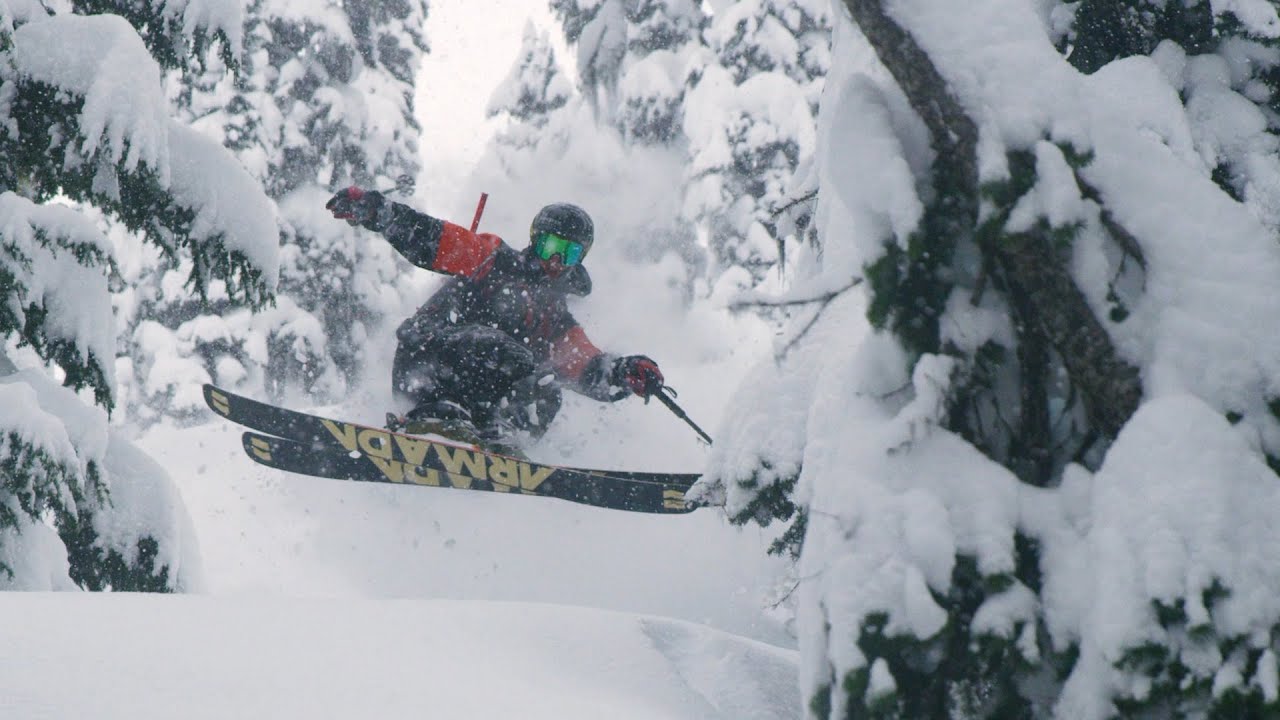
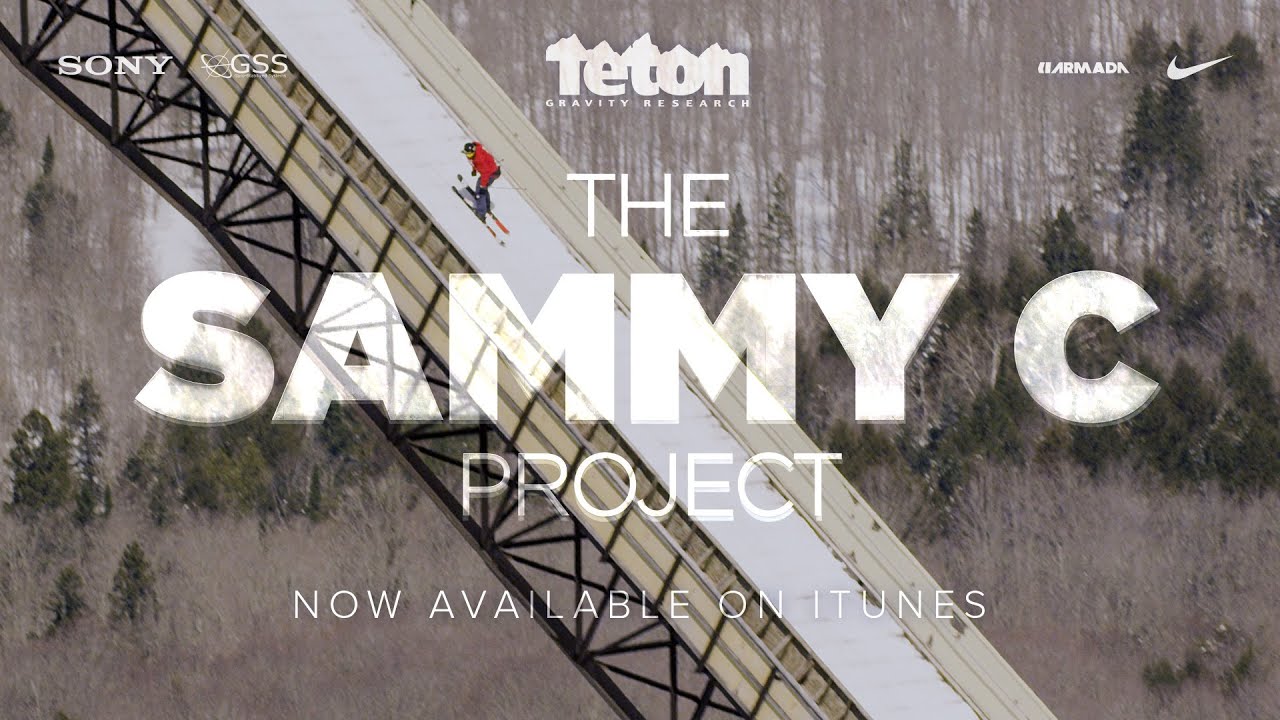
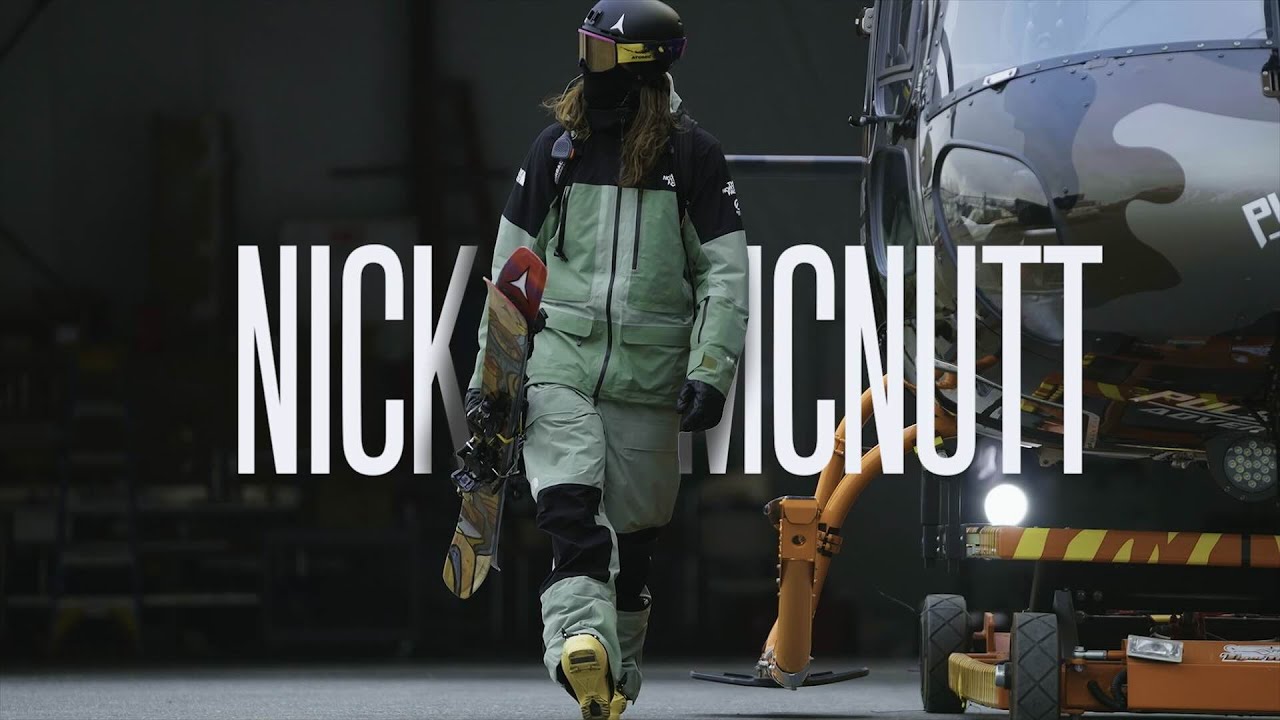
This is why TGR footage often works as both entertainment and study material. A skier can watch Nick McNutt manage pillow speed, Kai Jones read a massive line, Sage Cattabriga-Alosa link terrain, Sammy Carlson build backcountry trick flow or Ian McIntosh move through steep snow and actually learn something about timing, terrain reading and confidence. The films are beautiful, but they are also technical documents of how elite skiers solve real mountain problems.
Sage McNutt Kai Jones Sammy Carlson and the TGR athlete language
TGR’s athlete network is one of the strongest in ski media. Across different eras, the studio has filmed or featured major names such as Doug Coombs, Jeremy Jones, Sage Cattabriga-Alosa, Ian McIntosh, Nick McNutt, Kai Jones, Sammy Carlson, Tim Durtschi, Griffin Post, Colter Hinchliffe, Parkin Costain, McRae Williams, Maggie Voisin, Jim Ryan, Elyse Saugstad, Angel Collinson, Christina Lustenberger, Johnny Collinson and many others.
The strength of this roster is range. TGR can frame a hard-charging Alaska spine skier, a backcountry freestyle rider, a snowboard mountaineer, a park athlete moving into natural terrain or a younger skier learning to carry pressure in front of a camera. The films often show athletes as decision-makers, not only performers. That is a major part of TGR’s credibility.
Kai Jones is a good modern example. His presence connects TGR’s legacy big-mountain language to the next generation. Sammy Carlson brings a freeride freestyle identity, blending huge airs, switch skiing and backcountry creativity. Nick McNutt represents powder style, flow and natural terrain control. Sage Cattabriga-Alosa remains one of the studio’s defining personalities, with a style that feels inseparable from TGR’s visual history.
Jackson Hole as home base and Alaska as the mythic canvas
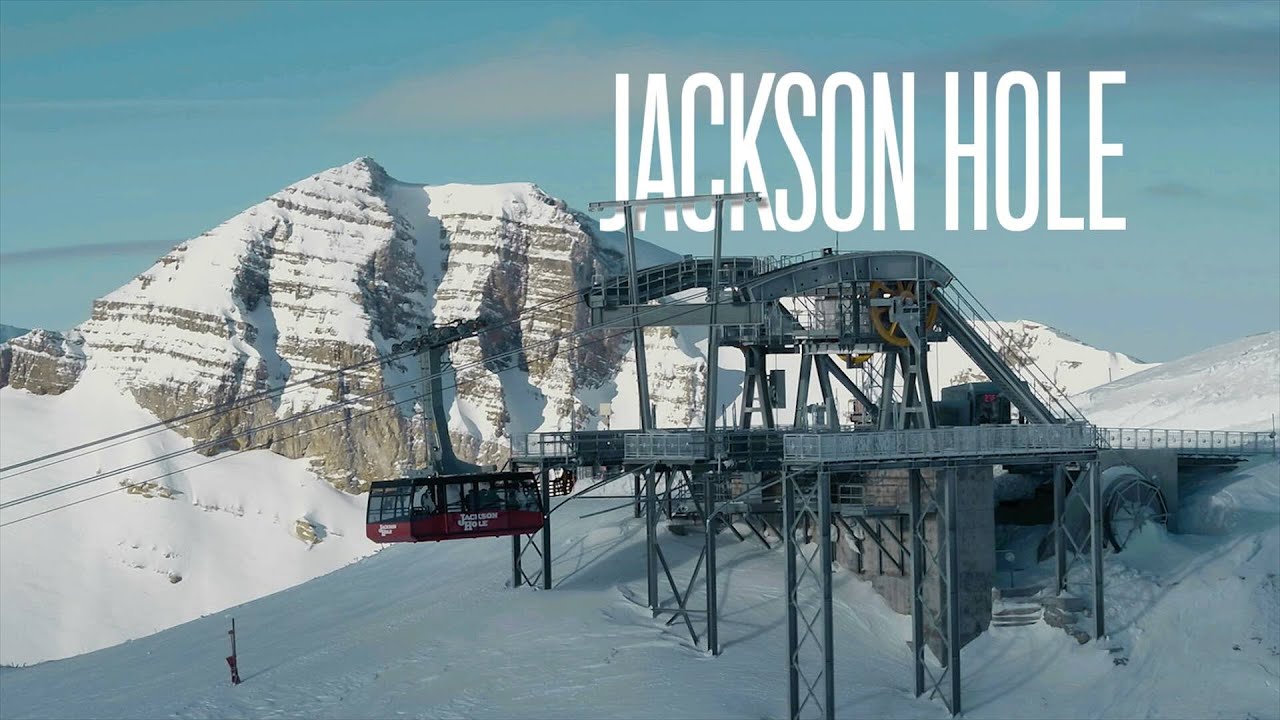
TGR’s geography starts in the Tetons. Jackson Hole and nearby Wilson, Wyoming give the studio its home identity: steep resort terrain, tram culture, storm cycles, serious local skiers and a mountain community that understands both risk and style. The Tetons are not just a headquarters location. They shaped the way TGR thinks about terrain and pacing.
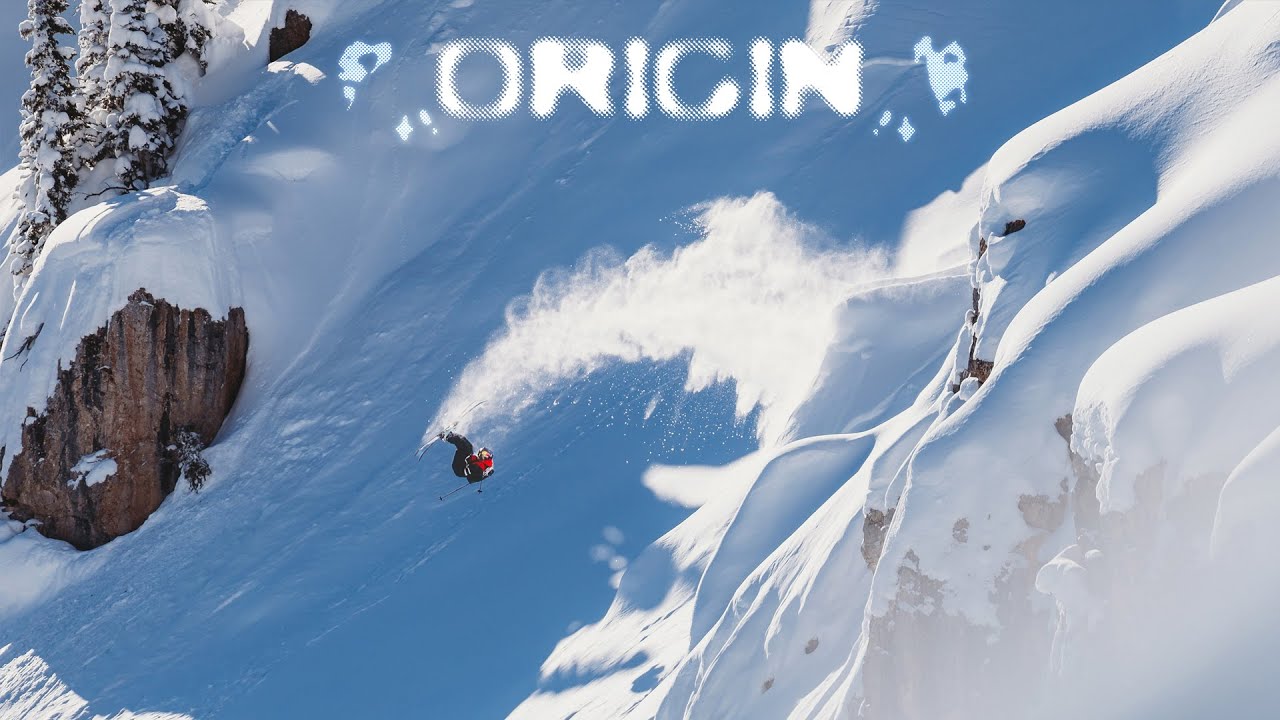
Alaska is the other essential map. Valdez, Haines, the Chugach and surrounding zones have provided the spines, ribs, ramps, rollovers and huge faces that define much of TGR’s big-mountain aesthetic. Alaska gives ski films scale, but also consequence. When TGR films there, the viewer expects speed, sluff, hang-fire awareness, heli logistics and the kind of commitment that separates big-mountain cinema from ordinary resort footage.
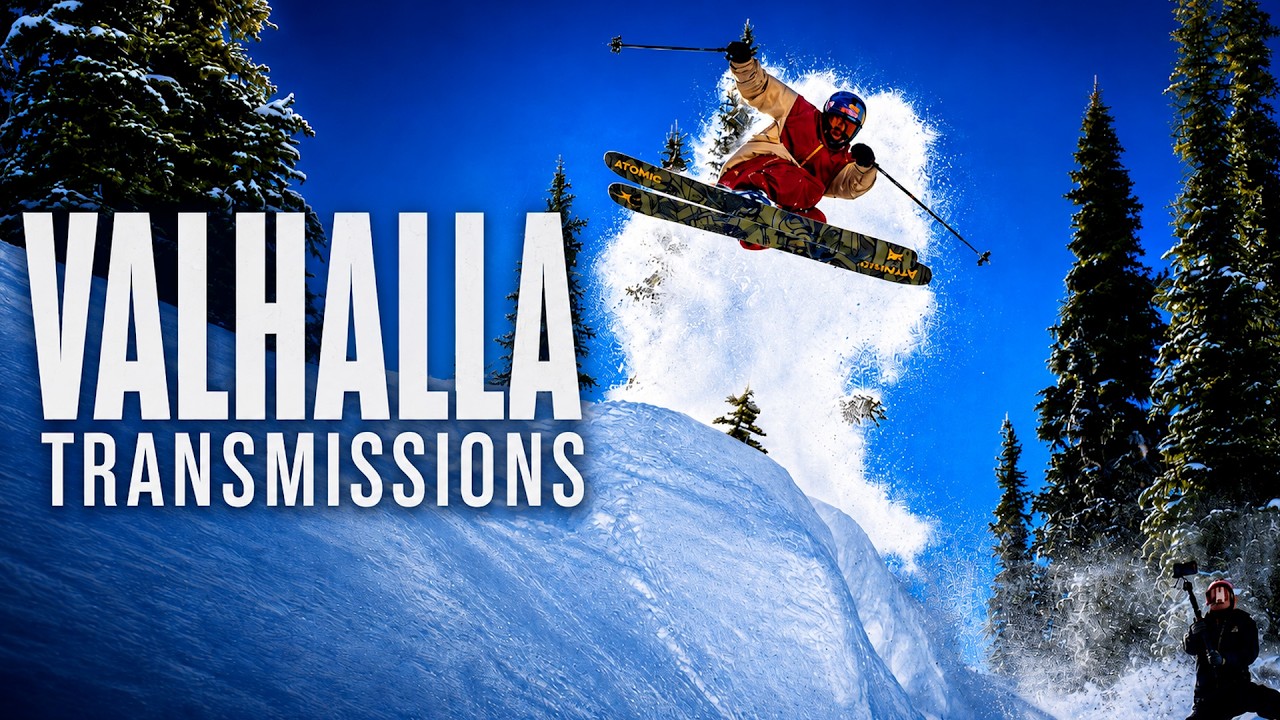
British Columbia, Grand Targhee, Norway, Palisades Tahoe, Montana, Jackson Hole, Revelstoke, Austria and the Alps complete the wider TGR map. These places are not interchangeable backdrops. Each one offers a different story: deep pillows, cold smoke, long fall lines, strange light, wind lips, alpine faces, backcountry jumps or resort-accessible storm days. TGR’s strength is knowing which terrain suits which athlete and which film moment.
Film tours, TGR TV and the community side of the brand
TGR is more than a film studio because it built a full media and event ecosystem. The annual film tour turns each release into a live community gathering. A TGR premiere is often part movie night, part reunion, part raffle, part athlete appearance and part first signal that winter is coming. For many ski towns, the tour is a seasonal ritual.
TGR TV extends that role beyond theaters. Streaming platforms, digital releases, athlete edits, behind-the-scenes clips, safety series, destination pieces and short documentaries keep the brand active between annual films. This matters because modern ski media no longer lives only in DVD sales or one-night premieres. It lives in a constant cycle of clips, segments, interviews, tour stops and digital archives.
The studio has also expanded into merchandise, live events, editorial content and optics. TGR Optics launched with Uprising and Further goggles using Carl Zeiss Sonar lens technology, showing how the brand tried to translate its camera and mountain-vision credibility into a physical snow product. Even there, the logic is media-born: see terrain clearly, read contrast and bring some of the film-world clarity to real skiing.
GSS aerials cold-weather workflows and production durability
For TGR, construction means field production. A ski company builds cores and sidewalls. TGR builds films through weather forecasting, athlete trust, guide input, avalanche planning, camera systems, heli windows, sled access, editing, soundtracks, tour logistics and distribution. A perfect shot might depend on months of planning and fifteen minutes of light.
The studio has long been associated with advanced camera systems, including gyro-stabilized aerial platforms and high-end mountain cinematography. But the important detail is durability under pressure. Cameras have to work in cold, helicopters have to coordinate with athletes, filmers need to be in position, and everyone must be ready when the mountain finally allows a line to happen.
This kind of production is difficult because skiing is not scripted. Snowpack changes. Weather closes in. Athletes get injured. A face may be too dangerous to ski. Light may disappear. TGR’s longevity comes from learning how to build a production system around uncertainty. That is the real technical achievement behind the films.
Why TGR is not the same as Level 1 or Matchstick
TGR belongs beside Level 1 and Matchstick Productions as one of the major North American ski film institutions, but each studio has a different identity. Level 1 is deeply tied to freestyle skiing, street, park and the newschool movement. Matchstick Productions is one of the great annual ski film machines, balancing big mountain, freeride and mainstream ski cinema. TGR’s strongest identity is the Tetons, big-mountain consequence, action sports range and long-form mountain storytelling.
TGR also stretches beyond skiing into snowboarding, surf, bike, outdoor adventure, documentaries and broader action sports culture. That gives the brand a larger media footprint than a purely ski-only company. The risk is that ski purists may see it as broader and less niche than core freeski studios. The strength is that TGR can bring ski stories to wider outdoor audiences.
Inside skiing, its role remains clear. TGR is one of the companies that taught viewers how to watch speed, exposure, avalanche terrain and athlete decision-making. It helped turn big-mountain skiing into a cinematic language that could be understood by skiers in theaters around the world.
How to enter the TGR catalogue
For viewers new to TGR, start with a recent annual film such as Pressure Drop, Beyond the Fantasy, Magic Hour or Stoke the Fire. These show the current level of camera work, athlete depth and global terrain. They are also easier entry points for viewers used to modern pacing, digital distribution and high-end aerial cinematography.
To understand the studio’s classic era, go back to films such as Tangerine Dream, Anomaly, Lost and Found, Under the Influence, Light the Wick, One for the Road, The Dream Factory and Way of Life. These films show how TGR helped define the big-mountain and freeride style of the 2000s and early 2010s.
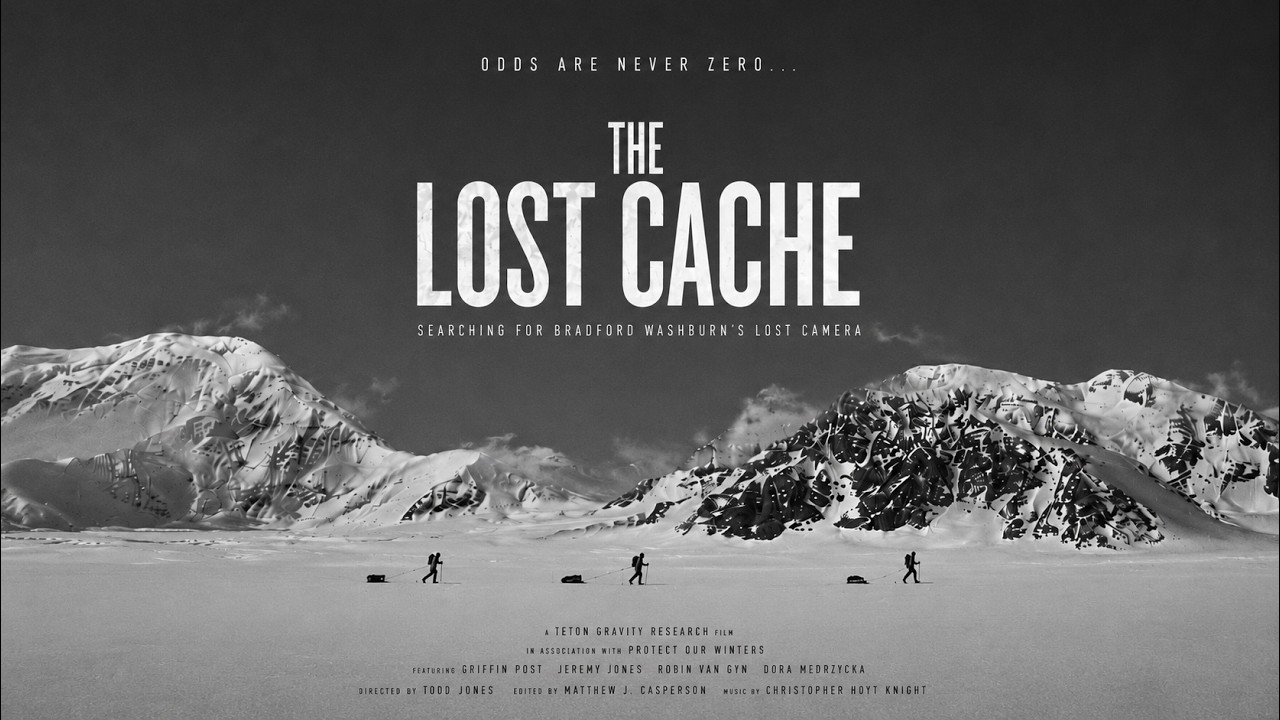
For viewers interested in snowboarding and human-powered progression, the Jeremy Jones Deeper, Further and Higher trilogy is essential. Those projects show TGR’s broader action-sports depth and its ability to move from ski spectacle into expedition, splitboard and mountain philosophy.
Why Teton Gravity Research earns a 5 out of 5
Teton Gravity Research deserves a 5 out of 5 importance rating because it is one of the defining media institutions in ski and snowboard culture. It has more than three decades of history, a Jackson Hole identity, more than 50 films, a global film tour, TGR TV, major athlete relationships, important cinematography innovations, and a catalogue that helped shape how skiers understand big terrain.
Its influence is not limited to one model, one athlete or one era. TGR has remained relevant through changes in distribution, camera technology, athlete style and audience habits. From early Alaska footage to Pressure Drop, from tour nights to digital athlete edits, the studio has kept building the mythology and reality of skiing at the same time.
On skipowd.tv, Teton Gravity Research belongs as a core ski film production studio and mountain media brand. Its value is the moment before the drop: the breath, the line choice, the radio call, the camera locked on the skier, the mountain opening for one clean run, and the theater full of people remembering why winter still matters.